
-
Sale!
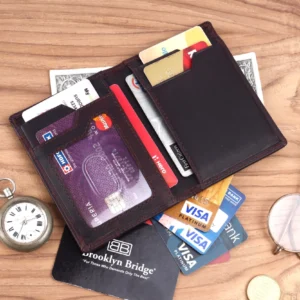
RFID Protected Pull Strap Wallet for Cards & Cash
Original price was: $41.90.$15.19Current price is: $15.19.
You save -
Sale!
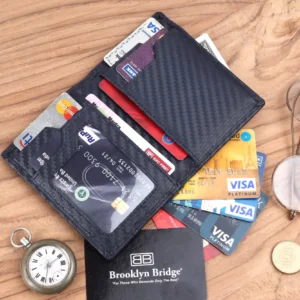
RFID Protected Pull Strap Leather Card Holder Wallet
Original price was: $41.90.$15.19Current price is: $15.19.
You save -
Sale!

RFID Protected Pull Strap Card Holder Wallet for Men Slim
Original price was: $41.90.$15.19Current price is: $15.19.
You save -
Sale!
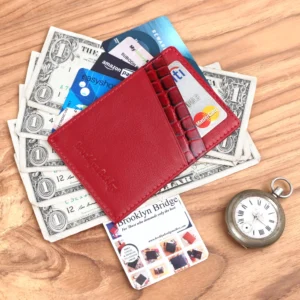
RFID Protected Leather Card Holder Wallet for Men & Women
Original price was: $18.10.$6.39Current price is: $6.39.
You save -
Sale!
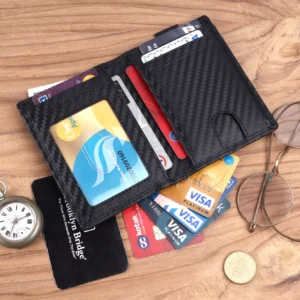
RFID Protected Pull Strap Card Holder Wallet for Secure Access
Original price was: $40.70.$14.79Current price is: $14.79.
You save -
Sale!
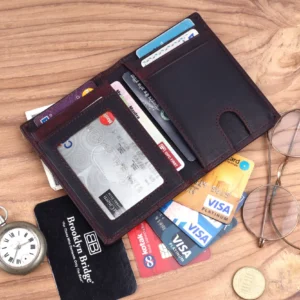
Slim RFID Protected Pull Strap Wallet for Cards & Cash
Original price was: $40.70.$14.79Current price is: $14.79.
You save -
Sale!
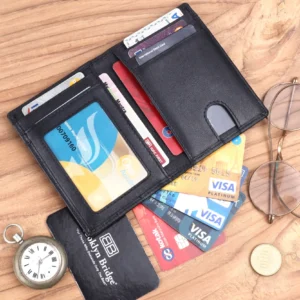
RFID Protected Pull Strap Card Holder Wallet for Daily Use
Original price was: $40.70.$14.79Current price is: $14.79.
You save -
Sale!
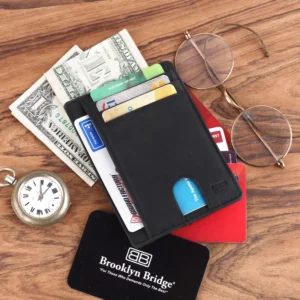
RFID Protected Card Holder Wallet for Secure Cards & Cash
Original price was: $27.30.$10.79Current price is: $10.79.
You save -
Sale!
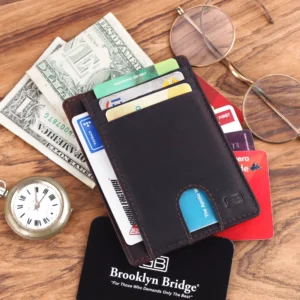
RFID Protected Leather Card Holder Wallet with Slim Design
Original price was: $27.30.$10.79Current price is: $10.79.
You save -
Sale!
Slim RFID Protected Leather Card Holder Wallet for Cards
Original price was: $27.30.$10.79Current price is: $10.79.
You save -
Sale!

RFID Protected Leather Card Holder Wallet for Secure Cards
Original price was: $27.30.$10.79Current price is: $10.79.
You save -
Sale!
RFID Protected Genuine Leather Card Holder for Daily Use
Original price was: $27.30.$10.79Current price is: $10.79.
You save
-
Sale!
RFID Protected Pull Strap Wallet for Cards & Cash
Original price was: $41.90.$15.19Current price is: $15.19.
You save -
Sale!
RFID Protected Pull Strap Leather Card Holder Wallet
Original price was: $41.90.$15.19Current price is: $15.19.
You save -
Sale!
RFID Protected Pull Strap Card Holder Wallet for Men Slim
Original price was: $41.90.$15.19Current price is: $15.19.
You save -
Sale!
RFID Protected Leather Card Holder Wallet for Men & Women
Original price was: $18.10.$6.39Current price is: $6.39.
You save -
Sale!
RFID Protected Pull Strap Card Holder Wallet for Secure Access
Original price was: $40.70.$14.79Current price is: $14.79.
You save -
Sale!
Slim RFID Protected Pull Strap Wallet for Cards & Cash
Original price was: $40.70.$14.79Current price is: $14.79.
You save -
Sale!
RFID Protected Pull Strap Card Holder Wallet for Daily Use
Original price was: $40.70.$14.79Current price is: $14.79.
You save -
Sale!
RFID Protected Card Holder Wallet for Secure Cards & Cash
Original price was: $27.30.$10.79Current price is: $10.79.
You save -
Sale!
RFID Protected Leather Card Holder Wallet with Slim Design
Original price was: $27.30.$10.79Current price is: $10.79.
You save -
Sale!
Slim RFID Protected Leather Card Holder Wallet for Cards
Original price was: $27.30.$10.79Current price is: $10.79.
You save -
Sale!
RFID Protected Leather Card Holder Wallet for Secure Cards
Original price was: $27.30.$10.79Current price is: $10.79.
You save -
Sale!
RFID Protected Genuine Leather Card Holder for Daily Use
Original price was: $27.30.$10.79Current price is: $10.79.
You save
-
Sale!
RFID Protected Pull Strap Wallet for Cards & Cash
Original price was: $41.90.$15.19Current price is: $15.19.
You save -
Sale!
RFID Protected Pull Strap Leather Card Holder Wallet
Original price was: $41.90.$15.19Current price is: $15.19.
You save -
Sale!
RFID Protected Pull Strap Card Holder Wallet for Men Slim
Original price was: $41.90.$15.19Current price is: $15.19.
You save -
Sale!
RFID Protected Leather Card Holder Wallet for Men & Women
Original price was: $18.10.$6.39Current price is: $6.39.
You save -
Sale!
RFID Protected Pull Strap Card Holder Wallet for Secure Access
Original price was: $40.70.$14.79Current price is: $14.79.
You save -
Sale!
Slim RFID Protected Pull Strap Wallet for Cards & Cash
Original price was: $40.70.$14.79Current price is: $14.79.
You save -
Sale!
RFID Protected Pull Strap Card Holder Wallet for Daily Use
Original price was: $40.70.$14.79Current price is: $14.79.
You save -
Sale!
RFID Protected Card Holder Wallet for Secure Cards & Cash
Original price was: $27.30.$10.79Current price is: $10.79.
You save -
Sale!
RFID Protected Leather Card Holder Wallet with Slim Design
Original price was: $27.30.$10.79Current price is: $10.79.
You save -
Sale!
Slim RFID Protected Leather Card Holder Wallet for Cards
Original price was: $27.30.$10.79Current price is: $10.79.
You save -
Sale!
RFID Protected Leather Card Holder Wallet for Secure Cards
Original price was: $27.30.$10.79Current price is: $10.79.
You save -
Sale!
RFID Protected Genuine Leather Card Holder for Daily Use
Original price was: $27.30.$10.79Current price is: $10.79.
You save
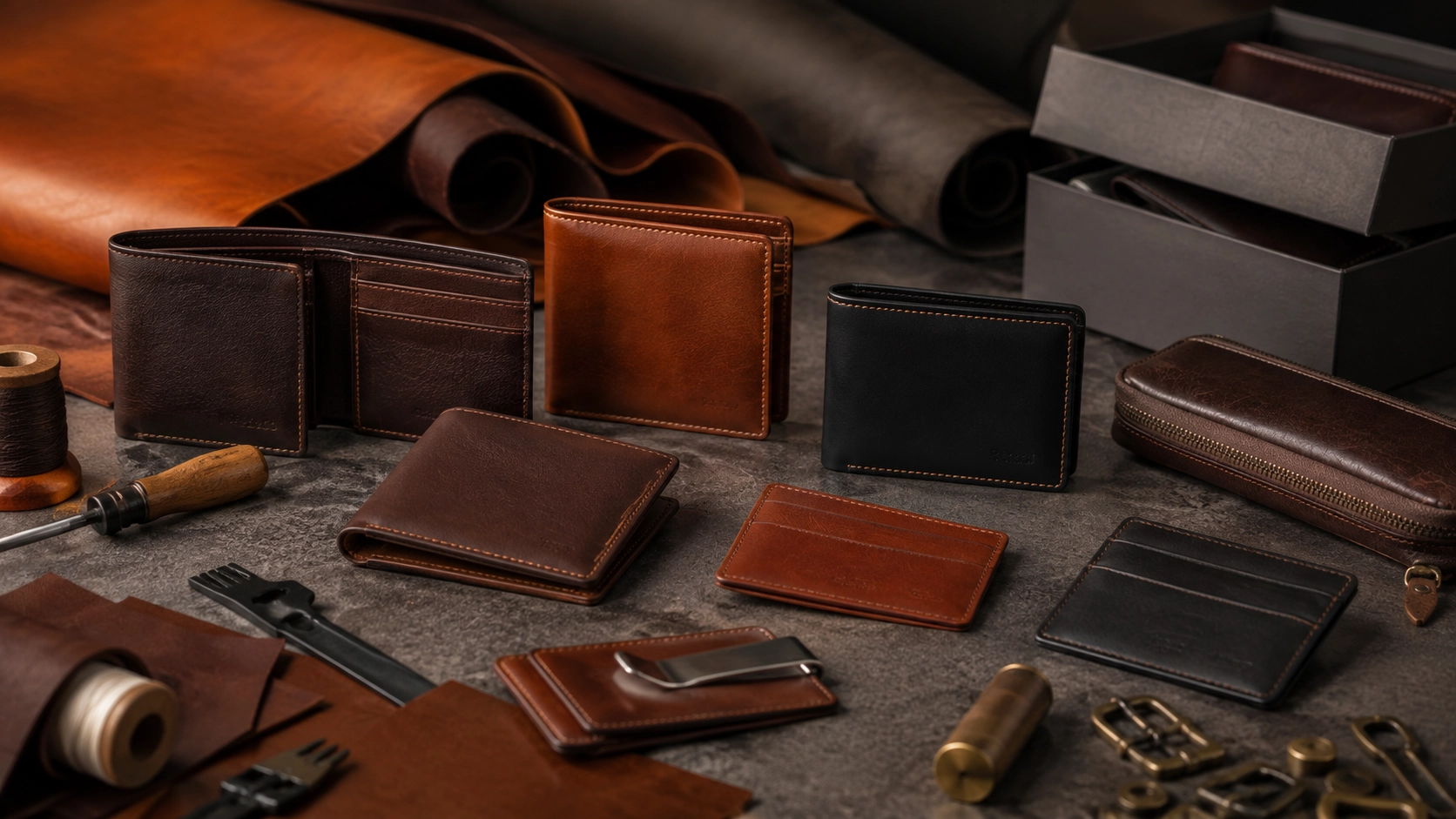
Table of Contents
Leather Wallet Exporter from India to France: Complete B2B Buyer Guide
French importers, distributors, retailers, and private-label brands need more than a competitive quotation when sourcing leather wallets internationally. They need consistent materials, reliable production, clear specifications, compliant documentation, and predictable delivery.
India offers sourcing opportunities for businesses seeking leather wallets, wholesale accessories, and custom-manufactured collections. However, selecting the right supplier requires careful evaluation of manufacturing capabilities, product quality, order quantities, and export readiness.
This guide explains how French businesses can evaluate an Indian leather wallet exporter, compare materials, plan minimum order quantities, manage customization, understand European Union import requirements, and organise international shipping.
What Should French Buyers Look for in an Indian Leather Wallet Exporter?
French buyers should evaluate an Indian leather wallet exporter based on verified manufacturing capabilities, leather specifications, product consistency, quality-control procedures, realistic minimum order quantities, customization options, transparent pricing, and documented export experience. Buyers should also confirm applicable EU chemical restrictions, customs classification, import documentation, and delivery responsibilities before placing an order.
A suitable supplier should provide clear product specifications, representative samples, an agreed production schedule, written commercial terms, and a defined process for resolving quality discrepancies. These checks help importers manage sourcing risks and build a repeatable supply chain.
Why Source Leather Wallets from India for the French Market?
French retailers and distributors can source leather wallets from international manufacturers to develop private-label collections, expand accessory ranges, and support different retail price points. India is one potential sourcing destination for these requirements.
Working directly with a manufacturer or an export-oriented supplier can provide access to product development, material selection, construction options, branding, and bulk-order planning. The actual benefits depend on the supplier's facilities, purchasing arrangements, and production controls.
For French businesses, sourcing decisions should account for landed cost rather than unit price alone. Leather grade, construction, packaging, freight, customs duties, import VAT, and quality-related losses all affect commercial viability.
Potential B2B Sourcing Opportunities
- Importers and wholesalers: Build inventory for distribution to French retailers and independent stores.
- Fashion retailers: Develop coordinated wallet collections for different customer segments.
- Private-label brands: Create products with custom colours, materials, logos, and packaging.
- Corporate gifting companies: Source wallets for employee gifts, business events, and client programmes.
- E-commerce businesses: Develop differentiated products for online retail and marketplace sales.
- Multi-brand distributors: Combine established designs with exclusive products for specific channels.
Exalter Global Co. is a Kolkata-based leather goods manufacturer and B2B sourcing partner serving buyers in international markets. Businesses can explore its leather wallet manufacturing and export offering when evaluating potential supply arrangements for France.
How to Evaluate an Indian Leather Wallet Exporter
A professional supplier assessment should combine documentary checks, product inspection, commercial discussions, and sample evaluation. A polished website or attractive quotation is not sufficient evidence of production capability.
1. Verify the Supplier's Business Credentials
Confirm the company's legal name, registered business address, tax details, contact information, and the entity responsible for manufacturing and exporting. Ask whether production takes place in its own facility or through approved manufacturing partners.
Review the supplier's company history, product range, references where available, and experience with comparable B2B orders. Request relevant business documents and independently verify important claims.
2. Assess Manufacturing and Production Capabilities
Ask how the supplier manages material purchasing, cutting, stitching, assembly, finishing, inspection, and packing. Determine whether its production capacity matches your projected order volume and replenishment schedule.
Discuss how the supplier handles repeat orders, material shortages, seasonal demand, and changes to approved specifications. A clear production process helps reduce inconsistencies between initial and subsequent shipments.
3. Request Samples Before Bulk Production
Evaluate physical samples for leather appearance, thickness, flexibility, colour consistency, stitching, edge finishing, hardware, pocket construction, and overall dimensions. Test the wallet's practical usability, including card insertion, note storage, and closure performance where applicable.
For custom orders, approve a final reference sample before production. Record the material, colour, measurements, logo position, packaging, and permitted tolerances in a written specification.
4. Examine Communication and Commercial Transparency
Assess whether the supplier answers technical questions clearly and provides itemised quotations. Confirm the quotation's validity, sample charges, tooling costs, payment milestones, lead times, and treatment of defective products.
Exalter Global Co. provides information about its business and manufacturing background through its company profile and manufacturing history. Buyers should independently verify any credentials or capabilities relevant to their proposed order.
Supplier Evaluation Checklist
- Business identity and manufacturing arrangements verified.
- Leather type, grade, finish, and thickness documented.
- Representative samples reviewed and approved.
- Production capacity and lead times confirmed.
- MOQ and price breaks provided in writing.
- Quality-control criteria and defect procedures agreed.
- Customisation, labelling, and packaging capabilities confirmed.
- EU compliance evidence requested for applicable requirements.
- Shipping terms, insurance, and customs responsibilities clarified.
- Payment terms and order-change procedures documented.
Understanding Leather Types for French Wallet Collections
Leather selection influences a wallet's appearance, durability, feel, maintenance requirements, and retail positioning. Buyers should request precise material descriptions instead of relying on broad terms such as premium leather.
Full-Grain Leather
Full-grain leather retains the natural grain surface. Its markings and texture can vary between hides, making sample approval and colour tolerances particularly important. It may suit premium collections where natural character is part of the product specification.
Top-Grain Leather
Top-grain leather has a grain surface that may be corrected or finished. Depending on the treatment, it can offer a more uniform appearance for coordinated commercial collections. Confirm the actual surface treatment and finish with the manufacturer.
Nappa Leather
Nappa generally describes soft, supple leather rather than a single universal grade. Buyers should specify the leather's origin, composition, thickness, finish, and performance expectations instead of treating the name alone as a quality guarantee.
Genuine Leather and Corrected-Grain Options
The term genuine leather is broad and does not independently establish a particular grade or durability level. Ask for a detailed material specification and confirm whether the leather is coated, embossed, corrected, or otherwise treated.
Material Comparison for B2B Buyers
| Material | Key consideration | Buyer action |
|---|---|---|
| Full-grain leather | Natural grain variation | Approve texture and colour tolerances. |
| Top-grain leather | Surface treatment and uniformity | Confirm grade and finish in writing. |
| Nappa leather | Softness and finish variation | Specify thickness and hand feel. |
| Corrected-grain leather | Coating and surface consistency | Check finish durability and appearance. |
Exalter Global Co.'s leather goods collection and manufacturing website provides a starting point for discussing product requirements. Final material selection should be based on approved samples and written specifications.

-
Sale!
RFID Protected Pull Strap Wallet for Cards & Cash
Original price was: $41.90.$15.19Current price is: $15.19.
You save -
Sale!
RFID Protected Pull Strap Leather Card Holder Wallet
Original price was: $41.90.$15.19Current price is: $15.19.
You save -
Sale!
RFID Protected Pull Strap Card Holder Wallet for Men Slim
Original price was: $41.90.$15.19Current price is: $15.19.
You save -
Sale!
RFID Protected Leather Card Holder Wallet for Men & Women
Original price was: $18.10.$6.39Current price is: $6.39.
You save -
Sale!
RFID Protected Pull Strap Card Holder Wallet for Secure Access
Original price was: $40.70.$14.79Current price is: $14.79.
You save -
Sale!
Slim RFID Protected Pull Strap Wallet for Cards & Cash
Original price was: $40.70.$14.79Current price is: $14.79.
You save -
Sale!
RFID Protected Pull Strap Card Holder Wallet for Daily Use
Original price was: $40.70.$14.79Current price is: $14.79.
You save -
Sale!
RFID Protected Card Holder Wallet for Secure Cards & Cash
Original price was: $27.30.$10.79Current price is: $10.79.
You save -
Sale!
RFID Protected Leather Card Holder Wallet with Slim Design
Original price was: $27.30.$10.79Current price is: $10.79.
You save -
Sale!
Slim RFID Protected Leather Card Holder Wallet for Cards
Original price was: $27.30.$10.79Current price is: $10.79.
You save -
Sale!
RFID Protected Leather Card Holder Wallet for Secure Cards
Original price was: $27.30.$10.79Current price is: $10.79.
You save -
Sale!
RFID Protected Genuine Leather Card Holder for Daily Use
Original price was: $27.30.$10.79Current price is: $10.79.
You save
-
Sale!
RFID Protected Pull Strap Wallet for Cards & Cash
Original price was: $41.90.$15.19Current price is: $15.19.
You save -
Sale!
RFID Protected Pull Strap Leather Card Holder Wallet
Original price was: $41.90.$15.19Current price is: $15.19.
You save -
Sale!
RFID Protected Pull Strap Card Holder Wallet for Men Slim
Original price was: $41.90.$15.19Current price is: $15.19.
You save -
Sale!
RFID Protected Leather Card Holder Wallet for Men & Women
Original price was: $18.10.$6.39Current price is: $6.39.
You save -
Sale!
RFID Protected Pull Strap Card Holder Wallet for Secure Access
Original price was: $40.70.$14.79Current price is: $14.79.
You save -
Sale!
Slim RFID Protected Pull Strap Wallet for Cards & Cash
Original price was: $40.70.$14.79Current price is: $14.79.
You save -
Sale!
RFID Protected Pull Strap Card Holder Wallet for Daily Use
Original price was: $40.70.$14.79Current price is: $14.79.
You save -
Sale!
RFID Protected Card Holder Wallet for Secure Cards & Cash
Original price was: $27.30.$10.79Current price is: $10.79.
You save -
Sale!
RFID Protected Leather Card Holder Wallet with Slim Design
Original price was: $27.30.$10.79Current price is: $10.79.
You save -
Sale!
Slim RFID Protected Leather Card Holder Wallet for Cards
Original price was: $27.30.$10.79Current price is: $10.79.
You save -
Sale!
RFID Protected Leather Card Holder Wallet for Secure Cards
Original price was: $27.30.$10.79Current price is: $10.79.
You save -
Sale!
RFID Protected Genuine Leather Card Holder for Daily Use
Original price was: $27.30.$10.79Current price is: $10.79.
You save
-
Sale!
RFID Protected Pull Strap Wallet for Cards & Cash
Original price was: $41.90.$15.19Current price is: $15.19.
You save -
Sale!
RFID Protected Pull Strap Leather Card Holder Wallet
Original price was: $41.90.$15.19Current price is: $15.19.
You save -
Sale!
RFID Protected Pull Strap Card Holder Wallet for Men Slim
Original price was: $41.90.$15.19Current price is: $15.19.
You save -
Sale!
RFID Protected Leather Card Holder Wallet for Men & Women
Original price was: $18.10.$6.39Current price is: $6.39.
You save -
Sale!
RFID Protected Pull Strap Card Holder Wallet for Secure Access
Original price was: $40.70.$14.79Current price is: $14.79.
You save -
Sale!
Slim RFID Protected Pull Strap Wallet for Cards & Cash
Original price was: $40.70.$14.79Current price is: $14.79.
You save -
Sale!
RFID Protected Pull Strap Card Holder Wallet for Daily Use
Original price was: $40.70.$14.79Current price is: $14.79.
You save -
Sale!
RFID Protected Card Holder Wallet for Secure Cards & Cash
Original price was: $27.30.$10.79Current price is: $10.79.
You save -
Sale!
RFID Protected Leather Card Holder Wallet with Slim Design
Original price was: $27.30.$10.79Current price is: $10.79.
You save -
Sale!
Slim RFID Protected Leather Card Holder Wallet for Cards
Original price was: $27.30.$10.79Current price is: $10.79.
You save -
Sale!
RFID Protected Leather Card Holder Wallet for Secure Cards
Original price was: $27.30.$10.79Current price is: $10.79.
You save -
Sale!
RFID Protected Genuine Leather Card Holder for Daily Use
Original price was: $27.30.$10.79Current price is: $10.79.
You save
-
Sale!
RFID Protected Pull Strap Wallet for Cards & Cash
Original price was: $41.90.$15.19Current price is: $15.19.
You save -
Sale!
RFID Protected Pull Strap Leather Card Holder Wallet
Original price was: $41.90.$15.19Current price is: $15.19.
You save -
Sale!
RFID Protected Pull Strap Card Holder Wallet for Men Slim
Original price was: $41.90.$15.19Current price is: $15.19.
You save -
Sale!
RFID Protected Leather Card Holder Wallet for Men & Women
Original price was: $18.10.$6.39Current price is: $6.39.
You save
-
Sale!
RFID Protected Pull Strap Wallet for Cards & Cash
Original price was: $41.90.$15.19Current price is: $15.19.
You save -
Sale!
RFID Protected Pull Strap Leather Card Holder Wallet
Original price was: $41.90.$15.19Current price is: $15.19.
You save -
Sale!
RFID Protected Pull Strap Card Holder Wallet for Men Slim
Original price was: $41.90.$15.19Current price is: $15.19.
You save -
Sale!
RFID Protected Leather Card Holder Wallet for Men & Women
Original price was: $18.10.$6.39Current price is: $6.39.
You save
-
Sale!
RFID Protected Pull Strap Wallet for Cards & Cash
Original price was: $41.90.$15.19Current price is: $15.19.
You save -
Sale!
RFID Protected Pull Strap Leather Card Holder Wallet
Original price was: $41.90.$15.19Current price is: $15.19.
You save -
Sale!
RFID Protected Pull Strap Card Holder Wallet for Men Slim
Original price was: $41.90.$15.19Current price is: $15.19.
You save -
Sale!
RFID Protected Leather Card Holder Wallet for Men & Women
Original price was: $18.10.$6.39Current price is: $6.39.
You save
-
Sale!
RFID Protected Pull Strap Wallet for Cards & Cash
Original price was: $41.90.$15.19Current price is: $15.19.
You save -
Sale!
RFID Protected Pull Strap Leather Card Holder Wallet
Original price was: $41.90.$15.19Current price is: $15.19.
You save -
Sale!
RFID Protected Pull Strap Card Holder Wallet for Men Slim
Original price was: $41.90.$15.19Current price is: $15.19.
You save -
Sale!
RFID Protected Leather Card Holder Wallet for Men & Women
Original price was: $18.10.$6.39Current price is: $6.39.
You save -
Sale!
RFID Protected Pull Strap Card Holder Wallet for Secure Access
Original price was: $40.70.$14.79Current price is: $14.79.
You save -
Sale!
Slim RFID Protected Pull Strap Wallet for Cards & Cash
Original price was: $40.70.$14.79Current price is: $14.79.
You save -
Sale!
RFID Protected Pull Strap Card Holder Wallet for Daily Use
Original price was: $40.70.$14.79Current price is: $14.79.
You save -
Sale!
RFID Protected Card Holder Wallet for Secure Cards & Cash
Original price was: $27.30.$10.79Current price is: $10.79.
You save -
Sale!
RFID Protected Leather Card Holder Wallet with Slim Design
Original price was: $27.30.$10.79Current price is: $10.79.
You save -
Sale!
Slim RFID Protected Leather Card Holder Wallet for Cards
Original price was: $27.30.$10.79Current price is: $10.79.
You save -
Sale!
RFID Protected Leather Card Holder Wallet for Secure Cards
Original price was: $27.30.$10.79Current price is: $10.79.
You save -
Sale!
RFID Protected Genuine Leather Card Holder for Daily Use
Original price was: $27.30.$10.79Current price is: $10.79.
You save
-
Sale!
RFID Protected Pull Strap Wallet for Cards & Cash
Original price was: $41.90.$15.19Current price is: $15.19.
You save -
Sale!
RFID Protected Pull Strap Leather Card Holder Wallet
Original price was: $41.90.$15.19Current price is: $15.19.
You save -
Sale!
RFID Protected Pull Strap Card Holder Wallet for Men Slim
Original price was: $41.90.$15.19Current price is: $15.19.
You save -
Sale!
RFID Protected Leather Card Holder Wallet for Men & Women
Original price was: $18.10.$6.39Current price is: $6.39.
You save -
Sale!
RFID Protected Pull Strap Card Holder Wallet for Secure Access
Original price was: $40.70.$14.79Current price is: $14.79.
You save -
Sale!
Slim RFID Protected Pull Strap Wallet for Cards & Cash
Original price was: $40.70.$14.79Current price is: $14.79.
You save -
Sale!
RFID Protected Pull Strap Card Holder Wallet for Daily Use
Original price was: $40.70.$14.79Current price is: $14.79.
You save -
Sale!
RFID Protected Card Holder Wallet for Secure Cards & Cash
Original price was: $27.30.$10.79Current price is: $10.79.
You save -
Sale!
RFID Protected Leather Card Holder Wallet with Slim Design
Original price was: $27.30.$10.79Current price is: $10.79.
You save -
Sale!
Slim RFID Protected Leather Card Holder Wallet for Cards
Original price was: $27.30.$10.79Current price is: $10.79.
You save -
Sale!
RFID Protected Leather Card Holder Wallet for Secure Cards
Original price was: $27.30.$10.79Current price is: $10.79.
You save -
Sale!
RFID Protected Genuine Leather Card Holder for Daily Use
Original price was: $27.30.$10.79Current price is: $10.79.
You save
-
Sale!
RFID Protected Pull Strap Wallet for Cards & Cash
Original price was: $41.90.$15.19Current price is: $15.19.
You save -
Sale!
RFID Protected Pull Strap Leather Card Holder Wallet
Original price was: $41.90.$15.19Current price is: $15.19.
You save -
Sale!
RFID Protected Pull Strap Card Holder Wallet for Men Slim
Original price was: $41.90.$15.19Current price is: $15.19.
You save -
Sale!
RFID Protected Leather Card Holder Wallet for Men & Women
Original price was: $18.10.$6.39Current price is: $6.39.
You save -
Sale!
RFID Protected Pull Strap Card Holder Wallet for Secure Access
Original price was: $40.70.$14.79Current price is: $14.79.
You save -
Sale!
Slim RFID Protected Pull Strap Wallet for Cards & Cash
Original price was: $40.70.$14.79Current price is: $14.79.
You save -
Sale!
RFID Protected Pull Strap Card Holder Wallet for Daily Use
Original price was: $40.70.$14.79Current price is: $14.79.
You save -
Sale!
RFID Protected Card Holder Wallet for Secure Cards & Cash
Original price was: $27.30.$10.79Current price is: $10.79.
You save -
Sale!
RFID Protected Leather Card Holder Wallet with Slim Design
Original price was: $27.30.$10.79Current price is: $10.79.
You save -
Sale!
Slim RFID Protected Leather Card Holder Wallet for Cards
Original price was: $27.30.$10.79Current price is: $10.79.
You save -
Sale!
RFID Protected Leather Card Holder Wallet for Secure Cards
Original price was: $27.30.$10.79Current price is: $10.79.
You save -
Sale!
RFID Protected Genuine Leather Card Holder for Daily Use
Original price was: $27.30.$10.79Current price is: $10.79.
You save
Leather Wallet Styles to Source for France
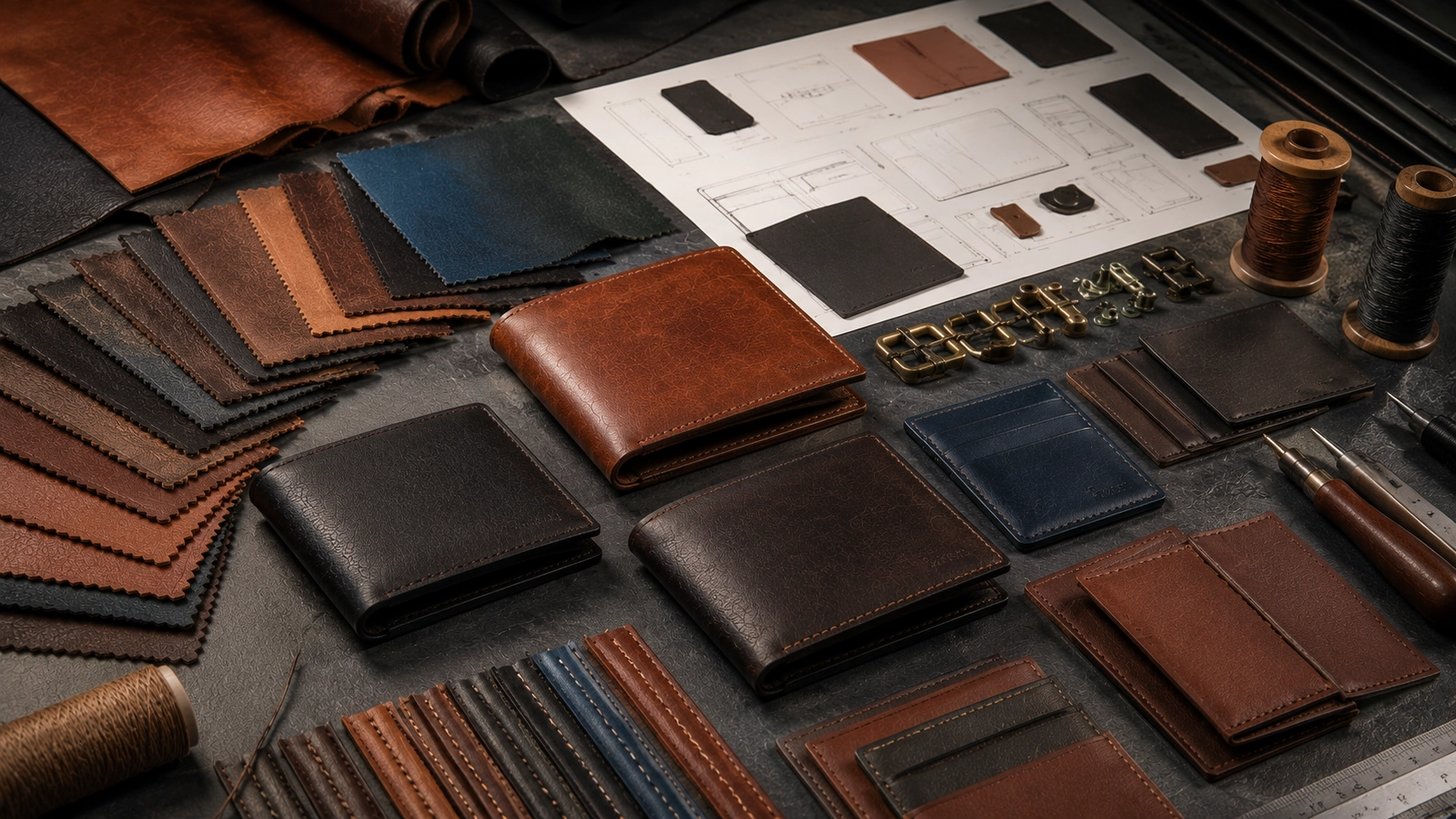
A well-planned product assortment balances familiar designs with differentiated features. French importers should select wallet styles according to their customers, distribution channels, target prices, and expected sales volumes.
Popular Product Categories
- Bifold wallets: Traditional designs with card slots and banknote compartments.
- Slim wallets: Compact formats for customers who prefer reduced pocket bulk.
- Card holders: Minimalist products suited to everyday carry and gifting.
- Coin pocket wallets: Wallets incorporating a dedicated coin compartment.
- RFID-protected wallets: Products incorporating a shielding construction intended to reduce certain radio-frequency scans.
- Travel wallets: Larger formats with additional compartments for travel documents and cards.
- Corporate gift wallets: Custom-branded products supplied with presentation packaging.
Review relevant RFID-protected wallet designs from Exalter Vachette to discuss construction, card storage, and possible product adaptations. Confirm the exact specifications and test evidence for any security-related performance claims before using them in retail marketing.
MOQ, Pricing, and Bulk Order Planning
Minimum order quantity, commonly called MOQ, is the smallest quantity a supplier accepts for a particular product or production arrangement. It can vary by design, material, colour, branding method, and packaging requirements.
French buyers should not assume that every wallet design has the same MOQ. Stock products, customised products, and entirely new designs may require different commercial arrangements.
What Determines MOQ?
- Availability of the selected leather and lining materials.
- Number of colours, finishes, and wallet configurations.
- Custom moulds, dies, logo plates, or other tooling.
- Embossing, debossing, printing, and hardware requirements.
- Custom packaging and printed inserts.
- Production setup, labour, and material purchasing constraints.
Exalter Global Co. states that MOQ varies by product category. Buyers should request a product-specific quotation and confirm the accepted quantity before budgeting.
How to Compare Wholesale Wallet Prices
Request quotations for several quantities, such as 100, 300, 500, and 1,000 units, where the supplier can accommodate them. These are comparison quantities, not guaranteed MOQs or production commitments.
| Cost component | What to confirm |
|---|---|
| Product price | Leather, lining, hardware, labour, and finishing. |
| Development | Samples, tooling, artwork, and setup charges. |
| Packaging | Individual boxes, labels, inserts, and master cartons. |
| Freight and insurance | Transport mode, route, insurance, and handling charges. |
| Import charges | Applicable customs duty, import VAT, and clearance fees. |
Calculate landed cost per saleable unit by adding the relevant product, packaging, freight, insurance, customs, and other attributable costs, then dividing by the number of saleable units. Avoid counting recoverable VAT as a permanent cost when it is legitimately deductible for your business.
Customisation and Private-Label Wallet Manufacturing
Private-label manufacturing allows a French business to sell wallets under its own brand while working with an external manufacturing partner. The arrangement can support exclusive collections, retailer-specific products, and coordinated corporate gifting ranges.
Customisation Options to Discuss
- Materials: Leather type, finish, thickness, lining, and colour.
- Construction: Dimensions, card slots, note compartments, coin pockets, and closures.
- Branding: Embossed or debossed logos, metal emblems, and approved labels.
- Packaging: Gift boxes, dust bags, inserts, barcodes, and retail labels.
- Product assortment: Matching bifold wallets, slim wallets, and card holders.
- Commercial requirements: Assortment ratios, carton quantities, and repeat-order specifications.
Recommended Private-Label Workflow
- Share a product brief covering the target customer, price positioning, and sales channel.
- Confirm the design, materials, dimensions, branding, and packaging specifications.
- Request a prototype or pre-production sample and review it physically.
- Approve the final sample, artwork, tolerances, and inspection criteria in writing.
- Confirm the MOQ, quotation, payment schedule, and production lead time.
- Arrange production inspections and resolve discrepancies before dispatch.
- Approve shipping documents and retain the final specifications for repeat orders.
Exalter Global Co. offers private-label solutions according to its company information. French businesses can use its leather wallet manufacturing service information to begin a discussion about product development and wholesale supply.
Its brands serve different product-positioning needs. Exalter Vachette is relevant when discussing branded leather wallet styles. Brooklyn Bridge can also be considered when reviewing the company's brand portfolio and potential product assortment. Confirm brand availability, authorised distribution arrangements, and customisation rights directly with the company.
Quality Control: What Buyers Should Inspect
Quality expectations must be measurable. A written inspection plan gives the manufacturer, importer, and inspection provider a common reference for assessing finished wallets.
Key Inspection Points
- Leather: Check the approved material, colour, grain, finish, and visible defects.
- Stitching: Inspect seam alignment, stitch consistency, loose threads, and skipped stitches.
- Edges: Look for uneven paint, peeling, rough finishing, and exposed layers.
- Construction: Verify dimensions, pocket placement, symmetry, and secure attachment.
- Function: Check card access, note compartments, closures, and specified RFID performance.
- Branding: Confirm logo accuracy, position, finish, and legibility.
- Packaging: Verify product labels, barcodes, quantities, and carton protection.
Agree on the inspection method, sample size, defect classifications, and acceptance criteria before production. For larger orders, consider an independent pre-shipment inspection. Specify how shortages, rework, replacement products, and disputed findings will be handled.

-
Sale!
RFID Protected Pull Strap Wallet for Cards & Cash
Original price was: $41.90.$15.19Current price is: $15.19.
You save -
Sale!
RFID Protected Pull Strap Leather Card Holder Wallet
Original price was: $41.90.$15.19Current price is: $15.19.
You save -
Sale!
RFID Protected Pull Strap Card Holder Wallet for Men Slim
Original price was: $41.90.$15.19Current price is: $15.19.
You save -
Sale!
RFID Protected Leather Card Holder Wallet for Men & Women
Original price was: $18.10.$6.39Current price is: $6.39.
You save -
Sale!
RFID Protected Pull Strap Card Holder Wallet for Secure Access
Original price was: $40.70.$14.79Current price is: $14.79.
You save -
Sale!
Slim RFID Protected Pull Strap Wallet for Cards & Cash
Original price was: $40.70.$14.79Current price is: $14.79.
You save -
Sale!
RFID Protected Pull Strap Card Holder Wallet for Daily Use
Original price was: $40.70.$14.79Current price is: $14.79.
You save -
Sale!
RFID Protected Card Holder Wallet for Secure Cards & Cash
Original price was: $27.30.$10.79Current price is: $10.79.
You save -
Sale!
RFID Protected Leather Card Holder Wallet with Slim Design
Original price was: $27.30.$10.79Current price is: $10.79.
You save -
Sale!
Slim RFID Protected Leather Card Holder Wallet for Cards
Original price was: $27.30.$10.79Current price is: $10.79.
You save -
Sale!
RFID Protected Leather Card Holder Wallet for Secure Cards
Original price was: $27.30.$10.79Current price is: $10.79.
You save -
Sale!
RFID Protected Genuine Leather Card Holder for Daily Use
Original price was: $27.30.$10.79Current price is: $10.79.
You save
-
Sale!
RFID Protected Pull Strap Wallet for Cards & Cash
Original price was: $41.90.$15.19Current price is: $15.19.
You save -
Sale!
RFID Protected Pull Strap Leather Card Holder Wallet
Original price was: $41.90.$15.19Current price is: $15.19.
You save -
Sale!
RFID Protected Pull Strap Card Holder Wallet for Men Slim
Original price was: $41.90.$15.19Current price is: $15.19.
You save -
Sale!
RFID Protected Leather Card Holder Wallet for Men & Women
Original price was: $18.10.$6.39Current price is: $6.39.
You save -
Sale!
RFID Protected Pull Strap Card Holder Wallet for Secure Access
Original price was: $40.70.$14.79Current price is: $14.79.
You save -
Sale!
Slim RFID Protected Pull Strap Wallet for Cards & Cash
Original price was: $40.70.$14.79Current price is: $14.79.
You save -
Sale!
RFID Protected Pull Strap Card Holder Wallet for Daily Use
Original price was: $40.70.$14.79Current price is: $14.79.
You save -
Sale!
RFID Protected Card Holder Wallet for Secure Cards & Cash
Original price was: $27.30.$10.79Current price is: $10.79.
You save -
Sale!
RFID Protected Leather Card Holder Wallet with Slim Design
Original price was: $27.30.$10.79Current price is: $10.79.
You save -
Sale!
Slim RFID Protected Leather Card Holder Wallet for Cards
Original price was: $27.30.$10.79Current price is: $10.79.
You save -
Sale!
RFID Protected Leather Card Holder Wallet for Secure Cards
Original price was: $27.30.$10.79Current price is: $10.79.
You save -
Sale!
RFID Protected Genuine Leather Card Holder for Daily Use
Original price was: $27.30.$10.79Current price is: $10.79.
You save
-
Sale!
RFID Protected Pull Strap Wallet for Cards & Cash
Original price was: $41.90.$15.19Current price is: $15.19.
You save -
Sale!
RFID Protected Pull Strap Leather Card Holder Wallet
Original price was: $41.90.$15.19Current price is: $15.19.
You save -
Sale!
RFID Protected Pull Strap Card Holder Wallet for Men Slim
Original price was: $41.90.$15.19Current price is: $15.19.
You save -
Sale!
RFID Protected Leather Card Holder Wallet for Men & Women
Original price was: $18.10.$6.39Current price is: $6.39.
You save -
Sale!
RFID Protected Pull Strap Card Holder Wallet for Secure Access
Original price was: $40.70.$14.79Current price is: $14.79.
You save -
Sale!
Slim RFID Protected Pull Strap Wallet for Cards & Cash
Original price was: $40.70.$14.79Current price is: $14.79.
You save -
Sale!
RFID Protected Pull Strap Card Holder Wallet for Daily Use
Original price was: $40.70.$14.79Current price is: $14.79.
You save -
Sale!
RFID Protected Card Holder Wallet for Secure Cards & Cash
Original price was: $27.30.$10.79Current price is: $10.79.
You save -
Sale!
RFID Protected Leather Card Holder Wallet with Slim Design
Original price was: $27.30.$10.79Current price is: $10.79.
You save -
Sale!
Slim RFID Protected Leather Card Holder Wallet for Cards
Original price was: $27.30.$10.79Current price is: $10.79.
You save -
Sale!
RFID Protected Leather Card Holder Wallet for Secure Cards
Original price was: $27.30.$10.79Current price is: $10.79.
You save -
Sale!
RFID Protected Genuine Leather Card Holder for Daily Use
Original price was: $27.30.$10.79Current price is: $10.79.
You save
-
Sale!
RFID Protected Pull Strap Wallet for Cards & Cash
Original price was: $41.90.$15.19Current price is: $15.19.
You save -
Sale!
RFID Protected Pull Strap Leather Card Holder Wallet
Original price was: $41.90.$15.19Current price is: $15.19.
You save -
Sale!
RFID Protected Pull Strap Card Holder Wallet for Men Slim
Original price was: $41.90.$15.19Current price is: $15.19.
You save -
Sale!
RFID Protected Leather Card Holder Wallet for Men & Women
Original price was: $18.10.$6.39Current price is: $6.39.
You save
-
Sale!
RFID Protected Pull Strap Wallet for Cards & Cash
Original price was: $41.90.$15.19Current price is: $15.19.
You save -
Sale!
RFID Protected Pull Strap Leather Card Holder Wallet
Original price was: $41.90.$15.19Current price is: $15.19.
You save -
Sale!
RFID Protected Pull Strap Card Holder Wallet for Men Slim
Original price was: $41.90.$15.19Current price is: $15.19.
You save -
Sale!
RFID Protected Leather Card Holder Wallet for Men & Women
Original price was: $18.10.$6.39Current price is: $6.39.
You save
-
Sale!
RFID Protected Pull Strap Wallet for Cards & Cash
Original price was: $41.90.$15.19Current price is: $15.19.
You save -
Sale!
RFID Protected Pull Strap Leather Card Holder Wallet
Original price was: $41.90.$15.19Current price is: $15.19.
You save -
Sale!
RFID Protected Pull Strap Card Holder Wallet for Men Slim
Original price was: $41.90.$15.19Current price is: $15.19.
You save -
Sale!
RFID Protected Leather Card Holder Wallet for Men & Women
Original price was: $18.10.$6.39Current price is: $6.39.
You save
-
Sale!
RFID Protected Pull Strap Wallet for Cards & Cash
Original price was: $41.90.$15.19Current price is: $15.19.
You save -
Sale!
RFID Protected Pull Strap Leather Card Holder Wallet
Original price was: $41.90.$15.19Current price is: $15.19.
You save -
Sale!
RFID Protected Pull Strap Card Holder Wallet for Men Slim
Original price was: $41.90.$15.19Current price is: $15.19.
You save -
Sale!
RFID Protected Leather Card Holder Wallet for Men & Women
Original price was: $18.10.$6.39Current price is: $6.39.
You save -
Sale!
RFID Protected Pull Strap Card Holder Wallet for Secure Access
Original price was: $40.70.$14.79Current price is: $14.79.
You save -
Sale!
Slim RFID Protected Pull Strap Wallet for Cards & Cash
Original price was: $40.70.$14.79Current price is: $14.79.
You save -
Sale!
RFID Protected Pull Strap Card Holder Wallet for Daily Use
Original price was: $40.70.$14.79Current price is: $14.79.
You save -
Sale!
RFID Protected Card Holder Wallet for Secure Cards & Cash
Original price was: $27.30.$10.79Current price is: $10.79.
You save -
Sale!
RFID Protected Leather Card Holder Wallet with Slim Design
Original price was: $27.30.$10.79Current price is: $10.79.
You save -
Sale!
Slim RFID Protected Leather Card Holder Wallet for Cards
Original price was: $27.30.$10.79Current price is: $10.79.
You save -
Sale!
RFID Protected Leather Card Holder Wallet for Secure Cards
Original price was: $27.30.$10.79Current price is: $10.79.
You save -
Sale!
RFID Protected Genuine Leather Card Holder for Daily Use
Original price was: $27.30.$10.79Current price is: $10.79.
You save
-
Sale!
RFID Protected Pull Strap Wallet for Cards & Cash
Original price was: $41.90.$15.19Current price is: $15.19.
You save -
Sale!
RFID Protected Pull Strap Leather Card Holder Wallet
Original price was: $41.90.$15.19Current price is: $15.19.
You save -
Sale!
RFID Protected Pull Strap Card Holder Wallet for Men Slim
Original price was: $41.90.$15.19Current price is: $15.19.
You save -
Sale!
RFID Protected Leather Card Holder Wallet for Men & Women
Original price was: $18.10.$6.39Current price is: $6.39.
You save -
Sale!
RFID Protected Pull Strap Card Holder Wallet for Secure Access
Original price was: $40.70.$14.79Current price is: $14.79.
You save -
Sale!
Slim RFID Protected Pull Strap Wallet for Cards & Cash
Original price was: $40.70.$14.79Current price is: $14.79.
You save -
Sale!
RFID Protected Pull Strap Card Holder Wallet for Daily Use
Original price was: $40.70.$14.79Current price is: $14.79.
You save -
Sale!
RFID Protected Card Holder Wallet for Secure Cards & Cash
Original price was: $27.30.$10.79Current price is: $10.79.
You save -
Sale!
RFID Protected Leather Card Holder Wallet with Slim Design
Original price was: $27.30.$10.79Current price is: $10.79.
You save -
Sale!
Slim RFID Protected Leather Card Holder Wallet for Cards
Original price was: $27.30.$10.79Current price is: $10.79.
You save -
Sale!
RFID Protected Leather Card Holder Wallet for Secure Cards
Original price was: $27.30.$10.79Current price is: $10.79.
You save -
Sale!
RFID Protected Genuine Leather Card Holder for Daily Use
Original price was: $27.30.$10.79Current price is: $10.79.
You save
-
Sale!
RFID Protected Pull Strap Wallet for Cards & Cash
Original price was: $41.90.$15.19Current price is: $15.19.
You save -
Sale!
RFID Protected Pull Strap Leather Card Holder Wallet
Original price was: $41.90.$15.19Current price is: $15.19.
You save -
Sale!
RFID Protected Pull Strap Card Holder Wallet for Men Slim
Original price was: $41.90.$15.19Current price is: $15.19.
You save -
Sale!
RFID Protected Leather Card Holder Wallet for Men & Women
Original price was: $18.10.$6.39Current price is: $6.39.
You save -
Sale!
RFID Protected Pull Strap Card Holder Wallet for Secure Access
Original price was: $40.70.$14.79Current price is: $14.79.
You save -
Sale!
Slim RFID Protected Pull Strap Wallet for Cards & Cash
Original price was: $40.70.$14.79Current price is: $14.79.
You save -
Sale!
RFID Protected Pull Strap Card Holder Wallet for Daily Use
Original price was: $40.70.$14.79Current price is: $14.79.
You save -
Sale!
RFID Protected Card Holder Wallet for Secure Cards & Cash
Original price was: $27.30.$10.79Current price is: $10.79.
You save -
Sale!
RFID Protected Leather Card Holder Wallet with Slim Design
Original price was: $27.30.$10.79Current price is: $10.79.
You save -
Sale!
Slim RFID Protected Leather Card Holder Wallet for Cards
Original price was: $27.30.$10.79Current price is: $10.79.
You save -
Sale!
RFID Protected Leather Card Holder Wallet for Secure Cards
Original price was: $27.30.$10.79Current price is: $10.79.
You save -
Sale!
RFID Protected Genuine Leather Card Holder for Daily Use
Original price was: $27.30.$10.79Current price is: $10.79.
You save
EU Compliance and Import Requirements for Leather Wallets
Compliance should be addressed before a French buyer confirms production. Leather wallets may be subject to EU chemical restrictions, customs requirements, product-safety obligations, and applicable packaging or labelling rules.
The precise requirements depend on the product's materials, intended use, construction, claims, and import arrangement. Buyers should verify the rules applicable to the finished product rather than relying on a supplier's general statement that goods are export compliant.
1. Check Applicable REACH Restrictions
The EU REACH Regulation restricts certain hazardous substances in products. Relevant requirements may include restrictions on chromium VI in leather articles that come into contact with the skin and restrictions affecting certain azo colourants in leather articles with direct and prolonged skin contact.
Applicability and concentration limits depend on the specific restriction and article. Ask the supplier for relevant test reports from a competent laboratory, identify the tested material and product batch, and check whether the results cover the finished wallet and its components.
Consult the European Chemicals Agency's official REACH restricted-substances information to review applicable restrictions. A general declaration should not replace evidence relevant to the actual product.
2. Verify Customs Classification and Import Duties
Leather wallets are generally classified within the customs nomenclature for articles such as pocket wallets and similar containers. However, the exact code depends on the product's construction, outer surface, and applicable classification rules.
Do not assume that every leather wallet attracts the same customs duty. Confirm the appropriate CN or TARIC classification and applicable rate for the particular product and import date.
The European Commission's Access2Markets trade assistant helps businesses investigate tariffs, taxes, import formalities, and product-specific requirements. Enter India as the country of origin, France as the destination, and the relevant product code.
3. Confirm Origin and Trade Documentation
Country of shipment and preferential country of origin are not necessarily interchangeable. Buyers should establish the product's origin and confirm whether any preferential tariff treatment is legally available for the shipment.
Do not assume a preferential tariff applies merely because a wallet was shipped from India. Verify the trade arrangements in force on the import date, the product-specific rules of origin, and the required proof of origin through official sources.
4. Review Product Safety and Labelling
Check the EU General Product Safety Regulation where applicable, including relevant obligations for economic operators, product traceability, and online offers. Assess whether additional requirements apply to the specific product or its intended use.
Agree on appropriate product identification, responsible business contact details, origin statements where required, and packaging information. Avoid unsupported environmental, ethical, or chemical-safety claims. Have the French importer or its compliance adviser confirm the final requirements before the product enters the market.
Export Documentation and Shipping from India to France
Clear documentation helps the importer, freight forwarder, customs representative, and supplier coordinate an international shipment. The precise document set depends on the transaction, transport method, origin arrangements, and applicable regulations.
Common Export and Import Documents
- Commercial invoice: Seller and buyer details, product descriptions, quantities, values, currency, and agreed delivery terms.
- Packing list: Carton count, product quantities, package dimensions, and gross and net weights.
- Shipping document: Bill of lading for applicable sea freight or an air waybill for air freight.
- Export declaration: Applicable Indian export customs documentation.
- Origin documentation: Country-of-origin evidence or preferential proof where applicable.
- Insurance certificate: Where insurance is purchased and a certificate is issued.
- Compliance records: Relevant test reports, declarations, and product specifications.
- Additional documents: Any permits, declarations, or certificates required for the particular goods or transaction.
French importers should confirm their EORI requirements and coordinate customs clearance with their customs representative. The European Commission explains these requirements in its guidance on the Economic Operators Registration and Identification number. Import VAT and customs duties should be budgeted according to the applicable rules.
Choosing the Shipping Method
| Shipping option | Considerations |
|---|---|
| Air freight | Often suitable for urgent, compact, higher-value shipments; compare chargeable weight and total cost. |
| Sea freight | Worth evaluating for larger consignments with flexible delivery schedules; allow for port and clearance time. |
| Courier | Can be convenient for samples and small consignments; verify service coverage, customs handling, and charges. |
Agree on Incoterms and Delivery Responsibilities
Use an appropriate Incoterms rule and specify the named place or port and the applicable version in the contract. Clarify who arranges carriage, insurance, export clearance, import clearance, and payment of duties.
For example, FCA and FOB allocate responsibilities differently, while DAP and DDP have different implications for delivery and import formalities. DDP should only be agreed after confirming that the seller can legally and practically meet the destination-country obligations.
Ask the exporter for a shipment schedule covering production completion, inspection, dispatch, estimated transit, and customs clearance. Transit estimates are not guaranteed delivery dates.
Why Consider Exalter Global Co. for Leather Wallet Sourcing?
Exalter Global Co. is based in Kolkata, India, and works with business buyers seeking leather goods and manufacturing solutions. Its website provides information about its company background, leather wallet products, and private-label offering.
For French importers, the appropriate next step is a product-specific discussion covering target pricing, materials, volumes, branding, packaging, and export documentation. Buyers should assess the proposed arrangement against their own quality, compliance, and delivery requirements.
Explore the leather wallet manufacturer information and company background before requesting a quotation.
For buyers considering established product collections, Exalter Vachette and Brooklyn Bridge are part of the company's brand portfolio. The appropriate brand, design availability, distribution terms, and private-label options should be confirmed directly rather than assumed.
Information to Include in Your Enquiry
- Business name, website, and buyer contact details.
- Required wallet styles and estimated order quantity.
- Preferred leather type, colour, finish, and lining.
- Dimensions, internal layout, and functional requirements.
- Logo artwork and packaging specifications.
- Target unit price and preferred shipping arrangement.
- Sample requirements and target delivery schedule.
- Applicable compliance, testing, and documentation requirements.
Contact Exalter Global Co. through its official website to discuss a sourcing enquiry and request a quotation based on your specifications.
Frequently Asked Questions
1. How can French businesses find a leather wallet exporter from India to France?
Identify potential manufacturers through their official websites, product catalogues, business credentials, and B2B references. Request samples, written specifications, itemised quotations, and relevant compliance evidence before approving an order.
2. What is the minimum order quantity for wholesale leather wallets?
MOQ varies by design, leather availability, colour, branding, packaging, and production setup. Request product-specific quantities and price breaks rather than relying on a general supplier estimate.
3. Can Indian manufacturers produce private-label leather wallets for French brands?
Some manufacturers offer private-label production with custom materials, colours, logos, internal layouts, and packaging. Confirm design feasibility, intellectual property permissions, MOQ, sampling costs, and production timelines before committing.
4. Which leather is suitable for wallets sold in France?
The choice depends on the product's price positioning, design, durability expectations, and customer preferences. Compare full-grain, top-grain, Nappa, and corrected-grain options using physical samples and documented material specifications.
5. Do leather wallets imported into France need REACH compliance checks?
Importers should assess the REACH restrictions applicable to the materials and finished article. Request relevant chemical test reports and verify the requirements with the European Chemicals Agency or a qualified compliance specialist.
6. What documents are needed to import leather wallets into France?
Common documents include the commercial invoice, packing list, transport document, and applicable customs and origin documentation. Additional evidence may be necessary depending on the product, shipping arrangement, and regulatory requirements.
7. How should buyers calculate the landed cost of leather wallets?
Include the product price, packaging, freight, insurance, applicable customs duty, clearance charges, and other attributable costs. Assess import VAT separately according to your business's recovery position and applicable tax rules.
8. How long does shipping from India to France take?
Transit time depends on the transport mode, route, carrier, shipment volume, production readiness, and customs clearance. Request a shipment-specific estimate and distinguish manufacturing lead time from transit time.
9. Can Exalter Global Co. supply customised leather wallets to French buyers?
Exalter Global Co. provides information about its leather wallet manufacturing and private-label services. French buyers should contact the company to confirm the available designs, materials, MOQ, customisation scope, pricing, and shipping arrangements.
10. What should buyers confirm before paying a deposit?
Verify the supplier's business identity, approved sample, written specifications, order quantity, total price, payment terms, production schedule, inspection criteria, defect policy, compliance requirements, and shipping responsibilities. Ensure the contract reflects the agreed commercial terms.
Conclusion: Build a Reliable Leather Wallet Supply Partnership
Choosing a leather wallet exporter from India to France requires a structured evaluation of product quality, material specifications, MOQ, customisation, compliance, and logistics. A carefully approved sample and a clear written agreement provide a practical foundation for repeat orders.
For importers, retailers, distributors, and private-label businesses, the goal is to establish a supply arrangement that meets commercial requirements while maintaining consistent product standards. Exalter Global Co. invites interested B2B buyers to discuss their wallet specifications, sourcing volumes, and branding requirements through its official website.
-
Sale!
RFID Protected Pull Strap Wallet for Cards & Cash
Original price was: $41.90.$15.19Current price is: $15.19.
You save -
Sale!
RFID Protected Pull Strap Leather Card Holder Wallet
Original price was: $41.90.$15.19Current price is: $15.19.
You save -
Sale!
RFID Protected Pull Strap Card Holder Wallet for Men Slim
Original price was: $41.90.$15.19Current price is: $15.19.
You save -
Sale!
RFID Protected Leather Card Holder Wallet for Men & Women
Original price was: $18.10.$6.39Current price is: $6.39.
You save -
Sale!
RFID Protected Pull Strap Card Holder Wallet for Secure Access
Original price was: $40.70.$14.79Current price is: $14.79.
You save -
Sale!
Slim RFID Protected Pull Strap Wallet for Cards & Cash
Original price was: $40.70.$14.79Current price is: $14.79.
You save -
Sale!
RFID Protected Pull Strap Card Holder Wallet for Daily Use
Original price was: $40.70.$14.79Current price is: $14.79.
You save -
Sale!
RFID Protected Card Holder Wallet for Secure Cards & Cash
Original price was: $27.30.$10.79Current price is: $10.79.
You save -
Sale!
RFID Protected Leather Card Holder Wallet with Slim Design
Original price was: $27.30.$10.79Current price is: $10.79.
You save -
Sale!
Slim RFID Protected Leather Card Holder Wallet for Cards
Original price was: $27.30.$10.79Current price is: $10.79.
You save -
Sale!
RFID Protected Leather Card Holder Wallet for Secure Cards
Original price was: $27.30.$10.79Current price is: $10.79.
You save -
Sale!
RFID Protected Genuine Leather Card Holder for Daily Use
Original price was: $27.30.$10.79Current price is: $10.79.
You save
-
Sale!
RFID Protected Pull Strap Wallet for Cards & Cash
Original price was: $41.90.$15.19Current price is: $15.19.
You save -
Sale!
RFID Protected Pull Strap Leather Card Holder Wallet
Original price was: $41.90.$15.19Current price is: $15.19.
You save -
Sale!
RFID Protected Pull Strap Card Holder Wallet for Men Slim
Original price was: $41.90.$15.19Current price is: $15.19.
You save -
Sale!
RFID Protected Leather Card Holder Wallet for Men & Women
Original price was: $18.10.$6.39Current price is: $6.39.
You save -
Sale!
RFID Protected Pull Strap Card Holder Wallet for Secure Access
Original price was: $40.70.$14.79Current price is: $14.79.
You save -
Sale!
Slim RFID Protected Pull Strap Wallet for Cards & Cash
Original price was: $40.70.$14.79Current price is: $14.79.
You save -
Sale!
RFID Protected Pull Strap Card Holder Wallet for Daily Use
Original price was: $40.70.$14.79Current price is: $14.79.
You save -
Sale!
RFID Protected Card Holder Wallet for Secure Cards & Cash
Original price was: $27.30.$10.79Current price is: $10.79.
You save -
Sale!
RFID Protected Leather Card Holder Wallet with Slim Design
Original price was: $27.30.$10.79Current price is: $10.79.
You save -
Sale!
Slim RFID Protected Leather Card Holder Wallet for Cards
Original price was: $27.30.$10.79Current price is: $10.79.
You save -
Sale!
RFID Protected Leather Card Holder Wallet for Secure Cards
Original price was: $27.30.$10.79Current price is: $10.79.
You save -
Sale!
RFID Protected Genuine Leather Card Holder for Daily Use
Original price was: $27.30.$10.79Current price is: $10.79.
You save
-
Sale!
RFID Protected Pull Strap Wallet for Cards & Cash
Original price was: $41.90.$15.19Current price is: $15.19.
You save -
Sale!
RFID Protected Pull Strap Leather Card Holder Wallet
Original price was: $41.90.$15.19Current price is: $15.19.
You save -
Sale!
RFID Protected Pull Strap Card Holder Wallet for Men Slim
Original price was: $41.90.$15.19Current price is: $15.19.
You save -
Sale!
RFID Protected Leather Card Holder Wallet for Men & Women
Original price was: $18.10.$6.39Current price is: $6.39.
You save -
Sale!
RFID Protected Pull Strap Card Holder Wallet for Secure Access
Original price was: $40.70.$14.79Current price is: $14.79.
You save -
Sale!
Slim RFID Protected Pull Strap Wallet for Cards & Cash
Original price was: $40.70.$14.79Current price is: $14.79.
You save -
Sale!
RFID Protected Pull Strap Card Holder Wallet for Daily Use
Original price was: $40.70.$14.79Current price is: $14.79.
You save -
Sale!
RFID Protected Card Holder Wallet for Secure Cards & Cash
Original price was: $27.30.$10.79Current price is: $10.79.
You save -
Sale!
RFID Protected Leather Card Holder Wallet with Slim Design
Original price was: $27.30.$10.79Current price is: $10.79.
You save -
Sale!
Slim RFID Protected Leather Card Holder Wallet for Cards
Original price was: $27.30.$10.79Current price is: $10.79.
You save -
Sale!
RFID Protected Leather Card Holder Wallet for Secure Cards
Original price was: $27.30.$10.79Current price is: $10.79.
You save -
Sale!
RFID Protected Genuine Leather Card Holder for Daily Use
Original price was: $27.30.$10.79Current price is: $10.79.
You save