
-
Sale!
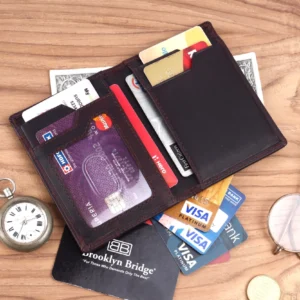
RFID Protected Pull Strap Wallet for Cards & Cash
Original price was: $41.90.$15.19Current price is: $15.19.
You save -
Sale!
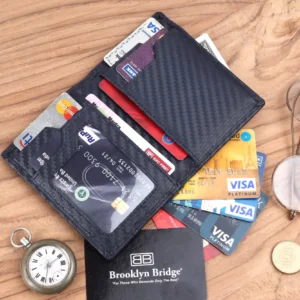
RFID Protected Pull Strap Leather Card Holder Wallet
Original price was: $41.90.$15.19Current price is: $15.19.
You save -
Sale!

RFID Protected Pull Strap Card Holder Wallet for Men Slim
Original price was: $41.90.$15.19Current price is: $15.19.
You save -
Sale!
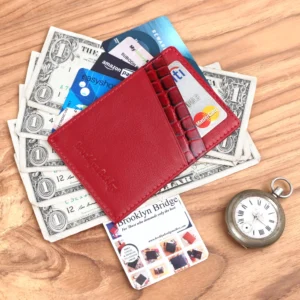
RFID Protected Leather Card Holder Wallet for Men & Women
Original price was: $18.10.$6.39Current price is: $6.39.
You save -
Sale!
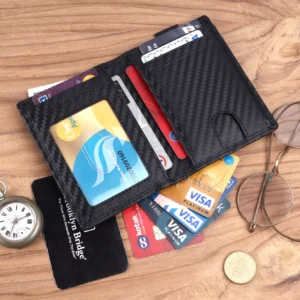
RFID Protected Pull Strap Card Holder Wallet for Secure Access
Original price was: $40.70.$14.79Current price is: $14.79.
You save -
Sale!
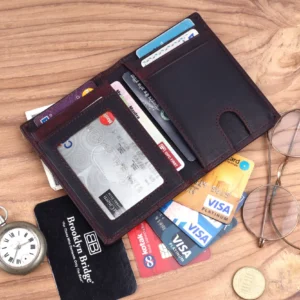
Slim RFID Protected Pull Strap Wallet for Cards & Cash
Original price was: $40.70.$14.79Current price is: $14.79.
You save -
Sale!
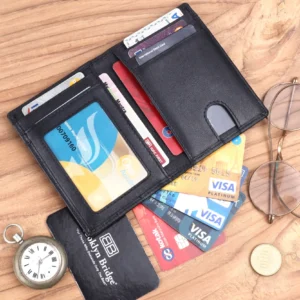
RFID Protected Pull Strap Card Holder Wallet for Daily Use
Original price was: $40.70.$14.79Current price is: $14.79.
You save -
Sale!
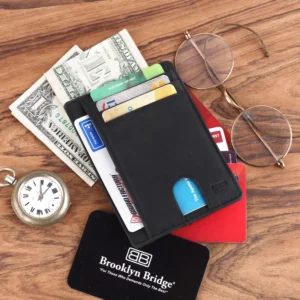
RFID Protected Card Holder Wallet for Secure Cards & Cash
Original price was: $27.30.$10.79Current price is: $10.79.
You save -
Sale!
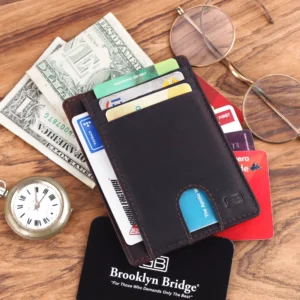
RFID Protected Leather Card Holder Wallet with Slim Design
Original price was: $27.30.$10.79Current price is: $10.79.
You save -
Sale!
Slim RFID Protected Leather Card Holder Wallet for Cards
Original price was: $27.30.$10.79Current price is: $10.79.
You save -
Sale!

RFID Protected Leather Card Holder Wallet for Secure Cards
Original price was: $27.30.$10.79Current price is: $10.79.
You save -
Sale!
RFID Protected Genuine Leather Card Holder for Daily Use
Original price was: $27.30.$10.79Current price is: $10.79.
You save
-
Sale!
RFID Protected Pull Strap Wallet for Cards & Cash
Original price was: $41.90.$15.19Current price is: $15.19.
You save -
Sale!
RFID Protected Pull Strap Leather Card Holder Wallet
Original price was: $41.90.$15.19Current price is: $15.19.
You save -
Sale!
RFID Protected Pull Strap Card Holder Wallet for Men Slim
Original price was: $41.90.$15.19Current price is: $15.19.
You save -
Sale!
RFID Protected Leather Card Holder Wallet for Men & Women
Original price was: $18.10.$6.39Current price is: $6.39.
You save -
Sale!
RFID Protected Pull Strap Card Holder Wallet for Secure Access
Original price was: $40.70.$14.79Current price is: $14.79.
You save -
Sale!
Slim RFID Protected Pull Strap Wallet for Cards & Cash
Original price was: $40.70.$14.79Current price is: $14.79.
You save -
Sale!
RFID Protected Pull Strap Card Holder Wallet for Daily Use
Original price was: $40.70.$14.79Current price is: $14.79.
You save -
Sale!
RFID Protected Card Holder Wallet for Secure Cards & Cash
Original price was: $27.30.$10.79Current price is: $10.79.
You save -
Sale!
RFID Protected Leather Card Holder Wallet with Slim Design
Original price was: $27.30.$10.79Current price is: $10.79.
You save -
Sale!
Slim RFID Protected Leather Card Holder Wallet for Cards
Original price was: $27.30.$10.79Current price is: $10.79.
You save -
Sale!
RFID Protected Leather Card Holder Wallet for Secure Cards
Original price was: $27.30.$10.79Current price is: $10.79.
You save -
Sale!
RFID Protected Genuine Leather Card Holder for Daily Use
Original price was: $27.30.$10.79Current price is: $10.79.
You save
-
Sale!
RFID Protected Pull Strap Wallet for Cards & Cash
Original price was: $41.90.$15.19Current price is: $15.19.
You save -
Sale!
RFID Protected Pull Strap Leather Card Holder Wallet
Original price was: $41.90.$15.19Current price is: $15.19.
You save -
Sale!
RFID Protected Pull Strap Card Holder Wallet for Men Slim
Original price was: $41.90.$15.19Current price is: $15.19.
You save -
Sale!
RFID Protected Leather Card Holder Wallet for Men & Women
Original price was: $18.10.$6.39Current price is: $6.39.
You save -
Sale!
RFID Protected Pull Strap Card Holder Wallet for Secure Access
Original price was: $40.70.$14.79Current price is: $14.79.
You save -
Sale!
Slim RFID Protected Pull Strap Wallet for Cards & Cash
Original price was: $40.70.$14.79Current price is: $14.79.
You save -
Sale!
RFID Protected Pull Strap Card Holder Wallet for Daily Use
Original price was: $40.70.$14.79Current price is: $14.79.
You save -
Sale!
RFID Protected Card Holder Wallet for Secure Cards & Cash
Original price was: $27.30.$10.79Current price is: $10.79.
You save -
Sale!
RFID Protected Leather Card Holder Wallet with Slim Design
Original price was: $27.30.$10.79Current price is: $10.79.
You save -
Sale!
Slim RFID Protected Leather Card Holder Wallet for Cards
Original price was: $27.30.$10.79Current price is: $10.79.
You save -
Sale!
RFID Protected Leather Card Holder Wallet for Secure Cards
Original price was: $27.30.$10.79Current price is: $10.79.
You save -
Sale!
RFID Protected Genuine Leather Card Holder for Daily Use
Original price was: $27.30.$10.79Current price is: $10.79.
You save
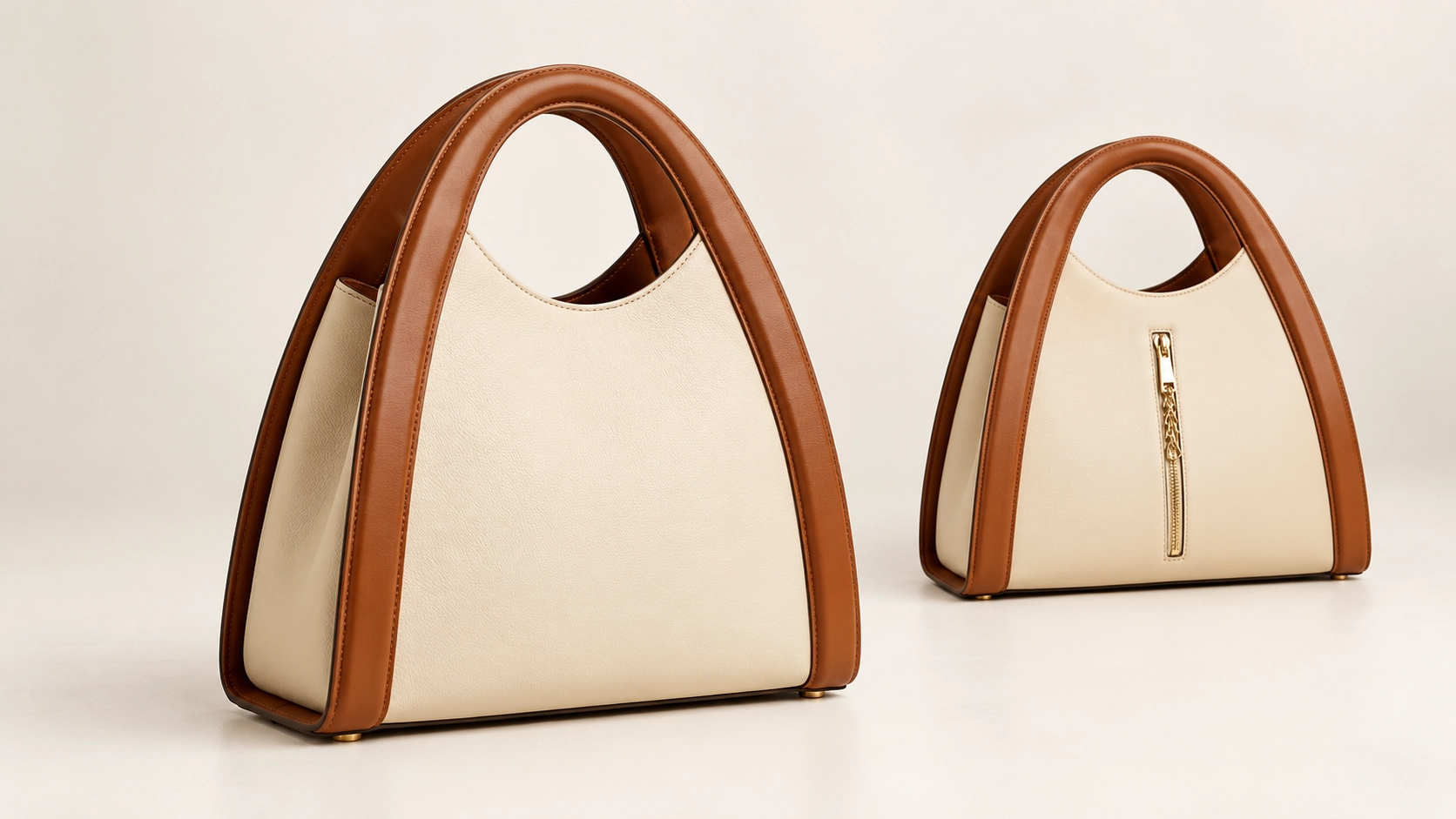
Table of Contents
Custom Ivory and Brown Leather Handbag Manufacturing Project for Germany
Custom leather handbag manufacturing combines product design, material sourcing, pattern development, skilled craftsmanship, and quality control. For German buyers seeking a distinctive two-tone handbag, every stage must support consistent appearance, practical functionality, and dependable production quality.
This project explores the proposed development of an ivory and brown leather handbag based on the supplied reference images. The design features a structured silhouette, contrasting leather panels, integrated arched handles, a rear zipper pocket, a suede-lined interior, and gold-tone hardware.
Exalter Global Co. is a Kolkata-based manufacturer and exporter working with international buyers. The company can be approached for custom product development, material coordination, OEM manufacturing discussions, private-label requirements, and export planning, subject to confirmation of project-specific capabilities and specifications.
The proposed handbag is intended for the German market. Its final specifications should be agreed upon by the buyer and manufacturer before sampling and production. The requested materials include LWG leather, a YKK EXCELLA zipper, an autolock slider, and suede fabric for the lining.
What Is Involved in Custom Leather Handbag Manufacturing?
Custom leather handbag manufacturing involves converting a design brief into a production-ready product through material selection, technical design, pattern making, sampling, cutting, stitching, assembly, finishing, and inspection. The manufacturer coordinates these stages to achieve the approved appearance, functionality, and quality requirements.
For an ivory and brown handbag, the process also requires careful colour matching, structural reinforcement, clean panel alignment, reliable zipper installation, and a consistent interior finish. A pre-production sample helps verify the design before bulk manufacturing begins.
Project Overview: Ivory and Brown Leather Handbag
| Project element | Proposed specification |
|---|---|
| Project type | Custom ladies leather handbag manufacturing |
| Target market | Germany |
| Product design | Structured, rounded trapezoidal silhouette with integrated arched handles |
| Primary colour | Ivory leather body |
| Contrast colour | Chestnut or cognac brown leather frame and handles |
| Leather requirement | Leather from a supplier with verifiable Leather Working Group credentials, subject to sourcing and availability |
| Zipper | YKK EXCELLA zipper with compatible autolock slider, subject to configuration confirmation |
| Lining | Suede fabric in a coordinated brown shade |
| Hardware | Gold-tone feet and compatible metal components, as approved in the sample |
| Manufacturing model | Proposed OEM or private-label development |
These details establish a development brief rather than a claim about a completed customer order. Dimensions, leather grade, lining composition, hardware finish, production quantity, and final construction must be confirmed during technical development.
Project Objectives and Manufacturing Scope
The main objective is to develop a distinctive handbag that preserves the supplied design's proportions while meeting the buyer's functional and commercial requirements. The project should balance visual appeal, practical storage, material performance, manufacturability, and repeatability.
Primary project objectives
- Develop a structured ivory and brown handbag with a clean, premium appearance.
- Coordinate contrasting leather colours without noticeable differences between approved components.
- Integrate the requested YKK EXCELLA zipper and compatible autolock slider.
- Develop a soft suede-fabric lining with functional internal compartments.
- Confirm handle strength, bag stability, base construction, and hardware attachment.
- Establish repeatable manufacturing and inspection standards for future orders.
- Prepare agreed packaging, branding, and export documentation for the German buyer.
Proposed project scope
The development scope can include design review, material sourcing, technical drawings, pattern development, prototype construction, sample approval, production planning, manufacturing coordination, quality inspection, and export preparation.
Exalter Global Co. can discuss the required sourcing and production arrangements with the buyer. Availability of specific leather grades, zipper configurations, manufacturing processes, minimum order quantities, and inspection services should be confirmed before commercial commitments are made.
Buyers can explore the company's official Exalter Global Co. website for company information and discuss their requirements directly with the business.
Understanding the Reference Design
The supplied images communicate several defining design features. The handbag has a softly rounded triangular profile, an ivory central body, a brown outer frame, and integrated handles that continue into the side structure. This arrangement creates a strong visual contrast without requiring an elaborate exterior.
Exterior construction
The ivory front and rear panels provide the primary visual surface. Brown leather outlines the body and forms the handles. The transition between the two colours must remain symmetrical, particularly around the upper curves, handle openings, side panels, and lower corners.
Pattern development should account for the leather's thickness, flexibility, stretch, and finishing characteristics. The brown frame may require carefully shaped panels and reinforcement to preserve the intended silhouette. The precise construction method should be established during sampling.
Rear zipper pocket
The reference includes a narrow vertical zipper pocket on the rear panel. Its placement, opening length, stitching margin, and pull clearance should be defined in the technical drawing. The zipper tape and slider must remain functional without distorting the surrounding leather.
Base and internal structure
The underside reference shows a structured base with protective feet. The production sample should verify base stiffness, foot placement, balance, and resistance to rocking on a flat surface.
The interior reference shows a brown-lined compartment with a central zipper section and additional storage pockets. These features should be converted into a dimensioned internal layout. Pocket depth, seam allowances, opening widths, and lining attachment points must be agreed before production.

-
Sale!
RFID Protected Pull Strap Wallet for Cards & Cash
Original price was: $41.90.$15.19Current price is: $15.19.
You save -
Sale!
RFID Protected Pull Strap Leather Card Holder Wallet
Original price was: $41.90.$15.19Current price is: $15.19.
You save -
Sale!
RFID Protected Pull Strap Card Holder Wallet for Men Slim
Original price was: $41.90.$15.19Current price is: $15.19.
You save -
Sale!
RFID Protected Leather Card Holder Wallet for Men & Women
Original price was: $18.10.$6.39Current price is: $6.39.
You save -
Sale!
RFID Protected Pull Strap Card Holder Wallet for Secure Access
Original price was: $40.70.$14.79Current price is: $14.79.
You save -
Sale!
Slim RFID Protected Pull Strap Wallet for Cards & Cash
Original price was: $40.70.$14.79Current price is: $14.79.
You save -
Sale!
RFID Protected Pull Strap Card Holder Wallet for Daily Use
Original price was: $40.70.$14.79Current price is: $14.79.
You save -
Sale!
RFID Protected Card Holder Wallet for Secure Cards & Cash
Original price was: $27.30.$10.79Current price is: $10.79.
You save -
Sale!
RFID Protected Leather Card Holder Wallet with Slim Design
Original price was: $27.30.$10.79Current price is: $10.79.
You save -
Sale!
Slim RFID Protected Leather Card Holder Wallet for Cards
Original price was: $27.30.$10.79Current price is: $10.79.
You save -
Sale!
RFID Protected Leather Card Holder Wallet for Secure Cards
Original price was: $27.30.$10.79Current price is: $10.79.
You save -
Sale!
RFID Protected Genuine Leather Card Holder for Daily Use
Original price was: $27.30.$10.79Current price is: $10.79.
You save
-
Sale!
RFID Protected Pull Strap Wallet for Cards & Cash
Original price was: $41.90.$15.19Current price is: $15.19.
You save -
Sale!
RFID Protected Pull Strap Leather Card Holder Wallet
Original price was: $41.90.$15.19Current price is: $15.19.
You save -
Sale!
RFID Protected Pull Strap Card Holder Wallet for Men Slim
Original price was: $41.90.$15.19Current price is: $15.19.
You save -
Sale!
RFID Protected Leather Card Holder Wallet for Men & Women
Original price was: $18.10.$6.39Current price is: $6.39.
You save -
Sale!
RFID Protected Pull Strap Card Holder Wallet for Secure Access
Original price was: $40.70.$14.79Current price is: $14.79.
You save -
Sale!
Slim RFID Protected Pull Strap Wallet for Cards & Cash
Original price was: $40.70.$14.79Current price is: $14.79.
You save -
Sale!
RFID Protected Pull Strap Card Holder Wallet for Daily Use
Original price was: $40.70.$14.79Current price is: $14.79.
You save -
Sale!
RFID Protected Card Holder Wallet for Secure Cards & Cash
Original price was: $27.30.$10.79Current price is: $10.79.
You save -
Sale!
RFID Protected Leather Card Holder Wallet with Slim Design
Original price was: $27.30.$10.79Current price is: $10.79.
You save -
Sale!
Slim RFID Protected Leather Card Holder Wallet for Cards
Original price was: $27.30.$10.79Current price is: $10.79.
You save -
Sale!
RFID Protected Leather Card Holder Wallet for Secure Cards
Original price was: $27.30.$10.79Current price is: $10.79.
You save -
Sale!
RFID Protected Genuine Leather Card Holder for Daily Use
Original price was: $27.30.$10.79Current price is: $10.79.
You save
-
Sale!
RFID Protected Pull Strap Wallet for Cards & Cash
Original price was: $41.90.$15.19Current price is: $15.19.
You save -
Sale!
RFID Protected Pull Strap Leather Card Holder Wallet
Original price was: $41.90.$15.19Current price is: $15.19.
You save -
Sale!
RFID Protected Pull Strap Card Holder Wallet for Men Slim
Original price was: $41.90.$15.19Current price is: $15.19.
You save -
Sale!
RFID Protected Leather Card Holder Wallet for Men & Women
Original price was: $18.10.$6.39Current price is: $6.39.
You save -
Sale!
RFID Protected Pull Strap Card Holder Wallet for Secure Access
Original price was: $40.70.$14.79Current price is: $14.79.
You save -
Sale!
Slim RFID Protected Pull Strap Wallet for Cards & Cash
Original price was: $40.70.$14.79Current price is: $14.79.
You save -
Sale!
RFID Protected Pull Strap Card Holder Wallet for Daily Use
Original price was: $40.70.$14.79Current price is: $14.79.
You save -
Sale!
RFID Protected Card Holder Wallet for Secure Cards & Cash
Original price was: $27.30.$10.79Current price is: $10.79.
You save -
Sale!
RFID Protected Leather Card Holder Wallet with Slim Design
Original price was: $27.30.$10.79Current price is: $10.79.
You save -
Sale!
Slim RFID Protected Leather Card Holder Wallet for Cards
Original price was: $27.30.$10.79Current price is: $10.79.
You save -
Sale!
RFID Protected Leather Card Holder Wallet for Secure Cards
Original price was: $27.30.$10.79Current price is: $10.79.
You save -
Sale!
RFID Protected Genuine Leather Card Holder for Daily Use
Original price was: $27.30.$10.79Current price is: $10.79.
You save
-
Sale!
RFID Protected Pull Strap Wallet for Cards & Cash
Original price was: $41.90.$15.19Current price is: $15.19.
You save -
Sale!
RFID Protected Pull Strap Leather Card Holder Wallet
Original price was: $41.90.$15.19Current price is: $15.19.
You save -
Sale!
RFID Protected Pull Strap Card Holder Wallet for Men Slim
Original price was: $41.90.$15.19Current price is: $15.19.
You save -
Sale!
RFID Protected Leather Card Holder Wallet for Men & Women
Original price was: $18.10.$6.39Current price is: $6.39.
You save
-
Sale!
RFID Protected Pull Strap Wallet for Cards & Cash
Original price was: $41.90.$15.19Current price is: $15.19.
You save -
Sale!
RFID Protected Pull Strap Leather Card Holder Wallet
Original price was: $41.90.$15.19Current price is: $15.19.
You save -
Sale!
RFID Protected Pull Strap Card Holder Wallet for Men Slim
Original price was: $41.90.$15.19Current price is: $15.19.
You save -
Sale!
RFID Protected Leather Card Holder Wallet for Men & Women
Original price was: $18.10.$6.39Current price is: $6.39.
You save
-
Sale!
RFID Protected Pull Strap Wallet for Cards & Cash
Original price was: $41.90.$15.19Current price is: $15.19.
You save -
Sale!
RFID Protected Pull Strap Leather Card Holder Wallet
Original price was: $41.90.$15.19Current price is: $15.19.
You save -
Sale!
RFID Protected Pull Strap Card Holder Wallet for Men Slim
Original price was: $41.90.$15.19Current price is: $15.19.
You save -
Sale!
RFID Protected Leather Card Holder Wallet for Men & Women
Original price was: $18.10.$6.39Current price is: $6.39.
You save
-
Sale!
RFID Protected Pull Strap Wallet for Cards & Cash
Original price was: $41.90.$15.19Current price is: $15.19.
You save -
Sale!
RFID Protected Pull Strap Leather Card Holder Wallet
Original price was: $41.90.$15.19Current price is: $15.19.
You save -
Sale!
RFID Protected Pull Strap Card Holder Wallet for Men Slim
Original price was: $41.90.$15.19Current price is: $15.19.
You save -
Sale!
RFID Protected Leather Card Holder Wallet for Men & Women
Original price was: $18.10.$6.39Current price is: $6.39.
You save -
Sale!
RFID Protected Pull Strap Card Holder Wallet for Secure Access
Original price was: $40.70.$14.79Current price is: $14.79.
You save -
Sale!
Slim RFID Protected Pull Strap Wallet for Cards & Cash
Original price was: $40.70.$14.79Current price is: $14.79.
You save -
Sale!
RFID Protected Pull Strap Card Holder Wallet for Daily Use
Original price was: $40.70.$14.79Current price is: $14.79.
You save -
Sale!
RFID Protected Card Holder Wallet for Secure Cards & Cash
Original price was: $27.30.$10.79Current price is: $10.79.
You save -
Sale!
RFID Protected Leather Card Holder Wallet with Slim Design
Original price was: $27.30.$10.79Current price is: $10.79.
You save -
Sale!
Slim RFID Protected Leather Card Holder Wallet for Cards
Original price was: $27.30.$10.79Current price is: $10.79.
You save -
Sale!
RFID Protected Leather Card Holder Wallet for Secure Cards
Original price was: $27.30.$10.79Current price is: $10.79.
You save -
Sale!
RFID Protected Genuine Leather Card Holder for Daily Use
Original price was: $27.30.$10.79Current price is: $10.79.
You save
-
Sale!
RFID Protected Pull Strap Wallet for Cards & Cash
Original price was: $41.90.$15.19Current price is: $15.19.
You save -
Sale!
RFID Protected Pull Strap Leather Card Holder Wallet
Original price was: $41.90.$15.19Current price is: $15.19.
You save -
Sale!
RFID Protected Pull Strap Card Holder Wallet for Men Slim
Original price was: $41.90.$15.19Current price is: $15.19.
You save -
Sale!
RFID Protected Leather Card Holder Wallet for Men & Women
Original price was: $18.10.$6.39Current price is: $6.39.
You save -
Sale!
RFID Protected Pull Strap Card Holder Wallet for Secure Access
Original price was: $40.70.$14.79Current price is: $14.79.
You save -
Sale!
Slim RFID Protected Pull Strap Wallet for Cards & Cash
Original price was: $40.70.$14.79Current price is: $14.79.
You save -
Sale!
RFID Protected Pull Strap Card Holder Wallet for Daily Use
Original price was: $40.70.$14.79Current price is: $14.79.
You save -
Sale!
RFID Protected Card Holder Wallet for Secure Cards & Cash
Original price was: $27.30.$10.79Current price is: $10.79.
You save -
Sale!
RFID Protected Leather Card Holder Wallet with Slim Design
Original price was: $27.30.$10.79Current price is: $10.79.
You save -
Sale!
Slim RFID Protected Leather Card Holder Wallet for Cards
Original price was: $27.30.$10.79Current price is: $10.79.
You save -
Sale!
RFID Protected Leather Card Holder Wallet for Secure Cards
Original price was: $27.30.$10.79Current price is: $10.79.
You save -
Sale!
RFID Protected Genuine Leather Card Holder for Daily Use
Original price was: $27.30.$10.79Current price is: $10.79.
You save
-
Sale!
RFID Protected Pull Strap Wallet for Cards & Cash
Original price was: $41.90.$15.19Current price is: $15.19.
You save -
Sale!
RFID Protected Pull Strap Leather Card Holder Wallet
Original price was: $41.90.$15.19Current price is: $15.19.
You save -
Sale!
RFID Protected Pull Strap Card Holder Wallet for Men Slim
Original price was: $41.90.$15.19Current price is: $15.19.
You save -
Sale!
RFID Protected Leather Card Holder Wallet for Men & Women
Original price was: $18.10.$6.39Current price is: $6.39.
You save -
Sale!
RFID Protected Pull Strap Card Holder Wallet for Secure Access
Original price was: $40.70.$14.79Current price is: $14.79.
You save -
Sale!
Slim RFID Protected Pull Strap Wallet for Cards & Cash
Original price was: $40.70.$14.79Current price is: $14.79.
You save -
Sale!
RFID Protected Pull Strap Card Holder Wallet for Daily Use
Original price was: $40.70.$14.79Current price is: $14.79.
You save -
Sale!
RFID Protected Card Holder Wallet for Secure Cards & Cash
Original price was: $27.30.$10.79Current price is: $10.79.
You save -
Sale!
RFID Protected Leather Card Holder Wallet with Slim Design
Original price was: $27.30.$10.79Current price is: $10.79.
You save -
Sale!
Slim RFID Protected Leather Card Holder Wallet for Cards
Original price was: $27.30.$10.79Current price is: $10.79.
You save -
Sale!
RFID Protected Leather Card Holder Wallet for Secure Cards
Original price was: $27.30.$10.79Current price is: $10.79.
You save -
Sale!
RFID Protected Genuine Leather Card Holder for Daily Use
Original price was: $27.30.$10.79Current price is: $10.79.
You save

Customer-Requested Materials and Their Manufacturing Considerations
Material selection influences the handbag's appearance, structure, durability, weight, cost, and suitability for the intended market. The following materials are specified in the project brief. Their exact grades, specifications, and availability remain subject to buyer approval and supplier verification.
1. LWG leather for the ivory and brown panels
The buyer has requested LWG leather. Leather Working Group (LWG) provides assessment and certification programmes for leather manufacturing facilities and supply-chain participants. Buyers should verify the relevant supplier, site, certificate status, scope, and traceability documentation rather than relying on a general sustainability claim.
For this handbag, the ivory leather should offer an even surface, suitable flexibility, and a finish that supports the approved light colour. The brown leather should complement the ivory panel while providing sufficient strength for the frame and integrated handles.
Both colours should be evaluated for thickness, grain consistency, colour variation, finish adhesion, flexibility, and resistance to surface marking. Light-coloured leather deserves particular attention because visible stains, edge contamination, and colour transfer can affect its appearance.
The buyer and manufacturer should agree on the leather type, grade, finish, thickness range, colour reference, and acceptable natural variations. A physical approval swatch is more reliable than a screen image alone.
For supplier assessment, buyers can consult the official Leather Working Group website. An LWG-related claim should accurately describe the specific sourcing evidence available for the project.
2. YKK EXCELLA zipper and autolock slider
The requested YKK EXCELLA zipper is intended to provide a refined closure with a premium metal appearance. EXCELLA is a YKK zipper product range, but the exact chain size, tape, finish, slider model, and compatibility must be confirmed with an authorised supplier.
The buyer has also requested an autolock slider. This mechanism is intended to help prevent unintended slider movement. However, not every slider is compatible with every zipper chain or application. The selected configuration must be verified as a complete component set.
For the rear pocket, the zipper length should match the approved opening. For the interior compartment, a separate specification may be necessary. Both installations require straight stitching, secure zipper-end finishing, adequate clearance, and smooth movement.
Inspection should check for catching, misalignment, uneven tape tension, loose teeth, slider resistance, and interference from the lining. Repeated opening and closing should be included in the sample evaluation.
3. Suede fabric for the lining
The buyer has specified suede fabric for the lining. The term may describe genuine suede or a synthetic suede-like textile, so the composition must be clarified before material procurement.
A suitable lining should complement the brown exterior while providing a soft interior finish. It should also resist excessive shedding, seam slippage, fraying, and premature wear under normal use.
Material selection should consider thickness, backing construction, colourfastness, abrasion performance, cleaning requirements, and compatibility with adhesives or stitching methods. A lightweight option may reduce bulk, while a heavier option may provide more body but make curved seams harder to assemble.
The lining colour should be approved alongside the exterior leather. The buyer should also confirm whether the interior needs separate pocket sections, a central zip compartment, a key attachment, or a branded label.
4. Hardware, reinforcement, and supporting materials
The reference shows gold-tone protective feet and restrained metal detailing. Additional materials may include reinforcement for the handles, base support, edge-finishing products, sewing thread, adhesives, and pocket backing materials.
These are proposed supporting materials, not confirmed customer specifications. Their suitability depends on the design, leather characteristics, target price, and required performance.
Hardware samples should be checked for consistent colour, secure attachment, sharp edges, corrosion resistance where applicable, and compatibility with the intended use. The buyer should approve the finish under consistent lighting before bulk procurement.
Proposed Material Comparison
| Material | Purpose | Main consideration |
|---|---|---|
| Ivory LWG-sourced leather | Main body panels | Surface uniformity, staining, colour transfer, and finish consistency |
| Brown LWG-sourced leather | Frame, handles, and structural accents | Flexibility, reinforcement, edge finishing, and colour matching |
| YKK EXCELLA zipper | Rear and interior closures | Correct model, length, finish, and smooth operation |
| Autolock slider | Zipper control | Verified compatibility and reliable locking action |
| Suede fabric | Interior lining and pockets | Composition, shedding, abrasion, seam performance, and colourfastness |
| Reinforcement and hardware | Handle, base, and attachment support | Strength, weight, finish, and attachment security |
Step-by-Step Custom Handbag Manufacturing Process
Step 1: Design review and technical specification
The process begins by translating the supplied images into a production brief. The manufacturer and buyer confirm overall dimensions, handle drop, opening width, panel proportions, base depth, pocket layout, hardware placement, and acceptable tolerances.
Reference images communicate appearance, but they do not establish every hidden construction detail. A technical drawing should therefore show the front, rear, sides, base, top opening, and interior.
Step 2: Material sourcing and approval
The next stage involves sourcing proposed leather, suede fabric, zippers, reinforcement materials, thread, and hardware. Each material should be checked against the approved specification before cutting.
Colour approval should include both leather shades, lining fabric, thread, and metal finishes. The buyer should retain a signed or otherwise traceable reference set for comparison during production.
Step 3: Pattern making and prototype development
Pattern makers develop the individual panels and calculate seam allowances, folding allowances, reinforcement positions, and lining dimensions. The curved brown frame requires particular attention because small pattern errors can affect symmetry.
A first prototype tests proportions and construction. Adjustments may be needed to improve the handle shape, body stability, zipper access, internal storage, or ease of assembly.
Step 4: Leather cutting and component preparation
Approved leather is inspected before cutting. Panels are positioned to manage visible defects, natural grain differences, and colour variation. The ivory body and brown frame should be cut with consistent orientation and suitable allowances for the selected leather.
Components are then prepared through the required skiving, folding, reinforcement, edge treatment, and marking operations. Cutting accuracy is especially important around the handles and rounded lower corners.
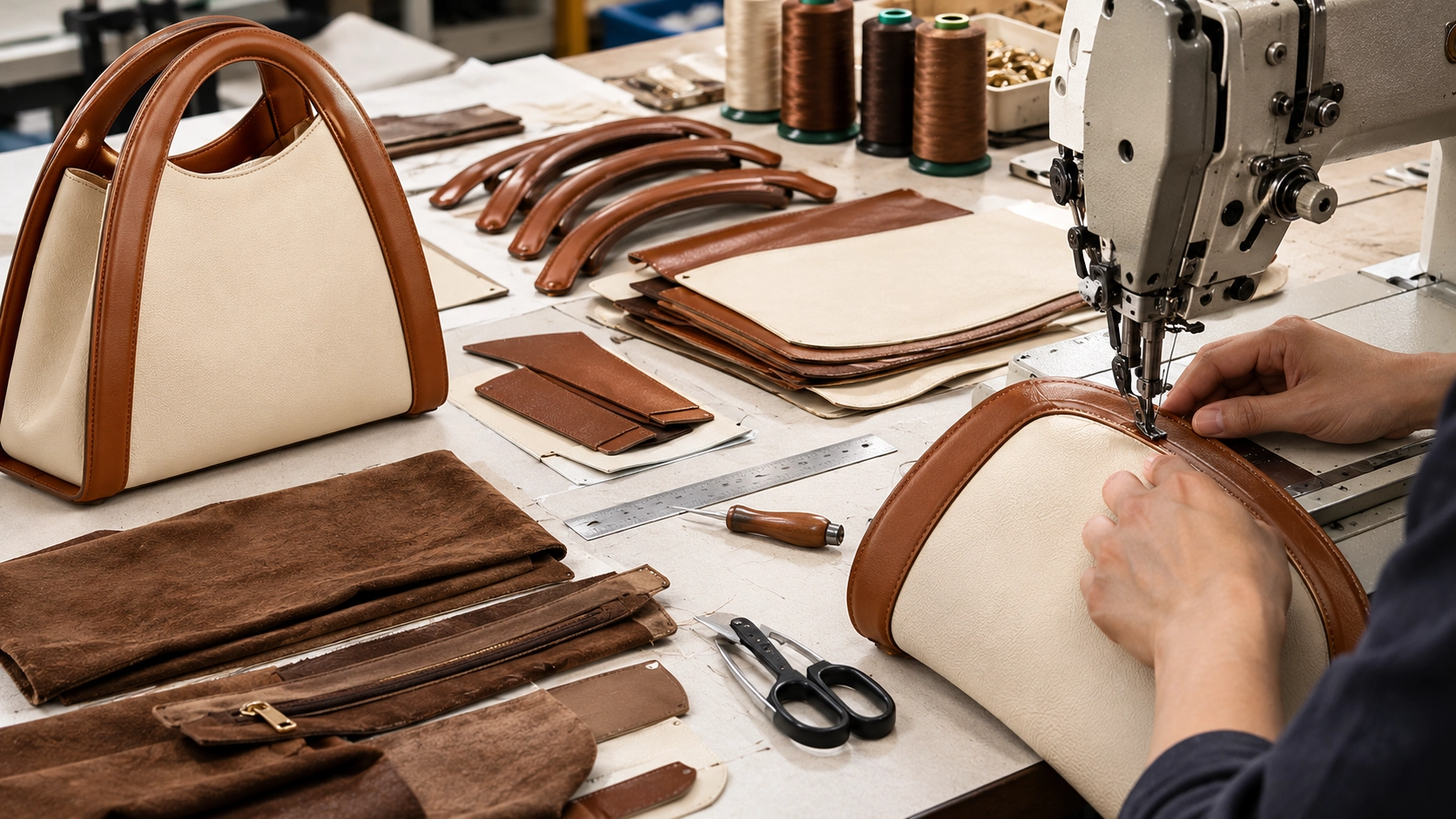
Step 5: Stitching and structural assembly
Prepared panels are stitched and assembled according to the approved construction sequence. Stitch length, thread colour, seam allowance, and tension should remain consistent across the production run.
The handle attachments and upper frame require adequate reinforcement. Assembly should avoid puckering, uneven curves, exposed adhesive, and visible gaps between the contrasting panels.
Step 6: Lining and zipper installation
The suede-fabric lining is cut to the approved internal layout. The rear zipper pocket and interior zip compartment are installed with suitable backing and reinforcement where required.
The lining should sit neatly inside the bag without excessive folds, loose edges, or interference with the zipper. All pockets should be checked for correct orientation, usable depth, and secure stitching.
Step 7: Finishing and final assembly
The manufacturer completes the handles, edges, protective feet, hardware attachments, and final shaping. The finished handbag is cleaned using methods suitable for its leather and lining materials.
Inspection then checks the overall silhouette, colour separation, symmetry, stitching, zipper operation, lining attachment, hardware security, and base stability. Any defects must be evaluated against the agreed acceptance criteria.
-
Sale!
RFID Protected Pull Strap Wallet for Cards & Cash
Original price was: $41.90.$15.19Current price is: $15.19.
You save -
Sale!
RFID Protected Pull Strap Leather Card Holder Wallet
Original price was: $41.90.$15.19Current price is: $15.19.
You save -
Sale!
RFID Protected Pull Strap Card Holder Wallet for Men Slim
Original price was: $41.90.$15.19Current price is: $15.19.
You save -
Sale!
RFID Protected Leather Card Holder Wallet for Men & Women
Original price was: $18.10.$6.39Current price is: $6.39.
You save -
Sale!
RFID Protected Pull Strap Card Holder Wallet for Secure Access
Original price was: $40.70.$14.79Current price is: $14.79.
You save -
Sale!
Slim RFID Protected Pull Strap Wallet for Cards & Cash
Original price was: $40.70.$14.79Current price is: $14.79.
You save -
Sale!
RFID Protected Pull Strap Card Holder Wallet for Daily Use
Original price was: $40.70.$14.79Current price is: $14.79.
You save -
Sale!
RFID Protected Card Holder Wallet for Secure Cards & Cash
Original price was: $27.30.$10.79Current price is: $10.79.
You save -
Sale!
RFID Protected Leather Card Holder Wallet with Slim Design
Original price was: $27.30.$10.79Current price is: $10.79.
You save -
Sale!
Slim RFID Protected Leather Card Holder Wallet for Cards
Original price was: $27.30.$10.79Current price is: $10.79.
You save -
Sale!
RFID Protected Leather Card Holder Wallet for Secure Cards
Original price was: $27.30.$10.79Current price is: $10.79.
You save -
Sale!
RFID Protected Genuine Leather Card Holder for Daily Use
Original price was: $27.30.$10.79Current price is: $10.79.
You save
-
Sale!
RFID Protected Pull Strap Wallet for Cards & Cash
Original price was: $41.90.$15.19Current price is: $15.19.
You save -
Sale!
RFID Protected Pull Strap Leather Card Holder Wallet
Original price was: $41.90.$15.19Current price is: $15.19.
You save -
Sale!
RFID Protected Pull Strap Card Holder Wallet for Men Slim
Original price was: $41.90.$15.19Current price is: $15.19.
You save -
Sale!
RFID Protected Leather Card Holder Wallet for Men & Women
Original price was: $18.10.$6.39Current price is: $6.39.
You save -
Sale!
RFID Protected Pull Strap Card Holder Wallet for Secure Access
Original price was: $40.70.$14.79Current price is: $14.79.
You save -
Sale!
Slim RFID Protected Pull Strap Wallet for Cards & Cash
Original price was: $40.70.$14.79Current price is: $14.79.
You save -
Sale!
RFID Protected Pull Strap Card Holder Wallet for Daily Use
Original price was: $40.70.$14.79Current price is: $14.79.
You save -
Sale!
RFID Protected Card Holder Wallet for Secure Cards & Cash
Original price was: $27.30.$10.79Current price is: $10.79.
You save -
Sale!
RFID Protected Leather Card Holder Wallet with Slim Design
Original price was: $27.30.$10.79Current price is: $10.79.
You save -
Sale!
Slim RFID Protected Leather Card Holder Wallet for Cards
Original price was: $27.30.$10.79Current price is: $10.79.
You save -
Sale!
RFID Protected Leather Card Holder Wallet for Secure Cards
Original price was: $27.30.$10.79Current price is: $10.79.
You save -
Sale!
RFID Protected Genuine Leather Card Holder for Daily Use
Original price was: $27.30.$10.79Current price is: $10.79.
You save
-
Sale!
RFID Protected Pull Strap Wallet for Cards & Cash
Original price was: $41.90.$15.19Current price is: $15.19.
You save -
Sale!
RFID Protected Pull Strap Leather Card Holder Wallet
Original price was: $41.90.$15.19Current price is: $15.19.
You save -
Sale!
RFID Protected Pull Strap Card Holder Wallet for Men Slim
Original price was: $41.90.$15.19Current price is: $15.19.
You save -
Sale!
RFID Protected Leather Card Holder Wallet for Men & Women
Original price was: $18.10.$6.39Current price is: $6.39.
You save -
Sale!
RFID Protected Pull Strap Card Holder Wallet for Secure Access
Original price was: $40.70.$14.79Current price is: $14.79.
You save -
Sale!
Slim RFID Protected Pull Strap Wallet for Cards & Cash
Original price was: $40.70.$14.79Current price is: $14.79.
You save -
Sale!
RFID Protected Pull Strap Card Holder Wallet for Daily Use
Original price was: $40.70.$14.79Current price is: $14.79.
You save -
Sale!
RFID Protected Card Holder Wallet for Secure Cards & Cash
Original price was: $27.30.$10.79Current price is: $10.79.
You save -
Sale!
RFID Protected Leather Card Holder Wallet with Slim Design
Original price was: $27.30.$10.79Current price is: $10.79.
You save -
Sale!
Slim RFID Protected Leather Card Holder Wallet for Cards
Original price was: $27.30.$10.79Current price is: $10.79.
You save -
Sale!
RFID Protected Leather Card Holder Wallet for Secure Cards
Original price was: $27.30.$10.79Current price is: $10.79.
You save -
Sale!
RFID Protected Genuine Leather Card Holder for Daily Use
Original price was: $27.30.$10.79Current price is: $10.79.
You save
-
Sale!
RFID Protected Pull Strap Wallet for Cards & Cash
Original price was: $41.90.$15.19Current price is: $15.19.
You save -
Sale!
RFID Protected Pull Strap Leather Card Holder Wallet
Original price was: $41.90.$15.19Current price is: $15.19.
You save -
Sale!
RFID Protected Pull Strap Card Holder Wallet for Men Slim
Original price was: $41.90.$15.19Current price is: $15.19.
You save -
Sale!
RFID Protected Leather Card Holder Wallet for Men & Women
Original price was: $18.10.$6.39Current price is: $6.39.
You save
-
Sale!
RFID Protected Pull Strap Wallet for Cards & Cash
Original price was: $41.90.$15.19Current price is: $15.19.
You save -
Sale!
RFID Protected Pull Strap Leather Card Holder Wallet
Original price was: $41.90.$15.19Current price is: $15.19.
You save -
Sale!
RFID Protected Pull Strap Card Holder Wallet for Men Slim
Original price was: $41.90.$15.19Current price is: $15.19.
You save -
Sale!
RFID Protected Leather Card Holder Wallet for Men & Women
Original price was: $18.10.$6.39Current price is: $6.39.
You save
-
Sale!
RFID Protected Pull Strap Wallet for Cards & Cash
Original price was: $41.90.$15.19Current price is: $15.19.
You save -
Sale!
RFID Protected Pull Strap Leather Card Holder Wallet
Original price was: $41.90.$15.19Current price is: $15.19.
You save -
Sale!
RFID Protected Pull Strap Card Holder Wallet for Men Slim
Original price was: $41.90.$15.19Current price is: $15.19.
You save -
Sale!
RFID Protected Leather Card Holder Wallet for Men & Women
Original price was: $18.10.$6.39Current price is: $6.39.
You save
-
Sale!
RFID Protected Pull Strap Wallet for Cards & Cash
Original price was: $41.90.$15.19Current price is: $15.19.
You save -
Sale!
RFID Protected Pull Strap Leather Card Holder Wallet
Original price was: $41.90.$15.19Current price is: $15.19.
You save -
Sale!
RFID Protected Pull Strap Card Holder Wallet for Men Slim
Original price was: $41.90.$15.19Current price is: $15.19.
You save -
Sale!
RFID Protected Leather Card Holder Wallet for Men & Women
Original price was: $18.10.$6.39Current price is: $6.39.
You save -
Sale!
RFID Protected Pull Strap Card Holder Wallet for Secure Access
Original price was: $40.70.$14.79Current price is: $14.79.
You save -
Sale!
Slim RFID Protected Pull Strap Wallet for Cards & Cash
Original price was: $40.70.$14.79Current price is: $14.79.
You save -
Sale!
RFID Protected Pull Strap Card Holder Wallet for Daily Use
Original price was: $40.70.$14.79Current price is: $14.79.
You save -
Sale!
RFID Protected Card Holder Wallet for Secure Cards & Cash
Original price was: $27.30.$10.79Current price is: $10.79.
You save -
Sale!
RFID Protected Leather Card Holder Wallet with Slim Design
Original price was: $27.30.$10.79Current price is: $10.79.
You save -
Sale!
Slim RFID Protected Leather Card Holder Wallet for Cards
Original price was: $27.30.$10.79Current price is: $10.79.
You save -
Sale!
RFID Protected Leather Card Holder Wallet for Secure Cards
Original price was: $27.30.$10.79Current price is: $10.79.
You save -
Sale!
RFID Protected Genuine Leather Card Holder for Daily Use
Original price was: $27.30.$10.79Current price is: $10.79.
You save
-
Sale!
RFID Protected Pull Strap Wallet for Cards & Cash
Original price was: $41.90.$15.19Current price is: $15.19.
You save -
Sale!
RFID Protected Pull Strap Leather Card Holder Wallet
Original price was: $41.90.$15.19Current price is: $15.19.
You save -
Sale!
RFID Protected Pull Strap Card Holder Wallet for Men Slim
Original price was: $41.90.$15.19Current price is: $15.19.
You save -
Sale!
RFID Protected Leather Card Holder Wallet for Men & Women
Original price was: $18.10.$6.39Current price is: $6.39.
You save -
Sale!
RFID Protected Pull Strap Card Holder Wallet for Secure Access
Original price was: $40.70.$14.79Current price is: $14.79.
You save -
Sale!
Slim RFID Protected Pull Strap Wallet for Cards & Cash
Original price was: $40.70.$14.79Current price is: $14.79.
You save -
Sale!
RFID Protected Pull Strap Card Holder Wallet for Daily Use
Original price was: $40.70.$14.79Current price is: $14.79.
You save -
Sale!
RFID Protected Card Holder Wallet for Secure Cards & Cash
Original price was: $27.30.$10.79Current price is: $10.79.
You save -
Sale!
RFID Protected Leather Card Holder Wallet with Slim Design
Original price was: $27.30.$10.79Current price is: $10.79.
You save -
Sale!
Slim RFID Protected Leather Card Holder Wallet for Cards
Original price was: $27.30.$10.79Current price is: $10.79.
You save -
Sale!
RFID Protected Leather Card Holder Wallet for Secure Cards
Original price was: $27.30.$10.79Current price is: $10.79.
You save -
Sale!
RFID Protected Genuine Leather Card Holder for Daily Use
Original price was: $27.30.$10.79Current price is: $10.79.
You save
-
Sale!
RFID Protected Pull Strap Wallet for Cards & Cash
Original price was: $41.90.$15.19Current price is: $15.19.
You save -
Sale!
RFID Protected Pull Strap Leather Card Holder Wallet
Original price was: $41.90.$15.19Current price is: $15.19.
You save -
Sale!
RFID Protected Pull Strap Card Holder Wallet for Men Slim
Original price was: $41.90.$15.19Current price is: $15.19.
You save -
Sale!
RFID Protected Leather Card Holder Wallet for Men & Women
Original price was: $18.10.$6.39Current price is: $6.39.
You save -
Sale!
RFID Protected Pull Strap Card Holder Wallet for Secure Access
Original price was: $40.70.$14.79Current price is: $14.79.
You save -
Sale!
Slim RFID Protected Pull Strap Wallet for Cards & Cash
Original price was: $40.70.$14.79Current price is: $14.79.
You save -
Sale!
RFID Protected Pull Strap Card Holder Wallet for Daily Use
Original price was: $40.70.$14.79Current price is: $14.79.
You save -
Sale!
RFID Protected Card Holder Wallet for Secure Cards & Cash
Original price was: $27.30.$10.79Current price is: $10.79.
You save -
Sale!
RFID Protected Leather Card Holder Wallet with Slim Design
Original price was: $27.30.$10.79Current price is: $10.79.
You save -
Sale!
Slim RFID Protected Leather Card Holder Wallet for Cards
Original price was: $27.30.$10.79Current price is: $10.79.
You save -
Sale!
RFID Protected Leather Card Holder Wallet for Secure Cards
Original price was: $27.30.$10.79Current price is: $10.79.
You save -
Sale!
RFID Protected Genuine Leather Card Holder for Daily Use
Original price was: $27.30.$10.79Current price is: $10.79.
You save

Custom Handbag Requirements for the German Market
Developing a handbag for Germany requires attention to the buyer's design preferences, product performance expectations, traceability, and applicable European Union requirements. The exact obligations depend on the product, materials, distribution model, and parties responsible for placing it on the market.
Design and usability considerations
The ivory and brown colour combination offers a versatile design direction for buyers targeting contemporary accessories, premium gifting, boutiques, or private-label collections. These are potential positioning options rather than verified consumer preferences for every German buyer.
The final handbag should balance appearance with everyday usability. Buyers should review the handle drop, opening dimensions, internal storage, base stability, bag weight, and ease of access before approving the sample.
Ivory leather may require additional care during handling and packaging because surface marks are more noticeable on light colours. Protective packing materials should be tested for colour transfer, pressure marks, and unwanted surface reactions.
EU product safety and chemical compliance
The EU General Product Safety Regulation (GPSR), Regulation (EU) 2023/988, has applied since 13 December 2024. Its requirements can affect consumer products placed on the EU market, including relevant product safety assessments, traceability, and information obligations.
The buyer and responsible economic operator should determine the applicable obligations for the finished handbag, including any required product identification, manufacturer or responsible-person details, risk documentation, and online sales information.
Read the official EU overview of the General Product Safety Regulation and obtain professional compliance advice where needed.
REACH restrictions also matter when selecting leather, textiles, dyes, coatings, and other components. For example, the EU restricts chromium VI in leather articles that come into contact with skin at concentrations of 3 mg/kg or greater under the relevant restriction.
Restrictions on certain azo dyes and other chemical substances may also apply to leather and textile articles. Buyers should establish an appropriate material testing plan and obtain supporting supplier documentation. The relevant requirements depend on the substances, material types, and applicable legal provisions.
Consult the official REACH Regulation text and the European Commission's Access2Markets guidance on chemical products. Do not treat a general supplier declaration as proof that every component complies.
Packaging obligations for German sales
Packaging requirements should be reviewed separately from handbag product requirements. Depending on who first places packaged goods on the German market and how the goods are distributed, registration, recycling participation, reporting, or other extended producer responsibility obligations may apply.
Buyers and importers should determine their legal responsibilities before shipment. The official German LUCID Packaging Register guidance explains registration considerations and relevant packaging responsibilities.
For the proposed project, the commercial agreement should identify who is responsible for retail packaging, transport cartons, packaging data, product labels, and any applicable market registrations. Requirements should be checked against the rules in force at the time of sale.
Quality Control for the Ivory and Brown Handbag
Quality control should begin with incoming materials and continue through cutting, stitching, assembly, finishing, and final inspection. The buyer and manufacturer should agree on measurable acceptance criteria rather than relying only on a general requirement for premium quality.
| Inspection stage | Checks |
|---|---|
| Incoming leather | Approved shade, thickness, surface condition, consistency, and supplier documentation |
| Cut components | Pattern accuracy, panel symmetry, clean edges, and correct component orientation |
| Stitched assembly | Consistent stitch lines, seam strength, thread tension, and secure handle attachment |
| Zipper installation | Correct component specification, smooth movement, autolock function, and secure ends |
| Interior construction | Lining alignment, pocket dimensions, clean seams, and usable storage space |
| Final inspection | Overall shape, colour matching, hardware security, base stability, cleanliness, and packaging condition |
Potential Manufacturing Challenges and Solutions
Colour variation between ivory and brown leather
Natural leather can vary between hides and batches. This variation may become more visible when contrasting panels meet. The proposed solution is to approve physical colour standards, inspect incoming materials, and coordinate panel cutting from suitable batches.
Maintaining the curved silhouette
Curved frames and integrated handles can distort if patterns, reinforcement, or assembly tension are inconsistent. Prototype development should establish the appropriate panel geometry, reinforcement placement, and sewing sequence before production begins.
Preventing zipper and lining problems
A zipper can catch when the lining, seam allowances, or backing interfere with its movement. Sample testing should assess the complete assembly rather than checking the zipper component alone.
Protecting the light-coloured exterior
Ivory leather can show scuffs, handling marks, and colour transfer. Clean work surfaces, suitable handling procedures, protective packaging, and a final surface inspection can help reduce these risks.
OEM and Private-Label Manufacturing Support
Exalter Global Co. can discuss the proposed handbag as an OEM or private-label development brief, subject to confirmation of the required production arrangements and capabilities. The objective is to establish a clear process from design approval to manufacturing and export coordination.
Potential project activities include reviewing the supplied reference, preparing a technical specification, coordinating material requirements, developing a prototype, incorporating approved revisions, and defining inspection criteria. Commercial terms should specify which activities are included in the quotation.
For brand-specific development, Exalter Vachette is an official brand page buyers can review when exploring the company's brand portfolio. Any proposed use of Exalter Vachette or Brooklyn Bridge on the handbag should be expressly approved and should not be assumed from the project brief.
The buyer may instead require an unbranded product, a buyer-owned private label, a custom metal logo, an embossed mark, or a branded lining label. Artwork, placement, production method, and intellectual property permissions should be approved before sampling.
Project Deliverables and Buyer Approval Checklist
Before bulk manufacturing begins, the parties should agree on the following deliverables and decisions:
- Approved front, rear, side, base, and interior design references.
- Confirmed dimensions, construction details, and acceptable tolerances.
- Approved ivory and brown leather swatches and supporting sourcing documentation.
- Verified YKK EXCELLA zipper and compatible autolock slider specifications.
- Confirmed suede-fabric composition, lining colour, and internal pocket layout.
- Approved prototype, hardware finish, handle construction, and base reinforcement.
- Written quality standards, defect classifications, and inspection arrangements.
- Confirmed order quantity, MOQ, production schedule, pricing, and payment terms.
- Approved branding, packaging, carton specifications, and shipping arrangements.
- Agreed export documents and responsibilities for German and EU compliance.
Sampling, minimum order quantity, pricing, lead time, and available testing services must be quoted against the actual design and order requirements. They should not be assumed until confirmed by the manufacturer and relevant suppliers.
Frequently Asked Questions
What is involved in custom leather handbag manufacturing?
It involves design development, material selection, pattern making, prototype sampling, leather cutting, component preparation, stitching, lining installation, hardware fitting, finishing, inspection, and packaging. Export planning and compliance checks are also important for international orders.
Which materials are requested for this handbag project?
The buyer has requested LWG leather, a YKK EXCELLA zipper, an autolock slider, and suede fabric for the lining. Supporting materials, including reinforcement, thread, adhesives, and hardware, should be specified and approved during development.
How is colour consistency maintained in a two-tone leather handbag?
Colour consistency is managed through physical swatch approval, supplier batch coordination, incoming material inspection, controlled handling, and comparison with approved standards. Natural leather variation should be addressed through agreed acceptance criteria.
Why is prototype sampling important before bulk production?
A prototype verifies the handbag's proportions, construction, handle comfort, zipper operation, lining layout, and overall finish. It allows the buyer to request corrections before production materials and labour are committed at scale.
What should German buyers check before importing leather handbags?
Buyers should review product specifications, supplier traceability, applicable REACH restrictions, GPSR responsibilities, packaging obligations, agreed labelling, and export documentation. The precise compliance requirements should be verified for the product and distribution model.
Can the handbag be manufactured under a private label?
Private-label development can be discussed with Exalter Global Co., subject to confirmation of production capabilities and commercial terms. The buyer should provide approved artwork, branding requirements, packaging specifications, and ownership permissions.
What determines the MOQ and manufacturing cost?
MOQ and cost depend on leather selection, component sourcing, pattern complexity, hardware, lining construction, branding, packaging, order quantity, and quality requirements. A detailed quotation should follow review of the final specification and sampling needs.
Conclusion: Developing a Production-Ready Ivory and Brown Handbag
The proposed ivory and brown leather handbag brings together contrasting leather panels, an arched handle structure, suede-fabric lining, refined zipper hardware, and a carefully shaped base. Its successful development depends on translating the reference images into precise specifications and verifying the complete construction through sampling.
For German buyers, material traceability, consistent workmanship, product safety, and appropriate packaging arrangements should be considered alongside appearance and functionality. Exalter Global Co. can discuss the project requirements, material coordination, OEM or private-label options, and export planning before a manufacturing commitment is made.
The recommended next step is to prepare a technical brief, confirm the requested materials, agree on dimensions and commercial requirements, and evaluate a pre-production sample. This creates a practical foundation for a repeatable product and a clearer manufacturing relationship.

-
Sale!
RFID Protected Pull Strap Wallet for Cards & Cash
Original price was: $41.90.$15.19Current price is: $15.19.
You save -
Sale!
RFID Protected Pull Strap Leather Card Holder Wallet
Original price was: $41.90.$15.19Current price is: $15.19.
You save -
Sale!
RFID Protected Pull Strap Card Holder Wallet for Men Slim
Original price was: $41.90.$15.19Current price is: $15.19.
You save -
Sale!
RFID Protected Leather Card Holder Wallet for Men & Women
Original price was: $18.10.$6.39Current price is: $6.39.
You save -
Sale!
RFID Protected Pull Strap Card Holder Wallet for Secure Access
Original price was: $40.70.$14.79Current price is: $14.79.
You save -
Sale!
Slim RFID Protected Pull Strap Wallet for Cards & Cash
Original price was: $40.70.$14.79Current price is: $14.79.
You save -
Sale!
RFID Protected Pull Strap Card Holder Wallet for Daily Use
Original price was: $40.70.$14.79Current price is: $14.79.
You save -
Sale!
RFID Protected Card Holder Wallet for Secure Cards & Cash
Original price was: $27.30.$10.79Current price is: $10.79.
You save -
Sale!
RFID Protected Leather Card Holder Wallet with Slim Design
Original price was: $27.30.$10.79Current price is: $10.79.
You save -
Sale!
Slim RFID Protected Leather Card Holder Wallet for Cards
Original price was: $27.30.$10.79Current price is: $10.79.
You save -
Sale!
RFID Protected Leather Card Holder Wallet for Secure Cards
Original price was: $27.30.$10.79Current price is: $10.79.
You save -
Sale!
RFID Protected Genuine Leather Card Holder for Daily Use
Original price was: $27.30.$10.79Current price is: $10.79.
You save
-
Sale!
RFID Protected Pull Strap Wallet for Cards & Cash
Original price was: $41.90.$15.19Current price is: $15.19.
You save -
Sale!
RFID Protected Pull Strap Leather Card Holder Wallet
Original price was: $41.90.$15.19Current price is: $15.19.
You save -
Sale!
RFID Protected Pull Strap Card Holder Wallet for Men Slim
Original price was: $41.90.$15.19Current price is: $15.19.
You save -
Sale!
RFID Protected Leather Card Holder Wallet for Men & Women
Original price was: $18.10.$6.39Current price is: $6.39.
You save -
Sale!
RFID Protected Pull Strap Card Holder Wallet for Secure Access
Original price was: $40.70.$14.79Current price is: $14.79.
You save -
Sale!
Slim RFID Protected Pull Strap Wallet for Cards & Cash
Original price was: $40.70.$14.79Current price is: $14.79.
You save -
Sale!
RFID Protected Pull Strap Card Holder Wallet for Daily Use
Original price was: $40.70.$14.79Current price is: $14.79.
You save -
Sale!
RFID Protected Card Holder Wallet for Secure Cards & Cash
Original price was: $27.30.$10.79Current price is: $10.79.
You save -
Sale!
RFID Protected Leather Card Holder Wallet with Slim Design
Original price was: $27.30.$10.79Current price is: $10.79.
You save -
Sale!
Slim RFID Protected Leather Card Holder Wallet for Cards
Original price was: $27.30.$10.79Current price is: $10.79.
You save -
Sale!
RFID Protected Leather Card Holder Wallet for Secure Cards
Original price was: $27.30.$10.79Current price is: $10.79.
You save -
Sale!
RFID Protected Genuine Leather Card Holder for Daily Use
Original price was: $27.30.$10.79Current price is: $10.79.
You save
-
Sale!
RFID Protected Pull Strap Wallet for Cards & Cash
Original price was: $41.90.$15.19Current price is: $15.19.
You save -
Sale!
RFID Protected Pull Strap Leather Card Holder Wallet
Original price was: $41.90.$15.19Current price is: $15.19.
You save -
Sale!
RFID Protected Pull Strap Card Holder Wallet for Men Slim
Original price was: $41.90.$15.19Current price is: $15.19.
You save -
Sale!
RFID Protected Leather Card Holder Wallet for Men & Women
Original price was: $18.10.$6.39Current price is: $6.39.
You save -
Sale!
RFID Protected Pull Strap Card Holder Wallet for Secure Access
Original price was: $40.70.$14.79Current price is: $14.79.
You save -
Sale!
Slim RFID Protected Pull Strap Wallet for Cards & Cash
Original price was: $40.70.$14.79Current price is: $14.79.
You save -
Sale!
RFID Protected Pull Strap Card Holder Wallet for Daily Use
Original price was: $40.70.$14.79Current price is: $14.79.
You save -
Sale!
RFID Protected Card Holder Wallet for Secure Cards & Cash
Original price was: $27.30.$10.79Current price is: $10.79.
You save -
Sale!
RFID Protected Leather Card Holder Wallet with Slim Design
Original price was: $27.30.$10.79Current price is: $10.79.
You save -
Sale!
Slim RFID Protected Leather Card Holder Wallet for Cards
Original price was: $27.30.$10.79Current price is: $10.79.
You save -
Sale!
RFID Protected Leather Card Holder Wallet for Secure Cards
Original price was: $27.30.$10.79Current price is: $10.79.
You save -
Sale!
RFID Protected Genuine Leather Card Holder for Daily Use
Original price was: $27.30.$10.79Current price is: $10.79.
You save
No Results Found
The page you requested could not be found. Try refining your search, or use the navigation above to locate the post.