
-
Sale!
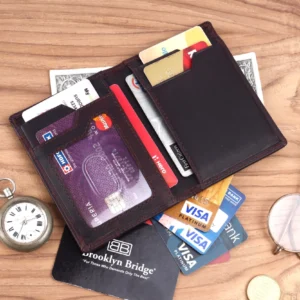
RFID Protected Pull Strap Wallet for Cards & Cash
Original price was: $41.90.$15.19Current price is: $15.19.
You save -
Sale!
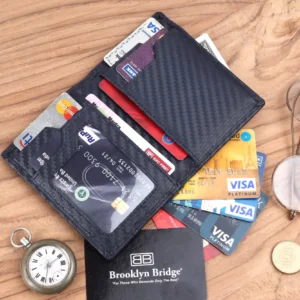
RFID Protected Pull Strap Leather Card Holder Wallet
Original price was: $41.90.$15.19Current price is: $15.19.
You save -
Sale!
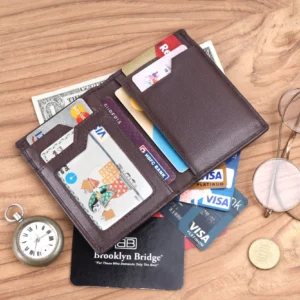
RFID Protected Pull Strap Card Holder Wallet for Men Slim
Original price was: $41.90.$15.19Current price is: $15.19.
You save -
Sale!
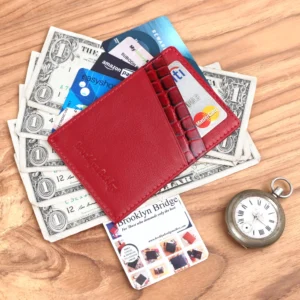
RFID Protected Leather Card Holder Wallet for Men & Women
Original price was: $18.10.$6.39Current price is: $6.39.
You save -
Sale!
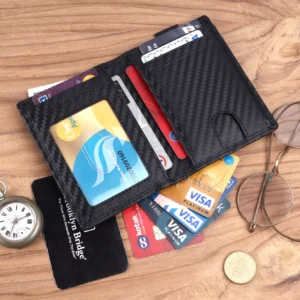
RFID Protected Pull Strap Card Holder Wallet for Secure Access
Original price was: $40.70.$14.79Current price is: $14.79.
You save -
Sale!
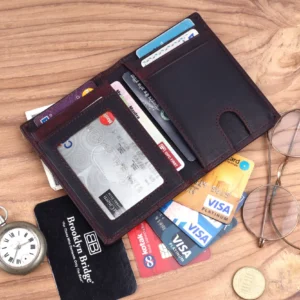
Slim RFID Protected Pull Strap Wallet for Cards & Cash
Original price was: $40.70.$14.79Current price is: $14.79.
You save -
Sale!
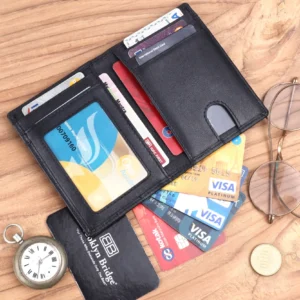
RFID Protected Pull Strap Card Holder Wallet for Daily Use
Original price was: $40.70.$14.79Current price is: $14.79.
You save -
Sale!
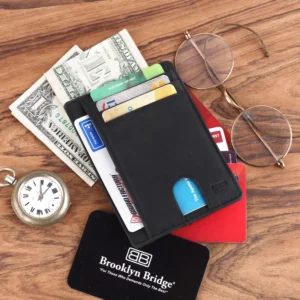
RFID Protected Card Holder Wallet for Secure Cards & Cash
Original price was: $27.30.$10.79Current price is: $10.79.
You save -
Sale!
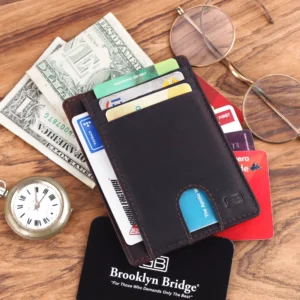
RFID Protected Leather Card Holder Wallet with Slim Design
Original price was: $27.30.$10.79Current price is: $10.79.
You save -
Sale!
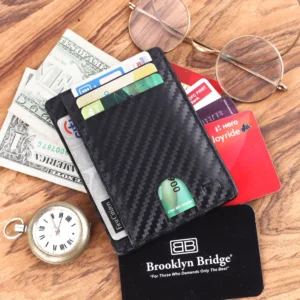
Slim RFID Protected Leather Card Holder Wallet for Cards
Original price was: $27.30.$10.79Current price is: $10.79.
You save -
Sale!

RFID Protected Leather Card Holder Wallet for Secure Cards
Original price was: $27.30.$10.79Current price is: $10.79.
You save -
Sale!
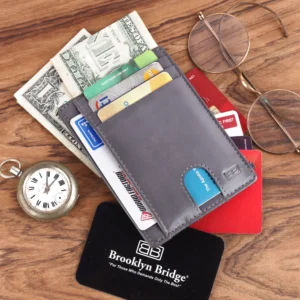
RFID Protected Genuine Leather Card Holder for Daily Use
Original price was: $27.30.$10.79Current price is: $10.79.
You save
-
Sale!
RFID Protected Pull Strap Wallet for Cards & Cash
Original price was: $41.90.$15.19Current price is: $15.19.
You save -
Sale!
RFID Protected Pull Strap Leather Card Holder Wallet
Original price was: $41.90.$15.19Current price is: $15.19.
You save -
Sale!
RFID Protected Pull Strap Card Holder Wallet for Men Slim
Original price was: $41.90.$15.19Current price is: $15.19.
You save -
Sale!
RFID Protected Leather Card Holder Wallet for Men & Women
Original price was: $18.10.$6.39Current price is: $6.39.
You save -
Sale!
RFID Protected Pull Strap Card Holder Wallet for Secure Access
Original price was: $40.70.$14.79Current price is: $14.79.
You save -
Sale!
Slim RFID Protected Pull Strap Wallet for Cards & Cash
Original price was: $40.70.$14.79Current price is: $14.79.
You save -
Sale!
RFID Protected Pull Strap Card Holder Wallet for Daily Use
Original price was: $40.70.$14.79Current price is: $14.79.
You save -
Sale!
RFID Protected Card Holder Wallet for Secure Cards & Cash
Original price was: $27.30.$10.79Current price is: $10.79.
You save -
Sale!
RFID Protected Leather Card Holder Wallet with Slim Design
Original price was: $27.30.$10.79Current price is: $10.79.
You save -
Sale!
Slim RFID Protected Leather Card Holder Wallet for Cards
Original price was: $27.30.$10.79Current price is: $10.79.
You save -
Sale!
RFID Protected Leather Card Holder Wallet for Secure Cards
Original price was: $27.30.$10.79Current price is: $10.79.
You save -
Sale!
RFID Protected Genuine Leather Card Holder for Daily Use
Original price was: $27.30.$10.79Current price is: $10.79.
You save
-
Sale!
RFID Protected Pull Strap Wallet for Cards & Cash
Original price was: $41.90.$15.19Current price is: $15.19.
You save -
Sale!
RFID Protected Pull Strap Leather Card Holder Wallet
Original price was: $41.90.$15.19Current price is: $15.19.
You save -
Sale!
RFID Protected Pull Strap Card Holder Wallet for Men Slim
Original price was: $41.90.$15.19Current price is: $15.19.
You save -
Sale!
RFID Protected Leather Card Holder Wallet for Men & Women
Original price was: $18.10.$6.39Current price is: $6.39.
You save -
Sale!
RFID Protected Pull Strap Card Holder Wallet for Secure Access
Original price was: $40.70.$14.79Current price is: $14.79.
You save -
Sale!
Slim RFID Protected Pull Strap Wallet for Cards & Cash
Original price was: $40.70.$14.79Current price is: $14.79.
You save -
Sale!
RFID Protected Pull Strap Card Holder Wallet for Daily Use
Original price was: $40.70.$14.79Current price is: $14.79.
You save -
Sale!
RFID Protected Card Holder Wallet for Secure Cards & Cash
Original price was: $27.30.$10.79Current price is: $10.79.
You save -
Sale!
RFID Protected Leather Card Holder Wallet with Slim Design
Original price was: $27.30.$10.79Current price is: $10.79.
You save -
Sale!
Slim RFID Protected Leather Card Holder Wallet for Cards
Original price was: $27.30.$10.79Current price is: $10.79.
You save -
Sale!
RFID Protected Leather Card Holder Wallet for Secure Cards
Original price was: $27.30.$10.79Current price is: $10.79.
You save -
Sale!
RFID Protected Genuine Leather Card Holder for Daily Use
Original price was: $27.30.$10.79Current price is: $10.79.
You save
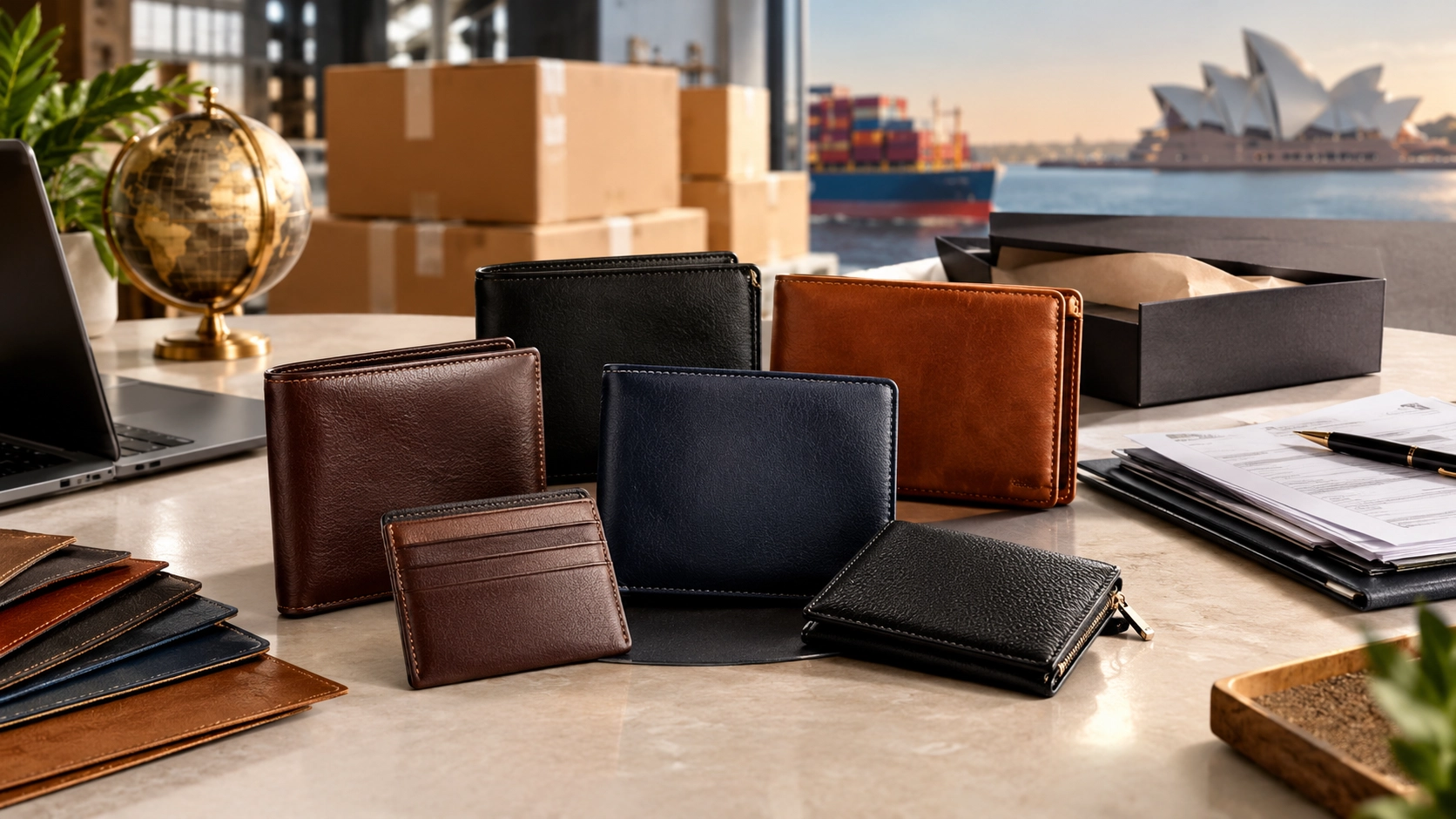
Table of Contents
Leather Wallet Exporter from India to Australia: Complete B2B Buying Guide
Australia has a sophisticated retail market for leather accessories. Buyers expect consistent quality, reliable supply, attractive pricing, and professional export support. For importers, retailers, distributors, corporate buyers, and private-label brands, choosing the right Indian supplier can directly affect product quality and margins.
So, how do you source leather wallets from India? Start with a manufacturer that can manage more than production. You need reliable leather sourcing, product development, sampling, quality control, branding, packaging, documentation, and international shipping support.
Exalter Global Co. provides this integrated approach from Kolkata, India. The company combines leather manufacturing, product development, private-label production, sourcing, quality control, and export support for international buyers.
With roots in leather manufacturing since 1985, Exalter Global Co. has developed a manufacturing and export model designed for brands, wholesalers, retailers, distributors, startups, and corporate buyers. Its leather division focuses on export-ready products and scalable production.
The company also operates the Exalter Vachette leather goods brand, while Brooklyn Bridge represents another wallet-focused product line. The company remains the primary manufacturing and sourcing partner behind the B2B process.
Why Source Leather Wallets from India?
India has a long-established leather manufacturing ecosystem. Buyers can source genuine leather wallets, card holders, bifold wallets, trifold wallets, RFID wallets, money clip wallets, minimalist wallets, travel wallets, and custom leather accessories.
For Australian buyers, India can offer a practical combination of craftsmanship, manufacturing capacity, customization, and competitive production economics. However, supplier selection matters more than simply choosing the lowest quotation.
A dependable leather wallet manufacturer should be able to answer five questions clearly:
- What leather and materials will be used?
- Can the supplier reproduce the approved sample consistently?
- What customization and private-label options are available?
- Can the supplier meet the required quantity and delivery schedule?
- Can the supplier support export documentation and international logistics?
This is where Exalter Global Co. positions itself differently from a simple trading intermediary. Its model combines manufacturing, sourcing, product development, quality control, and export coordination.
What Makes Exalter Global Co. Relevant for Australian Buyers?
Exalter Global Co. approaches international sourcing as a manufacturing partnership rather than a one-time product transaction. This matters when a buyer needs the same leather, dimensions, construction, color, logo placement, packaging, and finishing across repeated orders.
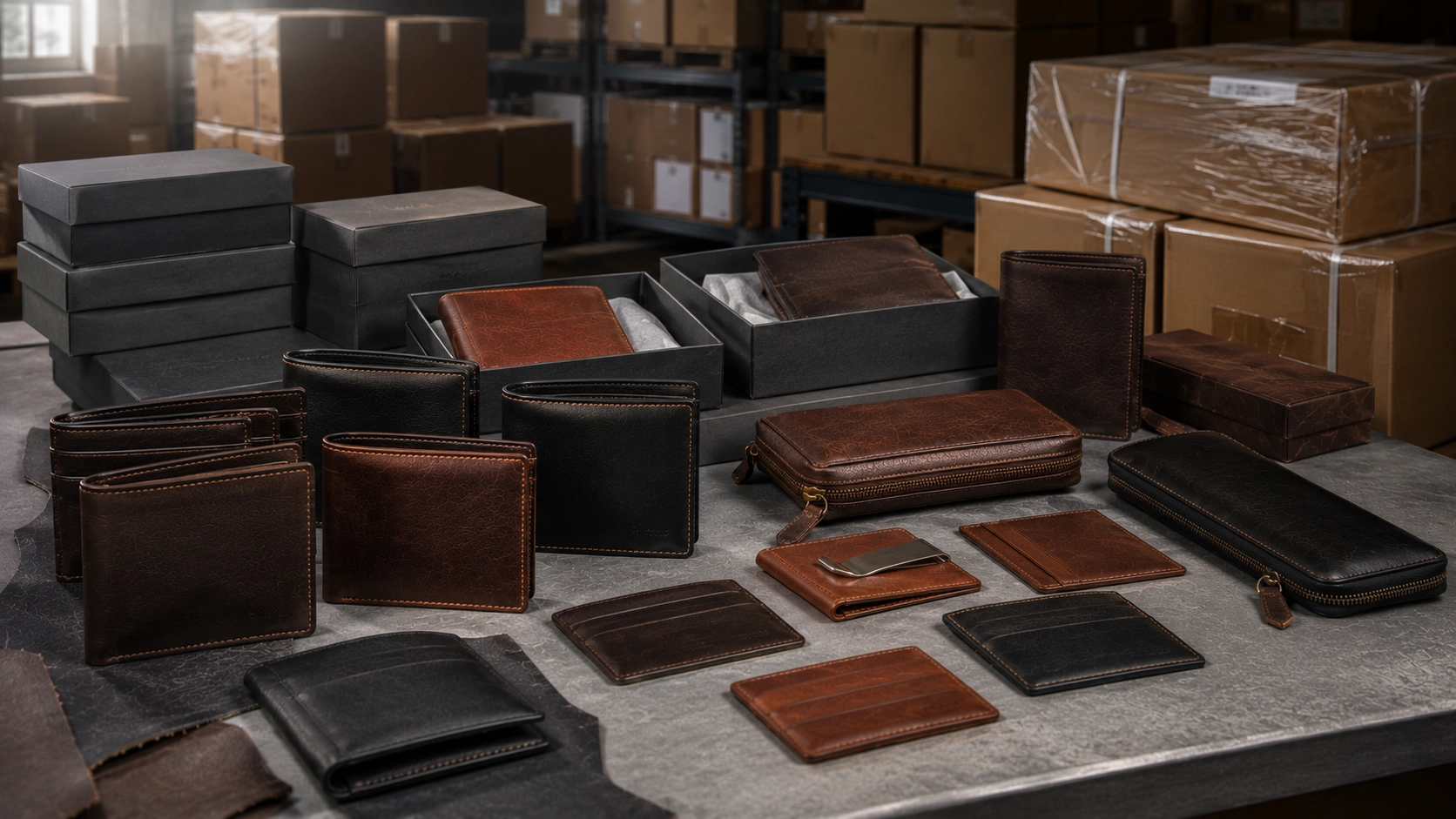
The company's leather wallet manufacturing capabilities cover multiple commercial formats. These include bifold wallets, trifold wallets, card holders, money clip wallets, RFID wallets, slim wallets, zip-around wallets, long wallets, coin wallets, and ID window wallets.
The dedicated leather wallet manufacturer in India page provides an overview of these manufacturing categories and private-label capabilities.
For buyers developing a new collection, this broad product capability can reduce the need to manage several specialist suppliers. A buyer can develop a wallet collection around different constructions while maintaining a common manufacturing relationship.
Manufacturing Experience and Scale
Exalter Global Co. states that its leather manufacturing heritage dates to 1985. Its current company information also highlights more than 40 years of experience, global customers, and export-ready infrastructure.
The company describes its leather wallet operation as capable of supporting both emerging brands and established retailers. This is particularly useful for Australian businesses that need to begin with controlled quantities and increase volumes after market validation.
Leather Selection
Leather is one of the most important commercial decisions in wallet sourcing. Buyers should define the leather type, thickness, grain, finish, color, softness, edge treatment, and expected appearance before production begins.
Exalter Global Co. works with different leather specifications depending on product requirements. Its leather sourcing information also identifies full-grain and top-grain leather among its manufacturing materials.
Special leather requirements should be confirmed before quotation. Specific colors, finishes, certified leather sources, buyer-approved tanneries, and special testing can affect availability, cost, and production time.
For buyers seeking certified or specifically sourced leather, requirements should be documented at the quotation stage rather than after sampling.
What Types of Leather Wallets Can Australian Buyers Source?
A successful collection should match the intended Australian retail segment. A premium department store may require a different wallet construction from a promotional merchandise distributor or an online lifestyle brand.
| Wallet Type | Typical B2B Application | Key Buying Consideration |
|---|---|---|
| Bifold Wallet | Retail and everyday carry | Leather quality, card capacity, stitching |
| Trifold Wallet | Classic and functional collections | Capacity, folding thickness, construction |
| Card Holder | Minimalist and premium retail | Slimness, edge finishing, slot tension |
| RFID Wallet | Security-focused retail | RFID specification and construction |
| Money Clip Wallet | Minimalist and contemporary collections | Clip quality, leather thickness, grip |
| Long Wallet | Travel and premium accessories | Organization, dimensions, capacity |
How to Evaluate an Indian Leather Wallet Manufacturer
Do not evaluate suppliers only by unit price. A low initial price can become expensive if the supplier cannot maintain quality or delivery consistency.
Use a structured supplier evaluation process:
- Verify manufacturing capability. Confirm whether the supplier manufactures, sources, or only trades the product.
- Review product quality. Inspect leather, stitching, edges, lining, hardware, dimensions, and functionality.
- Confirm customization. Discuss logo embossing, hardware, colors, construction, packaging, and private-label requirements.
- Request a sample. Never approve bulk production from photographs alone when the specification is important.
- Confirm MOQ. Understand whether the minimum quantity applies per design, color, logo, or total order.
- Review export capability. Confirm documentation, packing, shipping terms, and communication procedures.
- Check commercial terms. Confirm quotation validity, payment terms, sampling charges, production lead time, and freight responsibility.
For additional product references, buyers can review the company's leather wallet and accessories collection to understand available product formats.
What Should Be Included in a Wallet Specification?
A professional specification reduces misunderstandings between buyer and manufacturer. The more precise the specification, the easier it is to quote and reproduce the product.
- Product type and intended use
- Finished dimensions
- Leather type and grade
- Leather thickness
- Leather color and finish
- Interior material and lining
- Number and dimensions of card slots
- Cash compartment dimensions
- Coin pocket or ID window requirements
- RFID requirement, if applicable
- Thread color and construction
- Edge paint or edge finishing
- Metal hardware specification
- Logo size and placement
- Packaging requirements
- Individual polybag or protective packaging
- Carton quantity and carton dimensions
- Required quantity by color or SKU
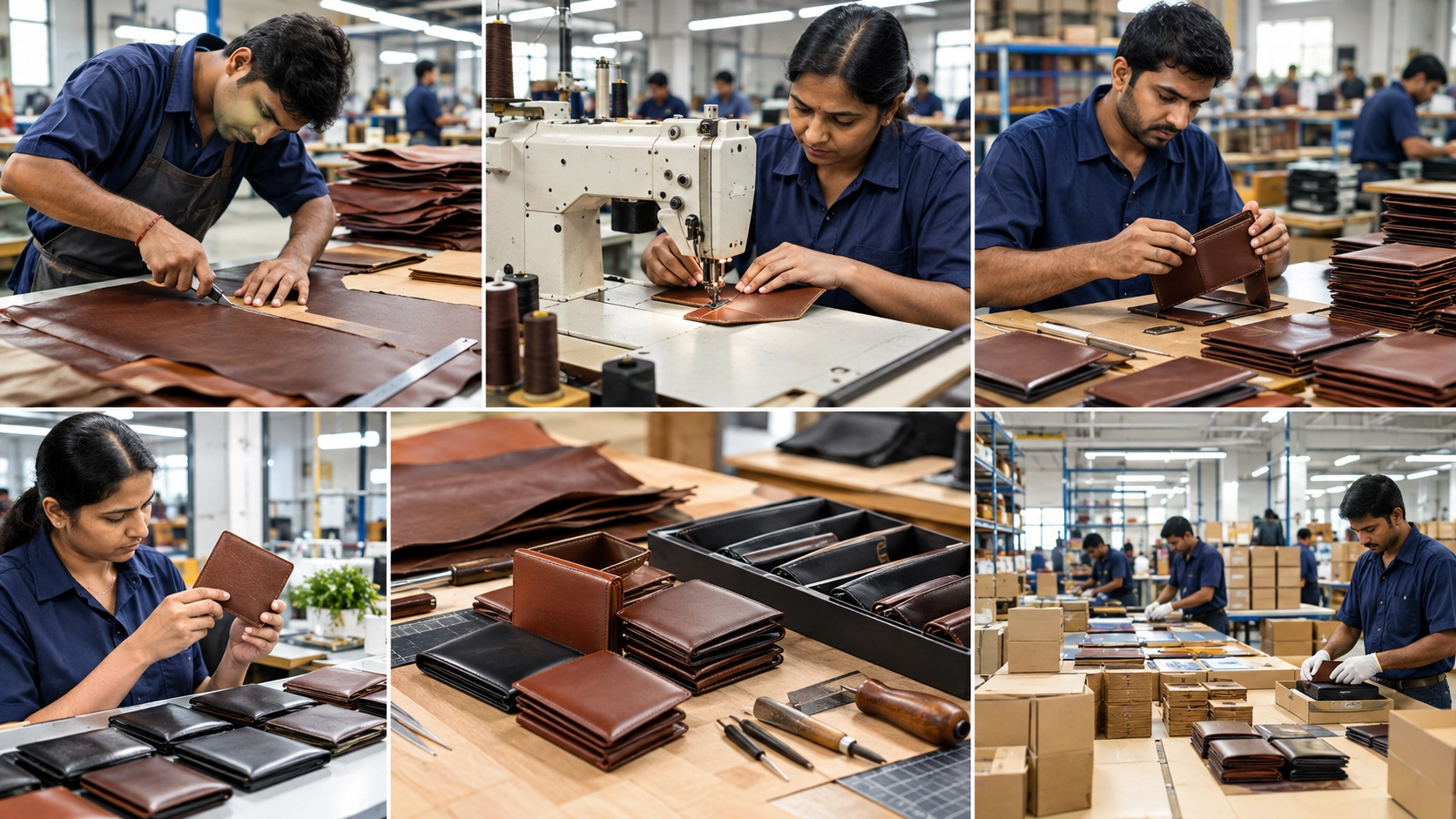
A buyer can also provide a technical drawing, physical sample, reference photograph, or existing product specification. Exalter Global Co. supports minor customization, drawing-based customization, sample-based customization, and broader product development depending on the project.
-
Sale!
RFID Protected Pull Strap Wallet for Cards & Cash
Original price was: $41.90.$15.19Current price is: $15.19.
You save -
Sale!
RFID Protected Pull Strap Leather Card Holder Wallet
Original price was: $41.90.$15.19Current price is: $15.19.
You save -
Sale!
RFID Protected Pull Strap Card Holder Wallet for Men Slim
Original price was: $41.90.$15.19Current price is: $15.19.
You save -
Sale!
RFID Protected Leather Card Holder Wallet for Men & Women
Original price was: $18.10.$6.39Current price is: $6.39.
You save -
Sale!
RFID Protected Pull Strap Card Holder Wallet for Secure Access
Original price was: $40.70.$14.79Current price is: $14.79.
You save -
Sale!
Slim RFID Protected Pull Strap Wallet for Cards & Cash
Original price was: $40.70.$14.79Current price is: $14.79.
You save -
Sale!
RFID Protected Pull Strap Card Holder Wallet for Daily Use
Original price was: $40.70.$14.79Current price is: $14.79.
You save -
Sale!
RFID Protected Card Holder Wallet for Secure Cards & Cash
Original price was: $27.30.$10.79Current price is: $10.79.
You save -
Sale!
RFID Protected Leather Card Holder Wallet with Slim Design
Original price was: $27.30.$10.79Current price is: $10.79.
You save -
Sale!
Slim RFID Protected Leather Card Holder Wallet for Cards
Original price was: $27.30.$10.79Current price is: $10.79.
You save -
Sale!
RFID Protected Leather Card Holder Wallet for Secure Cards
Original price was: $27.30.$10.79Current price is: $10.79.
You save -
Sale!
RFID Protected Genuine Leather Card Holder for Daily Use
Original price was: $27.30.$10.79Current price is: $10.79.
You save
-
Sale!
RFID Protected Pull Strap Wallet for Cards & Cash
Original price was: $41.90.$15.19Current price is: $15.19.
You save -
Sale!
RFID Protected Pull Strap Leather Card Holder Wallet
Original price was: $41.90.$15.19Current price is: $15.19.
You save -
Sale!
RFID Protected Pull Strap Card Holder Wallet for Men Slim
Original price was: $41.90.$15.19Current price is: $15.19.
You save -
Sale!
RFID Protected Leather Card Holder Wallet for Men & Women
Original price was: $18.10.$6.39Current price is: $6.39.
You save -
Sale!
RFID Protected Pull Strap Card Holder Wallet for Secure Access
Original price was: $40.70.$14.79Current price is: $14.79.
You save -
Sale!
Slim RFID Protected Pull Strap Wallet for Cards & Cash
Original price was: $40.70.$14.79Current price is: $14.79.
You save -
Sale!
RFID Protected Pull Strap Card Holder Wallet for Daily Use
Original price was: $40.70.$14.79Current price is: $14.79.
You save -
Sale!
RFID Protected Card Holder Wallet for Secure Cards & Cash
Original price was: $27.30.$10.79Current price is: $10.79.
You save -
Sale!
RFID Protected Leather Card Holder Wallet with Slim Design
Original price was: $27.30.$10.79Current price is: $10.79.
You save -
Sale!
Slim RFID Protected Leather Card Holder Wallet for Cards
Original price was: $27.30.$10.79Current price is: $10.79.
You save -
Sale!
RFID Protected Leather Card Holder Wallet for Secure Cards
Original price was: $27.30.$10.79Current price is: $10.79.
You save -
Sale!
RFID Protected Genuine Leather Card Holder for Daily Use
Original price was: $27.30.$10.79Current price is: $10.79.
You save
-
Sale!
RFID Protected Pull Strap Wallet for Cards & Cash
Original price was: $41.90.$15.19Current price is: $15.19.
You save -
Sale!
RFID Protected Pull Strap Leather Card Holder Wallet
Original price was: $41.90.$15.19Current price is: $15.19.
You save -
Sale!
RFID Protected Pull Strap Card Holder Wallet for Men Slim
Original price was: $41.90.$15.19Current price is: $15.19.
You save -
Sale!
RFID Protected Leather Card Holder Wallet for Men & Women
Original price was: $18.10.$6.39Current price is: $6.39.
You save -
Sale!
RFID Protected Pull Strap Card Holder Wallet for Secure Access
Original price was: $40.70.$14.79Current price is: $14.79.
You save -
Sale!
Slim RFID Protected Pull Strap Wallet for Cards & Cash
Original price was: $40.70.$14.79Current price is: $14.79.
You save -
Sale!
RFID Protected Pull Strap Card Holder Wallet for Daily Use
Original price was: $40.70.$14.79Current price is: $14.79.
You save -
Sale!
RFID Protected Card Holder Wallet for Secure Cards & Cash
Original price was: $27.30.$10.79Current price is: $10.79.
You save -
Sale!
RFID Protected Leather Card Holder Wallet with Slim Design
Original price was: $27.30.$10.79Current price is: $10.79.
You save -
Sale!
Slim RFID Protected Leather Card Holder Wallet for Cards
Original price was: $27.30.$10.79Current price is: $10.79.
You save -
Sale!
RFID Protected Leather Card Holder Wallet for Secure Cards
Original price was: $27.30.$10.79Current price is: $10.79.
You save -
Sale!
RFID Protected Genuine Leather Card Holder for Daily Use
Original price was: $27.30.$10.79Current price is: $10.79.
You save
-
Sale!
RFID Protected Pull Strap Wallet for Cards & Cash
Original price was: $41.90.$15.19Current price is: $15.19.
You save -
Sale!
RFID Protected Pull Strap Leather Card Holder Wallet
Original price was: $41.90.$15.19Current price is: $15.19.
You save -
Sale!
RFID Protected Pull Strap Card Holder Wallet for Men Slim
Original price was: $41.90.$15.19Current price is: $15.19.
You save -
Sale!
RFID Protected Leather Card Holder Wallet for Men & Women
Original price was: $18.10.$6.39Current price is: $6.39.
You save
-
Sale!
RFID Protected Pull Strap Wallet for Cards & Cash
Original price was: $41.90.$15.19Current price is: $15.19.
You save -
Sale!
RFID Protected Pull Strap Leather Card Holder Wallet
Original price was: $41.90.$15.19Current price is: $15.19.
You save -
Sale!
RFID Protected Pull Strap Card Holder Wallet for Men Slim
Original price was: $41.90.$15.19Current price is: $15.19.
You save -
Sale!
RFID Protected Leather Card Holder Wallet for Men & Women
Original price was: $18.10.$6.39Current price is: $6.39.
You save
-
Sale!
RFID Protected Pull Strap Wallet for Cards & Cash
Original price was: $41.90.$15.19Current price is: $15.19.
You save -
Sale!
RFID Protected Pull Strap Leather Card Holder Wallet
Original price was: $41.90.$15.19Current price is: $15.19.
You save -
Sale!
RFID Protected Pull Strap Card Holder Wallet for Men Slim
Original price was: $41.90.$15.19Current price is: $15.19.
You save -
Sale!
RFID Protected Leather Card Holder Wallet for Men & Women
Original price was: $18.10.$6.39Current price is: $6.39.
You save
-
Sale!
RFID Protected Pull Strap Wallet for Cards & Cash
Original price was: $41.90.$15.19Current price is: $15.19.
You save -
Sale!
RFID Protected Pull Strap Leather Card Holder Wallet
Original price was: $41.90.$15.19Current price is: $15.19.
You save -
Sale!
RFID Protected Pull Strap Card Holder Wallet for Men Slim
Original price was: $41.90.$15.19Current price is: $15.19.
You save -
Sale!
RFID Protected Leather Card Holder Wallet for Men & Women
Original price was: $18.10.$6.39Current price is: $6.39.
You save -
Sale!
RFID Protected Pull Strap Card Holder Wallet for Secure Access
Original price was: $40.70.$14.79Current price is: $14.79.
You save -
Sale!
Slim RFID Protected Pull Strap Wallet for Cards & Cash
Original price was: $40.70.$14.79Current price is: $14.79.
You save -
Sale!
RFID Protected Pull Strap Card Holder Wallet for Daily Use
Original price was: $40.70.$14.79Current price is: $14.79.
You save -
Sale!
RFID Protected Card Holder Wallet for Secure Cards & Cash
Original price was: $27.30.$10.79Current price is: $10.79.
You save -
Sale!
RFID Protected Leather Card Holder Wallet with Slim Design
Original price was: $27.30.$10.79Current price is: $10.79.
You save -
Sale!
Slim RFID Protected Leather Card Holder Wallet for Cards
Original price was: $27.30.$10.79Current price is: $10.79.
You save -
Sale!
RFID Protected Leather Card Holder Wallet for Secure Cards
Original price was: $27.30.$10.79Current price is: $10.79.
You save -
Sale!
RFID Protected Genuine Leather Card Holder for Daily Use
Original price was: $27.30.$10.79Current price is: $10.79.
You save
-
Sale!
RFID Protected Pull Strap Wallet for Cards & Cash
Original price was: $41.90.$15.19Current price is: $15.19.
You save -
Sale!
RFID Protected Pull Strap Leather Card Holder Wallet
Original price was: $41.90.$15.19Current price is: $15.19.
You save -
Sale!
RFID Protected Pull Strap Card Holder Wallet for Men Slim
Original price was: $41.90.$15.19Current price is: $15.19.
You save -
Sale!
RFID Protected Leather Card Holder Wallet for Men & Women
Original price was: $18.10.$6.39Current price is: $6.39.
You save -
Sale!
RFID Protected Pull Strap Card Holder Wallet for Secure Access
Original price was: $40.70.$14.79Current price is: $14.79.
You save -
Sale!
Slim RFID Protected Pull Strap Wallet for Cards & Cash
Original price was: $40.70.$14.79Current price is: $14.79.
You save -
Sale!
RFID Protected Pull Strap Card Holder Wallet for Daily Use
Original price was: $40.70.$14.79Current price is: $14.79.
You save -
Sale!
RFID Protected Card Holder Wallet for Secure Cards & Cash
Original price was: $27.30.$10.79Current price is: $10.79.
You save -
Sale!
RFID Protected Leather Card Holder Wallet with Slim Design
Original price was: $27.30.$10.79Current price is: $10.79.
You save -
Sale!
Slim RFID Protected Leather Card Holder Wallet for Cards
Original price was: $27.30.$10.79Current price is: $10.79.
You save -
Sale!
RFID Protected Leather Card Holder Wallet for Secure Cards
Original price was: $27.30.$10.79Current price is: $10.79.
You save -
Sale!
RFID Protected Genuine Leather Card Holder for Daily Use
Original price was: $27.30.$10.79Current price is: $10.79.
You save
-
Sale!
RFID Protected Pull Strap Wallet for Cards & Cash
Original price was: $41.90.$15.19Current price is: $15.19.
You save -
Sale!
RFID Protected Pull Strap Leather Card Holder Wallet
Original price was: $41.90.$15.19Current price is: $15.19.
You save -
Sale!
RFID Protected Pull Strap Card Holder Wallet for Men Slim
Original price was: $41.90.$15.19Current price is: $15.19.
You save -
Sale!
RFID Protected Leather Card Holder Wallet for Men & Women
Original price was: $18.10.$6.39Current price is: $6.39.
You save -
Sale!
RFID Protected Pull Strap Card Holder Wallet for Secure Access
Original price was: $40.70.$14.79Current price is: $14.79.
You save -
Sale!
Slim RFID Protected Pull Strap Wallet for Cards & Cash
Original price was: $40.70.$14.79Current price is: $14.79.
You save -
Sale!
RFID Protected Pull Strap Card Holder Wallet for Daily Use
Original price was: $40.70.$14.79Current price is: $14.79.
You save -
Sale!
RFID Protected Card Holder Wallet for Secure Cards & Cash
Original price was: $27.30.$10.79Current price is: $10.79.
You save -
Sale!
RFID Protected Leather Card Holder Wallet with Slim Design
Original price was: $27.30.$10.79Current price is: $10.79.
You save -
Sale!
Slim RFID Protected Leather Card Holder Wallet for Cards
Original price was: $27.30.$10.79Current price is: $10.79.
You save -
Sale!
RFID Protected Leather Card Holder Wallet for Secure Cards
Original price was: $27.30.$10.79Current price is: $10.79.
You save -
Sale!
RFID Protected Genuine Leather Card Holder for Daily Use
Original price was: $27.30.$10.79Current price is: $10.79.
You save
MOQ: How Many Leather Wallets Should You Order?
MOQ is one of the first questions Australian buyers ask. However, MOQ should be evaluated against the product development model rather than viewed as a single number.
Exalter Global Co. supports flexible sourcing models for different buyer profiles. Some standard products can be purchased in controlled quantities, while customized products require specification approval and may involve additional development costs.
For example, selected wallet product pages show a standard and customized MOQ of 50 pieces. The final MOQ should still be confirmed against the exact design, leather, branding, packaging, and production requirements.
For a new Australian brand, a practical strategy can be to validate one or two designs first. Once sales data confirms demand, the buyer can expand colors, constructions, and SKU depth.
MOQ Factors That Can Change the Quotation
- Wallet construction
- Leather type
- Leather color
- Special leather finish
- Custom hardware
- Logo development
- Custom packaging
- RFID components
- Special testing
- Complexity of the technical specification
Instead of asking only, "What is your MOQ?", ask, "What is the MOQ for my exact specification?" That question produces a much more useful commercial answer.
Customization and Private Label Leather Wallets
Private-label production allows an Australian business to build its own product identity without operating its own manufacturing facility.
Exalter Global Co. provides private-label support for leather goods. Depending on the product, customization can include logo branding, packaging design, graphic personalization, product construction, color, leather selection, and other specification changes.
Buyers can explore the company's custom leather wallet supplier collection for examples of wallet formats associated with customization.
Common Private Label Options
| Customization | Buyer Should Specify |
|---|---|
| Logo | Artwork, size, location, method and finish |
| Leather | Type, grade, thickness, color and finish |
| Hardware | Material, color, plating and dimensions |
| Interior | Lining, card slots, compartments and construction |
| Packaging | Box, sleeve, insert, barcode and retail presentation |
Sampling: The Most Important Step Before Bulk Production
A sample converts a written specification into a physical product. It allows both buyer and manufacturer to identify problems before committing to production quantities.
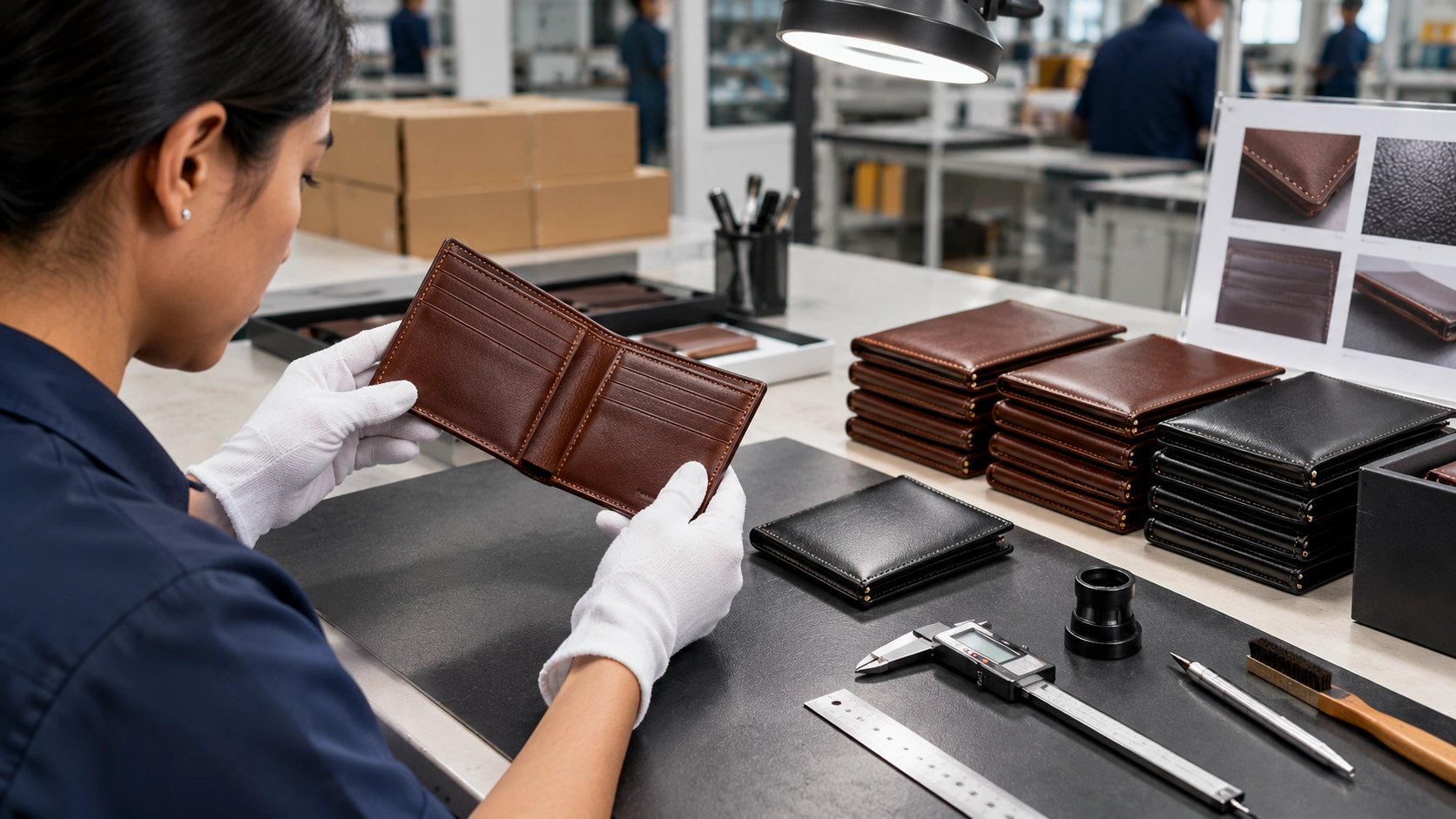
A professional sampling process should verify more than appearance. The buyer should check dimensions, leather feel, card-slot tension, stitching, edge finishing, logo position, hardware, packaging, and functionality.
Sample Approval Checklist
- Measure the finished wallet.
- Compare leather color with the approved reference.
- Check leather texture and surface consistency.
- Inspect all stitching lines.
- Check edge finishing from every side.
- Test every card slot.
- Test cash and coin compartments.
- Check hardware movement and finish.
- Inspect logo size and positioning.
- Review packaging and presentation.
- Record all approved specifications.
- Confirm the final pre-production sample before bulk manufacturing.
The goal is simple: the approved sample becomes the physical reference for production quality.
How Much Does a Leather Wallet from India Cost?
There is no reliable single wholesale price for a leather wallet without a specification. A professional quotation depends on material, construction, quantity, customization, packaging, testing, and shipping requirements.
A buyer should therefore compare quotations using a complete landed-cost framework rather than comparing only the factory unit price.
| Cost Component | What Influences It? |
|---|---|
| Wallet manufacturing | Leather, labor, construction and quantity |
| Branding | Logo method, tooling and complexity |
| Packaging | Box, inserts, labels and retail presentation |
| Freight | Air or sea freight, volume, weight and destination |
| Australian import costs | Customs classification, duty, GST, clearance and related charges |
Australian importers should check the applicable tariff classification and current customs requirements before finalizing landed cost. Australian Border Force explains that imported goods can be subject to duties and taxes, depending on the applicable rules and concessions.
Australian GST on taxable importations is generally calculated at 10 percent of the value of the taxable importation. The taxable value can include customs value, applicable duty, and certain transport and insurance costs.
For current requirements, buyers should review the Australian Border Force import declaration guidance and the Australian Border Force GST guidance.
Leather Wallet Packaging for the Australian Market
Packaging is often underestimated during product sourcing. It affects product protection, retail presentation, storage, shipping efficiency, and brand perception.
For a private-label collection, packaging can include a branded box, paper sleeve, insert card, barcode label, care information, protective pouch, or other presentation elements.
The packaging specification should be approved before production. The buyer should also confirm whether packaging is included in the quoted unit price or charged separately.
Packaging Checklist
- Individual wallet protection
- Branding and logo placement
- Retail box or sleeve
- Product information insert
- Barcode and SKU identification
- Carton quantity
- Carton dimensions
- Gross and net weight
- Shipping marks
- Moisture and contamination control
Australian biosecurity requirements should also be considered when selecting packaging and shipping materials. Buyers should check the current requirements before shipment rather than relying on older procedures.
The Australian Department of Agriculture, Fisheries and Forestry states that fully tanned leather goods such as leather purses, shoes, wallets, and belts can be permitted, subject to applicable requirements. Buyers should verify their exact commodity and current conditions through BICON.
Review the Australian Government guidance on importing goods and check the applicable leather goods biosecurity information before shipping.
Exalter Vachette: Premium Leather Positioning
Exalter Vachette represents the premium leather goods side of Exalter Global Co. The brand focuses on timeless leather products, craftsmanship, and premium material positioning.
For Australian retailers seeking an established product line rather than a completely new design, Exalter Vachette can provide a ready product direction. For buyers seeking private label production, the same manufacturing ecosystem can support customized requirements.
Brooklyn Bridge: Contemporary Wallet Collection
Brooklyn Bridge provides another product direction within the Exalter Global Co. portfolio, particularly across contemporary men's wallet formats.
Examples include RFID-protected bifold wallets, coin pocket wallets, card holders, and everyday-carry designs. Buyers can review a Brooklyn Bridge RFID leather wallet as a reference for construction, functionality, and product positioning.
The key distinction for B2B buyers is that these brands are part of the broader Exalter Global Co. ecosystem. The company can therefore be approached for manufacturing, private label, custom product development, and wholesale requirements.

-
Sale!
RFID Protected Pull Strap Wallet for Cards & Cash
Original price was: $41.90.$15.19Current price is: $15.19.
You save -
Sale!
RFID Protected Pull Strap Leather Card Holder Wallet
Original price was: $41.90.$15.19Current price is: $15.19.
You save -
Sale!
RFID Protected Pull Strap Card Holder Wallet for Men Slim
Original price was: $41.90.$15.19Current price is: $15.19.
You save -
Sale!
RFID Protected Leather Card Holder Wallet for Men & Women
Original price was: $18.10.$6.39Current price is: $6.39.
You save -
Sale!
RFID Protected Pull Strap Card Holder Wallet for Secure Access
Original price was: $40.70.$14.79Current price is: $14.79.
You save -
Sale!
Slim RFID Protected Pull Strap Wallet for Cards & Cash
Original price was: $40.70.$14.79Current price is: $14.79.
You save -
Sale!
RFID Protected Pull Strap Card Holder Wallet for Daily Use
Original price was: $40.70.$14.79Current price is: $14.79.
You save -
Sale!
RFID Protected Card Holder Wallet for Secure Cards & Cash
Original price was: $27.30.$10.79Current price is: $10.79.
You save -
Sale!
RFID Protected Leather Card Holder Wallet with Slim Design
Original price was: $27.30.$10.79Current price is: $10.79.
You save -
Sale!
Slim RFID Protected Leather Card Holder Wallet for Cards
Original price was: $27.30.$10.79Current price is: $10.79.
You save -
Sale!
RFID Protected Leather Card Holder Wallet for Secure Cards
Original price was: $27.30.$10.79Current price is: $10.79.
You save -
Sale!
RFID Protected Genuine Leather Card Holder for Daily Use
Original price was: $27.30.$10.79Current price is: $10.79.
You save
-
Sale!
RFID Protected Pull Strap Wallet for Cards & Cash
Original price was: $41.90.$15.19Current price is: $15.19.
You save -
Sale!
RFID Protected Pull Strap Leather Card Holder Wallet
Original price was: $41.90.$15.19Current price is: $15.19.
You save -
Sale!
RFID Protected Pull Strap Card Holder Wallet for Men Slim
Original price was: $41.90.$15.19Current price is: $15.19.
You save -
Sale!
RFID Protected Leather Card Holder Wallet for Men & Women
Original price was: $18.10.$6.39Current price is: $6.39.
You save -
Sale!
RFID Protected Pull Strap Card Holder Wallet for Secure Access
Original price was: $40.70.$14.79Current price is: $14.79.
You save -
Sale!
Slim RFID Protected Pull Strap Wallet for Cards & Cash
Original price was: $40.70.$14.79Current price is: $14.79.
You save -
Sale!
RFID Protected Pull Strap Card Holder Wallet for Daily Use
Original price was: $40.70.$14.79Current price is: $14.79.
You save -
Sale!
RFID Protected Card Holder Wallet for Secure Cards & Cash
Original price was: $27.30.$10.79Current price is: $10.79.
You save -
Sale!
RFID Protected Leather Card Holder Wallet with Slim Design
Original price was: $27.30.$10.79Current price is: $10.79.
You save -
Sale!
Slim RFID Protected Leather Card Holder Wallet for Cards
Original price was: $27.30.$10.79Current price is: $10.79.
You save -
Sale!
RFID Protected Leather Card Holder Wallet for Secure Cards
Original price was: $27.30.$10.79Current price is: $10.79.
You save -
Sale!
RFID Protected Genuine Leather Card Holder for Daily Use
Original price was: $27.30.$10.79Current price is: $10.79.
You save
-
Sale!
RFID Protected Pull Strap Wallet for Cards & Cash
Original price was: $41.90.$15.19Current price is: $15.19.
You save -
Sale!
RFID Protected Pull Strap Leather Card Holder Wallet
Original price was: $41.90.$15.19Current price is: $15.19.
You save -
Sale!
RFID Protected Pull Strap Card Holder Wallet for Men Slim
Original price was: $41.90.$15.19Current price is: $15.19.
You save -
Sale!
RFID Protected Leather Card Holder Wallet for Men & Women
Original price was: $18.10.$6.39Current price is: $6.39.
You save -
Sale!
RFID Protected Pull Strap Card Holder Wallet for Secure Access
Original price was: $40.70.$14.79Current price is: $14.79.
You save -
Sale!
Slim RFID Protected Pull Strap Wallet for Cards & Cash
Original price was: $40.70.$14.79Current price is: $14.79.
You save -
Sale!
RFID Protected Pull Strap Card Holder Wallet for Daily Use
Original price was: $40.70.$14.79Current price is: $14.79.
You save -
Sale!
RFID Protected Card Holder Wallet for Secure Cards & Cash
Original price was: $27.30.$10.79Current price is: $10.79.
You save -
Sale!
RFID Protected Leather Card Holder Wallet with Slim Design
Original price was: $27.30.$10.79Current price is: $10.79.
You save -
Sale!
Slim RFID Protected Leather Card Holder Wallet for Cards
Original price was: $27.30.$10.79Current price is: $10.79.
You save -
Sale!
RFID Protected Leather Card Holder Wallet for Secure Cards
Original price was: $27.30.$10.79Current price is: $10.79.
You save -
Sale!
RFID Protected Genuine Leather Card Holder for Daily Use
Original price was: $27.30.$10.79Current price is: $10.79.
You save
-
Sale!
RFID Protected Pull Strap Wallet for Cards & Cash
Original price was: $41.90.$15.19Current price is: $15.19.
You save -
Sale!
RFID Protected Pull Strap Leather Card Holder Wallet
Original price was: $41.90.$15.19Current price is: $15.19.
You save -
Sale!
RFID Protected Pull Strap Card Holder Wallet for Men Slim
Original price was: $41.90.$15.19Current price is: $15.19.
You save -
Sale!
RFID Protected Leather Card Holder Wallet for Men & Women
Original price was: $18.10.$6.39Current price is: $6.39.
You save
-
Sale!
RFID Protected Pull Strap Wallet for Cards & Cash
Original price was: $41.90.$15.19Current price is: $15.19.
You save -
Sale!
RFID Protected Pull Strap Leather Card Holder Wallet
Original price was: $41.90.$15.19Current price is: $15.19.
You save -
Sale!
RFID Protected Pull Strap Card Holder Wallet for Men Slim
Original price was: $41.90.$15.19Current price is: $15.19.
You save -
Sale!
RFID Protected Leather Card Holder Wallet for Men & Women
Original price was: $18.10.$6.39Current price is: $6.39.
You save
-
Sale!
RFID Protected Pull Strap Wallet for Cards & Cash
Original price was: $41.90.$15.19Current price is: $15.19.
You save -
Sale!
RFID Protected Pull Strap Leather Card Holder Wallet
Original price was: $41.90.$15.19Current price is: $15.19.
You save -
Sale!
RFID Protected Pull Strap Card Holder Wallet for Men Slim
Original price was: $41.90.$15.19Current price is: $15.19.
You save -
Sale!
RFID Protected Leather Card Holder Wallet for Men & Women
Original price was: $18.10.$6.39Current price is: $6.39.
You save
-
Sale!
RFID Protected Pull Strap Wallet for Cards & Cash
Original price was: $41.90.$15.19Current price is: $15.19.
You save -
Sale!
RFID Protected Pull Strap Leather Card Holder Wallet
Original price was: $41.90.$15.19Current price is: $15.19.
You save -
Sale!
RFID Protected Pull Strap Card Holder Wallet for Men Slim
Original price was: $41.90.$15.19Current price is: $15.19.
You save -
Sale!
RFID Protected Leather Card Holder Wallet for Men & Women
Original price was: $18.10.$6.39Current price is: $6.39.
You save -
Sale!
RFID Protected Pull Strap Card Holder Wallet for Secure Access
Original price was: $40.70.$14.79Current price is: $14.79.
You save -
Sale!
Slim RFID Protected Pull Strap Wallet for Cards & Cash
Original price was: $40.70.$14.79Current price is: $14.79.
You save -
Sale!
RFID Protected Pull Strap Card Holder Wallet for Daily Use
Original price was: $40.70.$14.79Current price is: $14.79.
You save -
Sale!
RFID Protected Card Holder Wallet for Secure Cards & Cash
Original price was: $27.30.$10.79Current price is: $10.79.
You save -
Sale!
RFID Protected Leather Card Holder Wallet with Slim Design
Original price was: $27.30.$10.79Current price is: $10.79.
You save -
Sale!
Slim RFID Protected Leather Card Holder Wallet for Cards
Original price was: $27.30.$10.79Current price is: $10.79.
You save -
Sale!
RFID Protected Leather Card Holder Wallet for Secure Cards
Original price was: $27.30.$10.79Current price is: $10.79.
You save -
Sale!
RFID Protected Genuine Leather Card Holder for Daily Use
Original price was: $27.30.$10.79Current price is: $10.79.
You save
-
Sale!
RFID Protected Pull Strap Wallet for Cards & Cash
Original price was: $41.90.$15.19Current price is: $15.19.
You save -
Sale!
RFID Protected Pull Strap Leather Card Holder Wallet
Original price was: $41.90.$15.19Current price is: $15.19.
You save -
Sale!
RFID Protected Pull Strap Card Holder Wallet for Men Slim
Original price was: $41.90.$15.19Current price is: $15.19.
You save -
Sale!
RFID Protected Leather Card Holder Wallet for Men & Women
Original price was: $18.10.$6.39Current price is: $6.39.
You save -
Sale!
RFID Protected Pull Strap Card Holder Wallet for Secure Access
Original price was: $40.70.$14.79Current price is: $14.79.
You save -
Sale!
Slim RFID Protected Pull Strap Wallet for Cards & Cash
Original price was: $40.70.$14.79Current price is: $14.79.
You save -
Sale!
RFID Protected Pull Strap Card Holder Wallet for Daily Use
Original price was: $40.70.$14.79Current price is: $14.79.
You save -
Sale!
RFID Protected Card Holder Wallet for Secure Cards & Cash
Original price was: $27.30.$10.79Current price is: $10.79.
You save -
Sale!
RFID Protected Leather Card Holder Wallet with Slim Design
Original price was: $27.30.$10.79Current price is: $10.79.
You save -
Sale!
Slim RFID Protected Leather Card Holder Wallet for Cards
Original price was: $27.30.$10.79Current price is: $10.79.
You save -
Sale!
RFID Protected Leather Card Holder Wallet for Secure Cards
Original price was: $27.30.$10.79Current price is: $10.79.
You save -
Sale!
RFID Protected Genuine Leather Card Holder for Daily Use
Original price was: $27.30.$10.79Current price is: $10.79.
You save
-
Sale!
RFID Protected Pull Strap Wallet for Cards & Cash
Original price was: $41.90.$15.19Current price is: $15.19.
You save -
Sale!
RFID Protected Pull Strap Leather Card Holder Wallet
Original price was: $41.90.$15.19Current price is: $15.19.
You save -
Sale!
RFID Protected Pull Strap Card Holder Wallet for Men Slim
Original price was: $41.90.$15.19Current price is: $15.19.
You save -
Sale!
RFID Protected Leather Card Holder Wallet for Men & Women
Original price was: $18.10.$6.39Current price is: $6.39.
You save -
Sale!
RFID Protected Pull Strap Card Holder Wallet for Secure Access
Original price was: $40.70.$14.79Current price is: $14.79.
You save -
Sale!
Slim RFID Protected Pull Strap Wallet for Cards & Cash
Original price was: $40.70.$14.79Current price is: $14.79.
You save -
Sale!
RFID Protected Pull Strap Card Holder Wallet for Daily Use
Original price was: $40.70.$14.79Current price is: $14.79.
You save -
Sale!
RFID Protected Card Holder Wallet for Secure Cards & Cash
Original price was: $27.30.$10.79Current price is: $10.79.
You save -
Sale!
RFID Protected Leather Card Holder Wallet with Slim Design
Original price was: $27.30.$10.79Current price is: $10.79.
You save -
Sale!
Slim RFID Protected Leather Card Holder Wallet for Cards
Original price was: $27.30.$10.79Current price is: $10.79.
You save -
Sale!
RFID Protected Leather Card Holder Wallet for Secure Cards
Original price was: $27.30.$10.79Current price is: $10.79.
You save -
Sale!
RFID Protected Genuine Leather Card Holder for Daily Use
Original price was: $27.30.$10.79Current price is: $10.79.
You save

How to Export Leather Wallets from India to Australia
Once the product, sample, quantity, price, packaging, and payment terms are approved, the order moves into production and export preparation.
For an experienced leather wallet exporter, export execution should be treated as part of the product supply chain rather than as a separate final task.
Step 1: Confirm the Buyer Requirement
Start with the complete product specification. Confirm wallet construction, leather, color, dimensions, logo, packaging, quantity, delivery location, and target delivery date.
Step 2: Prepare the Quotation
The quotation should identify the product, quantity, price, customization, packaging, sampling, payment terms, lead time, shipping terms, and validity period.
For customized leather, packaging, testing, or special sourcing, the commercial quotation should clearly identify any additional charges.
Step 3: Approve the Sample
The buyer should approve the physical sample before bulk production. Any changes should be documented and incorporated into the final production specification.
Step 4: Begin Bulk Production
Production should follow the approved sample and technical specification. Quality checks should cover leather, cutting, stitching, assembly, hardware, finishing, dimensions, and packaging.
Step 5: Prepare Export Documentation
Indian export shipments require appropriate commercial and customs documentation. The Directorate General of Foreign Trade identifies documents such as the bill of lading or airway bill, commercial invoice and packing list, and shipping bill or bill of export among mandatory export documents.
Buyers can review the DGFT guidance on mandatory export documents for the applicable documentation framework.
Step 6: Customs and Shipment
Export documentation is processed through the relevant customs and logistics channels. Indian Customs uses ICEGATE for electronic customs services, including export documentation processes.
The ICEGATE portal provides official customs information and services for importers, exporters, and trade professionals.
Step 7: Australian Import Clearance
After arrival in Australia, the importer or appointed customs broker manages the applicable import declaration and clearance process.
Australian Border Force states that an Import Declaration is required for imported goods over AUD 1,000 that are being cleared into home consumption. Different declaration arrangements can apply to lower-value shipments and specific circumstances.
For a first shipment, Australian buyers should consider using an experienced licensed customs broker. The Australian Border Force import guide provides current information about declarations and import requirements.
Australia Leather Import Compliance: What Buyers Should Check
Leather is an animal-derived material, so importers should not assume that every leather product has identical biosecurity treatment.
The Australian Department of Agriculture, Fisheries and Forestry states that effectively and fully tanned leather goods can be allowed into Australia, including wallets. However, exact import conditions can depend on the commodity and circumstances.
Before shipment, the buyer should check the current BICON requirements for the product. The department recommends checking import conditions before goods leave the country of export.
Packaging must also be considered. Contamination involving soil, insects, plant material, or animal material can create clearance issues. Clean and appropriate packaging helps reduce avoidable delays.
What Australian Buyers Should Ask a Leather Wallet Supplier
A strong supplier conversation should begin with technical and commercial questions rather than only asking for a price list.
- Are you the manufacturer or a trading company?
- Where is production located?
- What leather options are available?
- Can you provide a sample before bulk production?
- What is the MOQ for the selected design?
- Can you reproduce a buyer-supplied sample?
- Can you manufacture from technical drawings?
- Can you provide private-label branding?
- Can you develop custom packaging?
- Can you support RFID wallet production?
- What quality checks are performed?
- What is the expected production lead time?
- Which export documents will be provided?
- What shipping terms are available?
- How are claims or quality issues handled?
Exalter Global Co. publishes its Sales and Export Trading Conditions, covering areas such as sampling, manufacturing, payment, shipping, leather availability, and buyer-specific requirements.
How to Compare Leather Wallet Suppliers in India
Use a weighted evaluation instead of selecting the lowest quotation.
| Evaluation Area | What to Verify |
|---|---|
| Product Quality | Leather, stitching, edges, dimensions and hardware |
| Manufacturing | Production capability and consistency |
| Customization | Branding, design, leather, hardware and packaging |
| MOQ | Minimum quantity by product and customization |
| Export Capability | Documentation, logistics and communication |
| Commercial Value | Factory price, freight, packaging and landed cost |
| Long-Term Fit | Scalability, repeatability and communication |
Why Work Directly with Exalter Global Co.?
For Australian buyers, the main advantage of working with Exalter Global Co. is the ability to combine product manufacturing with sourcing and export coordination.
The company provides leather goods manufacturing, private-label production, OEM and ODM capabilities, product development, customization, and international export support.
Its company history and manufacturing background show a leather-focused foundation that began in Kolkata in 1985 and later expanded into a broader global manufacturing ecosystem.
For a buyer, this can simplify the supply chain. Instead of separately managing a designer, leather supplier, wallet factory, packaging supplier, and export intermediary, the buyer can discuss multiple requirements with one manufacturing partner.
Practical B2B Buying Checklist
Before placing a purchase order, an Australian buyer should be able to answer every item below.
- Product: Is the exact wallet design approved?
- Leather: Is the leather type, color, finish and thickness confirmed?
- Dimensions: Are all measurements documented?
- Function: Have card slots, cash compartments and hardware been tested?
- Branding: Is the final logo artwork approved?
- Packaging: Is retail and shipping packaging approved?
- Quantity: Is the quantity confirmed by SKU and color?
- Sample: Has the final sample been approved?
- Price: Is the quotation based on the final specification?
- Payment: Are payment milestones documented?
- Lead Time: Is production timing confirmed in writing?
- Shipping: Is the agreed shipping method documented?
- Documents: Are export documents and buyer-side requirements confirmed?
- Import: Has the Australian importer checked current customs and biosecurity requirements?
Frequently Asked Questions
How do I source leather wallets from India?
Start by identifying an Indian manufacturer with verified production capability. Provide a detailed specification, request a sample, confirm MOQ and pricing, approve the sample, and then finalize production and export documentation.
Is Exalter Global Co. a leather wallet manufacturer in India?
Yes. Exalter Global Co. operates a leather manufacturing business in Kolkata and provides leather wallet manufacturing, customization, private-label production, and export support.
Can Exalter Global Co. manufacture private-label wallets for Australia?
Yes. The company supports private-label leather goods and customization. Requirements should be confirmed based on the product design, branding, quantity, packaging, and technical specification.
What is the MOQ for leather wallets?
MOQ depends on the product and customization. Selected Exalter Global Co. wallet product pages show quantities starting from 50 pieces for standard and customized orders. Buyers should confirm the MOQ for their exact specification.
Can I provide my own wallet sample?
Yes. Sample-based development can be discussed when the buyer wants to reproduce an existing design. The final construction, materials, dimensions, branding, and commercial requirements should be confirmed before production.
Can I order custom leather colors?
Custom colors can be discussed. Specific leather colors and finishes may require special sourcing or production and can affect price and lead time.
Does Australia allow leather wallets from India?
Fully tanned leather goods such as wallets can be permitted into Australia, subject to applicable biosecurity requirements. Buyers should check the current BICON conditions for their exact product before shipment.
What documents are needed to export leather wallets from India?
Common export documentation includes the commercial invoice and packing list, shipping bill or bill of export, and bill of lading or airway bill. Additional documents may apply depending on the product, transaction, buyer, destination, or regulatory requirements.
Should Australian buyers use a customs broker?
A customs broker can be especially useful for first-time or infrequent importers. The broker can help manage declarations, classification, clearance, and applicable customs procedures.
Start Your Leather Wallet Sourcing Project
Choosing an Indian leather wallet exporter should be based on more than a competitive quotation. The right partner should understand materials, construction, sampling, customization, packaging, production, quality control, documentation, and export logistics.
Exalter Global Co. brings these functions together through its leather manufacturing and export ecosystem. For Australian importers, retailers, distributors, corporate buyers, and private-label brands, this creates a practical path from product concept to finished export shipment.
Explore the leather wallet manufacturing collection, review the Exalter Vachette leather range, or examine available secure leather wallet products to identify suitable starting points.
For buyers ready to discuss a custom collection, the next step is to prepare your product specification, target quantity, leather preference, branding requirements, packaging needs, and Australian delivery location.
A well-defined specification creates a better quotation. A well-approved sample creates better production consistency. And a capable manufacturing partner creates a more reliable long-term supply chain.
-
Sale!
RFID Protected Pull Strap Wallet for Cards & Cash
Original price was: $41.90.$15.19Current price is: $15.19.
You save -
Sale!
RFID Protected Pull Strap Leather Card Holder Wallet
Original price was: $41.90.$15.19Current price is: $15.19.
You save -
Sale!
RFID Protected Pull Strap Card Holder Wallet for Men Slim
Original price was: $41.90.$15.19Current price is: $15.19.
You save -
Sale!
RFID Protected Leather Card Holder Wallet for Men & Women
Original price was: $18.10.$6.39Current price is: $6.39.
You save -
Sale!
RFID Protected Pull Strap Card Holder Wallet for Secure Access
Original price was: $40.70.$14.79Current price is: $14.79.
You save -
Sale!
Slim RFID Protected Pull Strap Wallet for Cards & Cash
Original price was: $40.70.$14.79Current price is: $14.79.
You save -
Sale!
RFID Protected Pull Strap Card Holder Wallet for Daily Use
Original price was: $40.70.$14.79Current price is: $14.79.
You save -
Sale!
RFID Protected Card Holder Wallet for Secure Cards & Cash
Original price was: $27.30.$10.79Current price is: $10.79.
You save -
Sale!
RFID Protected Leather Card Holder Wallet with Slim Design
Original price was: $27.30.$10.79Current price is: $10.79.
You save -
Sale!
Slim RFID Protected Leather Card Holder Wallet for Cards
Original price was: $27.30.$10.79Current price is: $10.79.
You save -
Sale!
RFID Protected Leather Card Holder Wallet for Secure Cards
Original price was: $27.30.$10.79Current price is: $10.79.
You save -
Sale!
RFID Protected Genuine Leather Card Holder for Daily Use
Original price was: $27.30.$10.79Current price is: $10.79.
You save
-
Sale!
RFID Protected Pull Strap Wallet for Cards & Cash
Original price was: $41.90.$15.19Current price is: $15.19.
You save -
Sale!
RFID Protected Pull Strap Leather Card Holder Wallet
Original price was: $41.90.$15.19Current price is: $15.19.
You save -
Sale!
RFID Protected Pull Strap Card Holder Wallet for Men Slim
Original price was: $41.90.$15.19Current price is: $15.19.
You save -
Sale!
RFID Protected Leather Card Holder Wallet for Men & Women
Original price was: $18.10.$6.39Current price is: $6.39.
You save -
Sale!
RFID Protected Pull Strap Card Holder Wallet for Secure Access
Original price was: $40.70.$14.79Current price is: $14.79.
You save -
Sale!
Slim RFID Protected Pull Strap Wallet for Cards & Cash
Original price was: $40.70.$14.79Current price is: $14.79.
You save -
Sale!
RFID Protected Pull Strap Card Holder Wallet for Daily Use
Original price was: $40.70.$14.79Current price is: $14.79.
You save -
Sale!
RFID Protected Card Holder Wallet for Secure Cards & Cash
Original price was: $27.30.$10.79Current price is: $10.79.
You save -
Sale!
RFID Protected Leather Card Holder Wallet with Slim Design
Original price was: $27.30.$10.79Current price is: $10.79.
You save -
Sale!
Slim RFID Protected Leather Card Holder Wallet for Cards
Original price was: $27.30.$10.79Current price is: $10.79.
You save -
Sale!
RFID Protected Leather Card Holder Wallet for Secure Cards
Original price was: $27.30.$10.79Current price is: $10.79.
You save -
Sale!
RFID Protected Genuine Leather Card Holder for Daily Use
Original price was: $27.30.$10.79Current price is: $10.79.
You save
-
Sale!
RFID Protected Pull Strap Wallet for Cards & Cash
Original price was: $41.90.$15.19Current price is: $15.19.
You save -
Sale!
RFID Protected Pull Strap Leather Card Holder Wallet
Original price was: $41.90.$15.19Current price is: $15.19.
You save -
Sale!
RFID Protected Pull Strap Card Holder Wallet for Men Slim
Original price was: $41.90.$15.19Current price is: $15.19.
You save -
Sale!
RFID Protected Leather Card Holder Wallet for Men & Women
Original price was: $18.10.$6.39Current price is: $6.39.
You save -
Sale!
RFID Protected Pull Strap Card Holder Wallet for Secure Access
Original price was: $40.70.$14.79Current price is: $14.79.
You save -
Sale!
Slim RFID Protected Pull Strap Wallet for Cards & Cash
Original price was: $40.70.$14.79Current price is: $14.79.
You save -
Sale!
RFID Protected Pull Strap Card Holder Wallet for Daily Use
Original price was: $40.70.$14.79Current price is: $14.79.
You save -
Sale!
RFID Protected Card Holder Wallet for Secure Cards & Cash
Original price was: $27.30.$10.79Current price is: $10.79.
You save -
Sale!
RFID Protected Leather Card Holder Wallet with Slim Design
Original price was: $27.30.$10.79Current price is: $10.79.
You save -
Sale!
Slim RFID Protected Leather Card Holder Wallet for Cards
Original price was: $27.30.$10.79Current price is: $10.79.
You save -
Sale!
RFID Protected Leather Card Holder Wallet for Secure Cards
Original price was: $27.30.$10.79Current price is: $10.79.
You save -
Sale!
RFID Protected Genuine Leather Card Holder for Daily Use
Original price was: $27.30.$10.79Current price is: $10.79.
You save