
-
Sale!

RFID Protected Pull Strap Wallet for Cards & Cash
Original price was: $41.90.$15.19Current price is: $15.19.
You save -
Sale!
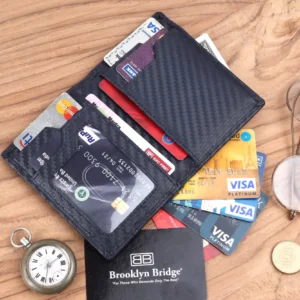
RFID Protected Pull Strap Leather Card Holder Wallet
Original price was: $41.90.$15.19Current price is: $15.19.
You save -
Sale!

RFID Protected Pull Strap Card Holder Wallet for Men Slim
Original price was: $41.90.$15.19Current price is: $15.19.
You save -
Sale!

RFID Protected Leather Card Holder Wallet for Men & Women
Original price was: $18.10.$6.39Current price is: $6.39.
You save -
Sale!
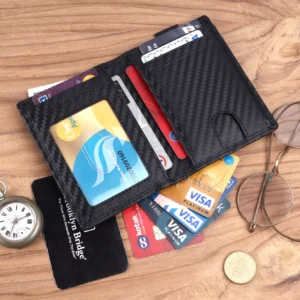
RFID Protected Pull Strap Card Holder Wallet for Secure Access
Original price was: $40.70.$14.79Current price is: $14.79.
You save -
Sale!
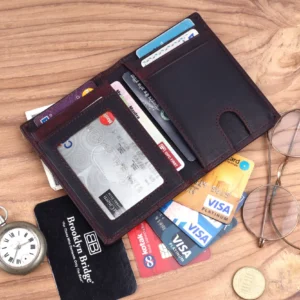
Slim RFID Protected Pull Strap Wallet for Cards & Cash
Original price was: $40.70.$14.79Current price is: $14.79.
You save -
Sale!
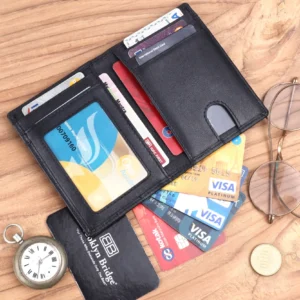
RFID Protected Pull Strap Card Holder Wallet for Daily Use
Original price was: $40.70.$14.79Current price is: $14.79.
You save -
Sale!

RFID Protected Card Holder Wallet for Secure Cards & Cash
Original price was: $27.30.$10.79Current price is: $10.79.
You save -
Sale!
RFID Protected Leather Card Holder Wallet with Slim Design
Original price was: $27.30.$10.79Current price is: $10.79.
You save -
Sale!
Slim RFID Protected Leather Card Holder Wallet for Cards
Original price was: $27.30.$10.79Current price is: $10.79.
You save -
Sale!

RFID Protected Leather Card Holder Wallet for Secure Cards
Original price was: $27.30.$10.79Current price is: $10.79.
You save -
Sale!
RFID Protected Genuine Leather Card Holder for Daily Use
Original price was: $27.30.$10.79Current price is: $10.79.
You save
-
Sale!
RFID Protected Pull Strap Wallet for Cards & Cash
Original price was: $41.90.$15.19Current price is: $15.19.
You save -
Sale!
RFID Protected Pull Strap Leather Card Holder Wallet
Original price was: $41.90.$15.19Current price is: $15.19.
You save -
Sale!
RFID Protected Pull Strap Card Holder Wallet for Men Slim
Original price was: $41.90.$15.19Current price is: $15.19.
You save -
Sale!
RFID Protected Leather Card Holder Wallet for Men & Women
Original price was: $18.10.$6.39Current price is: $6.39.
You save -
Sale!
RFID Protected Pull Strap Card Holder Wallet for Secure Access
Original price was: $40.70.$14.79Current price is: $14.79.
You save -
Sale!
Slim RFID Protected Pull Strap Wallet for Cards & Cash
Original price was: $40.70.$14.79Current price is: $14.79.
You save -
Sale!
RFID Protected Pull Strap Card Holder Wallet for Daily Use
Original price was: $40.70.$14.79Current price is: $14.79.
You save -
Sale!
RFID Protected Card Holder Wallet for Secure Cards & Cash
Original price was: $27.30.$10.79Current price is: $10.79.
You save -
Sale!
RFID Protected Leather Card Holder Wallet with Slim Design
Original price was: $27.30.$10.79Current price is: $10.79.
You save -
Sale!
Slim RFID Protected Leather Card Holder Wallet for Cards
Original price was: $27.30.$10.79Current price is: $10.79.
You save -
Sale!
RFID Protected Leather Card Holder Wallet for Secure Cards
Original price was: $27.30.$10.79Current price is: $10.79.
You save -
Sale!
RFID Protected Genuine Leather Card Holder for Daily Use
Original price was: $27.30.$10.79Current price is: $10.79.
You save
-
Sale!
RFID Protected Pull Strap Wallet for Cards & Cash
Original price was: $41.90.$15.19Current price is: $15.19.
You save -
Sale!
RFID Protected Pull Strap Leather Card Holder Wallet
Original price was: $41.90.$15.19Current price is: $15.19.
You save -
Sale!
RFID Protected Pull Strap Card Holder Wallet for Men Slim
Original price was: $41.90.$15.19Current price is: $15.19.
You save -
Sale!
RFID Protected Leather Card Holder Wallet for Men & Women
Original price was: $18.10.$6.39Current price is: $6.39.
You save -
Sale!
RFID Protected Pull Strap Card Holder Wallet for Secure Access
Original price was: $40.70.$14.79Current price is: $14.79.
You save -
Sale!
Slim RFID Protected Pull Strap Wallet for Cards & Cash
Original price was: $40.70.$14.79Current price is: $14.79.
You save -
Sale!
RFID Protected Pull Strap Card Holder Wallet for Daily Use
Original price was: $40.70.$14.79Current price is: $14.79.
You save -
Sale!
RFID Protected Card Holder Wallet for Secure Cards & Cash
Original price was: $27.30.$10.79Current price is: $10.79.
You save -
Sale!
RFID Protected Leather Card Holder Wallet with Slim Design
Original price was: $27.30.$10.79Current price is: $10.79.
You save -
Sale!
Slim RFID Protected Leather Card Holder Wallet for Cards
Original price was: $27.30.$10.79Current price is: $10.79.
You save -
Sale!
RFID Protected Leather Card Holder Wallet for Secure Cards
Original price was: $27.30.$10.79Current price is: $10.79.
You save -
Sale!
RFID Protected Genuine Leather Card Holder for Daily Use
Original price was: $27.30.$10.79Current price is: $10.79.
You save
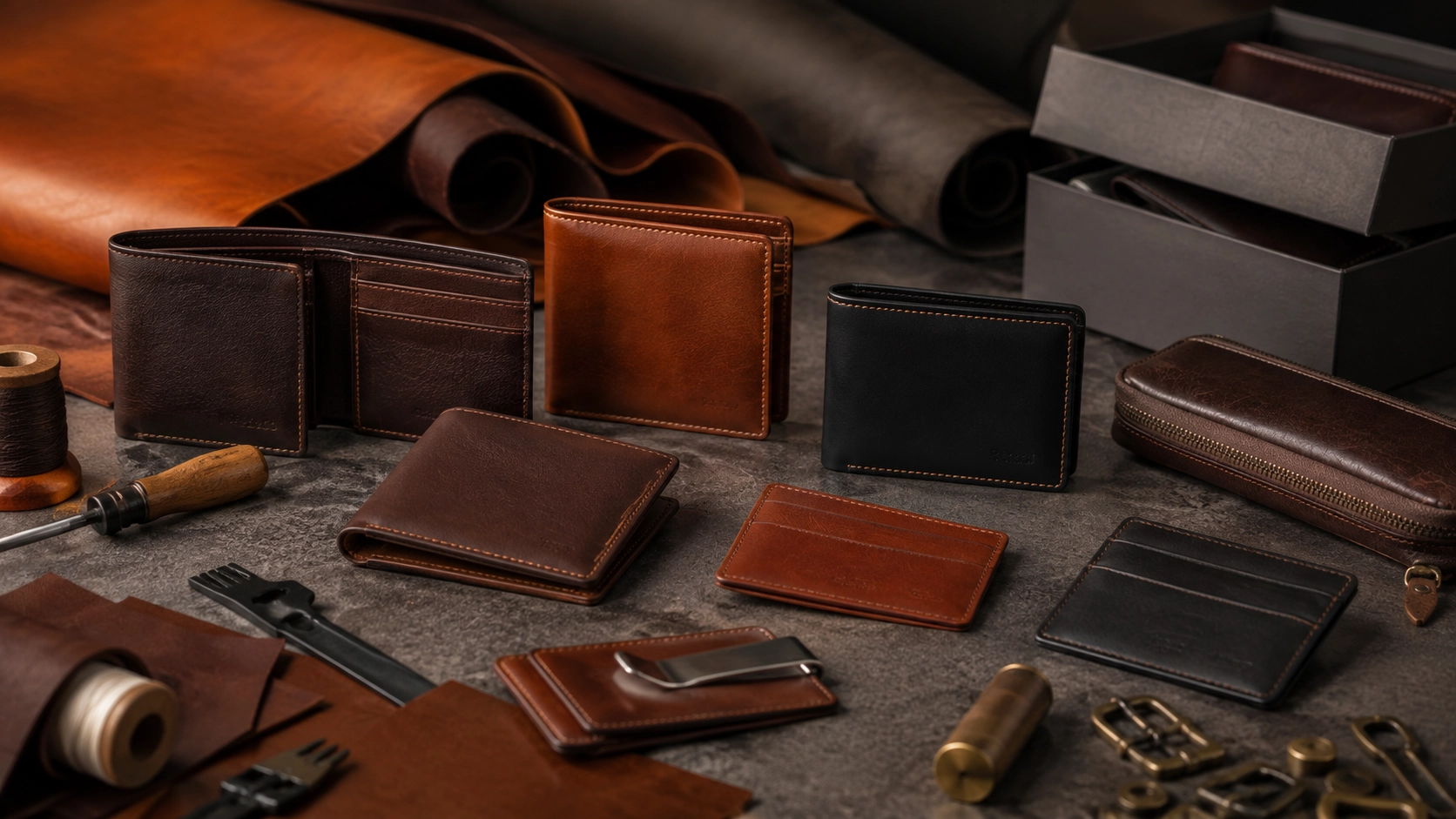
Table of Contents
Leather Wallet Exporter from India to Italy: Complete B2B Guide
Importing leather wallets from India to Italy is not simply a sourcing decision. It is a process of product development, quality control, documentation, customs planning, compliance and reliable delivery.
For Italian importers, distributors, retailers, private-label brands and fashion businesses, the right Indian manufacturing partner can combine competitive production with customization, export documentation and scalable supply.
Exalter Global Co. is a Kolkata-based manufacturer and exporter serving international buyers. Its leather goods operations support OEM, ODM, private-label and bulk manufacturing requirements for global markets. Its leather wallet manufacturing portfolio covers bi-fold wallets, tri-fold wallets, card holders, RFID wallets, slim wallets, money clip wallets, coin wallets and other small leather goods.
This guide explains how B2B buyers can evaluate an Indian leather wallet exporter, develop products, manage pricing, prepare export documentation and plan an India-to-Italy shipment.
What Is the Process of Importing Leather Wallets from India to Italy?
The process normally follows these stages:
- Define the wallet specification and target price.
- Shortlist and evaluate an Indian leather wallet manufacturer.
- Confirm leather, construction, dimensions, hardware and branding.
- Develop and approve a sample.
- Finalize quotation, commercial terms and purchase order.
- Confirm applicable product testing and EU compliance requirements.
- Begin bulk production after agreed advance payment.
- Complete quality inspection and export packing.
- Prepare commercial and shipping documentation.
- Arrange freight from India to Italy.
- Complete EU customs clearance and import formalities.
- Deliver the shipment to the Italian buyer or agreed destination.
The exact customs and regulatory requirements depend on the product construction, materials, tariff classification, importer setup, destination and applicable EU rules. Buyers should confirm the final requirements with their customs broker or competent authority before shipment.
Why Source Leather Wallets from India?
India has a long-established leather manufacturing ecosystem supported by skilled craftsmanship, tanning capabilities, component suppliers and export infrastructure.
For an Italian buyer, sourcing directly from a leather wallet manufacturer in India can provide greater control over product specifications than purchasing through multiple intermediaries.
Direct manufacturing can also simplify communication around leather selection, stitching, lining, dimensions, logo placement, packaging and production quantities.
For brands developing their own collections, the relationship can extend beyond manufacturing. Product development, prototyping, private labeling and repeat production can be managed as one coordinated workflow.
Why Exalter Global Co. for B2B Leather Wallet Manufacturing?
Exalter Global Co. approaches leather goods manufacturing as a long-term B2B supply relationship rather than simply a transactional product sale.
Its leather wallet manufacturing operation supports international brands, retailers, distributors, startups and private-label buyers. The company describes its manufacturing capabilities as including custom design consultation, prototyping, branding and scalable production.
Its dedicated leather wallet manufacturing and export page covers multiple wallet categories and highlights private-label production, quality control and export-oriented manufacturing.
For buyers looking beyond one product, the Exalter Vachette leather goods division provides a broader view of the company's leather manufacturing capabilities.
Manufacturing Capabilities
- Leather wallets for men and women
- Bi-fold and tri-fold wallets
- Minimalist card holders
- RFID wallets
- Money clip wallets
- Coin pocket wallets
- Slim and front-pocket wallets
- ID window wallets
- Long and travel wallets
- Private-label leather wallets
- Custom logo and branding
- OEM and ODM development
For buyers seeking a ready reference for product development, the company's minimalist leather wallet collection provides examples of compact wallet formats and functional configurations.
Partnership Versus Simple Supplier Selection
A low unit price alone does not define a good export supplier.
Italian buyers should evaluate the complete supply chain. This includes material consistency, workmanship, communication, development capability, quality inspection, documentation and shipment coordination.
A reliable manufacturer should understand that a wallet is a specification-driven product. Small changes in leather thickness, edge paint, thread, hardware or construction can influence both appearance and production cost.
That is why product specifications should be agreed before production begins.
What Should Buyers Specify Before Requesting a Quote?
A detailed product brief allows the manufacturer to prepare a more realistic quotation and reduces later changes.
| Specification | What to Confirm |
|---|---|
| Leather | Leather type, grade, finish, thickness and colour |
| Construction | Bi-fold, tri-fold, card holder, money clip or other format |
| Dimensions | Closed dimensions, thickness and tolerances |
| Interior | Card slots, cash compartment, ID window and coin pocket |
| Branding | Embossing, debossing, foil, metal logo or printed branding |
| Packaging | Individual box, pouch, insert, barcode and master carton |
| Quantity | MOQ, colour split and order quantity |

-
Sale!
RFID Protected Pull Strap Wallet for Cards & Cash
Original price was: $41.90.$15.19Current price is: $15.19.
You save -
Sale!
RFID Protected Pull Strap Leather Card Holder Wallet
Original price was: $41.90.$15.19Current price is: $15.19.
You save -
Sale!
RFID Protected Pull Strap Card Holder Wallet for Men Slim
Original price was: $41.90.$15.19Current price is: $15.19.
You save -
Sale!
RFID Protected Leather Card Holder Wallet for Men & Women
Original price was: $18.10.$6.39Current price is: $6.39.
You save -
Sale!
RFID Protected Pull Strap Card Holder Wallet for Secure Access
Original price was: $40.70.$14.79Current price is: $14.79.
You save -
Sale!
Slim RFID Protected Pull Strap Wallet for Cards & Cash
Original price was: $40.70.$14.79Current price is: $14.79.
You save -
Sale!
RFID Protected Pull Strap Card Holder Wallet for Daily Use
Original price was: $40.70.$14.79Current price is: $14.79.
You save -
Sale!
RFID Protected Card Holder Wallet for Secure Cards & Cash
Original price was: $27.30.$10.79Current price is: $10.79.
You save -
Sale!
RFID Protected Leather Card Holder Wallet with Slim Design
Original price was: $27.30.$10.79Current price is: $10.79.
You save -
Sale!
Slim RFID Protected Leather Card Holder Wallet for Cards
Original price was: $27.30.$10.79Current price is: $10.79.
You save -
Sale!
RFID Protected Leather Card Holder Wallet for Secure Cards
Original price was: $27.30.$10.79Current price is: $10.79.
You save -
Sale!
RFID Protected Genuine Leather Card Holder for Daily Use
Original price was: $27.30.$10.79Current price is: $10.79.
You save
-
Sale!
RFID Protected Pull Strap Wallet for Cards & Cash
Original price was: $41.90.$15.19Current price is: $15.19.
You save -
Sale!
RFID Protected Pull Strap Leather Card Holder Wallet
Original price was: $41.90.$15.19Current price is: $15.19.
You save -
Sale!
RFID Protected Pull Strap Card Holder Wallet for Men Slim
Original price was: $41.90.$15.19Current price is: $15.19.
You save -
Sale!
RFID Protected Leather Card Holder Wallet for Men & Women
Original price was: $18.10.$6.39Current price is: $6.39.
You save -
Sale!
RFID Protected Pull Strap Card Holder Wallet for Secure Access
Original price was: $40.70.$14.79Current price is: $14.79.
You save -
Sale!
Slim RFID Protected Pull Strap Wallet for Cards & Cash
Original price was: $40.70.$14.79Current price is: $14.79.
You save -
Sale!
RFID Protected Pull Strap Card Holder Wallet for Daily Use
Original price was: $40.70.$14.79Current price is: $14.79.
You save -
Sale!
RFID Protected Card Holder Wallet for Secure Cards & Cash
Original price was: $27.30.$10.79Current price is: $10.79.
You save -
Sale!
RFID Protected Leather Card Holder Wallet with Slim Design
Original price was: $27.30.$10.79Current price is: $10.79.
You save -
Sale!
Slim RFID Protected Leather Card Holder Wallet for Cards
Original price was: $27.30.$10.79Current price is: $10.79.
You save -
Sale!
RFID Protected Leather Card Holder Wallet for Secure Cards
Original price was: $27.30.$10.79Current price is: $10.79.
You save -
Sale!
RFID Protected Genuine Leather Card Holder for Daily Use
Original price was: $27.30.$10.79Current price is: $10.79.
You save
-
Sale!
RFID Protected Pull Strap Wallet for Cards & Cash
Original price was: $41.90.$15.19Current price is: $15.19.
You save -
Sale!
RFID Protected Pull Strap Leather Card Holder Wallet
Original price was: $41.90.$15.19Current price is: $15.19.
You save -
Sale!
RFID Protected Pull Strap Card Holder Wallet for Men Slim
Original price was: $41.90.$15.19Current price is: $15.19.
You save -
Sale!
RFID Protected Leather Card Holder Wallet for Men & Women
Original price was: $18.10.$6.39Current price is: $6.39.
You save -
Sale!
RFID Protected Pull Strap Card Holder Wallet for Secure Access
Original price was: $40.70.$14.79Current price is: $14.79.
You save -
Sale!
Slim RFID Protected Pull Strap Wallet for Cards & Cash
Original price was: $40.70.$14.79Current price is: $14.79.
You save -
Sale!
RFID Protected Pull Strap Card Holder Wallet for Daily Use
Original price was: $40.70.$14.79Current price is: $14.79.
You save -
Sale!
RFID Protected Card Holder Wallet for Secure Cards & Cash
Original price was: $27.30.$10.79Current price is: $10.79.
You save -
Sale!
RFID Protected Leather Card Holder Wallet with Slim Design
Original price was: $27.30.$10.79Current price is: $10.79.
You save -
Sale!
Slim RFID Protected Leather Card Holder Wallet for Cards
Original price was: $27.30.$10.79Current price is: $10.79.
You save -
Sale!
RFID Protected Leather Card Holder Wallet for Secure Cards
Original price was: $27.30.$10.79Current price is: $10.79.
You save -
Sale!
RFID Protected Genuine Leather Card Holder for Daily Use
Original price was: $27.30.$10.79Current price is: $10.79.
You save
-
Sale!
RFID Protected Pull Strap Wallet for Cards & Cash
Original price was: $41.90.$15.19Current price is: $15.19.
You save -
Sale!
RFID Protected Pull Strap Leather Card Holder Wallet
Original price was: $41.90.$15.19Current price is: $15.19.
You save -
Sale!
RFID Protected Pull Strap Card Holder Wallet for Men Slim
Original price was: $41.90.$15.19Current price is: $15.19.
You save -
Sale!
RFID Protected Leather Card Holder Wallet for Men & Women
Original price was: $18.10.$6.39Current price is: $6.39.
You save
-
Sale!
RFID Protected Pull Strap Wallet for Cards & Cash
Original price was: $41.90.$15.19Current price is: $15.19.
You save -
Sale!
RFID Protected Pull Strap Leather Card Holder Wallet
Original price was: $41.90.$15.19Current price is: $15.19.
You save -
Sale!
RFID Protected Pull Strap Card Holder Wallet for Men Slim
Original price was: $41.90.$15.19Current price is: $15.19.
You save -
Sale!
RFID Protected Leather Card Holder Wallet for Men & Women
Original price was: $18.10.$6.39Current price is: $6.39.
You save
-
Sale!
RFID Protected Pull Strap Wallet for Cards & Cash
Original price was: $41.90.$15.19Current price is: $15.19.
You save -
Sale!
RFID Protected Pull Strap Leather Card Holder Wallet
Original price was: $41.90.$15.19Current price is: $15.19.
You save -
Sale!
RFID Protected Pull Strap Card Holder Wallet for Men Slim
Original price was: $41.90.$15.19Current price is: $15.19.
You save -
Sale!
RFID Protected Leather Card Holder Wallet for Men & Women
Original price was: $18.10.$6.39Current price is: $6.39.
You save
-
Sale!
RFID Protected Pull Strap Wallet for Cards & Cash
Original price was: $41.90.$15.19Current price is: $15.19.
You save -
Sale!
RFID Protected Pull Strap Leather Card Holder Wallet
Original price was: $41.90.$15.19Current price is: $15.19.
You save -
Sale!
RFID Protected Pull Strap Card Holder Wallet for Men Slim
Original price was: $41.90.$15.19Current price is: $15.19.
You save -
Sale!
RFID Protected Leather Card Holder Wallet for Men & Women
Original price was: $18.10.$6.39Current price is: $6.39.
You save -
Sale!
RFID Protected Pull Strap Card Holder Wallet for Secure Access
Original price was: $40.70.$14.79Current price is: $14.79.
You save -
Sale!
Slim RFID Protected Pull Strap Wallet for Cards & Cash
Original price was: $40.70.$14.79Current price is: $14.79.
You save -
Sale!
RFID Protected Pull Strap Card Holder Wallet for Daily Use
Original price was: $40.70.$14.79Current price is: $14.79.
You save -
Sale!
RFID Protected Card Holder Wallet for Secure Cards & Cash
Original price was: $27.30.$10.79Current price is: $10.79.
You save -
Sale!
RFID Protected Leather Card Holder Wallet with Slim Design
Original price was: $27.30.$10.79Current price is: $10.79.
You save -
Sale!
Slim RFID Protected Leather Card Holder Wallet for Cards
Original price was: $27.30.$10.79Current price is: $10.79.
You save -
Sale!
RFID Protected Leather Card Holder Wallet for Secure Cards
Original price was: $27.30.$10.79Current price is: $10.79.
You save -
Sale!
RFID Protected Genuine Leather Card Holder for Daily Use
Original price was: $27.30.$10.79Current price is: $10.79.
You save
-
Sale!
RFID Protected Pull Strap Wallet for Cards & Cash
Original price was: $41.90.$15.19Current price is: $15.19.
You save -
Sale!
RFID Protected Pull Strap Leather Card Holder Wallet
Original price was: $41.90.$15.19Current price is: $15.19.
You save -
Sale!
RFID Protected Pull Strap Card Holder Wallet for Men Slim
Original price was: $41.90.$15.19Current price is: $15.19.
You save -
Sale!
RFID Protected Leather Card Holder Wallet for Men & Women
Original price was: $18.10.$6.39Current price is: $6.39.
You save -
Sale!
RFID Protected Pull Strap Card Holder Wallet for Secure Access
Original price was: $40.70.$14.79Current price is: $14.79.
You save -
Sale!
Slim RFID Protected Pull Strap Wallet for Cards & Cash
Original price was: $40.70.$14.79Current price is: $14.79.
You save -
Sale!
RFID Protected Pull Strap Card Holder Wallet for Daily Use
Original price was: $40.70.$14.79Current price is: $14.79.
You save -
Sale!
RFID Protected Card Holder Wallet for Secure Cards & Cash
Original price was: $27.30.$10.79Current price is: $10.79.
You save -
Sale!
RFID Protected Leather Card Holder Wallet with Slim Design
Original price was: $27.30.$10.79Current price is: $10.79.
You save -
Sale!
Slim RFID Protected Leather Card Holder Wallet for Cards
Original price was: $27.30.$10.79Current price is: $10.79.
You save -
Sale!
RFID Protected Leather Card Holder Wallet for Secure Cards
Original price was: $27.30.$10.79Current price is: $10.79.
You save -
Sale!
RFID Protected Genuine Leather Card Holder for Daily Use
Original price was: $27.30.$10.79Current price is: $10.79.
You save
-
Sale!
RFID Protected Pull Strap Wallet for Cards & Cash
Original price was: $41.90.$15.19Current price is: $15.19.
You save -
Sale!
RFID Protected Pull Strap Leather Card Holder Wallet
Original price was: $41.90.$15.19Current price is: $15.19.
You save -
Sale!
RFID Protected Pull Strap Card Holder Wallet for Men Slim
Original price was: $41.90.$15.19Current price is: $15.19.
You save -
Sale!
RFID Protected Leather Card Holder Wallet for Men & Women
Original price was: $18.10.$6.39Current price is: $6.39.
You save -
Sale!
RFID Protected Pull Strap Card Holder Wallet for Secure Access
Original price was: $40.70.$14.79Current price is: $14.79.
You save -
Sale!
Slim RFID Protected Pull Strap Wallet for Cards & Cash
Original price was: $40.70.$14.79Current price is: $14.79.
You save -
Sale!
RFID Protected Pull Strap Card Holder Wallet for Daily Use
Original price was: $40.70.$14.79Current price is: $14.79.
You save -
Sale!
RFID Protected Card Holder Wallet for Secure Cards & Cash
Original price was: $27.30.$10.79Current price is: $10.79.
You save -
Sale!
RFID Protected Leather Card Holder Wallet with Slim Design
Original price was: $27.30.$10.79Current price is: $10.79.
You save -
Sale!
Slim RFID Protected Leather Card Holder Wallet for Cards
Original price was: $27.30.$10.79Current price is: $10.79.
You save -
Sale!
RFID Protected Leather Card Holder Wallet for Secure Cards
Original price was: $27.30.$10.79Current price is: $10.79.
You save -
Sale!
RFID Protected Genuine Leather Card Holder for Daily Use
Original price was: $27.30.$10.79Current price is: $10.79.
You save
Leather Quality: The Foundation of a Successful Import
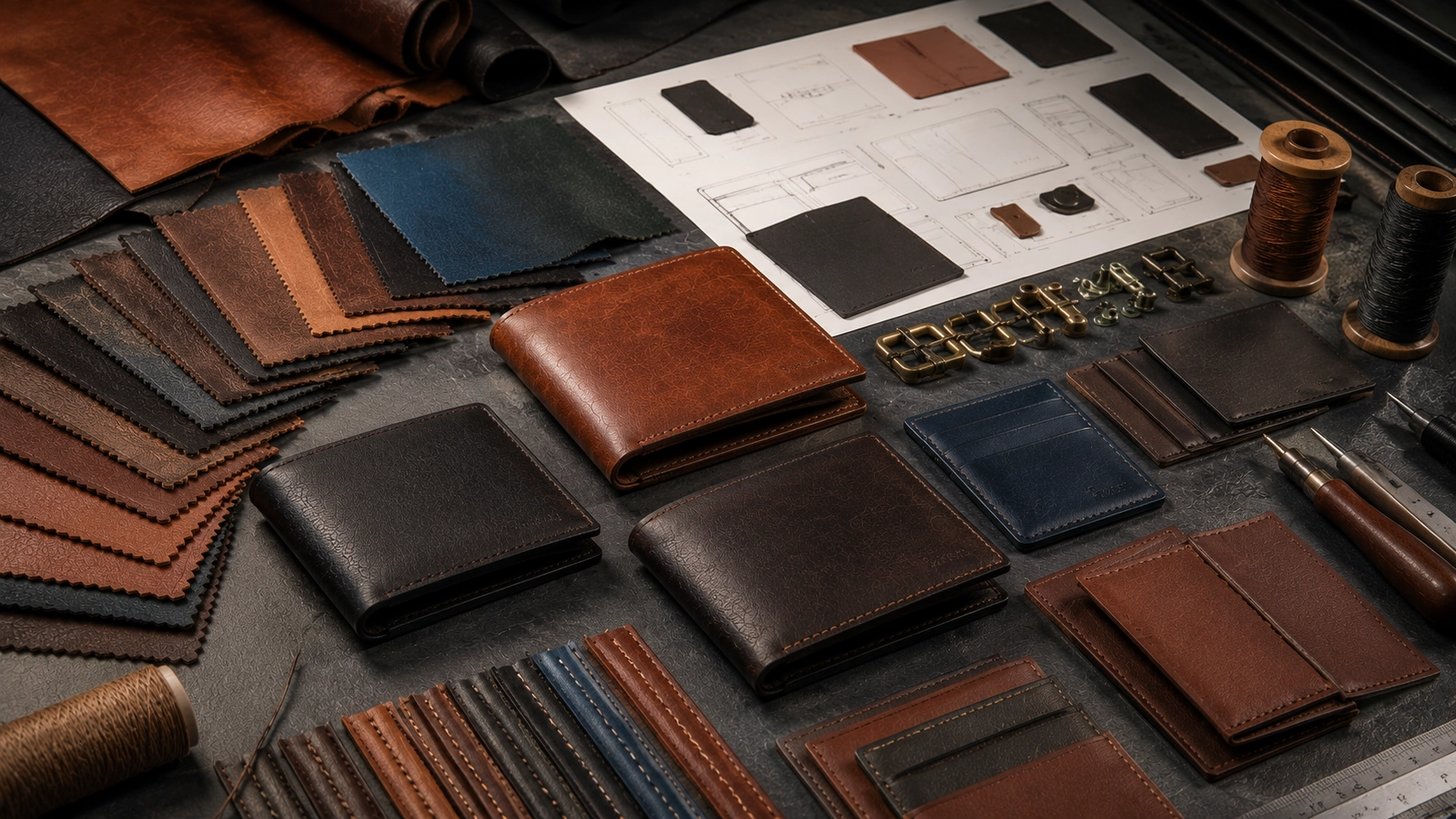
Leather quality directly affects the appearance, hand feel, durability and perceived value of a wallet.
Italian buyers should avoid specifying leather only as "genuine leather". A professional product specification should identify the desired leather grade, finish, thickness, colour, texture and performance expectations.
Natural leather can show variation in grain, shade and markings. Such variation can be part of genuine leather's natural character. The buyer and manufacturer should therefore agree on acceptable variation before bulk production.
Common Leather Options
- Full-grain leather: Retains more of the natural grain and is often positioned toward premium products.
- Top-grain leather: Offers a refined surface while maintaining natural leather characteristics.
- Nappa leather: Known for a softer hand feel and refined appearance.
- Vegetable-tanned leather: Can develop distinctive character and patina with use.
- Specialty finishes: Smooth, pebbled, vintage, waxed and other finishes can support different brand positions.
Exalter Global Co. also offers different product quality options according to market positioning and target price. Buyers should confirm the precise leather source and specifications in the quotation and purchase documentation.
Customization and Private Label Manufacturing
Italian fashion brands and retailers may require a wallet that does not look like a standard catalogue product.
Private-label manufacturing allows the buyer to control the product identity while using an established manufacturing platform.
Customisation Can Include
- Custom wallet dimensions
- Leather colour and finish
- Interior configuration
- Custom stitching colour
- Logo embossing or debossing
- Metal branding
- Custom lining
- RFID construction
- Custom packaging
- Barcode and retail labels
- Gift boxes and presentation packaging
Exalter Global Co. specifically supports private-label wallet manufacturing, making the model suitable for brands that want their own identity rather than a generic wholesale wallet.
Sample Development: The Most Important Pre-Production Stage
For a new Italian buyer, sampling should happen before committing to bulk production.
The sample establishes the practical interpretation of the specification. It allows the buyer to inspect dimensions, leather, stitching, construction, colour, logo placement and packaging.
- Share sketches, reference images or an existing sample.
- Confirm dimensions and construction.
- Select leather and colour.
- Confirm branding requirements.
- Review the sample quotation.
- Approve sample development.
- Inspect the completed sample.
- Record revisions if required.
- Approve the final production specification.
For custom products, buyers should avoid approving production based only on photographs. A physical sample provides a stronger reference for colour, hand feel, construction and finishing.
Quality Control for Export Leather Wallets
Quality control should be planned throughout production rather than performed only after manufacturing is complete.
Recommended Inspection Points
- Incoming leather inspection
- Colour and finish verification
- Cutting accuracy
- Panel alignment
- Stitching consistency
- Edge finishing
- Hardware function
- Logo placement
- Dimensions and thickness
- Interior functionality
- Surface cleanliness
- Final packaging inspection
The buyer should establish measurable acceptance criteria before production. This reduces subjective disagreements after completion.
For example, a buyer can define acceptable dimensional tolerance, stitching irregularities, colour variation, leather marks and hardware defects in the approved specification.
EU Compliance and Product Safety
Importing leather wallets into Italy means entering the EU market. Compliance should therefore be considered during product development, not after shipment.
Leather articles that come into contact with skin are subject to REACH restrictions concerning chromium VI. EU rules restrict placing such leather articles on the market when chromium VI reaches or exceeds the applicable 3 mg/kg threshold.
Buyers should therefore discuss chemical testing and restricted-substance requirements with the manufacturer before production.
Depending on the product, market and sales channel, buyers may also need to consider requirements under the EU General Product Safety Regulation and other applicable product, packaging, chemical and consumer protection rules.
Exalter Global Co. publishes information about its certifications and compliance practices. Buyers should nevertheless confirm buyer-specific and Italy-specific requirements independently with their compliance adviser or customs broker.
How Much Does It Cost to Import Leather Wallets from India?
There is no single standard price for an export leather wallet.
The final landed cost depends on product construction, leather, quantity, customization, packaging, freight, insurance, customs duties, taxes and other destination costs.
| Cost Element | Main Cost Drivers |
|---|---|
| Wallet Manufacturing | Leather, construction, labour, hardware and finishing |
| Customization | Logo, moulds, embossing, special hardware and packaging |
| Testing | Laboratory and buyer-specific compliance requirements |
| Freight | Air, sea, courier, shipment size and destination |
| Import Costs | Customs duty, import VAT and applicable clearance charges |
Choosing the Right Incoterm
Incoterms determine how costs, responsibilities and risks are allocated between seller and buyer.
For many B2B export orders, the commercial quotation may be based on FOB or another mutually agreed Incoterm.
Exalter Global Co.'s published trading conditions identify FOB Origin - Kolkata, India as its standard export basis unless otherwise agreed.
Italian buyers should ensure the agreed Incoterm is clearly written into the quotation and purchase order.
Why Landed Cost Matters More Than Factory Price
A wallet quoted at a lower factory price may not be cheaper after freight, customs, testing, handling and taxes.
Professional procurement teams should compare suppliers using a landed-cost model.
This approach makes supplier comparisons more meaningful and helps prevent unexpected costs after shipment.

-
Sale!
RFID Protected Pull Strap Wallet for Cards & Cash
Original price was: $41.90.$15.19Current price is: $15.19.
You save -
Sale!
RFID Protected Pull Strap Leather Card Holder Wallet
Original price was: $41.90.$15.19Current price is: $15.19.
You save -
Sale!
RFID Protected Pull Strap Card Holder Wallet for Men Slim
Original price was: $41.90.$15.19Current price is: $15.19.
You save -
Sale!
RFID Protected Leather Card Holder Wallet for Men & Women
Original price was: $18.10.$6.39Current price is: $6.39.
You save -
Sale!
RFID Protected Pull Strap Card Holder Wallet for Secure Access
Original price was: $40.70.$14.79Current price is: $14.79.
You save -
Sale!
Slim RFID Protected Pull Strap Wallet for Cards & Cash
Original price was: $40.70.$14.79Current price is: $14.79.
You save -
Sale!
RFID Protected Pull Strap Card Holder Wallet for Daily Use
Original price was: $40.70.$14.79Current price is: $14.79.
You save -
Sale!
RFID Protected Card Holder Wallet for Secure Cards & Cash
Original price was: $27.30.$10.79Current price is: $10.79.
You save -
Sale!
RFID Protected Leather Card Holder Wallet with Slim Design
Original price was: $27.30.$10.79Current price is: $10.79.
You save -
Sale!
Slim RFID Protected Leather Card Holder Wallet for Cards
Original price was: $27.30.$10.79Current price is: $10.79.
You save -
Sale!
RFID Protected Leather Card Holder Wallet for Secure Cards
Original price was: $27.30.$10.79Current price is: $10.79.
You save -
Sale!
RFID Protected Genuine Leather Card Holder for Daily Use
Original price was: $27.30.$10.79Current price is: $10.79.
You save
-
Sale!
RFID Protected Pull Strap Wallet for Cards & Cash
Original price was: $41.90.$15.19Current price is: $15.19.
You save -
Sale!
RFID Protected Pull Strap Leather Card Holder Wallet
Original price was: $41.90.$15.19Current price is: $15.19.
You save -
Sale!
RFID Protected Pull Strap Card Holder Wallet for Men Slim
Original price was: $41.90.$15.19Current price is: $15.19.
You save -
Sale!
RFID Protected Leather Card Holder Wallet for Men & Women
Original price was: $18.10.$6.39Current price is: $6.39.
You save -
Sale!
RFID Protected Pull Strap Card Holder Wallet for Secure Access
Original price was: $40.70.$14.79Current price is: $14.79.
You save -
Sale!
Slim RFID Protected Pull Strap Wallet for Cards & Cash
Original price was: $40.70.$14.79Current price is: $14.79.
You save -
Sale!
RFID Protected Pull Strap Card Holder Wallet for Daily Use
Original price was: $40.70.$14.79Current price is: $14.79.
You save -
Sale!
RFID Protected Card Holder Wallet for Secure Cards & Cash
Original price was: $27.30.$10.79Current price is: $10.79.
You save -
Sale!
RFID Protected Leather Card Holder Wallet with Slim Design
Original price was: $27.30.$10.79Current price is: $10.79.
You save -
Sale!
Slim RFID Protected Leather Card Holder Wallet for Cards
Original price was: $27.30.$10.79Current price is: $10.79.
You save -
Sale!
RFID Protected Leather Card Holder Wallet for Secure Cards
Original price was: $27.30.$10.79Current price is: $10.79.
You save -
Sale!
RFID Protected Genuine Leather Card Holder for Daily Use
Original price was: $27.30.$10.79Current price is: $10.79.
You save
-
Sale!
RFID Protected Pull Strap Wallet for Cards & Cash
Original price was: $41.90.$15.19Current price is: $15.19.
You save -
Sale!
RFID Protected Pull Strap Leather Card Holder Wallet
Original price was: $41.90.$15.19Current price is: $15.19.
You save -
Sale!
RFID Protected Pull Strap Card Holder Wallet for Men Slim
Original price was: $41.90.$15.19Current price is: $15.19.
You save -
Sale!
RFID Protected Leather Card Holder Wallet for Men & Women
Original price was: $18.10.$6.39Current price is: $6.39.
You save -
Sale!
RFID Protected Pull Strap Card Holder Wallet for Secure Access
Original price was: $40.70.$14.79Current price is: $14.79.
You save -
Sale!
Slim RFID Protected Pull Strap Wallet for Cards & Cash
Original price was: $40.70.$14.79Current price is: $14.79.
You save -
Sale!
RFID Protected Pull Strap Card Holder Wallet for Daily Use
Original price was: $40.70.$14.79Current price is: $14.79.
You save -
Sale!
RFID Protected Card Holder Wallet for Secure Cards & Cash
Original price was: $27.30.$10.79Current price is: $10.79.
You save -
Sale!
RFID Protected Leather Card Holder Wallet with Slim Design
Original price was: $27.30.$10.79Current price is: $10.79.
You save -
Sale!
Slim RFID Protected Leather Card Holder Wallet for Cards
Original price was: $27.30.$10.79Current price is: $10.79.
You save -
Sale!
RFID Protected Leather Card Holder Wallet for Secure Cards
Original price was: $27.30.$10.79Current price is: $10.79.
You save -
Sale!
RFID Protected Genuine Leather Card Holder for Daily Use
Original price was: $27.30.$10.79Current price is: $10.79.
You save
-
Sale!
RFID Protected Pull Strap Wallet for Cards & Cash
Original price was: $41.90.$15.19Current price is: $15.19.
You save -
Sale!
RFID Protected Pull Strap Leather Card Holder Wallet
Original price was: $41.90.$15.19Current price is: $15.19.
You save -
Sale!
RFID Protected Pull Strap Card Holder Wallet for Men Slim
Original price was: $41.90.$15.19Current price is: $15.19.
You save -
Sale!
RFID Protected Leather Card Holder Wallet for Men & Women
Original price was: $18.10.$6.39Current price is: $6.39.
You save
-
Sale!
RFID Protected Pull Strap Wallet for Cards & Cash
Original price was: $41.90.$15.19Current price is: $15.19.
You save -
Sale!
RFID Protected Pull Strap Leather Card Holder Wallet
Original price was: $41.90.$15.19Current price is: $15.19.
You save -
Sale!
RFID Protected Pull Strap Card Holder Wallet for Men Slim
Original price was: $41.90.$15.19Current price is: $15.19.
You save -
Sale!
RFID Protected Leather Card Holder Wallet for Men & Women
Original price was: $18.10.$6.39Current price is: $6.39.
You save
-
Sale!
RFID Protected Pull Strap Wallet for Cards & Cash
Original price was: $41.90.$15.19Current price is: $15.19.
You save -
Sale!
RFID Protected Pull Strap Leather Card Holder Wallet
Original price was: $41.90.$15.19Current price is: $15.19.
You save -
Sale!
RFID Protected Pull Strap Card Holder Wallet for Men Slim
Original price was: $41.90.$15.19Current price is: $15.19.
You save -
Sale!
RFID Protected Leather Card Holder Wallet for Men & Women
Original price was: $18.10.$6.39Current price is: $6.39.
You save
-
Sale!
RFID Protected Pull Strap Wallet for Cards & Cash
Original price was: $41.90.$15.19Current price is: $15.19.
You save -
Sale!
RFID Protected Pull Strap Leather Card Holder Wallet
Original price was: $41.90.$15.19Current price is: $15.19.
You save -
Sale!
RFID Protected Pull Strap Card Holder Wallet for Men Slim
Original price was: $41.90.$15.19Current price is: $15.19.
You save -
Sale!
RFID Protected Leather Card Holder Wallet for Men & Women
Original price was: $18.10.$6.39Current price is: $6.39.
You save -
Sale!
RFID Protected Pull Strap Card Holder Wallet for Secure Access
Original price was: $40.70.$14.79Current price is: $14.79.
You save -
Sale!
Slim RFID Protected Pull Strap Wallet for Cards & Cash
Original price was: $40.70.$14.79Current price is: $14.79.
You save -
Sale!
RFID Protected Pull Strap Card Holder Wallet for Daily Use
Original price was: $40.70.$14.79Current price is: $14.79.
You save -
Sale!
RFID Protected Card Holder Wallet for Secure Cards & Cash
Original price was: $27.30.$10.79Current price is: $10.79.
You save -
Sale!
RFID Protected Leather Card Holder Wallet with Slim Design
Original price was: $27.30.$10.79Current price is: $10.79.
You save -
Sale!
Slim RFID Protected Leather Card Holder Wallet for Cards
Original price was: $27.30.$10.79Current price is: $10.79.
You save -
Sale!
RFID Protected Leather Card Holder Wallet for Secure Cards
Original price was: $27.30.$10.79Current price is: $10.79.
You save -
Sale!
RFID Protected Genuine Leather Card Holder for Daily Use
Original price was: $27.30.$10.79Current price is: $10.79.
You save
-
Sale!
RFID Protected Pull Strap Wallet for Cards & Cash
Original price was: $41.90.$15.19Current price is: $15.19.
You save -
Sale!
RFID Protected Pull Strap Leather Card Holder Wallet
Original price was: $41.90.$15.19Current price is: $15.19.
You save -
Sale!
RFID Protected Pull Strap Card Holder Wallet for Men Slim
Original price was: $41.90.$15.19Current price is: $15.19.
You save -
Sale!
RFID Protected Leather Card Holder Wallet for Men & Women
Original price was: $18.10.$6.39Current price is: $6.39.
You save -
Sale!
RFID Protected Pull Strap Card Holder Wallet for Secure Access
Original price was: $40.70.$14.79Current price is: $14.79.
You save -
Sale!
Slim RFID Protected Pull Strap Wallet for Cards & Cash
Original price was: $40.70.$14.79Current price is: $14.79.
You save -
Sale!
RFID Protected Pull Strap Card Holder Wallet for Daily Use
Original price was: $40.70.$14.79Current price is: $14.79.
You save -
Sale!
RFID Protected Card Holder Wallet for Secure Cards & Cash
Original price was: $27.30.$10.79Current price is: $10.79.
You save -
Sale!
RFID Protected Leather Card Holder Wallet with Slim Design
Original price was: $27.30.$10.79Current price is: $10.79.
You save -
Sale!
Slim RFID Protected Leather Card Holder Wallet for Cards
Original price was: $27.30.$10.79Current price is: $10.79.
You save -
Sale!
RFID Protected Leather Card Holder Wallet for Secure Cards
Original price was: $27.30.$10.79Current price is: $10.79.
You save -
Sale!
RFID Protected Genuine Leather Card Holder for Daily Use
Original price was: $27.30.$10.79Current price is: $10.79.
You save
-
Sale!
RFID Protected Pull Strap Wallet for Cards & Cash
Original price was: $41.90.$15.19Current price is: $15.19.
You save -
Sale!
RFID Protected Pull Strap Leather Card Holder Wallet
Original price was: $41.90.$15.19Current price is: $15.19.
You save -
Sale!
RFID Protected Pull Strap Card Holder Wallet for Men Slim
Original price was: $41.90.$15.19Current price is: $15.19.
You save -
Sale!
RFID Protected Leather Card Holder Wallet for Men & Women
Original price was: $18.10.$6.39Current price is: $6.39.
You save -
Sale!
RFID Protected Pull Strap Card Holder Wallet for Secure Access
Original price was: $40.70.$14.79Current price is: $14.79.
You save -
Sale!
Slim RFID Protected Pull Strap Wallet for Cards & Cash
Original price was: $40.70.$14.79Current price is: $14.79.
You save -
Sale!
RFID Protected Pull Strap Card Holder Wallet for Daily Use
Original price was: $40.70.$14.79Current price is: $14.79.
You save -
Sale!
RFID Protected Card Holder Wallet for Secure Cards & Cash
Original price was: $27.30.$10.79Current price is: $10.79.
You save -
Sale!
RFID Protected Leather Card Holder Wallet with Slim Design
Original price was: $27.30.$10.79Current price is: $10.79.
You save -
Sale!
Slim RFID Protected Leather Card Holder Wallet for Cards
Original price was: $27.30.$10.79Current price is: $10.79.
You save -
Sale!
RFID Protected Leather Card Holder Wallet for Secure Cards
Original price was: $27.30.$10.79Current price is: $10.79.
You save -
Sale!
RFID Protected Genuine Leather Card Holder for Daily Use
Original price was: $27.30.$10.79Current price is: $10.79.
You save
Export Documentation for India-to-Italy Shipments
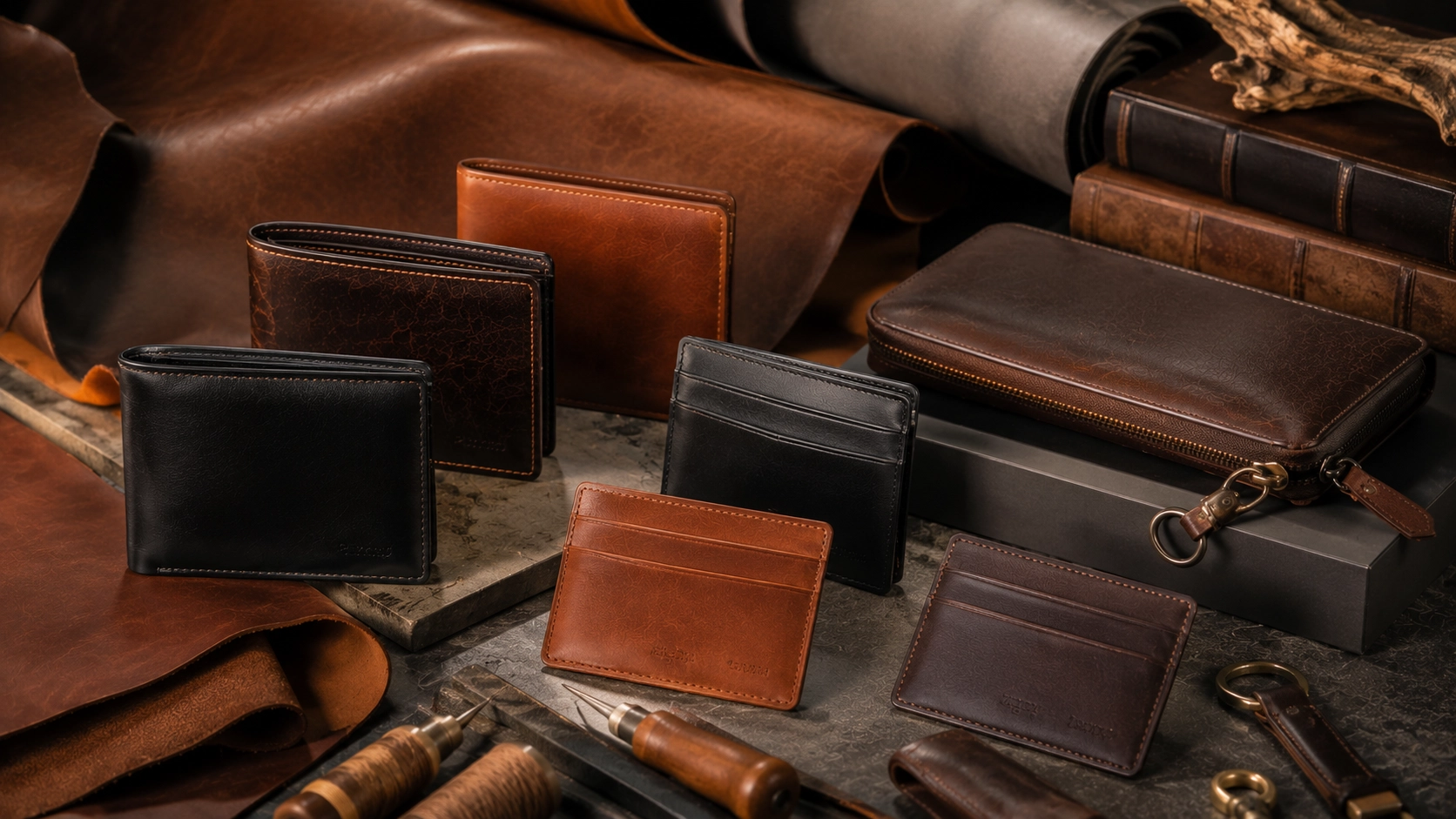
Correct documentation is essential for smooth international trade.
The exact document set depends on the transaction, transport mode, Incoterm, customs classification and buyer requirements. A typical commercial shipment may involve the following:
- Commercial invoice
- Packing list
- Purchase order
- Shipping bill or applicable export declaration
- Bill of lading or airway bill
- Certificate of origin where required
- Insurance documentation where applicable
- Product specifications
- Testing or compliance documents where applicable
- Other documents requested by customs or the buyer
The EU requires customs declarations and uses the EORI system to identify economic operators. Italian importers should ensure their customs setup is ready before the shipment arrives.
Customs Classification and Tariff Planning
Correct tariff classification is one of the most important steps in international trade.
A leather wallet should be classified according to its actual construction and applicable customs rules. Buyers should not select a tariff code simply because another supplier used it.
The classification can affect customs duty, statistical reporting and documentation requirements.
Before placing a significant order, an Italian importer should ask its customs broker to confirm the appropriate EU tariff classification for the exact wallet.
EORI, Customs Clearance and Import VAT
An EORI number is mandatory for EU customs operations such as imports, exports and transit.
The Italian importer or relevant economic operator should have the required customs registration before shipment clearance.
Import VAT is also an important component of the landed cost. The taxable amount for import VAT can include the customs value, duties and certain additional costs according to EU VAT rules.
Because VAT treatment and recovery can depend on the importer's circumstances, Italian buyers should obtain tax advice specific to their business structure.
Shipping Leather Wallets from India to Italy
Leather wallets are compact products, making them suitable for multiple transport modes.
Air Freight
Air freight is useful for urgent replenishment, samples and smaller high-value shipments. It generally offers shorter transit times but higher freight costs per unit.
Sea Freight
Sea freight is generally more attractive for larger commercial shipments where delivery speed is less critical.
Courier
Courier services can be practical for prototypes, small samples and documents. Commercial bulk orders usually require a more structured freight arrangement.
The right option depends on order quantity, required delivery date, shipment value, carton dimensions and buyer preference.
Packaging Requirements for Export Wallets
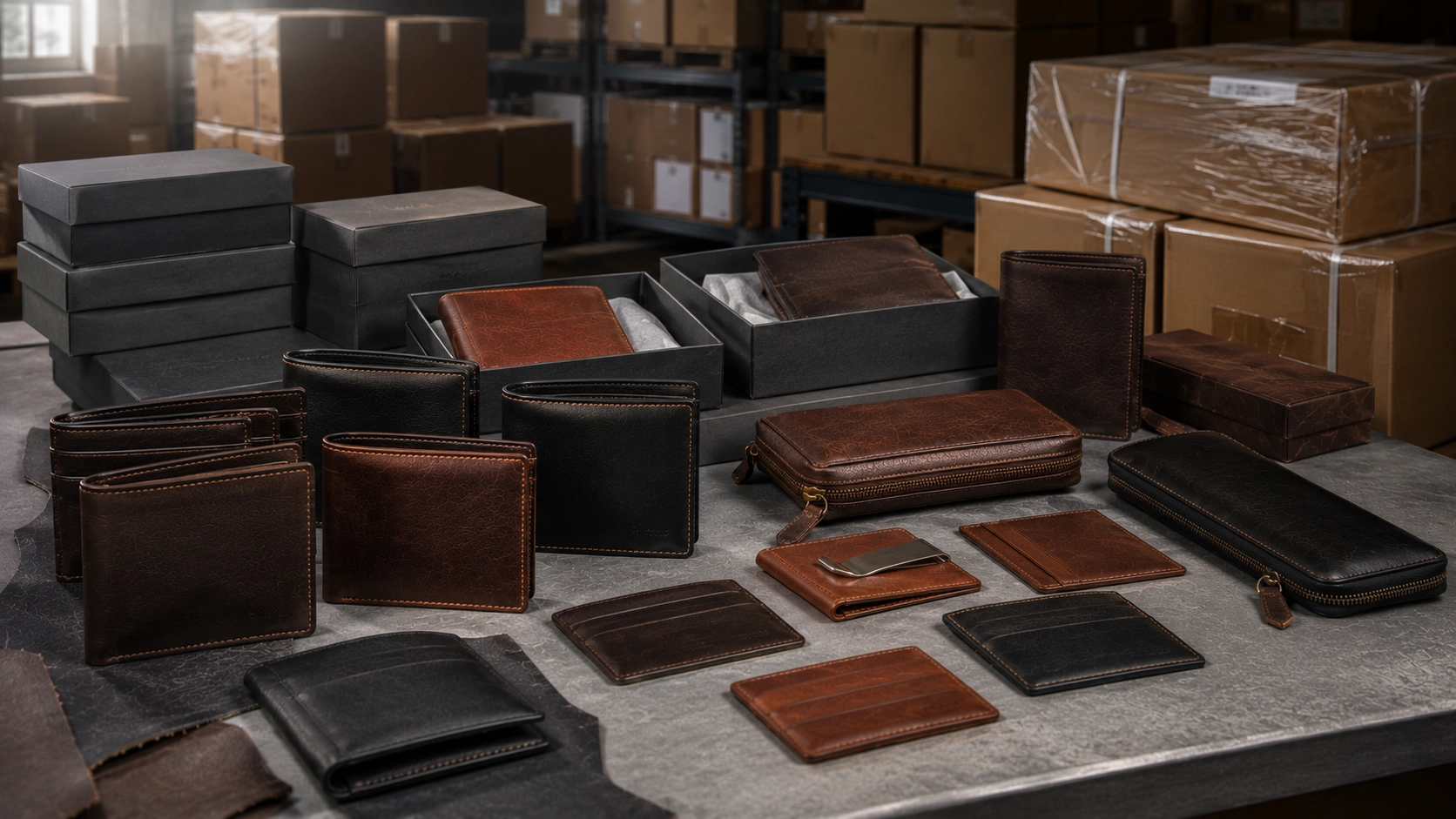
Packaging protects the product while also influencing logistics cost and retail presentation.
A professional export packaging plan should consider:
- Individual wallet protection
- Dust bags or protective sleeves
- Retail boxes where required
- Product inserts
- Barcode labels
- Master cartons
- Carton markings
- Moisture protection where appropriate
- Efficient carton dimensions
For premium Italian brands, packaging should support the positioning of the wallet without unnecessarily increasing volumetric freight costs.
Brands and Product Positioning
Exalter Global Co. operates multiple brands, while its leather-focused portfolio is represented particularly through Exalter Vachette and Brooklyn Bridge.
Exalter Vachette represents the company's premium leather goods direction, including wallets and other small leather goods. Its positioning is relevant to international buyers seeking premium manufacturing and private-label capabilities.
Brooklyn Bridge provides another leather product identity within the company's portfolio, with wallet designs covering practical everyday formats and contemporary functionality.
For B2B buyers, however, the greater opportunity is often the manufacturing capability behind the brands. A retailer or fashion label can develop its own product identity while working with the manufacturing infrastructure of Exalter Global Co.
B2B Buyer Checklist Before Placing an Order
- Define your target customer and retail positioning.
- Prepare detailed wallet specifications.
- Confirm leather grade and finish.
- Confirm colours and acceptable colour variation.
- Confirm dimensions and tolerances.
- Define interior compartments.
- Approve branding artwork.
- Confirm packaging requirements.
- Request sample development.
- Review sample quality physically.
- Confirm production MOQ.
- Confirm price and Incoterm.
- Confirm payment schedule.
- Confirm testing and compliance requirements.
- Confirm customs classification with your broker.
- Confirm EORI and importer readiness.
- Approve production specification.
- Complete pre-shipment quality inspection.
- Review export documents.
- Coordinate freight and customs clearance.
How to Evaluate an Indian Leather Wallet Exporter
Before selecting a supplier, buyers should assess five areas.
1. Manufacturing Capability
Can the supplier manufacture the wallet consistently at your required quantity?
2. Product Development
Can the supplier convert drawings, reference samples or specifications into a production-ready product?
3. Quality Systems
Does the manufacturer have a defined inspection process and clear quality criteria?
4. Export Experience
Can the supplier prepare commercial documents and coordinate international shipment requirements?
5. Communication
Can the supplier provide clear quotations, samples, production updates and documentation?
These factors are usually more important for long-term B2B success than comparing unit prices alone.
Why Italian Buyers Should Consider a Direct Manufacturing Partnership
Italy has sophisticated fashion, accessories and retail markets. Buyers therefore need suppliers capable of maintaining consistency across repeat orders.
A direct manufacturing relationship can make product revisions faster and provide better visibility into material sourcing, construction and production.
For emerging brands, it can also create a practical route from prototype to commercial production.
Exalter Global Co. positions its leather manufacturing business around this partnership model, supporting private-label, custom and bulk requirements for international buyers.
Businesses interested in reviewing available products can explore the leather wallet and leather goods collection before discussing a custom development project.
Frequently Asked Questions
Can I import leather wallets from India to Italy?
Yes. Italian businesses can source leather wallets from Indian manufacturers and import them into Italy, subject to applicable customs, tax, product safety and chemical requirements.
What is the process of importing leather wallets from India to Italy?
The process generally involves product specification, supplier selection, sample approval, quotation, purchase order, production, quality inspection, export documentation, freight, EU customs clearance and final delivery.
Can Exalter Global Co. manufacture private-label leather wallets?
Yes. Exalter Global Co. offers private-label and custom leather wallet manufacturing, including product development and branding options.
What leather wallet styles can an Indian manufacturer produce?
Common formats include bi-fold wallets, tri-fold wallets, card holders, RFID wallets, money clip wallets, coin wallets, slim wallets, ID wallets and long wallets.
Do I need an EORI number to import into Italy?
EU customs operations generally require an EORI number for the relevant economic operator. Italian importers should confirm their registration before shipment.
Are leather wallets subject to EU chemical requirements?
Yes. Leather articles can be subject to REACH restrictions, including requirements concerning chromium VI in leather articles that come into contact with skin.
How can I reduce my landed cost?
Compare complete landed cost rather than factory price. Review product specifications, order volume, packaging, Incoterms, freight mode, customs costs and taxes together.
Is a physical sample necessary?
For custom or private-label products, a physical sample is strongly recommended. It provides a clear reference for construction, dimensions, leather, colour and finishing.
Build Your India-to-Italy Leather Wallet Supply Chain
Successful leather wallet importing is built around consistency, documentation and communication.
The right leather wallet exporter from India to Italy should be able to support more than manufacturing. Product development, leather sourcing, customization, quality control, compliance coordination and export logistics should work together.
Exalter Global Co. combines leather manufacturing with export-oriented B2B support for brands, retailers, distributors and private-label businesses. Its manufacturing approach is designed to support both established buyers and companies developing new wallet collections.
For buyers ready to move from supplier research to product development, the next step is to prepare a clear specification covering leather, dimensions, construction, quantity, branding, packaging and target price.
With those details confirmed, the manufacturer can develop a more accurate quotation and sampling plan.
For an Italian buyer, the objective should not simply be to find the cheapest Indian leather wallet supplier. The objective is to build a dependable supply chain that delivers the required product, quality, compliance and commercial value on every repeat order.
To discuss custom leather wallet manufacturing, private-label production or bulk export requirements, visit the Exalter Global Co. website and connect with the leather goods manufacturing team.
Compliance note: Import requirements can change and may vary according to the exact product, materials, tariff classification, importer and sales channel. Buyers should verify current requirements with their Italian customs broker, tax adviser and relevant EU authorities before commercial shipment.
-
Sale!
RFID Protected Pull Strap Wallet for Cards & Cash
Original price was: $41.90.$15.19Current price is: $15.19.
You save -
Sale!
RFID Protected Pull Strap Leather Card Holder Wallet
Original price was: $41.90.$15.19Current price is: $15.19.
You save -
Sale!
RFID Protected Pull Strap Card Holder Wallet for Men Slim
Original price was: $41.90.$15.19Current price is: $15.19.
You save -
Sale!
RFID Protected Leather Card Holder Wallet for Men & Women
Original price was: $18.10.$6.39Current price is: $6.39.
You save -
Sale!
RFID Protected Pull Strap Card Holder Wallet for Secure Access
Original price was: $40.70.$14.79Current price is: $14.79.
You save -
Sale!
Slim RFID Protected Pull Strap Wallet for Cards & Cash
Original price was: $40.70.$14.79Current price is: $14.79.
You save -
Sale!
RFID Protected Pull Strap Card Holder Wallet for Daily Use
Original price was: $40.70.$14.79Current price is: $14.79.
You save -
Sale!
RFID Protected Card Holder Wallet for Secure Cards & Cash
Original price was: $27.30.$10.79Current price is: $10.79.
You save -
Sale!
RFID Protected Leather Card Holder Wallet with Slim Design
Original price was: $27.30.$10.79Current price is: $10.79.
You save -
Sale!
Slim RFID Protected Leather Card Holder Wallet for Cards
Original price was: $27.30.$10.79Current price is: $10.79.
You save -
Sale!
RFID Protected Leather Card Holder Wallet for Secure Cards
Original price was: $27.30.$10.79Current price is: $10.79.
You save -
Sale!
RFID Protected Genuine Leather Card Holder for Daily Use
Original price was: $27.30.$10.79Current price is: $10.79.
You save
-
Sale!
RFID Protected Pull Strap Wallet for Cards & Cash
Original price was: $41.90.$15.19Current price is: $15.19.
You save -
Sale!
RFID Protected Pull Strap Leather Card Holder Wallet
Original price was: $41.90.$15.19Current price is: $15.19.
You save -
Sale!
RFID Protected Pull Strap Card Holder Wallet for Men Slim
Original price was: $41.90.$15.19Current price is: $15.19.
You save -
Sale!
RFID Protected Leather Card Holder Wallet for Men & Women
Original price was: $18.10.$6.39Current price is: $6.39.
You save -
Sale!
RFID Protected Pull Strap Card Holder Wallet for Secure Access
Original price was: $40.70.$14.79Current price is: $14.79.
You save -
Sale!
Slim RFID Protected Pull Strap Wallet for Cards & Cash
Original price was: $40.70.$14.79Current price is: $14.79.
You save -
Sale!
RFID Protected Pull Strap Card Holder Wallet for Daily Use
Original price was: $40.70.$14.79Current price is: $14.79.
You save -
Sale!
RFID Protected Card Holder Wallet for Secure Cards & Cash
Original price was: $27.30.$10.79Current price is: $10.79.
You save -
Sale!
RFID Protected Leather Card Holder Wallet with Slim Design
Original price was: $27.30.$10.79Current price is: $10.79.
You save -
Sale!
Slim RFID Protected Leather Card Holder Wallet for Cards
Original price was: $27.30.$10.79Current price is: $10.79.
You save -
Sale!
RFID Protected Leather Card Holder Wallet for Secure Cards
Original price was: $27.30.$10.79Current price is: $10.79.
You save -
Sale!
RFID Protected Genuine Leather Card Holder for Daily Use
Original price was: $27.30.$10.79Current price is: $10.79.
You save
-
Sale!
RFID Protected Pull Strap Wallet for Cards & Cash
Original price was: $41.90.$15.19Current price is: $15.19.
You save -
Sale!
RFID Protected Pull Strap Leather Card Holder Wallet
Original price was: $41.90.$15.19Current price is: $15.19.
You save -
Sale!
RFID Protected Pull Strap Card Holder Wallet for Men Slim
Original price was: $41.90.$15.19Current price is: $15.19.
You save -
Sale!
RFID Protected Leather Card Holder Wallet for Men & Women
Original price was: $18.10.$6.39Current price is: $6.39.
You save -
Sale!
RFID Protected Pull Strap Card Holder Wallet for Secure Access
Original price was: $40.70.$14.79Current price is: $14.79.
You save -
Sale!
Slim RFID Protected Pull Strap Wallet for Cards & Cash
Original price was: $40.70.$14.79Current price is: $14.79.
You save -
Sale!
RFID Protected Pull Strap Card Holder Wallet for Daily Use
Original price was: $40.70.$14.79Current price is: $14.79.
You save -
Sale!
RFID Protected Card Holder Wallet for Secure Cards & Cash
Original price was: $27.30.$10.79Current price is: $10.79.
You save -
Sale!
RFID Protected Leather Card Holder Wallet with Slim Design
Original price was: $27.30.$10.79Current price is: $10.79.
You save -
Sale!
Slim RFID Protected Leather Card Holder Wallet for Cards
Original price was: $27.30.$10.79Current price is: $10.79.
You save -
Sale!
RFID Protected Leather Card Holder Wallet for Secure Cards
Original price was: $27.30.$10.79Current price is: $10.79.
You save -
Sale!
RFID Protected Genuine Leather Card Holder for Daily Use
Original price was: $27.30.$10.79Current price is: $10.79.
You save