
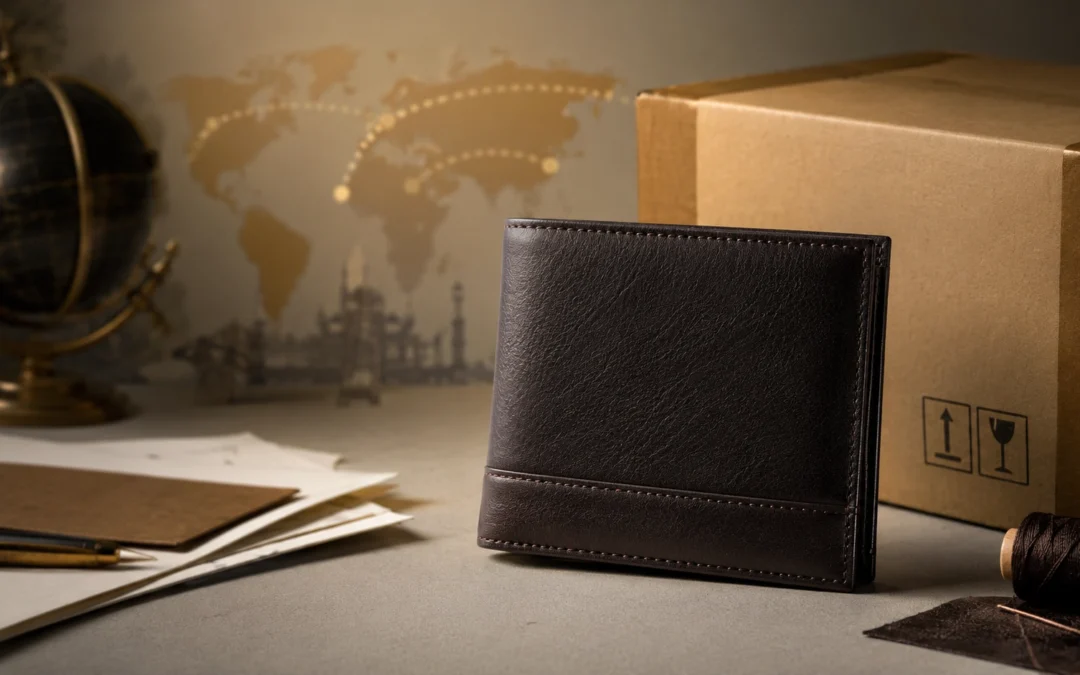
-
Sale!
RFID Protected Pull Strap Wallet for Cards & Cash
Original price was: $41.90.$15.19Current price is: $15.19.
You save -
Sale!
RFID Protected Pull Strap Leather Card Holder Wallet
Original price was: $41.90.$15.19Current price is: $15.19.
You save -
Sale!

RFID Protected Pull Strap Card Holder Wallet for Men Slim
Original price was: $41.90.$15.19Current price is: $15.19.
You save -
Sale!
RFID Protected Leather Card Holder Wallet for Men & Women
Original price was: $18.10.$6.39Current price is: $6.39.
You save -
Sale!
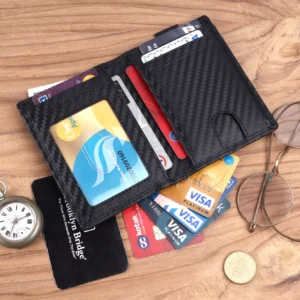
RFID Protected Pull Strap Card Holder Wallet for Secure Access
Original price was: $40.70.$14.79Current price is: $14.79.
You save -
Sale!
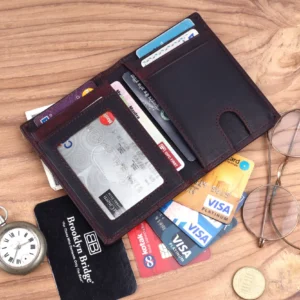
Slim RFID Protected Pull Strap Wallet for Cards & Cash
Original price was: $40.70.$14.79Current price is: $14.79.
You save -
Sale!
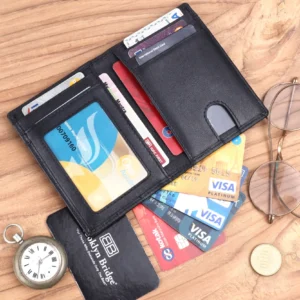
RFID Protected Pull Strap Card Holder Wallet for Daily Use
Original price was: $40.70.$14.79Current price is: $14.79.
You save -
Sale!
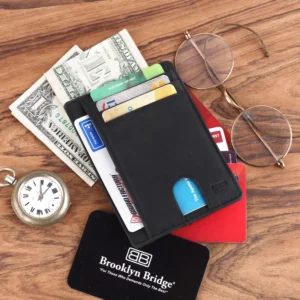
RFID Protected Card Holder Wallet for Secure Cards & Cash
Original price was: $27.30.$10.79Current price is: $10.79.
You save -
Sale!
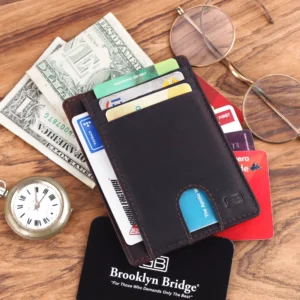
RFID Protected Leather Card Holder Wallet with Slim Design
Original price was: $27.30.$10.79Current price is: $10.79.
You save -
Sale!
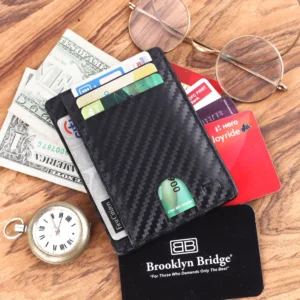
Slim RFID Protected Leather Card Holder Wallet for Cards
Original price was: $27.30.$10.79Current price is: $10.79.
You save -
Sale!

RFID Protected Leather Card Holder Wallet for Secure Cards
Original price was: $27.30.$10.79Current price is: $10.79.
You save -
Sale!
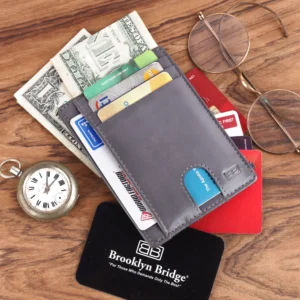
RFID Protected Genuine Leather Card Holder for Daily Use
Original price was: $27.30.$10.79Current price is: $10.79.
You save
-
Sale!
RFID Protected Pull Strap Wallet for Cards & Cash
Original price was: $41.90.$15.19Current price is: $15.19.
You save -
Sale!
RFID Protected Pull Strap Leather Card Holder Wallet
Original price was: $41.90.$15.19Current price is: $15.19.
You save -
Sale!
RFID Protected Pull Strap Card Holder Wallet for Men Slim
Original price was: $41.90.$15.19Current price is: $15.19.
You save -
Sale!
RFID Protected Leather Card Holder Wallet for Men & Women
Original price was: $18.10.$6.39Current price is: $6.39.
You save -
Sale!
RFID Protected Pull Strap Card Holder Wallet for Secure Access
Original price was: $40.70.$14.79Current price is: $14.79.
You save -
Sale!
Slim RFID Protected Pull Strap Wallet for Cards & Cash
Original price was: $40.70.$14.79Current price is: $14.79.
You save -
Sale!
RFID Protected Pull Strap Card Holder Wallet for Daily Use
Original price was: $40.70.$14.79Current price is: $14.79.
You save -
Sale!
RFID Protected Card Holder Wallet for Secure Cards & Cash
Original price was: $27.30.$10.79Current price is: $10.79.
You save -
Sale!
RFID Protected Leather Card Holder Wallet with Slim Design
Original price was: $27.30.$10.79Current price is: $10.79.
You save -
Sale!
Slim RFID Protected Leather Card Holder Wallet for Cards
Original price was: $27.30.$10.79Current price is: $10.79.
You save -
Sale!
RFID Protected Leather Card Holder Wallet for Secure Cards
Original price was: $27.30.$10.79Current price is: $10.79.
You save -
Sale!
RFID Protected Genuine Leather Card Holder for Daily Use
Original price was: $27.30.$10.79Current price is: $10.79.
You save
-
Sale!
RFID Protected Pull Strap Wallet for Cards & Cash
Original price was: $41.90.$15.19Current price is: $15.19.
You save -
Sale!
RFID Protected Pull Strap Leather Card Holder Wallet
Original price was: $41.90.$15.19Current price is: $15.19.
You save -
Sale!
RFID Protected Pull Strap Card Holder Wallet for Men Slim
Original price was: $41.90.$15.19Current price is: $15.19.
You save -
Sale!
RFID Protected Leather Card Holder Wallet for Men & Women
Original price was: $18.10.$6.39Current price is: $6.39.
You save -
Sale!
RFID Protected Pull Strap Card Holder Wallet for Secure Access
Original price was: $40.70.$14.79Current price is: $14.79.
You save -
Sale!
Slim RFID Protected Pull Strap Wallet for Cards & Cash
Original price was: $40.70.$14.79Current price is: $14.79.
You save -
Sale!
RFID Protected Pull Strap Card Holder Wallet for Daily Use
Original price was: $40.70.$14.79Current price is: $14.79.
You save -
Sale!
RFID Protected Card Holder Wallet for Secure Cards & Cash
Original price was: $27.30.$10.79Current price is: $10.79.
You save -
Sale!
RFID Protected Leather Card Holder Wallet with Slim Design
Original price was: $27.30.$10.79Current price is: $10.79.
You save -
Sale!
Slim RFID Protected Leather Card Holder Wallet for Cards
Original price was: $27.30.$10.79Current price is: $10.79.
You save -
Sale!
RFID Protected Leather Card Holder Wallet for Secure Cards
Original price was: $27.30.$10.79Current price is: $10.79.
You save -
Sale!
RFID Protected Genuine Leather Card Holder for Daily Use
Original price was: $27.30.$10.79Current price is: $10.79.
You save
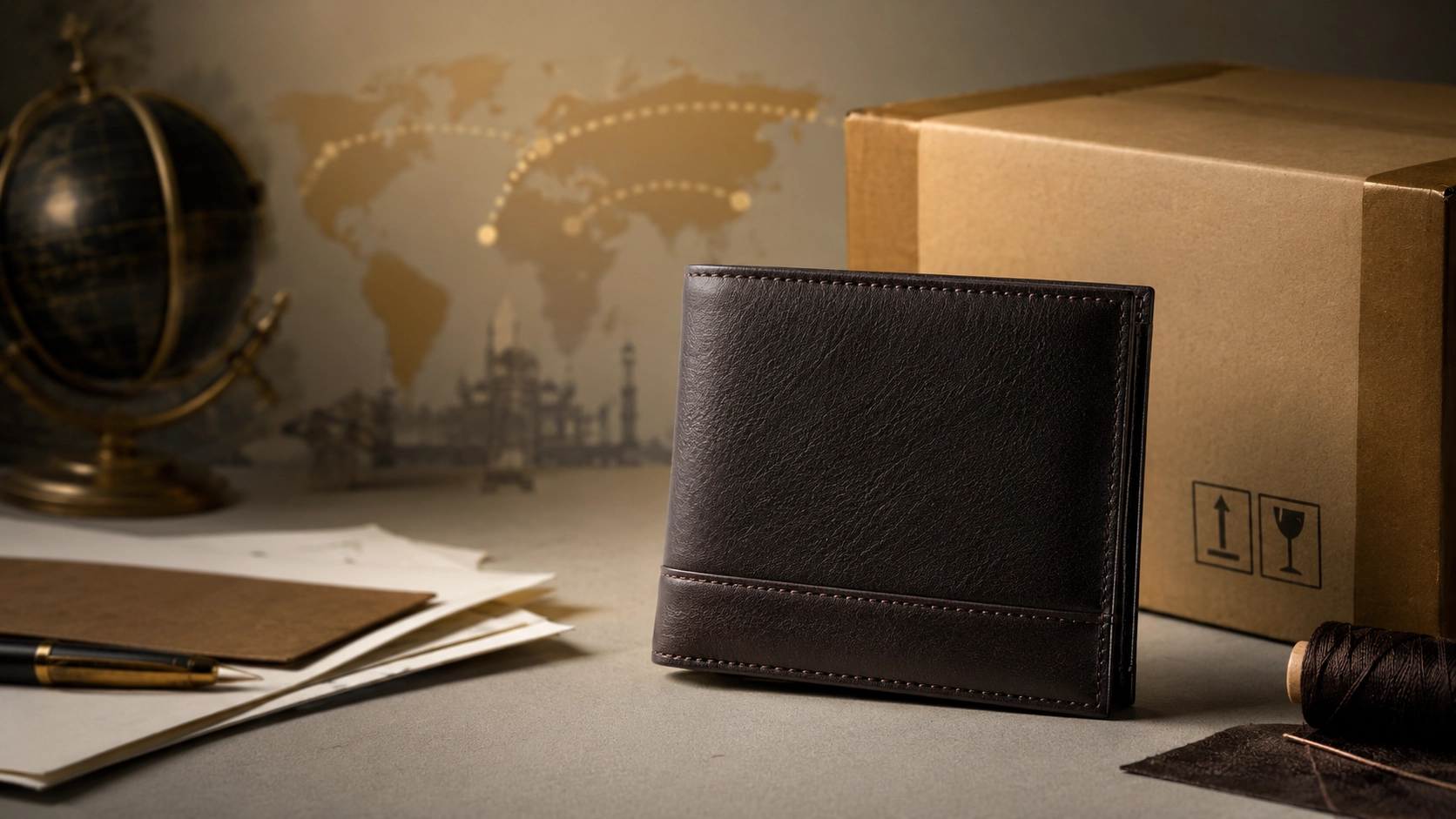
Table of Contents
Leather Wallet Exporter from India to Netherlands: Complete B2B Buying Guide
Buying leather wallets from India can offer strong value, craftsmanship, customization, and scalable production. However, the right supplier must understand more than leather and stitching.
For Dutch importers, retailers, distributors, corporate buyers, and private-label brands, sourcing success depends on product quality, specifications, compliance, pricing, documentation, packaging, and reliable export execution.
Exalter Global Co. supports international buyers with leather wallet manufacturing, private-label development, customization, sampling, production, quality control, and export coordination from India.
How to source leather wallets from India for the Netherlands?
The most reliable approach is to define the product specification, shortlist an experienced Indian manufacturer, review leather and construction standards, approve a sample, confirm commercial terms, and then move into controlled bulk production.
- Define the wallet design, leather, dimensions, features, colors, and branding.
- Shortlist an experienced leather wallet manufacturer in India.
- Request product specifications, MOQ, samples, customization options, and pricing.
- Evaluate stitching, leather consistency, edge finishing, hardware, lining, and functionality.
- Confirm packaging and labeling requirements for the Netherlands.
- Agree on payment terms, Incoterms, shipping method, and export documents.
- Approve the pre-production sample before bulk manufacturing.
- Complete final inspection, packing, customs documentation, and shipment.
For buyers looking for a direct manufacturing partner, Exalter Global Co.'s leather wallet manufacturing capability covers bulk export, private label, and custom wallet production.
Why source leather wallets from India?
India has a long-established leather goods manufacturing ecosystem. Buyers can access a broad range of leather types, construction methods, finishing techniques, and production capabilities.
For B2B buyers, the main advantage is flexibility. A capable Indian supplier can support standard collections, custom designs, private-label programs, promotional wallets, corporate gifting, and retailer-specific products.
The objective should not be finding the lowest factory price. The objective is finding the best combination of quality, consistency, customization, lead time, documentation, and landed cost.
Why Exalter Global Co. is relevant for Dutch B2B buyers
Exalter Global Co. operates as a leather goods manufacturing and export partner serving international markets. Its manufacturing focus includes wallets, bags, belts, accessories, and custom leather products.
The company's wallet manufacturing operation supports export-quality production, private labeling, custom development, and scalable orders. Buyers can review the dedicated leather wallet manufacturer and bulk export range before discussing a project.
Exalter Global Co. states that its manufacturing experience spans more than 40 years, with exports to more than 25 countries and significant production capacity. These capabilities are particularly relevant when a buyer needs repeatable quality across multiple purchase orders.
The company also presents certifications, memberships, and compliance credentials on its manufacturing profile. Buyers should still request the documentation relevant to their exact product and destination market before placing an order.
What should a Dutch buyer specify before requesting a quotation?
A detailed specification prevents price misunderstandings and reduces development revisions. Send the supplier a clear technical brief rather than only a product photograph.
| Specification | What to define |
|---|---|
| Leather | Leather type, grain, thickness, finish, color, and tanning preference |
| Construction | Bifold, trifold, card holder, money clip, travel wallet, or custom structure |
| Capacity | Card slots, cash compartments, ID window, coin pocket, and other storage |
| Branding | Debossing, embossing, foil, printed logo, woven label, or metal branding |
| Hardware | Color, finish, dimensions, clip type, zipper, snap, or other components |
| Packaging | Individual box, sleeve, pouch, insert, barcode, carton, and master packaging |
Choosing the right leather wallet construction
The correct construction depends on the customer's buying profile. A minimalist retailer may prioritize slim card holders. A business accessories brand may prefer classic bifold wallets. Travel-focused collections may require RFID functionality and additional organization.
Exalter Global Co. offers multiple wallet formats, including bifold, trifold, card holder, RFID, money clip, coin pocket, and slim wallet designs.
For example, buyers can review an Exalter Vachette RFID protected leather wallet with ID window as a reference for organized storage and private-label development.
Leather quality: what B2B buyers should inspect
Leather quality is more than visual appearance. A professional buyer should evaluate consistency across the complete production lot.
- Leather thickness and firmness.
- Surface consistency and natural grain.
- Color consistency between panels.
- Finish adhesion and resistance to normal handling.
- Flexibility around folds and stress points.
- Edge finishing and burnishing quality.
- Odor and overall material condition.
- Consistency between approved sample and bulk production.
If your brand requires a particular leather specification, document it in writing. Terms such as genuine leather, full-grain, top-grain, vegetable-tanned, Nappa, or vintage leather should be tied to an agreed specification.
This prevents different interpretations between buyer and supplier.
Quality control should begin before production
Quality control is strongest when it is built into the process. It should not begin only when finished cartons are ready for shipment.
At Exalter Global Co., buyers can discuss specifications, samples, customization, manufacturing requirements, and export conditions before confirming production.
A practical B2B quality process includes material approval, sample approval, production monitoring, dimensional checks, workmanship inspection, packaging verification, and final inspection.
Key takeaway for Netherlands buyers
The best Indian leather wallet supplier for the Netherlands should operate as a production partner rather than simply a trading intermediary.
Look for manufacturing capability, transparent specifications, repeatable quality, customization support, export experience, and clear commercial documentation.

-
Sale!
RFID Protected Pull Strap Wallet for Cards & Cash
Original price was: $41.90.$15.19Current price is: $15.19.
You save -
Sale!
RFID Protected Pull Strap Leather Card Holder Wallet
Original price was: $41.90.$15.19Current price is: $15.19.
You save -
Sale!
RFID Protected Pull Strap Card Holder Wallet for Men Slim
Original price was: $41.90.$15.19Current price is: $15.19.
You save -
Sale!
RFID Protected Leather Card Holder Wallet for Men & Women
Original price was: $18.10.$6.39Current price is: $6.39.
You save -
Sale!
RFID Protected Pull Strap Card Holder Wallet for Secure Access
Original price was: $40.70.$14.79Current price is: $14.79.
You save -
Sale!
Slim RFID Protected Pull Strap Wallet for Cards & Cash
Original price was: $40.70.$14.79Current price is: $14.79.
You save -
Sale!
RFID Protected Pull Strap Card Holder Wallet for Daily Use
Original price was: $40.70.$14.79Current price is: $14.79.
You save -
Sale!
RFID Protected Card Holder Wallet for Secure Cards & Cash
Original price was: $27.30.$10.79Current price is: $10.79.
You save -
Sale!
RFID Protected Leather Card Holder Wallet with Slim Design
Original price was: $27.30.$10.79Current price is: $10.79.
You save -
Sale!
Slim RFID Protected Leather Card Holder Wallet for Cards
Original price was: $27.30.$10.79Current price is: $10.79.
You save -
Sale!
RFID Protected Leather Card Holder Wallet for Secure Cards
Original price was: $27.30.$10.79Current price is: $10.79.
You save -
Sale!
RFID Protected Genuine Leather Card Holder for Daily Use
Original price was: $27.30.$10.79Current price is: $10.79.
You save
-
Sale!
RFID Protected Pull Strap Wallet for Cards & Cash
Original price was: $41.90.$15.19Current price is: $15.19.
You save -
Sale!
RFID Protected Pull Strap Leather Card Holder Wallet
Original price was: $41.90.$15.19Current price is: $15.19.
You save -
Sale!
RFID Protected Pull Strap Card Holder Wallet for Men Slim
Original price was: $41.90.$15.19Current price is: $15.19.
You save -
Sale!
RFID Protected Leather Card Holder Wallet for Men & Women
Original price was: $18.10.$6.39Current price is: $6.39.
You save -
Sale!
RFID Protected Pull Strap Card Holder Wallet for Secure Access
Original price was: $40.70.$14.79Current price is: $14.79.
You save -
Sale!
Slim RFID Protected Pull Strap Wallet for Cards & Cash
Original price was: $40.70.$14.79Current price is: $14.79.
You save -
Sale!
RFID Protected Pull Strap Card Holder Wallet for Daily Use
Original price was: $40.70.$14.79Current price is: $14.79.
You save -
Sale!
RFID Protected Card Holder Wallet for Secure Cards & Cash
Original price was: $27.30.$10.79Current price is: $10.79.
You save -
Sale!
RFID Protected Leather Card Holder Wallet with Slim Design
Original price was: $27.30.$10.79Current price is: $10.79.
You save -
Sale!
Slim RFID Protected Leather Card Holder Wallet for Cards
Original price was: $27.30.$10.79Current price is: $10.79.
You save -
Sale!
RFID Protected Leather Card Holder Wallet for Secure Cards
Original price was: $27.30.$10.79Current price is: $10.79.
You save -
Sale!
RFID Protected Genuine Leather Card Holder for Daily Use
Original price was: $27.30.$10.79Current price is: $10.79.
You save
-
Sale!
RFID Protected Pull Strap Wallet for Cards & Cash
Original price was: $41.90.$15.19Current price is: $15.19.
You save -
Sale!
RFID Protected Pull Strap Leather Card Holder Wallet
Original price was: $41.90.$15.19Current price is: $15.19.
You save -
Sale!
RFID Protected Pull Strap Card Holder Wallet for Men Slim
Original price was: $41.90.$15.19Current price is: $15.19.
You save -
Sale!
RFID Protected Leather Card Holder Wallet for Men & Women
Original price was: $18.10.$6.39Current price is: $6.39.
You save -
Sale!
RFID Protected Pull Strap Card Holder Wallet for Secure Access
Original price was: $40.70.$14.79Current price is: $14.79.
You save -
Sale!
Slim RFID Protected Pull Strap Wallet for Cards & Cash
Original price was: $40.70.$14.79Current price is: $14.79.
You save -
Sale!
RFID Protected Pull Strap Card Holder Wallet for Daily Use
Original price was: $40.70.$14.79Current price is: $14.79.
You save -
Sale!
RFID Protected Card Holder Wallet for Secure Cards & Cash
Original price was: $27.30.$10.79Current price is: $10.79.
You save -
Sale!
RFID Protected Leather Card Holder Wallet with Slim Design
Original price was: $27.30.$10.79Current price is: $10.79.
You save -
Sale!
Slim RFID Protected Leather Card Holder Wallet for Cards
Original price was: $27.30.$10.79Current price is: $10.79.
You save -
Sale!
RFID Protected Leather Card Holder Wallet for Secure Cards
Original price was: $27.30.$10.79Current price is: $10.79.
You save -
Sale!
RFID Protected Genuine Leather Card Holder for Daily Use
Original price was: $27.30.$10.79Current price is: $10.79.
You save
-
Sale!
RFID Protected Pull Strap Wallet for Cards & Cash
Original price was: $41.90.$15.19Current price is: $15.19.
You save -
Sale!
RFID Protected Pull Strap Leather Card Holder Wallet
Original price was: $41.90.$15.19Current price is: $15.19.
You save -
Sale!
RFID Protected Pull Strap Card Holder Wallet for Men Slim
Original price was: $41.90.$15.19Current price is: $15.19.
You save -
Sale!
RFID Protected Leather Card Holder Wallet for Men & Women
Original price was: $18.10.$6.39Current price is: $6.39.
You save
-
Sale!
RFID Protected Pull Strap Wallet for Cards & Cash
Original price was: $41.90.$15.19Current price is: $15.19.
You save -
Sale!
RFID Protected Pull Strap Leather Card Holder Wallet
Original price was: $41.90.$15.19Current price is: $15.19.
You save -
Sale!
RFID Protected Pull Strap Card Holder Wallet for Men Slim
Original price was: $41.90.$15.19Current price is: $15.19.
You save -
Sale!
RFID Protected Leather Card Holder Wallet for Men & Women
Original price was: $18.10.$6.39Current price is: $6.39.
You save
-
Sale!
RFID Protected Pull Strap Wallet for Cards & Cash
Original price was: $41.90.$15.19Current price is: $15.19.
You save -
Sale!
RFID Protected Pull Strap Leather Card Holder Wallet
Original price was: $41.90.$15.19Current price is: $15.19.
You save -
Sale!
RFID Protected Pull Strap Card Holder Wallet for Men Slim
Original price was: $41.90.$15.19Current price is: $15.19.
You save -
Sale!
RFID Protected Leather Card Holder Wallet for Men & Women
Original price was: $18.10.$6.39Current price is: $6.39.
You save
-
Sale!
RFID Protected Pull Strap Wallet for Cards & Cash
Original price was: $41.90.$15.19Current price is: $15.19.
You save -
Sale!
RFID Protected Pull Strap Leather Card Holder Wallet
Original price was: $41.90.$15.19Current price is: $15.19.
You save -
Sale!
RFID Protected Pull Strap Card Holder Wallet for Men Slim
Original price was: $41.90.$15.19Current price is: $15.19.
You save -
Sale!
RFID Protected Leather Card Holder Wallet for Men & Women
Original price was: $18.10.$6.39Current price is: $6.39.
You save -
Sale!
RFID Protected Pull Strap Card Holder Wallet for Secure Access
Original price was: $40.70.$14.79Current price is: $14.79.
You save -
Sale!
Slim RFID Protected Pull Strap Wallet for Cards & Cash
Original price was: $40.70.$14.79Current price is: $14.79.
You save -
Sale!
RFID Protected Pull Strap Card Holder Wallet for Daily Use
Original price was: $40.70.$14.79Current price is: $14.79.
You save -
Sale!
RFID Protected Card Holder Wallet for Secure Cards & Cash
Original price was: $27.30.$10.79Current price is: $10.79.
You save -
Sale!
RFID Protected Leather Card Holder Wallet with Slim Design
Original price was: $27.30.$10.79Current price is: $10.79.
You save -
Sale!
Slim RFID Protected Leather Card Holder Wallet for Cards
Original price was: $27.30.$10.79Current price is: $10.79.
You save -
Sale!
RFID Protected Leather Card Holder Wallet for Secure Cards
Original price was: $27.30.$10.79Current price is: $10.79.
You save -
Sale!
RFID Protected Genuine Leather Card Holder for Daily Use
Original price was: $27.30.$10.79Current price is: $10.79.
You save
-
Sale!
RFID Protected Pull Strap Wallet for Cards & Cash
Original price was: $41.90.$15.19Current price is: $15.19.
You save -
Sale!
RFID Protected Pull Strap Leather Card Holder Wallet
Original price was: $41.90.$15.19Current price is: $15.19.
You save -
Sale!
RFID Protected Pull Strap Card Holder Wallet for Men Slim
Original price was: $41.90.$15.19Current price is: $15.19.
You save -
Sale!
RFID Protected Leather Card Holder Wallet for Men & Women
Original price was: $18.10.$6.39Current price is: $6.39.
You save -
Sale!
RFID Protected Pull Strap Card Holder Wallet for Secure Access
Original price was: $40.70.$14.79Current price is: $14.79.
You save -
Sale!
Slim RFID Protected Pull Strap Wallet for Cards & Cash
Original price was: $40.70.$14.79Current price is: $14.79.
You save -
Sale!
RFID Protected Pull Strap Card Holder Wallet for Daily Use
Original price was: $40.70.$14.79Current price is: $14.79.
You save -
Sale!
RFID Protected Card Holder Wallet for Secure Cards & Cash
Original price was: $27.30.$10.79Current price is: $10.79.
You save -
Sale!
RFID Protected Leather Card Holder Wallet with Slim Design
Original price was: $27.30.$10.79Current price is: $10.79.
You save -
Sale!
Slim RFID Protected Leather Card Holder Wallet for Cards
Original price was: $27.30.$10.79Current price is: $10.79.
You save -
Sale!
RFID Protected Leather Card Holder Wallet for Secure Cards
Original price was: $27.30.$10.79Current price is: $10.79.
You save -
Sale!
RFID Protected Genuine Leather Card Holder for Daily Use
Original price was: $27.30.$10.79Current price is: $10.79.
You save
-
Sale!
RFID Protected Pull Strap Wallet for Cards & Cash
Original price was: $41.90.$15.19Current price is: $15.19.
You save -
Sale!
RFID Protected Pull Strap Leather Card Holder Wallet
Original price was: $41.90.$15.19Current price is: $15.19.
You save -
Sale!
RFID Protected Pull Strap Card Holder Wallet for Men Slim
Original price was: $41.90.$15.19Current price is: $15.19.
You save -
Sale!
RFID Protected Leather Card Holder Wallet for Men & Women
Original price was: $18.10.$6.39Current price is: $6.39.
You save -
Sale!
RFID Protected Pull Strap Card Holder Wallet for Secure Access
Original price was: $40.70.$14.79Current price is: $14.79.
You save -
Sale!
Slim RFID Protected Pull Strap Wallet for Cards & Cash
Original price was: $40.70.$14.79Current price is: $14.79.
You save -
Sale!
RFID Protected Pull Strap Card Holder Wallet for Daily Use
Original price was: $40.70.$14.79Current price is: $14.79.
You save -
Sale!
RFID Protected Card Holder Wallet for Secure Cards & Cash
Original price was: $27.30.$10.79Current price is: $10.79.
You save -
Sale!
RFID Protected Leather Card Holder Wallet with Slim Design
Original price was: $27.30.$10.79Current price is: $10.79.
You save -
Sale!
Slim RFID Protected Leather Card Holder Wallet for Cards
Original price was: $27.30.$10.79Current price is: $10.79.
You save -
Sale!
RFID Protected Leather Card Holder Wallet for Secure Cards
Original price was: $27.30.$10.79Current price is: $10.79.
You save -
Sale!
RFID Protected Genuine Leather Card Holder for Daily Use
Original price was: $27.30.$10.79Current price is: $10.79.
You save
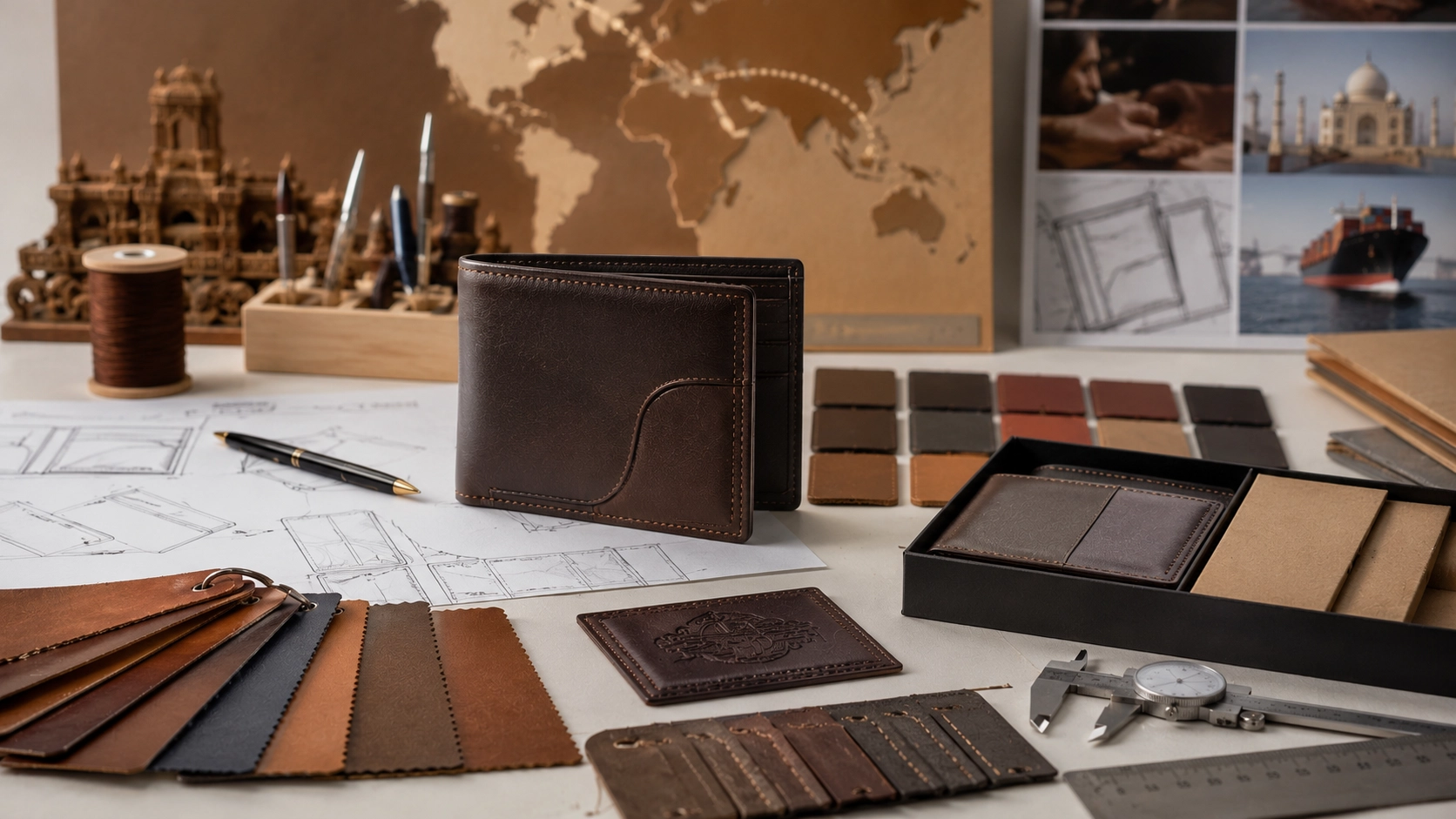
MOQ and customization when buying from an Indian leather wallet supplier
MOQ is one of the first commercial questions buyers ask. However, MOQ should always be evaluated against the degree of customization.
A standard wallet already in production may have different commercial requirements from a completely new design with custom tooling, packaging, hardware, and branding.
Exalter Global Co. publishes a standard and customized MOQ of 50 pieces for certain wallet models. The actual MOQ and pricing should be confirmed against the buyer's final specification.
Common customization options
- Custom logo debossing or embossing.
- Foil branding.
- Custom leather colors.
- Custom stitching colors.
- Custom lining and interior construction.
- Custom RFID protection.
- Custom card slot configuration.
- Custom hardware.
- Custom packaging.
- Custom inserts and brand literature.
For complex projects, provide technical drawings, dimensions, reference samples, artwork files, material requirements, and packaging specifications.
Exalter Global Co. supports minor customization, drawing-based development, sample-based replication, and full product customization. Buyers should request a project-specific quotation because tooling and development requirements can affect cost.
Sampling: the most important step before bulk production
Never approve a large production run from photographs alone when the product is customized.
A physical sample provides an opportunity to check dimensions, leather hand feel, construction, card capacity, stitching, edge finishing, branding, hardware, packaging, and functionality.
Sample approval checklist
- Confirm finished dimensions.
- Check leather thickness and appearance.
- Test card insertion and removal.
- Test cash compartment capacity.
- Check stitching density and alignment.
- Inspect edges and folded areas.
- Verify logo placement and size.
- Check hardware color and operation.
- Review lining and internal construction.
- Approve packaging and labeling.
Keep an approved reference sample or signed specification sheet. It becomes a useful benchmark for subsequent production orders.
Pricing: how Indian leather wallet export prices are calculated
There is no single correct price for a leather wallet. The final quotation depends on the product specification and commercial structure.
| Cost factor | Typical impact |
|---|---|
| Leather | Leather grade, finish, thickness, yield, and color affect cost. |
| Construction | More components and operations increase labor and material use. |
| Branding | Special branding methods can require tooling and additional processing. |
| Packaging | Premium boxes and customized retail packaging increase unit cost. |
| Quantity | Higher volumes can improve production efficiency and pricing. |
| Shipping | Air, courier, sea freight, destination charges, and Incoterms affect landed cost. |
Compare landed cost, not just factory price
A low ex-factory quotation may not produce the lowest landed cost.
Dutch buyers should compare product price, packaging, freight, insurance where applicable, customs charges, import duties, import VAT, customs clearance, and local delivery.
For imports from outside the European Union, Dutch authorities state that an import declaration is generally required and import duties and VAT may apply. The actual duty depends on the applicable tariff classification.
Before ordering, the buyer should confirm the correct HS or TARIC classification with the customs broker or relevant customs authority.
Packaging requirements for Netherlands-bound shipments
Packaging protects both the product and the buyer's brand reputation.
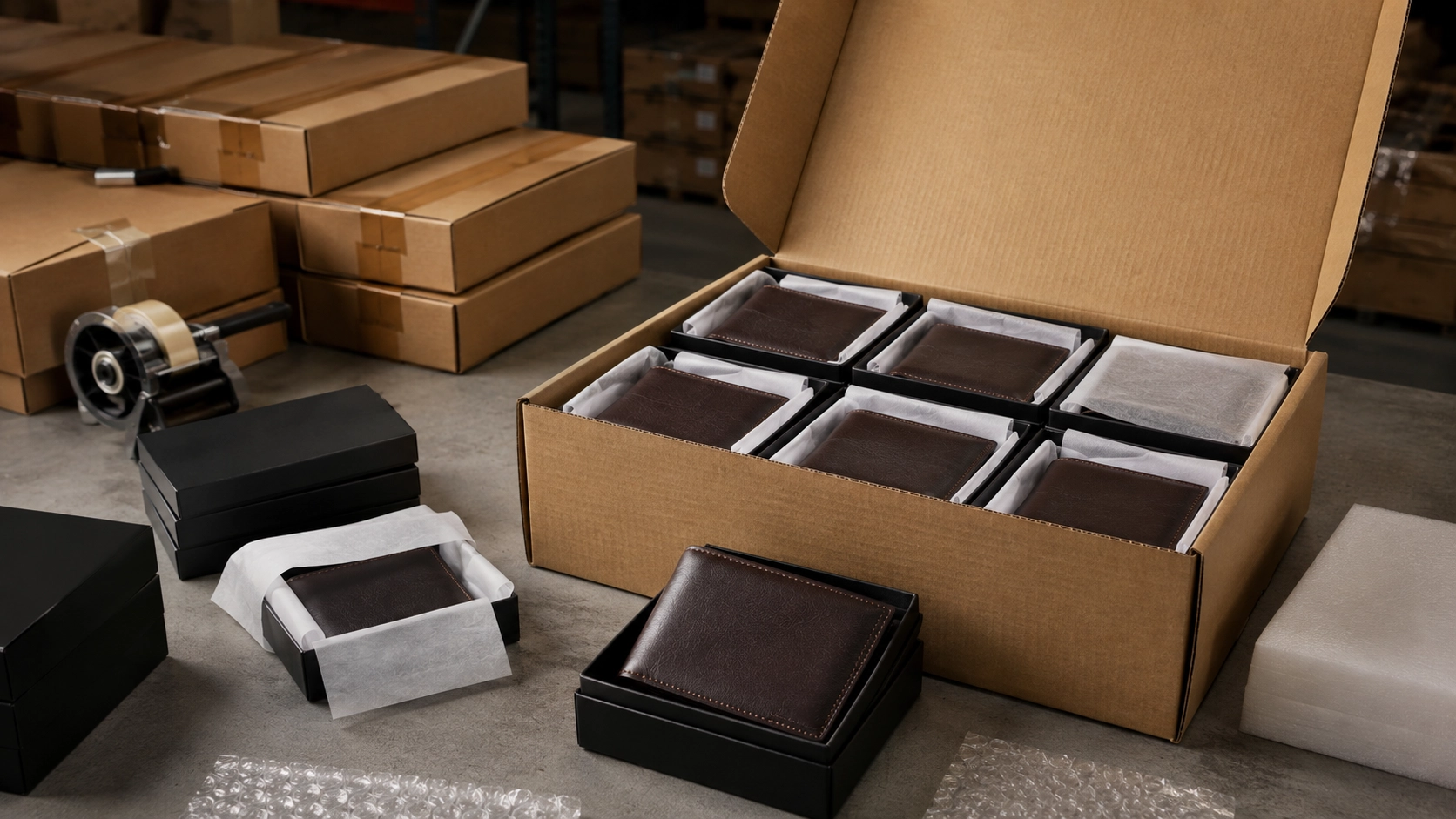
For leather wallets, individual packaging can include a branded box, sleeve, pouch, tissue, insert, barcode label, care information, or product card.
Master cartons should be strong enough for international handling. Carton dimensions and packing quantities should be optimized to control volumetric freight costs.
Dutch importers should also review applicable packaging and packaging-waste obligations for their specific business model and market placement.
Compliance considerations for leather wallets entering the Netherlands
The Netherlands is part of the European Union. Products imported from India therefore need to satisfy applicable EU and Dutch requirements.
Leather articles can raise chemical compliance considerations. For example, EU REACH restrictions address chromium VI in certain leather articles that come into contact with skin. Buyers should identify applicable requirements for their exact product and intended use.
For destination-market compliance, a buyer should request relevant material information and test reports when required by the product specification, customer, or applicable regulation.
Useful official resources include the European Chemicals Agency for REACH information and Access2Markets for EU import requirements and tariff information.
Documents commonly involved in an India to Netherlands shipment
The exact document set depends on the transaction, shipping method, product, and agreed Incoterm.
- Commercial invoice.
- Packing list.
- Transport document such as airway bill or bill of lading.
- Country of origin documentation where applicable.
- Export customs documentation.
- Product or material compliance documentation where required.
- Insurance documentation where applicable.
- Purchase order and agreed commercial terms.
For practical planning, buyers can review Exalter Global Co.'s sales and export trading conditions before finalizing commercial arrangements.
Which Exalter Global Co. collections can buyers consider?
Exalter Global Co. provides both its own manufacturing programs and branded product collections that can help buyers evaluate construction and design direction.
Exalter Vachette focuses on premium leather goods and includes wallets suitable for modern business, everyday, travel, and gifting applications. Buyers can explore the Exalter Vachette leather goods collection for product references.
Brooklyn Bridge provides another product direction, including practical leather wallets with RFID protection, card organization, cash storage, and everyday functionality. A representative Brooklyn Bridge leather bifold wallet with coin pocket can be used as a reference when discussing a similar project.
The branded collections are useful references, while B2B buyers can discuss private-label and custom development directly with Exalter Global Co.
How to evaluate an Indian leather wallet manufacturer
- Manufacturing capability: Confirm whether production is handled in-house or through third parties.
- Export experience: Ask about destination markets and documentation processes.
- Product consistency: Review how the supplier controls repeated production.
- Customization: Confirm logo, leather, construction, hardware, and packaging capabilities.
- Sampling: Establish a clear sample approval procedure.
- Quality control: Define inspection points before production.
- Communication: Ensure specifications and revisions are documented.
- Commercial transparency: Confirm MOQ, tooling, payment, lead time, shipping, and Incoterms.
-
Sale!
RFID Protected Pull Strap Wallet for Cards & Cash
Original price was: $41.90.$15.19Current price is: $15.19.
You save -
Sale!
RFID Protected Pull Strap Leather Card Holder Wallet
Original price was: $41.90.$15.19Current price is: $15.19.
You save -
Sale!
RFID Protected Pull Strap Card Holder Wallet for Men Slim
Original price was: $41.90.$15.19Current price is: $15.19.
You save -
Sale!
RFID Protected Leather Card Holder Wallet for Men & Women
Original price was: $18.10.$6.39Current price is: $6.39.
You save -
Sale!
RFID Protected Pull Strap Card Holder Wallet for Secure Access
Original price was: $40.70.$14.79Current price is: $14.79.
You save -
Sale!
Slim RFID Protected Pull Strap Wallet for Cards & Cash
Original price was: $40.70.$14.79Current price is: $14.79.
You save -
Sale!
RFID Protected Pull Strap Card Holder Wallet for Daily Use
Original price was: $40.70.$14.79Current price is: $14.79.
You save -
Sale!
RFID Protected Card Holder Wallet for Secure Cards & Cash
Original price was: $27.30.$10.79Current price is: $10.79.
You save -
Sale!
RFID Protected Leather Card Holder Wallet with Slim Design
Original price was: $27.30.$10.79Current price is: $10.79.
You save -
Sale!
Slim RFID Protected Leather Card Holder Wallet for Cards
Original price was: $27.30.$10.79Current price is: $10.79.
You save -
Sale!
RFID Protected Leather Card Holder Wallet for Secure Cards
Original price was: $27.30.$10.79Current price is: $10.79.
You save -
Sale!
RFID Protected Genuine Leather Card Holder for Daily Use
Original price was: $27.30.$10.79Current price is: $10.79.
You save
-
Sale!
RFID Protected Pull Strap Wallet for Cards & Cash
Original price was: $41.90.$15.19Current price is: $15.19.
You save -
Sale!
RFID Protected Pull Strap Leather Card Holder Wallet
Original price was: $41.90.$15.19Current price is: $15.19.
You save -
Sale!
RFID Protected Pull Strap Card Holder Wallet for Men Slim
Original price was: $41.90.$15.19Current price is: $15.19.
You save -
Sale!
RFID Protected Leather Card Holder Wallet for Men & Women
Original price was: $18.10.$6.39Current price is: $6.39.
You save -
Sale!
RFID Protected Pull Strap Card Holder Wallet for Secure Access
Original price was: $40.70.$14.79Current price is: $14.79.
You save -
Sale!
Slim RFID Protected Pull Strap Wallet for Cards & Cash
Original price was: $40.70.$14.79Current price is: $14.79.
You save -
Sale!
RFID Protected Pull Strap Card Holder Wallet for Daily Use
Original price was: $40.70.$14.79Current price is: $14.79.
You save -
Sale!
RFID Protected Card Holder Wallet for Secure Cards & Cash
Original price was: $27.30.$10.79Current price is: $10.79.
You save -
Sale!
RFID Protected Leather Card Holder Wallet with Slim Design
Original price was: $27.30.$10.79Current price is: $10.79.
You save -
Sale!
Slim RFID Protected Leather Card Holder Wallet for Cards
Original price was: $27.30.$10.79Current price is: $10.79.
You save -
Sale!
RFID Protected Leather Card Holder Wallet for Secure Cards
Original price was: $27.30.$10.79Current price is: $10.79.
You save -
Sale!
RFID Protected Genuine Leather Card Holder for Daily Use
Original price was: $27.30.$10.79Current price is: $10.79.
You save
-
Sale!
RFID Protected Pull Strap Wallet for Cards & Cash
Original price was: $41.90.$15.19Current price is: $15.19.
You save -
Sale!
RFID Protected Pull Strap Leather Card Holder Wallet
Original price was: $41.90.$15.19Current price is: $15.19.
You save -
Sale!
RFID Protected Pull Strap Card Holder Wallet for Men Slim
Original price was: $41.90.$15.19Current price is: $15.19.
You save -
Sale!
RFID Protected Leather Card Holder Wallet for Men & Women
Original price was: $18.10.$6.39Current price is: $6.39.
You save -
Sale!
RFID Protected Pull Strap Card Holder Wallet for Secure Access
Original price was: $40.70.$14.79Current price is: $14.79.
You save -
Sale!
Slim RFID Protected Pull Strap Wallet for Cards & Cash
Original price was: $40.70.$14.79Current price is: $14.79.
You save -
Sale!
RFID Protected Pull Strap Card Holder Wallet for Daily Use
Original price was: $40.70.$14.79Current price is: $14.79.
You save -
Sale!
RFID Protected Card Holder Wallet for Secure Cards & Cash
Original price was: $27.30.$10.79Current price is: $10.79.
You save -
Sale!
RFID Protected Leather Card Holder Wallet with Slim Design
Original price was: $27.30.$10.79Current price is: $10.79.
You save -
Sale!
Slim RFID Protected Leather Card Holder Wallet for Cards
Original price was: $27.30.$10.79Current price is: $10.79.
You save -
Sale!
RFID Protected Leather Card Holder Wallet for Secure Cards
Original price was: $27.30.$10.79Current price is: $10.79.
You save -
Sale!
RFID Protected Genuine Leather Card Holder for Daily Use
Original price was: $27.30.$10.79Current price is: $10.79.
You save
-
Sale!
RFID Protected Pull Strap Wallet for Cards & Cash
Original price was: $41.90.$15.19Current price is: $15.19.
You save -
Sale!
RFID Protected Pull Strap Leather Card Holder Wallet
Original price was: $41.90.$15.19Current price is: $15.19.
You save -
Sale!
RFID Protected Pull Strap Card Holder Wallet for Men Slim
Original price was: $41.90.$15.19Current price is: $15.19.
You save -
Sale!
RFID Protected Leather Card Holder Wallet for Men & Women
Original price was: $18.10.$6.39Current price is: $6.39.
You save
-
Sale!
RFID Protected Pull Strap Wallet for Cards & Cash
Original price was: $41.90.$15.19Current price is: $15.19.
You save -
Sale!
RFID Protected Pull Strap Leather Card Holder Wallet
Original price was: $41.90.$15.19Current price is: $15.19.
You save -
Sale!
RFID Protected Pull Strap Card Holder Wallet for Men Slim
Original price was: $41.90.$15.19Current price is: $15.19.
You save -
Sale!
RFID Protected Leather Card Holder Wallet for Men & Women
Original price was: $18.10.$6.39Current price is: $6.39.
You save
-
Sale!
RFID Protected Pull Strap Wallet for Cards & Cash
Original price was: $41.90.$15.19Current price is: $15.19.
You save -
Sale!
RFID Protected Pull Strap Leather Card Holder Wallet
Original price was: $41.90.$15.19Current price is: $15.19.
You save -
Sale!
RFID Protected Pull Strap Card Holder Wallet for Men Slim
Original price was: $41.90.$15.19Current price is: $15.19.
You save -
Sale!
RFID Protected Leather Card Holder Wallet for Men & Women
Original price was: $18.10.$6.39Current price is: $6.39.
You save
-
Sale!
RFID Protected Pull Strap Wallet for Cards & Cash
Original price was: $41.90.$15.19Current price is: $15.19.
You save -
Sale!
RFID Protected Pull Strap Leather Card Holder Wallet
Original price was: $41.90.$15.19Current price is: $15.19.
You save -
Sale!
RFID Protected Pull Strap Card Holder Wallet for Men Slim
Original price was: $41.90.$15.19Current price is: $15.19.
You save -
Sale!
RFID Protected Leather Card Holder Wallet for Men & Women
Original price was: $18.10.$6.39Current price is: $6.39.
You save -
Sale!
RFID Protected Pull Strap Card Holder Wallet for Secure Access
Original price was: $40.70.$14.79Current price is: $14.79.
You save -
Sale!
Slim RFID Protected Pull Strap Wallet for Cards & Cash
Original price was: $40.70.$14.79Current price is: $14.79.
You save -
Sale!
RFID Protected Pull Strap Card Holder Wallet for Daily Use
Original price was: $40.70.$14.79Current price is: $14.79.
You save -
Sale!
RFID Protected Card Holder Wallet for Secure Cards & Cash
Original price was: $27.30.$10.79Current price is: $10.79.
You save -
Sale!
RFID Protected Leather Card Holder Wallet with Slim Design
Original price was: $27.30.$10.79Current price is: $10.79.
You save -
Sale!
Slim RFID Protected Leather Card Holder Wallet for Cards
Original price was: $27.30.$10.79Current price is: $10.79.
You save -
Sale!
RFID Protected Leather Card Holder Wallet for Secure Cards
Original price was: $27.30.$10.79Current price is: $10.79.
You save -
Sale!
RFID Protected Genuine Leather Card Holder for Daily Use
Original price was: $27.30.$10.79Current price is: $10.79.
You save
-
Sale!
RFID Protected Pull Strap Wallet for Cards & Cash
Original price was: $41.90.$15.19Current price is: $15.19.
You save -
Sale!
RFID Protected Pull Strap Leather Card Holder Wallet
Original price was: $41.90.$15.19Current price is: $15.19.
You save -
Sale!
RFID Protected Pull Strap Card Holder Wallet for Men Slim
Original price was: $41.90.$15.19Current price is: $15.19.
You save -
Sale!
RFID Protected Leather Card Holder Wallet for Men & Women
Original price was: $18.10.$6.39Current price is: $6.39.
You save -
Sale!
RFID Protected Pull Strap Card Holder Wallet for Secure Access
Original price was: $40.70.$14.79Current price is: $14.79.
You save -
Sale!
Slim RFID Protected Pull Strap Wallet for Cards & Cash
Original price was: $40.70.$14.79Current price is: $14.79.
You save -
Sale!
RFID Protected Pull Strap Card Holder Wallet for Daily Use
Original price was: $40.70.$14.79Current price is: $14.79.
You save -
Sale!
RFID Protected Card Holder Wallet for Secure Cards & Cash
Original price was: $27.30.$10.79Current price is: $10.79.
You save -
Sale!
RFID Protected Leather Card Holder Wallet with Slim Design
Original price was: $27.30.$10.79Current price is: $10.79.
You save -
Sale!
Slim RFID Protected Leather Card Holder Wallet for Cards
Original price was: $27.30.$10.79Current price is: $10.79.
You save -
Sale!
RFID Protected Leather Card Holder Wallet for Secure Cards
Original price was: $27.30.$10.79Current price is: $10.79.
You save -
Sale!
RFID Protected Genuine Leather Card Holder for Daily Use
Original price was: $27.30.$10.79Current price is: $10.79.
You save
-
Sale!
RFID Protected Pull Strap Wallet for Cards & Cash
Original price was: $41.90.$15.19Current price is: $15.19.
You save -
Sale!
RFID Protected Pull Strap Leather Card Holder Wallet
Original price was: $41.90.$15.19Current price is: $15.19.
You save -
Sale!
RFID Protected Pull Strap Card Holder Wallet for Men Slim
Original price was: $41.90.$15.19Current price is: $15.19.
You save -
Sale!
RFID Protected Leather Card Holder Wallet for Men & Women
Original price was: $18.10.$6.39Current price is: $6.39.
You save -
Sale!
RFID Protected Pull Strap Card Holder Wallet for Secure Access
Original price was: $40.70.$14.79Current price is: $14.79.
You save -
Sale!
Slim RFID Protected Pull Strap Wallet for Cards & Cash
Original price was: $40.70.$14.79Current price is: $14.79.
You save -
Sale!
RFID Protected Pull Strap Card Holder Wallet for Daily Use
Original price was: $40.70.$14.79Current price is: $14.79.
You save -
Sale!
RFID Protected Card Holder Wallet for Secure Cards & Cash
Original price was: $27.30.$10.79Current price is: $10.79.
You save -
Sale!
RFID Protected Leather Card Holder Wallet with Slim Design
Original price was: $27.30.$10.79Current price is: $10.79.
You save -
Sale!
Slim RFID Protected Leather Card Holder Wallet for Cards
Original price was: $27.30.$10.79Current price is: $10.79.
You save -
Sale!
RFID Protected Leather Card Holder Wallet for Secure Cards
Original price was: $27.30.$10.79Current price is: $10.79.
You save -
Sale!
RFID Protected Genuine Leather Card Holder for Daily Use
Original price was: $27.30.$10.79Current price is: $10.79.
You save
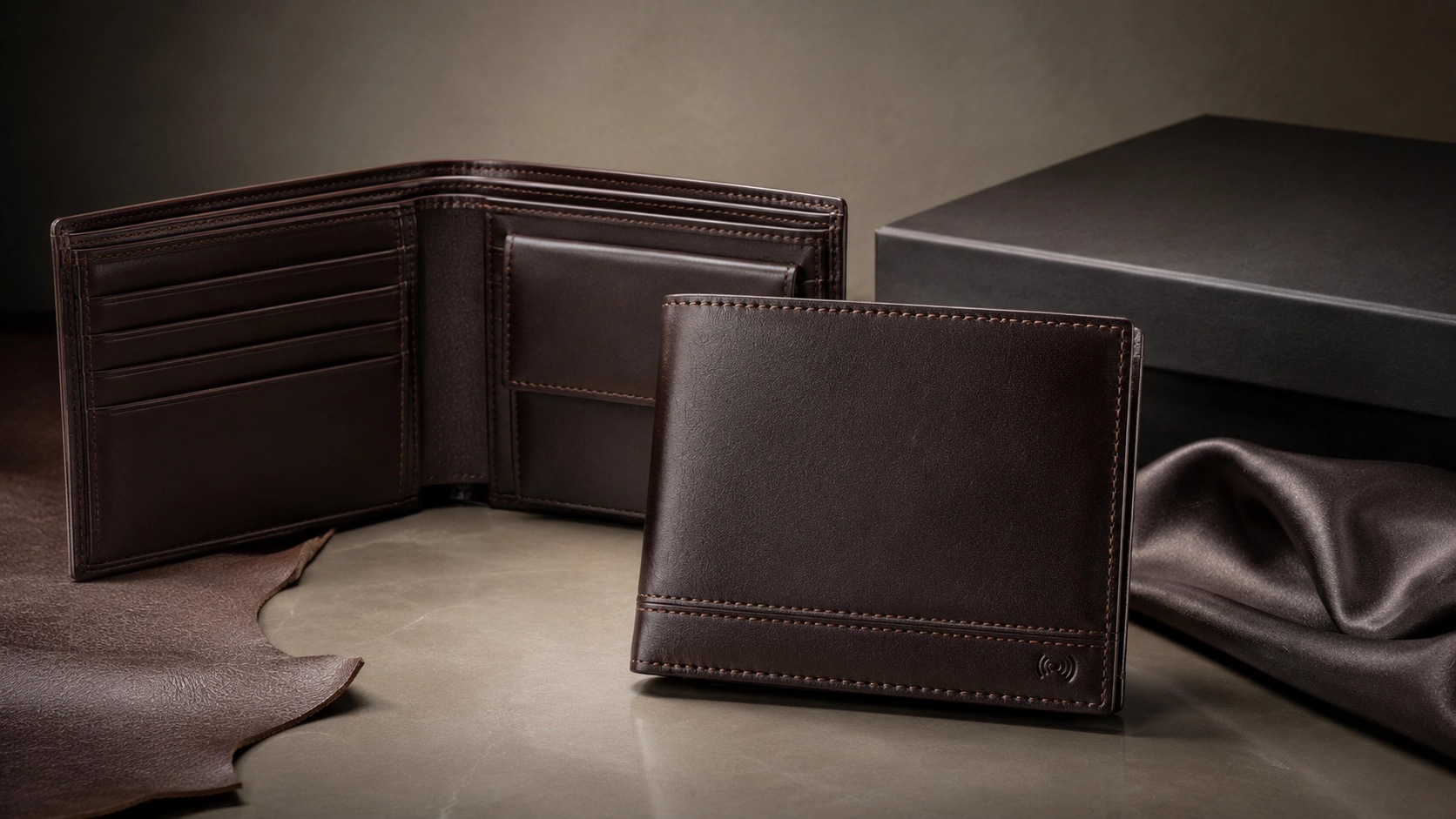
India to Netherlands leather wallet export process
A well-managed export order should follow a defined sequence. This reduces misunderstandings and gives both parties clear approval points.
- Initial inquiry: Share your design, quantity, target market, and requirements.
- Specification review: Confirm leather, dimensions, construction, branding, and packaging.
- Quotation: Receive product pricing and applicable development or tooling costs.
- Sample development: Produce a physical or approved development sample.
- Sample approval: Confirm all product and branding details.
- Purchase order: Confirm quantity, price, payment terms, and delivery requirements.
- Production: Manufacture according to the approved specification.
- Quality inspection: Check finished goods before shipment.
- Packing: Pack products according to the approved packaging specification.
- Export documentation: Prepare the required commercial and shipping documents.
- Shipment: Dispatch through the agreed logistics route.
- Import clearance: The Netherlands-side importer or appointed customs representative handles applicable clearance.
Choosing the right Incoterm
Incoterms determine responsibilities for transport, costs, risk, and customs activities. Buyers should ensure the quotation clearly states the agreed Incoterm and named place.
For example, an FOB quotation should not be compared directly with a DDP quotation without adjusting for the different responsibilities and costs.
If DDP is proposed, clarify who will act as importer, who handles Dutch import formalities, and who bears import VAT and duties.
For smaller buyers, courier or air freight may provide speed and simplicity. For larger commercial volumes, consolidated air or sea freight may offer better economics.
Payment terms and order protection
Payment terms should be agreed before production begins. The commercial agreement should clearly state the advance payment, balance payment, production timeline, shipping trigger, and documentation requirements.
Exalter Global Co.'s published trading conditions provide a useful framework for reviewing sales, sampling, manufacturing, payment, shipping, and export arrangements.
For a first order, buyers should ensure every critical specification is documented in the quotation, purchase order, approved sample, or agreed technical sheet.
How to reduce risk when sourcing leather wallets from India
1. Avoid specification gaps
Do not rely on phrases such as premium leather or high quality alone. Define measurable requirements wherever possible.
2. Approve branding separately
Logo dimensions, position, color, depth, and branding method should be approved before bulk production.
3. Control material substitutions
State whether the supplier can substitute leather, lining, hardware, thread, or packaging. Ideally, substitutions require buyer approval.
4. Set acceptable quality standards
Define acceptable variation for leather grain, color, stitching, dimensions, edge finishing, and hardware.
5. Confirm packaging before production
Packaging changes late in production can create delays and additional costs.
6. Use a pre-shipment inspection
For larger orders, consider an independent inspection or supplier-side final inspection before releasing the balance payment.
B2B buying checklist for Dutch importers
- Product design approved.
- Leather specification approved.
- Dimensions confirmed.
- Card capacity confirmed.
- RFID requirement confirmed if applicable.
- Logo artwork approved.
- Hardware specification approved.
- Packaging specification approved.
- MOQ confirmed.
- Sample approved.
- Production lead time confirmed.
- Payment terms confirmed.
- Incoterm confirmed.
- Shipping method confirmed.
- HS or TARIC classification checked.
- Import compliance reviewed.
- Commercial invoice and packing list requirements confirmed.
- Final inspection process agreed.
Why private-label leather wallets can be attractive for Dutch brands
Private labeling allows retailers and brands to build a differentiated product without developing an entire manufacturing operation.
A private-label program can cover the wallet design, leather selection, logo application, packaging, inserts, and product presentation.
For growing brands, the benefit is greater control over the customer experience. The supplier handles production while the buyer focuses on branding, sales, distribution, and market development.
Exalter Global Co. supports private-label leather goods programs and custom manufacturing. Buyers can use existing designs as a starting point or submit their own specifications.
Exalter Vachette and Brooklyn Bridge: two useful product references
Exalter Vachette represents the premium leather goods direction within the Exalter Global Co. ecosystem. Its wallet range can provide inspiration for refined materials, organized interiors, RFID functionality, and professional styling.
Brooklyn Bridge provides a more lifestyle-oriented reference point. Its wallet designs combine everyday functionality with features such as card organization, cash storage, coin compartments, and RFID protection.
For B2B buyers, the important distinction is that these collections can demonstrate manufacturing capability while a private-label project can be developed around the buyer's own brand requirements.
Frequently asked questions
What is the best way to find a leather wallet exporter from India to the Netherlands?
Shortlist manufacturers with export experience, inspect their product quality, verify customization capability, request samples, and confirm documentation and commercial terms before ordering.
Can Exalter Global Co. manufacture private-label leather wallets?
Yes. Exalter Global Co. offers private-label and custom leather wallet manufacturing. Customization can include branding, design modifications, leather selection, packaging, and other product specifications.
What is the typical MOQ for leather wallets?
MOQ varies by design and customization level. Certain Exalter Global Co. wallet models publish a 50-piece MOQ for standard and customized orders. Always confirm the MOQ for your exact specification.
Can I order a sample before placing a bulk order?
Yes. Sampling is recommended for customized products. The sample should be checked for dimensions, leather, construction, branding, functionality, and packaging before bulk production.
Can Indian manufacturers produce RFID leather wallets?
Yes. RFID wallet manufacturing is available for designs requiring contactless-card protection. The exact RFID specification and testing requirements should be agreed before production.
What documents are required to import leather wallets into the Netherlands?
The exact documents depend on the transaction and shipment. Common documents include the commercial invoice, packing list, transport document, customs declaration, and applicable origin or compliance documents.
Do Dutch buyers have to pay import duties on leather wallets from India?
Import duties may apply because India is outside the European Union. The amount depends on the applicable tariff classification and origin rules. Confirm the current TARIC treatment before shipment.
What should I ask a leather wallet manufacturer before ordering?
Ask about leather quality, construction, MOQ, sample development, customization, branding, packaging, lead time, inspection, payment terms, Incoterms, export documents, and destination-market compliance.
Choose a manufacturing partner, not only a supplier
For Dutch businesses, sourcing leather wallets from India can be commercially attractive when the supplier combines craftsmanship with disciplined export execution.
The strongest buying process starts with a precise specification and ends with controlled production, inspection, compliant documentation, and predictable logistics.
Exalter Global Co. brings manufacturing, private-label development, product customization, quality-focused production, and export coordination together in one supplier relationship.
Whether you need a standard leather wallet, an RFID collection, corporate gifting products, or a fully customized private-label range, the first step is to define the product clearly and evaluate the manufacturing fit.
Explore the Exalter Global Co. leather wallet and leather goods collection for product references, then discuss your required specifications, quantity, branding, packaging, and delivery requirements directly with the manufacturing team.
For Dutch importers seeking an Indian leather wallet supplier, the right partner is one that can deliver quality consistently, communicate clearly, customize intelligently, and manage the export process professionally.
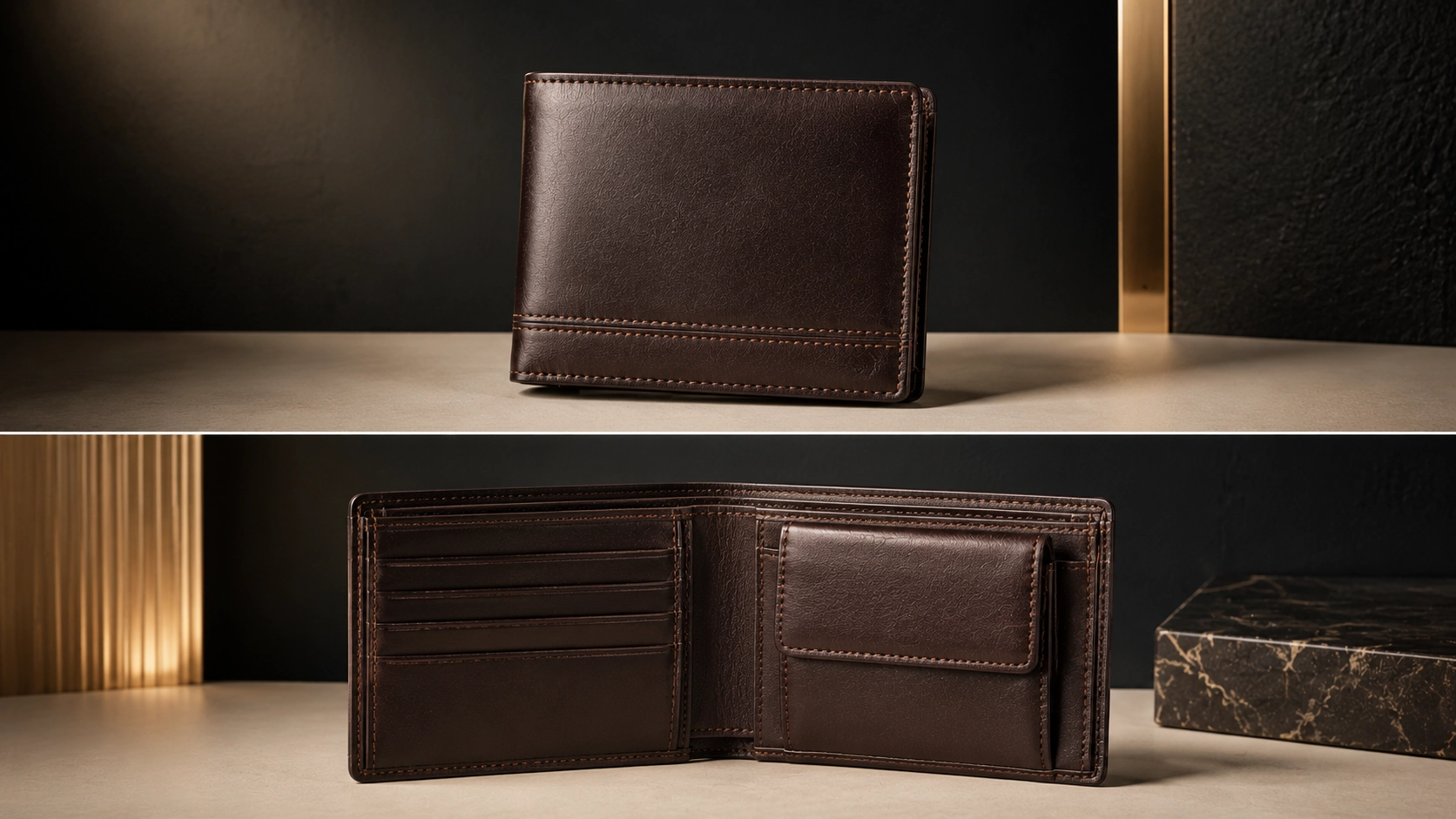
-
Sale!
RFID Protected Pull Strap Wallet for Cards & Cash
Original price was: $41.90.$15.19Current price is: $15.19.
You save -
Sale!
RFID Protected Pull Strap Leather Card Holder Wallet
Original price was: $41.90.$15.19Current price is: $15.19.
You save -
Sale!
RFID Protected Pull Strap Card Holder Wallet for Men Slim
Original price was: $41.90.$15.19Current price is: $15.19.
You save -
Sale!
RFID Protected Leather Card Holder Wallet for Men & Women
Original price was: $18.10.$6.39Current price is: $6.39.
You save -
Sale!
RFID Protected Pull Strap Card Holder Wallet for Secure Access
Original price was: $40.70.$14.79Current price is: $14.79.
You save -
Sale!
Slim RFID Protected Pull Strap Wallet for Cards & Cash
Original price was: $40.70.$14.79Current price is: $14.79.
You save -
Sale!
RFID Protected Pull Strap Card Holder Wallet for Daily Use
Original price was: $40.70.$14.79Current price is: $14.79.
You save -
Sale!
RFID Protected Card Holder Wallet for Secure Cards & Cash
Original price was: $27.30.$10.79Current price is: $10.79.
You save -
Sale!
RFID Protected Leather Card Holder Wallet with Slim Design
Original price was: $27.30.$10.79Current price is: $10.79.
You save -
Sale!
Slim RFID Protected Leather Card Holder Wallet for Cards
Original price was: $27.30.$10.79Current price is: $10.79.
You save -
Sale!
RFID Protected Leather Card Holder Wallet for Secure Cards
Original price was: $27.30.$10.79Current price is: $10.79.
You save -
Sale!
RFID Protected Genuine Leather Card Holder for Daily Use
Original price was: $27.30.$10.79Current price is: $10.79.
You save
-
Sale!
RFID Protected Pull Strap Wallet for Cards & Cash
Original price was: $41.90.$15.19Current price is: $15.19.
You save -
Sale!
RFID Protected Pull Strap Leather Card Holder Wallet
Original price was: $41.90.$15.19Current price is: $15.19.
You save -
Sale!
RFID Protected Pull Strap Card Holder Wallet for Men Slim
Original price was: $41.90.$15.19Current price is: $15.19.
You save -
Sale!
RFID Protected Leather Card Holder Wallet for Men & Women
Original price was: $18.10.$6.39Current price is: $6.39.
You save -
Sale!
RFID Protected Pull Strap Card Holder Wallet for Secure Access
Original price was: $40.70.$14.79Current price is: $14.79.
You save -
Sale!
Slim RFID Protected Pull Strap Wallet for Cards & Cash
Original price was: $40.70.$14.79Current price is: $14.79.
You save -
Sale!
RFID Protected Pull Strap Card Holder Wallet for Daily Use
Original price was: $40.70.$14.79Current price is: $14.79.
You save -
Sale!
RFID Protected Card Holder Wallet for Secure Cards & Cash
Original price was: $27.30.$10.79Current price is: $10.79.
You save -
Sale!
RFID Protected Leather Card Holder Wallet with Slim Design
Original price was: $27.30.$10.79Current price is: $10.79.
You save -
Sale!
Slim RFID Protected Leather Card Holder Wallet for Cards
Original price was: $27.30.$10.79Current price is: $10.79.
You save -
Sale!
RFID Protected Leather Card Holder Wallet for Secure Cards
Original price was: $27.30.$10.79Current price is: $10.79.
You save -
Sale!
RFID Protected Genuine Leather Card Holder for Daily Use
Original price was: $27.30.$10.79Current price is: $10.79.
You save
-
Sale!
RFID Protected Pull Strap Wallet for Cards & Cash
Original price was: $41.90.$15.19Current price is: $15.19.
You save -
Sale!
RFID Protected Pull Strap Leather Card Holder Wallet
Original price was: $41.90.$15.19Current price is: $15.19.
You save -
Sale!
RFID Protected Pull Strap Card Holder Wallet for Men Slim
Original price was: $41.90.$15.19Current price is: $15.19.
You save -
Sale!
RFID Protected Leather Card Holder Wallet for Men & Women
Original price was: $18.10.$6.39Current price is: $6.39.
You save -
Sale!
RFID Protected Pull Strap Card Holder Wallet for Secure Access
Original price was: $40.70.$14.79Current price is: $14.79.
You save -
Sale!
Slim RFID Protected Pull Strap Wallet for Cards & Cash
Original price was: $40.70.$14.79Current price is: $14.79.
You save -
Sale!
RFID Protected Pull Strap Card Holder Wallet for Daily Use
Original price was: $40.70.$14.79Current price is: $14.79.
You save -
Sale!
RFID Protected Card Holder Wallet for Secure Cards & Cash
Original price was: $27.30.$10.79Current price is: $10.79.
You save -
Sale!
RFID Protected Leather Card Holder Wallet with Slim Design
Original price was: $27.30.$10.79Current price is: $10.79.
You save -
Sale!
Slim RFID Protected Leather Card Holder Wallet for Cards
Original price was: $27.30.$10.79Current price is: $10.79.
You save -
Sale!
RFID Protected Leather Card Holder Wallet for Secure Cards
Original price was: $27.30.$10.79Current price is: $10.79.
You save -
Sale!
RFID Protected Genuine Leather Card Holder for Daily Use
Original price was: $27.30.$10.79Current price is: $10.79.
You save