
-
Sale!

RFID Protected Pull Strap Wallet for Cards & Cash
Original price was: $41.90.$15.19Current price is: $15.19.
You save -
Sale!
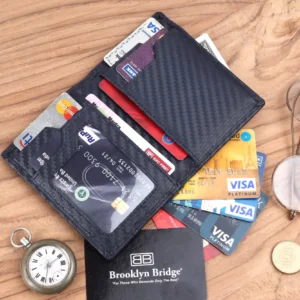
RFID Protected Pull Strap Leather Card Holder Wallet
Original price was: $41.90.$15.19Current price is: $15.19.
You save -
Sale!

RFID Protected Pull Strap Card Holder Wallet for Men Slim
Original price was: $41.90.$15.19Current price is: $15.19.
You save -
Sale!

RFID Protected Leather Card Holder Wallet for Men & Women
Original price was: $18.10.$6.39Current price is: $6.39.
You save -
Sale!
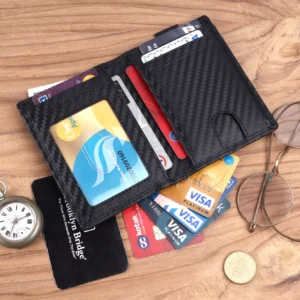
RFID Protected Pull Strap Card Holder Wallet for Secure Access
Original price was: $40.70.$14.79Current price is: $14.79.
You save -
Sale!
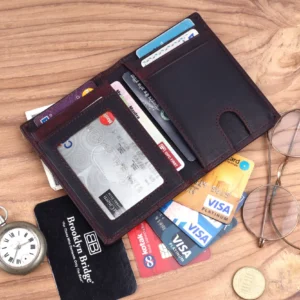
Slim RFID Protected Pull Strap Wallet for Cards & Cash
Original price was: $40.70.$14.79Current price is: $14.79.
You save -
Sale!

RFID Protected Pull Strap Card Holder Wallet for Daily Use
Original price was: $40.70.$14.79Current price is: $14.79.
You save -
Sale!
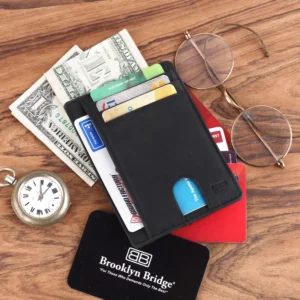
RFID Protected Card Holder Wallet for Secure Cards & Cash
Original price was: $27.30.$10.79Current price is: $10.79.
You save -
Sale!
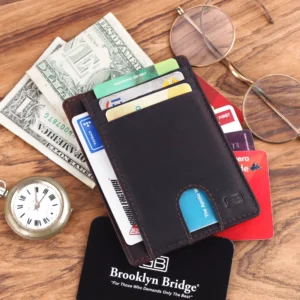
RFID Protected Leather Card Holder Wallet with Slim Design
Original price was: $27.30.$10.79Current price is: $10.79.
You save -
Sale!
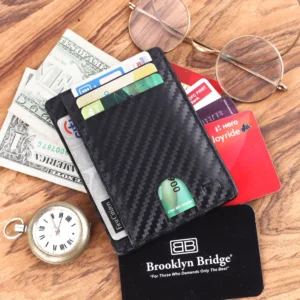
Slim RFID Protected Leather Card Holder Wallet for Cards
Original price was: $27.30.$10.79Current price is: $10.79.
You save -
Sale!

RFID Protected Leather Card Holder Wallet for Secure Cards
Original price was: $27.30.$10.79Current price is: $10.79.
You save -
Sale!

RFID Protected Genuine Leather Card Holder for Daily Use
Original price was: $27.30.$10.79Current price is: $10.79.
You save
-
Sale!
RFID Protected Pull Strap Wallet for Cards & Cash
Original price was: $41.90.$15.19Current price is: $15.19.
You save -
Sale!
RFID Protected Pull Strap Leather Card Holder Wallet
Original price was: $41.90.$15.19Current price is: $15.19.
You save -
Sale!
RFID Protected Pull Strap Card Holder Wallet for Men Slim
Original price was: $41.90.$15.19Current price is: $15.19.
You save -
Sale!
RFID Protected Leather Card Holder Wallet for Men & Women
Original price was: $18.10.$6.39Current price is: $6.39.
You save -
Sale!
RFID Protected Pull Strap Card Holder Wallet for Secure Access
Original price was: $40.70.$14.79Current price is: $14.79.
You save -
Sale!
Slim RFID Protected Pull Strap Wallet for Cards & Cash
Original price was: $40.70.$14.79Current price is: $14.79.
You save -
Sale!
RFID Protected Pull Strap Card Holder Wallet for Daily Use
Original price was: $40.70.$14.79Current price is: $14.79.
You save -
Sale!
RFID Protected Card Holder Wallet for Secure Cards & Cash
Original price was: $27.30.$10.79Current price is: $10.79.
You save -
Sale!
RFID Protected Leather Card Holder Wallet with Slim Design
Original price was: $27.30.$10.79Current price is: $10.79.
You save -
Sale!
Slim RFID Protected Leather Card Holder Wallet for Cards
Original price was: $27.30.$10.79Current price is: $10.79.
You save -
Sale!
RFID Protected Leather Card Holder Wallet for Secure Cards
Original price was: $27.30.$10.79Current price is: $10.79.
You save -
Sale!
RFID Protected Genuine Leather Card Holder for Daily Use
Original price was: $27.30.$10.79Current price is: $10.79.
You save
-
Sale!
RFID Protected Pull Strap Wallet for Cards & Cash
Original price was: $41.90.$15.19Current price is: $15.19.
You save -
Sale!
RFID Protected Pull Strap Leather Card Holder Wallet
Original price was: $41.90.$15.19Current price is: $15.19.
You save -
Sale!
RFID Protected Pull Strap Card Holder Wallet for Men Slim
Original price was: $41.90.$15.19Current price is: $15.19.
You save -
Sale!
RFID Protected Leather Card Holder Wallet for Men & Women
Original price was: $18.10.$6.39Current price is: $6.39.
You save -
Sale!
RFID Protected Pull Strap Card Holder Wallet for Secure Access
Original price was: $40.70.$14.79Current price is: $14.79.
You save -
Sale!
Slim RFID Protected Pull Strap Wallet for Cards & Cash
Original price was: $40.70.$14.79Current price is: $14.79.
You save -
Sale!
RFID Protected Pull Strap Card Holder Wallet for Daily Use
Original price was: $40.70.$14.79Current price is: $14.79.
You save -
Sale!
RFID Protected Card Holder Wallet for Secure Cards & Cash
Original price was: $27.30.$10.79Current price is: $10.79.
You save -
Sale!
RFID Protected Leather Card Holder Wallet with Slim Design
Original price was: $27.30.$10.79Current price is: $10.79.
You save -
Sale!
Slim RFID Protected Leather Card Holder Wallet for Cards
Original price was: $27.30.$10.79Current price is: $10.79.
You save -
Sale!
RFID Protected Leather Card Holder Wallet for Secure Cards
Original price was: $27.30.$10.79Current price is: $10.79.
You save -
Sale!
RFID Protected Genuine Leather Card Holder for Daily Use
Original price was: $27.30.$10.79Current price is: $10.79.
You save

Table of Contents
How to Choose the Best Leather Wallet Exporter from India to USA: 2026 Guide
Choosing a leather wallet exporter from India to USA is not only about finding a competitive price. The right supplier must also prove leather quality, production capability, compliance, consistency, MOQ flexibility, and export readiness.
For US brands, retailers, wholesalers, and private label businesses, supplier selection should be treated as a structured sourcing process. A professional exporter should make product development, sampling, production, documentation, inspection, and shipping easier.
Quick Answer: How Do You Choose an Indian Leather Wallet Exporter?
The safest approach is to evaluate the exporter across seven areas: product quality, manufacturing capability, certifications, MOQ, customization, quality control, and export documentation.
- Define your wallet specification. Confirm leather type, construction, dimensions, features, packaging, and branding.
- Verify the manufacturer. Check factory capability, production history, export markets, and manufacturing processes.
- Check leather sourcing. Ask about tannery sources, leather grade, traceability, and applicable certifications.
- Review certifications. Request current documentation instead of relying only on website badges.
- Confirm MOQ and pricing. Compare the MOQ against your launch volume and growth plans.
- Order and inspect samples. Check leather, stitching, dimensions, hardware, lining, packaging, and branding.
- Confirm US export requirements. Agree on documentation, origin marking, testing, Incoterms, inspection, and shipping responsibilities.
This checklist helps separate a genuine manufacturing partner from a trading intermediary that may have limited control over production.
Why Supplier Selection Matters for US Leather Wallet Buyers
A leather wallet looks simple. Manufacturing a consistent export-quality wallet is more complex.
A wallet can contain several leather panels, lining materials, thread, adhesives, hardware, RFID components, packaging, labels, and branding elements. Small differences can affect appearance, durability, dimensions, and customer perception.
That is why experienced buyers evaluate the complete supply chain instead of comparing only the unit price.
Exalter Global Co. approaches leather goods as a manufacturing and export process. Its leather division supports OEM, ODM, private label, bulk production, product development, quality control, and international export requirements.
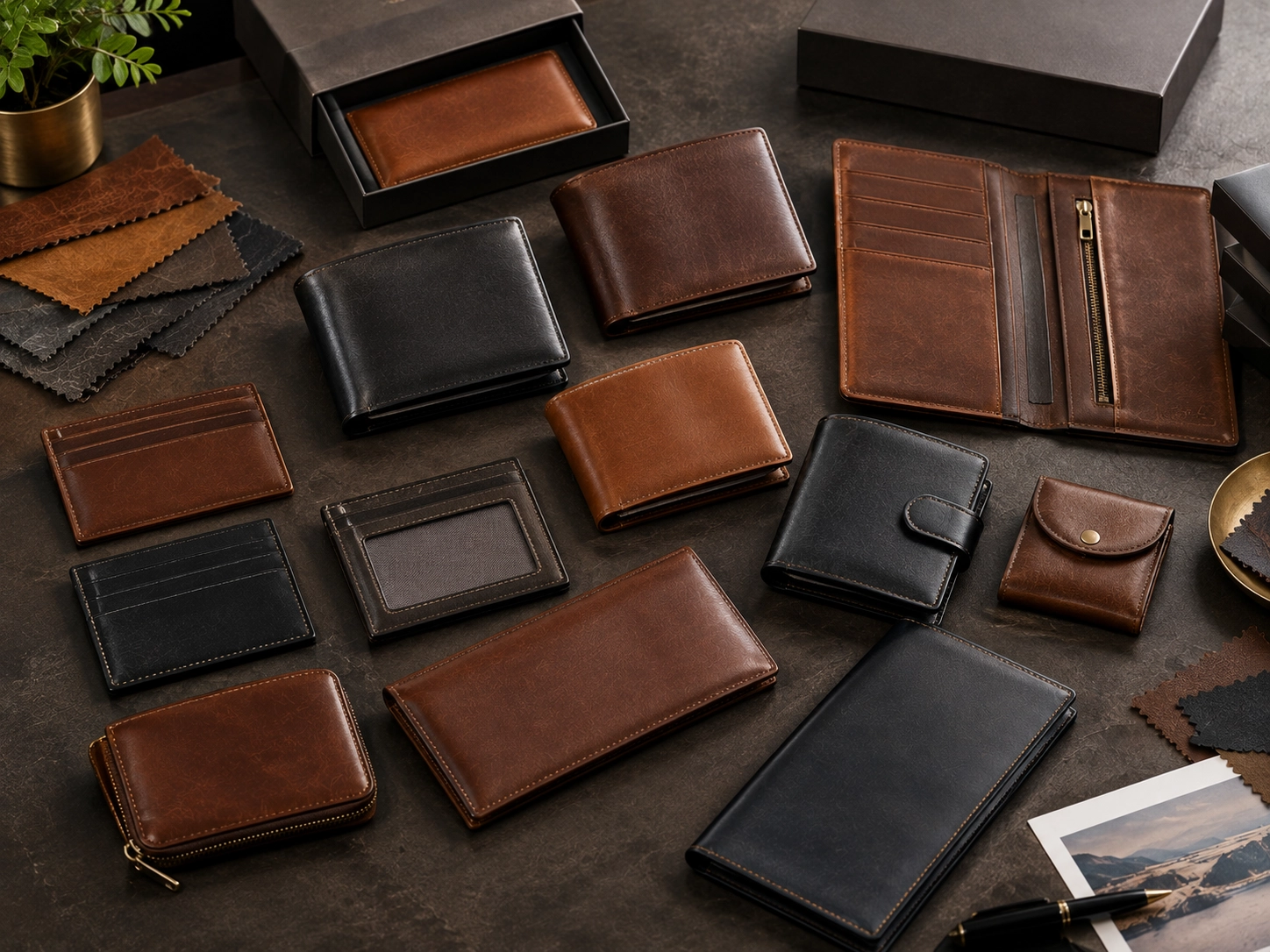
Its leather wallet manufacturing program covers multiple wallet formats, including bifold, trifold, card holders, RFID wallets, slim wallets, coin wallets, ID wallets, long wallets, and zip-around designs.
This matters when a US buyer wants one manufacturing partner for several wallet collections rather than managing multiple suppliers.
Step 1: Define Your Product Before Comparing Exporters
The first sourcing mistake is asking suppliers for a generic price for a leather wallet.
Instead, prepare a product specification. The more precise the specification, the more meaningful supplier quotations become.
Include These Specifications
- Wallet style and construction
- Finished dimensions and tolerance
- Leather type and grade
- Leather thickness
- Interior lining material
- Number of card slots
- Cash compartment configuration
- Coin pocket requirements
- ID window requirements
- RFID requirements, if applicable
- Thread specification
- Hardware requirements
- Logo embossing or metal branding
- Packaging requirements
- Individual and master carton specifications
- Required testing and compliance documents
A professional supplier should be able to convert these requirements into a sample and production specification.
Exalter Global Co. provides design consultation, prototyping, material selection, branding, bulk production, and export logistics as part of its private label workflow. This creates a useful sourcing path for buyers who are developing a new collection.
Step 2: Evaluate Leather Quality, Not Just the Word "Genuine"
The term genuine leather alone does not provide enough information for a purchasing decision.
Ask the exporter to specify the leather construction and grade. Depending on the product and price target, buyers may consider full-grain, top-grain, corrected leather, or other approved materials.
Full-grain leather retains more of the natural grain surface. Top-grain leather is also widely used for premium leather goods. The correct choice depends on the desired appearance, durability, cost, and product positioning.
Exalter Global Co. states that its leather manufacturing uses full-grain and top-grain leather sourced from ethically certified tanneries. Buyers can also specify material requirements during product development.
Do not evaluate leather only from photographs. Request physical samples and compare:
- Grain consistency
- Thickness
- Hand feel
- Flexibility
- Surface finishing
- Edge behavior
- Colour consistency
- Odour
- Creasing behavior
- Resistance to normal handling
Natural leather can show variations in grain, texture, markings, and shade. These characteristics should be documented in the approved product specification before mass production.
Step 3: Check Certifications and Compliance Carefully
Certifications can help buyers assess manufacturing practices, material sourcing, social responsibility, and quality systems. However, buyers should verify what each certification actually covers.
Leather Working Group certification, for example, applies to the certified facility and its applicable audit scope. It does not automatically certify every finished product made by a company.
The Leather Working Group certification framework covers different types of operations across the leather supply chain. Buyers should verify the specific facility, certification status, scope, and validity.
Exalter Vachette, the leather goods division of Exalter Global Co., publicly lists LWG-certified leather sourcing alongside FIEO membership, SEDEX compliance, REACH compliance, BSCI auditing, CLE India, and export-related credentials.
For current company documentation, buyers should review the Exalter Global certifications and compliance information and request applicable documents for their specific order.
What Certifications Should US Buyers Ask About?
| Area | What to Verify |
|---|---|
| Leather sourcing | Tannery identity, certification status, leather grade, and traceability |
| Chemical compliance | Applicable restricted substance and buyer-specific testing |
| Social compliance | Current audit or assessment documents and applicable facility scope |
| Quality management | Relevant quality systems and inspection procedures |
| Export documentation | Commercial invoice, packing list, shipping documents, and origin information |
For US shipments, compliance requirements can vary by product, materials, claims, destination, and buyer requirements. A supplier should therefore work with the buyer on the exact documentation package.

-
Sale!
RFID Protected Pull Strap Wallet for Cards & Cash
Original price was: $41.90.$15.19Current price is: $15.19.
You save -
Sale!
RFID Protected Pull Strap Leather Card Holder Wallet
Original price was: $41.90.$15.19Current price is: $15.19.
You save -
Sale!
RFID Protected Pull Strap Card Holder Wallet for Men Slim
Original price was: $41.90.$15.19Current price is: $15.19.
You save -
Sale!
RFID Protected Leather Card Holder Wallet for Men & Women
Original price was: $18.10.$6.39Current price is: $6.39.
You save -
Sale!
RFID Protected Pull Strap Card Holder Wallet for Secure Access
Original price was: $40.70.$14.79Current price is: $14.79.
You save -
Sale!
Slim RFID Protected Pull Strap Wallet for Cards & Cash
Original price was: $40.70.$14.79Current price is: $14.79.
You save -
Sale!
RFID Protected Pull Strap Card Holder Wallet for Daily Use
Original price was: $40.70.$14.79Current price is: $14.79.
You save -
Sale!
RFID Protected Card Holder Wallet for Secure Cards & Cash
Original price was: $27.30.$10.79Current price is: $10.79.
You save -
Sale!
RFID Protected Leather Card Holder Wallet with Slim Design
Original price was: $27.30.$10.79Current price is: $10.79.
You save -
Sale!
Slim RFID Protected Leather Card Holder Wallet for Cards
Original price was: $27.30.$10.79Current price is: $10.79.
You save -
Sale!
RFID Protected Leather Card Holder Wallet for Secure Cards
Original price was: $27.30.$10.79Current price is: $10.79.
You save -
Sale!
RFID Protected Genuine Leather Card Holder for Daily Use
Original price was: $27.30.$10.79Current price is: $10.79.
You save
-
Sale!
RFID Protected Pull Strap Wallet for Cards & Cash
Original price was: $41.90.$15.19Current price is: $15.19.
You save -
Sale!
RFID Protected Pull Strap Leather Card Holder Wallet
Original price was: $41.90.$15.19Current price is: $15.19.
You save -
Sale!
RFID Protected Pull Strap Card Holder Wallet for Men Slim
Original price was: $41.90.$15.19Current price is: $15.19.
You save -
Sale!
RFID Protected Leather Card Holder Wallet for Men & Women
Original price was: $18.10.$6.39Current price is: $6.39.
You save -
Sale!
RFID Protected Pull Strap Card Holder Wallet for Secure Access
Original price was: $40.70.$14.79Current price is: $14.79.
You save -
Sale!
Slim RFID Protected Pull Strap Wallet for Cards & Cash
Original price was: $40.70.$14.79Current price is: $14.79.
You save -
Sale!
RFID Protected Pull Strap Card Holder Wallet for Daily Use
Original price was: $40.70.$14.79Current price is: $14.79.
You save -
Sale!
RFID Protected Card Holder Wallet for Secure Cards & Cash
Original price was: $27.30.$10.79Current price is: $10.79.
You save -
Sale!
RFID Protected Leather Card Holder Wallet with Slim Design
Original price was: $27.30.$10.79Current price is: $10.79.
You save -
Sale!
Slim RFID Protected Leather Card Holder Wallet for Cards
Original price was: $27.30.$10.79Current price is: $10.79.
You save -
Sale!
RFID Protected Leather Card Holder Wallet for Secure Cards
Original price was: $27.30.$10.79Current price is: $10.79.
You save -
Sale!
RFID Protected Genuine Leather Card Holder for Daily Use
Original price was: $27.30.$10.79Current price is: $10.79.
You save
-
Sale!
RFID Protected Pull Strap Wallet for Cards & Cash
Original price was: $41.90.$15.19Current price is: $15.19.
You save -
Sale!
RFID Protected Pull Strap Leather Card Holder Wallet
Original price was: $41.90.$15.19Current price is: $15.19.
You save -
Sale!
RFID Protected Pull Strap Card Holder Wallet for Men Slim
Original price was: $41.90.$15.19Current price is: $15.19.
You save -
Sale!
RFID Protected Leather Card Holder Wallet for Men & Women
Original price was: $18.10.$6.39Current price is: $6.39.
You save -
Sale!
RFID Protected Pull Strap Card Holder Wallet for Secure Access
Original price was: $40.70.$14.79Current price is: $14.79.
You save -
Sale!
Slim RFID Protected Pull Strap Wallet for Cards & Cash
Original price was: $40.70.$14.79Current price is: $14.79.
You save -
Sale!
RFID Protected Pull Strap Card Holder Wallet for Daily Use
Original price was: $40.70.$14.79Current price is: $14.79.
You save -
Sale!
RFID Protected Card Holder Wallet for Secure Cards & Cash
Original price was: $27.30.$10.79Current price is: $10.79.
You save -
Sale!
RFID Protected Leather Card Holder Wallet with Slim Design
Original price was: $27.30.$10.79Current price is: $10.79.
You save -
Sale!
Slim RFID Protected Leather Card Holder Wallet for Cards
Original price was: $27.30.$10.79Current price is: $10.79.
You save -
Sale!
RFID Protected Leather Card Holder Wallet for Secure Cards
Original price was: $27.30.$10.79Current price is: $10.79.
You save -
Sale!
RFID Protected Genuine Leather Card Holder for Daily Use
Original price was: $27.30.$10.79Current price is: $10.79.
You save
-
Sale!
RFID Protected Pull Strap Wallet for Cards & Cash
Original price was: $41.90.$15.19Current price is: $15.19.
You save -
Sale!
RFID Protected Pull Strap Leather Card Holder Wallet
Original price was: $41.90.$15.19Current price is: $15.19.
You save -
Sale!
RFID Protected Pull Strap Card Holder Wallet for Men Slim
Original price was: $41.90.$15.19Current price is: $15.19.
You save -
Sale!
RFID Protected Leather Card Holder Wallet for Men & Women
Original price was: $18.10.$6.39Current price is: $6.39.
You save
-
Sale!
RFID Protected Pull Strap Wallet for Cards & Cash
Original price was: $41.90.$15.19Current price is: $15.19.
You save -
Sale!
RFID Protected Pull Strap Leather Card Holder Wallet
Original price was: $41.90.$15.19Current price is: $15.19.
You save -
Sale!
RFID Protected Pull Strap Card Holder Wallet for Men Slim
Original price was: $41.90.$15.19Current price is: $15.19.
You save -
Sale!
RFID Protected Leather Card Holder Wallet for Men & Women
Original price was: $18.10.$6.39Current price is: $6.39.
You save
-
Sale!
RFID Protected Pull Strap Wallet for Cards & Cash
Original price was: $41.90.$15.19Current price is: $15.19.
You save -
Sale!
RFID Protected Pull Strap Leather Card Holder Wallet
Original price was: $41.90.$15.19Current price is: $15.19.
You save -
Sale!
RFID Protected Pull Strap Card Holder Wallet for Men Slim
Original price was: $41.90.$15.19Current price is: $15.19.
You save -
Sale!
RFID Protected Leather Card Holder Wallet for Men & Women
Original price was: $18.10.$6.39Current price is: $6.39.
You save
-
Sale!
RFID Protected Pull Strap Wallet for Cards & Cash
Original price was: $41.90.$15.19Current price is: $15.19.
You save -
Sale!
RFID Protected Pull Strap Leather Card Holder Wallet
Original price was: $41.90.$15.19Current price is: $15.19.
You save -
Sale!
RFID Protected Pull Strap Card Holder Wallet for Men Slim
Original price was: $41.90.$15.19Current price is: $15.19.
You save -
Sale!
RFID Protected Leather Card Holder Wallet for Men & Women
Original price was: $18.10.$6.39Current price is: $6.39.
You save -
Sale!
RFID Protected Pull Strap Card Holder Wallet for Secure Access
Original price was: $40.70.$14.79Current price is: $14.79.
You save -
Sale!
Slim RFID Protected Pull Strap Wallet for Cards & Cash
Original price was: $40.70.$14.79Current price is: $14.79.
You save -
Sale!
RFID Protected Pull Strap Card Holder Wallet for Daily Use
Original price was: $40.70.$14.79Current price is: $14.79.
You save -
Sale!
RFID Protected Card Holder Wallet for Secure Cards & Cash
Original price was: $27.30.$10.79Current price is: $10.79.
You save -
Sale!
RFID Protected Leather Card Holder Wallet with Slim Design
Original price was: $27.30.$10.79Current price is: $10.79.
You save -
Sale!
Slim RFID Protected Leather Card Holder Wallet for Cards
Original price was: $27.30.$10.79Current price is: $10.79.
You save -
Sale!
RFID Protected Leather Card Holder Wallet for Secure Cards
Original price was: $27.30.$10.79Current price is: $10.79.
You save -
Sale!
RFID Protected Genuine Leather Card Holder for Daily Use
Original price was: $27.30.$10.79Current price is: $10.79.
You save
-
Sale!
RFID Protected Pull Strap Wallet for Cards & Cash
Original price was: $41.90.$15.19Current price is: $15.19.
You save -
Sale!
RFID Protected Pull Strap Leather Card Holder Wallet
Original price was: $41.90.$15.19Current price is: $15.19.
You save -
Sale!
RFID Protected Pull Strap Card Holder Wallet for Men Slim
Original price was: $41.90.$15.19Current price is: $15.19.
You save -
Sale!
RFID Protected Leather Card Holder Wallet for Men & Women
Original price was: $18.10.$6.39Current price is: $6.39.
You save -
Sale!
RFID Protected Pull Strap Card Holder Wallet for Secure Access
Original price was: $40.70.$14.79Current price is: $14.79.
You save -
Sale!
Slim RFID Protected Pull Strap Wallet for Cards & Cash
Original price was: $40.70.$14.79Current price is: $14.79.
You save -
Sale!
RFID Protected Pull Strap Card Holder Wallet for Daily Use
Original price was: $40.70.$14.79Current price is: $14.79.
You save -
Sale!
RFID Protected Card Holder Wallet for Secure Cards & Cash
Original price was: $27.30.$10.79Current price is: $10.79.
You save -
Sale!
RFID Protected Leather Card Holder Wallet with Slim Design
Original price was: $27.30.$10.79Current price is: $10.79.
You save -
Sale!
Slim RFID Protected Leather Card Holder Wallet for Cards
Original price was: $27.30.$10.79Current price is: $10.79.
You save -
Sale!
RFID Protected Leather Card Holder Wallet for Secure Cards
Original price was: $27.30.$10.79Current price is: $10.79.
You save -
Sale!
RFID Protected Genuine Leather Card Holder for Daily Use
Original price was: $27.30.$10.79Current price is: $10.79.
You save
-
Sale!
RFID Protected Pull Strap Wallet for Cards & Cash
Original price was: $41.90.$15.19Current price is: $15.19.
You save -
Sale!
RFID Protected Pull Strap Leather Card Holder Wallet
Original price was: $41.90.$15.19Current price is: $15.19.
You save -
Sale!
RFID Protected Pull Strap Card Holder Wallet for Men Slim
Original price was: $41.90.$15.19Current price is: $15.19.
You save -
Sale!
RFID Protected Leather Card Holder Wallet for Men & Women
Original price was: $18.10.$6.39Current price is: $6.39.
You save -
Sale!
RFID Protected Pull Strap Card Holder Wallet for Secure Access
Original price was: $40.70.$14.79Current price is: $14.79.
You save -
Sale!
Slim RFID Protected Pull Strap Wallet for Cards & Cash
Original price was: $40.70.$14.79Current price is: $14.79.
You save -
Sale!
RFID Protected Pull Strap Card Holder Wallet for Daily Use
Original price was: $40.70.$14.79Current price is: $14.79.
You save -
Sale!
RFID Protected Card Holder Wallet for Secure Cards & Cash
Original price was: $27.30.$10.79Current price is: $10.79.
You save -
Sale!
RFID Protected Leather Card Holder Wallet with Slim Design
Original price was: $27.30.$10.79Current price is: $10.79.
You save -
Sale!
Slim RFID Protected Leather Card Holder Wallet for Cards
Original price was: $27.30.$10.79Current price is: $10.79.
You save -
Sale!
RFID Protected Leather Card Holder Wallet for Secure Cards
Original price was: $27.30.$10.79Current price is: $10.79.
You save -
Sale!
RFID Protected Genuine Leather Card Holder for Daily Use
Original price was: $27.30.$10.79Current price is: $10.79.
You save

Step 4: Compare MOQ With Your Business Model
Minimum order quantity is one of the most important commercial factors when choosing Indian leather exporters for USA buyers.
A startup may need a smaller opening order. An established retailer may require thousands of units. A supplier that only accepts very large orders may not fit an emerging brand.
Exalter Global Co. states that its leather wallet manufacturing supports flexible MOQ requirements. Its wallet manufacturing page currently lists an MOQ starting from 50 units for applicable products, while the exact requirement can vary by product category and customization.
Buyers should confirm the MOQ for the exact design before approving a quotation.
Ask These MOQ Questions
- What is the MOQ per design?
- Does the MOQ apply per colour or across the total order?
- Is the MOQ different for custom leather?
- Is there a separate MOQ for custom hardware?
- Is custom packaging subject to an additional MOQ?
- Does imported hardware create a higher supplier MOQ?
- Can multiple designs be combined into one production order?
- What is the MOQ for repeat orders?
This prevents an apparently low unit price from becoming expensive because of material or component commitments.
Step 5: Review Manufacturing Capacity and Scalability
Supplier capacity matters because your first order may not be your largest order.
A good exporter should be able to explain how it moves from sample approval to production. Ask about production planning, cutting, stitching, assembly, finishing, inspection, packing, and dispatch.
Exalter Global Co. states that its leather wallet operation has production capacity of up to 1 million units per month. It also describes in-house quality control, design and prototyping support, and export logistics.
For a growing US brand, scalability can reduce the need to change suppliers after a successful launch.
Look for Process Control
- Specification confirmation
- Leather and material approval
- Prototype development
- Sample approval
- Pre-production confirmation
- Bulk manufacturing
- In-process quality inspection
- Final quality inspection
- Packing verification
- Export documentation
- Shipment release
The objective is consistency. A manufacturer should be able to reproduce an approved sample at commercial scale.
Step 6: Inspect the Exporter's Quality Control System
Quality control should not begin after the cartons are packed.
Leather wallet quality should be checked throughout production. Cutting accuracy, stitching, edge finishing, logo placement, dimensions, hardware, lining, and cleanliness can all affect the finished product.
Exalter Global Co. describes in-house quality control and inspection before export documentation. Buyers should still define their own inspection criteria in writing.
Sample Inspection Checklist
- Compare dimensions against the approved specification.
- Check leather thickness and surface consistency.
- Inspect stitching density and alignment.
- Check edge paint or edge finishing.
- Confirm logo position and size.
- Test card slot fit.
- Test cash and coin compartments.
- Check hardware operation.
- Inspect lining and internal construction.
- Check packaging and labeling.
- Photograph the approved reference sample.
Keep the approved sample as the physical reference for future production whenever practical.
Step 7: Verify Private Label and Custom Manufacturing Capability
US brands often need more than an existing wallet catalogue.
Private label production may involve custom dimensions, leather selection, logo embossing, metal branding, packaging, labels, inserts, and product-specific construction.
Exalter Global Co. supports private label OEM and ODM manufacturing, including design consultation, prototyping, material selection, branding, and bulk production.
Its Exalter Vachette leather manufacturing division focuses on genuine leather goods for brands and wholesalers. The product scope includes wallets, handbags, belts, laptop bags, small leather goods, and accessories.
This integrated approach can be useful when a buyer wants to develop a complete leather accessories collection instead of a single wallet SKU.
Understanding Exalter Vachette and Brooklyn Bridge
Exalter Global Co. operates leather-focused brands alongside its manufacturing and export business.
Exalter Vachette represents the company's premium leather goods direction. Its published manufacturing information focuses on genuine leather products, private label production, international buyers, and export-quality manufacturing.
The brand can therefore be relevant when a buyer is evaluating premium leather goods manufacturing, product development, or a branded leather collection.
Brooklyn Bridge is also listed within the Exalter Global Co. brand ecosystem. Buyers interested in brand-led leather products should distinguish between a branded collection and a private label manufacturing project.
For a US buyer, the important question is not simply which brand name appears on the product. It is whether the underlying manufacturing specification, ownership, branding, packaging, and commercial terms match the buyer's business model.
For manufacturing requirements, buyers can review the Exalter Global Co. manufacturing and export platform and its leather wallet capabilities.
How to Compare Indian Leather Exporters for the US Market
| Evaluation Area | Questions for the Supplier |
|---|---|
| Product | Can you manufacture the exact construction and dimensions? |
| Leather | What leather grade and tannery source will be used? |
| MOQ | What is the MOQ for the exact customized product? |
| Quality | What inspections happen before shipment? |
| Compliance | Which current certificates and test reports apply? |
| Branding | Can you handle embossing, hardware, labels, and packaging? |
| Export | Which Incoterms and export documents can you support? |
| Scalability | Can capacity increase when the product succeeds? |
What US Importers Should Confirm Before Shipment
US import requirements can depend on the product, materials, claims, and applicable agencies. Country-of-origin marking is an important consideration for imported merchandise.
The US Customs and Border Protection advises importers to consider country-of-origin marking and other requirements applicable to specific goods.
For leather-related consumer products, buyers should also review applicable guidance from the US Federal Trade Commission. Requirements can differ according to product category and materials.
Do not assume that a general export certificate covers every US compliance obligation. The buyer should establish the applicable requirements before production.
Documents to Discuss With Your Exporter
- Commercial invoice
- Packing list
- Shipping documentation
- Country-of-origin information
- Material specifications
- Applicable test reports
- Certificate or audit documentation, where relevant
- Purchase order and approved specification
- Inspection report, if required

-
Sale!
RFID Protected Pull Strap Wallet for Cards & Cash
Original price was: $41.90.$15.19Current price is: $15.19.
You save -
Sale!
RFID Protected Pull Strap Leather Card Holder Wallet
Original price was: $41.90.$15.19Current price is: $15.19.
You save -
Sale!
RFID Protected Pull Strap Card Holder Wallet for Men Slim
Original price was: $41.90.$15.19Current price is: $15.19.
You save -
Sale!
RFID Protected Leather Card Holder Wallet for Men & Women
Original price was: $18.10.$6.39Current price is: $6.39.
You save -
Sale!
RFID Protected Pull Strap Card Holder Wallet for Secure Access
Original price was: $40.70.$14.79Current price is: $14.79.
You save -
Sale!
Slim RFID Protected Pull Strap Wallet for Cards & Cash
Original price was: $40.70.$14.79Current price is: $14.79.
You save -
Sale!
RFID Protected Pull Strap Card Holder Wallet for Daily Use
Original price was: $40.70.$14.79Current price is: $14.79.
You save -
Sale!
RFID Protected Card Holder Wallet for Secure Cards & Cash
Original price was: $27.30.$10.79Current price is: $10.79.
You save -
Sale!
RFID Protected Leather Card Holder Wallet with Slim Design
Original price was: $27.30.$10.79Current price is: $10.79.
You save -
Sale!
Slim RFID Protected Leather Card Holder Wallet for Cards
Original price was: $27.30.$10.79Current price is: $10.79.
You save -
Sale!
RFID Protected Leather Card Holder Wallet for Secure Cards
Original price was: $27.30.$10.79Current price is: $10.79.
You save -
Sale!
RFID Protected Genuine Leather Card Holder for Daily Use
Original price was: $27.30.$10.79Current price is: $10.79.
You save
-
Sale!
RFID Protected Pull Strap Wallet for Cards & Cash
Original price was: $41.90.$15.19Current price is: $15.19.
You save -
Sale!
RFID Protected Pull Strap Leather Card Holder Wallet
Original price was: $41.90.$15.19Current price is: $15.19.
You save -
Sale!
RFID Protected Pull Strap Card Holder Wallet for Men Slim
Original price was: $41.90.$15.19Current price is: $15.19.
You save -
Sale!
RFID Protected Leather Card Holder Wallet for Men & Women
Original price was: $18.10.$6.39Current price is: $6.39.
You save -
Sale!
RFID Protected Pull Strap Card Holder Wallet for Secure Access
Original price was: $40.70.$14.79Current price is: $14.79.
You save -
Sale!
Slim RFID Protected Pull Strap Wallet for Cards & Cash
Original price was: $40.70.$14.79Current price is: $14.79.
You save -
Sale!
RFID Protected Pull Strap Card Holder Wallet for Daily Use
Original price was: $40.70.$14.79Current price is: $14.79.
You save -
Sale!
RFID Protected Card Holder Wallet for Secure Cards & Cash
Original price was: $27.30.$10.79Current price is: $10.79.
You save -
Sale!
RFID Protected Leather Card Holder Wallet with Slim Design
Original price was: $27.30.$10.79Current price is: $10.79.
You save -
Sale!
Slim RFID Protected Leather Card Holder Wallet for Cards
Original price was: $27.30.$10.79Current price is: $10.79.
You save -
Sale!
RFID Protected Leather Card Holder Wallet for Secure Cards
Original price was: $27.30.$10.79Current price is: $10.79.
You save -
Sale!
RFID Protected Genuine Leather Card Holder for Daily Use
Original price was: $27.30.$10.79Current price is: $10.79.
You save
-
Sale!
RFID Protected Pull Strap Wallet for Cards & Cash
Original price was: $41.90.$15.19Current price is: $15.19.
You save -
Sale!
RFID Protected Pull Strap Leather Card Holder Wallet
Original price was: $41.90.$15.19Current price is: $15.19.
You save -
Sale!
RFID Protected Pull Strap Card Holder Wallet for Men Slim
Original price was: $41.90.$15.19Current price is: $15.19.
You save -
Sale!
RFID Protected Leather Card Holder Wallet for Men & Women
Original price was: $18.10.$6.39Current price is: $6.39.
You save -
Sale!
RFID Protected Pull Strap Card Holder Wallet for Secure Access
Original price was: $40.70.$14.79Current price is: $14.79.
You save -
Sale!
Slim RFID Protected Pull Strap Wallet for Cards & Cash
Original price was: $40.70.$14.79Current price is: $14.79.
You save -
Sale!
RFID Protected Pull Strap Card Holder Wallet for Daily Use
Original price was: $40.70.$14.79Current price is: $14.79.
You save -
Sale!
RFID Protected Card Holder Wallet for Secure Cards & Cash
Original price was: $27.30.$10.79Current price is: $10.79.
You save -
Sale!
RFID Protected Leather Card Holder Wallet with Slim Design
Original price was: $27.30.$10.79Current price is: $10.79.
You save -
Sale!
Slim RFID Protected Leather Card Holder Wallet for Cards
Original price was: $27.30.$10.79Current price is: $10.79.
You save -
Sale!
RFID Protected Leather Card Holder Wallet for Secure Cards
Original price was: $27.30.$10.79Current price is: $10.79.
You save -
Sale!
RFID Protected Genuine Leather Card Holder for Daily Use
Original price was: $27.30.$10.79Current price is: $10.79.
You save
-
Sale!
RFID Protected Pull Strap Wallet for Cards & Cash
Original price was: $41.90.$15.19Current price is: $15.19.
You save -
Sale!
RFID Protected Pull Strap Leather Card Holder Wallet
Original price was: $41.90.$15.19Current price is: $15.19.
You save -
Sale!
RFID Protected Pull Strap Card Holder Wallet for Men Slim
Original price was: $41.90.$15.19Current price is: $15.19.
You save -
Sale!
RFID Protected Leather Card Holder Wallet for Men & Women
Original price was: $18.10.$6.39Current price is: $6.39.
You save
-
Sale!
RFID Protected Pull Strap Wallet for Cards & Cash
Original price was: $41.90.$15.19Current price is: $15.19.
You save -
Sale!
RFID Protected Pull Strap Leather Card Holder Wallet
Original price was: $41.90.$15.19Current price is: $15.19.
You save -
Sale!
RFID Protected Pull Strap Card Holder Wallet for Men Slim
Original price was: $41.90.$15.19Current price is: $15.19.
You save -
Sale!
RFID Protected Leather Card Holder Wallet for Men & Women
Original price was: $18.10.$6.39Current price is: $6.39.
You save
-
Sale!
RFID Protected Pull Strap Wallet for Cards & Cash
Original price was: $41.90.$15.19Current price is: $15.19.
You save -
Sale!
RFID Protected Pull Strap Leather Card Holder Wallet
Original price was: $41.90.$15.19Current price is: $15.19.
You save -
Sale!
RFID Protected Pull Strap Card Holder Wallet for Men Slim
Original price was: $41.90.$15.19Current price is: $15.19.
You save -
Sale!
RFID Protected Leather Card Holder Wallet for Men & Women
Original price was: $18.10.$6.39Current price is: $6.39.
You save
-
Sale!
RFID Protected Pull Strap Wallet for Cards & Cash
Original price was: $41.90.$15.19Current price is: $15.19.
You save -
Sale!
RFID Protected Pull Strap Leather Card Holder Wallet
Original price was: $41.90.$15.19Current price is: $15.19.
You save -
Sale!
RFID Protected Pull Strap Card Holder Wallet for Men Slim
Original price was: $41.90.$15.19Current price is: $15.19.
You save -
Sale!
RFID Protected Leather Card Holder Wallet for Men & Women
Original price was: $18.10.$6.39Current price is: $6.39.
You save -
Sale!
RFID Protected Pull Strap Card Holder Wallet for Secure Access
Original price was: $40.70.$14.79Current price is: $14.79.
You save -
Sale!
Slim RFID Protected Pull Strap Wallet for Cards & Cash
Original price was: $40.70.$14.79Current price is: $14.79.
You save -
Sale!
RFID Protected Pull Strap Card Holder Wallet for Daily Use
Original price was: $40.70.$14.79Current price is: $14.79.
You save -
Sale!
RFID Protected Card Holder Wallet for Secure Cards & Cash
Original price was: $27.30.$10.79Current price is: $10.79.
You save -
Sale!
RFID Protected Leather Card Holder Wallet with Slim Design
Original price was: $27.30.$10.79Current price is: $10.79.
You save -
Sale!
Slim RFID Protected Leather Card Holder Wallet for Cards
Original price was: $27.30.$10.79Current price is: $10.79.
You save -
Sale!
RFID Protected Leather Card Holder Wallet for Secure Cards
Original price was: $27.30.$10.79Current price is: $10.79.
You save -
Sale!
RFID Protected Genuine Leather Card Holder for Daily Use
Original price was: $27.30.$10.79Current price is: $10.79.
You save
-
Sale!
RFID Protected Pull Strap Wallet for Cards & Cash
Original price was: $41.90.$15.19Current price is: $15.19.
You save -
Sale!
RFID Protected Pull Strap Leather Card Holder Wallet
Original price was: $41.90.$15.19Current price is: $15.19.
You save -
Sale!
RFID Protected Pull Strap Card Holder Wallet for Men Slim
Original price was: $41.90.$15.19Current price is: $15.19.
You save -
Sale!
RFID Protected Leather Card Holder Wallet for Men & Women
Original price was: $18.10.$6.39Current price is: $6.39.
You save -
Sale!
RFID Protected Pull Strap Card Holder Wallet for Secure Access
Original price was: $40.70.$14.79Current price is: $14.79.
You save -
Sale!
Slim RFID Protected Pull Strap Wallet for Cards & Cash
Original price was: $40.70.$14.79Current price is: $14.79.
You save -
Sale!
RFID Protected Pull Strap Card Holder Wallet for Daily Use
Original price was: $40.70.$14.79Current price is: $14.79.
You save -
Sale!
RFID Protected Card Holder Wallet for Secure Cards & Cash
Original price was: $27.30.$10.79Current price is: $10.79.
You save -
Sale!
RFID Protected Leather Card Holder Wallet with Slim Design
Original price was: $27.30.$10.79Current price is: $10.79.
You save -
Sale!
Slim RFID Protected Leather Card Holder Wallet for Cards
Original price was: $27.30.$10.79Current price is: $10.79.
You save -
Sale!
RFID Protected Leather Card Holder Wallet for Secure Cards
Original price was: $27.30.$10.79Current price is: $10.79.
You save -
Sale!
RFID Protected Genuine Leather Card Holder for Daily Use
Original price was: $27.30.$10.79Current price is: $10.79.
You save
-
Sale!
RFID Protected Pull Strap Wallet for Cards & Cash
Original price was: $41.90.$15.19Current price is: $15.19.
You save -
Sale!
RFID Protected Pull Strap Leather Card Holder Wallet
Original price was: $41.90.$15.19Current price is: $15.19.
You save -
Sale!
RFID Protected Pull Strap Card Holder Wallet for Men Slim
Original price was: $41.90.$15.19Current price is: $15.19.
You save -
Sale!
RFID Protected Leather Card Holder Wallet for Men & Women
Original price was: $18.10.$6.39Current price is: $6.39.
You save -
Sale!
RFID Protected Pull Strap Card Holder Wallet for Secure Access
Original price was: $40.70.$14.79Current price is: $14.79.
You save -
Sale!
Slim RFID Protected Pull Strap Wallet for Cards & Cash
Original price was: $40.70.$14.79Current price is: $14.79.
You save -
Sale!
RFID Protected Pull Strap Card Holder Wallet for Daily Use
Original price was: $40.70.$14.79Current price is: $14.79.
You save -
Sale!
RFID Protected Card Holder Wallet for Secure Cards & Cash
Original price was: $27.30.$10.79Current price is: $10.79.
You save -
Sale!
RFID Protected Leather Card Holder Wallet with Slim Design
Original price was: $27.30.$10.79Current price is: $10.79.
You save -
Sale!
Slim RFID Protected Leather Card Holder Wallet for Cards
Original price was: $27.30.$10.79Current price is: $10.79.
You save -
Sale!
RFID Protected Leather Card Holder Wallet for Secure Cards
Original price was: $27.30.$10.79Current price is: $10.79.
You save -
Sale!
RFID Protected Genuine Leather Card Holder for Daily Use
Original price was: $27.30.$10.79Current price is: $10.79.
You save

Step 8: Agree on Incoterms, Payment, and Delivery Responsibilities
International sourcing becomes easier when commercial responsibilities are documented before production starts.
Incoterms define important responsibilities, costs, and risks between buyers and sellers. The International Chamber of Commerce maintains the official Incoterms rules resources.
Exalter Global Co. states that FOB, CIF, and DDP shipping terms are supported, subject to the applicable order arrangement and documentation.
Its published sales and export conditions also explain its standard payment structure and production prerequisites. Buyers should review the exact commercial terms for their order rather than relying on general website information.
The Exalter Global Co. sales and export trading conditions provide additional detail on sampling, quality grades, payment, certified leather, imported components, production lead times, testing, and shipment conditions.
Confirm These Items in Writing
- Unit price and currency
- MOQ
- Sample cost
- Tooling and embossing charges
- Packaging cost
- Payment schedule
- Production lead time
- Incoterm
- Destination
- Inspection responsibility
- Testing responsibility
- Shipping documents
- Claims and defect procedures
Step 9: Ask About Imported Components and Special Materials
A wallet's leather is only one part of the supply chain.
Special hardware, premium zippers, money clips, pullers, metal logos, packaging components, and other imported materials can affect MOQ, cost, and lead time.
Exalter Global Co.'s published export conditions identify special imported components as potential sources of additional procurement time and supplier MOQ requirements.
Therefore, buyers should approve component specifications early. Waiting until after the sample is approved can delay the production schedule.
If a US brand requires a specific zipper, hardware supplier, packaging construction, or certification, the requirement should be included in the initial product brief.
Step 10: Use a Supplier Vetting Checklist Before Placing a Bulk Order
Use this checklist before moving from sampling to production.
- Company verification: Confirm legal business identity and manufacturing relationship.
- Factory verification: Understand where production occurs and who controls quality.
- Product capability: Confirm the supplier can manufacture your exact wallet design.
- Leather verification: Confirm leather grade, source, thickness, and finish.
- Certification verification: Request current documents and check their scope.
- MOQ verification: Confirm quantity by design, material, colour, and component.
- Sample approval: Approve a physical reference sample.
- Branding approval: Approve artwork, embossing, hardware, labels, and packaging.
- Quality plan: Define inspection points and acceptable tolerances.
- Testing: Identify buyer-specific or US-specific testing requirements.
- Commercial terms: Confirm price, payment terms, Incoterms, and lead time.
- Export documentation: Confirm the documents supplied with the shipment.
- Production planning: Establish a written production schedule.
- Pre-shipment approval: Agree on inspection and release procedures.
Red Flags When Choosing Indian Leather Exporters for USA
A low quotation can be attractive. It can also hide important differences in leather, construction, service, or documentation.
Watch for These Warning Signs
- Unclear manufacturing location
- Inability to explain leather source
- Generic certification claims without documents
- No physical sampling process
- Unclear MOQ conditions
- Large price changes after sampling
- No written product specification
- Unclear responsibility for inspection
- Unclear export documentation
- Promises of unrealistic production timelines
- Reluctance to explain subcontracting
- Inconsistent communication between quotation and production teams
None of these points automatically proves that a supplier is unsuitable. They are signals that deserve additional verification.
Why Exalter Global Co. Can Fit a Structured US Sourcing Process
Exalter Global Co. combines leather manufacturing, product development, private label production, quality control, sourcing, and export support.
The company states that it has more than 40 years of experience and serves international markets. Its leather wallet manufacturing operation lists more than 25 export countries and production capacity of up to 1 million units per month.
For US buyers, the practical value is the manufacturing workflow rather than a single product catalogue.
Buyers can begin with a specification, move into material selection and prototyping, approve branding, confirm production requirements, and then proceed toward bulk manufacturing and export.
Exalter's published wallet categories include bifold wallets, trifold wallets, card holders, RFID wallets, slim wallets, zip-around wallets, coin wallets, ID wallets, and long travel wallets.
For buyers seeking premium leather goods, Exalter Vachette provides the leather-focused manufacturing brand within the wider Exalter Global ecosystem.
For direct project discussions, buyers can use the Exalter Global Co. B2B contact page to submit product, company, and bulk requirement details.
Frequently Asked Questions
What should I look for in a leather wallet exporter from India to USA?
Look for verified manufacturing capability, consistent leather quality, appropriate certifications, flexible MOQ, reliable quality control, private label capability, and export documentation support.
What MOQ should I expect from an Indian leather wallet manufacturer?
MOQ varies by design, leather, hardware, packaging, and production requirements. Exalter Global Co. currently lists flexible MOQ options and an MOQ starting from 50 units for applicable wallet products. Confirm the exact MOQ before ordering.
Does Exalter Global Co. manufacture private label leather wallets?
Yes. The company provides private label manufacturing with design consultation, prototyping, logo embossing, metal branding, custom packaging, and bulk production support.
Can Exalter Global Co. export leather wallets to the USA?
Exalter Global Co. states that it serves international markets including the USA and supports global export logistics. Buyers should confirm the specific shipping, documentation, testing, and destination requirements for each order.
What leather should I choose for a premium wallet?
Full-grain and top-grain leather are common options for premium products. The correct choice depends on appearance, durability, construction, target price, and brand positioning.
Is LWG certification enough for a US leather wallet import?
No. LWG certification relates to the applicable certified facility and audit scope. It does not replace all product testing, legal compliance, import requirements, or buyer-specific specifications.
How long does bulk leather wallet production take?
Lead time depends on product complexity, quantity, materials, sampling, component availability, and testing. Exalter Global Co.'s published export conditions state a standard production period of approximately 30 to 45 working days after required prerequisites are completed.
Should I compare exporters only by price?
No. Compare the complete landed sourcing proposition. Include leather quality, MOQ, sample quality, customization, quality control, testing, documentation, shipping terms, lead time, and communication.
Final Sourcing Checklist for 2026
The right Indian leather exporter should make your supply chain more predictable, not more complicated.
Before placing a bulk order, confirm the following:
- Product: Approved specifications and physical sample
- Leather: Grade, source, thickness, finish, and acceptable variation
- MOQ: Confirmed for every relevant component
- Branding: Approved logo, labels, packaging, and artwork
- Compliance: Applicable certificates and testing requirements
- Quality: Written inspection criteria
- Production: Confirmed timeline and prerequisites
- Shipping: Incoterm, destination, freight responsibility, and documentation
- Commercial: Price, payment terms, tooling, testing, and other charges
- Communication: Named contacts and documented approvals
For US buyers searching for a leather wallet exporter from India to USA, this approach creates a more transparent sourcing process.
Exalter Global Co. combines leather wallet manufacturing, private label production, material sourcing, quality control, and international export support. Its leather division, Exalter Vachette, adds a premium leather goods focus for brands and wholesalers.
The next step is to provide the supplier with your wallet specification, target quantity, leather requirement, branding details, packaging requirements, and destination. A detailed brief allows the exporter to respond with a more accurate manufacturing proposal.
Ready to discuss your US leather wallet sourcing project? Contact Exalter Global Co.'s B2B team with your product requirements and target order volume.
-
Sale!
RFID Protected Pull Strap Wallet for Cards & Cash
Original price was: $41.90.$15.19Current price is: $15.19.
You save -
Sale!
RFID Protected Pull Strap Leather Card Holder Wallet
Original price was: $41.90.$15.19Current price is: $15.19.
You save -
Sale!
RFID Protected Pull Strap Card Holder Wallet for Men Slim
Original price was: $41.90.$15.19Current price is: $15.19.
You save -
Sale!
RFID Protected Leather Card Holder Wallet for Men & Women
Original price was: $18.10.$6.39Current price is: $6.39.
You save -
Sale!
RFID Protected Pull Strap Card Holder Wallet for Secure Access
Original price was: $40.70.$14.79Current price is: $14.79.
You save -
Sale!
Slim RFID Protected Pull Strap Wallet for Cards & Cash
Original price was: $40.70.$14.79Current price is: $14.79.
You save -
Sale!
RFID Protected Pull Strap Card Holder Wallet for Daily Use
Original price was: $40.70.$14.79Current price is: $14.79.
You save -
Sale!
RFID Protected Card Holder Wallet for Secure Cards & Cash
Original price was: $27.30.$10.79Current price is: $10.79.
You save -
Sale!
RFID Protected Leather Card Holder Wallet with Slim Design
Original price was: $27.30.$10.79Current price is: $10.79.
You save -
Sale!
Slim RFID Protected Leather Card Holder Wallet for Cards
Original price was: $27.30.$10.79Current price is: $10.79.
You save -
Sale!
RFID Protected Leather Card Holder Wallet for Secure Cards
Original price was: $27.30.$10.79Current price is: $10.79.
You save -
Sale!
RFID Protected Genuine Leather Card Holder for Daily Use
Original price was: $27.30.$10.79Current price is: $10.79.
You save
-
Sale!
RFID Protected Pull Strap Wallet for Cards & Cash
Original price was: $41.90.$15.19Current price is: $15.19.
You save -
Sale!
RFID Protected Pull Strap Leather Card Holder Wallet
Original price was: $41.90.$15.19Current price is: $15.19.
You save -
Sale!
RFID Protected Pull Strap Card Holder Wallet for Men Slim
Original price was: $41.90.$15.19Current price is: $15.19.
You save -
Sale!
RFID Protected Leather Card Holder Wallet for Men & Women
Original price was: $18.10.$6.39Current price is: $6.39.
You save -
Sale!
RFID Protected Pull Strap Card Holder Wallet for Secure Access
Original price was: $40.70.$14.79Current price is: $14.79.
You save -
Sale!
Slim RFID Protected Pull Strap Wallet for Cards & Cash
Original price was: $40.70.$14.79Current price is: $14.79.
You save -
Sale!
RFID Protected Pull Strap Card Holder Wallet for Daily Use
Original price was: $40.70.$14.79Current price is: $14.79.
You save -
Sale!
RFID Protected Card Holder Wallet for Secure Cards & Cash
Original price was: $27.30.$10.79Current price is: $10.79.
You save -
Sale!
RFID Protected Leather Card Holder Wallet with Slim Design
Original price was: $27.30.$10.79Current price is: $10.79.
You save -
Sale!
Slim RFID Protected Leather Card Holder Wallet for Cards
Original price was: $27.30.$10.79Current price is: $10.79.
You save -
Sale!
RFID Protected Leather Card Holder Wallet for Secure Cards
Original price was: $27.30.$10.79Current price is: $10.79.
You save -
Sale!
RFID Protected Genuine Leather Card Holder for Daily Use
Original price was: $27.30.$10.79Current price is: $10.79.
You save
-
Sale!
RFID Protected Pull Strap Wallet for Cards & Cash
Original price was: $41.90.$15.19Current price is: $15.19.
You save -
Sale!
RFID Protected Pull Strap Leather Card Holder Wallet
Original price was: $41.90.$15.19Current price is: $15.19.
You save -
Sale!
RFID Protected Pull Strap Card Holder Wallet for Men Slim
Original price was: $41.90.$15.19Current price is: $15.19.
You save -
Sale!
RFID Protected Leather Card Holder Wallet for Men & Women
Original price was: $18.10.$6.39Current price is: $6.39.
You save -
Sale!
RFID Protected Pull Strap Card Holder Wallet for Secure Access
Original price was: $40.70.$14.79Current price is: $14.79.
You save -
Sale!
Slim RFID Protected Pull Strap Wallet for Cards & Cash
Original price was: $40.70.$14.79Current price is: $14.79.
You save -
Sale!
RFID Protected Pull Strap Card Holder Wallet for Daily Use
Original price was: $40.70.$14.79Current price is: $14.79.
You save -
Sale!
RFID Protected Card Holder Wallet for Secure Cards & Cash
Original price was: $27.30.$10.79Current price is: $10.79.
You save -
Sale!
RFID Protected Leather Card Holder Wallet with Slim Design
Original price was: $27.30.$10.79Current price is: $10.79.
You save -
Sale!
Slim RFID Protected Leather Card Holder Wallet for Cards
Original price was: $27.30.$10.79Current price is: $10.79.
You save -
Sale!
RFID Protected Leather Card Holder Wallet for Secure Cards
Original price was: $27.30.$10.79Current price is: $10.79.
You save -
Sale!
RFID Protected Genuine Leather Card Holder for Daily Use
Original price was: $27.30.$10.79Current price is: $10.79.
You save