
-
Sale!

RFID Protected Pull Strap Wallet for Cards & Cash
Original price was: $41.90.$15.19Current price is: $15.19.
You save -
Sale!
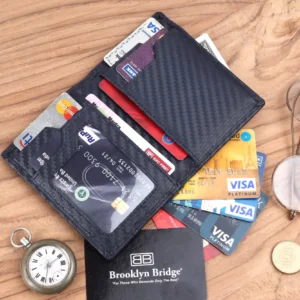
RFID Protected Pull Strap Leather Card Holder Wallet
Original price was: $41.90.$15.19Current price is: $15.19.
You save -
Sale!

RFID Protected Pull Strap Card Holder Wallet for Men Slim
Original price was: $41.90.$15.19Current price is: $15.19.
You save -
Sale!

RFID Protected Leather Card Holder Wallet for Men & Women
Original price was: $18.10.$6.39Current price is: $6.39.
You save -
Sale!
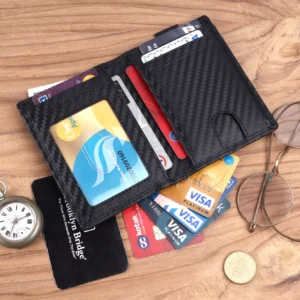
RFID Protected Pull Strap Card Holder Wallet for Secure Access
Original price was: $40.70.$14.79Current price is: $14.79.
You save -
Sale!
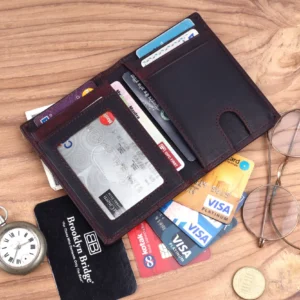
Slim RFID Protected Pull Strap Wallet for Cards & Cash
Original price was: $40.70.$14.79Current price is: $14.79.
You save -
Sale!

RFID Protected Pull Strap Card Holder Wallet for Daily Use
Original price was: $40.70.$14.79Current price is: $14.79.
You save -
Sale!

RFID Protected Card Holder Wallet for Secure Cards & Cash
Original price was: $27.30.$10.79Current price is: $10.79.
You save -
Sale!

RFID Protected Leather Card Holder Wallet with Slim Design
Original price was: $27.30.$10.79Current price is: $10.79.
You save -
Sale!
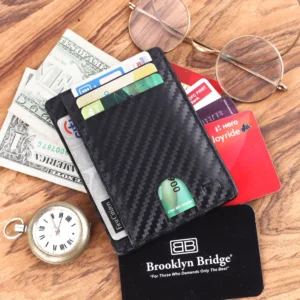
Slim RFID Protected Leather Card Holder Wallet for Cards
Original price was: $27.30.$10.79Current price is: $10.79.
You save -
Sale!

RFID Protected Leather Card Holder Wallet for Secure Cards
Original price was: $27.30.$10.79Current price is: $10.79.
You save -
Sale!

RFID Protected Genuine Leather Card Holder for Daily Use
Original price was: $27.30.$10.79Current price is: $10.79.
You save
-
Sale!
RFID Protected Pull Strap Wallet for Cards & Cash
Original price was: $41.90.$15.19Current price is: $15.19.
You save -
Sale!
RFID Protected Pull Strap Leather Card Holder Wallet
Original price was: $41.90.$15.19Current price is: $15.19.
You save -
Sale!
RFID Protected Pull Strap Card Holder Wallet for Men Slim
Original price was: $41.90.$15.19Current price is: $15.19.
You save -
Sale!
RFID Protected Leather Card Holder Wallet for Men & Women
Original price was: $18.10.$6.39Current price is: $6.39.
You save -
Sale!
RFID Protected Pull Strap Card Holder Wallet for Secure Access
Original price was: $40.70.$14.79Current price is: $14.79.
You save -
Sale!
Slim RFID Protected Pull Strap Wallet for Cards & Cash
Original price was: $40.70.$14.79Current price is: $14.79.
You save -
Sale!
RFID Protected Pull Strap Card Holder Wallet for Daily Use
Original price was: $40.70.$14.79Current price is: $14.79.
You save -
Sale!
RFID Protected Card Holder Wallet for Secure Cards & Cash
Original price was: $27.30.$10.79Current price is: $10.79.
You save -
Sale!
RFID Protected Leather Card Holder Wallet with Slim Design
Original price was: $27.30.$10.79Current price is: $10.79.
You save -
Sale!
Slim RFID Protected Leather Card Holder Wallet for Cards
Original price was: $27.30.$10.79Current price is: $10.79.
You save -
Sale!
RFID Protected Leather Card Holder Wallet for Secure Cards
Original price was: $27.30.$10.79Current price is: $10.79.
You save -
Sale!
RFID Protected Genuine Leather Card Holder for Daily Use
Original price was: $27.30.$10.79Current price is: $10.79.
You save
-
Sale!
RFID Protected Pull Strap Wallet for Cards & Cash
Original price was: $41.90.$15.19Current price is: $15.19.
You save -
Sale!
RFID Protected Pull Strap Leather Card Holder Wallet
Original price was: $41.90.$15.19Current price is: $15.19.
You save -
Sale!
RFID Protected Pull Strap Card Holder Wallet for Men Slim
Original price was: $41.90.$15.19Current price is: $15.19.
You save -
Sale!
RFID Protected Leather Card Holder Wallet for Men & Women
Original price was: $18.10.$6.39Current price is: $6.39.
You save -
Sale!
RFID Protected Pull Strap Card Holder Wallet for Secure Access
Original price was: $40.70.$14.79Current price is: $14.79.
You save -
Sale!
Slim RFID Protected Pull Strap Wallet for Cards & Cash
Original price was: $40.70.$14.79Current price is: $14.79.
You save -
Sale!
RFID Protected Pull Strap Card Holder Wallet for Daily Use
Original price was: $40.70.$14.79Current price is: $14.79.
You save -
Sale!
RFID Protected Card Holder Wallet for Secure Cards & Cash
Original price was: $27.30.$10.79Current price is: $10.79.
You save -
Sale!
RFID Protected Leather Card Holder Wallet with Slim Design
Original price was: $27.30.$10.79Current price is: $10.79.
You save -
Sale!
Slim RFID Protected Leather Card Holder Wallet for Cards
Original price was: $27.30.$10.79Current price is: $10.79.
You save -
Sale!
RFID Protected Leather Card Holder Wallet for Secure Cards
Original price was: $27.30.$10.79Current price is: $10.79.
You save -
Sale!
RFID Protected Genuine Leather Card Holder for Daily Use
Original price was: $27.30.$10.79Current price is: $10.79.
You save

Table of Contents
How to Export Leather Wallets from India to Germany: Complete B2B Guide
Germany is a demanding market for leather goods, but it can be a strong destination for Indian manufacturers that can combine quality, consistency, documentation, and dependable delivery.
For a German importer, choosing an Indian leather wallet exporter is not simply about finding the lowest factory price. Buyers need a supplier that can understand specifications, maintain repeat quality, support compliance, prepare export documentation, and communicate clearly throughout production.
If you are researching how to export leather wallets from India to Germany, the process becomes much easier when it is treated as a structured B2B supply chain rather than a simple shipment.
How to export leather wallets from India to Germany?
The basic process is to identify the correct German buyer, select an export-capable Indian supplier, confirm leather and product specifications, develop and approve samples, agree on pricing and Incoterms, complete production and quality control, prepare export documents, arrange international freight, and support German import customs clearance.
- Define the wallet specification and target German market.
- Shortlist an experienced Indian leather wallet exporter.
- Verify manufacturing capability, quality systems, and compliance.
- Request samples and approve the final specifications.
- Agree on MOQ, pricing, payment terms, packaging, and Incoterms.
- Complete production with documented quality control.
- Prepare the commercial and shipping documentation.
- Arrange freight from India to Germany.
- Complete German import customs procedures.
- Review delivery performance and establish repeat-order controls.
For businesses looking for an established manufacturing partner, Exalter Global Co. provides leather goods manufacturing and export support from Kolkata, India.
1. Start with the German buyer and product requirement
Before requesting quotations, define exactly what the German buyer wants to purchase. A vague product brief creates avoidable pricing, sampling, and production problems.
Build a detailed product specification
A professional wallet specification should cover leather type, leather thickness, dimensions, construction, lining, thread, hardware, colour, stitching, logo application, packaging, and functionality.
Also specify the required card capacity, cash compartment, coin pocket, ID window, money clip, RFID feature, or other functional elements.
German buyers often value consistent construction because the same specification may need to be reproduced across several purchase orders. A supplier should therefore understand both the first sample and the repeat-production requirement.
Define the commercial model
The buyer should know whether the requirement is for wholesale distribution, private label, retail, promotional products, corporate gifting, or an established brand collection.
This affects packaging, branding, MOQ, testing, pricing, and production planning.
Private-label buyers may require custom debossing, packaging artwork, barcodes, product inserts, and specific carton markings. These requirements should be agreed before production begins.
2. Select an Indian leather wallet exporter
The supplier selection stage is one of the most important parts of the entire export process.
A competitive quotation does not automatically indicate a reliable exporter. The buyer should assess manufacturing capability, product quality, communication, documentation, production capacity, and international trade experience.
Exalter Global Co.'s leather wallet manufacturing capability is structured around B2B manufacturing, private-label requirements, and export-oriented production.
Supplier evaluation checklist
- Leather sourcing and material consistency
- Wallet construction and stitching quality
- Sampling and product-development capability
- Private-label manufacturing support
- Production capacity
- Quality inspection procedures
- Export documentation experience
- Packaging capability
- Communication and response time
- Ability to handle repeat orders
For German buyers, the supplier should also be able to discuss material compliance and documentation requirements before commercial production.
3. Evaluate leather, construction, and quality
Leather wallets are detail-sensitive products. Small variations in leather grain, colour, thickness, edge finishing, stitching, and dimensions can become visible when hundreds or thousands of pieces are placed together.
Quality should therefore be defined using measurable specifications rather than phrases such as "premium quality" alone.
Important quality checkpoints
- Leather type and agreed material specification
- Leather thickness and flexibility
- Colour consistency between production batches
- Surface finish and visible defects
- Stitch density and alignment
- Edge finishing
- Hardware quality and attachment
- Logo placement and dimensions
- Wallet dimensions and tolerances
- Card-slot functionality
- Cash-pocket construction
- Packaging quality
Exalter Global Co. presents its leather manufacturing activities around genuine leather goods, wallets, bags, belts, accessories, and private-label products. Its leather manufacturing and export division provides useful context for buyers evaluating Indian production capability.
4. Develop and approve the sample
Never rely only on product photographs when placing a substantial B2B order.
A physical sample allows the buyer to assess the actual leather, dimensions, stitching, colour, construction, hardware, logo treatment, packaging, and functionality.
The approved sample should become the commercial reference point for production. Any subsequent changes should be documented and approved before manufacturing.
A strong sample approval system should record:
- Approved leather and colour
- Final dimensions
- Construction details
- Logo artwork
- Hardware specification
- Thread colour
- Packaging specification
- Labelling requirements
- Testing requirements, where applicable
This creates a clear quality reference for both the German buyer and Indian manufacturer.

-
Sale!
RFID Protected Pull Strap Wallet for Cards & Cash
Original price was: $41.90.$15.19Current price is: $15.19.
You save -
Sale!
RFID Protected Pull Strap Leather Card Holder Wallet
Original price was: $41.90.$15.19Current price is: $15.19.
You save -
Sale!
RFID Protected Pull Strap Card Holder Wallet for Men Slim
Original price was: $41.90.$15.19Current price is: $15.19.
You save -
Sale!
RFID Protected Leather Card Holder Wallet for Men & Women
Original price was: $18.10.$6.39Current price is: $6.39.
You save -
Sale!
RFID Protected Pull Strap Card Holder Wallet for Secure Access
Original price was: $40.70.$14.79Current price is: $14.79.
You save -
Sale!
Slim RFID Protected Pull Strap Wallet for Cards & Cash
Original price was: $40.70.$14.79Current price is: $14.79.
You save -
Sale!
RFID Protected Pull Strap Card Holder Wallet for Daily Use
Original price was: $40.70.$14.79Current price is: $14.79.
You save -
Sale!
RFID Protected Card Holder Wallet for Secure Cards & Cash
Original price was: $27.30.$10.79Current price is: $10.79.
You save -
Sale!
RFID Protected Leather Card Holder Wallet with Slim Design
Original price was: $27.30.$10.79Current price is: $10.79.
You save -
Sale!
Slim RFID Protected Leather Card Holder Wallet for Cards
Original price was: $27.30.$10.79Current price is: $10.79.
You save -
Sale!
RFID Protected Leather Card Holder Wallet for Secure Cards
Original price was: $27.30.$10.79Current price is: $10.79.
You save -
Sale!
RFID Protected Genuine Leather Card Holder for Daily Use
Original price was: $27.30.$10.79Current price is: $10.79.
You save
-
Sale!
RFID Protected Pull Strap Wallet for Cards & Cash
Original price was: $41.90.$15.19Current price is: $15.19.
You save -
Sale!
RFID Protected Pull Strap Leather Card Holder Wallet
Original price was: $41.90.$15.19Current price is: $15.19.
You save -
Sale!
RFID Protected Pull Strap Card Holder Wallet for Men Slim
Original price was: $41.90.$15.19Current price is: $15.19.
You save -
Sale!
RFID Protected Leather Card Holder Wallet for Men & Women
Original price was: $18.10.$6.39Current price is: $6.39.
You save -
Sale!
RFID Protected Pull Strap Card Holder Wallet for Secure Access
Original price was: $40.70.$14.79Current price is: $14.79.
You save -
Sale!
Slim RFID Protected Pull Strap Wallet for Cards & Cash
Original price was: $40.70.$14.79Current price is: $14.79.
You save -
Sale!
RFID Protected Pull Strap Card Holder Wallet for Daily Use
Original price was: $40.70.$14.79Current price is: $14.79.
You save -
Sale!
RFID Protected Card Holder Wallet for Secure Cards & Cash
Original price was: $27.30.$10.79Current price is: $10.79.
You save -
Sale!
RFID Protected Leather Card Holder Wallet with Slim Design
Original price was: $27.30.$10.79Current price is: $10.79.
You save -
Sale!
Slim RFID Protected Leather Card Holder Wallet for Cards
Original price was: $27.30.$10.79Current price is: $10.79.
You save -
Sale!
RFID Protected Leather Card Holder Wallet for Secure Cards
Original price was: $27.30.$10.79Current price is: $10.79.
You save -
Sale!
RFID Protected Genuine Leather Card Holder for Daily Use
Original price was: $27.30.$10.79Current price is: $10.79.
You save
-
Sale!
RFID Protected Pull Strap Wallet for Cards & Cash
Original price was: $41.90.$15.19Current price is: $15.19.
You save -
Sale!
RFID Protected Pull Strap Leather Card Holder Wallet
Original price was: $41.90.$15.19Current price is: $15.19.
You save -
Sale!
RFID Protected Pull Strap Card Holder Wallet for Men Slim
Original price was: $41.90.$15.19Current price is: $15.19.
You save -
Sale!
RFID Protected Leather Card Holder Wallet for Men & Women
Original price was: $18.10.$6.39Current price is: $6.39.
You save -
Sale!
RFID Protected Pull Strap Card Holder Wallet for Secure Access
Original price was: $40.70.$14.79Current price is: $14.79.
You save -
Sale!
Slim RFID Protected Pull Strap Wallet for Cards & Cash
Original price was: $40.70.$14.79Current price is: $14.79.
You save -
Sale!
RFID Protected Pull Strap Card Holder Wallet for Daily Use
Original price was: $40.70.$14.79Current price is: $14.79.
You save -
Sale!
RFID Protected Card Holder Wallet for Secure Cards & Cash
Original price was: $27.30.$10.79Current price is: $10.79.
You save -
Sale!
RFID Protected Leather Card Holder Wallet with Slim Design
Original price was: $27.30.$10.79Current price is: $10.79.
You save -
Sale!
Slim RFID Protected Leather Card Holder Wallet for Cards
Original price was: $27.30.$10.79Current price is: $10.79.
You save -
Sale!
RFID Protected Leather Card Holder Wallet for Secure Cards
Original price was: $27.30.$10.79Current price is: $10.79.
You save -
Sale!
RFID Protected Genuine Leather Card Holder for Daily Use
Original price was: $27.30.$10.79Current price is: $10.79.
You save
-
Sale!
RFID Protected Pull Strap Wallet for Cards & Cash
Original price was: $41.90.$15.19Current price is: $15.19.
You save -
Sale!
RFID Protected Pull Strap Leather Card Holder Wallet
Original price was: $41.90.$15.19Current price is: $15.19.
You save -
Sale!
RFID Protected Pull Strap Card Holder Wallet for Men Slim
Original price was: $41.90.$15.19Current price is: $15.19.
You save -
Sale!
RFID Protected Leather Card Holder Wallet for Men & Women
Original price was: $18.10.$6.39Current price is: $6.39.
You save
-
Sale!
RFID Protected Pull Strap Wallet for Cards & Cash
Original price was: $41.90.$15.19Current price is: $15.19.
You save -
Sale!
RFID Protected Pull Strap Leather Card Holder Wallet
Original price was: $41.90.$15.19Current price is: $15.19.
You save -
Sale!
RFID Protected Pull Strap Card Holder Wallet for Men Slim
Original price was: $41.90.$15.19Current price is: $15.19.
You save -
Sale!
RFID Protected Leather Card Holder Wallet for Men & Women
Original price was: $18.10.$6.39Current price is: $6.39.
You save
-
Sale!
RFID Protected Pull Strap Wallet for Cards & Cash
Original price was: $41.90.$15.19Current price is: $15.19.
You save -
Sale!
RFID Protected Pull Strap Leather Card Holder Wallet
Original price was: $41.90.$15.19Current price is: $15.19.
You save -
Sale!
RFID Protected Pull Strap Card Holder Wallet for Men Slim
Original price was: $41.90.$15.19Current price is: $15.19.
You save -
Sale!
RFID Protected Leather Card Holder Wallet for Men & Women
Original price was: $18.10.$6.39Current price is: $6.39.
You save
-
Sale!
RFID Protected Pull Strap Wallet for Cards & Cash
Original price was: $41.90.$15.19Current price is: $15.19.
You save -
Sale!
RFID Protected Pull Strap Leather Card Holder Wallet
Original price was: $41.90.$15.19Current price is: $15.19.
You save -
Sale!
RFID Protected Pull Strap Card Holder Wallet for Men Slim
Original price was: $41.90.$15.19Current price is: $15.19.
You save -
Sale!
RFID Protected Leather Card Holder Wallet for Men & Women
Original price was: $18.10.$6.39Current price is: $6.39.
You save -
Sale!
RFID Protected Pull Strap Card Holder Wallet for Secure Access
Original price was: $40.70.$14.79Current price is: $14.79.
You save -
Sale!
Slim RFID Protected Pull Strap Wallet for Cards & Cash
Original price was: $40.70.$14.79Current price is: $14.79.
You save -
Sale!
RFID Protected Pull Strap Card Holder Wallet for Daily Use
Original price was: $40.70.$14.79Current price is: $14.79.
You save -
Sale!
RFID Protected Card Holder Wallet for Secure Cards & Cash
Original price was: $27.30.$10.79Current price is: $10.79.
You save -
Sale!
RFID Protected Leather Card Holder Wallet with Slim Design
Original price was: $27.30.$10.79Current price is: $10.79.
You save -
Sale!
Slim RFID Protected Leather Card Holder Wallet for Cards
Original price was: $27.30.$10.79Current price is: $10.79.
You save -
Sale!
RFID Protected Leather Card Holder Wallet for Secure Cards
Original price was: $27.30.$10.79Current price is: $10.79.
You save -
Sale!
RFID Protected Genuine Leather Card Holder for Daily Use
Original price was: $27.30.$10.79Current price is: $10.79.
You save
-
Sale!
RFID Protected Pull Strap Wallet for Cards & Cash
Original price was: $41.90.$15.19Current price is: $15.19.
You save -
Sale!
RFID Protected Pull Strap Leather Card Holder Wallet
Original price was: $41.90.$15.19Current price is: $15.19.
You save -
Sale!
RFID Protected Pull Strap Card Holder Wallet for Men Slim
Original price was: $41.90.$15.19Current price is: $15.19.
You save -
Sale!
RFID Protected Leather Card Holder Wallet for Men & Women
Original price was: $18.10.$6.39Current price is: $6.39.
You save -
Sale!
RFID Protected Pull Strap Card Holder Wallet for Secure Access
Original price was: $40.70.$14.79Current price is: $14.79.
You save -
Sale!
Slim RFID Protected Pull Strap Wallet for Cards & Cash
Original price was: $40.70.$14.79Current price is: $14.79.
You save -
Sale!
RFID Protected Pull Strap Card Holder Wallet for Daily Use
Original price was: $40.70.$14.79Current price is: $14.79.
You save -
Sale!
RFID Protected Card Holder Wallet for Secure Cards & Cash
Original price was: $27.30.$10.79Current price is: $10.79.
You save -
Sale!
RFID Protected Leather Card Holder Wallet with Slim Design
Original price was: $27.30.$10.79Current price is: $10.79.
You save -
Sale!
Slim RFID Protected Leather Card Holder Wallet for Cards
Original price was: $27.30.$10.79Current price is: $10.79.
You save -
Sale!
RFID Protected Leather Card Holder Wallet for Secure Cards
Original price was: $27.30.$10.79Current price is: $10.79.
You save -
Sale!
RFID Protected Genuine Leather Card Holder for Daily Use
Original price was: $27.30.$10.79Current price is: $10.79.
You save
-
Sale!
RFID Protected Pull Strap Wallet for Cards & Cash
Original price was: $41.90.$15.19Current price is: $15.19.
You save -
Sale!
RFID Protected Pull Strap Leather Card Holder Wallet
Original price was: $41.90.$15.19Current price is: $15.19.
You save -
Sale!
RFID Protected Pull Strap Card Holder Wallet for Men Slim
Original price was: $41.90.$15.19Current price is: $15.19.
You save -
Sale!
RFID Protected Leather Card Holder Wallet for Men & Women
Original price was: $18.10.$6.39Current price is: $6.39.
You save -
Sale!
RFID Protected Pull Strap Card Holder Wallet for Secure Access
Original price was: $40.70.$14.79Current price is: $14.79.
You save -
Sale!
Slim RFID Protected Pull Strap Wallet for Cards & Cash
Original price was: $40.70.$14.79Current price is: $14.79.
You save -
Sale!
RFID Protected Pull Strap Card Holder Wallet for Daily Use
Original price was: $40.70.$14.79Current price is: $14.79.
You save -
Sale!
RFID Protected Card Holder Wallet for Secure Cards & Cash
Original price was: $27.30.$10.79Current price is: $10.79.
You save -
Sale!
RFID Protected Leather Card Holder Wallet with Slim Design
Original price was: $27.30.$10.79Current price is: $10.79.
You save -
Sale!
Slim RFID Protected Leather Card Holder Wallet for Cards
Original price was: $27.30.$10.79Current price is: $10.79.
You save -
Sale!
RFID Protected Leather Card Holder Wallet for Secure Cards
Original price was: $27.30.$10.79Current price is: $10.79.
You save -
Sale!
RFID Protected Genuine Leather Card Holder for Daily Use
Original price was: $27.30.$10.79Current price is: $10.79.
You save

5. Confirm German compliance and documentation requirements
Exporting leather wallets to Germany involves more than producing the physical product. The buyer and exporter should identify applicable EU requirements before the order is confirmed.
The exact obligations depend on the product, materials, intended use, supply chain, packaging, and sales channel. German importers should therefore verify the applicable requirements for their specific product classification.
REACH and chemical compliance
Leather products can involve chemicals, dyes, coatings, adhesives, metal components, and other materials that require attention under EU chemical regulations.
A German buyer may request test reports or declarations covering specific substances or product requirements. These requirements should be established before bulk production rather than after shipment.
Exalter Global Co. highlights REACH compliance and export-oriented quality standards as part of its compliance framework.
General Product Safety considerations
Where wallets are placed on the EU consumer market, applicable product safety responsibilities should be considered by the relevant economic operators.
The German importer should determine which information, traceability, product identification, warnings, and technical documentation are required for the specific sales channel.
Leather traceability and deforestation rules
EU environmental regulations are evolving, so leather exporters should monitor the status of rules affecting cattle-derived materials and downstream leather products.
This is especially important because the EU has updated the scope and implementation approach of the Deforestation Regulation during 2026. Buyers and suppliers should verify the current legal position for the specific product and transaction before shipment.
Do not treat an old compliance checklist as permanently valid. German importers should confirm current EU requirements with their customs or compliance advisers.
6. Understand HS classification before quoting
Correct customs classification is essential for calculating duties, preparing documentation, and avoiding clearance problems.
Leather wallets can fall under different tariff classifications depending on their construction and material composition. Classification should therefore be confirmed using the actual product specification.
Do not select an HS code solely because another wallet appears to use the same code.
The exporter and German importer should agree on the appropriate classification before commercial shipment and verify applicable customs measures for the destination.
7. Calculate the export price correctly
A professional quotation should separate the product cost from logistics and destination-related charges.
The basic export price can include leather, components, labour, manufacturing overhead, packaging, branding, quality control, documentation, and the supplier's commercial margin.
Typical quotation structure
| Cost Element | What to Confirm |
|---|---|
| Product cost | Leather, components, labour, manufacturing and margin |
| Branding | Debossing, printing, labels and packaging |
| Quality control | Inspection and testing requirements |
| Freight | Air, sea, courier or consolidated shipment |
| Insurance | Coverage according to the agreed trade term |
| Destination charges | Customs, import VAT, brokerage and local handling where applicable |
8. Choose the right Incoterm
Incoterms determine important responsibilities between the seller and buyer. They should never be treated as interchangeable shipping labels.
For many B2B transactions, buyers may compare EXW, FOB, CIF, CPT, DAP, or other suitable structures depending on the shipment and commercial relationship.
The quotation should clearly state the named place and applicable Incoterm version. It should also identify which party handles export clearance, main carriage, insurance, import clearance, duties, taxes, and destination charges.
Exalter Global Co. publishes detailed sales and export trading conditions covering commercial terms, manufacturing, payment, shipping, and export processes.
9. Agree on MOQ, payment, and production schedule
MOQ should be agreed at the beginning of the commercial discussion.
Custom products often require different minimum quantities from standard products. Branding, packaging, tooling, special hardware, and material procurement can also influence the final MOQ.
Payment terms should be written into the quotation or sales agreement. The production schedule should also identify the event that starts the manufacturing lead time.
For example, production may depend on approved samples, artwork, material confirmation, advance payment, purchase order, or other prerequisites.
10. Prepare the export documentation
Documentation is a core part of international trade. A missing or inconsistent document can delay customs clearance even when the physical goods are correct.
Common export documents
- Commercial invoice
- Packing list
- Transport document
- Certificate of origin where applicable
- Insurance document where applicable
- Export customs documentation
- Product or material documentation where required
- Testing or compliance documents where required
- Purchase order or sales contract
The commercial invoice should accurately describe the goods, quantities, values, parties, and agreed trade terms.
The packing list should reconcile with the physical shipment. Carton count, net weight, gross weight, dimensions, and product quantities should be checked before dispatch.
11. Plan shipping from India to Germany
The best freight method depends on order quantity, urgency, shipment dimensions, budget, and buyer requirements.
| Method | Best Suited For | Key Consideration |
|---|---|---|
| Air freight | Urgent commercial shipments | Higher cost but faster transit |
| Sea freight | Larger commercial orders | Lower freight cost with longer transit |
| Courier | Samples and small shipments | Convenience and simplified handling |
The freight forwarder should receive accurate product descriptions, weights, dimensions, invoice values, destination information, and shipping instructions.

-
Sale!
RFID Protected Pull Strap Wallet for Cards & Cash
Original price was: $41.90.$15.19Current price is: $15.19.
You save -
Sale!
RFID Protected Pull Strap Leather Card Holder Wallet
Original price was: $41.90.$15.19Current price is: $15.19.
You save -
Sale!
RFID Protected Pull Strap Card Holder Wallet for Men Slim
Original price was: $41.90.$15.19Current price is: $15.19.
You save -
Sale!
RFID Protected Leather Card Holder Wallet for Men & Women
Original price was: $18.10.$6.39Current price is: $6.39.
You save -
Sale!
RFID Protected Pull Strap Card Holder Wallet for Secure Access
Original price was: $40.70.$14.79Current price is: $14.79.
You save -
Sale!
Slim RFID Protected Pull Strap Wallet for Cards & Cash
Original price was: $40.70.$14.79Current price is: $14.79.
You save -
Sale!
RFID Protected Pull Strap Card Holder Wallet for Daily Use
Original price was: $40.70.$14.79Current price is: $14.79.
You save -
Sale!
RFID Protected Card Holder Wallet for Secure Cards & Cash
Original price was: $27.30.$10.79Current price is: $10.79.
You save -
Sale!
RFID Protected Leather Card Holder Wallet with Slim Design
Original price was: $27.30.$10.79Current price is: $10.79.
You save -
Sale!
Slim RFID Protected Leather Card Holder Wallet for Cards
Original price was: $27.30.$10.79Current price is: $10.79.
You save -
Sale!
RFID Protected Leather Card Holder Wallet for Secure Cards
Original price was: $27.30.$10.79Current price is: $10.79.
You save -
Sale!
RFID Protected Genuine Leather Card Holder for Daily Use
Original price was: $27.30.$10.79Current price is: $10.79.
You save
-
Sale!
RFID Protected Pull Strap Wallet for Cards & Cash
Original price was: $41.90.$15.19Current price is: $15.19.
You save -
Sale!
RFID Protected Pull Strap Leather Card Holder Wallet
Original price was: $41.90.$15.19Current price is: $15.19.
You save -
Sale!
RFID Protected Pull Strap Card Holder Wallet for Men Slim
Original price was: $41.90.$15.19Current price is: $15.19.
You save -
Sale!
RFID Protected Leather Card Holder Wallet for Men & Women
Original price was: $18.10.$6.39Current price is: $6.39.
You save -
Sale!
RFID Protected Pull Strap Card Holder Wallet for Secure Access
Original price was: $40.70.$14.79Current price is: $14.79.
You save -
Sale!
Slim RFID Protected Pull Strap Wallet for Cards & Cash
Original price was: $40.70.$14.79Current price is: $14.79.
You save -
Sale!
RFID Protected Pull Strap Card Holder Wallet for Daily Use
Original price was: $40.70.$14.79Current price is: $14.79.
You save -
Sale!
RFID Protected Card Holder Wallet for Secure Cards & Cash
Original price was: $27.30.$10.79Current price is: $10.79.
You save -
Sale!
RFID Protected Leather Card Holder Wallet with Slim Design
Original price was: $27.30.$10.79Current price is: $10.79.
You save -
Sale!
Slim RFID Protected Leather Card Holder Wallet for Cards
Original price was: $27.30.$10.79Current price is: $10.79.
You save -
Sale!
RFID Protected Leather Card Holder Wallet for Secure Cards
Original price was: $27.30.$10.79Current price is: $10.79.
You save -
Sale!
RFID Protected Genuine Leather Card Holder for Daily Use
Original price was: $27.30.$10.79Current price is: $10.79.
You save
-
Sale!
RFID Protected Pull Strap Wallet for Cards & Cash
Original price was: $41.90.$15.19Current price is: $15.19.
You save -
Sale!
RFID Protected Pull Strap Leather Card Holder Wallet
Original price was: $41.90.$15.19Current price is: $15.19.
You save -
Sale!
RFID Protected Pull Strap Card Holder Wallet for Men Slim
Original price was: $41.90.$15.19Current price is: $15.19.
You save -
Sale!
RFID Protected Leather Card Holder Wallet for Men & Women
Original price was: $18.10.$6.39Current price is: $6.39.
You save -
Sale!
RFID Protected Pull Strap Card Holder Wallet for Secure Access
Original price was: $40.70.$14.79Current price is: $14.79.
You save -
Sale!
Slim RFID Protected Pull Strap Wallet for Cards & Cash
Original price was: $40.70.$14.79Current price is: $14.79.
You save -
Sale!
RFID Protected Pull Strap Card Holder Wallet for Daily Use
Original price was: $40.70.$14.79Current price is: $14.79.
You save -
Sale!
RFID Protected Card Holder Wallet for Secure Cards & Cash
Original price was: $27.30.$10.79Current price is: $10.79.
You save -
Sale!
RFID Protected Leather Card Holder Wallet with Slim Design
Original price was: $27.30.$10.79Current price is: $10.79.
You save -
Sale!
Slim RFID Protected Leather Card Holder Wallet for Cards
Original price was: $27.30.$10.79Current price is: $10.79.
You save -
Sale!
RFID Protected Leather Card Holder Wallet for Secure Cards
Original price was: $27.30.$10.79Current price is: $10.79.
You save -
Sale!
RFID Protected Genuine Leather Card Holder for Daily Use
Original price was: $27.30.$10.79Current price is: $10.79.
You save
-
Sale!
RFID Protected Pull Strap Wallet for Cards & Cash
Original price was: $41.90.$15.19Current price is: $15.19.
You save -
Sale!
RFID Protected Pull Strap Leather Card Holder Wallet
Original price was: $41.90.$15.19Current price is: $15.19.
You save -
Sale!
RFID Protected Pull Strap Card Holder Wallet for Men Slim
Original price was: $41.90.$15.19Current price is: $15.19.
You save -
Sale!
RFID Protected Leather Card Holder Wallet for Men & Women
Original price was: $18.10.$6.39Current price is: $6.39.
You save
-
Sale!
RFID Protected Pull Strap Wallet for Cards & Cash
Original price was: $41.90.$15.19Current price is: $15.19.
You save -
Sale!
RFID Protected Pull Strap Leather Card Holder Wallet
Original price was: $41.90.$15.19Current price is: $15.19.
You save -
Sale!
RFID Protected Pull Strap Card Holder Wallet for Men Slim
Original price was: $41.90.$15.19Current price is: $15.19.
You save -
Sale!
RFID Protected Leather Card Holder Wallet for Men & Women
Original price was: $18.10.$6.39Current price is: $6.39.
You save
-
Sale!
RFID Protected Pull Strap Wallet for Cards & Cash
Original price was: $41.90.$15.19Current price is: $15.19.
You save -
Sale!
RFID Protected Pull Strap Leather Card Holder Wallet
Original price was: $41.90.$15.19Current price is: $15.19.
You save -
Sale!
RFID Protected Pull Strap Card Holder Wallet for Men Slim
Original price was: $41.90.$15.19Current price is: $15.19.
You save -
Sale!
RFID Protected Leather Card Holder Wallet for Men & Women
Original price was: $18.10.$6.39Current price is: $6.39.
You save
-
Sale!
RFID Protected Pull Strap Wallet for Cards & Cash
Original price was: $41.90.$15.19Current price is: $15.19.
You save -
Sale!
RFID Protected Pull Strap Leather Card Holder Wallet
Original price was: $41.90.$15.19Current price is: $15.19.
You save -
Sale!
RFID Protected Pull Strap Card Holder Wallet for Men Slim
Original price was: $41.90.$15.19Current price is: $15.19.
You save -
Sale!
RFID Protected Leather Card Holder Wallet for Men & Women
Original price was: $18.10.$6.39Current price is: $6.39.
You save -
Sale!
RFID Protected Pull Strap Card Holder Wallet for Secure Access
Original price was: $40.70.$14.79Current price is: $14.79.
You save -
Sale!
Slim RFID Protected Pull Strap Wallet for Cards & Cash
Original price was: $40.70.$14.79Current price is: $14.79.
You save -
Sale!
RFID Protected Pull Strap Card Holder Wallet for Daily Use
Original price was: $40.70.$14.79Current price is: $14.79.
You save -
Sale!
RFID Protected Card Holder Wallet for Secure Cards & Cash
Original price was: $27.30.$10.79Current price is: $10.79.
You save -
Sale!
RFID Protected Leather Card Holder Wallet with Slim Design
Original price was: $27.30.$10.79Current price is: $10.79.
You save -
Sale!
Slim RFID Protected Leather Card Holder Wallet for Cards
Original price was: $27.30.$10.79Current price is: $10.79.
You save -
Sale!
RFID Protected Leather Card Holder Wallet for Secure Cards
Original price was: $27.30.$10.79Current price is: $10.79.
You save -
Sale!
RFID Protected Genuine Leather Card Holder for Daily Use
Original price was: $27.30.$10.79Current price is: $10.79.
You save
-
Sale!
RFID Protected Pull Strap Wallet for Cards & Cash
Original price was: $41.90.$15.19Current price is: $15.19.
You save -
Sale!
RFID Protected Pull Strap Leather Card Holder Wallet
Original price was: $41.90.$15.19Current price is: $15.19.
You save -
Sale!
RFID Protected Pull Strap Card Holder Wallet for Men Slim
Original price was: $41.90.$15.19Current price is: $15.19.
You save -
Sale!
RFID Protected Leather Card Holder Wallet for Men & Women
Original price was: $18.10.$6.39Current price is: $6.39.
You save -
Sale!
RFID Protected Pull Strap Card Holder Wallet for Secure Access
Original price was: $40.70.$14.79Current price is: $14.79.
You save -
Sale!
Slim RFID Protected Pull Strap Wallet for Cards & Cash
Original price was: $40.70.$14.79Current price is: $14.79.
You save -
Sale!
RFID Protected Pull Strap Card Holder Wallet for Daily Use
Original price was: $40.70.$14.79Current price is: $14.79.
You save -
Sale!
RFID Protected Card Holder Wallet for Secure Cards & Cash
Original price was: $27.30.$10.79Current price is: $10.79.
You save -
Sale!
RFID Protected Leather Card Holder Wallet with Slim Design
Original price was: $27.30.$10.79Current price is: $10.79.
You save -
Sale!
Slim RFID Protected Leather Card Holder Wallet for Cards
Original price was: $27.30.$10.79Current price is: $10.79.
You save -
Sale!
RFID Protected Leather Card Holder Wallet for Secure Cards
Original price was: $27.30.$10.79Current price is: $10.79.
You save -
Sale!
RFID Protected Genuine Leather Card Holder for Daily Use
Original price was: $27.30.$10.79Current price is: $10.79.
You save
-
Sale!
RFID Protected Pull Strap Wallet for Cards & Cash
Original price was: $41.90.$15.19Current price is: $15.19.
You save -
Sale!
RFID Protected Pull Strap Leather Card Holder Wallet
Original price was: $41.90.$15.19Current price is: $15.19.
You save -
Sale!
RFID Protected Pull Strap Card Holder Wallet for Men Slim
Original price was: $41.90.$15.19Current price is: $15.19.
You save -
Sale!
RFID Protected Leather Card Holder Wallet for Men & Women
Original price was: $18.10.$6.39Current price is: $6.39.
You save -
Sale!
RFID Protected Pull Strap Card Holder Wallet for Secure Access
Original price was: $40.70.$14.79Current price is: $14.79.
You save -
Sale!
Slim RFID Protected Pull Strap Wallet for Cards & Cash
Original price was: $40.70.$14.79Current price is: $14.79.
You save -
Sale!
RFID Protected Pull Strap Card Holder Wallet for Daily Use
Original price was: $40.70.$14.79Current price is: $14.79.
You save -
Sale!
RFID Protected Card Holder Wallet for Secure Cards & Cash
Original price was: $27.30.$10.79Current price is: $10.79.
You save -
Sale!
RFID Protected Leather Card Holder Wallet with Slim Design
Original price was: $27.30.$10.79Current price is: $10.79.
You save -
Sale!
Slim RFID Protected Leather Card Holder Wallet for Cards
Original price was: $27.30.$10.79Current price is: $10.79.
You save -
Sale!
RFID Protected Leather Card Holder Wallet for Secure Cards
Original price was: $27.30.$10.79Current price is: $10.79.
You save -
Sale!
RFID Protected Genuine Leather Card Holder for Daily Use
Original price was: $27.30.$10.79Current price is: $10.79.
You save

12. Prepare the German importer for customs clearance
The German buyer or appointed customs representative generally plays an important role in EU import clearance.
The exporter should provide accurate documents and shipment information early enough for the buyer or customs broker to prepare the declaration.
For commercial imports, the buyer should ensure the appropriate customs registration and EORI arrangements are in place where required.
It is also important that the commercial invoice, packing list, transport document, customs declaration, and actual shipment all describe the same transaction.
13. Build packaging for international transport
Premium leather wallets should arrive in Germany in the same condition in which they left the manufacturing facility.
Packaging should protect the leather from moisture, abrasion, compression, dust, and unnecessary deformation during handling.
Packaging checklist
- Individual wallet protection
- Suitable inner packaging
- Secure carton packing
- Correct quantity per carton
- Carton identification
- Net and gross weight records
- Dimensions recorded accurately
- Protection against moisture during transit
- Buyer-specific packaging where required
For private-label orders, packaging should be approved before bulk production. Artwork changes after printing can create unnecessary cost and delay.
14. Perform final quality inspection before shipment
A final inspection provides one of the last opportunities to identify production issues before the goods leave India.
The inspection should compare finished goods against the approved sample and production specification.
Final inspection checklist
- Confirm product quantity.
- Check leather colour and surface.
- Check dimensions and construction.
- Inspect stitching and edges.
- Test functional components.
- Check logo placement.
- Verify packaging.
- Check carton quantities.
- Reconcile weights and dimensions.
- Verify export documents.
Quality control should focus on consistency, not just finding obvious defects. A German buyer needs confidence that the next order will match the first.
15. What German buyers typically expect from an Indian supplier
German B2B buyers often evaluate suppliers using a broader set of criteria than product price alone.
| Buyer Expectation | Supplier Response |
|---|---|
| Consistent quality | Approved samples and documented QC |
| Clear pricing | Detailed quotation with Incoterms |
| Reliable delivery | Realistic production and freight planning |
| Compliance support | Relevant material and testing documentation |
| Private label | Custom branding and packaging capability |
| Communication | Fast, accurate and documented responses |
16. Why consider Exalter Global Co. for leather wallet exports?
For an importer evaluating an Indian leather wallet exporter, manufacturing capability should be assessed alongside product range and export readiness.
Exalter Global Co.'s company profile traces its leather manufacturing roots to Kolkata and presents the company as a manufacturing and sourcing partner for international businesses.
The company supports leather goods manufacturing across wallets, bags, belts, accessories, and private-label products. Its focus is on combining manufacturing, quality control, customization, and international B2B supply.
For buyers looking at ready product references, the company's leather wallet production collection provides examples of wallet formats and configurations.
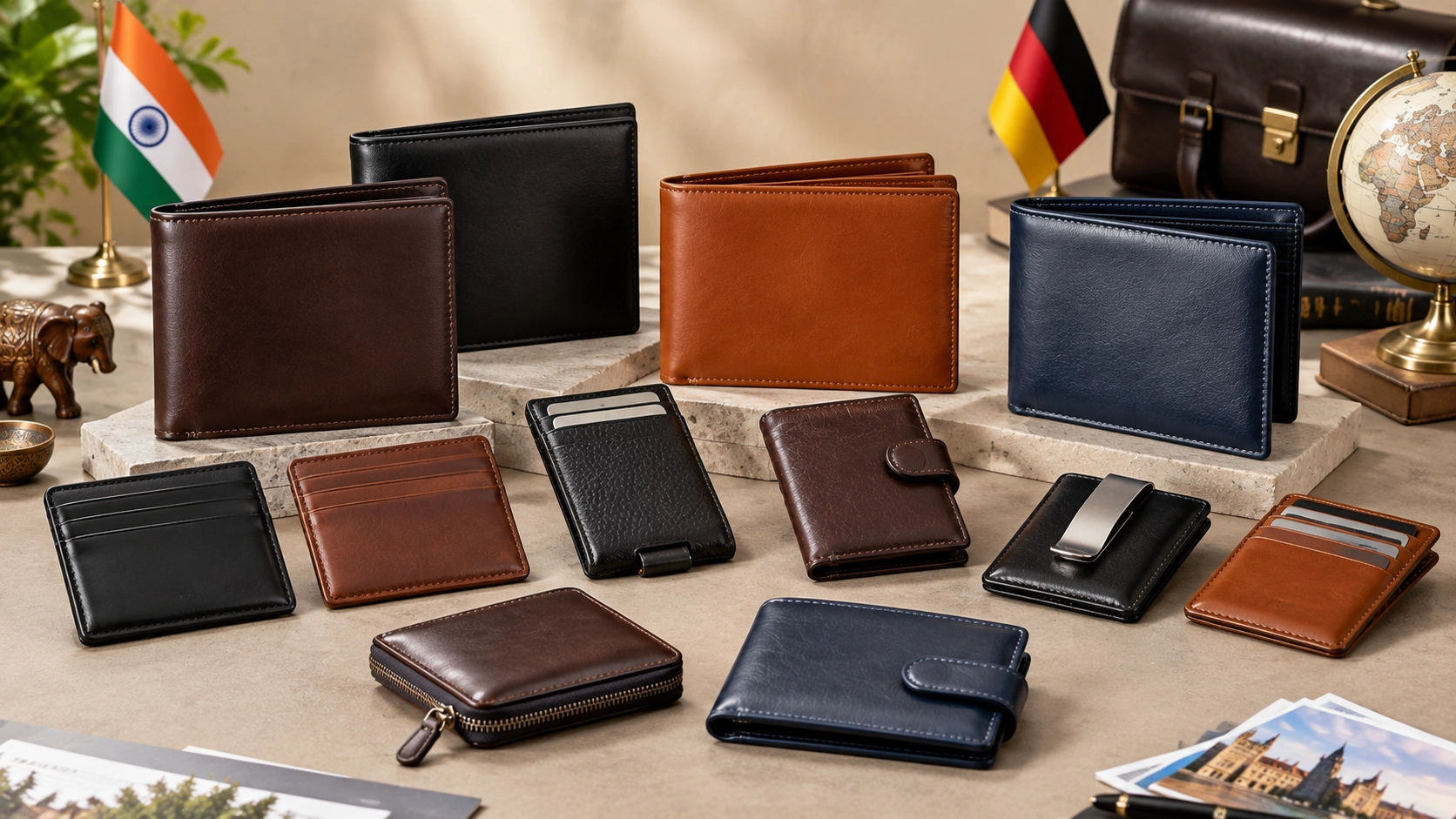
The range includes RFID wallets, money clip wallets, card holders, bifold wallets, slim wallets, ID-window designs, and other functional formats.
Its Exalter Vachette division focuses on premium leather goods and export-oriented manufacturing, while Brooklyn Bridge provides additional leather wallet and accessory product references.
For example, the Brooklyn Bridge genuine leather RFID wallet demonstrates a wallet configuration combining card storage, cash storage, and RFID functionality.
For buyers interested in slimmer formats, the Brooklyn Bridge RFID leather card holder provides another product reference.
The objective for a German buyer should not be to select a product from a catalogue alone. Instead, the product should be developed around the buyer's target market, specifications, price position, packaging, and compliance requirements.
17. B2B export checklist for Germany
- Product: Confirm leather, dimensions, construction, colour and functionality.
- Branding: Approve logo artwork and placement.
- Sample: Approve the physical reference sample.
- Quality: Establish measurable inspection criteria.
- Compliance: Confirm applicable EU and German requirements.
- Classification: Confirm the correct customs classification.
- Pricing: Agree product price, freight responsibility and Incoterm.
- Payment: Confirm advance, balance and payment milestones.
- Production: Establish the manufacturing lead time.
- Packaging: Approve retail and export packaging.
- Documents: Prepare invoice, packing list and transport documentation.
- Freight: Select the appropriate shipping method.
- Customs: Coordinate with the German importer or customs broker.
- Inspection: Complete final quality checks before dispatch.
- Repeat order: Preserve the approved specification for future production.
18. Frequently asked questions
Is India a suitable source for leather wallets for Germany?
India can be a competitive sourcing base for leather wallets because it combines leatherworking skills, manufacturing capacity, product development, and export experience. Supplier capability should still be evaluated individually.
How do I find a leather wallet exporter from India to Germany?
Look for manufacturers with verifiable product capability, export experience, quality systems, customization support, transparent commercial terms, and documentation processes. Request samples before committing to a large order.
What documents are required to export leather wallets from India?
Common documents include a commercial invoice, packing list, transport document, export customs documentation, and origin or compliance documents where applicable. Exact requirements depend on the transaction and product.
What is the best shipping method for leather wallets from India to Germany?
Air freight is generally suitable for urgent or smaller commercial shipments. Sea freight can be more economical for larger orders. Samples may be sent by courier.
Can Indian manufacturers make private-label leather wallets for German brands?
Yes. Private-label manufacturing can include custom designs, logo branding, packaging, product development, and production against approved specifications. MOQ and additional charges depend on the project.
What should German buyers check before placing an order?
Buyers should evaluate leather quality, construction, sample approval, compliance, MOQ, pricing, Incoterms, production lead time, packaging, documentation, freight arrangements, and supplier communication.
Can Exalter Global Co. supply customised leather wallets?
Exalter Global Co. supports leather goods manufacturing and private-label requirements. Buyers can discuss product specifications, branding, packaging, quantities, and commercial requirements directly with the B2B team through the Exalter Global Co. contact page.
Conclusion
Exporting leather wallets from India to Germany is a structured B2B process. Success depends on more than manufacturing a good-looking wallet.
The exporter must deliver consistent quality, clear specifications, reliable production, accurate documentation, suitable packaging, and dependable international logistics.
For German importers, the strongest sourcing strategy is to select an Indian manufacturing partner that can support the complete journey from product development to export dispatch.
Exalter Global Co. combines leather goods manufacturing, private-label capability, product development, quality processes, and export-oriented B2B support from India.
If you are sourcing leather wallets for Germany, start with a clear product brief, request samples, establish compliance requirements, and build the commercial relationship around repeatable quality rather than price alone.
Ready to discuss a German B2B leather wallet requirement? Contact Exalter Global Co.'s B2B team with your product specifications, target quantity, branding requirements, and delivery destination.
-
Sale!
RFID Protected Pull Strap Wallet for Cards & Cash
Original price was: $41.90.$15.19Current price is: $15.19.
You save -
Sale!
RFID Protected Pull Strap Leather Card Holder Wallet
Original price was: $41.90.$15.19Current price is: $15.19.
You save -
Sale!
RFID Protected Pull Strap Card Holder Wallet for Men Slim
Original price was: $41.90.$15.19Current price is: $15.19.
You save -
Sale!
RFID Protected Leather Card Holder Wallet for Men & Women
Original price was: $18.10.$6.39Current price is: $6.39.
You save -
Sale!
RFID Protected Pull Strap Card Holder Wallet for Secure Access
Original price was: $40.70.$14.79Current price is: $14.79.
You save -
Sale!
Slim RFID Protected Pull Strap Wallet for Cards & Cash
Original price was: $40.70.$14.79Current price is: $14.79.
You save -
Sale!
RFID Protected Pull Strap Card Holder Wallet for Daily Use
Original price was: $40.70.$14.79Current price is: $14.79.
You save -
Sale!
RFID Protected Card Holder Wallet for Secure Cards & Cash
Original price was: $27.30.$10.79Current price is: $10.79.
You save -
Sale!
RFID Protected Leather Card Holder Wallet with Slim Design
Original price was: $27.30.$10.79Current price is: $10.79.
You save -
Sale!
Slim RFID Protected Leather Card Holder Wallet for Cards
Original price was: $27.30.$10.79Current price is: $10.79.
You save -
Sale!
RFID Protected Leather Card Holder Wallet for Secure Cards
Original price was: $27.30.$10.79Current price is: $10.79.
You save -
Sale!
RFID Protected Genuine Leather Card Holder for Daily Use
Original price was: $27.30.$10.79Current price is: $10.79.
You save
-
Sale!
RFID Protected Pull Strap Wallet for Cards & Cash
Original price was: $41.90.$15.19Current price is: $15.19.
You save -
Sale!
RFID Protected Pull Strap Leather Card Holder Wallet
Original price was: $41.90.$15.19Current price is: $15.19.
You save -
Sale!
RFID Protected Pull Strap Card Holder Wallet for Men Slim
Original price was: $41.90.$15.19Current price is: $15.19.
You save -
Sale!
RFID Protected Leather Card Holder Wallet for Men & Women
Original price was: $18.10.$6.39Current price is: $6.39.
You save -
Sale!
RFID Protected Pull Strap Card Holder Wallet for Secure Access
Original price was: $40.70.$14.79Current price is: $14.79.
You save -
Sale!
Slim RFID Protected Pull Strap Wallet for Cards & Cash
Original price was: $40.70.$14.79Current price is: $14.79.
You save -
Sale!
RFID Protected Pull Strap Card Holder Wallet for Daily Use
Original price was: $40.70.$14.79Current price is: $14.79.
You save -
Sale!
RFID Protected Card Holder Wallet for Secure Cards & Cash
Original price was: $27.30.$10.79Current price is: $10.79.
You save -
Sale!
RFID Protected Leather Card Holder Wallet with Slim Design
Original price was: $27.30.$10.79Current price is: $10.79.
You save -
Sale!
Slim RFID Protected Leather Card Holder Wallet for Cards
Original price was: $27.30.$10.79Current price is: $10.79.
You save -
Sale!
RFID Protected Leather Card Holder Wallet for Secure Cards
Original price was: $27.30.$10.79Current price is: $10.79.
You save -
Sale!
RFID Protected Genuine Leather Card Holder for Daily Use
Original price was: $27.30.$10.79Current price is: $10.79.
You save
-
Sale!
RFID Protected Pull Strap Wallet for Cards & Cash
Original price was: $41.90.$15.19Current price is: $15.19.
You save -
Sale!
RFID Protected Pull Strap Leather Card Holder Wallet
Original price was: $41.90.$15.19Current price is: $15.19.
You save -
Sale!
RFID Protected Pull Strap Card Holder Wallet for Men Slim
Original price was: $41.90.$15.19Current price is: $15.19.
You save -
Sale!
RFID Protected Leather Card Holder Wallet for Men & Women
Original price was: $18.10.$6.39Current price is: $6.39.
You save -
Sale!
RFID Protected Pull Strap Card Holder Wallet for Secure Access
Original price was: $40.70.$14.79Current price is: $14.79.
You save -
Sale!
Slim RFID Protected Pull Strap Wallet for Cards & Cash
Original price was: $40.70.$14.79Current price is: $14.79.
You save -
Sale!
RFID Protected Pull Strap Card Holder Wallet for Daily Use
Original price was: $40.70.$14.79Current price is: $14.79.
You save -
Sale!
RFID Protected Card Holder Wallet for Secure Cards & Cash
Original price was: $27.30.$10.79Current price is: $10.79.
You save -
Sale!
RFID Protected Leather Card Holder Wallet with Slim Design
Original price was: $27.30.$10.79Current price is: $10.79.
You save -
Sale!
Slim RFID Protected Leather Card Holder Wallet for Cards
Original price was: $27.30.$10.79Current price is: $10.79.
You save -
Sale!
RFID Protected Leather Card Holder Wallet for Secure Cards
Original price was: $27.30.$10.79Current price is: $10.79.
You save -
Sale!
RFID Protected Genuine Leather Card Holder for Daily Use
Original price was: $27.30.$10.79Current price is: $10.79.
You save