
-
Sale!

RFID Protected Pull Strap Wallet for Cards & Cash
Original price was: $41.90.$15.19Current price is: $15.19. -
Sale!
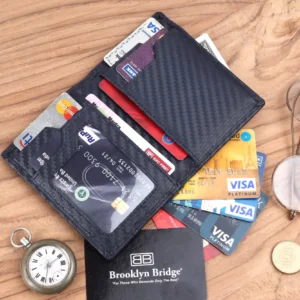
RFID Protected Pull Strap Leather Card Holder Wallet
Original price was: $41.90.$15.19Current price is: $15.19. -
Sale!

RFID Protected Pull Strap Card Holder Wallet for Men Slim
Original price was: $41.90.$15.19Current price is: $15.19. -
Sale!

RFID Protected Leather Card Holder Wallet for Men & Women
Original price was: $18.10.$6.39Current price is: $6.39. -
Sale!
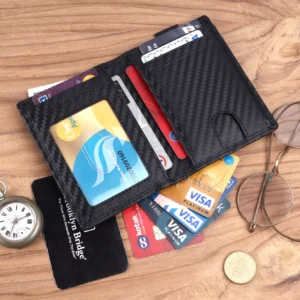
RFID Protected Pull Strap Card Holder Wallet for Secure Access
Original price was: $40.70.$14.79Current price is: $14.79. -
Sale!
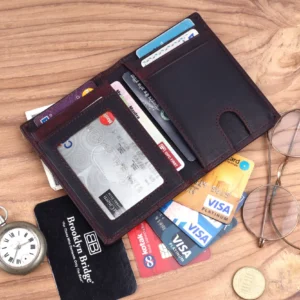
Slim RFID Protected Pull Strap Wallet for Cards & Cash
Original price was: $40.70.$14.79Current price is: $14.79. -
Sale!

RFID Protected Pull Strap Card Holder Wallet for Daily Use
Original price was: $40.70.$14.79Current price is: $14.79. -
Sale!

RFID Protected Card Holder Wallet for Secure Cards & Cash
Original price was: $27.30.$10.79Current price is: $10.79. -
Sale!
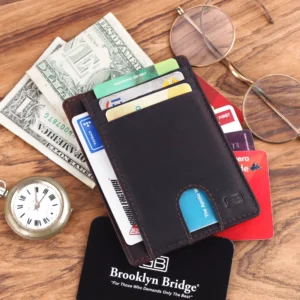
RFID Protected Leather Card Holder Wallet with Slim Design
Original price was: $27.30.$10.79Current price is: $10.79. -
Sale!
Slim RFID Protected Leather Card Holder Wallet for Cards
Original price was: $27.30.$10.79Current price is: $10.79. -
Sale!

RFID Protected Leather Card Holder Wallet for Secure Cards
Original price was: $27.30.$10.79Current price is: $10.79. -
Sale!

RFID Protected Genuine Leather Card Holder for Daily Use
Original price was: $27.30.$10.79Current price is: $10.79.
-
Sale!
RFID Protected Pull Strap Wallet for Cards & Cash
Original price was: $41.90.$15.19Current price is: $15.19. -
Sale!
RFID Protected Pull Strap Leather Card Holder Wallet
Original price was: $41.90.$15.19Current price is: $15.19. -
Sale!
RFID Protected Pull Strap Card Holder Wallet for Men Slim
Original price was: $41.90.$15.19Current price is: $15.19. -
Sale!
RFID Protected Leather Card Holder Wallet for Men & Women
Original price was: $18.10.$6.39Current price is: $6.39. -
Sale!
RFID Protected Pull Strap Card Holder Wallet for Secure Access
Original price was: $40.70.$14.79Current price is: $14.79. -
Sale!
Slim RFID Protected Pull Strap Wallet for Cards & Cash
Original price was: $40.70.$14.79Current price is: $14.79. -
Sale!
RFID Protected Pull Strap Card Holder Wallet for Daily Use
Original price was: $40.70.$14.79Current price is: $14.79. -
Sale!
RFID Protected Card Holder Wallet for Secure Cards & Cash
Original price was: $27.30.$10.79Current price is: $10.79. -
Sale!
RFID Protected Leather Card Holder Wallet with Slim Design
Original price was: $27.30.$10.79Current price is: $10.79. -
Sale!
Slim RFID Protected Leather Card Holder Wallet for Cards
Original price was: $27.30.$10.79Current price is: $10.79. -
Sale!
RFID Protected Leather Card Holder Wallet for Secure Cards
Original price was: $27.30.$10.79Current price is: $10.79. -
Sale!
RFID Protected Genuine Leather Card Holder for Daily Use
Original price was: $27.30.$10.79Current price is: $10.79.
-
Sale!
RFID Protected Pull Strap Wallet for Cards & Cash
Original price was: $41.90.$15.19Current price is: $15.19. -
Sale!
RFID Protected Pull Strap Leather Card Holder Wallet
Original price was: $41.90.$15.19Current price is: $15.19. -
Sale!
RFID Protected Pull Strap Card Holder Wallet for Men Slim
Original price was: $41.90.$15.19Current price is: $15.19. -
Sale!
RFID Protected Leather Card Holder Wallet for Men & Women
Original price was: $18.10.$6.39Current price is: $6.39. -
Sale!
RFID Protected Pull Strap Card Holder Wallet for Secure Access
Original price was: $40.70.$14.79Current price is: $14.79. -
Sale!
Slim RFID Protected Pull Strap Wallet for Cards & Cash
Original price was: $40.70.$14.79Current price is: $14.79. -
Sale!
RFID Protected Pull Strap Card Holder Wallet for Daily Use
Original price was: $40.70.$14.79Current price is: $14.79. -
Sale!
RFID Protected Card Holder Wallet for Secure Cards & Cash
Original price was: $27.30.$10.79Current price is: $10.79. -
Sale!
RFID Protected Leather Card Holder Wallet with Slim Design
Original price was: $27.30.$10.79Current price is: $10.79. -
Sale!
Slim RFID Protected Leather Card Holder Wallet for Cards
Original price was: $27.30.$10.79Current price is: $10.79. -
Sale!
RFID Protected Leather Card Holder Wallet for Secure Cards
Original price was: $27.30.$10.79Current price is: $10.79. -
Sale!
RFID Protected Genuine Leather Card Holder for Daily Use
Original price was: $27.30.$10.79Current price is: $10.79.

Table of Contents
Why UK Brands Prefer Leather Wallet Exporters from India in 2026
For a UK brand, choosing a leather wallet supplier is no longer only about the lowest factory price. Buyers increasingly need a manufacturing partner that can combine consistent craftsmanship, competitive pricing, private-label flexibility, export capability, and dependable documentation.
That is where India has a strong proposition. A mature leather manufacturing ecosystem gives UK brands access to skilled artisans, established production capabilities, varied leather options, and scalable manufacturing. For businesses searching for a leather wallet exporter from India to UK, the opportunity is not simply to reduce purchasing costs. It is to build a more flexible and commercially viable supply chain.
The short answer: UK brands consider Indian leather wallet exporters because India can combine craftsmanship credibility, competitive manufacturing economics, custom production, export infrastructure, and product development support in one sourcing relationship.
Why Import Leather Wallets from India?
- Competitive manufacturing: Indian production can offer attractive ex-factory economics without requiring brands to compromise on product positioning.
- Skilled craftsmanship: India has deep experience in leather cutting, stitching, finishing, edge work, and assembly.
- Private-label flexibility: Brands can develop wallets around their own specifications, branding, packaging, and target market.
- Product variety: Manufacturers can produce bifold wallets, card holders, RFID wallets, money clips, travel wallets, and other formats.
- Export readiness: Experienced exporters understand documentation, packaging, logistics, and international buyer requirements.
- Scalable production: Established manufacturers can support repeat orders and volume growth more effectively.
- Material choice: Buyers can specify different genuine leather qualities, finishes, colours, linings, hardware, and accessories.
- Direct manufacturer relationships: Working directly with a manufacturer can reduce unnecessary supplier layers and improve communication.
India's Leather Wallet Advantage Goes Beyond Price
Price is an important part of international sourcing, but serious UK buyers evaluate the total commercial value of a wallet. That includes material quality, workmanship, rejection rates, development support, packaging, minimum order quantities, lead times, documentation, and the supplier's ability to repeat an approved specification.
India is particularly relevant because leather goods manufacturing combines traditional craftsmanship with industrial production. A suitable supplier can therefore support both premium collections and commercially focused ranges.
For UK brands, this balance matters. A wallet may be positioned as an accessible premium product, corporate gift, fashion accessory, retail item, or private-label bestseller. The manufacturing partner must understand how the product will be sold before deciding how it should be produced.
Why UK Brands Look at Indian Leather Manufacturers
1. Competitive Manufacturing Economics
Indian manufacturing can provide a strong cost structure for brands buying directly from the source. Labour-intensive operations such as cutting, stitching, folding, edge finishing, assembly, and inspection can be managed within an established production ecosystem.
The important point is that competitive pricing does not have to mean basic product quality. A manufacturer can engineer the product around a target price by adjusting leather grade, construction, hardware, lining, packaging, and other specifications.
This approach is especially useful for UK brands that need a defined target landed cost. Instead of asking only for the cheapest wallet, procurement teams can request a specification-led quotation that clearly connects product quality with price.
2. Leather Craftsmanship and Production Knowledge
Leather wallets look simple until production begins. Small variations in leather thickness, folding, stitching tension, edge treatment, pocket dimensions, and adhesive application can change the final product significantly.
Experienced Indian leather manufacturers have developed production skills around these details. Skilled operators can work with different leather constructions while maintaining functional dimensions and visual consistency.
For a brand, this means the supplier conversation can move beyond a catalogue product. The manufacturer can become part of the product-development process.
Exalter Vachette, the leather goods brand of Exalter Global Co., represents this manufacturing-led approach. Its capabilities include genuine leather wallets, bags, belts, accessories, and custom or private-label leather goods for global buyers.
3. Flexible Private-Label Manufacturing
Private-label buyers rarely want a generic wallet with a logo added at the end. They want control over the complete product experience.
That can include leather selection, dimensions, colour, stitching, logo placement, embossing, lining, card capacity, packaging, labels, barcodes, and presentation.
Exalter Global Co. supports OEM, ODM, private-label, and custom leather manufacturing. Its manufacturing model is designed to take a product from design requirements through sampling, production, quality inspection, and export preparation.
For a UK brand launching a new collection, this can shorten the distance between an initial product concept and a commercially manufacturable wallet.
What UK Buyers Should Evaluate Before Choosing an Exporter
A strong sourcing decision should begin with supplier capability rather than a price sheet. Before placing an order, procurement teams should evaluate the following areas:
- Material specification: Confirm the leather type, grade, thickness, finish, colour, and expected appearance.
- Construction: Review stitching, edge finishing, pocket construction, lining, hardware, and reinforcement.
- Sampling: Approve a representative production sample before bulk manufacturing.
- Quality control: Establish inspection criteria before production begins.
- Branding: Confirm debossing, embossing, printing, labels, packaging, and artwork requirements.
- Commercial terms: Review MOQ, payment schedule, lead time, shipping terms, and additional tooling costs.
- Export documentation: Confirm who prepares the required commercial and shipping documents.
Exalter Global Co. publishes its Sales and Export Trading Conditions to provide buyers with clear information about sampling, manufacturing, customization, payment, shipping, and export responsibilities.

-
Sale!
RFID Protected Pull Strap Wallet for Cards & Cash
Original price was: $41.90.$15.19Current price is: $15.19. -
Sale!
RFID Protected Pull Strap Leather Card Holder Wallet
Original price was: $41.90.$15.19Current price is: $15.19. -
Sale!
RFID Protected Pull Strap Card Holder Wallet for Men Slim
Original price was: $41.90.$15.19Current price is: $15.19. -
Sale!
RFID Protected Leather Card Holder Wallet for Men & Women
Original price was: $18.10.$6.39Current price is: $6.39. -
Sale!
RFID Protected Pull Strap Card Holder Wallet for Secure Access
Original price was: $40.70.$14.79Current price is: $14.79. -
Sale!
Slim RFID Protected Pull Strap Wallet for Cards & Cash
Original price was: $40.70.$14.79Current price is: $14.79. -
Sale!
RFID Protected Pull Strap Card Holder Wallet for Daily Use
Original price was: $40.70.$14.79Current price is: $14.79. -
Sale!
RFID Protected Card Holder Wallet for Secure Cards & Cash
Original price was: $27.30.$10.79Current price is: $10.79. -
Sale!
RFID Protected Leather Card Holder Wallet with Slim Design
Original price was: $27.30.$10.79Current price is: $10.79. -
Sale!
Slim RFID Protected Leather Card Holder Wallet for Cards
Original price was: $27.30.$10.79Current price is: $10.79. -
Sale!
RFID Protected Leather Card Holder Wallet for Secure Cards
Original price was: $27.30.$10.79Current price is: $10.79. -
Sale!
RFID Protected Genuine Leather Card Holder for Daily Use
Original price was: $27.30.$10.79Current price is: $10.79.
-
Sale!
RFID Protected Pull Strap Wallet for Cards & Cash
Original price was: $41.90.$15.19Current price is: $15.19. -
Sale!
RFID Protected Pull Strap Leather Card Holder Wallet
Original price was: $41.90.$15.19Current price is: $15.19. -
Sale!
RFID Protected Pull Strap Card Holder Wallet for Men Slim
Original price was: $41.90.$15.19Current price is: $15.19. -
Sale!
RFID Protected Leather Card Holder Wallet for Men & Women
Original price was: $18.10.$6.39Current price is: $6.39. -
Sale!
RFID Protected Pull Strap Card Holder Wallet for Secure Access
Original price was: $40.70.$14.79Current price is: $14.79. -
Sale!
Slim RFID Protected Pull Strap Wallet for Cards & Cash
Original price was: $40.70.$14.79Current price is: $14.79. -
Sale!
RFID Protected Pull Strap Card Holder Wallet for Daily Use
Original price was: $40.70.$14.79Current price is: $14.79. -
Sale!
RFID Protected Card Holder Wallet for Secure Cards & Cash
Original price was: $27.30.$10.79Current price is: $10.79. -
Sale!
RFID Protected Leather Card Holder Wallet with Slim Design
Original price was: $27.30.$10.79Current price is: $10.79. -
Sale!
Slim RFID Protected Leather Card Holder Wallet for Cards
Original price was: $27.30.$10.79Current price is: $10.79. -
Sale!
RFID Protected Leather Card Holder Wallet for Secure Cards
Original price was: $27.30.$10.79Current price is: $10.79. -
Sale!
RFID Protected Genuine Leather Card Holder for Daily Use
Original price was: $27.30.$10.79Current price is: $10.79.
-
Sale!
RFID Protected Pull Strap Wallet for Cards & Cash
Original price was: $41.90.$15.19Current price is: $15.19. -
Sale!
RFID Protected Pull Strap Leather Card Holder Wallet
Original price was: $41.90.$15.19Current price is: $15.19. -
Sale!
RFID Protected Pull Strap Card Holder Wallet for Men Slim
Original price was: $41.90.$15.19Current price is: $15.19. -
Sale!
RFID Protected Leather Card Holder Wallet for Men & Women
Original price was: $18.10.$6.39Current price is: $6.39. -
Sale!
RFID Protected Pull Strap Card Holder Wallet for Secure Access
Original price was: $40.70.$14.79Current price is: $14.79. -
Sale!
Slim RFID Protected Pull Strap Wallet for Cards & Cash
Original price was: $40.70.$14.79Current price is: $14.79. -
Sale!
RFID Protected Pull Strap Card Holder Wallet for Daily Use
Original price was: $40.70.$14.79Current price is: $14.79. -
Sale!
RFID Protected Card Holder Wallet for Secure Cards & Cash
Original price was: $27.30.$10.79Current price is: $10.79. -
Sale!
RFID Protected Leather Card Holder Wallet with Slim Design
Original price was: $27.30.$10.79Current price is: $10.79. -
Sale!
Slim RFID Protected Leather Card Holder Wallet for Cards
Original price was: $27.30.$10.79Current price is: $10.79. -
Sale!
RFID Protected Leather Card Holder Wallet for Secure Cards
Original price was: $27.30.$10.79Current price is: $10.79. -
Sale!
RFID Protected Genuine Leather Card Holder for Daily Use
Original price was: $27.30.$10.79Current price is: $10.79.
-
Sale!
RFID Protected Pull Strap Wallet for Cards & Cash
Original price was: $41.90.$15.19Current price is: $15.19. -
Sale!
RFID Protected Pull Strap Leather Card Holder Wallet
Original price was: $41.90.$15.19Current price is: $15.19. -
Sale!
RFID Protected Pull Strap Card Holder Wallet for Men Slim
Original price was: $41.90.$15.19Current price is: $15.19. -
Sale!
RFID Protected Leather Card Holder Wallet for Men & Women
Original price was: $18.10.$6.39Current price is: $6.39.
-
Sale!
RFID Protected Pull Strap Wallet for Cards & Cash
Original price was: $41.90.$15.19Current price is: $15.19. -
Sale!
RFID Protected Pull Strap Leather Card Holder Wallet
Original price was: $41.90.$15.19Current price is: $15.19. -
Sale!
RFID Protected Pull Strap Card Holder Wallet for Men Slim
Original price was: $41.90.$15.19Current price is: $15.19. -
Sale!
RFID Protected Leather Card Holder Wallet for Men & Women
Original price was: $18.10.$6.39Current price is: $6.39.
-
Sale!
RFID Protected Pull Strap Wallet for Cards & Cash
Original price was: $41.90.$15.19Current price is: $15.19. -
Sale!
RFID Protected Pull Strap Leather Card Holder Wallet
Original price was: $41.90.$15.19Current price is: $15.19. -
Sale!
RFID Protected Pull Strap Card Holder Wallet for Men Slim
Original price was: $41.90.$15.19Current price is: $15.19. -
Sale!
RFID Protected Leather Card Holder Wallet for Men & Women
Original price was: $18.10.$6.39Current price is: $6.39.
-
Sale!
RFID Protected Pull Strap Wallet for Cards & Cash
Original price was: $41.90.$15.19Current price is: $15.19. -
Sale!
RFID Protected Pull Strap Leather Card Holder Wallet
Original price was: $41.90.$15.19Current price is: $15.19. -
Sale!
RFID Protected Pull Strap Card Holder Wallet for Men Slim
Original price was: $41.90.$15.19Current price is: $15.19. -
Sale!
RFID Protected Leather Card Holder Wallet for Men & Women
Original price was: $18.10.$6.39Current price is: $6.39. -
Sale!
RFID Protected Pull Strap Card Holder Wallet for Secure Access
Original price was: $40.70.$14.79Current price is: $14.79. -
Sale!
Slim RFID Protected Pull Strap Wallet for Cards & Cash
Original price was: $40.70.$14.79Current price is: $14.79. -
Sale!
RFID Protected Pull Strap Card Holder Wallet for Daily Use
Original price was: $40.70.$14.79Current price is: $14.79. -
Sale!
RFID Protected Card Holder Wallet for Secure Cards & Cash
Original price was: $27.30.$10.79Current price is: $10.79. -
Sale!
RFID Protected Leather Card Holder Wallet with Slim Design
Original price was: $27.30.$10.79Current price is: $10.79. -
Sale!
Slim RFID Protected Leather Card Holder Wallet for Cards
Original price was: $27.30.$10.79Current price is: $10.79. -
Sale!
RFID Protected Leather Card Holder Wallet for Secure Cards
Original price was: $27.30.$10.79Current price is: $10.79. -
Sale!
RFID Protected Genuine Leather Card Holder for Daily Use
Original price was: $27.30.$10.79Current price is: $10.79.
-
Sale!
RFID Protected Pull Strap Wallet for Cards & Cash
Original price was: $41.90.$15.19Current price is: $15.19. -
Sale!
RFID Protected Pull Strap Leather Card Holder Wallet
Original price was: $41.90.$15.19Current price is: $15.19. -
Sale!
RFID Protected Pull Strap Card Holder Wallet for Men Slim
Original price was: $41.90.$15.19Current price is: $15.19. -
Sale!
RFID Protected Leather Card Holder Wallet for Men & Women
Original price was: $18.10.$6.39Current price is: $6.39. -
Sale!
RFID Protected Pull Strap Card Holder Wallet for Secure Access
Original price was: $40.70.$14.79Current price is: $14.79. -
Sale!
Slim RFID Protected Pull Strap Wallet for Cards & Cash
Original price was: $40.70.$14.79Current price is: $14.79. -
Sale!
RFID Protected Pull Strap Card Holder Wallet for Daily Use
Original price was: $40.70.$14.79Current price is: $14.79. -
Sale!
RFID Protected Card Holder Wallet for Secure Cards & Cash
Original price was: $27.30.$10.79Current price is: $10.79. -
Sale!
RFID Protected Leather Card Holder Wallet with Slim Design
Original price was: $27.30.$10.79Current price is: $10.79. -
Sale!
Slim RFID Protected Leather Card Holder Wallet for Cards
Original price was: $27.30.$10.79Current price is: $10.79. -
Sale!
RFID Protected Leather Card Holder Wallet for Secure Cards
Original price was: $27.30.$10.79Current price is: $10.79. -
Sale!
RFID Protected Genuine Leather Card Holder for Daily Use
Original price was: $27.30.$10.79Current price is: $10.79.
-
Sale!
RFID Protected Pull Strap Wallet for Cards & Cash
Original price was: $41.90.$15.19Current price is: $15.19. -
Sale!
RFID Protected Pull Strap Leather Card Holder Wallet
Original price was: $41.90.$15.19Current price is: $15.19. -
Sale!
RFID Protected Pull Strap Card Holder Wallet for Men Slim
Original price was: $41.90.$15.19Current price is: $15.19. -
Sale!
RFID Protected Leather Card Holder Wallet for Men & Women
Original price was: $18.10.$6.39Current price is: $6.39. -
Sale!
RFID Protected Pull Strap Card Holder Wallet for Secure Access
Original price was: $40.70.$14.79Current price is: $14.79. -
Sale!
Slim RFID Protected Pull Strap Wallet for Cards & Cash
Original price was: $40.70.$14.79Current price is: $14.79. -
Sale!
RFID Protected Pull Strap Card Holder Wallet for Daily Use
Original price was: $40.70.$14.79Current price is: $14.79. -
Sale!
RFID Protected Card Holder Wallet for Secure Cards & Cash
Original price was: $27.30.$10.79Current price is: $10.79. -
Sale!
RFID Protected Leather Card Holder Wallet with Slim Design
Original price was: $27.30.$10.79Current price is: $10.79. -
Sale!
Slim RFID Protected Leather Card Holder Wallet for Cards
Original price was: $27.30.$10.79Current price is: $10.79. -
Sale!
RFID Protected Leather Card Holder Wallet for Secure Cards
Original price was: $27.30.$10.79Current price is: $10.79. -
Sale!
RFID Protected Genuine Leather Card Holder for Daily Use
Original price was: $27.30.$10.79Current price is: $10.79.

Craftsmanship, Customisation and Consistency Matter at Scale
For a UK brand, the first approved sample is only the beginning. The real test is whether the exporter can reproduce that specification across hundreds or thousands of units.
This is why experienced sourcing teams examine the manufacturer's production system, not just the finished sample. Cutting accuracy, material inspection, stitching control, assembly procedures, finishing, and final inspection all influence repeatability.
4. Product Development for Different UK Market Segments
The UK leather wallet market is not one single category. Retail brands may need slim minimalist wallets. Corporate buyers may require branded card holders. Fashion labels may need distinctive leather finishes. Travel companies may require RFID wallets with practical organisation.
A capable Indian manufacturer can develop products around these different requirements.
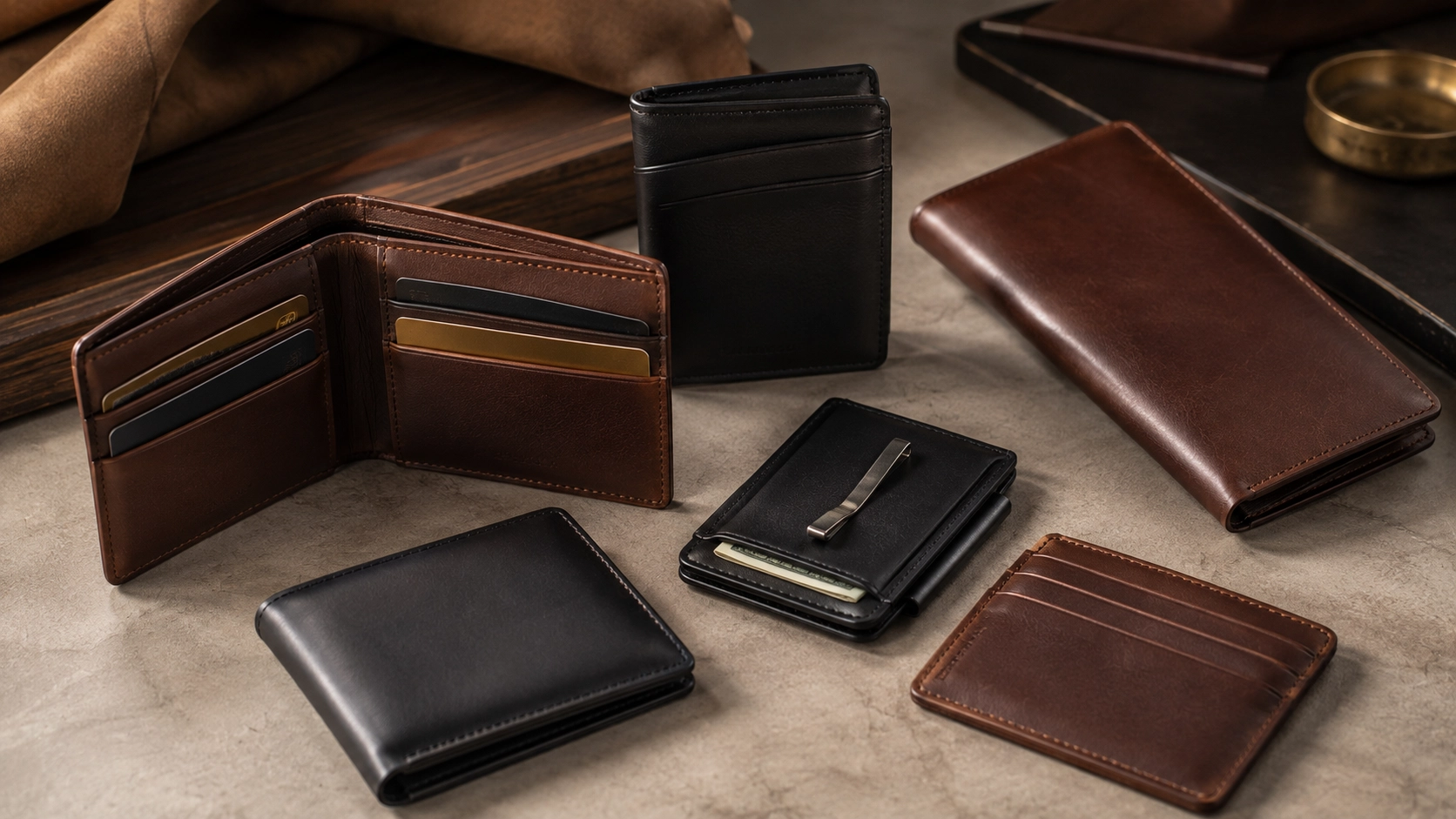
Exalter Global Co.'s leather wallet manufacturing division covers multiple wallet formats, including bifold wallets, trifold wallets, card holders, RFID wallets, slim wallets, money clips, zip-around wallets, long wallets, coin wallets, and ID window wallets.
This breadth is valuable because a UK buyer can potentially consolidate multiple wallet requirements through one manufacturing relationship.
5. Premium Positioning Without Unnecessary Manufacturing Complexity
British brands often compete on design, storytelling, packaging, customer experience, and brand identity. The factory does not need to own the brand story. It needs to deliver the physical product consistently.
Indian manufacturers can support this model by producing the wallet to the brand's specification while allowing the buyer to control the customer-facing identity.
That makes private-label leather wallet manufacturing attractive for independent UK labels, retailers, promotional-product companies, corporate gifting businesses, and e-commerce brands.
The Brooklyn Bridge RFID protected genuine leather wallet illustrates the type of finished product that can be developed within a branded leather collection. The design combines genuine leather construction, RFID protection, card storage, a currency compartment, and a coin pocket.
In this relationship, Exalter Global Co. remains the manufacturing and export partner, while Brooklyn Bridge functions as one of the consumer-facing leather goods brands within the wider ecosystem.
6. Export Documentation and UK Import Readiness
International sourcing becomes expensive when documentation is incomplete. A competitive product price can quickly lose its advantage if customs information, commercial invoices, packing details, classification, or shipping responsibilities are unclear.
UK importers should establish the correct commodity code before shipment. HM Revenue and Customs explains that leather wallets and purses fall within Chapter 42, with wallet classifications under heading 4202. The exact classification depends on the product construction and material details.
UK buyers should therefore verify the current classification through the UK Trade Tariff service before finalising an import arrangement.
Importers should also understand their own customs responsibilities. The UK government provides a current step-by-step customs clearance guide covering import declarations, EORI requirements, documentation, duties, VAT, and border procedures.
For standard leather wallets, requirements can differ from those for exotic animal skins. UK guidance specifically warns that certain exotic leather products can fall under CITES controls. Buyers sourcing exotic leather should therefore verify requirements before production.
The HMRC leather classification guidance is a useful reference when determining how leather articles should be classified.
7. Compliance Is Becoming a Commercial Differentiator
Compliance is no longer only a legal checkbox. It can influence whether a UK procurement team considers a supplier credible.
Buyers increasingly want visibility into material sourcing, quality processes, production standards, documentation, and supplier responsibilities. This is especially relevant for retailers and brands that must manage their own reputational risk.
Exalter Global Co. highlights certifications and compliance credentials associated with its leather manufacturing operations, including LWG-certified leather, FIEO membership, SEDEX compliance, REACH compliance, BSCI auditing, and CLE India participation.
These credentials should always be assessed against the exact product, material, production facility, and buyer requirement. Certifications are valuable when they support a documented and verifiable sourcing process.
A Practical UK Buyer Checklist
Before selecting a leather wallet exporter from India to UK, procurement teams can use this simple checklist:
- Supplier: Is the company a manufacturer, exporter, trader, or combination?
- Experience: Can it demonstrate relevant leather goods manufacturing experience?
- Materials: Are leather specifications documented clearly?
- Sample: Can the supplier produce and revise a pre-production sample?
- Branding: Can it handle logo embossing, labels, packaging, and artwork?
- Quality: Are measurable inspection standards agreed before production?
- MOQ: Does the minimum order fit the brand's purchasing strategy?
- Lead time: Is production timing clearly stated in working days?
- Shipping: Are FOB, CIF, DDP, or other agreed terms clearly documented?
- Import: Has the UK buyer checked the correct commodity code and applicable taxes?
India vs Other Sourcing Destinations: What Buyers Should Compare
| Buying Factor | What a UK Buyer Should Assess |
|---|---|
| Manufacturing Cost | Compare complete product economics, not only the quoted unit price. |
| Craftsmanship | Inspect stitching, edges, folds, pockets, leather consistency, and finishing. |
| Customisation | Check OEM, ODM, private-label, branding, packaging, and design-development capability. |
| Scalability | Confirm production capacity and quality consistency for repeat orders. |
| Export Support | Review documentation, packaging, shipping terms, and communication processes. |
-
Sale!
RFID Protected Pull Strap Wallet for Cards & Cash
Original price was: $41.90.$15.19Current price is: $15.19. -
Sale!
RFID Protected Pull Strap Leather Card Holder Wallet
Original price was: $41.90.$15.19Current price is: $15.19. -
Sale!
RFID Protected Pull Strap Card Holder Wallet for Men Slim
Original price was: $41.90.$15.19Current price is: $15.19. -
Sale!
RFID Protected Leather Card Holder Wallet for Men & Women
Original price was: $18.10.$6.39Current price is: $6.39. -
Sale!
RFID Protected Pull Strap Card Holder Wallet for Secure Access
Original price was: $40.70.$14.79Current price is: $14.79. -
Sale!
Slim RFID Protected Pull Strap Wallet for Cards & Cash
Original price was: $40.70.$14.79Current price is: $14.79. -
Sale!
RFID Protected Pull Strap Card Holder Wallet for Daily Use
Original price was: $40.70.$14.79Current price is: $14.79. -
Sale!
RFID Protected Card Holder Wallet for Secure Cards & Cash
Original price was: $27.30.$10.79Current price is: $10.79. -
Sale!
RFID Protected Leather Card Holder Wallet with Slim Design
Original price was: $27.30.$10.79Current price is: $10.79. -
Sale!
Slim RFID Protected Leather Card Holder Wallet for Cards
Original price was: $27.30.$10.79Current price is: $10.79. -
Sale!
RFID Protected Leather Card Holder Wallet for Secure Cards
Original price was: $27.30.$10.79Current price is: $10.79. -
Sale!
RFID Protected Genuine Leather Card Holder for Daily Use
Original price was: $27.30.$10.79Current price is: $10.79.
-
Sale!
RFID Protected Pull Strap Wallet for Cards & Cash
Original price was: $41.90.$15.19Current price is: $15.19. -
Sale!
RFID Protected Pull Strap Leather Card Holder Wallet
Original price was: $41.90.$15.19Current price is: $15.19. -
Sale!
RFID Protected Pull Strap Card Holder Wallet for Men Slim
Original price was: $41.90.$15.19Current price is: $15.19. -
Sale!
RFID Protected Leather Card Holder Wallet for Men & Women
Original price was: $18.10.$6.39Current price is: $6.39. -
Sale!
RFID Protected Pull Strap Card Holder Wallet for Secure Access
Original price was: $40.70.$14.79Current price is: $14.79. -
Sale!
Slim RFID Protected Pull Strap Wallet for Cards & Cash
Original price was: $40.70.$14.79Current price is: $14.79. -
Sale!
RFID Protected Pull Strap Card Holder Wallet for Daily Use
Original price was: $40.70.$14.79Current price is: $14.79. -
Sale!
RFID Protected Card Holder Wallet for Secure Cards & Cash
Original price was: $27.30.$10.79Current price is: $10.79. -
Sale!
RFID Protected Leather Card Holder Wallet with Slim Design
Original price was: $27.30.$10.79Current price is: $10.79. -
Sale!
Slim RFID Protected Leather Card Holder Wallet for Cards
Original price was: $27.30.$10.79Current price is: $10.79. -
Sale!
RFID Protected Leather Card Holder Wallet for Secure Cards
Original price was: $27.30.$10.79Current price is: $10.79. -
Sale!
RFID Protected Genuine Leather Card Holder for Daily Use
Original price was: $27.30.$10.79Current price is: $10.79.
-
Sale!
RFID Protected Pull Strap Wallet for Cards & Cash
Original price was: $41.90.$15.19Current price is: $15.19. -
Sale!
RFID Protected Pull Strap Leather Card Holder Wallet
Original price was: $41.90.$15.19Current price is: $15.19. -
Sale!
RFID Protected Pull Strap Card Holder Wallet for Men Slim
Original price was: $41.90.$15.19Current price is: $15.19. -
Sale!
RFID Protected Leather Card Holder Wallet for Men & Women
Original price was: $18.10.$6.39Current price is: $6.39. -
Sale!
RFID Protected Pull Strap Card Holder Wallet for Secure Access
Original price was: $40.70.$14.79Current price is: $14.79. -
Sale!
Slim RFID Protected Pull Strap Wallet for Cards & Cash
Original price was: $40.70.$14.79Current price is: $14.79. -
Sale!
RFID Protected Pull Strap Card Holder Wallet for Daily Use
Original price was: $40.70.$14.79Current price is: $14.79. -
Sale!
RFID Protected Card Holder Wallet for Secure Cards & Cash
Original price was: $27.30.$10.79Current price is: $10.79. -
Sale!
RFID Protected Leather Card Holder Wallet with Slim Design
Original price was: $27.30.$10.79Current price is: $10.79. -
Sale!
Slim RFID Protected Leather Card Holder Wallet for Cards
Original price was: $27.30.$10.79Current price is: $10.79. -
Sale!
RFID Protected Leather Card Holder Wallet for Secure Cards
Original price was: $27.30.$10.79Current price is: $10.79. -
Sale!
RFID Protected Genuine Leather Card Holder for Daily Use
Original price was: $27.30.$10.79Current price is: $10.79.
-
Sale!
RFID Protected Pull Strap Wallet for Cards & Cash
Original price was: $41.90.$15.19Current price is: $15.19. -
Sale!
RFID Protected Pull Strap Leather Card Holder Wallet
Original price was: $41.90.$15.19Current price is: $15.19. -
Sale!
RFID Protected Pull Strap Card Holder Wallet for Men Slim
Original price was: $41.90.$15.19Current price is: $15.19. -
Sale!
RFID Protected Leather Card Holder Wallet for Men & Women
Original price was: $18.10.$6.39Current price is: $6.39.
-
Sale!
RFID Protected Pull Strap Wallet for Cards & Cash
Original price was: $41.90.$15.19Current price is: $15.19. -
Sale!
RFID Protected Pull Strap Leather Card Holder Wallet
Original price was: $41.90.$15.19Current price is: $15.19. -
Sale!
RFID Protected Pull Strap Card Holder Wallet for Men Slim
Original price was: $41.90.$15.19Current price is: $15.19. -
Sale!
RFID Protected Leather Card Holder Wallet for Men & Women
Original price was: $18.10.$6.39Current price is: $6.39.
-
Sale!
RFID Protected Pull Strap Wallet for Cards & Cash
Original price was: $41.90.$15.19Current price is: $15.19. -
Sale!
RFID Protected Pull Strap Leather Card Holder Wallet
Original price was: $41.90.$15.19Current price is: $15.19. -
Sale!
RFID Protected Pull Strap Card Holder Wallet for Men Slim
Original price was: $41.90.$15.19Current price is: $15.19. -
Sale!
RFID Protected Leather Card Holder Wallet for Men & Women
Original price was: $18.10.$6.39Current price is: $6.39.
-
Sale!
RFID Protected Pull Strap Wallet for Cards & Cash
Original price was: $41.90.$15.19Current price is: $15.19. -
Sale!
RFID Protected Pull Strap Leather Card Holder Wallet
Original price was: $41.90.$15.19Current price is: $15.19. -
Sale!
RFID Protected Pull Strap Card Holder Wallet for Men Slim
Original price was: $41.90.$15.19Current price is: $15.19. -
Sale!
RFID Protected Leather Card Holder Wallet for Men & Women
Original price was: $18.10.$6.39Current price is: $6.39. -
Sale!
RFID Protected Pull Strap Card Holder Wallet for Secure Access
Original price was: $40.70.$14.79Current price is: $14.79. -
Sale!
Slim RFID Protected Pull Strap Wallet for Cards & Cash
Original price was: $40.70.$14.79Current price is: $14.79. -
Sale!
RFID Protected Pull Strap Card Holder Wallet for Daily Use
Original price was: $40.70.$14.79Current price is: $14.79. -
Sale!
RFID Protected Card Holder Wallet for Secure Cards & Cash
Original price was: $27.30.$10.79Current price is: $10.79. -
Sale!
RFID Protected Leather Card Holder Wallet with Slim Design
Original price was: $27.30.$10.79Current price is: $10.79. -
Sale!
Slim RFID Protected Leather Card Holder Wallet for Cards
Original price was: $27.30.$10.79Current price is: $10.79. -
Sale!
RFID Protected Leather Card Holder Wallet for Secure Cards
Original price was: $27.30.$10.79Current price is: $10.79. -
Sale!
RFID Protected Genuine Leather Card Holder for Daily Use
Original price was: $27.30.$10.79Current price is: $10.79.
-
Sale!
RFID Protected Pull Strap Wallet for Cards & Cash
Original price was: $41.90.$15.19Current price is: $15.19. -
Sale!
RFID Protected Pull Strap Leather Card Holder Wallet
Original price was: $41.90.$15.19Current price is: $15.19. -
Sale!
RFID Protected Pull Strap Card Holder Wallet for Men Slim
Original price was: $41.90.$15.19Current price is: $15.19. -
Sale!
RFID Protected Leather Card Holder Wallet for Men & Women
Original price was: $18.10.$6.39Current price is: $6.39. -
Sale!
RFID Protected Pull Strap Card Holder Wallet for Secure Access
Original price was: $40.70.$14.79Current price is: $14.79. -
Sale!
Slim RFID Protected Pull Strap Wallet for Cards & Cash
Original price was: $40.70.$14.79Current price is: $14.79. -
Sale!
RFID Protected Pull Strap Card Holder Wallet for Daily Use
Original price was: $40.70.$14.79Current price is: $14.79. -
Sale!
RFID Protected Card Holder Wallet for Secure Cards & Cash
Original price was: $27.30.$10.79Current price is: $10.79. -
Sale!
RFID Protected Leather Card Holder Wallet with Slim Design
Original price was: $27.30.$10.79Current price is: $10.79. -
Sale!
Slim RFID Protected Leather Card Holder Wallet for Cards
Original price was: $27.30.$10.79Current price is: $10.79. -
Sale!
RFID Protected Leather Card Holder Wallet for Secure Cards
Original price was: $27.30.$10.79Current price is: $10.79. -
Sale!
RFID Protected Genuine Leather Card Holder for Daily Use
Original price was: $27.30.$10.79Current price is: $10.79.
-
Sale!
RFID Protected Pull Strap Wallet for Cards & Cash
Original price was: $41.90.$15.19Current price is: $15.19. -
Sale!
RFID Protected Pull Strap Leather Card Holder Wallet
Original price was: $41.90.$15.19Current price is: $15.19. -
Sale!
RFID Protected Pull Strap Card Holder Wallet for Men Slim
Original price was: $41.90.$15.19Current price is: $15.19. -
Sale!
RFID Protected Leather Card Holder Wallet for Men & Women
Original price was: $18.10.$6.39Current price is: $6.39. -
Sale!
RFID Protected Pull Strap Card Holder Wallet for Secure Access
Original price was: $40.70.$14.79Current price is: $14.79. -
Sale!
Slim RFID Protected Pull Strap Wallet for Cards & Cash
Original price was: $40.70.$14.79Current price is: $14.79. -
Sale!
RFID Protected Pull Strap Card Holder Wallet for Daily Use
Original price was: $40.70.$14.79Current price is: $14.79. -
Sale!
RFID Protected Card Holder Wallet for Secure Cards & Cash
Original price was: $27.30.$10.79Current price is: $10.79. -
Sale!
RFID Protected Leather Card Holder Wallet with Slim Design
Original price was: $27.30.$10.79Current price is: $10.79. -
Sale!
Slim RFID Protected Leather Card Holder Wallet for Cards
Original price was: $27.30.$10.79Current price is: $10.79. -
Sale!
RFID Protected Leather Card Holder Wallet for Secure Cards
Original price was: $27.30.$10.79Current price is: $10.79. -
Sale!
RFID Protected Genuine Leather Card Holder for Daily Use
Original price was: $27.30.$10.79Current price is: $10.79.
How to Build a Reliable UK-India Leather Wallet Supply Chain
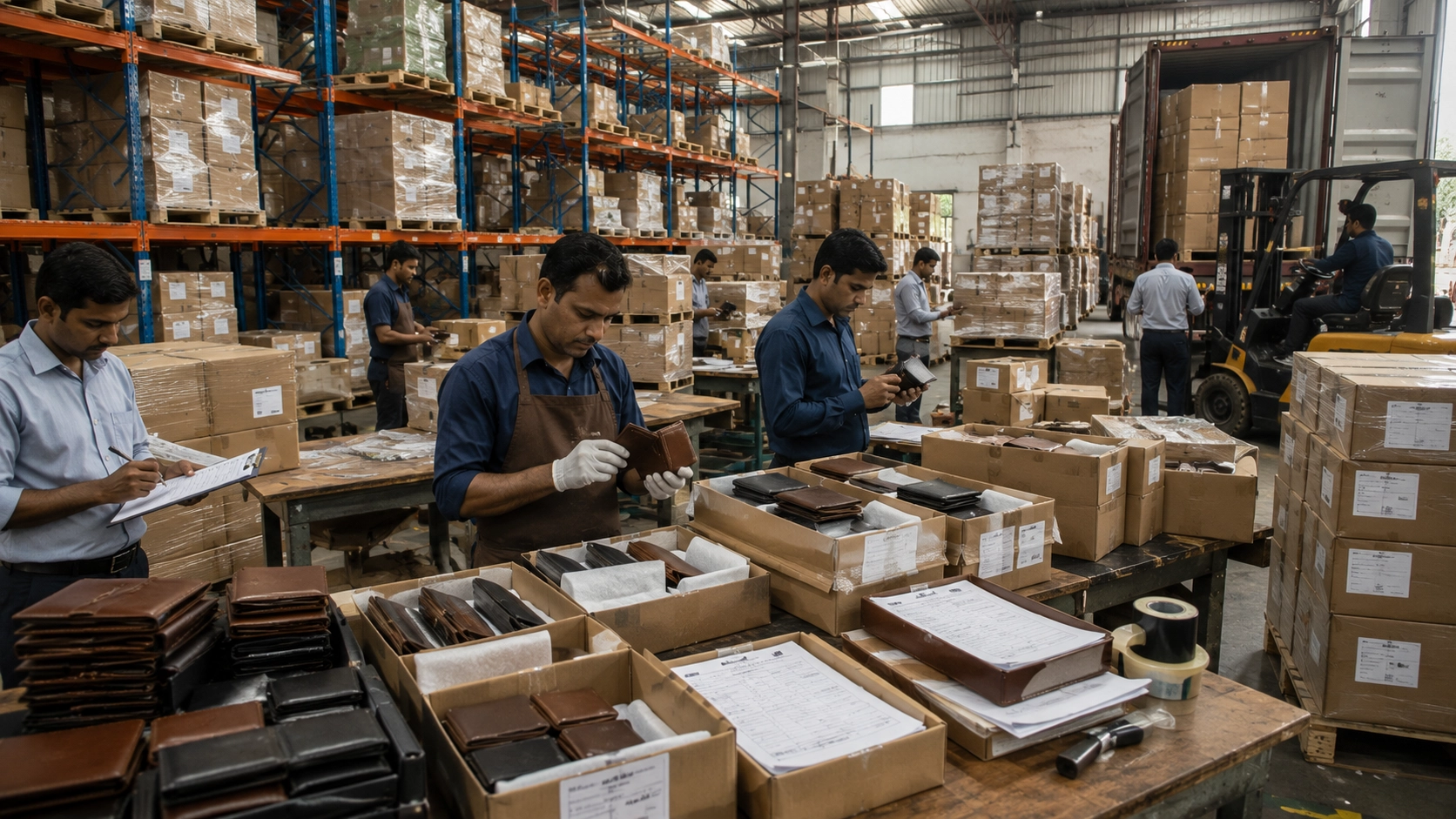
The best sourcing relationships are built around clear specifications. A UK brand should avoid starting with only a reference photograph and a target price.
Instead, the buyer should create a structured product brief covering leather, dimensions, construction, colour, hardware, logo treatment, packaging, quantity, quality expectations, delivery destination, and target commercial terms.
Step 1: Define the Product
Specify the wallet's dimensions, leather type, thickness, colour, finish, number of card slots, cash compartments, coin pockets, lining, stitching, and hardware.
Step 2: Establish the Target Cost
Tell the manufacturer the commercial objective. A target price allows the factory to recommend practical material and construction options instead of quoting blindly.
Step 3: Develop the Sample
A physical sample gives both parties a common reference. Approve dimensions, leather appearance, colour, logo position, stitching, packaging, and functionality before bulk production.
Step 4: Confirm Quality Standards
Agree what constitutes an acceptable product. Define tolerances for dimensions, colour variation, stitching, scratches, leather marks, edge finishing, and functional defects.
Step 5: Confirm Export Terms
Agree the Incoterm, shipping method, production lead time, payment schedule, documentation, insurance responsibility, and destination charges.
Step 6: Manage Repeat Orders
Keep the approved sample, technical specification, artwork, packaging specification, and inspection standard as the reference for future production.
This process reduces ambiguity and makes supplier performance easier to measure.
Why Exalter Global Co. Fits the Modern UK Sourcing Model
Exalter Global Co. is positioned as a manufacturing, sourcing, branding, and export partner rather than simply a product reseller. Its leather division supports global brands through custom manufacturing, private label production, product development, quality control, and export logistics.
The company states that its manufacturing experience spans more than four decades, with leather wallet production focused on international buyers. Its dedicated wallet manufacturing operation supports global markets including the UK and Europe.
For UK buyers, the practical advantage is the ability to discuss product requirements directly with a manufacturer that understands both craftsmanship and export execution.
The company also offers different leather wallet formats and customisation routes. Buyers can explore the leather wallet manufacturer and exporter page to review its manufacturing capabilities and product categories.
Where Exalter Vachette and Brooklyn Bridge Fit
Exalter Global Co. is the company and manufacturing partner. Exalter Vachette and Brooklyn Bridge serve different roles within its leather goods ecosystem.
Exalter Vachette represents the premium leather goods manufacturing and brand proposition, with products designed around genuine leather, craftsmanship, and export-oriented production.
Brooklyn Bridge represents a consumer-facing leather wallet collection that demonstrates practical formats such as RFID wallets, card holders, money clips, and everyday carry designs.
For B2B buyers, however, the central relationship remains with Exalter Global Co. The company can manufacture for its own brands as well as support private-label and OEM requirements for external brands.
What Makes India Attractive for UK Leather Wallet Imports in 2026?
The answer is ultimately a combination of factors rather than one single advantage.
- Better sourcing flexibility: Buyers can develop products around specific market requirements.
- Competitive production economics: Indian manufacturing can support commercially attractive price structures.
- Craftsmanship depth: Leather cutting, stitching, assembly, and finishing remain important manufacturing capabilities.
- Private-label support: Brands can retain control over identity and product specifications.
- Scalable manufacturing: A capable exporter can support growth from initial samples to repeat bulk orders.
- Export infrastructure: Established exporters understand international shipping and documentation requirements.
- Product development: Manufacturers can help turn drawings, samples, and concepts into production-ready products.
India should not be selected simply because it appears inexpensive. It should be selected when the quality, service, communication, compliance, manufacturing capability, and total landed economics make commercial sense.
Frequently Asked Questions
Why import leather wallets from India to the UK?
UK brands can source from India because the country offers skilled leather manufacturing, competitive production economics, private-label flexibility, material choice, and established export capabilities.
How do I choose a leather wallet exporter from India to UK?
Evaluate manufacturing experience, leather quality, samples, MOQ, customization, quality control, production capacity, export documentation, shipping terms, and communication before placing an order.
Can Indian manufacturers produce private-label leather wallets for UK brands?
Yes. Manufacturers such as Exalter Global Co. support private-label and custom leather wallet production, including branding, product development, packaging, and other buyer-specific requirements.
Are Indian leather wallets suitable for premium UK brands?
Yes, provided the manufacturer can meet the required leather specification, construction standard, finishing quality, packaging, compliance requirements, and repeat-production consistency.
What should UK buyers check before importing leather wallets?
Buyers should confirm product classification, origin, commercial documentation, applicable duty and VAT, shipping responsibilities, and any product-specific restrictions. The UK Trade Tariff should be checked for current commodity-code and duty information.
Does India have a preferential UK trade arrangement?
India is listed under the UK's Developing Countries Trading Scheme with standard preferences. However, eligibility and tariff treatment depend on the product, origin rules, and applicable requirements. Buyers should verify the current tariff for the specific wallet before relying on any preference.
Final Takeaway
For UK brands in 2026, India is attractive because it can combine craftsmanship, manufacturing depth, competitive economics, customisation, and export capability.
The strongest sourcing decision is not simply to find a cheap leather wallet supplier. It is to find a manufacturing partner capable of delivering the same specification repeatedly, supporting the brand's product strategy, and communicating clearly throughout production and export.
Exalter Global Co. brings these priorities together through its leather manufacturing and export operations, with Exalter Vachette and Brooklyn Bridge demonstrating its capabilities across premium and practical leather wallet categories.
For UK retailers, importers, distributors, corporate gifting companies, and private-label brands looking for a leather wallet exporter from India to UK, the right next step is a specification-led discussion covering product design, leather, quantity, branding, packaging, quality requirements, and delivery terms.
Explore Exalter Global Co.'s manufacturing and export capabilities to begin evaluating a potential long-term leather wallet supply partnership.

-
Sale!
RFID Protected Pull Strap Wallet for Cards & Cash
Original price was: $41.90.$15.19Current price is: $15.19. -
Sale!
RFID Protected Pull Strap Leather Card Holder Wallet
Original price was: $41.90.$15.19Current price is: $15.19. -
Sale!
RFID Protected Pull Strap Card Holder Wallet for Men Slim
Original price was: $41.90.$15.19Current price is: $15.19. -
Sale!
RFID Protected Leather Card Holder Wallet for Men & Women
Original price was: $18.10.$6.39Current price is: $6.39. -
Sale!
RFID Protected Pull Strap Card Holder Wallet for Secure Access
Original price was: $40.70.$14.79Current price is: $14.79. -
Sale!
Slim RFID Protected Pull Strap Wallet for Cards & Cash
Original price was: $40.70.$14.79Current price is: $14.79. -
Sale!
RFID Protected Pull Strap Card Holder Wallet for Daily Use
Original price was: $40.70.$14.79Current price is: $14.79. -
Sale!
RFID Protected Card Holder Wallet for Secure Cards & Cash
Original price was: $27.30.$10.79Current price is: $10.79. -
Sale!
RFID Protected Leather Card Holder Wallet with Slim Design
Original price was: $27.30.$10.79Current price is: $10.79. -
Sale!
Slim RFID Protected Leather Card Holder Wallet for Cards
Original price was: $27.30.$10.79Current price is: $10.79. -
Sale!
RFID Protected Leather Card Holder Wallet for Secure Cards
Original price was: $27.30.$10.79Current price is: $10.79. -
Sale!
RFID Protected Genuine Leather Card Holder for Daily Use
Original price was: $27.30.$10.79Current price is: $10.79.
-
Sale!
RFID Protected Pull Strap Wallet for Cards & Cash
Original price was: $41.90.$15.19Current price is: $15.19. -
Sale!
RFID Protected Pull Strap Leather Card Holder Wallet
Original price was: $41.90.$15.19Current price is: $15.19. -
Sale!
RFID Protected Pull Strap Card Holder Wallet for Men Slim
Original price was: $41.90.$15.19Current price is: $15.19. -
Sale!
RFID Protected Leather Card Holder Wallet for Men & Women
Original price was: $18.10.$6.39Current price is: $6.39. -
Sale!
RFID Protected Pull Strap Card Holder Wallet for Secure Access
Original price was: $40.70.$14.79Current price is: $14.79. -
Sale!
Slim RFID Protected Pull Strap Wallet for Cards & Cash
Original price was: $40.70.$14.79Current price is: $14.79. -
Sale!
RFID Protected Pull Strap Card Holder Wallet for Daily Use
Original price was: $40.70.$14.79Current price is: $14.79. -
Sale!
RFID Protected Card Holder Wallet for Secure Cards & Cash
Original price was: $27.30.$10.79Current price is: $10.79. -
Sale!
RFID Protected Leather Card Holder Wallet with Slim Design
Original price was: $27.30.$10.79Current price is: $10.79. -
Sale!
Slim RFID Protected Leather Card Holder Wallet for Cards
Original price was: $27.30.$10.79Current price is: $10.79. -
Sale!
RFID Protected Leather Card Holder Wallet for Secure Cards
Original price was: $27.30.$10.79Current price is: $10.79. -
Sale!
RFID Protected Genuine Leather Card Holder for Daily Use
Original price was: $27.30.$10.79Current price is: $10.79.
-
Sale!
RFID Protected Pull Strap Wallet for Cards & Cash
Original price was: $41.90.$15.19Current price is: $15.19. -
Sale!
RFID Protected Pull Strap Leather Card Holder Wallet
Original price was: $41.90.$15.19Current price is: $15.19. -
Sale!
RFID Protected Pull Strap Card Holder Wallet for Men Slim
Original price was: $41.90.$15.19Current price is: $15.19. -
Sale!
RFID Protected Leather Card Holder Wallet for Men & Women
Original price was: $18.10.$6.39Current price is: $6.39. -
Sale!
RFID Protected Pull Strap Card Holder Wallet for Secure Access
Original price was: $40.70.$14.79Current price is: $14.79. -
Sale!
Slim RFID Protected Pull Strap Wallet for Cards & Cash
Original price was: $40.70.$14.79Current price is: $14.79. -
Sale!
RFID Protected Pull Strap Card Holder Wallet for Daily Use
Original price was: $40.70.$14.79Current price is: $14.79. -
Sale!
RFID Protected Card Holder Wallet for Secure Cards & Cash
Original price was: $27.30.$10.79Current price is: $10.79. -
Sale!
RFID Protected Leather Card Holder Wallet with Slim Design
Original price was: $27.30.$10.79Current price is: $10.79. -
Sale!
Slim RFID Protected Leather Card Holder Wallet for Cards
Original price was: $27.30.$10.79Current price is: $10.79. -
Sale!
RFID Protected Leather Card Holder Wallet for Secure Cards
Original price was: $27.30.$10.79Current price is: $10.79. -
Sale!
RFID Protected Genuine Leather Card Holder for Daily Use
Original price was: $27.30.$10.79Current price is: $10.79.