
-
Sale!
RFID Protected Pull Strap Wallet for Cards & Cash
Original price was: $41.90.$15.19Current price is: $15.19.
You save -
Sale!
RFID Protected Pull Strap Leather Card Holder Wallet
Original price was: $41.90.$15.19Current price is: $15.19.
You save -
Sale!

RFID Protected Pull Strap Card Holder Wallet for Men Slim
Original price was: $41.90.$15.19Current price is: $15.19.
You save -
Sale!

RFID Protected Leather Card Holder Wallet for Men & Women
Original price was: $18.10.$6.39Current price is: $6.39.
You save -
Sale!
RFID Protected Pull Strap Card Holder Wallet for Secure Access
Original price was: $40.70.$14.79Current price is: $14.79.
You save -
Sale!
Slim RFID Protected Pull Strap Wallet for Cards & Cash
Original price was: $40.70.$14.79Current price is: $14.79.
You save -
Sale!
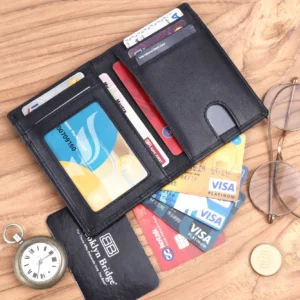
RFID Protected Pull Strap Card Holder Wallet for Daily Use
Original price was: $40.70.$14.79Current price is: $14.79.
You save -
Sale!
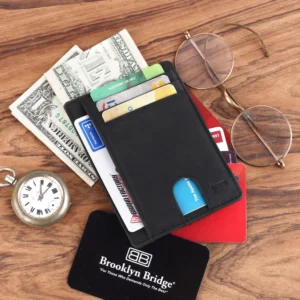
RFID Protected Card Holder Wallet for Secure Cards & Cash
Original price was: $27.30.$10.79Current price is: $10.79.
You save -
Sale!
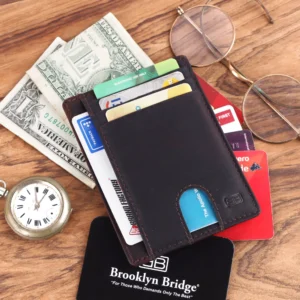
RFID Protected Leather Card Holder Wallet with Slim Design
Original price was: $27.30.$10.79Current price is: $10.79.
You save -
Sale!
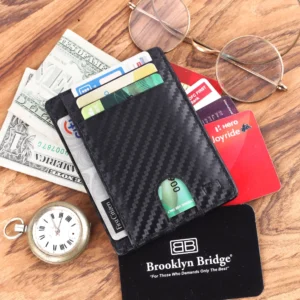
Slim RFID Protected Leather Card Holder Wallet for Cards
Original price was: $27.30.$10.79Current price is: $10.79.
You save -
Sale!

RFID Protected Leather Card Holder Wallet for Secure Cards
Original price was: $27.30.$10.79Current price is: $10.79.
You save -
Sale!
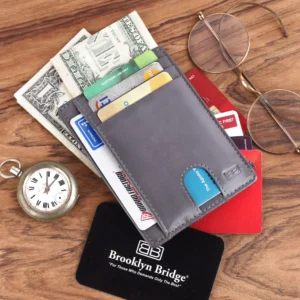
RFID Protected Genuine Leather Card Holder for Daily Use
Original price was: $27.30.$10.79Current price is: $10.79.
You save
-
Sale!
RFID Protected Pull Strap Wallet for Cards & Cash
Original price was: $41.90.$15.19Current price is: $15.19.
You save -
Sale!
RFID Protected Pull Strap Leather Card Holder Wallet
Original price was: $41.90.$15.19Current price is: $15.19.
You save -
Sale!
RFID Protected Pull Strap Card Holder Wallet for Men Slim
Original price was: $41.90.$15.19Current price is: $15.19.
You save -
Sale!
RFID Protected Leather Card Holder Wallet for Men & Women
Original price was: $18.10.$6.39Current price is: $6.39.
You save -
Sale!
RFID Protected Pull Strap Card Holder Wallet for Secure Access
Original price was: $40.70.$14.79Current price is: $14.79.
You save -
Sale!
Slim RFID Protected Pull Strap Wallet for Cards & Cash
Original price was: $40.70.$14.79Current price is: $14.79.
You save -
Sale!
RFID Protected Pull Strap Card Holder Wallet for Daily Use
Original price was: $40.70.$14.79Current price is: $14.79.
You save -
Sale!
RFID Protected Card Holder Wallet for Secure Cards & Cash
Original price was: $27.30.$10.79Current price is: $10.79.
You save -
Sale!
RFID Protected Leather Card Holder Wallet with Slim Design
Original price was: $27.30.$10.79Current price is: $10.79.
You save -
Sale!
Slim RFID Protected Leather Card Holder Wallet for Cards
Original price was: $27.30.$10.79Current price is: $10.79.
You save -
Sale!
RFID Protected Leather Card Holder Wallet for Secure Cards
Original price was: $27.30.$10.79Current price is: $10.79.
You save -
Sale!
RFID Protected Genuine Leather Card Holder for Daily Use
Original price was: $27.30.$10.79Current price is: $10.79.
You save
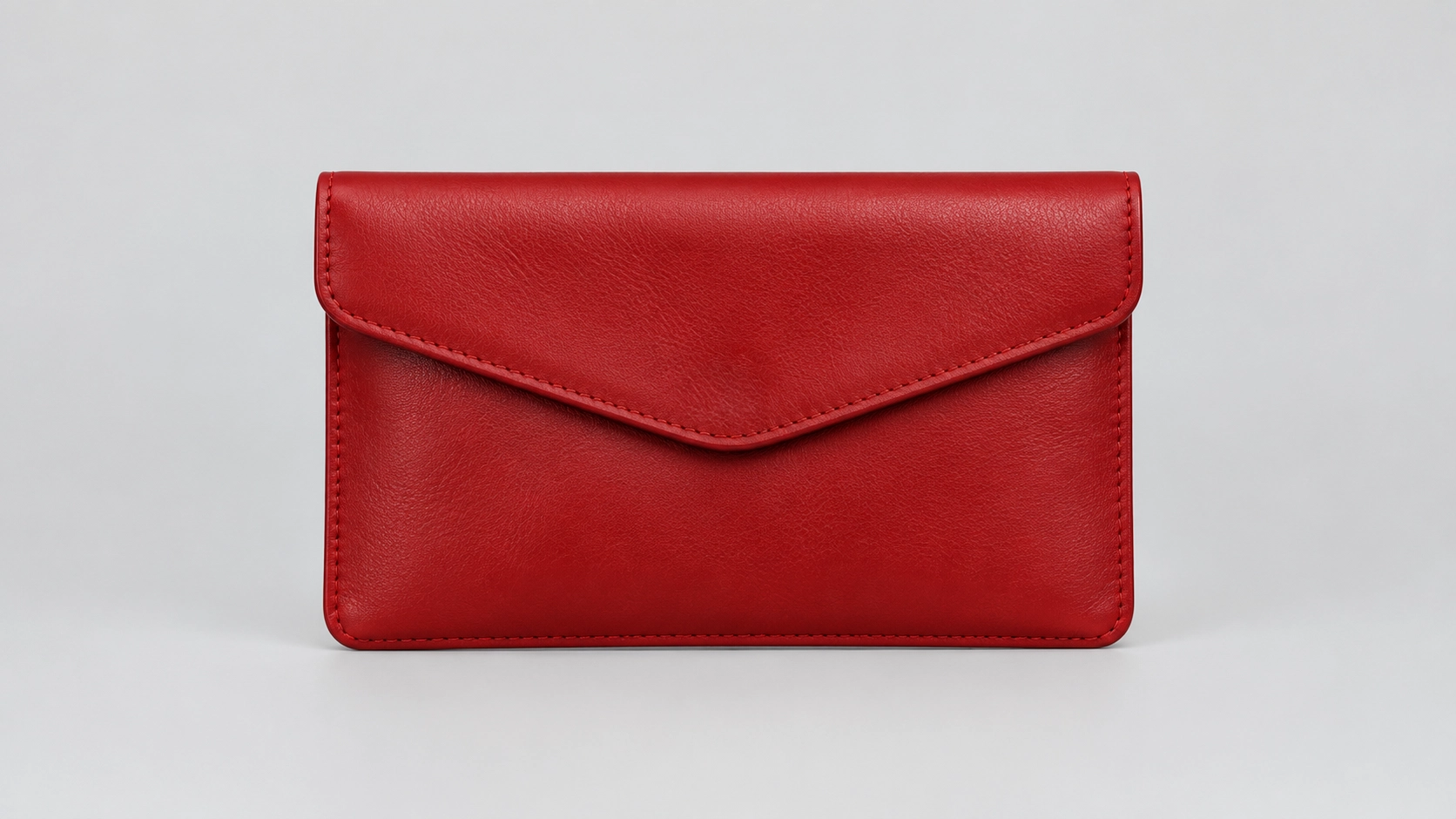
Table of Contents
Custom RFID and Mobile Phone Signal-Blocking Pouch Development for the USA Market
Developing a premium mobile phone signal-blocking pouch requires more than combining shielding fabric with an attractive leather exterior. The product must balance electromagnetic performance, practical usability, material durability, manufacturing precision, and verifiable testing.
Exalter Global Co., a Kolkata-based manufacturer and exporter, can be approached for custom leather product development, material sourcing, OEM manufacturing, private-label customization, and export coordination. This proposed project explores a signal-blocking pouch made with RFID-protected cloth, buyer-specified Trinity RFID material, and soft Nappa leather for the United States market.
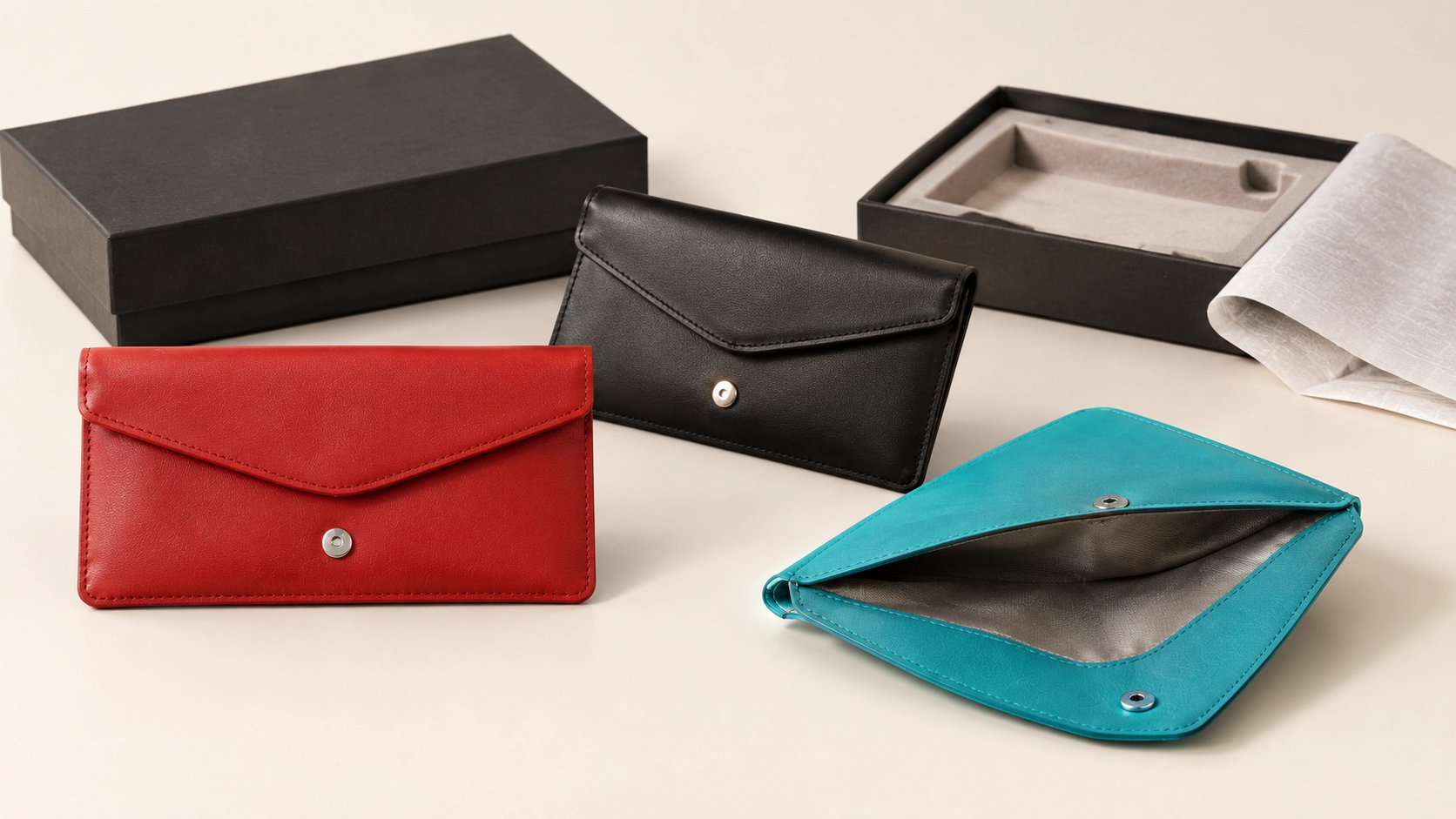
The supplied product reference shows compact envelope-style pouches in red, black, and turquoise, with flap closures, snap hardware, and fabric-lined interiors. These visual characteristics provide a useful starting point for a premium protective pouch. The final design must, however, be validated against the intended radio-frequency blocking requirements.
This article presents a proposed development framework, not a claim that Exalter Global Co. has already completed this specific project or verified the performance of the proposed materials.
What Is a Mobile Phone Signal-Blocking Pouch?
A mobile phone signal-blocking pouch is an enclosure designed to reduce electromagnetic signals reaching or leaving a device. Depending on its construction and verified performance, it may restrict cellular communication and other wireless connections while the phone remains inside.
Unlike an ordinary leather phone sleeve, a functional signal-blocking pouch needs a suitable electromagnetic shielding layer and a closure that maintains effective shielding around the enclosed device. Small gaps, exposed edges, damaged conductive material, or inconsistent overlap can compromise performance.
RFID protection and mobile phone signal blocking must not be treated as interchangeable features. RFID-blocking materials are commonly designed to protect contactless cards against radio-frequency interrogation. A phone pouch must be assessed separately across the specific cellular, Wi-Fi, Bluetooth, GPS, and other frequency ranges relevant to the buyer's intended claims.
The project's central objective is therefore to develop a premium leather pouch that combines a suitable shielding assembly with a practical design and independently verifiable performance.
Project Overview and Commercial Opportunity
| Project element | Proposed specification |
|---|---|
| Project type | Custom product development and OEM/private-label manufacturing |
| Search intent | Commercial investigation |
| Target market | United States |
| Outer material | Buyer-specified soft Nappa leather |
| Shielding materials | Buyer-specified RFID-protected cloth and Trinity RFID material, subject to technical verification |
| Closure | Envelope flap with a suitable closure system, subject to shielding validation |
| Development stages | Requirements, sourcing, prototype, testing, approval, production, and export coordination |
| Performance status | Not yet established; testing required before making product claims |
The commercial opportunity extends beyond conventional phone accessories. Potential buyers include privacy-product brands, specialty retailers, corporate procurement teams, distributors, and businesses seeking differentiated private-label accessories.
These are potential customer segments rather than confirmed purchasers. Each segment may require different product dimensions, performance thresholds, branding, packaging, and documentation.
How Exalter Global Co. Can Support the Development
Exalter Global Co. presents its business around manufacturing, sourcing, OEM/ODM production, private-label solutions, and international export support. Its published information identifies Kolkata, West Bengal, India, as its location. The United States is the target sales market for this proposed product, not the manufacturer's location.
The company's leather goods background provides a relevant starting point for discussing the outer shell, stitching, panel construction, edge finishing, and premium presentation. Electromagnetic shielding performance requires a separate technical workstream involving suitable materials, closure design, and qualified testing.
Buyers can review the company's manufacturing and export overview, its company background and craftsmanship approach, and its Exalter Vachette leather goods portfolio.
For this project, the following responsibilities should be discussed and confirmed during quotation:
- Product engineering: Translate the buyer's device dimensions, shielding objectives, preferred appearance, and usage requirements into a written specification.
- Material sourcing: Assess the availability and suitability of soft Nappa leather, the named shielding materials, lining, thread, and closure components.
- Prototype development: Prepare samples that demonstrate the proposed construction, appearance, fit, and assembly sequence.
- Technical validation: Coordinate appropriate shielding tests through a qualified laboratory or technical partner, subject to agreed responsibilities.
- OEM and private label: Evaluate logo placement, custom colours, packaging, labels, and buyer-approved artwork.
- Export coordination: Confirm production documentation, packaging, shipping terms, and destination-market requirements before dispatch.
Availability, pricing, minimum order quantities, test-laboratory access, production timelines, and the exact scope of engineering support must be confirmed in writing. The project should not be represented as a completed manufacturing case study until actual development evidence is available.
Project Objectives and Scope
The development programme should establish measurable product requirements before cutting leather or committing to bulk materials. A visually attractive sample is not sufficient if its shielding performance is unknown.
The primary objectives are to:
- Develop a compact, premium-looking mobile phone pouch inspired by the supplied envelope-style product references.
- Evaluate RFID-protected cloth and Trinity RFID material for suitability in a phone-focused shielding assembly.
- Use soft Nappa leather as the proposed exterior, subject to sourcing, grade, thickness, and construction approval.
- Design a closure and seam configuration that supports the intended shielding performance.
- Confirm fit for specifically identified phone models or a buyer-approved dimensional range.
- Establish repeatable appearance, stitching, closure, material, and dimensional quality checks.
- Verify performance before using claims such as cellular signal blocking or complete wireless isolation.
- Prepare the product for buyer branding, retail packaging, and commercial distribution in the United States.
The scope should distinguish between design and manufacturing activities and technical verification. A leather goods manufacturer may coordinate these workstreams, but specialist electromagnetic testing cannot be replaced by visual inspection or a material supplier's generic description.
Customer-Requested Materials and Their Suitability
1. Soft Nappa Leather Exterior
Soft Nappa leather is the buyer-specified exterior material. Its smooth hand feel and refined appearance can support a premium accessory positioned above basic fabric phone sleeves.
For the proposed design, leather selection should consider grain consistency, softness, thickness, flexibility, colour stability, surface finish, and resistance to routine handling. A supple exterior can improve the user experience, but leather that is too soft may wrinkle or lose its shape around the flap and opening.
The development team should request a representative leather swatch and document the approved colour, finish, thickness range, and surface appearance. The production specification should also identify acceptable natural variations and the inspection criteria for visible marks.
Leather itself should not be assumed to provide the required electromagnetic shielding. Its function is primarily structural and aesthetic unless testing establishes another specific role.
2. RFID-Protected Cloth
RFID-protected cloth is a requested material, but the exact construction and technical properties must be established before selection. The term may describe fabrics containing conductive fibres, metallic layers, or other shielding structures. Different constructions can produce substantially different results.
The supplier should provide available technical data, including material composition, thickness, sheet resistance where relevant, frequency-dependent shielding results, durability information, and care limitations. The buyer should also identify whether the material is intended primarily for contactless card protection or broader electromagnetic shielding.
For a mobile phone application, an RFID protection statement alone is insufficient evidence. The selected cloth must be tested against the agreed cellular and other wireless frequency ranges, using a method appropriate to the final product.
3. Trinity RFID Material
Trinity RFID is specifically requested by the buyer. Its exact product identity, manufacturer, technical datasheet, and available test reports should be confirmed during sourcing. No particular composition, shielding rating, or performance capability should be assumed from the name alone.
If the material is intended as the principal shielding layer, its performance should be evaluated in conjunction with the proposed lining, seams, overlap, and closure. If it is intended for RFID card protection only, the development team should determine whether an additional or different shielding construction is necessary for mobile phone signal attenuation.
Before approving this material, the buyer should establish a documented acceptance threshold, target frequencies, test conditions, and reporting format. Equivalent materials may be evaluated only with the buyer's approval.
4. Supporting Components
Other proposed components include lining fabric, sewing thread, edge-finishing materials, snaps or alternative closures, and optional labels. Each component should be reviewed for its effect on assembly, durability, comfort, and shielding continuity.
Metal hardware should not automatically be treated as beneficial to shielding. Its location and interaction with the shielding layers can affect the construction, and the complete assembled pouch requires evaluation.
Component selection should therefore follow a documented material approval process rather than relying on appearance alone.

-
Sale!
RFID Protected Pull Strap Wallet for Cards & Cash
Original price was: $41.90.$15.19Current price is: $15.19.
You save -
Sale!
RFID Protected Pull Strap Leather Card Holder Wallet
Original price was: $41.90.$15.19Current price is: $15.19.
You save -
Sale!
RFID Protected Pull Strap Card Holder Wallet for Men Slim
Original price was: $41.90.$15.19Current price is: $15.19.
You save -
Sale!
RFID Protected Leather Card Holder Wallet for Men & Women
Original price was: $18.10.$6.39Current price is: $6.39.
You save -
Sale!
RFID Protected Pull Strap Card Holder Wallet for Secure Access
Original price was: $40.70.$14.79Current price is: $14.79.
You save -
Sale!
Slim RFID Protected Pull Strap Wallet for Cards & Cash
Original price was: $40.70.$14.79Current price is: $14.79.
You save -
Sale!
RFID Protected Pull Strap Card Holder Wallet for Daily Use
Original price was: $40.70.$14.79Current price is: $14.79.
You save -
Sale!
RFID Protected Card Holder Wallet for Secure Cards & Cash
Original price was: $27.30.$10.79Current price is: $10.79.
You save -
Sale!
RFID Protected Leather Card Holder Wallet with Slim Design
Original price was: $27.30.$10.79Current price is: $10.79.
You save -
Sale!
Slim RFID Protected Leather Card Holder Wallet for Cards
Original price was: $27.30.$10.79Current price is: $10.79.
You save -
Sale!
RFID Protected Leather Card Holder Wallet for Secure Cards
Original price was: $27.30.$10.79Current price is: $10.79.
You save -
Sale!
RFID Protected Genuine Leather Card Holder for Daily Use
Original price was: $27.30.$10.79Current price is: $10.79.
You save
-
Sale!
RFID Protected Pull Strap Wallet for Cards & Cash
Original price was: $41.90.$15.19Current price is: $15.19.
You save -
Sale!
RFID Protected Pull Strap Leather Card Holder Wallet
Original price was: $41.90.$15.19Current price is: $15.19.
You save -
Sale!
RFID Protected Pull Strap Card Holder Wallet for Men Slim
Original price was: $41.90.$15.19Current price is: $15.19.
You save -
Sale!
RFID Protected Leather Card Holder Wallet for Men & Women
Original price was: $18.10.$6.39Current price is: $6.39.
You save -
Sale!
RFID Protected Pull Strap Card Holder Wallet for Secure Access
Original price was: $40.70.$14.79Current price is: $14.79.
You save -
Sale!
Slim RFID Protected Pull Strap Wallet for Cards & Cash
Original price was: $40.70.$14.79Current price is: $14.79.
You save -
Sale!
RFID Protected Pull Strap Card Holder Wallet for Daily Use
Original price was: $40.70.$14.79Current price is: $14.79.
You save -
Sale!
RFID Protected Card Holder Wallet for Secure Cards & Cash
Original price was: $27.30.$10.79Current price is: $10.79.
You save -
Sale!
RFID Protected Leather Card Holder Wallet with Slim Design
Original price was: $27.30.$10.79Current price is: $10.79.
You save -
Sale!
Slim RFID Protected Leather Card Holder Wallet for Cards
Original price was: $27.30.$10.79Current price is: $10.79.
You save -
Sale!
RFID Protected Leather Card Holder Wallet for Secure Cards
Original price was: $27.30.$10.79Current price is: $10.79.
You save -
Sale!
RFID Protected Genuine Leather Card Holder for Daily Use
Original price was: $27.30.$10.79Current price is: $10.79.
You save
-
Sale!
RFID Protected Pull Strap Wallet for Cards & Cash
Original price was: $41.90.$15.19Current price is: $15.19.
You save -
Sale!
RFID Protected Pull Strap Leather Card Holder Wallet
Original price was: $41.90.$15.19Current price is: $15.19.
You save -
Sale!
RFID Protected Pull Strap Card Holder Wallet for Men Slim
Original price was: $41.90.$15.19Current price is: $15.19.
You save -
Sale!
RFID Protected Leather Card Holder Wallet for Men & Women
Original price was: $18.10.$6.39Current price is: $6.39.
You save -
Sale!
RFID Protected Pull Strap Card Holder Wallet for Secure Access
Original price was: $40.70.$14.79Current price is: $14.79.
You save -
Sale!
Slim RFID Protected Pull Strap Wallet for Cards & Cash
Original price was: $40.70.$14.79Current price is: $14.79.
You save -
Sale!
RFID Protected Pull Strap Card Holder Wallet for Daily Use
Original price was: $40.70.$14.79Current price is: $14.79.
You save -
Sale!
RFID Protected Card Holder Wallet for Secure Cards & Cash
Original price was: $27.30.$10.79Current price is: $10.79.
You save -
Sale!
RFID Protected Leather Card Holder Wallet with Slim Design
Original price was: $27.30.$10.79Current price is: $10.79.
You save -
Sale!
Slim RFID Protected Leather Card Holder Wallet for Cards
Original price was: $27.30.$10.79Current price is: $10.79.
You save -
Sale!
RFID Protected Leather Card Holder Wallet for Secure Cards
Original price was: $27.30.$10.79Current price is: $10.79.
You save -
Sale!
RFID Protected Genuine Leather Card Holder for Daily Use
Original price was: $27.30.$10.79Current price is: $10.79.
You save

Country-Specific Requirements for the United States Market
Designing for the United States requires a distinction between buyer preferences, product-performance claims, import requirements, and legally applicable standards. A premium appearance or a US-focused product specification does not automatically establish regulatory compliance.
Product design and buyer expectations
The following are proposed commercial considerations for US buyers, not universal legal requirements:
- Device compatibility: Specify the supported phone models, including camera protrusions, dimensions, and protective cases where applicable.
- Product usability: Define how the phone is inserted, how the closure operates, and whether the pouch is intended for temporary storage or longer periods of isolation.
- Colour and finish: Evaluate black, red, turquoise, and other buyer-selected colours using approved leather swatches.
- Branding: Agree on embossed logos, discreet labels, custom packaging, and private-label artwork.
- Retail presentation: Consider product photography, barcode requirements, packaging dimensions, and clear instructions for use.
- Performance transparency: Publish only the shielding claims supported by appropriate testing of the finished product.
Advertising and performance claims
The US Federal Trade Commission explains that advertising claims must be truthful and supported by an appropriate evidentiary basis. Objective performance claims should therefore be supported before they appear on packaging, websites, or product listings.
For this project, avoid unverified statements such as "blocks all signals," "100% signal proof," or "guaranteed total privacy." A material datasheet does not, by itself, demonstrate that the assembled pouch achieves the same performance.
Review the FTC's advertising and marketing guidance when preparing US-facing product descriptions and promotional claims.
Import and country-of-origin considerations
If the pouch is manufactured in India and imported into the United States, the importer should confirm applicable country-of-origin marking, customs classification, documentation, and duty requirements. The exact obligations depend on the product and its import circumstances.
Do not label an India-manufactured product "Made in USA" simply because it is designed for American buyers or uses materials sourced from multiple countries. The FTC's Made in USA labeling guidance explains the restrictions on unqualified US-origin claims. US Customs and Border Protection may also need to be consulted on import marking and origin determinations.
For textile components, the buyer and importer should determine whether specific fibre-content, care-label, or other labeling rules apply to the finished product. Applicability should be checked against the actual materials, product classification, and marketing claims rather than assumed in advance.
Similarly, the use of a passive shielding pouch should not be confused with a radio transmitter or an electronic jamming device. The proposed product is an enclosure intended to attenuate signals, not a device that actively transmits interference. Any changes that introduce electronics would require a separate regulatory review.
Proposed Product Specifications
The following table provides an initial development brief. All dimensions, tolerances, and performance thresholds are indicative starting points for discussion, not confirmed customer specifications or tested results.
| Specification | Proposed development direction | Approval requirement |
|---|---|---|
| Exterior | Soft Nappa leather | Swatch and thickness approval |
| Shielding layer | RFID-protected cloth and/or Trinity RFID material | Datasheet and suitability review |
| Closure | Envelope flap with evaluated snap or alternative closure | Fit, usability, and shielding tests |
| Dimensions | Derived from selected phone models and approved fit allowance | Physical device fit check |
| Colours | Black, red, turquoise, or approved alternatives | Colour swatch approval |
| Stitching | Consistent stitch spacing and secure seam construction | Approved sample and workmanship standard |
| Shielding performance | Buyer-defined attenuation targets across specified frequencies | Documented testing of the finished pouch |
| Packaging | Retail sleeve, custom box, or other approved format | Artwork and packaging approval |
Exact dimensions should be established from the intended phone, not copied from the visual reference alone. A pouch that is too tight can stress the seams, while excessive space may complicate handling and closure.
Manufacturing Process: From Brief to Production
A controlled development process helps buyers evaluate product quality, manage technical uncertainty, and avoid expensive changes after production begins. Exalter Global Co. can be invited to quote for the relevant manufacturing and sourcing stages, with responsibilities agreed before work starts.
Stage 1: Requirements and feasibility
The buyer supplies target phone models, intended use, performance requirements, preferred materials, estimated order quantity, target price, branding preferences, and delivery destination.
The project team converts these inputs into a written product brief. It identifies unresolved questions, material dependencies, testing requirements, and approval milestones before design work proceeds.
Stage 2: Material sourcing and evaluation
Request samples of the specified soft Nappa leather, RFID-protected cloth, and Trinity RFID material. Review technical documentation, availability, lead times, material consistency, and any relevant care or handling limitations.
Where the named shielding materials are unsuitable or unavailable, propose alternatives for the buyer's written approval. Substitutions should not be made silently because they may change performance, cost, feel, or durability.
Stage 3: Pattern making and construction design
Develop the exterior pattern, lining pattern, flap overlap, internal layer arrangement, and closure geometry. The design should minimise unintended gaps while remaining practical to assemble and use.
The reference images suggest a compact envelope-style format. However, a conventional snap closure should not be retained automatically if testing shows that the closure or surrounding construction compromises shielding performance.
Stage 4: Prototype development
Produce an initial sample to assess proportions, leather hand feel, lining integration, stitching, edge finishing, closure operation, and device fit. Record all materials and construction details used in the sample.
A prototype should also be suitable for technical evaluation. A visually approved sample and a performance-approved sample are separate milestones unless the same specimen has passed both sets of requirements.
Stage 5: Technical testing and design refinement
Submit the assembled pouch for testing against the agreed frequency ranges and acceptance criteria. Review test results before modifying the shielding assembly, seams, flap, or closure.
If the initial sample fails, document the failure conditions, identify plausible causes, revise the construction, and test the revised version. Avoid treating repeated informal phone-call failures as a complete substitute for a controlled laboratory assessment.
Stage 6: Pre-production approval
Prepare an approved reference sample, material list, technical drawing, workmanship standard, packaging specification, and quality inspection plan. Document any changes made after the first prototype.
The buyer should approve the final construction and the applicable performance evidence before bulk production is authorised.
Stage 7: Production and export preparation
After commercial terms and specifications are agreed, manufacture the approved design using the authorised materials and documented procedures. Inspect production samples and finished units against the agreed acceptance criteria.
Packaging, shipping arrangements, product labels, country-of-origin information, and export documents should be confirmed before dispatch. The shipment schedule should account for material availability, testing, approvals, production, and transit.
Customization Options for OEM and Private-Label Buyers
Customization allows a buyer to align the pouch with its product portfolio without compromising the agreed functional requirements. Each option should be evaluated for its effect on manufacturing complexity, cost, durability, and shielding performance.
- Leather selection: Choose a suitable Nappa grade, finish, grain appearance, thickness, and colour.
- Exterior design: Adapt the envelope flap, edge profile, panel proportions, and overall silhouette.
- Shielding construction: Select the approved material combination, lining arrangement, and closure design according to test results.
- Brand identity: Evaluate blind embossing, debossing, labels, or other approved branding methods.
- Hardware: Compare snaps and alternative closures based on retention, wear, ease of operation, and verified shielding performance.
- Packaging: Develop retail sleeves, protective boxes, inserts, and buyer-approved printed materials.
- Product range: Consider separate sizes or colour variants for specific phone dimensions and buyer segments.
- Documentation: Prepare approved product specifications, care instructions, traceability records, and available test summaries.
Exalter Vachette is the company's leather goods brand and may be relevant to premium leather product discussions. Brooklyn Bridge may also be considered for a separate buyer-approved brand concept. Neither brand should be applied to this project without an explicit branding decision.
For broader leather product development context, buyers can explore the company's leather product manufacturing and private-label information. The page relates to leather wallets, so its information should not be interpreted as proof of a completed signal-blocking pouch project.

-
Sale!
RFID Protected Pull Strap Wallet for Cards & Cash
Original price was: $41.90.$15.19Current price is: $15.19.
You save -
Sale!
RFID Protected Pull Strap Leather Card Holder Wallet
Original price was: $41.90.$15.19Current price is: $15.19.
You save -
Sale!
RFID Protected Pull Strap Card Holder Wallet for Men Slim
Original price was: $41.90.$15.19Current price is: $15.19.
You save -
Sale!
RFID Protected Leather Card Holder Wallet for Men & Women
Original price was: $18.10.$6.39Current price is: $6.39.
You save -
Sale!
RFID Protected Pull Strap Card Holder Wallet for Secure Access
Original price was: $40.70.$14.79Current price is: $14.79.
You save -
Sale!
Slim RFID Protected Pull Strap Wallet for Cards & Cash
Original price was: $40.70.$14.79Current price is: $14.79.
You save -
Sale!
RFID Protected Pull Strap Card Holder Wallet for Daily Use
Original price was: $40.70.$14.79Current price is: $14.79.
You save -
Sale!
RFID Protected Card Holder Wallet for Secure Cards & Cash
Original price was: $27.30.$10.79Current price is: $10.79.
You save -
Sale!
RFID Protected Leather Card Holder Wallet with Slim Design
Original price was: $27.30.$10.79Current price is: $10.79.
You save -
Sale!
Slim RFID Protected Leather Card Holder Wallet for Cards
Original price was: $27.30.$10.79Current price is: $10.79.
You save -
Sale!
RFID Protected Leather Card Holder Wallet for Secure Cards
Original price was: $27.30.$10.79Current price is: $10.79.
You save -
Sale!
RFID Protected Genuine Leather Card Holder for Daily Use
Original price was: $27.30.$10.79Current price is: $10.79.
You save
-
Sale!
RFID Protected Pull Strap Wallet for Cards & Cash
Original price was: $41.90.$15.19Current price is: $15.19.
You save -
Sale!
RFID Protected Pull Strap Leather Card Holder Wallet
Original price was: $41.90.$15.19Current price is: $15.19.
You save -
Sale!
RFID Protected Pull Strap Card Holder Wallet for Men Slim
Original price was: $41.90.$15.19Current price is: $15.19.
You save -
Sale!
RFID Protected Leather Card Holder Wallet for Men & Women
Original price was: $18.10.$6.39Current price is: $6.39.
You save -
Sale!
RFID Protected Pull Strap Card Holder Wallet for Secure Access
Original price was: $40.70.$14.79Current price is: $14.79.
You save -
Sale!
Slim RFID Protected Pull Strap Wallet for Cards & Cash
Original price was: $40.70.$14.79Current price is: $14.79.
You save -
Sale!
RFID Protected Pull Strap Card Holder Wallet for Daily Use
Original price was: $40.70.$14.79Current price is: $14.79.
You save -
Sale!
RFID Protected Card Holder Wallet for Secure Cards & Cash
Original price was: $27.30.$10.79Current price is: $10.79.
You save -
Sale!
RFID Protected Leather Card Holder Wallet with Slim Design
Original price was: $27.30.$10.79Current price is: $10.79.
You save -
Sale!
Slim RFID Protected Leather Card Holder Wallet for Cards
Original price was: $27.30.$10.79Current price is: $10.79.
You save -
Sale!
RFID Protected Leather Card Holder Wallet for Secure Cards
Original price was: $27.30.$10.79Current price is: $10.79.
You save -
Sale!
RFID Protected Genuine Leather Card Holder for Daily Use
Original price was: $27.30.$10.79Current price is: $10.79.
You save
-
Sale!
RFID Protected Pull Strap Wallet for Cards & Cash
Original price was: $41.90.$15.19Current price is: $15.19.
You save -
Sale!
RFID Protected Pull Strap Leather Card Holder Wallet
Original price was: $41.90.$15.19Current price is: $15.19.
You save -
Sale!
RFID Protected Pull Strap Card Holder Wallet for Men Slim
Original price was: $41.90.$15.19Current price is: $15.19.
You save -
Sale!
RFID Protected Leather Card Holder Wallet for Men & Women
Original price was: $18.10.$6.39Current price is: $6.39.
You save -
Sale!
RFID Protected Pull Strap Card Holder Wallet for Secure Access
Original price was: $40.70.$14.79Current price is: $14.79.
You save -
Sale!
Slim RFID Protected Pull Strap Wallet for Cards & Cash
Original price was: $40.70.$14.79Current price is: $14.79.
You save -
Sale!
RFID Protected Pull Strap Card Holder Wallet for Daily Use
Original price was: $40.70.$14.79Current price is: $14.79.
You save -
Sale!
RFID Protected Card Holder Wallet for Secure Cards & Cash
Original price was: $27.30.$10.79Current price is: $10.79.
You save -
Sale!
RFID Protected Leather Card Holder Wallet with Slim Design
Original price was: $27.30.$10.79Current price is: $10.79.
You save -
Sale!
Slim RFID Protected Leather Card Holder Wallet for Cards
Original price was: $27.30.$10.79Current price is: $10.79.
You save -
Sale!
RFID Protected Leather Card Holder Wallet for Secure Cards
Original price was: $27.30.$10.79Current price is: $10.79.
You save -
Sale!
RFID Protected Genuine Leather Card Holder for Daily Use
Original price was: $27.30.$10.79Current price is: $10.79.
You save

Quality Control and Verification Methods
Quality assurance must address two different questions: whether the pouch is manufactured consistently and whether the finished product delivers the specified electromagnetic performance. Both are necessary for a commercially credible product.
Material and workmanship inspection
- Leather inspection: Check colour consistency, surface condition, thickness, flexibility, and conformity to the approved swatch.
- Shielding material: Verify material identity, supplier documentation, incoming condition, and consistency with the approved specification.
- Dimensional control: Measure the pouch, flap overlap, opening, and finished fit against approved drawings.
- Stitching and edges: Inspect stitch consistency, seam security, loose threads, edge finishing, and visible defects.
- Closure testing: Assess opening and closing operation, retention, alignment, and wear over an agreed cycle count.
- Final appearance: Check branding, colour, cleanliness, packaging, and conformity to the approved reference sample.
Electromagnetic shielding verification
Electromagnetic shielding effectiveness is generally expressed in decibels (dB). The result depends on frequency, test setup, material properties, and the complete construction of the enclosure.
ASTM D4935 describes a method for measuring electromagnetic shielding effectiveness of planar materials under specified conditions. Its published scope covers a frequency range of 30 MHz to 1.5 GHz. It is a material test method, not automatic proof of finished-pouch performance across every mobile phone band.
The project should therefore use a testing plan selected by a qualified laboratory for the material and the assembled enclosure. The laboratory should confirm the applicable method, frequency coverage, measurement limitations, and whether the proposed setup supports the buyer's intended claims.
A practical verification programme may include:
- Define the target frequency bands and required attenuation levels.
- Obtain baseline measurements for the shielding material where appropriate.
- Evaluate the complete pouch, including seams, overlap, opening, and closure.
- Repeat measurements under controlled conditions to establish consistency.
- Assess performance after agreed opening-and-closing cycles or other relevant durability conditioning.
- Record the sample identity, test configuration, frequency, measured attenuation, uncertainty where reported, and pass/fail criteria.
Cellular connectivity tests may supplement laboratory measurements, but real-world results can vary with the phone, network, location, signal strength, and software behaviour. A single failed call does not establish performance across all networks and frequencies.
Likewise, shielding performance should not be inferred from an RFID card test alone. If the intended claim covers mobile communications, the evidence must address the relevant mobile communication bands and the assembled product.
Key Development Challenges and Proposed Solutions
| Potential challenge | Proposed response |
|---|---|
| RFID fabric does not meet mobile signal requirements | Evaluate the material across the agreed frequencies and source alternatives if necessary. |
| Signal leakage around the flap | Review overlap, opening geometry, conductive continuity, and closure construction. |
| Leather becomes bulky around the shielding layers | Adjust the layer arrangement, material thickness, and pattern through controlled prototypes. |
| Snap closure affects the functional assembly | Compare alternative closure configurations and verify each complete design. |
| Material substitutions change performance | Require written approval, update the specification, and repeat relevant testing. |
| Marketing claims exceed available evidence | Align all product statements with documented test results and applicable requirements. |
Project Deliverables and Buyer Approval Checklist
Before moving from development into production, the buyer and manufacturer should agree on a complete set of project deliverables. The precise scope depends on the quotation and the responsibilities assigned to each party.
- Written product requirements and intended-use statement.
- Approved phone models, dimensions, and fit requirements.
- Material samples and approved material specifications.
- Prototype photographs, construction details, and physical samples.
- Approved technical drawings and bill of materials.
- Written shielding performance targets and a suitable test plan.
- Available laboratory reports for the approved finished construction.
- Workmanship criteria, inspection procedures, and acceptance standards.
- Approved logo artwork, packaging, labels, and care instructions.
- Commercial quotation, agreed minimum order quantity, lead time, and payment terms.
- Export documentation and destination-market labelling review, where applicable.
Buyers should confirm the distinction between included services and optional costs. Prototype charges, specialist laboratory testing, tooling, packaging development, and material procurement may be priced separately.
Exalter Global Co. publishes its sales and export trading conditions, which buyers can review when discussing sampling, customization, packaging, commercial terms, and shipping arrangements. The final purchase agreement should govern the specific project.
Frequently Asked Questions
What is a signal-blocking pouch, and how is it developed?
A signal-blocking pouch is an enclosure designed to attenuate specified electromagnetic signals reaching or leaving a device. Development involves defining frequency requirements, selecting suitable shielding materials, designing the enclosure and closure, producing prototypes, and testing the finished construction.
Can RFID-protected cloth block mobile phone signals?
Not necessarily. RFID-protected cloth may be designed for particular RFID frequencies and applications. Mobile phone signal blocking requires separate evaluation across the intended cellular bands and any additional wireless technologies covered by the product claims.
Can Trinity RFID material be used with soft Nappa leather?
Potentially, subject to confirming the material's exact identity, properties, and intended application. The material must be assessed for compatibility with the leather construction, seams, lining, closure, and required shielding performance.
Will a snap-button pouch block every wireless signal?
That cannot be assumed. The complete design must be tested against the specified frequencies and acceptance thresholds. A snap closure, overlapping flap, or particular material does not automatically guarantee complete signal isolation.
Can Exalter Global Co. develop a private-label version for US buyers?
Exalter Global Co. publishes information about OEM/ODM manufacturing, private-label production, leather goods, and export support. Buyers can discuss whether the proposed pouch falls within an agreed manufacturing scope and confirm technical testing arrangements before commissioning development.
What should a US buyer provide before requesting a quotation?
Provide the target phone models, proposed materials, performance requirements, estimated order quantity, desired colours, branding artwork, packaging needs, target price, testing expectations, and required delivery schedule. Identify any mandatory compliance or documentation requirements at the start.
How can a buyer verify a signal-blocking claim?
Request a test report identifying the tested sample, frequencies, test method, measured attenuation, and applicable limitations. Confirm that the tested construction matches the product intended for sale and that the evidence supports the exact wording used in marketing.
Conclusion: A Test-Led Approach to Custom Signal-Blocking Pouch Manufacturing
A premium mobile phone signal-blocking pouch can combine the refined appearance of soft Nappa leather with a purpose-designed electromagnetic shielding assembly. The supplied envelope-style product images provide a useful visual reference for shape, flap construction, colours, and overall presentation.
The critical development decision is the shielding system. RFID-protected cloth and Trinity RFID material should be evaluated against the actual mobile signal requirements rather than selected on name or appearance alone. The closure, seams, lining, and finished enclosure must also be considered.
Exalter Global Co. offers a relevant starting point for discussing leather product development, material sourcing, OEM/private-label requirements, customization, and export coordination from Kolkata, India. The project would need an agreed technical specification, confirmed material suitability, approved prototypes, and documented performance verification before commercial signal-blocking claims could be made.
For buyers targeting the United States, the recommended approach is straightforward: define the requirements, validate the materials, test the finished product, approve the sample, and only then proceed to production and market launch.
-
Sale!
RFID Protected Pull Strap Wallet for Cards & Cash
Original price was: $41.90.$15.19Current price is: $15.19.
You save -
Sale!
RFID Protected Pull Strap Leather Card Holder Wallet
Original price was: $41.90.$15.19Current price is: $15.19.
You save -
Sale!
RFID Protected Pull Strap Card Holder Wallet for Men Slim
Original price was: $41.90.$15.19Current price is: $15.19.
You save -
Sale!
RFID Protected Leather Card Holder Wallet for Men & Women
Original price was: $18.10.$6.39Current price is: $6.39.
You save -
Sale!
RFID Protected Pull Strap Card Holder Wallet for Secure Access
Original price was: $40.70.$14.79Current price is: $14.79.
You save -
Sale!
Slim RFID Protected Pull Strap Wallet for Cards & Cash
Original price was: $40.70.$14.79Current price is: $14.79.
You save -
Sale!
RFID Protected Pull Strap Card Holder Wallet for Daily Use
Original price was: $40.70.$14.79Current price is: $14.79.
You save -
Sale!
RFID Protected Card Holder Wallet for Secure Cards & Cash
Original price was: $27.30.$10.79Current price is: $10.79.
You save -
Sale!
RFID Protected Leather Card Holder Wallet with Slim Design
Original price was: $27.30.$10.79Current price is: $10.79.
You save -
Sale!
Slim RFID Protected Leather Card Holder Wallet for Cards
Original price was: $27.30.$10.79Current price is: $10.79.
You save -
Sale!
RFID Protected Leather Card Holder Wallet for Secure Cards
Original price was: $27.30.$10.79Current price is: $10.79.
You save -
Sale!
RFID Protected Genuine Leather Card Holder for Daily Use
Original price was: $27.30.$10.79Current price is: $10.79.
You save