-
Sale!
RFID Protected Pull Strap Wallet for Cards & Cash
Original price was: $41.90.$15.19Current price is: $15.19.
You save -
Sale!
RFID Protected Pull Strap Leather Card Holder Wallet
Original price was: $41.90.$15.19Current price is: $15.19.
You save -
Sale!
RFID Protected Pull Strap Card Holder Wallet for Men Slim
Original price was: $41.90.$15.19Current price is: $15.19.
You save -
Sale!
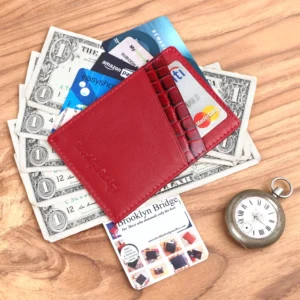
RFID Protected Leather Card Holder Wallet for Men & Women
Original price was: $18.10.$6.39Current price is: $6.39.
You save -
Sale!
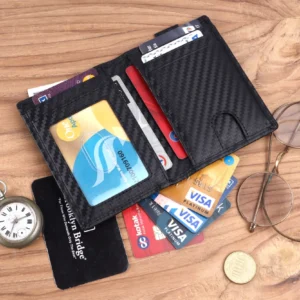
RFID Protected Pull Strap Card Holder Wallet for Secure Access
Original price was: $40.70.$14.79Current price is: $14.79.
You save -
Sale!
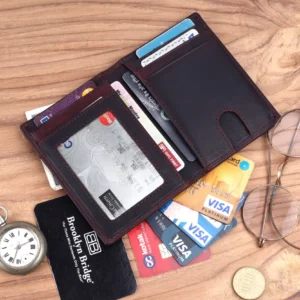
Slim RFID Protected Pull Strap Wallet for Cards & Cash
Original price was: $40.70.$14.79Current price is: $14.79.
You save -
Sale!
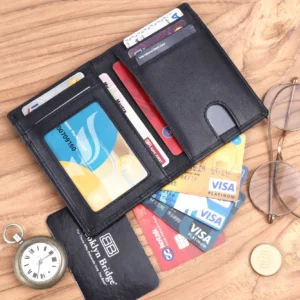
RFID Protected Pull Strap Card Holder Wallet for Daily Use
Original price was: $40.70.$14.79Current price is: $14.79.
You save -
Sale!
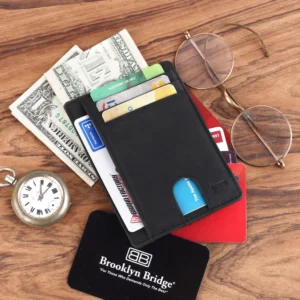
RFID Protected Card Holder Wallet for Secure Cards & Cash
Original price was: $27.30.$10.79Current price is: $10.79.
You save -
Sale!
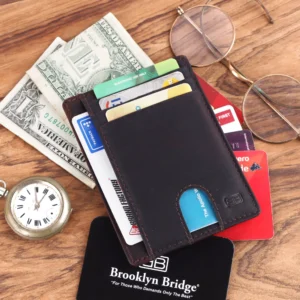
RFID Protected Leather Card Holder Wallet with Slim Design
Original price was: $27.30.$10.79Current price is: $10.79.
You save -
Sale!
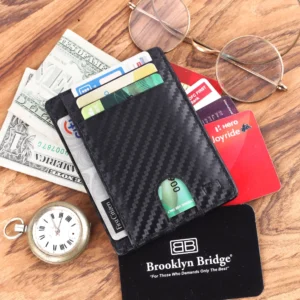
Slim RFID Protected Leather Card Holder Wallet for Cards
Original price was: $27.30.$10.79Current price is: $10.79.
You save -
Sale!

RFID Protected Leather Card Holder Wallet for Secure Cards
Original price was: $27.30.$10.79Current price is: $10.79.
You save -
Sale!
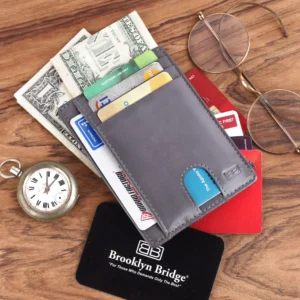
RFID Protected Genuine Leather Card Holder for Daily Use
Original price was: $27.30.$10.79Current price is: $10.79.
You save
-
Sale!
RFID Protected Pull Strap Wallet for Cards & Cash
Original price was: $41.90.$15.19Current price is: $15.19.
You save -
Sale!
RFID Protected Pull Strap Leather Card Holder Wallet
Original price was: $41.90.$15.19Current price is: $15.19.
You save -
Sale!
RFID Protected Pull Strap Card Holder Wallet for Men Slim
Original price was: $41.90.$15.19Current price is: $15.19.
You save -
Sale!
RFID Protected Leather Card Holder Wallet for Men & Women
Original price was: $18.10.$6.39Current price is: $6.39.
You save -
Sale!
RFID Protected Pull Strap Card Holder Wallet for Secure Access
Original price was: $40.70.$14.79Current price is: $14.79.
You save -
Sale!
Slim RFID Protected Pull Strap Wallet for Cards & Cash
Original price was: $40.70.$14.79Current price is: $14.79.
You save -
Sale!
RFID Protected Pull Strap Card Holder Wallet for Daily Use
Original price was: $40.70.$14.79Current price is: $14.79.
You save -
Sale!
RFID Protected Card Holder Wallet for Secure Cards & Cash
Original price was: $27.30.$10.79Current price is: $10.79.
You save -
Sale!
RFID Protected Leather Card Holder Wallet with Slim Design
Original price was: $27.30.$10.79Current price is: $10.79.
You save -
Sale!
Slim RFID Protected Leather Card Holder Wallet for Cards
Original price was: $27.30.$10.79Current price is: $10.79.
You save -
Sale!
RFID Protected Leather Card Holder Wallet for Secure Cards
Original price was: $27.30.$10.79Current price is: $10.79.
You save -
Sale!
RFID Protected Genuine Leather Card Holder for Daily Use
Original price was: $27.30.$10.79Current price is: $10.79.
You save
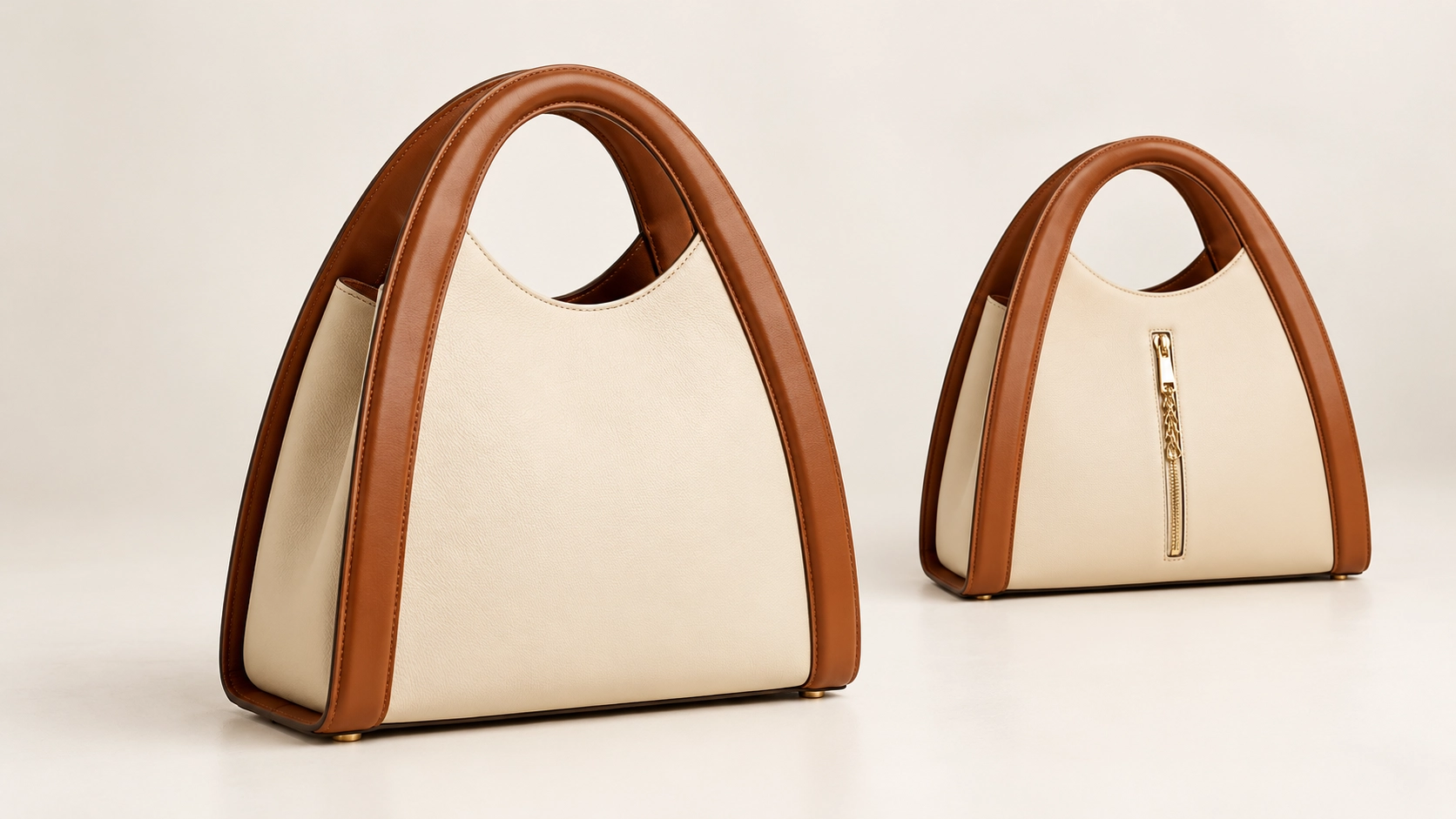
Table of Contents
Custom Leather AirTag Wallet Development for International Brands: An OEM Manufacturing Project for Canada
Developing a premium leather wallet requires more than an attractive exterior. Modern buyers expect practical storage, reliable construction, convenient card access, and compatibility with everyday tracking devices. For brands targeting Canada, combining these features requires careful material selection and product engineering.
Exalter Global Co. is a Kolkata-based leather goods manufacturer and exporter supporting international buyers with custom product development, material selection, wallet manufacturing, private-label production, and export coordination. This proposed project explores the development of a custom leather AirTag wallet using full-grain vegetable-tanned leather, with optional RFID-blocking construction, a pull-tab mechanism, and a money clip.
The concept draws on the functional wallet styles shown in the supplied reference images. It translates their compact proportions, circular tracker-holder concept, card-storage functionality, and slim everyday-carry format into a development brief for Canadian retail brands and importers.
This article describes a proposed manufacturing workflow, not a claim that a specific Canadian customer order has been completed. Final dimensions, materials, testing criteria, production quantities, and commercial terms must be confirmed with the buyer before manufacturing begins.
How Do Manufacturers Develop Custom Leather AirTag Wallets?
Manufacturers develop custom leather AirTag wallets by defining the product requirements, selecting suitable leather, engineering a secure tracker compartment, integrating card and cash storage, producing prototypes, testing functionality, and approving a production sample. For an RFID-enabled version, the shielding construction must also be tested independently.
- Define requirements: Confirm the target market, intended customer, wallet format, card capacity, tracker compatibility, and budget.
- Select materials: Evaluate full-grain vegetable-tanned leather for thickness, firmness, grain, colour, and finishing requirements.
- Engineer the layout: Develop the AirTag compartment, card slots, pull tab, optional RFID shielding, and money clip arrangement.
- Create prototypes: Produce samples to evaluate dimensions, comfort, card retention, tracker access, and construction.
- Validate performance: Inspect stitching, edges, hardware, mechanism operation, and any claimed RFID-blocking performance.
- Approve production: Finalise specifications, inspection criteria, packaging, order quantities, and export documentation.
For a custom leather AirTag wallet manufacturer, the main challenge is balancing tracker accessibility with a slim profile. The finished design must also accommodate the buyer's preferred storage capacity without compromising usability.
Project Overview: Custom Functional Leather Wallet for Canada
The proposed project focuses on developing a premium everyday-carry wallet for the Canadian market. It combines traditional leather craftsmanship with functional features requested in the project brief.
| Project element | Proposed direction |
|---|---|
| Project type | Custom product development and OEM/private-label manufacturing |
| Manufacturer and exporter | Exalter Global Co., Kolkata, India |
| Target market | Canada |
| Requested main material | Full-grain vegetable-tanned leather |
| Core functionality | AirTag-compatible compartment and organised card storage |
| Optional integrated features | RFID shielding, pull-tab card access, and a metal money clip |
| Development stages | Design brief, material approval, prototype, testing, production approval, and export preparation |
| Associated brands | Exalter Vachette and Brooklyn Bridge, subject to the buyer's chosen product and brand arrangement |
The scope is deliberately flexible. A buyer may choose a single-feature tracker wallet or combine several functions in one product. These alternatives should be evaluated during prototyping rather than assumed to be interchangeable.
Project Objectives and Scope of Development
The objective is to establish a repeatable product specification that can guide sampling, quality inspection, and potential bulk manufacturing. Exalter Global Co. can discuss the proposed requirements with the buyer and determine which features are feasible for the intended construction and order volume.
Primary development objectives
- Develop a wallet using the requested full-grain vegetable-tanned leather.
- Design an accessible compartment that accommodates the specified AirTag model.
- Maintain secure tracker retention during ordinary handling.
- Provide practical card storage and a comfortable carrying profile.
- Assess the feasibility of combining RFID shielding with the tracker compartment.
- Evaluate a pull-tab mechanism for convenient card retrieval.
- Assess a money clip option for buyers who prefer external or internal cash retention.
- Prepare clear specifications for sampling, inspection, packaging, and export coordination.
What is included in the proposed scope?
The development brief can cover pattern engineering, leather and lining selection, component sourcing, stitching and edge-finishing methods, hardware integration, prototype reviews, and pre-production inspection criteria. Packaging and shipment planning can be discussed once the buyer confirms the commercial requirements.
Not every feature should automatically be included in the same wallet. A circular tracker compartment, multiple card slots, a pull-tab assembly, RFID shielding, and a money clip can increase thickness and construction complexity. A well-defined specification helps buyers prioritise functionality before committing to tooling or bulk production.
Buyers can explore Exalter Global Co.'s existing leather wallet manufacturing and private-label services to understand its published product categories and development offering.

-
Sale!
RFID Protected Pull Strap Wallet for Cards & Cash
Original price was: $41.90.$15.19Current price is: $15.19.
You save -
Sale!
RFID Protected Pull Strap Leather Card Holder Wallet
Original price was: $41.90.$15.19Current price is: $15.19.
You save -
Sale!
RFID Protected Pull Strap Card Holder Wallet for Men Slim
Original price was: $41.90.$15.19Current price is: $15.19.
You save -
Sale!
RFID Protected Leather Card Holder Wallet for Men & Women
Original price was: $18.10.$6.39Current price is: $6.39.
You save -
Sale!
RFID Protected Pull Strap Card Holder Wallet for Secure Access
Original price was: $40.70.$14.79Current price is: $14.79.
You save -
Sale!
Slim RFID Protected Pull Strap Wallet for Cards & Cash
Original price was: $40.70.$14.79Current price is: $14.79.
You save -
Sale!
RFID Protected Pull Strap Card Holder Wallet for Daily Use
Original price was: $40.70.$14.79Current price is: $14.79.
You save -
Sale!
RFID Protected Card Holder Wallet for Secure Cards & Cash
Original price was: $27.30.$10.79Current price is: $10.79.
You save -
Sale!
RFID Protected Leather Card Holder Wallet with Slim Design
Original price was: $27.30.$10.79Current price is: $10.79.
You save -
Sale!
Slim RFID Protected Leather Card Holder Wallet for Cards
Original price was: $27.30.$10.79Current price is: $10.79.
You save -
Sale!
RFID Protected Leather Card Holder Wallet for Secure Cards
Original price was: $27.30.$10.79Current price is: $10.79.
You save -
Sale!
RFID Protected Genuine Leather Card Holder for Daily Use
Original price was: $27.30.$10.79Current price is: $10.79.
You save
-
Sale!
RFID Protected Pull Strap Wallet for Cards & Cash
Original price was: $41.90.$15.19Current price is: $15.19.
You save -
Sale!
RFID Protected Pull Strap Leather Card Holder Wallet
Original price was: $41.90.$15.19Current price is: $15.19.
You save -
Sale!
RFID Protected Pull Strap Card Holder Wallet for Men Slim
Original price was: $41.90.$15.19Current price is: $15.19.
You save -
Sale!
RFID Protected Leather Card Holder Wallet for Men & Women
Original price was: $18.10.$6.39Current price is: $6.39.
You save -
Sale!
RFID Protected Pull Strap Card Holder Wallet for Secure Access
Original price was: $40.70.$14.79Current price is: $14.79.
You save -
Sale!
Slim RFID Protected Pull Strap Wallet for Cards & Cash
Original price was: $40.70.$14.79Current price is: $14.79.
You save -
Sale!
RFID Protected Pull Strap Card Holder Wallet for Daily Use
Original price was: $40.70.$14.79Current price is: $14.79.
You save -
Sale!
RFID Protected Card Holder Wallet for Secure Cards & Cash
Original price was: $27.30.$10.79Current price is: $10.79.
You save -
Sale!
RFID Protected Leather Card Holder Wallet with Slim Design
Original price was: $27.30.$10.79Current price is: $10.79.
You save -
Sale!
Slim RFID Protected Leather Card Holder Wallet for Cards
Original price was: $27.30.$10.79Current price is: $10.79.
You save -
Sale!
RFID Protected Leather Card Holder Wallet for Secure Cards
Original price was: $27.30.$10.79Current price is: $10.79.
You save -
Sale!
RFID Protected Genuine Leather Card Holder for Daily Use
Original price was: $27.30.$10.79Current price is: $10.79.
You save
-
Sale!
RFID Protected Pull Strap Wallet for Cards & Cash
Original price was: $41.90.$15.19Current price is: $15.19.
You save -
Sale!
RFID Protected Pull Strap Leather Card Holder Wallet
Original price was: $41.90.$15.19Current price is: $15.19.
You save -
Sale!
RFID Protected Pull Strap Card Holder Wallet for Men Slim
Original price was: $41.90.$15.19Current price is: $15.19.
You save -
Sale!
RFID Protected Leather Card Holder Wallet for Men & Women
Original price was: $18.10.$6.39Current price is: $6.39.
You save -
Sale!
RFID Protected Pull Strap Card Holder Wallet for Secure Access
Original price was: $40.70.$14.79Current price is: $14.79.
You save -
Sale!
Slim RFID Protected Pull Strap Wallet for Cards & Cash
Original price was: $40.70.$14.79Current price is: $14.79.
You save -
Sale!
RFID Protected Pull Strap Card Holder Wallet for Daily Use
Original price was: $40.70.$14.79Current price is: $14.79.
You save -
Sale!
RFID Protected Card Holder Wallet for Secure Cards & Cash
Original price was: $27.30.$10.79Current price is: $10.79.
You save -
Sale!
RFID Protected Leather Card Holder Wallet with Slim Design
Original price was: $27.30.$10.79Current price is: $10.79.
You save -
Sale!
Slim RFID Protected Leather Card Holder Wallet for Cards
Original price was: $27.30.$10.79Current price is: $10.79.
You save -
Sale!
RFID Protected Leather Card Holder Wallet for Secure Cards
Original price was: $27.30.$10.79Current price is: $10.79.
You save -
Sale!
RFID Protected Genuine Leather Card Holder for Daily Use
Original price was: $27.30.$10.79Current price is: $10.79.
You save
Material Selection: Full-Grain Vegetable-Tanned Leather
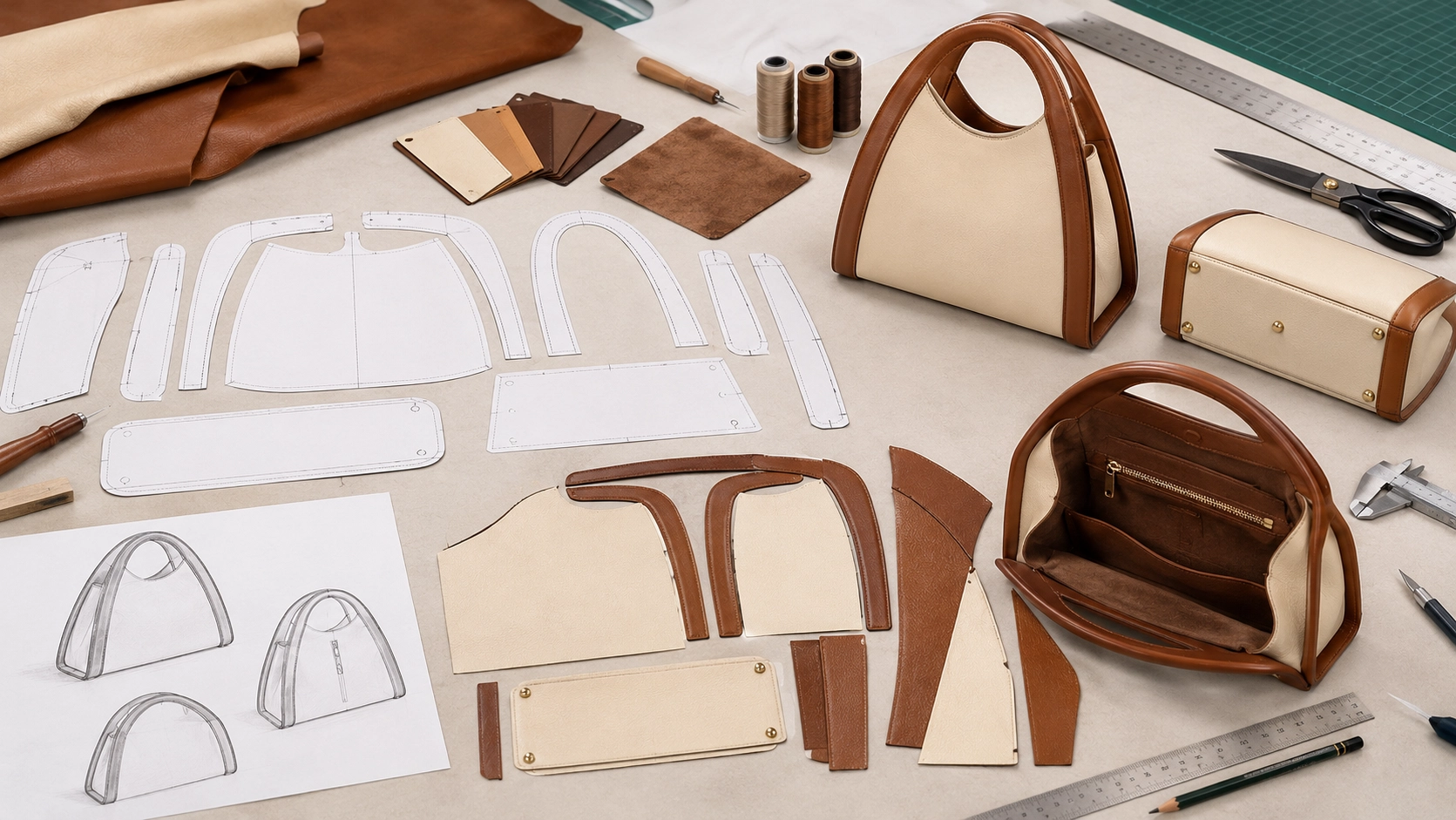
Full-grain vegetable-tanned leather is the requested material for this development concept. It retains the hide's natural grain and is tanned using vegetable-derived tannins. Its suitability depends on the selected leather grade, thickness, temper, surface finish, and intended wallet construction.
For Exalter Global Co., the material brief should identify not only the leather type but also the measurable characteristics needed for production consistency. Buyers should approve a physical swatch before the material is released for sampling.
Why consider full-grain vegetable-tanned leather?
- Natural grain: The surface retains natural grain characteristics, including variations that distinguish genuine hides.
- Structure: Appropriate grades can provide the firmness required for a defined tracker compartment and stable card slots.
- Ageing characteristics: Depending on the tannage and finish, the leather can develop colour variation and a patina through use.
- Edge finishing: Properly selected leather can support burnished, painted, or otherwise finished edges, depending on the specification.
- Custom appearance: Buyers can evaluate natural tan, brown, black, and other available colours against their product positioning.
Full-grain leather is not automatically superior for every wallet component. Its thickness, stiffness, surface finish, and resistance to repeated flexing must suit the intended application. Vegetable-tanned leather can also show natural marks, colour variation, and changes with exposure to moisture or sunlight.
Material comparison for wallet development
| Material option | Potential advantages | Manufacturing considerations |
|---|---|---|
| Full-grain vegetable-tanned leather | Natural grain, structured feel, potential patina | Thickness control, colour variation, temper, edge finishing, and moisture sensitivity |
| Full-grain chrome-tanned leather | Can offer a softer hand and varied finishes | Tannage, finish, flexibility, and sourcing specifications must be confirmed |
| Top-grain leather | Can offer a more uniform appearance | Surface treatment and leather construction vary by supplier |
| Leather lining or textile reinforcement | Can support card-slot structure and internal finishing | Added thickness, abrasion, bonding, and seam compatibility |
Alternative materials are options for comparison, not substitutions for the buyer's stated preference. Any change should require approval before sampling or production.
Leather specifications buyers should approve
- Leather grade, tannage, finish, and source documentation.
- Target thickness and acceptable tolerance for each wallet panel.
- Colour reference and permissible hide-to-hide variation.
- Surface appearance, natural marks, and defect acceptance criteria.
- Edge treatment, thread colour, lining material, and hardware finish.
- Care instructions and any applicable chemical or material testing requirements.
Exalter Vachette is the relevant brand reference for exploring leather wallet styles and private-label manufacturing through Exalter Global Co. Buyers should confirm the exact leather specification and sourcing availability for the proposed model before placing an order.
Engineering the AirTag-Compatible Compartment
The tracker compartment is a critical part of the design. It must hold the device securely while allowing intentional removal for battery servicing or replacement. The opening, retention method, surrounding leather layers, and position within the wallet all influence usability.
Apple lists the AirTag's diameter as 31.9 mm and its height as 8.0 mm in its published technical specifications. These dimensions provide a starting reference, not a finished pocket measurement. See the official AirTag technical specifications before finalising the design.
Important tracker compartment considerations
- Internal clearance: Allow for the actual device, leather thickness, lining, seams, and retention structure.
- Retention: Select a pocket, retaining lip, fitted sleeve, or other approved structure that resists accidental release.
- Accessibility: Ensure the device can be deliberately removed without damaging the leather or stretching the opening.
- Sound transmission: Avoid assuming that a fully enclosed leather pocket will provide unrestricted access to the AirTag's speaker sound.
- Signal performance: Test the finished construction in realistic use conditions rather than assuming every leather and lining combination performs identically.
- Battery service: Keep the device's battery cover accessible enough for the approved removal method.
For an illustrative prototype, the design team could begin with a nominal circular recess sized around the 31.9 mm device diameter, then adjust its internal clearance after testing the actual tracker and leather assembly. The final pocket diameter and depth should remain prototype-dependent.
A removable insert may simplify servicing, while a fitted pocket may create a cleaner profile. Neither approach should be selected solely from a product photograph. The sample must demonstrate retention, access, and comfort during handling.
Combining RFID Protection, Pull-Tab Access, and a Money Clip
The supplied project brief identifies three additional functions. Each requires its own design decision and acceptance criteria. Integrating all three can be feasible in principle, but the finished layout must be validated as a complete assembly.
RFID-blocking construction
An RFID wallet uses conductive shielding materials or a suitable shielding assembly to reduce radio-frequency communication with compatible contactless cards. Results depend on the shielding material, coverage, seams, openings, card orientation, frequency, and test method.
The AirTag compartment and RFID compartment should be considered separately. A shielding layer may interfere with radio-frequency communication if it surrounds the tracker. The proposed design should therefore avoid placing the AirTag inside an untested conductive enclosure.
For an RFID-enabled version, Exalter Global Co. can discuss the intended shielding specification and its integration into the wallet structure. Buyers should request test criteria and evidence before making strong performance claims in retail listings.
Pull-tab card access
A pull-tab mechanism allows users to raise or present cards through a controlled pulling motion. Its performance depends on slot spacing, friction, card count, tab anchoring, material stretch, and the weight of the card stack.
- Define the intended number and thickness range of cards.
- Check that cards move without snagging or excessive force.
- Inspect tab attachment points for stress and deformation.
- Test the mechanism repeatedly with representative card loads.
- Confirm that cards remain secure during ordinary movement.
Money clip integration
A money clip can hold folded banknotes while reducing the need for a full-length cash compartment. The clip may be attached internally or incorporated into a dedicated panel, depending on the selected design and hardware.
Buyers should specify the preferred clip material, finish, attachment method, and intended cash capacity. Testing should check retention, ease of insertion, sharp edges, hardware movement, and contact with adjacent leather surfaces.
For design context, buyers can review the Brooklyn Bridge RFID money clip wallet listing. It provides a reference for a related wallet category, not proof that the combined AirTag, RFID, and pull-tab configuration has already been manufactured.
-
Sale!
RFID Protected Pull Strap Wallet for Cards & Cash
Original price was: $41.90.$15.19Current price is: $15.19.
You save -
Sale!
RFID Protected Pull Strap Leather Card Holder Wallet
Original price was: $41.90.$15.19Current price is: $15.19.
You save -
Sale!
RFID Protected Pull Strap Card Holder Wallet for Men Slim
Original price was: $41.90.$15.19Current price is: $15.19.
You save -
Sale!
RFID Protected Leather Card Holder Wallet for Men & Women
Original price was: $18.10.$6.39Current price is: $6.39.
You save -
Sale!
RFID Protected Pull Strap Card Holder Wallet for Secure Access
Original price was: $40.70.$14.79Current price is: $14.79.
You save -
Sale!
Slim RFID Protected Pull Strap Wallet for Cards & Cash
Original price was: $40.70.$14.79Current price is: $14.79.
You save -
Sale!
RFID Protected Pull Strap Card Holder Wallet for Daily Use
Original price was: $40.70.$14.79Current price is: $14.79.
You save -
Sale!
RFID Protected Card Holder Wallet for Secure Cards & Cash
Original price was: $27.30.$10.79Current price is: $10.79.
You save -
Sale!
RFID Protected Leather Card Holder Wallet with Slim Design
Original price was: $27.30.$10.79Current price is: $10.79.
You save -
Sale!
Slim RFID Protected Leather Card Holder Wallet for Cards
Original price was: $27.30.$10.79Current price is: $10.79.
You save -
Sale!
RFID Protected Leather Card Holder Wallet for Secure Cards
Original price was: $27.30.$10.79Current price is: $10.79.
You save -
Sale!
RFID Protected Genuine Leather Card Holder for Daily Use
Original price was: $27.30.$10.79Current price is: $10.79.
You save
-
Sale!
RFID Protected Pull Strap Wallet for Cards & Cash
Original price was: $41.90.$15.19Current price is: $15.19.
You save -
Sale!
RFID Protected Pull Strap Leather Card Holder Wallet
Original price was: $41.90.$15.19Current price is: $15.19.
You save -
Sale!
RFID Protected Pull Strap Card Holder Wallet for Men Slim
Original price was: $41.90.$15.19Current price is: $15.19.
You save -
Sale!
RFID Protected Leather Card Holder Wallet for Men & Women
Original price was: $18.10.$6.39Current price is: $6.39.
You save -
Sale!
RFID Protected Pull Strap Card Holder Wallet for Secure Access
Original price was: $40.70.$14.79Current price is: $14.79.
You save -
Sale!
Slim RFID Protected Pull Strap Wallet for Cards & Cash
Original price was: $40.70.$14.79Current price is: $14.79.
You save -
Sale!
RFID Protected Pull Strap Card Holder Wallet for Daily Use
Original price was: $40.70.$14.79Current price is: $14.79.
You save -
Sale!
RFID Protected Card Holder Wallet for Secure Cards & Cash
Original price was: $27.30.$10.79Current price is: $10.79.
You save -
Sale!
RFID Protected Leather Card Holder Wallet with Slim Design
Original price was: $27.30.$10.79Current price is: $10.79.
You save -
Sale!
Slim RFID Protected Leather Card Holder Wallet for Cards
Original price was: $27.30.$10.79Current price is: $10.79.
You save -
Sale!
RFID Protected Leather Card Holder Wallet for Secure Cards
Original price was: $27.30.$10.79Current price is: $10.79.
You save -
Sale!
RFID Protected Genuine Leather Card Holder for Daily Use
Original price was: $27.30.$10.79Current price is: $10.79.
You save
-
Sale!
RFID Protected Pull Strap Wallet for Cards & Cash
Original price was: $41.90.$15.19Current price is: $15.19.
You save -
Sale!
RFID Protected Pull Strap Leather Card Holder Wallet
Original price was: $41.90.$15.19Current price is: $15.19.
You save -
Sale!
RFID Protected Pull Strap Card Holder Wallet for Men Slim
Original price was: $41.90.$15.19Current price is: $15.19.
You save -
Sale!
RFID Protected Leather Card Holder Wallet for Men & Women
Original price was: $18.10.$6.39Current price is: $6.39.
You save -
Sale!
RFID Protected Pull Strap Card Holder Wallet for Secure Access
Original price was: $40.70.$14.79Current price is: $14.79.
You save -
Sale!
Slim RFID Protected Pull Strap Wallet for Cards & Cash
Original price was: $40.70.$14.79Current price is: $14.79.
You save -
Sale!
RFID Protected Pull Strap Card Holder Wallet for Daily Use
Original price was: $40.70.$14.79Current price is: $14.79.
You save -
Sale!
RFID Protected Card Holder Wallet for Secure Cards & Cash
Original price was: $27.30.$10.79Current price is: $10.79.
You save -
Sale!
RFID Protected Leather Card Holder Wallet with Slim Design
Original price was: $27.30.$10.79Current price is: $10.79.
You save -
Sale!
Slim RFID Protected Leather Card Holder Wallet for Cards
Original price was: $27.30.$10.79Current price is: $10.79.
You save -
Sale!
RFID Protected Leather Card Holder Wallet for Secure Cards
Original price was: $27.30.$10.79Current price is: $10.79.
You save -
Sale!
RFID Protected Genuine Leather Card Holder for Daily Use
Original price was: $27.30.$10.79Current price is: $10.79.
You save

Proposed Product Specifications for the Canadian Market
Canadian buyers may prefer a compact wallet with practical card access, durable construction, and a refined leather finish. These are product-positioning considerations rather than mandatory requirements for every Canadian customer.
The following table provides an illustrative starting specification. It is not a confirmed production specification or a claim about an existing finished product.
| Specification | Proposed development direction | Buyer approval required |
|---|---|---|
| Leather | Full-grain vegetable-tanned leather | Grade, tannage, thickness, finish, and colour |
| Overall dimensions | Compact bifold or slim card-wallet format | Finished dimensions and tolerances |
| Tracker compartment | Removable, secure AirTag-compatible pocket | Device fit, retention, access, and sound performance |
| Card storage | Conventional slots or a pull-tab card assembly | Card count, fit, and retrieval force |
| RFID protection | Optional shielding in designated card-storage areas | Test method, coverage, and performance claims |
| Cash storage | Metal money clip or a conventional cash compartment | Hardware, attachment, and capacity |
| Colour options | Black, dark brown, and natural tan for initial evaluation | Approved swatches and colour tolerance |
| Packaging | Protective packaging suitable for the sales channel | Retail presentation, materials, labels, and carton requirements |
Manufacturing Workflow: From Brief to Approved Sample
A structured development process reduces uncertainty before bulk production. Exalter Global Co. can use the following proposed workflow to organise buyer requirements and assess the product's manufacturing feasibility.
Step 1: Review the design brief
The buyer supplies reference images, sketches, technical drawings where available, target dimensions, expected order volume, and intended retail positioning. The manufacturer reviews the functional requirements and identifies potential design conflicts.
Step 2: Confirm leather and components
Review leather swatches, thickness, colour, lining, thread, pull-tab material, RFID shielding, and money clip options. Confirm availability and agree on acceptable material variations before cutting the prototype.
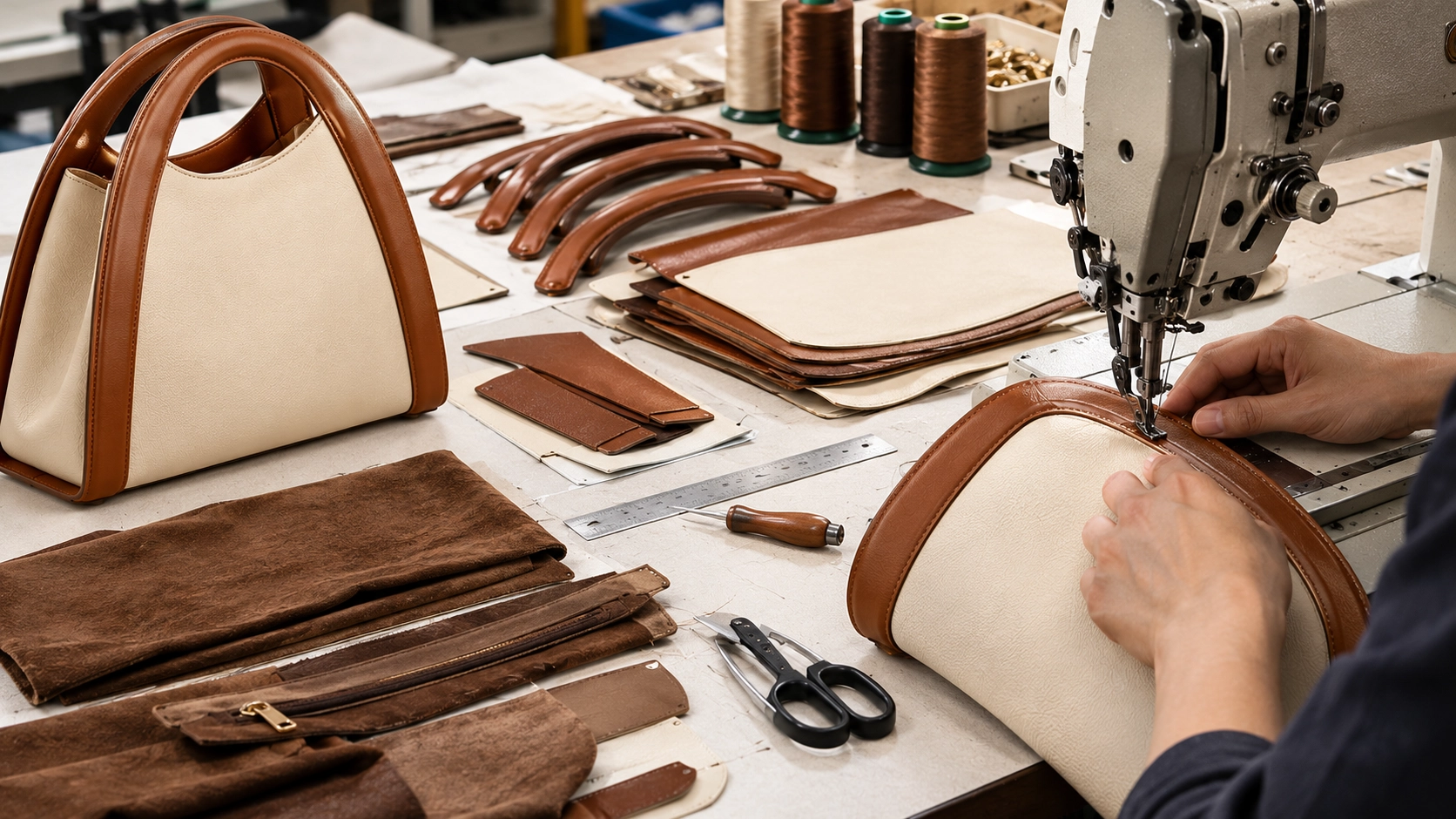
Step 3: Develop patterns and the first prototype
Create the pattern around the approved layout. Assemble the tracker compartment, card slots, and optional hardware. Record actual dimensions and note areas requiring adjustment.
Step 4: Test fit and usability
Evaluate tracker retention, removal, card access, cash retention, pocket comfort, and overall thickness. Test the wallet with representative cards and the intended AirTag model. Record failures and revisions instead of relying on visual approval alone.
Step 5: Revise and approve the sample
Adjust the pattern, stitching, reinforcement, compartment opening, or hardware placement where needed. The buyer approves the final reference sample and written specification before bulk production is authorised.
Step 6: Prepare production and export requirements
Agree on quantities, acceptable tolerances, inspection checkpoints, packaging, delivery terms, and shipping documents. Confirm the final product configuration and cost before issuing the production order.
Exalter Global Co. publishes information about its company background and manufacturing approach. Buyers can use the B2B contact page to discuss whether their proposed specifications can be supported.
Quality Control and Prototype Testing
Quality control should cover both traditional leather workmanship and the wallet's functional components. A visually attractive sample may still fail if its tracker pocket stretches, the pull tab jams, or the money clip loses tension.
| Inspection area | Suggested check | Acceptance basis |
|---|---|---|
| Leather | Inspect grain, colour, thickness, and visible defects | Approved swatch and written defect criteria |
| Dimensions | Measure overall size and functional compartments | Approved drawing and tolerances |
| Stitching and edges | Check seam consistency, loose threads, and edge finishing | Approved workmanship standard |
| AirTag compartment | Check fit, retention, removal, and tracker operation | Approved device and functional test procedure |
| RFID shielding | Test representative cards using an agreed method | Documented performance criteria |
| Pull tab and clip | Check repeated operation, card retention, and hardware stability | Buyer-approved functional and durability tests |
Any cycle counts, force limits, or dimensional tolerances should be agreed before testing. They should not be presented as established results until actual tests have been completed and recorded.
Canadian Market Considerations and Import Preparation
Canada is the target sales market for this development concept, while Exalter Global Co. is based in Kolkata, India. Manufacturing location and destination market should remain clearly distinguished in product descriptions and commercial documents.
Importers should review the applicable Canadian requirements for their specific product and sales channel. Health Canada's guide to importing consumer products explains responsibilities under the Canada Consumer Product Safety Act, including product safety, incident reporting, and traceability obligations where applicable.
Not every wallet has a special product-specific approval requirement. However, importers must establish whether relevant legislation, material restrictions, or other requirements apply to their product. Packaging and marketing claims should also be accurate and supported by evidence.
For labelling, buyers should assess whether the finished product or any included textile components fall within the scope of Canadian textile labelling rules. The Competition Bureau provides its textile labelling requirements for products covered by those rules. Do not assume every leather wallet is subject to identical fibre-disclosure obligations.
Practical preparation should include accurate country-of-origin information, a clear commercial invoice, appropriate product descriptions, packaging details, and any required customs information. Buyers should confirm tariff classification, duties, taxes, and applicable import requirements with their customs broker or the Canada Border Services Agency.
How Exalter Vachette and Brooklyn Bridge Fit the Project
Exalter Global Co. is the central manufacturing and export partner in this proposed development. Its published leather wallet category and related product listings provide a starting point for discussing wallet construction, materials, card storage, and money clip configurations.
Exalter Vachette can serve as the brand reference for a premium leather wallet direction, subject to product selection and the agreed commercial arrangement. The development brief can prioritise leather quality, refined finishing, compact construction, and practical everyday functionality.
Brooklyn Bridge provides relevant category references for RFID wallet and money clip formats. Its published RFID-protected leather wallet listing and money clip listing can help buyers compare related product features.
These references do not establish that the exact combined AirTag, RFID, pull-tab, and money clip design is an existing product. The final configuration should be treated as a new development proposal until its specifications, sample, and manufacturing feasibility have been confirmed.
Buyer Checklist Before Requesting a Manufacturing Quote
- Specify the intended AirTag model and provide a physical reference device if required.
- Confirm full-grain vegetable-tanned leather, thickness, finish, and approved colours.
- Choose the wallet format and finished dimensions.
- Define card capacity, pull-tab requirements, and cash storage preferences.
- State whether RFID shielding is required and how performance should be tested.
- Confirm hardware specifications, lining, stitching, and edge treatment.
- Identify target order quantity, sampling requirements, and expected delivery schedule.
- Agree on quality standards, packaging, product documentation, and Canadian import responsibilities.
Frequently Asked Questions
Can Exalter Global Co. develop a custom leather AirTag wallet for Canada?
Exalter Global Co. publishes leather wallet manufacturing, customisation, and export services for international buyers. A specific AirTag wallet configuration requires a feasibility review, material confirmation, and prototype approval before production can be confirmed.
Why choose full-grain vegetable-tanned leather?
It offers natural grain characteristics, a structured feel in suitable grades, and the potential to develop a patina. The final choice should depend on thickness, flexibility, finish, colour consistency, and the intended construction.
Can an AirTag wallet also provide RFID protection?
Potentially, yes. The shielding must be designed for the intended card-storage area and tested. The AirTag compartment should be evaluated separately to avoid compromising tracker communication or usability.
Can a pull tab and money clip be included in the same wallet?
They can be evaluated in one design, but their combined thickness, attachment points, card capacity, and cash retention must be checked during prototyping.
What dimensions should an AirTag compartment have?
Apple specifies an AirTag diameter of 31.9 mm and a height of 8.0 mm. The final compartment must account for clearance, leather thickness, seams, retention, and the intended removal method.
What should Canadian importers confirm before placing a bulk order?
Confirm product specifications, material documentation, test evidence for functional claims, packaging, traceability records, customs classification, duties, and any applicable Canadian requirements.
What is the first step in developing a private-label wallet?
Prepare a design brief with reference images, material preferences, dimensions, functionality, target quantity, and packaging requirements. Submit it for feasibility review and sample planning.
Discuss Your Custom Leather Wallet Development Requirements
For Canadian brands, importers, and retailers, a successful AirTag wallet project begins with a clear specification and a testable prototype. Full-grain vegetable-tanned leather, a secure tracker compartment, convenient card access, optional RFID shielding, and a money clip can be evaluated against the intended product positioning.
Exalter Global Co. can discuss the proposed product brief, sourcing requirements, OEM or private-label options, sample development, quality checkpoints, and export coordination. The next step is to confirm the preferred design and determine which features can be combined without compromising usability or manufacturing consistency.
To begin, contact Exalter Global Co. about your custom leather wallet project with your reference images, material requirements, target quantities, and intended Canadian sales channel.

-
Sale!
RFID Protected Pull Strap Wallet for Cards & Cash
Original price was: $41.90.$15.19Current price is: $15.19.
You save -
Sale!
RFID Protected Pull Strap Leather Card Holder Wallet
Original price was: $41.90.$15.19Current price is: $15.19.
You save -
Sale!
RFID Protected Pull Strap Card Holder Wallet for Men Slim
Original price was: $41.90.$15.19Current price is: $15.19.
You save -
Sale!
RFID Protected Leather Card Holder Wallet for Men & Women
Original price was: $18.10.$6.39Current price is: $6.39.
You save -
Sale!
RFID Protected Pull Strap Card Holder Wallet for Secure Access
Original price was: $40.70.$14.79Current price is: $14.79.
You save -
Sale!
Slim RFID Protected Pull Strap Wallet for Cards & Cash
Original price was: $40.70.$14.79Current price is: $14.79.
You save -
Sale!
RFID Protected Pull Strap Card Holder Wallet for Daily Use
Original price was: $40.70.$14.79Current price is: $14.79.
You save -
Sale!
RFID Protected Card Holder Wallet for Secure Cards & Cash
Original price was: $27.30.$10.79Current price is: $10.79.
You save -
Sale!
RFID Protected Leather Card Holder Wallet with Slim Design
Original price was: $27.30.$10.79Current price is: $10.79.
You save -
Sale!
Slim RFID Protected Leather Card Holder Wallet for Cards
Original price was: $27.30.$10.79Current price is: $10.79.
You save -
Sale!
RFID Protected Leather Card Holder Wallet for Secure Cards
Original price was: $27.30.$10.79Current price is: $10.79.
You save -
Sale!
RFID Protected Genuine Leather Card Holder for Daily Use
Original price was: $27.30.$10.79Current price is: $10.79.
You save