-
Sale!
RFID Protected Pull Strap Wallet for Cards & Cash
Original price was: $41.90.$15.19Current price is: $15.19.
You save -
Sale!
RFID Protected Pull Strap Leather Card Holder Wallet
Original price was: $41.90.$15.19Current price is: $15.19.
You save -
Sale!
RFID Protected Pull Strap Card Holder Wallet for Men Slim
Original price was: $41.90.$15.19Current price is: $15.19.
You save -
Sale!
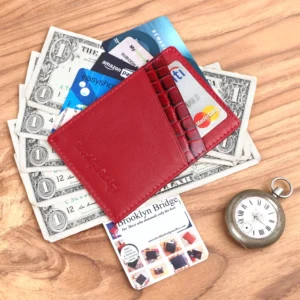
RFID Protected Leather Card Holder Wallet for Men & Women
Original price was: $18.10.$6.39Current price is: $6.39.
You save -
Sale!
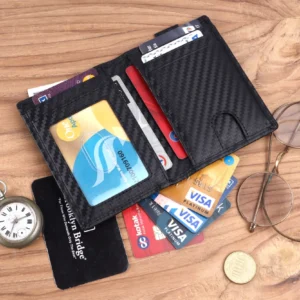
RFID Protected Pull Strap Card Holder Wallet for Secure Access
Original price was: $40.70.$14.79Current price is: $14.79.
You save -
Sale!
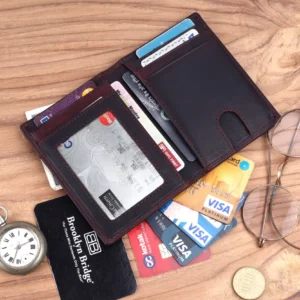
Slim RFID Protected Pull Strap Wallet for Cards & Cash
Original price was: $40.70.$14.79Current price is: $14.79.
You save -
Sale!
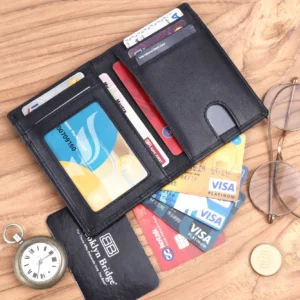
RFID Protected Pull Strap Card Holder Wallet for Daily Use
Original price was: $40.70.$14.79Current price is: $14.79.
You save -
Sale!
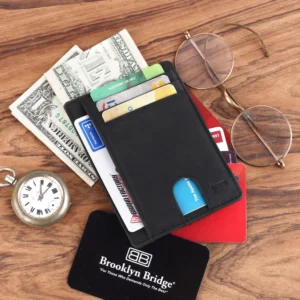
RFID Protected Card Holder Wallet for Secure Cards & Cash
Original price was: $27.30.$10.79Current price is: $10.79.
You save -
Sale!
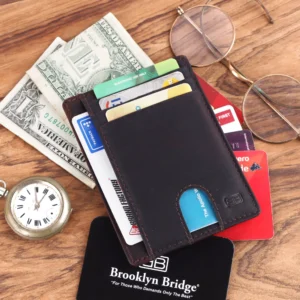
RFID Protected Leather Card Holder Wallet with Slim Design
Original price was: $27.30.$10.79Current price is: $10.79.
You save -
Sale!
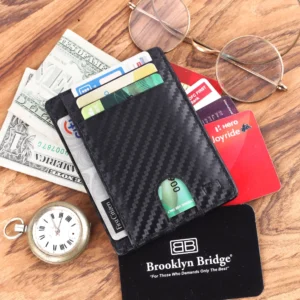
Slim RFID Protected Leather Card Holder Wallet for Cards
Original price was: $27.30.$10.79Current price is: $10.79.
You save -
Sale!
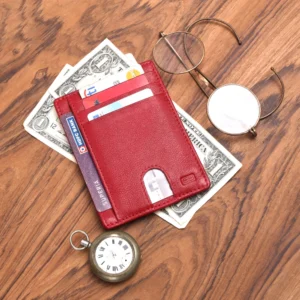
RFID Protected Leather Card Holder Wallet for Secure Cards
Original price was: $27.30.$10.79Current price is: $10.79.
You save -
Sale!
RFID Protected Genuine Leather Card Holder for Daily Use
Original price was: $27.30.$10.79Current price is: $10.79.
You save
-
Sale!
RFID Protected Pull Strap Wallet for Cards & Cash
Original price was: $41.90.$15.19Current price is: $15.19.
You save -
Sale!
RFID Protected Pull Strap Leather Card Holder Wallet
Original price was: $41.90.$15.19Current price is: $15.19.
You save -
Sale!
RFID Protected Pull Strap Card Holder Wallet for Men Slim
Original price was: $41.90.$15.19Current price is: $15.19.
You save -
Sale!
RFID Protected Leather Card Holder Wallet for Men & Women
Original price was: $18.10.$6.39Current price is: $6.39.
You save -
Sale!
RFID Protected Pull Strap Card Holder Wallet for Secure Access
Original price was: $40.70.$14.79Current price is: $14.79.
You save -
Sale!
Slim RFID Protected Pull Strap Wallet for Cards & Cash
Original price was: $40.70.$14.79Current price is: $14.79.
You save -
Sale!
RFID Protected Pull Strap Card Holder Wallet for Daily Use
Original price was: $40.70.$14.79Current price is: $14.79.
You save -
Sale!
RFID Protected Card Holder Wallet for Secure Cards & Cash
Original price was: $27.30.$10.79Current price is: $10.79.
You save -
Sale!
RFID Protected Leather Card Holder Wallet with Slim Design
Original price was: $27.30.$10.79Current price is: $10.79.
You save -
Sale!
Slim RFID Protected Leather Card Holder Wallet for Cards
Original price was: $27.30.$10.79Current price is: $10.79.
You save -
Sale!
RFID Protected Leather Card Holder Wallet for Secure Cards
Original price was: $27.30.$10.79Current price is: $10.79.
You save -
Sale!
RFID Protected Genuine Leather Card Holder for Daily Use
Original price was: $27.30.$10.79Current price is: $10.79.
You save
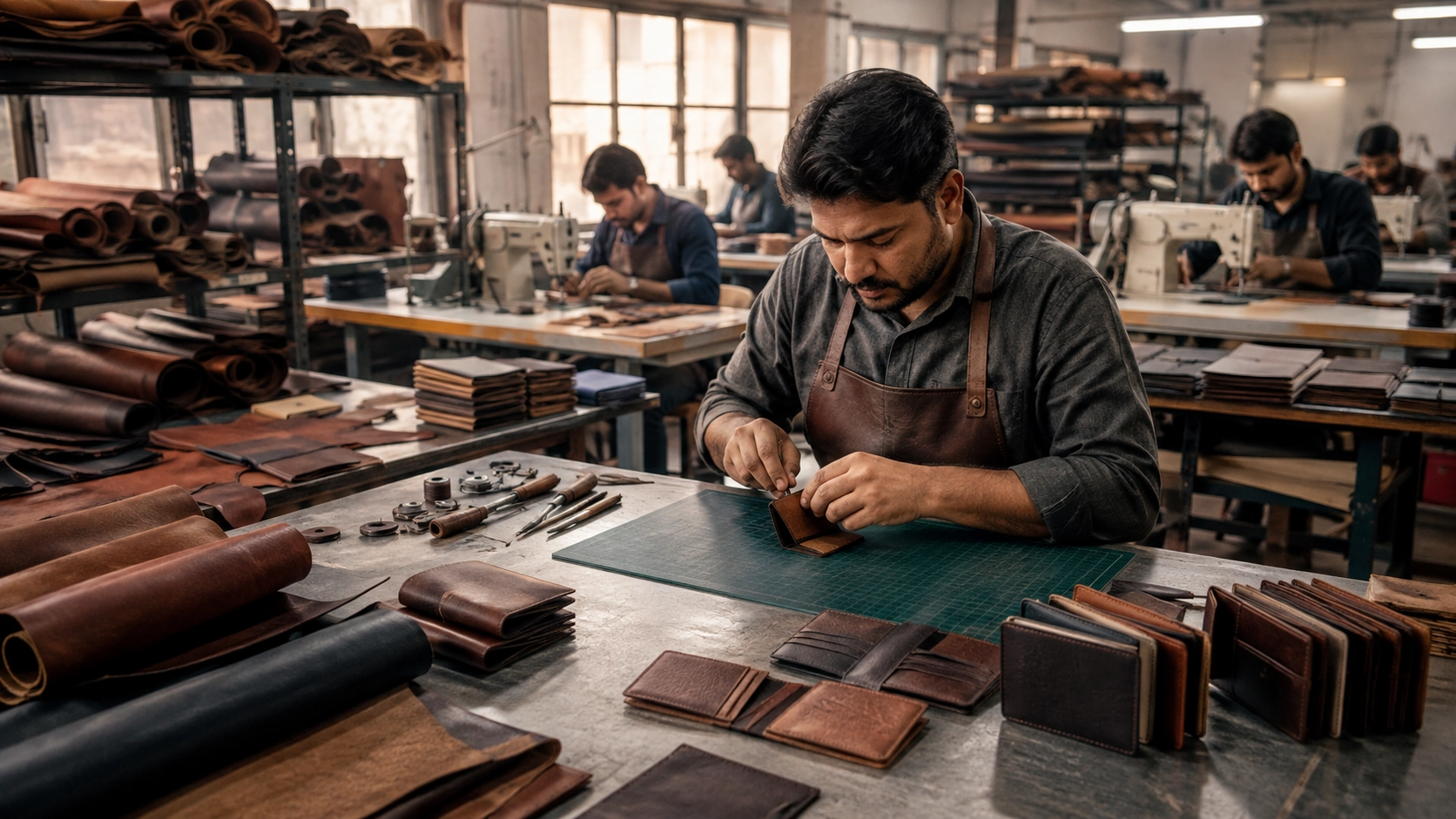
Table of Contents
Leather Wallet Exporter from India to Bahrain: Complete B2B Buyer Guide (2026)
Looking for a reliable leather wallet exporter from India to Bahrain? Choosing the right manufacturing partner can help your business build a distinctive product range, control purchasing costs, and maintain consistent quality across repeat orders.
Bahrain's importers, wholesalers, retailers, corporate gifting companies, and private-label brands need suppliers who understand product specifications, commercial terms, packaging, and international shipping. The challenge is finding a partner who can support both product development and dependable bulk procurement.
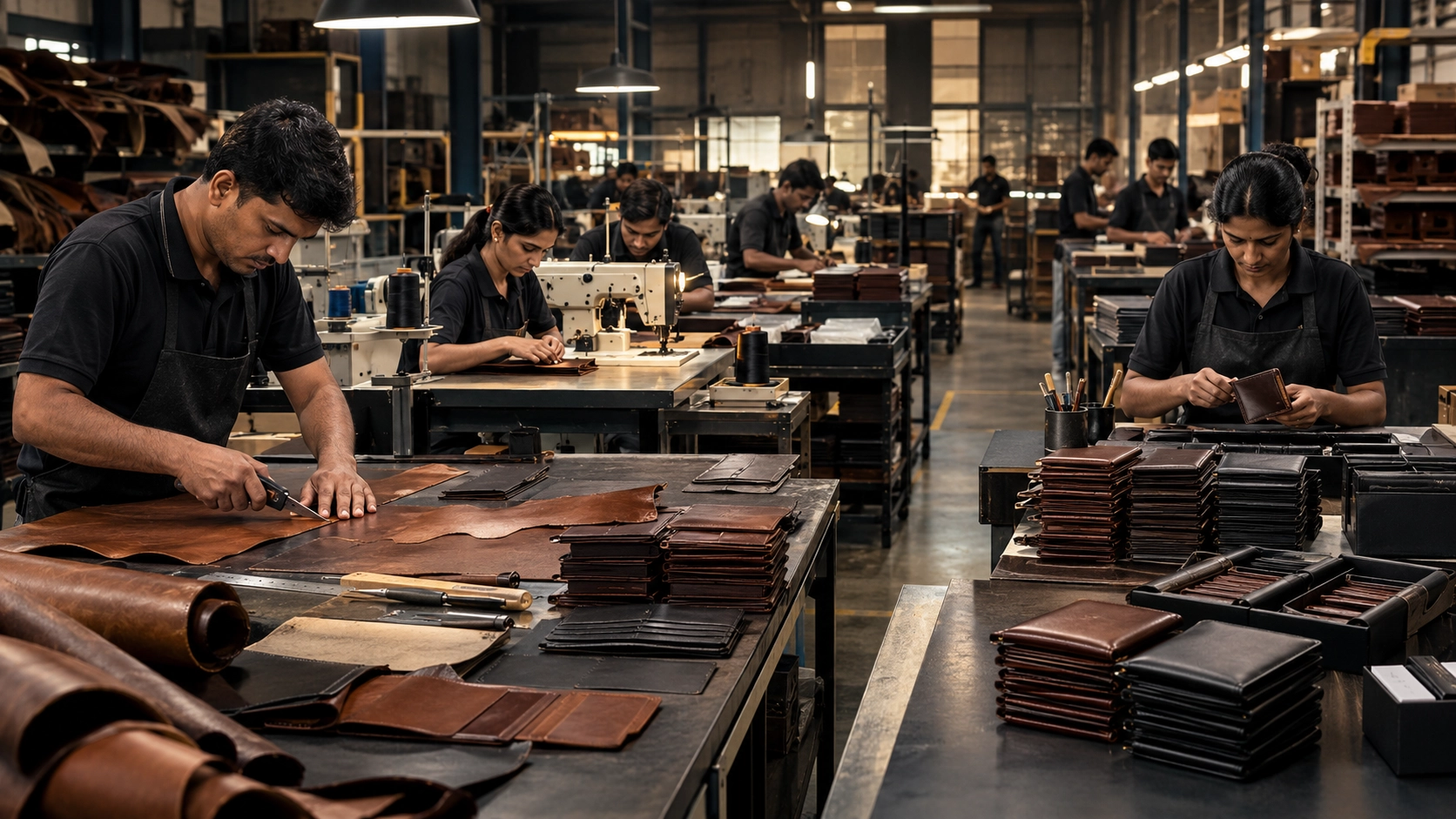
Exalter Global Co. is a Kolkata-based manufacturer and export partner serving international buyers. Through its leather goods operations and brands, Exalter Vachette and Brooklyn Bridge, the company offers a starting point for buyers exploring leather wallets, card holders, money clip wallets, and customised accessories.
This guide explains how Bahrain buyers can evaluate Indian manufacturers, compare materials, understand minimum order quantities, calculate landed costs, and organise a successful import order.
Quick Answer: What Should Bahrain Buyers Know Before Importing Leather Wallets from India?
Bahrain buyers should confirm the supplier's manufacturing capabilities, leather specifications, minimum order quantity, product quality, branding options, delivery terms, and export documentation before placing a bulk order.
A practical sourcing process includes defining the product range, requesting a detailed quotation, evaluating samples, approving specifications, agreeing on payment and shipping terms, verifying Bahrain's current import requirements, and inspecting the goods before dispatch.
Working with an Indian leather wallet manufacturer can offer access to established craftsmanship, product variety, private-label development, and scalable purchasing options. However, the right supplier must be selected through documented specifications and commercial due diligence rather than price alone.
1. Why Source Leather Wallets from India for the Bahrain Market?
India has an established leather goods manufacturing sector serving domestic and international markets. Buyers can explore traditional wallets, contemporary card holders, compact travel accessories, and customised products through Indian manufacturers and exporters.
For Bahrain businesses, sourcing from India may support several commercial objectives:
- Product variety: Compare bifold wallets, trifold wallets, card holders, coin pocket wallets, and money clip designs.
- Material choices: Select leather grades, textures, linings, and finishes according to the target retail segment.
- Private-label opportunities: Develop products with approved logos, brand colours, packaging, and product specifications.
- Wholesale purchasing: Discuss production quantities and repeat-order planning with a manufacturing partner.
- Product differentiation: Build a collection around distinctive designs, practical storage, finish quality, and packaging.
These advantages depend on the supplier, the agreed product specifications, and the commercial terms. Buyers should verify production capacity, sample quality, and delivery commitments before assuming that a manufacturer can meet every requirement.
Understanding Bahrain's Buyer Segments
Different buyers need different wallet collections. A retailer may prioritise attractive designs and manageable opening quantities. A wholesaler may focus on unit economics, repeatability, and carton-level purchasing. A private-label brand may require exclusive designs, packaging development, and stricter approval procedures.
Corporate gifting businesses may need logo branding, coordinated packaging, and delivery against a fixed schedule. Online sellers may prioritise compact dimensions, clear product photography, accurate descriptions, and packaging suitable for fulfilment operations.
Before contacting an Indian leather wallet exporter, define the customer segment, target selling price, expected order volume, and required product positioning. This makes supplier discussions more productive.
2. Meet Exalter Global Co.: An Indian Manufacturing and Export Partner
Exalter Global Co.'s official website presents its broader manufacturing, sourcing, private-label, and international business capabilities. Its leather goods operations are relevant to businesses seeking wallet products and customised manufacturing solutions.
The company is based in Kolkata, West Bengal, India, and serves buyers in international markets. Bahrain is the target market for this sourcing guide; it is not the company's stated physical location.
Buyers can begin by reviewing the company's leather wallet manufacturing and private-label services. The page describes wallet categories, customisation options, and manufacturing-related capabilities. Treat published specifications as a starting point and confirm the exact terms for your proposed order.
What Buyers Should Evaluate
- Product fit: Confirm whether the required wallet design is available or can be developed.
- Manufacturing model: Establish whether the order involves existing designs, OEM production, ODM development, or private labelling.
- Materials: Agree on leather type, thickness, colour, lining, hardware, and finishing standards.
- Production quantity: Confirm the MOQ for the exact model, material, branding method, and packaging configuration.
- Quality control: Request written inspection criteria and sample approval before production.
- Export arrangements: Agree on the responsible party for freight booking, export clearance, insurance, and destination-side costs.
A professional supplier relationship should make responsibilities clear before payment. Ask for a written quotation and confirm that every important commercial promise appears in the order documents.
Explore Existing Wallet Designs
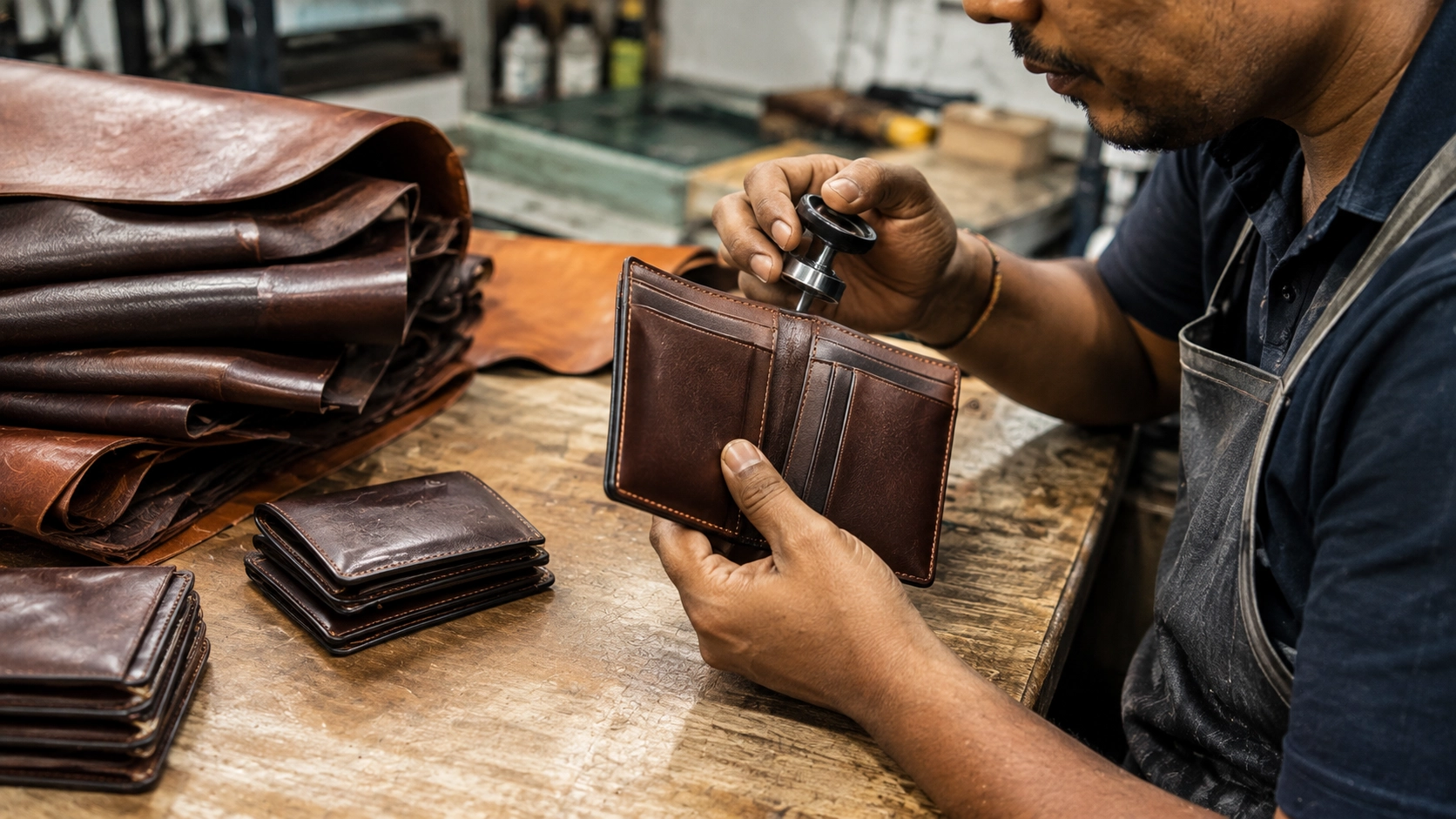
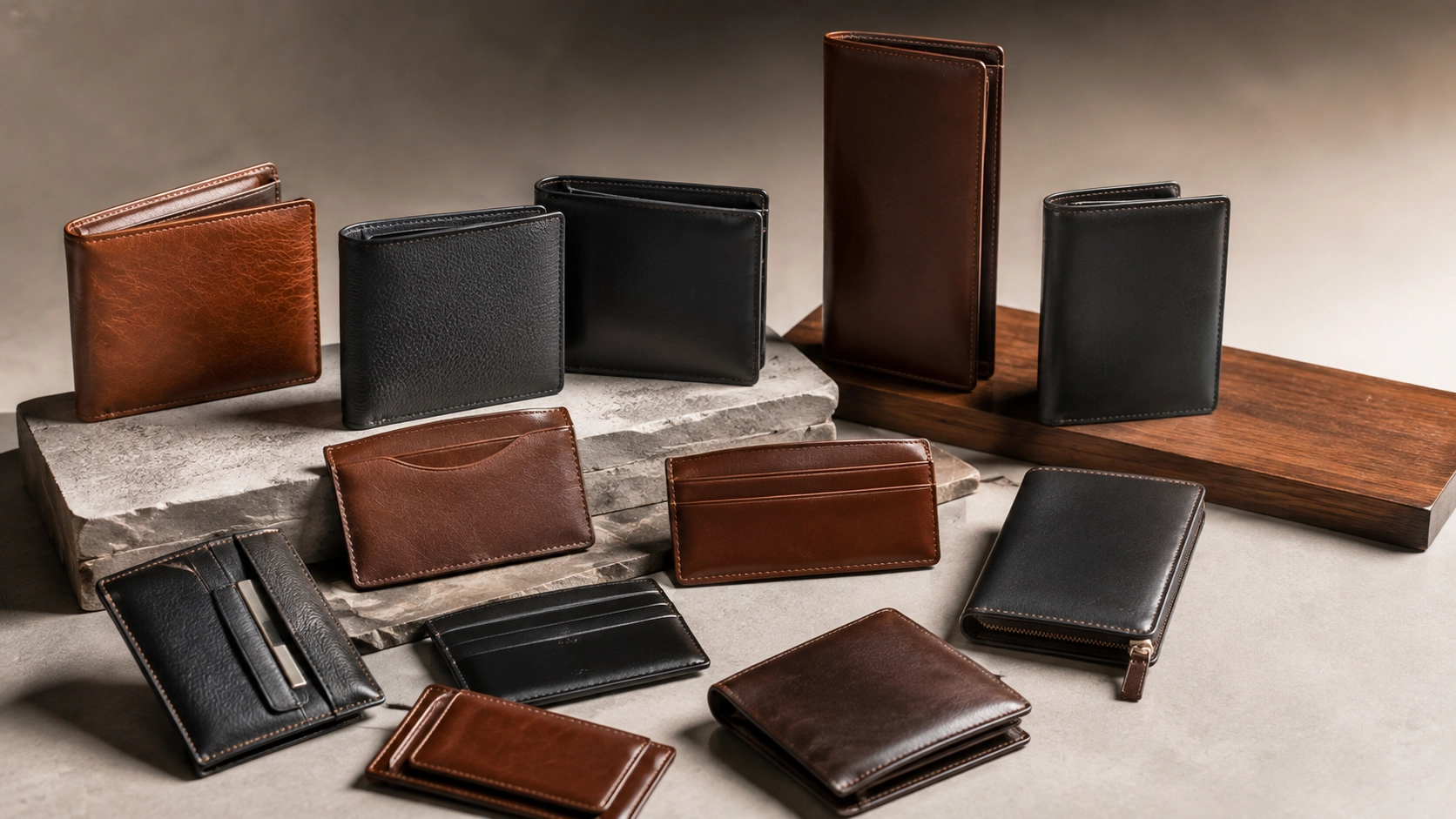
Buyers can review the company's premium leather wallet collection to identify suitable styles for a proposed assortment. The leather wallet production collection also features product formats such as money clip wallets and ID window designs.
These pages help buyers shortlist products for discussion. Online retail listings do not automatically establish bulk export pricing, production lead times, or custom-order availability. Request a separate quotation for the intended Bahrain order.
3. Which Leather Wallet Types Should Bahrain Importers Consider?
A balanced wallet assortment can help retailers serve different preferences without committing the entire purchasing budget to one design. Start with a small group of clearly differentiated products, then expand using sales data and customer feedback.
| Wallet Type | Key Features | Potential Buyer |
|---|---|---|
| Bifold wallet | Classic folded format with card slots and a cash compartment. | General retailers and established wallet brands. |
| Trifold wallet | Multiple folding sections for organised storage. | Buyers targeting customers who prefer additional compartments. |
| Slim card holder | Compact construction with limited bulk. | Minimalist accessories brands and gift retailers. |
| Money clip wallet | Card storage combined with a clip or cash-retention feature. | Contemporary accessory stores and corporate gifting buyers. |
| Coin pocket wallet | Includes a dedicated compartment for coins. | Traditional wallet buyers and practical everyday users. |
| RFID wallet | Designed with a specified radio-frequency shielding construction. | Brands seeking a security-oriented product feature. |
For RFID products, ask for evidence supporting any shielding or performance claim. Do not rely on a product name alone as proof of effectiveness.
Review the minimalist leather wallet selection for additional design ideas. Confirm available colours, materials, construction, and bulk-order terms directly with the supplier.
-
Sale!
RFID Protected Pull Strap Wallet for Cards & Cash
Original price was: $41.90.$15.19Current price is: $15.19.
You save -
Sale!
RFID Protected Pull Strap Leather Card Holder Wallet
Original price was: $41.90.$15.19Current price is: $15.19.
You save -
Sale!
RFID Protected Pull Strap Card Holder Wallet for Men Slim
Original price was: $41.90.$15.19Current price is: $15.19.
You save -
Sale!
RFID Protected Leather Card Holder Wallet for Men & Women
Original price was: $18.10.$6.39Current price is: $6.39.
You save -
Sale!
RFID Protected Pull Strap Card Holder Wallet for Secure Access
Original price was: $40.70.$14.79Current price is: $14.79.
You save -
Sale!
Slim RFID Protected Pull Strap Wallet for Cards & Cash
Original price was: $40.70.$14.79Current price is: $14.79.
You save -
Sale!
RFID Protected Pull Strap Card Holder Wallet for Daily Use
Original price was: $40.70.$14.79Current price is: $14.79.
You save -
Sale!
RFID Protected Card Holder Wallet for Secure Cards & Cash
Original price was: $27.30.$10.79Current price is: $10.79.
You save -
Sale!
RFID Protected Leather Card Holder Wallet with Slim Design
Original price was: $27.30.$10.79Current price is: $10.79.
You save -
Sale!
Slim RFID Protected Leather Card Holder Wallet for Cards
Original price was: $27.30.$10.79Current price is: $10.79.
You save -
Sale!
RFID Protected Leather Card Holder Wallet for Secure Cards
Original price was: $27.30.$10.79Current price is: $10.79.
You save -
Sale!
RFID Protected Genuine Leather Card Holder for Daily Use
Original price was: $27.30.$10.79Current price is: $10.79.
You save
-
Sale!
RFID Protected Pull Strap Wallet for Cards & Cash
Original price was: $41.90.$15.19Current price is: $15.19.
You save -
Sale!
RFID Protected Pull Strap Leather Card Holder Wallet
Original price was: $41.90.$15.19Current price is: $15.19.
You save -
Sale!
RFID Protected Pull Strap Card Holder Wallet for Men Slim
Original price was: $41.90.$15.19Current price is: $15.19.
You save -
Sale!
RFID Protected Leather Card Holder Wallet for Men & Women
Original price was: $18.10.$6.39Current price is: $6.39.
You save -
Sale!
RFID Protected Pull Strap Card Holder Wallet for Secure Access
Original price was: $40.70.$14.79Current price is: $14.79.
You save -
Sale!
Slim RFID Protected Pull Strap Wallet for Cards & Cash
Original price was: $40.70.$14.79Current price is: $14.79.
You save -
Sale!
RFID Protected Pull Strap Card Holder Wallet for Daily Use
Original price was: $40.70.$14.79Current price is: $14.79.
You save -
Sale!
RFID Protected Card Holder Wallet for Secure Cards & Cash
Original price was: $27.30.$10.79Current price is: $10.79.
You save -
Sale!
RFID Protected Leather Card Holder Wallet with Slim Design
Original price was: $27.30.$10.79Current price is: $10.79.
You save -
Sale!
Slim RFID Protected Leather Card Holder Wallet for Cards
Original price was: $27.30.$10.79Current price is: $10.79.
You save -
Sale!
RFID Protected Leather Card Holder Wallet for Secure Cards
Original price was: $27.30.$10.79Current price is: $10.79.
You save -
Sale!
RFID Protected Genuine Leather Card Holder for Daily Use
Original price was: $27.30.$10.79Current price is: $10.79.
You save
-
Sale!
RFID Protected Pull Strap Wallet for Cards & Cash
Original price was: $41.90.$15.19Current price is: $15.19.
You save -
Sale!
RFID Protected Pull Strap Leather Card Holder Wallet
Original price was: $41.90.$15.19Current price is: $15.19.
You save -
Sale!
RFID Protected Pull Strap Card Holder Wallet for Men Slim
Original price was: $41.90.$15.19Current price is: $15.19.
You save -
Sale!
RFID Protected Leather Card Holder Wallet for Men & Women
Original price was: $18.10.$6.39Current price is: $6.39.
You save -
Sale!
RFID Protected Pull Strap Card Holder Wallet for Secure Access
Original price was: $40.70.$14.79Current price is: $14.79.
You save -
Sale!
Slim RFID Protected Pull Strap Wallet for Cards & Cash
Original price was: $40.70.$14.79Current price is: $14.79.
You save -
Sale!
RFID Protected Pull Strap Card Holder Wallet for Daily Use
Original price was: $40.70.$14.79Current price is: $14.79.
You save -
Sale!
RFID Protected Card Holder Wallet for Secure Cards & Cash
Original price was: $27.30.$10.79Current price is: $10.79.
You save -
Sale!
RFID Protected Leather Card Holder Wallet with Slim Design
Original price was: $27.30.$10.79Current price is: $10.79.
You save -
Sale!
Slim RFID Protected Leather Card Holder Wallet for Cards
Original price was: $27.30.$10.79Current price is: $10.79.
You save -
Sale!
RFID Protected Leather Card Holder Wallet for Secure Cards
Original price was: $27.30.$10.79Current price is: $10.79.
You save -
Sale!
RFID Protected Genuine Leather Card Holder for Daily Use
Original price was: $27.30.$10.79Current price is: $10.79.
You save
4. Choosing the Right Leather Material and Finish
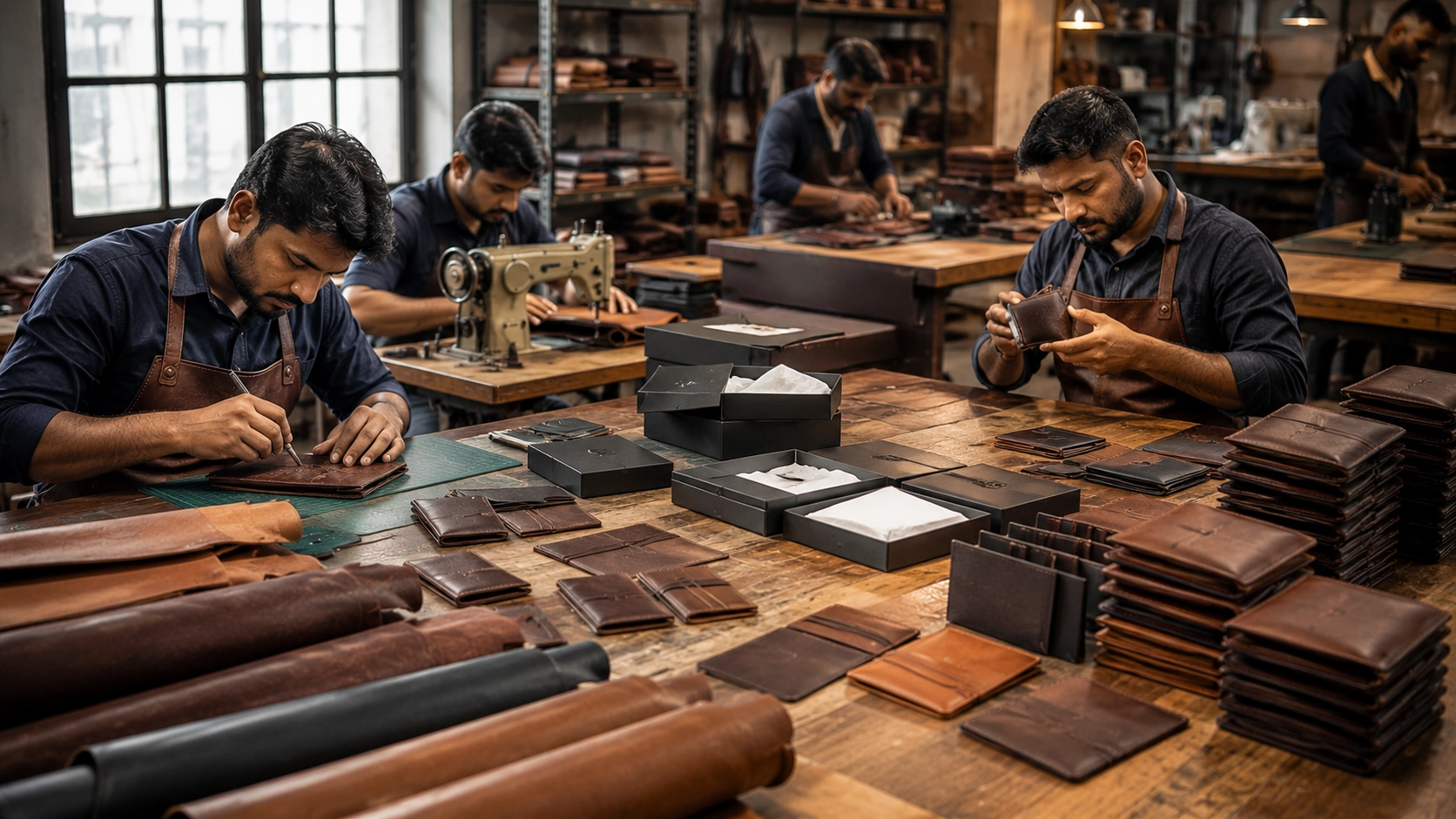
Material selection affects the wallet's appearance, durability, weight, production cost, and perceived retail value. Bahrain buyers should specify the exact material rather than relying on broad descriptions such as premium leather.
Common Material Options
- Full-grain leather: Retains the natural grain surface. It can develop a distinctive patina with use and may suit premium collections.
- Top-grain leather: Uses the upper layer of the hide, often with surface treatment. Appearance and performance vary by grade and finishing process.
- Corrected-grain leather: Has a processed surface designed to create a more uniform appearance.
- Split leather: Comes from a lower layer of the hide and may receive coatings or other finishes.
- Synthetic leather: Provides an alternative to animal leather. Buyers should specify the material composition and expected performance.
These categories are not interchangeable. Request a clear material declaration, representative swatches, and a finished sample. If your brand requires a particular leather grade, document it in the purchase order and approved specification sheet.
Colour, Lining, Stitching, and Hardware
Black, brown, tan, and other neutral shades can form a versatile starting collection. Final colour selection should reflect your brand positioning, customer preferences, and merchandising strategy rather than assumptions about the entire Bahrain market.
Agree on the colour reference, lining fabric, thread colour, stitch density, edge paint, card-slot dimensions, and hardware finish. A physical reference sample can help reduce misunderstandings caused by screen colour differences.
Also consider how the product will perform in regular use. Inspect flexibility, seam strength, pocket construction, edge finishing, and resistance to colour transfer. Where performance matters, define appropriate tests and acceptance limits before production.
5. MOQ, Pricing, and Budget Planning for Bahrain Buyers
Minimum order quantity, or MOQ, is the smallest quantity a supplier accepts for a particular order or product configuration. It may differ by design, material, colour, branding method, and packaging requirements.
Exalter Global Co.'s manufacturing information discusses flexible quantities, with some products or configurations potentially starting from 50 units. This should not be treated as a universal MOQ for every wallet. Request written confirmation for the exact product and order requirements.
What Determines Wholesale Wallet Pricing?
| Cost Factor | How It Affects the Quote |
|---|---|
| Leather grade | Material quality, availability, yield, and finish influence cost. |
| Wallet construction | Additional pockets, compartments, folds, and components can increase labour and material use. |
| Order quantity | Larger orders may distribute setup costs across more units, subject to supplier pricing. |
| Branding | Embossing, debossing, metal logos, and custom hardware may involve setup or tooling charges. |
| Packaging | Gift boxes, inserts, printed sleeves, and individual protective packaging affect unit cost. |
| Freight and insurance | Transport mode, shipment size, routing, and insurance influence delivered cost. |
| Import charges | Applicable customs duty, VAT, clearance, and handling charges must be verified. |
How to Calculate the Landed Cost
The landed cost is the total cost of bringing goods to the agreed destination. It helps Bahrain buyers compare suppliers using more than the quoted factory price.
Basic planning formula:
Landed shipment cost = product cost + branding and packaging + freight + insurance + applicable import duty and taxes + clearance and handling charges.
Divide the total shipment cost by the number of saleable units to estimate the landed cost per wallet. Include bank charges, inspection costs, and other order-specific expenses where applicable.
For example, if a shipment contains 500 wallets, calculate the combined shipment expenses and divide them by 500. Use actual quotations rather than assumed freight rates or tax percentages. Confirm the customs valuation method and tax treatment with a qualified customs broker.
Request an Itemised Quotation
Ask the Indian leather wallet supplier to specify the product code, material, dimensions, quantity, unit price, tooling charges, packaging, production timeline, payment schedule, and shipping basis. Request separate pricing for sample development and any one-time setup charges.
Compare quotations only when the specifications and delivery terms are equivalent. A lower unit price may not represent better value if the material, packaging, quality controls, or shipping arrangements differ.
6. Private-Label Wallet Manufacturing and Customisation
Private-label manufacturing allows a Bahrain business to sell wallets under its own brand while working with a manufacturing partner. It can help importers develop a distinctive assortment without building their own production facility.
Exalter Global Co.'s wallet manufacturing page describes private-label and custom production services. Buyers should confirm the availability, cost, and technical feasibility of each requested feature before committing.
Customisation Options to Discuss
- Logo embossing, debossing, or approved metal branding.
- Custom wallet dimensions, card-slot layouts, and coin compartments.
- Leather colours, grain patterns, linings, and thread combinations.
- Custom packaging, inserts, gift boxes, and care instructions.
- Product labels and packaging artwork suitable for the destination market.
- Custom designs developed from an approved brief, drawing, or reference sample.
Before production, approve the final sample and retain a signed or otherwise documented specification. The approval should identify the material, colour, construction, logo placement, dimensions, packaging, and quality acceptance criteria.
Clarify who owns the artwork, dies, tooling, and custom design files. Agree on confidentiality and restrictions on the use of proprietary designs where required. Do not assume exclusivity unless it is explicitly documented in the contract.
How the Two Brands Fit Different Buying Needs
Exalter Vachette is positioned around premium leather goods and manufacturing-led requirements. It is a relevant starting point for buyers exploring leather wallets, private-label development, and structured production discussions through Exalter Global Co.
Brooklyn Bridge represents a contemporary leather accessories direction. Buyers can consider it when evaluating finished wallet styles and accessories suited to a modern retail assortment. Confirm the available collections, branding arrangements, and wholesale terms directly with the company.
Both names belong in a wider supplier evaluation rather than replacing product-level due diligence. Choose the brand and commercial arrangement that match the intended product, customer, and distribution model.
7. Quality Control: What Should Buyers Inspect Before Shipment?
Quality problems can reduce resale value, increase returns, and damage a buyer's relationship with retailers. Establish inspection criteria before production begins, not after the shipment is packed.
A useful inspection checklist includes:
- Material consistency: Check that the delivered material matches the approved sample and declared specification.
- Dimensions: Measure the wallet against agreed length, width, thickness, and compartment dimensions.
- Stitching: Inspect stitch alignment, loose threads, skipped stitches, and seam strength.
- Edge finishing: Look for peeling, uneven coating, rough edges, and inconsistent finishing.
- Functional checks: Test card slots, cash compartments, coin pockets, closures, and clips.
- Branding accuracy: Verify logo position, scale, colour, spelling, and finish.
- Appearance: Check colour matching, stains, scratches, surface defects, and visible glue marks.
- Packaging: Confirm unit counts, protective packing, carton strength, and shipping marks.
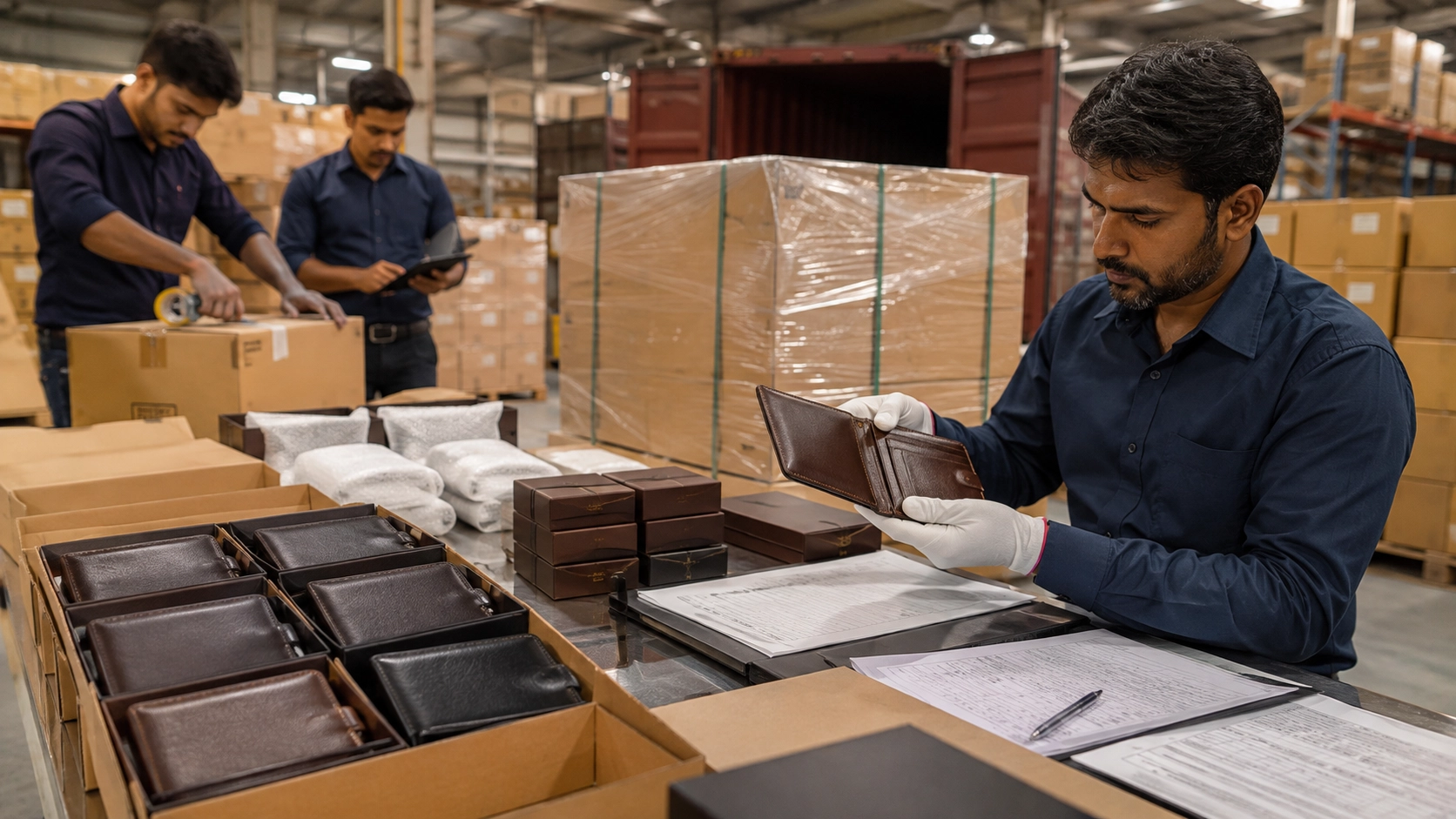
Agree on acceptable defect limits, sampling procedures, and corrective actions in writing. For a substantial order, consider an independent pre-shipment inspection based on an agreed sampling plan.
Request photographs or inspection records where appropriate. These records support accountability, but they do not replace physical testing when the product or order requires it.
-
Sale!
RFID Protected Pull Strap Wallet for Cards & Cash
Original price was: $41.90.$15.19Current price is: $15.19.
You save -
Sale!
RFID Protected Pull Strap Leather Card Holder Wallet
Original price was: $41.90.$15.19Current price is: $15.19.
You save -
Sale!
RFID Protected Pull Strap Card Holder Wallet for Men Slim
Original price was: $41.90.$15.19Current price is: $15.19.
You save -
Sale!
RFID Protected Leather Card Holder Wallet for Men & Women
Original price was: $18.10.$6.39Current price is: $6.39.
You save -
Sale!
RFID Protected Pull Strap Card Holder Wallet for Secure Access
Original price was: $40.70.$14.79Current price is: $14.79.
You save -
Sale!
Slim RFID Protected Pull Strap Wallet for Cards & Cash
Original price was: $40.70.$14.79Current price is: $14.79.
You save -
Sale!
RFID Protected Pull Strap Card Holder Wallet for Daily Use
Original price was: $40.70.$14.79Current price is: $14.79.
You save -
Sale!
RFID Protected Card Holder Wallet for Secure Cards & Cash
Original price was: $27.30.$10.79Current price is: $10.79.
You save -
Sale!
RFID Protected Leather Card Holder Wallet with Slim Design
Original price was: $27.30.$10.79Current price is: $10.79.
You save -
Sale!
Slim RFID Protected Leather Card Holder Wallet for Cards
Original price was: $27.30.$10.79Current price is: $10.79.
You save -
Sale!
RFID Protected Leather Card Holder Wallet for Secure Cards
Original price was: $27.30.$10.79Current price is: $10.79.
You save -
Sale!
RFID Protected Genuine Leather Card Holder for Daily Use
Original price was: $27.30.$10.79Current price is: $10.79.
You save
-
Sale!
RFID Protected Pull Strap Wallet for Cards & Cash
Original price was: $41.90.$15.19Current price is: $15.19.
You save -
Sale!
RFID Protected Pull Strap Leather Card Holder Wallet
Original price was: $41.90.$15.19Current price is: $15.19.
You save -
Sale!
RFID Protected Pull Strap Card Holder Wallet for Men Slim
Original price was: $41.90.$15.19Current price is: $15.19.
You save -
Sale!
RFID Protected Leather Card Holder Wallet for Men & Women
Original price was: $18.10.$6.39Current price is: $6.39.
You save -
Sale!
RFID Protected Pull Strap Card Holder Wallet for Secure Access
Original price was: $40.70.$14.79Current price is: $14.79.
You save -
Sale!
Slim RFID Protected Pull Strap Wallet for Cards & Cash
Original price was: $40.70.$14.79Current price is: $14.79.
You save -
Sale!
RFID Protected Pull Strap Card Holder Wallet for Daily Use
Original price was: $40.70.$14.79Current price is: $14.79.
You save -
Sale!
RFID Protected Card Holder Wallet for Secure Cards & Cash
Original price was: $27.30.$10.79Current price is: $10.79.
You save -
Sale!
RFID Protected Leather Card Holder Wallet with Slim Design
Original price was: $27.30.$10.79Current price is: $10.79.
You save -
Sale!
Slim RFID Protected Leather Card Holder Wallet for Cards
Original price was: $27.30.$10.79Current price is: $10.79.
You save -
Sale!
RFID Protected Leather Card Holder Wallet for Secure Cards
Original price was: $27.30.$10.79Current price is: $10.79.
You save -
Sale!
RFID Protected Genuine Leather Card Holder for Daily Use
Original price was: $27.30.$10.79Current price is: $10.79.
You save
-
Sale!
RFID Protected Pull Strap Wallet for Cards & Cash
Original price was: $41.90.$15.19Current price is: $15.19.
You save -
Sale!
RFID Protected Pull Strap Leather Card Holder Wallet
Original price was: $41.90.$15.19Current price is: $15.19.
You save -
Sale!
RFID Protected Pull Strap Card Holder Wallet for Men Slim
Original price was: $41.90.$15.19Current price is: $15.19.
You save -
Sale!
RFID Protected Leather Card Holder Wallet for Men & Women
Original price was: $18.10.$6.39Current price is: $6.39.
You save -
Sale!
RFID Protected Pull Strap Card Holder Wallet for Secure Access
Original price was: $40.70.$14.79Current price is: $14.79.
You save -
Sale!
Slim RFID Protected Pull Strap Wallet for Cards & Cash
Original price was: $40.70.$14.79Current price is: $14.79.
You save -
Sale!
RFID Protected Pull Strap Card Holder Wallet for Daily Use
Original price was: $40.70.$14.79Current price is: $14.79.
You save -
Sale!
RFID Protected Card Holder Wallet for Secure Cards & Cash
Original price was: $27.30.$10.79Current price is: $10.79.
You save -
Sale!
RFID Protected Leather Card Holder Wallet with Slim Design
Original price was: $27.30.$10.79Current price is: $10.79.
You save -
Sale!
Slim RFID Protected Leather Card Holder Wallet for Cards
Original price was: $27.30.$10.79Current price is: $10.79.
You save -
Sale!
RFID Protected Leather Card Holder Wallet for Secure Cards
Original price was: $27.30.$10.79Current price is: $10.79.
You save -
Sale!
RFID Protected Genuine Leather Card Holder for Daily Use
Original price was: $27.30.$10.79Current price is: $10.79.
You save
8. Shipping Leather Wallets from India to Bahrain
Shipping arrangements should be agreed before production is completed. The appropriate method depends on order volume, urgency, freight cost, shipment dimensions, and the delivery address in Bahrain.
Air Freight or Sea Freight?
- Air freight: May suit samples, urgent replenishment, and smaller shipments where speed is important.
- Sea freight: May suit larger consignments where freight economics outweigh the longer transit time.
- Courier services: Can be convenient for samples and small parcels, subject to service availability and import requirements.
Request a current freight quotation from a logistics provider. Compare the estimated transit time, handling fees, volumetric weight, insurance, destination charges, and delivery scope.
Agree on Incoterms and Responsibilities
International sales contracts often use Incoterms to allocate specific responsibilities, costs, and risks between seller and buyer. The selected term should identify the delivery point and clarify who arranges transport, export clearance, insurance, and import clearance.
Do not compare quotations using different delivery terms without adjusting the costs. For example, a factory-level quotation cannot be compared directly with a delivered quotation unless the additional costs are accounted for.
For background, consult the International Chamber of Commerce's official Incoterms information. Confirm the chosen rule, named place, and applicable edition in the sales contract.
Export and Import Documents
Depending on the shipment, transaction, and applicable regulations, documents may include:
- Commercial invoice with accurate product descriptions and values.
- Packing list showing quantities, carton details, and shipment weights.
- Transport document, such as an airway bill or bill of lading.
- Certificate of origin, where required or requested.
- Applicable customs declarations and supporting import documents.
- Insurance documentation, when insurance is arranged.
- Any product-specific permits, declarations, or supporting evidence required by the relevant authorities.
The Indian exporter and Bahrain importer should agree on who prepares and supplies each document. Product descriptions, declared values, quantities, origin details, and consignee information must be consistent across the paperwork.
Leather goods may require additional attention to material declarations or product-specific restrictions depending on the materials and applicable rules. Confirm the exact requirements before dispatch rather than assuming that every leather wallet shipment follows an identical process.
9. Bahrain Customs, Import Duty, and VAT Considerations
Before ordering, Bahrain buyers should verify the current import rules for the exact wallet classification. Customs treatment may depend on the product's material, tariff classification, customs value, origin, and applicable trade measures.
Do not assume a particular duty rate or preferential tariff solely because the goods are shipped from India. The country of origin and applicable tariff rules must be assessed separately from the shipment's departure point.
Start with the official Bahrain government portal and confirm the relevant customs procedures with Bahrain Customs Affairs or a licensed customs broker. Check the applicable requirements before finalising the order.
For tax information, consult Bahrain's National Bureau for Revenue. Confirm the current VAT treatment, registration obligations where relevant, and the correct treatment for the specific import transaction with a qualified adviser.
Ask your customs broker to confirm:
- The correct HS code for each wallet type and material.
- The applicable customs duty and import VAT treatment.
- Whether a certificate of origin or additional declaration is needed.
- The documents required from the Indian exporter.
- Customs valuation, clearance fees, and expected destination charges.
- Any restrictions or special requirements affecting the declared materials.
Build these confirmed costs into the landed-cost calculation before approving your purchase order. This reduces the risk of unexpected expenses after the shipment arrives.
10. Step-by-Step Sourcing Process for Bahrain Importers
A structured sourcing process helps buyers reduce uncertainty, compare suppliers fairly, and maintain control over quality and delivery.
- Define the buying brief. Identify your customer segment, wallet styles, target price range, preferred materials, colours, estimated quantity, and branding needs.
- Shortlist Indian suppliers. Review the company's official website, product categories, manufacturing information, contact details, and export capabilities.
- Request a detailed quotation. Ask for model-specific pricing, MOQ, sample charges, production lead time, packaging costs, and shipping options.
- Verify the supplier. Confirm the legal business details, manufacturing arrangements, references where available, payment beneficiary, and contractual responsibilities.
- Evaluate samples. Inspect leather quality, dimensions, stitching, compartments, finishing, and branding. Test functional features against your requirements.
- Approve specifications. Document the approved sample, materials, tolerances, logo artwork, packaging, and quality standards.
- Confirm landed cost. Obtain freight quotations and verify customs classification, duty, VAT, and clearance costs with a qualified broker.
- Sign the purchase order. Record quantities, prices, currency, payment milestones, delivery terms, production dates, inspection arrangements, and remedies for non-conformity.
- Monitor production. Request agreed progress updates and address specification changes through written approval.
- Inspect and dispatch. Complete the agreed quality checks, reconcile quantities, verify shipping documents, and authorise dispatch.
- Review the first shipment. Record defects, delivery performance, customer feedback, and actual landed cost before placing repeat orders.
For a first transaction, consider a manageable trial quantity if the supplier's MOQ and economics permit it. A successful trial provides evidence for a larger commitment.
11. Buyer Due-Diligence Checklist Before Paying a Supplier
Use this checklist when evaluating a leather wallet exporter from India to Bahrain. Mark each item complete only after the supporting information has been reviewed.
- Business identity and contact details independently checked.
- Product specifications and leather composition confirmed in writing.
- MOQ, unit price, sample charges, and tooling costs confirmed.
- Approved sample retained as the quality reference.
- Branding permissions and custom design ownership clarified.
- Payment beneficiary matches the contracted business or is properly explained and documented.
- Payment milestones and cancellation terms agreed.
- Production lead time and delivery obligations recorded.
- Inspection process and defect remedies documented.
- Shipping method, Incoterm, named delivery point, and insurance responsibilities agreed.
- Required export and import documents confirmed with the relevant parties.
- Destination customs duty, VAT, and clearance costs verified.
- Final landed-cost estimate and contingency budget approved.
Do not rely solely on website claims, promotional photographs, or unusually low quotations. A sound purchasing decision combines documentary verification, sample evaluation, commercial clarity, and realistic delivery planning.
12. Frequently Asked Questions
Who is a suitable leather wallet exporter from India to Bahrain?
A suitable exporter can demonstrate relevant manufacturing or supply capabilities, provide clear product specifications, quote transparent commercial terms, support quality checks, and coordinate the required export documents. Exalter Global Co. is one company Bahrain buyers can evaluate through its official wallet manufacturing information and direct quotation process.
What is the minimum order quantity for leather wallets from India?
MOQ varies by wallet design, material, colour, branding, and packaging. Some Exalter Global Co. product and manufacturing information references quantities starting from 50 units, but buyers should obtain written confirmation for their chosen model and configuration.
Can Bahrain businesses order private-label leather wallets?
Private-label orders may include logo embossing, custom colours, different compartment layouts, and branded packaging. Confirm design feasibility, setup costs, tooling ownership, minimum quantities, and sample approval requirements before production.
How can buyers check leather wallet quality before bulk production?
Request a physical sample and compare its material, dimensions, stitching, edge finishing, storage layout, and branding against written specifications. For larger orders, agree on a documented inspection plan and consider independent pre-shipment inspection.
How much does it cost to import leather wallets from India to Bahrain?
The total depends on the wallet specification, order quantity, packaging, freight, insurance, customs duty, VAT, and clearance charges. Obtain an itemised supplier quotation and verify destination charges before calculating the landed cost per unit.
Which shipping method is best for importing wallets into Bahrain?
Air freight may suit samples and urgent, smaller consignments. Sea freight may be more economical for larger shipments. Compare current quotations, transit estimates, handling charges, and the agreed delivery terms before deciding.
What documents are needed to import leather wallets into Bahrain?
Common documents include a commercial invoice, packing list, transport document, and applicable customs declarations. A certificate of origin or other supporting documents may also be required. Confirm the exact requirements with Bahrain Customs Affairs or a licensed customs broker.
Are Exalter Vachette and Brooklyn Bridge the same brand?
No. They are separate brand identities associated with Exalter Global Co. Exalter Vachette focuses on premium leather goods, while Brooklyn Bridge represents contemporary leather accessories. Ask the company which brand, collection, or manufacturing arrangement best fits your order.
Conclusion: Build a Reliable Leather Wallet Supply Partnership
Successful wallet imports require more than an attractive product and a competitive unit price. Bahrain buyers need a supplier who can communicate clearly, follow approved specifications, support quality control, and coordinate realistic production and shipping arrangements.
Exalter Global Co. offers a starting point for evaluating Indian leather wallet manufacturing, export support, and private-label opportunities. Its Exalter Vachette and Brooklyn Bridge brands provide different perspectives for buyers exploring premium leather goods and contemporary accessories.
Review the leather wallet manufacturing information, shortlist suitable products, and prepare a written sourcing brief before requesting a quotation. Confirm MOQ, materials, samples, payment terms, customs requirements, and landed cost before committing to production.
Ready to discuss your Bahrain wallet sourcing requirements? Visit Exalter Global Co.'s official website to explore its leather goods offering and contact the company about your proposed order.

-
Sale!
RFID Protected Pull Strap Wallet for Cards & Cash
Original price was: $41.90.$15.19Current price is: $15.19.
You save -
Sale!
RFID Protected Pull Strap Leather Card Holder Wallet
Original price was: $41.90.$15.19Current price is: $15.19.
You save -
Sale!
RFID Protected Pull Strap Card Holder Wallet for Men Slim
Original price was: $41.90.$15.19Current price is: $15.19.
You save -
Sale!
RFID Protected Leather Card Holder Wallet for Men & Women
Original price was: $18.10.$6.39Current price is: $6.39.
You save -
Sale!
RFID Protected Pull Strap Card Holder Wallet for Secure Access
Original price was: $40.70.$14.79Current price is: $14.79.
You save -
Sale!
Slim RFID Protected Pull Strap Wallet for Cards & Cash
Original price was: $40.70.$14.79Current price is: $14.79.
You save -
Sale!
RFID Protected Pull Strap Card Holder Wallet for Daily Use
Original price was: $40.70.$14.79Current price is: $14.79.
You save -
Sale!
RFID Protected Card Holder Wallet for Secure Cards & Cash
Original price was: $27.30.$10.79Current price is: $10.79.
You save -
Sale!
RFID Protected Leather Card Holder Wallet with Slim Design
Original price was: $27.30.$10.79Current price is: $10.79.
You save -
Sale!
Slim RFID Protected Leather Card Holder Wallet for Cards
Original price was: $27.30.$10.79Current price is: $10.79.
You save -
Sale!
RFID Protected Leather Card Holder Wallet for Secure Cards
Original price was: $27.30.$10.79Current price is: $10.79.
You save -
Sale!
RFID Protected Genuine Leather Card Holder for Daily Use
Original price was: $27.30.$10.79Current price is: $10.79.
You save
How to Import Leather Wallets from India to Mexico: A Complete B2B Guide
How to Import Leather Wallets from India to Poland: A Complete B2B Guide
How to Import Leather Wallets from India to Denmark: A Complete B2B Guide
Leather Wallet Exporter from India to Sweden: Complete B2B Buyer Guide
Leather Wallet Exporter from India to Switzerland: Complete B2B Buyer Guide
How to Choose the Best Leather Wallet Exporter from India to Japan