-
Sale!
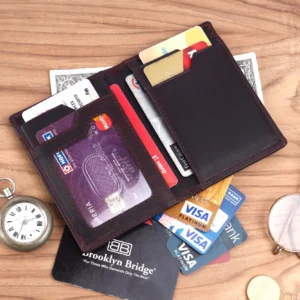
RFID Protected Pull Strap Wallet for Cards & Cash
Original price was: $41.90.$15.19Current price is: $15.19.
You save -
Sale!
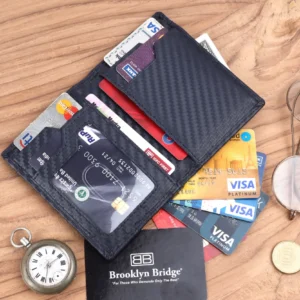
RFID Protected Pull Strap Leather Card Holder Wallet
Original price was: $41.90.$15.19Current price is: $15.19.
You save -
Sale!
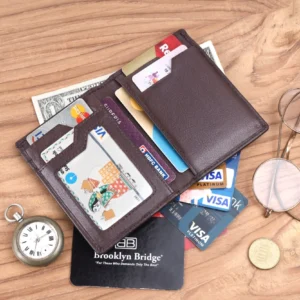
RFID Protected Pull Strap Card Holder Wallet for Men Slim
Original price was: $41.90.$15.19Current price is: $15.19.
You save -
Sale!
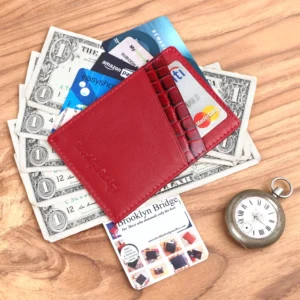
RFID Protected Leather Card Holder Wallet for Men & Women
Original price was: $18.10.$6.39Current price is: $6.39.
You save -
Sale!
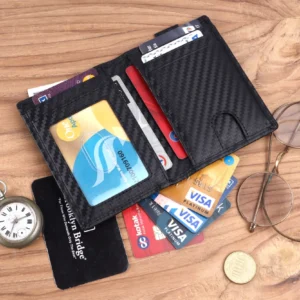
RFID Protected Pull Strap Card Holder Wallet for Secure Access
Original price was: $40.70.$14.79Current price is: $14.79.
You save -
Sale!
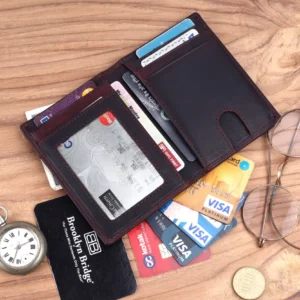
Slim RFID Protected Pull Strap Wallet for Cards & Cash
Original price was: $40.70.$14.79Current price is: $14.79.
You save -
Sale!
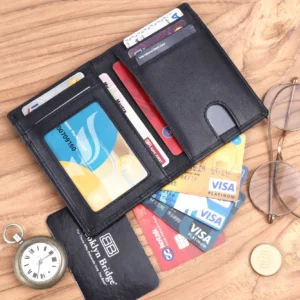
RFID Protected Pull Strap Card Holder Wallet for Daily Use
Original price was: $40.70.$14.79Current price is: $14.79.
You save -
Sale!
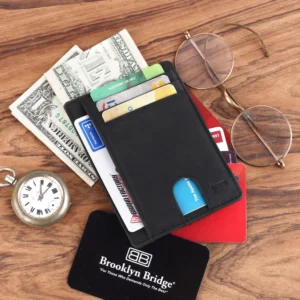
RFID Protected Card Holder Wallet for Secure Cards & Cash
Original price was: $27.30.$10.79Current price is: $10.79.
You save -
Sale!
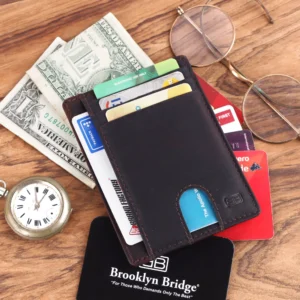
RFID Protected Leather Card Holder Wallet with Slim Design
Original price was: $27.30.$10.79Current price is: $10.79.
You save -
Sale!
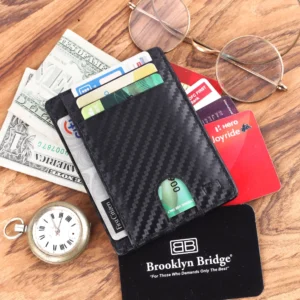
Slim RFID Protected Leather Card Holder Wallet for Cards
Original price was: $27.30.$10.79Current price is: $10.79.
You save -
Sale!

RFID Protected Leather Card Holder Wallet for Secure Cards
Original price was: $27.30.$10.79Current price is: $10.79.
You save -
Sale!
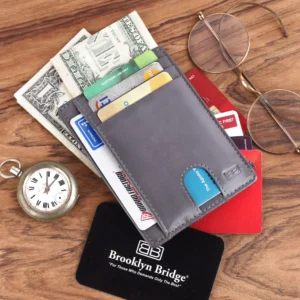
RFID Protected Genuine Leather Card Holder for Daily Use
Original price was: $27.30.$10.79Current price is: $10.79.
You save
-
Sale!
RFID Protected Pull Strap Wallet for Cards & Cash
Original price was: $41.90.$15.19Current price is: $15.19.
You save -
Sale!
RFID Protected Pull Strap Leather Card Holder Wallet
Original price was: $41.90.$15.19Current price is: $15.19.
You save -
Sale!
RFID Protected Pull Strap Card Holder Wallet for Men Slim
Original price was: $41.90.$15.19Current price is: $15.19.
You save -
Sale!
RFID Protected Leather Card Holder Wallet for Men & Women
Original price was: $18.10.$6.39Current price is: $6.39.
You save -
Sale!
RFID Protected Pull Strap Card Holder Wallet for Secure Access
Original price was: $40.70.$14.79Current price is: $14.79.
You save -
Sale!
Slim RFID Protected Pull Strap Wallet for Cards & Cash
Original price was: $40.70.$14.79Current price is: $14.79.
You save -
Sale!
RFID Protected Pull Strap Card Holder Wallet for Daily Use
Original price was: $40.70.$14.79Current price is: $14.79.
You save -
Sale!
RFID Protected Card Holder Wallet for Secure Cards & Cash
Original price was: $27.30.$10.79Current price is: $10.79.
You save -
Sale!
RFID Protected Leather Card Holder Wallet with Slim Design
Original price was: $27.30.$10.79Current price is: $10.79.
You save -
Sale!
Slim RFID Protected Leather Card Holder Wallet for Cards
Original price was: $27.30.$10.79Current price is: $10.79.
You save -
Sale!
RFID Protected Leather Card Holder Wallet for Secure Cards
Original price was: $27.30.$10.79Current price is: $10.79.
You save -
Sale!
RFID Protected Genuine Leather Card Holder for Daily Use
Original price was: $27.30.$10.79Current price is: $10.79.
You save

Table of Contents
How to Import Leather Wallets from India to Mexico: A Complete B2B Guide
Importing leather wallets from India can help Mexican retailers, distributors, promotional merchandise companies, and private-label brands expand their product ranges. However, a successful shipment requires more than finding an attractive product at a competitive price. Buyers must coordinate product specifications, supplier verification, landed-cost calculations, customs documentation, and delivery planning.
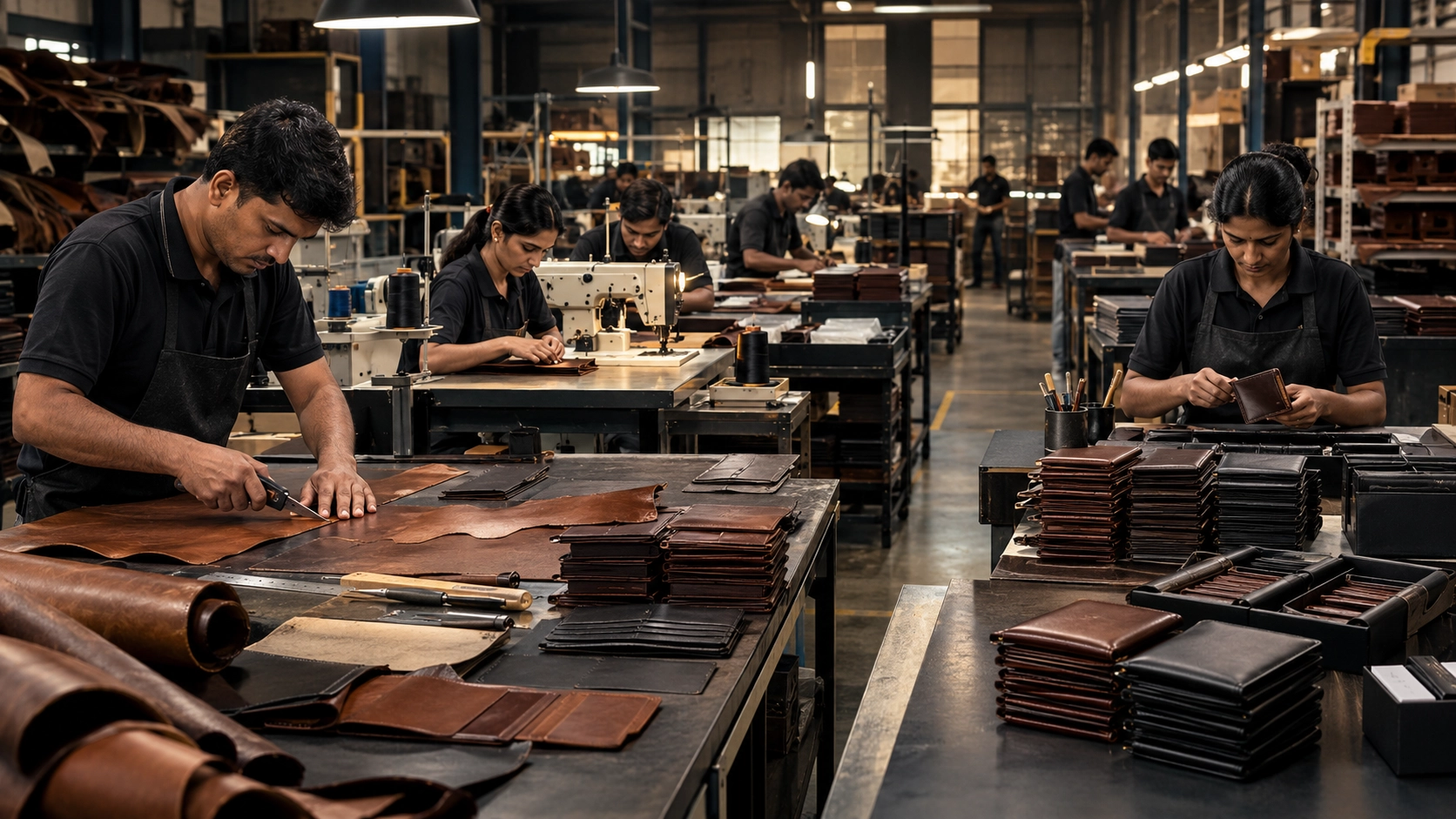
For Mexican businesses sourcing leather wallets, the right Indian manufacturing partner can support product development, consistent quality, custom branding, and repeat wholesale orders. Exalter Global Co., based in Kolkata, India, serves international buyers through leather goods manufacturing, sourcing, and export-oriented business solutions.
This guide explains how to import leather wallets from India to Mexico, from initial supplier research to customs clearance and final delivery. It also identifies the requirements that buyers should confirm with their Mexican customs broker before placing a production order.
How Do I Import Leather Wallets from India to Mexico?
To import leather wallets from India to Mexico, identify a suitable Indian supplier, define your product specifications, obtain a detailed quotation, approve samples, confirm the correct Mexican tariff classification and import requirements, arrange payment and production, prepare export and shipping documents, and coordinate customs clearance with a Mexican customs broker.
- Define your target market, wallet styles, materials, and order quantity.
- Shortlist Indian leather wallet manufacturers and verify their capabilities.
- Request product specifications, quotations, samples, and customization options.
- Confirm the Mexican tariff classification, duties, taxes, and applicable import requirements.
- Approve the sample, purchase order, payment terms, and delivery schedule.
- Arrange production, quality inspection, packaging, and shipment from India.
- Submit the required customs documents through your Mexican customs broker.
- Pay applicable import charges, complete clearance, and arrange delivery.
The exact procedure depends on the product's composition, commercial use, customs classification, shipment method, and the importer's circumstances. Confirm these details before committing to a shipment.
Why Source Leather Wallets from India for the Mexican Market?
India has an established leather goods manufacturing industry serving domestic and international buyers. For Mexican businesses, sourcing from India can provide access to established wallet formats, material options, skilled workmanship, and customized production.
The commercial opportunity depends on the buyer's segment rather than country of origin alone. A department store, fashion retailer, corporate gifting company, and private-label brand may each require different price points, finishes, packaging, and order volumes.
Product Variety for Different Buyer Segments
- Retailers: Bifold wallets, trifold wallets, slim wallets, and card holders.
- Fashion brands: Distinctive leather finishes, coordinated collections, and custom branding.
- Wholesalers: Repeatable product specifications and commercially viable bulk quantities.
- Corporate gifting companies: Branded wallets, presentation boxes, and coordinated gift sets.
- E-commerce businesses: Product variations, consistent photography, packaging specifications, and reliable replenishment.
- Private-label businesses: Custom designs, logo application, packaging, and product development.
Mexican buyers should evaluate the landed cost and likely selling price rather than comparing factory prices alone. Freight, insurance, customs duties, taxes, brokerage, local transport, and inventory costs can materially affect profitability.
Step 1: Define Your Mexican Market and Product Requirements
Start by identifying the customers you intend to serve. This decision will guide your product selection, material specifications, pricing strategy, and initial order quantity.
Choose the Right Wallet Categories
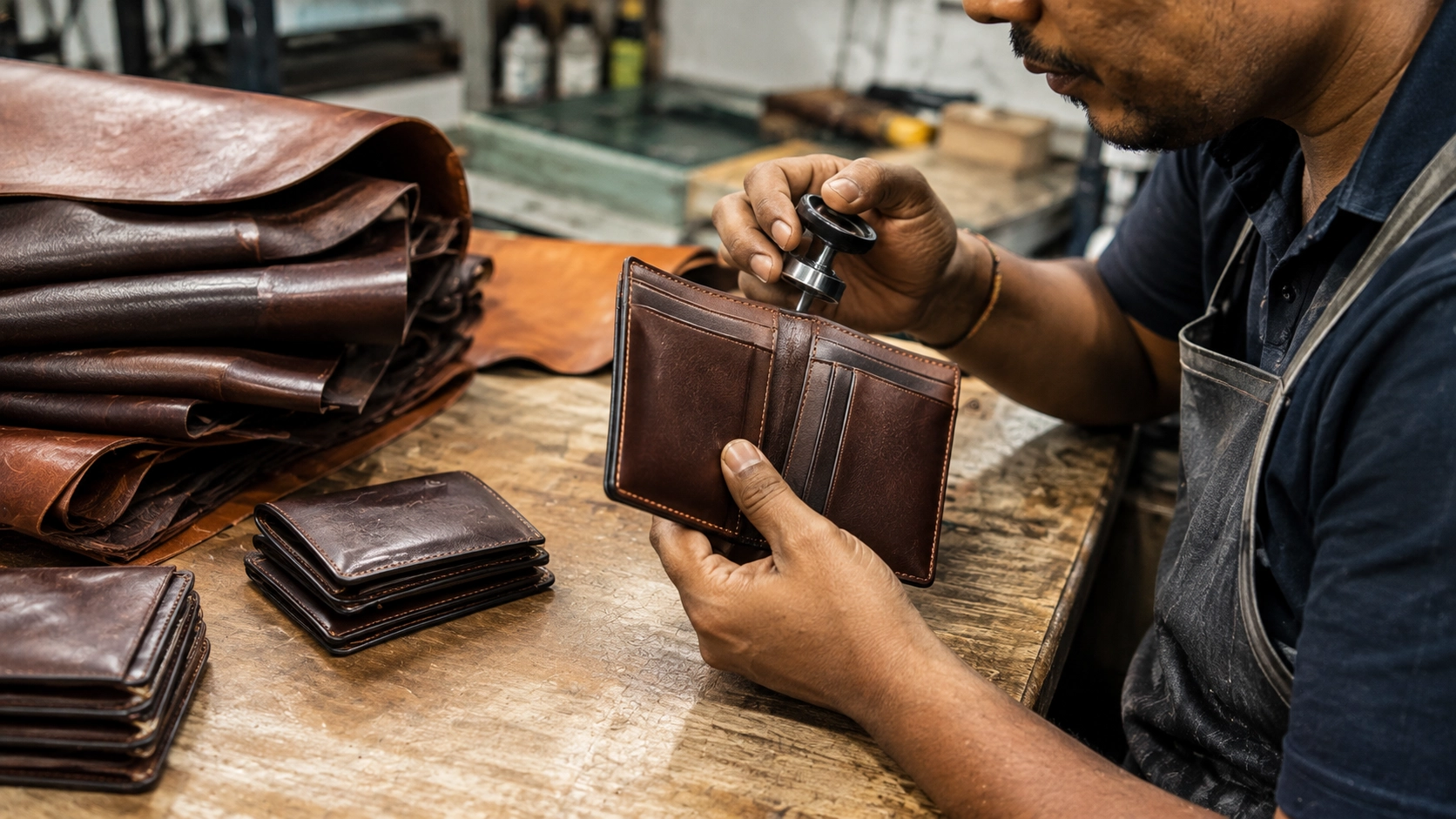
Common wholesale categories include classic bifold wallets, trifold wallets, minimalist card holders, money clip wallets, slim wallets, and wallets with ID windows or coin compartments. RFID-protected models may also suit particular customer segments.
For product inspiration, explore the leather wallet manufacturing and private-label collection from Exalter Global Co. and its premium leather wallet range.
Prepare a Product Specification Sheet
Do not request a quotation using only a photograph or a general description. Provide a specification sheet that enables the supplier to calculate a realistic production cost.
- Wallet style, dimensions, and intended use.
- Leather type, grade, finish, colour, and thickness where relevant.
- Number and layout of card slots, cash compartments, and other pockets.
- Stitching colour, thread specifications, edge finishing, and hardware.
- RFID protection requirements, if applicable, and the evidence needed to substantiate performance claims.
- Logo method, placement, artwork, and branding dimensions.
- Individual packaging, labels, barcodes, and carton requirements.
- Quantity per style and colour, acceptable tolerances, and quality standards.
- Required sample approval date and target delivery date.
Specify genuine leather, bonded leather, coated leather, or synthetic alternatives accurately. Material descriptions can affect product expectations, consumer disclosures, customs classification, and compliance obligations.
Step 2: Find and Verify an Indian Leather Wallet Supplier
Supplier selection should consider manufacturing capability, product quality, communication, commercial transparency, and export readiness. A professional website is a useful starting point, but it does not replace independent verification.
Exalter Global Co. is a Kolkata-based manufacturing and business solutions company. Its leather goods offering includes wallet manufacturing, customization, private-label opportunities, and support for international buyers.
Explore Exalter Global Co.'s manufacturing and export capabilities or visit Exalter Vachette, its leather goods brand, to assess relevant product and manufacturing information.
Questions to Ask a Potential Supplier
- Are the wallets manufactured in-house, sourced from partner factories, or supplied through a combination of both?
- Which leather types and product constructions are available?
- Can the supplier produce to your approved sample and written specifications?
- What is the minimum order quantity for each style, colour, and customization level?
- Are pre-production samples and independent inspections available?
- Can the supplier provide accurate commercial invoices, packing lists, and applicable export documents?
- What are the production lead time, payment milestones, and shipment arrangements?
- How are defects, delays, packaging errors, and specification changes handled?
Request the supplier's legal business details, applicable registrations, references where available, and evidence for any claimed certifications. Verify certificates independently with the issuing organization where practical.
Ask for a video meeting, factory information, sample photographs, and a written quotation. For larger orders, consider a third-party inspection before shipment.
-
Sale!
RFID Protected Pull Strap Wallet for Cards & Cash
Original price was: $41.90.$15.19Current price is: $15.19.
You save -
Sale!
RFID Protected Pull Strap Leather Card Holder Wallet
Original price was: $41.90.$15.19Current price is: $15.19.
You save -
Sale!
RFID Protected Pull Strap Card Holder Wallet for Men Slim
Original price was: $41.90.$15.19Current price is: $15.19.
You save -
Sale!
RFID Protected Leather Card Holder Wallet for Men & Women
Original price was: $18.10.$6.39Current price is: $6.39.
You save -
Sale!
RFID Protected Pull Strap Card Holder Wallet for Secure Access
Original price was: $40.70.$14.79Current price is: $14.79.
You save -
Sale!
Slim RFID Protected Pull Strap Wallet for Cards & Cash
Original price was: $40.70.$14.79Current price is: $14.79.
You save -
Sale!
RFID Protected Pull Strap Card Holder Wallet for Daily Use
Original price was: $40.70.$14.79Current price is: $14.79.
You save -
Sale!
RFID Protected Card Holder Wallet for Secure Cards & Cash
Original price was: $27.30.$10.79Current price is: $10.79.
You save -
Sale!
RFID Protected Leather Card Holder Wallet with Slim Design
Original price was: $27.30.$10.79Current price is: $10.79.
You save -
Sale!
Slim RFID Protected Leather Card Holder Wallet for Cards
Original price was: $27.30.$10.79Current price is: $10.79.
You save -
Sale!
RFID Protected Leather Card Holder Wallet for Secure Cards
Original price was: $27.30.$10.79Current price is: $10.79.
You save -
Sale!
RFID Protected Genuine Leather Card Holder for Daily Use
Original price was: $27.30.$10.79Current price is: $10.79.
You save
-
Sale!
RFID Protected Pull Strap Wallet for Cards & Cash
Original price was: $41.90.$15.19Current price is: $15.19.
You save -
Sale!
RFID Protected Pull Strap Leather Card Holder Wallet
Original price was: $41.90.$15.19Current price is: $15.19.
You save -
Sale!
RFID Protected Pull Strap Card Holder Wallet for Men Slim
Original price was: $41.90.$15.19Current price is: $15.19.
You save -
Sale!
RFID Protected Leather Card Holder Wallet for Men & Women
Original price was: $18.10.$6.39Current price is: $6.39.
You save -
Sale!
RFID Protected Pull Strap Card Holder Wallet for Secure Access
Original price was: $40.70.$14.79Current price is: $14.79.
You save -
Sale!
Slim RFID Protected Pull Strap Wallet for Cards & Cash
Original price was: $40.70.$14.79Current price is: $14.79.
You save -
Sale!
RFID Protected Pull Strap Card Holder Wallet for Daily Use
Original price was: $40.70.$14.79Current price is: $14.79.
You save -
Sale!
RFID Protected Card Holder Wallet for Secure Cards & Cash
Original price was: $27.30.$10.79Current price is: $10.79.
You save -
Sale!
RFID Protected Leather Card Holder Wallet with Slim Design
Original price was: $27.30.$10.79Current price is: $10.79.
You save -
Sale!
Slim RFID Protected Leather Card Holder Wallet for Cards
Original price was: $27.30.$10.79Current price is: $10.79.
You save -
Sale!
RFID Protected Leather Card Holder Wallet for Secure Cards
Original price was: $27.30.$10.79Current price is: $10.79.
You save -
Sale!
RFID Protected Genuine Leather Card Holder for Daily Use
Original price was: $27.30.$10.79Current price is: $10.79.
You save
-
Sale!
RFID Protected Pull Strap Wallet for Cards & Cash
Original price was: $41.90.$15.19Current price is: $15.19.
You save -
Sale!
RFID Protected Pull Strap Leather Card Holder Wallet
Original price was: $41.90.$15.19Current price is: $15.19.
You save -
Sale!
RFID Protected Pull Strap Card Holder Wallet for Men Slim
Original price was: $41.90.$15.19Current price is: $15.19.
You save -
Sale!
RFID Protected Leather Card Holder Wallet for Men & Women
Original price was: $18.10.$6.39Current price is: $6.39.
You save -
Sale!
RFID Protected Pull Strap Card Holder Wallet for Secure Access
Original price was: $40.70.$14.79Current price is: $14.79.
You save -
Sale!
Slim RFID Protected Pull Strap Wallet for Cards & Cash
Original price was: $40.70.$14.79Current price is: $14.79.
You save -
Sale!
RFID Protected Pull Strap Card Holder Wallet for Daily Use
Original price was: $40.70.$14.79Current price is: $14.79.
You save -
Sale!
RFID Protected Card Holder Wallet for Secure Cards & Cash
Original price was: $27.30.$10.79Current price is: $10.79.
You save -
Sale!
RFID Protected Leather Card Holder Wallet with Slim Design
Original price was: $27.30.$10.79Current price is: $10.79.
You save -
Sale!
Slim RFID Protected Leather Card Holder Wallet for Cards
Original price was: $27.30.$10.79Current price is: $10.79.
You save -
Sale!
RFID Protected Leather Card Holder Wallet for Secure Cards
Original price was: $27.30.$10.79Current price is: $10.79.
You save -
Sale!
RFID Protected Genuine Leather Card Holder for Daily Use
Original price was: $27.30.$10.79Current price is: $10.79.
You save

Step 3: Request Quotations and Compare the Total Import Cost
Once you have shortlisted suppliers, request written quotations using the same product specifications and order quantities. This makes comparisons more meaningful and reduces the risk of unexpected charges after an order is confirmed.
What Should a Leather Wallet Quotation Include?
- Product reference, style, material, colour, and approved specifications.
- Unit price and total merchandise value.
- Minimum order quantity and quantity-based price breaks.
- Sample development charges and tooling or branding costs.
- Individual packaging and export carton costs.
- Production lead time and order completion milestones.
- Payment schedule and quotation validity.
- Shipping terms, named place or port, and the applicable Incoterms rule.
- Freight and insurance arrangements, where applicable.
- Any additional charges that the supplier can reasonably identify.
Ask the supplier to state whether the quotation is EXW, FCA, FOB, CPT, CIP, DAP, or another agreed Incoterms rule. Each term allocates costs, responsibilities, and risks differently. Confirm that the chosen rule suits the transport method and named location.
Calculate Your Landed Cost in Mexico
The factory price is only one component of the final import cost. A useful preliminary calculation includes merchandise, transport, insurance, import duties, applicable taxes, customs brokerage, handling, and delivery to your warehouse.
| Cost component | What to confirm |
|---|---|
| Product cost | Unit price multiplied by the order quantity, plus agreed customization charges. |
| Origin logistics | Collection, export handling, and other costs not included in the agreed shipping term. |
| International freight | Air or sea freight, surcharges, and transit-related charges. |
| Insurance | Coverage, insured value, exclusions, and the party responsible for arranging it. |
| Mexican import charges | Applicable duty, import VAT, other charges, and any eligible tax credits or recoveries. |
| Clearance and delivery | Brokerage, terminal handling, storage, inspections, and final-mile transport. |
Ask a Mexican customs professional to confirm the appropriate customs valuation method and which costs must be included in the dutiable value. Do not assume that every expense is treated identically for customs and accounting purposes.
For an initial profitability assessment, divide the estimated total import cost by the number of saleable units. Add expected domestic distribution costs and commercial expenses before deciding on a wholesale or retail price.
Step 4: Confirm Mexican Customs Classification and Import Requirements
This is one of the most important steps when importing leather wallets from India to Mexico. The importer should establish the correct tariff classification before finalizing the purchase order.
Leather wallets may fall within a tariff heading associated with pocket or handbag articles, but the exact classification must be confirmed against the product's construction and applicable Mexican tariff schedule. Do not select a tariff code solely because another supplier uses it.
What Determines the Correct Tariff Classification?
- Whether the outer surface is leather, composition leather, plastic, or textile material.
- The wallet's construction, intended function, and relevant tariff notes.
- The precise product description and materials shown in the technical specification.
- The Mexican tariff schedule and applicable classification rules in force on the import date.
Ask your customs broker to identify the applicable Mexican tariff fraction and its corresponding international HS classification. Request written confirmation of the import duty, tax treatment, non-tariff regulations, and documentary requirements relevant to the exact product.
Verify the Mexican Importer's Requirements
Depending on the importer, transaction, and applicable rules, the buyer may need to address the following matters before shipment:
- Valid Mexican tax registration and applicable importer registration requirements.
- Appointment of an authorized customs broker or other permitted customs representative.
- Correct tariff classification and customs valuation.
- Applicable import duties, value-added tax, and any additional charges.
- Any applicable non-tariff regulations, permits, standards, or labelling obligations.
- Required electronic customs declarations and supporting documents.
- Any product-specific restrictions associated with leather, exotic animal materials, or other regulated components.
Use the official Mexican Tax Administration Service and National Foreign Trade Information Service resources as starting points for regulatory research. Your broker should verify the current requirements for the actual shipment rather than relying on a general online guide.
Do Not Assume a Preferential Tariff Applies
India-origin goods do not automatically qualify for preferential Mexican import duty treatment. The applicable rate depends on the current tariff schedule, product classification, origin rules, and any relevant trade measures or exemptions.
Ask your broker to verify the current duty rate and any additional measures that apply to the shipment. Confirm whether a certificate of origin or another origin document is required. Do not claim preferential treatment without an applicable legal basis.
Step 5: Approve Samples Before Bulk Production
A physical sample allows the buyer to assess material quality, construction, dimensions, functionality, and overall presentation before committing to a commercial order.
For a custom leather wallet, approval should cover more than appearance. The sample should reflect the intended materials, construction, logo placement, hardware, packaging, and other commercially important details.
Sample Approval Checklist
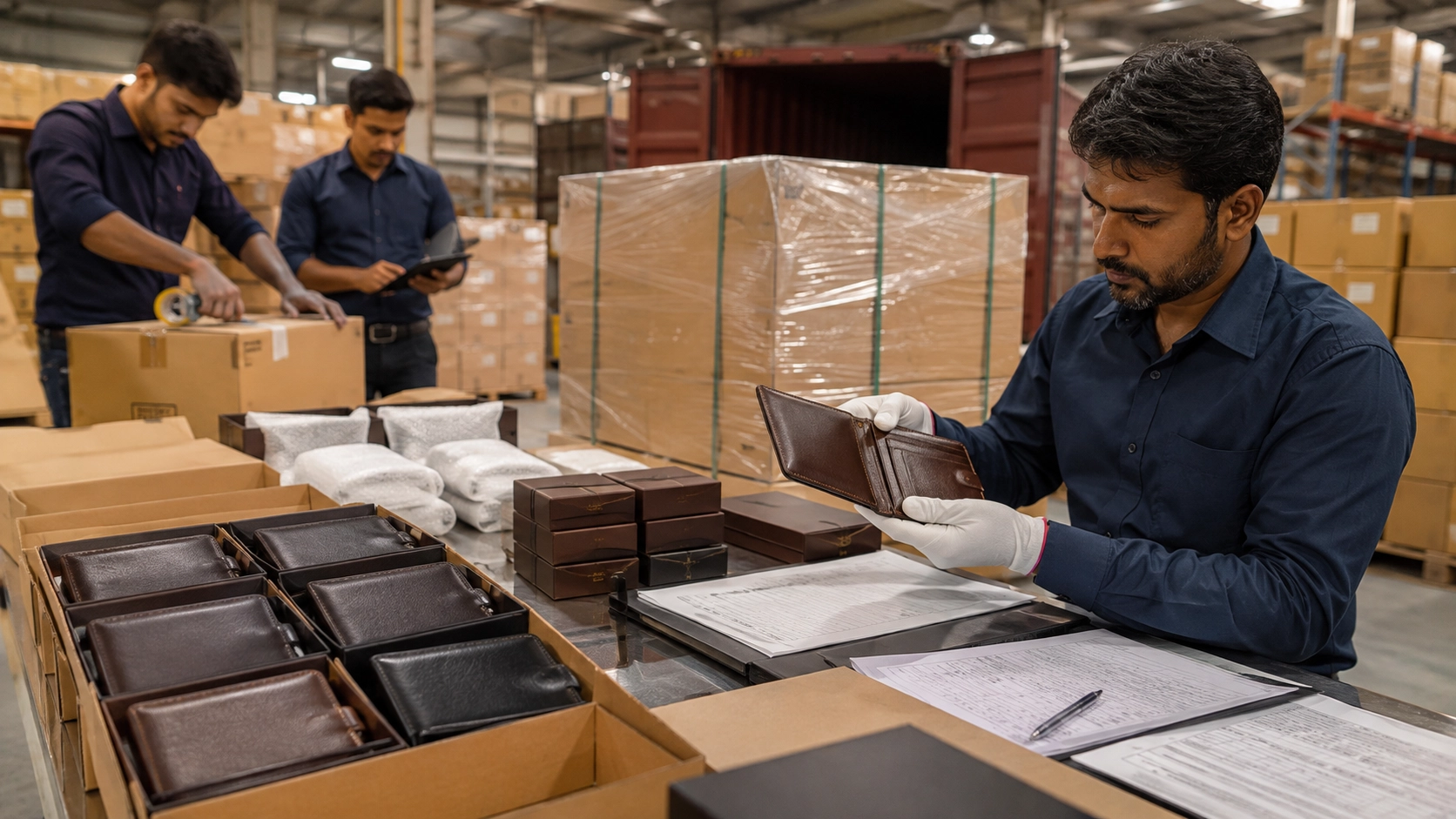
- Confirm leather type, texture, colour, thickness, and finish.
- Check dimensions, pocket layout, card capacity, and cash compartment usability.
- Inspect stitching, edge finishing, seams, lining, and hardware.
- Verify logo size, position, colour, and embossing or printing quality.
- Test closures, zippers, money clips, and other moving components where applicable.
- Review the packaging, product labels, barcodes, and presentation.
- Record the approved sample reference and agreed tolerances in writing.
If RFID protection is specified, request appropriate test evidence for the claimed function. A product description alone is not proof of technical performance.
Keep an approved reference sample or an agreed photographic record. Any subsequent change to leather, hardware, dimensions, colour, or packaging should require written approval.
Exalter Global Co. offers leather wallet manufacturing and customization options through its leather goods operations. Buyers can review the wallet manufacturing capabilities and discuss their specific development requirements before confirming a production order.
Step 6: Confirm the Purchase Order and Payment Terms
Once the quotation and sample are approved, issue a purchase order that clearly records the commercial agreement. Avoid relying on informal messages as the only evidence of the order requirements.
The purchase order should identify the buyer and seller, product codes, descriptions, approved materials, quantities, unit prices, total value, packaging, inspection standards, shipment terms, and delivery destination.
It should also state the payment milestones, production schedule, sample reference, permitted tolerances, and procedure for approving changes. Confirm how shortages, defects, delayed production, and disputed goods will be handled.
Payment Planning for Importers
Payment terms vary by supplier, order value, customization, and commercial risk. Some transactions use an advance payment followed by a balance before shipment. Other arrangements may involve documentary banking mechanisms or credit terms agreed by both parties.
- Verify the supplier's legal identity and bank account details independently.
- Confirm the currency, bank charges, payment deadlines, and any intermediary fees.
- Understand when the balance becomes due and what evidence is required.
- Agree on how sample charges, approved changes, and cancellation costs are treated.
- Keep the signed purchase order, quotation, invoices, and payment records together.
For supplier-specific terms, review the Exalter Global Co. sales and export trading conditions. Confirm the terms applicable to your quotation and order in writing before transferring funds.
-
Sale!
RFID Protected Pull Strap Wallet for Cards & Cash
Original price was: $41.90.$15.19Current price is: $15.19.
You save -
Sale!
RFID Protected Pull Strap Leather Card Holder Wallet
Original price was: $41.90.$15.19Current price is: $15.19.
You save -
Sale!
RFID Protected Pull Strap Card Holder Wallet for Men Slim
Original price was: $41.90.$15.19Current price is: $15.19.
You save -
Sale!
RFID Protected Leather Card Holder Wallet for Men & Women
Original price was: $18.10.$6.39Current price is: $6.39.
You save -
Sale!
RFID Protected Pull Strap Card Holder Wallet for Secure Access
Original price was: $40.70.$14.79Current price is: $14.79.
You save -
Sale!
Slim RFID Protected Pull Strap Wallet for Cards & Cash
Original price was: $40.70.$14.79Current price is: $14.79.
You save -
Sale!
RFID Protected Pull Strap Card Holder Wallet for Daily Use
Original price was: $40.70.$14.79Current price is: $14.79.
You save -
Sale!
RFID Protected Card Holder Wallet for Secure Cards & Cash
Original price was: $27.30.$10.79Current price is: $10.79.
You save -
Sale!
RFID Protected Leather Card Holder Wallet with Slim Design
Original price was: $27.30.$10.79Current price is: $10.79.
You save -
Sale!
Slim RFID Protected Leather Card Holder Wallet for Cards
Original price was: $27.30.$10.79Current price is: $10.79.
You save -
Sale!
RFID Protected Leather Card Holder Wallet for Secure Cards
Original price was: $27.30.$10.79Current price is: $10.79.
You save -
Sale!
RFID Protected Genuine Leather Card Holder for Daily Use
Original price was: $27.30.$10.79Current price is: $10.79.
You save
-
Sale!
RFID Protected Pull Strap Wallet for Cards & Cash
Original price was: $41.90.$15.19Current price is: $15.19.
You save -
Sale!
RFID Protected Pull Strap Leather Card Holder Wallet
Original price was: $41.90.$15.19Current price is: $15.19.
You save -
Sale!
RFID Protected Pull Strap Card Holder Wallet for Men Slim
Original price was: $41.90.$15.19Current price is: $15.19.
You save -
Sale!
RFID Protected Leather Card Holder Wallet for Men & Women
Original price was: $18.10.$6.39Current price is: $6.39.
You save -
Sale!
RFID Protected Pull Strap Card Holder Wallet for Secure Access
Original price was: $40.70.$14.79Current price is: $14.79.
You save -
Sale!
Slim RFID Protected Pull Strap Wallet for Cards & Cash
Original price was: $40.70.$14.79Current price is: $14.79.
You save -
Sale!
RFID Protected Pull Strap Card Holder Wallet for Daily Use
Original price was: $40.70.$14.79Current price is: $14.79.
You save -
Sale!
RFID Protected Card Holder Wallet for Secure Cards & Cash
Original price was: $27.30.$10.79Current price is: $10.79.
You save -
Sale!
RFID Protected Leather Card Holder Wallet with Slim Design
Original price was: $27.30.$10.79Current price is: $10.79.
You save -
Sale!
Slim RFID Protected Leather Card Holder Wallet for Cards
Original price was: $27.30.$10.79Current price is: $10.79.
You save -
Sale!
RFID Protected Leather Card Holder Wallet for Secure Cards
Original price was: $27.30.$10.79Current price is: $10.79.
You save -
Sale!
RFID Protected Genuine Leather Card Holder for Daily Use
Original price was: $27.30.$10.79Current price is: $10.79.
You save
-
Sale!
RFID Protected Pull Strap Wallet for Cards & Cash
Original price was: $41.90.$15.19Current price is: $15.19.
You save -
Sale!
RFID Protected Pull Strap Leather Card Holder Wallet
Original price was: $41.90.$15.19Current price is: $15.19.
You save -
Sale!
RFID Protected Pull Strap Card Holder Wallet for Men Slim
Original price was: $41.90.$15.19Current price is: $15.19.
You save -
Sale!
RFID Protected Leather Card Holder Wallet for Men & Women
Original price was: $18.10.$6.39Current price is: $6.39.
You save -
Sale!
RFID Protected Pull Strap Card Holder Wallet for Secure Access
Original price was: $40.70.$14.79Current price is: $14.79.
You save -
Sale!
Slim RFID Protected Pull Strap Wallet for Cards & Cash
Original price was: $40.70.$14.79Current price is: $14.79.
You save -
Sale!
RFID Protected Pull Strap Card Holder Wallet for Daily Use
Original price was: $40.70.$14.79Current price is: $14.79.
You save -
Sale!
RFID Protected Card Holder Wallet for Secure Cards & Cash
Original price was: $27.30.$10.79Current price is: $10.79.
You save -
Sale!
RFID Protected Leather Card Holder Wallet with Slim Design
Original price was: $27.30.$10.79Current price is: $10.79.
You save -
Sale!
Slim RFID Protected Leather Card Holder Wallet for Cards
Original price was: $27.30.$10.79Current price is: $10.79.
You save -
Sale!
RFID Protected Leather Card Holder Wallet for Secure Cards
Original price was: $27.30.$10.79Current price is: $10.79.
You save -
Sale!
RFID Protected Genuine Leather Card Holder for Daily Use
Original price was: $27.30.$10.79Current price is: $10.79.
You save
Step 7: Arrange Production and Quality Control
After the order and payment terms are confirmed, the supplier can schedule production according to the agreed specifications and capacity. Buyers should request milestone updates instead of waiting until the planned shipping date.
Recommended Production Controls
- Material confirmation: Verify the leather, lining, hardware, colours, and approved components.
- Pre-production approval: Confirm the final sample, branding artwork, and packaging specifications.
- Production monitoring: Request progress updates and early notification of potential delays.
- In-process checks: Review construction, stitching, dimensions, and consistency where appropriate.
- Final inspection: Check finished goods against the agreed acceptance criteria.
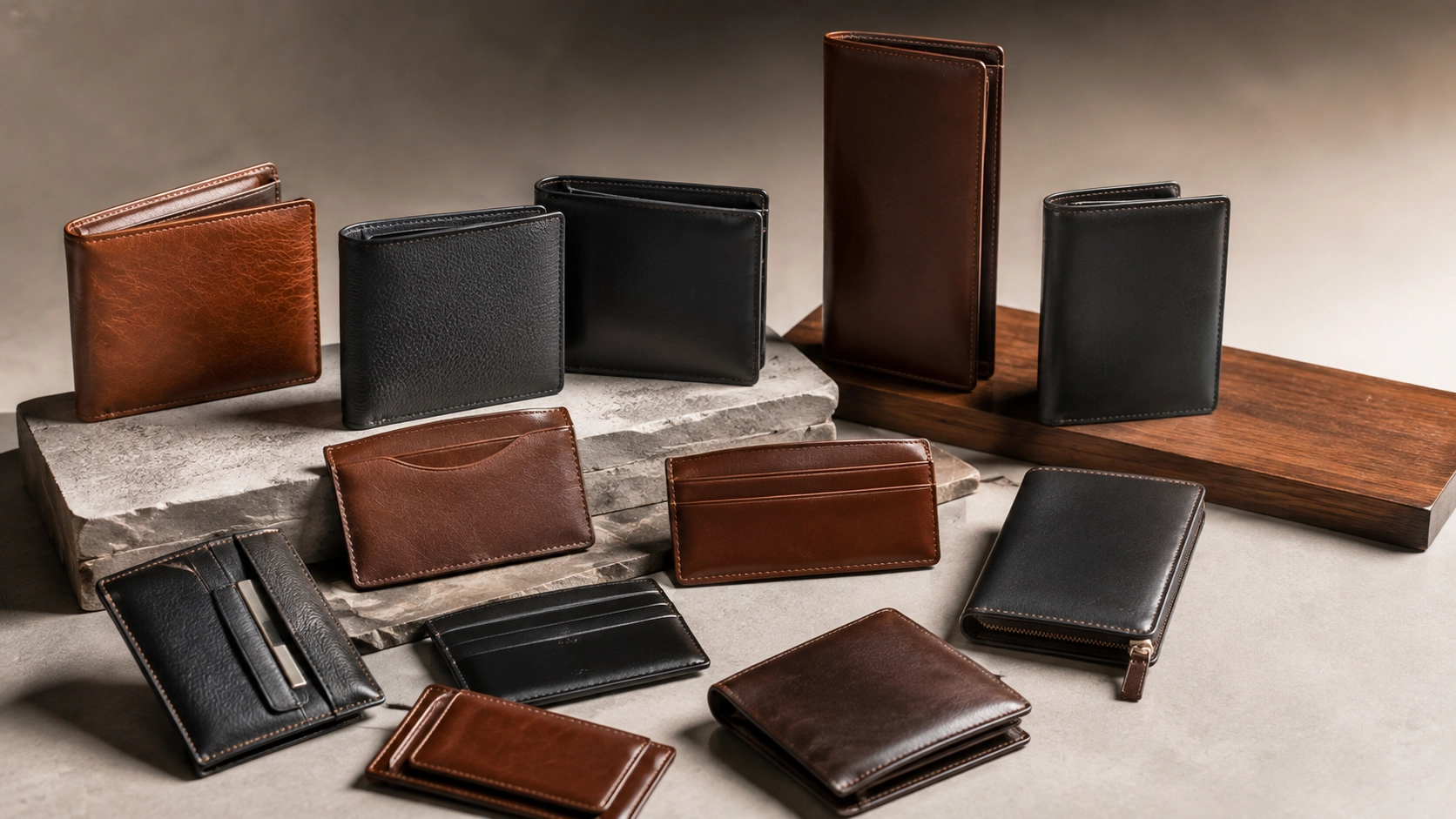
- Packing verification: Confirm quantities, carton markings, packaging protection, and shipping information.
For larger orders, consider an independent pre-shipment inspection. Agree on the inspection scope, sample size, defect classification, and acceptance criteria before production begins.
Document material substitutions or production changes. A replacement component that appears similar may still affect durability, colour consistency, functionality, or customer acceptance.
Step 8: Prepare Export and Import Documentation
Accurate documentation helps the Indian exporter, freight forwarder, Mexican importer, and customs broker coordinate the shipment. The exact document set depends on the transport method, transaction, product classification, and current legal requirements.
Common Documents for a Commercial Leather Wallet Shipment
| Document | Purpose | What to verify |
|---|---|---|
| Commercial invoice | Records the commercial sale and declared transaction details. | Buyer, seller, currency, quantity, price, description, and agreed terms. |
| Packing list | Describes shipment contents and packing configuration. | Carton count, quantities, net and gross weights, and dimensions. |
| Transport document | Evidences the carriage arrangement. | Bill of lading for applicable sea freight or air waybill for air freight. |
| Export customs documents | Supports the required export clearance in India. | Applicable shipping bill, export declaration, and supporting records. |
| Origin documentation | Supports origin information where required. | Whether a certificate of origin or another origin declaration is necessary. |
| Insurance evidence | Documents shipment coverage when insurance is arranged. | Insured value, coverage period, exclusions, and claimant procedure. |
| Additional supporting records | Addresses applicable product, origin, or regulatory requirements. | Permits, declarations, test reports, or other documents if legally applicable. |
This is a planning checklist, not a declaration that every document is mandatory for every shipment. Your customs broker should identify the actual requirements before dispatch.
Keep Commercial Documents Consistent
The product descriptions, quantities, currency, values, and party details should be consistent across the invoice, packing list, purchase order, and transport records where applicable.
Describe the goods precisely. For example, specify the wallet style and material rather than relying on a vague description such as "accessories." The description must remain accurate and must not be used to avoid a required tariff classification.
Indian exporters can consult the Directorate General of Foreign Trade for applicable export policy information. The relevant Indian customs and shipping procedures should also be checked with the exporter or freight forwarder.
Step 9: Choose Shipping from India to Mexico
The best shipping method depends on order volume, urgency, product value, freight costs, and the delivery location in Mexico. Compare complete transport quotations rather than selecting a carrier on headline price alone.
Air Freight
Air freight may suit samples, urgent replenishment, or smaller high-value consignments. It can reduce transit time, but the final cost depends on chargeable weight, dimensions, route, handling, and applicable surcharges.
Sea Freight
Sea freight may be more economical for larger orders when delivery schedules allow. Buyers should consider origin handling, ocean transit, destination charges, customs clearance, and inland transport together.
Courier Services
International courier services may suit samples and small consignments, subject to the carrier's service availability and customs procedures. Confirm the declared value, duties and taxes arrangement, delivery restrictions, and clearance process before dispatch.
How to Reduce Shipping Delays
- Confirm the consignee details and final delivery address before booking.
- Check carton dimensions, gross weight, and packing configuration.
- Ensure the invoice and packing list are ready before dispatch.
- Ask the freight forwarder for a realistic transit estimate and routing details.
- Confirm destination handling charges, storage allowances, and free-time conditions where relevant.
- Share shipping documents with the Mexican customs broker in advance.
- Build contingency time into launch dates and inventory plans.
Transit times should be treated as estimates rather than guaranteed delivery dates unless the carrier contract expressly provides otherwise. Port congestion, transshipment, inspections, weather, and incomplete documentation can affect arrival and clearance.
Step 10: Complete Mexican Customs Clearance and Arrange Delivery
Before the shipment arrives, coordinate with the Mexican importer and its customs broker to confirm the declaration, supporting documents, tax calculations, and payment arrangements.
The broker should verify the tariff classification, customs value, applicable duties, import VAT, and any other charges or regulatory requirements. The importer should also confirm that its registrations and authorizations are in order.
- Send the broker the commercial invoice, packing list, transport details, and other requested records.
- Confirm the tariff classification, customs valuation, and applicable import requirements.
- Review the estimated duty, tax, brokerage, and destination charges.
- Complete the applicable customs declaration and supporting procedures.
- Respond promptly to requests for clarification, inspection, or additional documents.
- Arrange release from the carrier or terminal after the required clearance steps.
- Coordinate delivery to the warehouse, distribution centre, or other agreed destination.
- Reconcile the delivered quantity and inspect any visible transit damage.
Do not assume that a shipment can be released immediately upon arrival. Customs review, examinations, missing records, or unpaid charges may delay delivery.
Step 11: Build a Reliable Reordering and Inventory Plan
A successful first shipment should establish a repeatable process for future orders. Keep a record of actual production time, transit time, customs charges, defect rates, and the final cost per saleable unit.
Use this information to set reorder points and safety stock based on demand, supplier lead times, and acceptable stockout risk. For multiple styles or colours, review sales performance separately rather than treating every wallet as an interchangeable product.
Maintain approved samples, specification sheets, packaging artwork, and inspection records. Before repeat production, confirm whether any materials, components, prices, or regulatory requirements have changed.
Why Consider Exalter Global Co. for Leather Wallet Sourcing?
Exalter Global Co. is based in Kolkata, West Bengal, India, and supports international business buyers through its leather goods manufacturing and export-oriented operations. Its offering includes wallet categories, customization, private-label opportunities, and product development discussions.
For businesses evaluating an Indian leather wallet exporter for Mexico, the company provides a starting point for discussing product requirements and manufacturing feasibility. Buyers should assess the proposed specifications, sample quality, commercial terms, capacity, and delivery commitments for their own order.
Exalter Vachette: Leather Goods and Manufacturing
Exalter Vachette represents the company's leather goods offering. It is relevant for buyers exploring leather wallets, accessories, customization, and private-label production.
Review the leather wallet manufacturing page to understand the available product categories and discuss whether the required design, quantity, and specifications can be accommodated.
Brooklyn Bridge: Wallet Styles and Product Inspiration
Brooklyn Bridge is another brand associated with the company's leather wallet range. Buyers can consider relevant styles as a starting point for product selection, subject to confirmation of availability and commercial supply terms.
For wholesale and private-label enquiries, distinguish between purchasing an existing branded product and commissioning a customized product. Brand permissions, artwork usage, packaging, and any resale restrictions should be confirmed in writing.
Request a Business Quotation
When contacting Exalter Global Co., provide your target wallet category, material requirements, estimated quantity, preferred colours, logo requirements, packaging specifications, and required delivery window.
Request confirmation of the applicable minimum order quantity, sample process, production lead time, payment terms, shipment arrangements, and available documentation. A complete brief helps the supplier assess feasibility and prepare a more useful quotation.
Visit Exalter Global Co.'s official website to explore its manufacturing and export offering and initiate a business enquiry.
Frequently Asked Questions
1. How do I import leather wallets from India to Mexico?
Choose an Indian supplier, finalize specifications and samples, obtain a written quotation, confirm the Mexican tariff classification and import requirements, arrange payment and production, prepare shipping documents, and coordinate customs clearance through a Mexican customs broker.
2. How do I find a leather wallet exporter from India to Mexico?
Search for Indian manufacturers with relevant wallet categories, export experience, customization capabilities, and verifiable business details. Compare samples, specifications, quotations, quality controls, and shipping arrangements before selecting a supplier.
3. What documents are needed to import leather wallets into Mexico?
Common documents include a commercial invoice, packing list, transport document, and applicable customs declarations. Origin documents, permits, or other supporting records may also be required. Confirm the exact list with a Mexican customs broker before shipment.
4. What is the HS code for leather wallets imported into Mexico?
The correct classification depends on the wallet's materials, construction, and applicable tariff rules. Ask your Mexican customs broker to verify the current Mexican tariff fraction and corresponding HS classification before the goods leave India.
5. What import duty applies to leather wallets from India?
The applicable duty depends on the correct tariff classification, current Mexican tariff schedule, and any relevant trade measures or exemptions. Obtain a current assessment from a qualified Mexican customs professional rather than relying on a generic rate.
6. Is import VAT payable on leather wallets in Mexico?
Import VAT may apply, subject to the applicable Mexican tax rules and transaction circumstances. Ask your tax adviser or customs broker to confirm the current rate, tax base, payment requirements, and any eligible recovery mechanism.
7. Can Mexican companies order private-label leather wallets from India?
Yes, subject to the manufacturer's capabilities and agreed commercial terms. Buyers should provide approved artwork, materials, dimensions, branding instructions, packaging requirements, and quantity forecasts before requesting a private-label quotation.
8. Should I choose air freight or sea freight?
Air freight may suit samples and urgent orders, while sea freight can be appropriate for larger shipments with flexible schedules. Compare the full landed cost, transit estimates, handling charges, and delivery requirements before deciding.
9. How can I reduce risks when buying leather wallets internationally?
Verify the supplier, approve a physical sample, document the product specifications, agree on payment and inspection terms, check the customs requirements in advance, and ensure that all shipping documents are accurate and consistent.
10. Why work with Exalter Global Co.?
Exalter Global Co. offers a Kolkata-based starting point for businesses exploring leather wallet manufacturing, customization, and export-oriented sourcing from India. Buyers can discuss their product requirements, evaluate samples, and confirm the commercial terms and production feasibility of a proposed order.
Final Importer Checklist
- Product specifications and target quantities finalized.
- Supplier identity and manufacturing capabilities reviewed.
- Quotation, payment terms, and shipping rule agreed.
- Sample approved and quality requirements documented.
- Mexican tariff classification and import obligations verified.
- Landed-cost estimate and delivery budget reviewed.
- Required export, transport, and customs documents prepared.
- Freight booking, insurance arrangements, and delivery schedule confirmed.
- Customs broker briefed before shipment dispatch.
- Warehouse receiving and final inspection arrangements established.
Importing leather wallets from India to Mexico becomes more manageable when product development, supplier selection, cost planning, and customs preparation are treated as one coordinated process. A clear specification, verified supplier, approved sample, and early customs review can help reduce avoidable delays and commercial surprises.
For Mexican wholesalers, retailers, corporate gifting businesses, and private-label brands, Exalter Global Co. offers a starting point for exploring Indian leather wallet manufacturing and export opportunities. Confirm the product, production schedule, shipping terms, and Mexican import requirements before placing your order.

-
Sale!
RFID Protected Pull Strap Wallet for Cards & Cash
Original price was: $41.90.$15.19Current price is: $15.19.
You save -
Sale!
RFID Protected Pull Strap Leather Card Holder Wallet
Original price was: $41.90.$15.19Current price is: $15.19.
You save -
Sale!
RFID Protected Pull Strap Card Holder Wallet for Men Slim
Original price was: $41.90.$15.19Current price is: $15.19.
You save -
Sale!
RFID Protected Leather Card Holder Wallet for Men & Women
Original price was: $18.10.$6.39Current price is: $6.39.
You save -
Sale!
RFID Protected Pull Strap Card Holder Wallet for Secure Access
Original price was: $40.70.$14.79Current price is: $14.79.
You save -
Sale!
Slim RFID Protected Pull Strap Wallet for Cards & Cash
Original price was: $40.70.$14.79Current price is: $14.79.
You save -
Sale!
RFID Protected Pull Strap Card Holder Wallet for Daily Use
Original price was: $40.70.$14.79Current price is: $14.79.
You save -
Sale!
RFID Protected Card Holder Wallet for Secure Cards & Cash
Original price was: $27.30.$10.79Current price is: $10.79.
You save -
Sale!
RFID Protected Leather Card Holder Wallet with Slim Design
Original price was: $27.30.$10.79Current price is: $10.79.
You save -
Sale!
Slim RFID Protected Leather Card Holder Wallet for Cards
Original price was: $27.30.$10.79Current price is: $10.79.
You save -
Sale!
RFID Protected Leather Card Holder Wallet for Secure Cards
Original price was: $27.30.$10.79Current price is: $10.79.
You save -
Sale!
RFID Protected Genuine Leather Card Holder for Daily Use
Original price was: $27.30.$10.79Current price is: $10.79.
You save
How to Import Leather Wallets from India to Poland: A Complete B2B Guide
How to Import Leather Wallets from India to Denmark: A Complete B2B Guide
Leather Wallet Exporter from India to Sweden: Complete B2B Buyer Guide
Leather Wallet Exporter from India to Switzerland: Complete B2B Buyer Guide
How to Choose the Best Leather Wallet Exporter from India to Japan