
-
Sale!
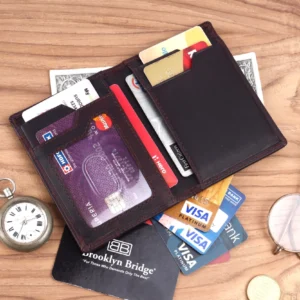
RFID Protected Pull Strap Wallet for Cards & Cash
Original price was: $41.90.$15.19Current price is: $15.19.
You save -
Sale!
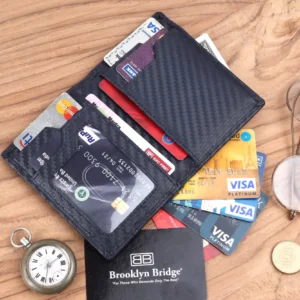
RFID Protected Pull Strap Leather Card Holder Wallet
Original price was: $41.90.$15.19Current price is: $15.19.
You save -
Sale!
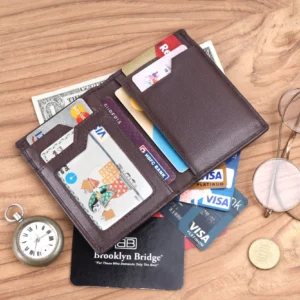
RFID Protected Pull Strap Card Holder Wallet for Men Slim
Original price was: $41.90.$15.19Current price is: $15.19.
You save -
Sale!
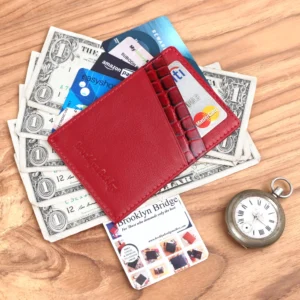
RFID Protected Leather Card Holder Wallet for Men & Women
Original price was: $18.10.$6.39Current price is: $6.39.
You save -
Sale!
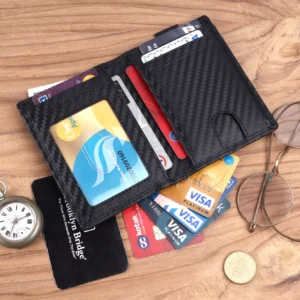
RFID Protected Pull Strap Card Holder Wallet for Secure Access
Original price was: $40.70.$14.79Current price is: $14.79.
You save -
Sale!
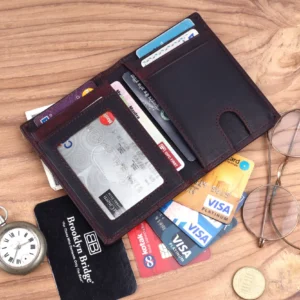
Slim RFID Protected Pull Strap Wallet for Cards & Cash
Original price was: $40.70.$14.79Current price is: $14.79.
You save -
Sale!
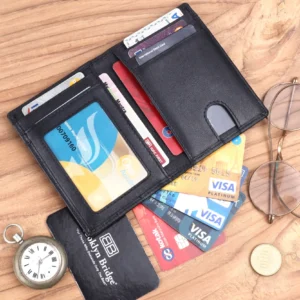
RFID Protected Pull Strap Card Holder Wallet for Daily Use
Original price was: $40.70.$14.79Current price is: $14.79.
You save -
Sale!
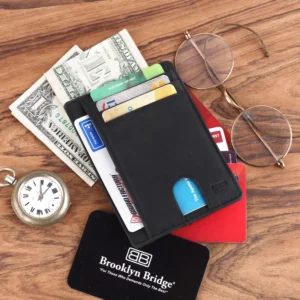
RFID Protected Card Holder Wallet for Secure Cards & Cash
Original price was: $27.30.$10.79Current price is: $10.79.
You save -
Sale!
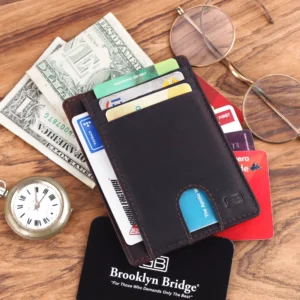
RFID Protected Leather Card Holder Wallet with Slim Design
Original price was: $27.30.$10.79Current price is: $10.79.
You save -
Sale!
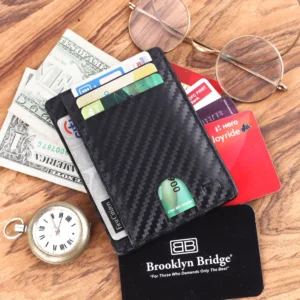
Slim RFID Protected Leather Card Holder Wallet for Cards
Original price was: $27.30.$10.79Current price is: $10.79.
You save -
Sale!

RFID Protected Leather Card Holder Wallet for Secure Cards
Original price was: $27.30.$10.79Current price is: $10.79.
You save -
Sale!
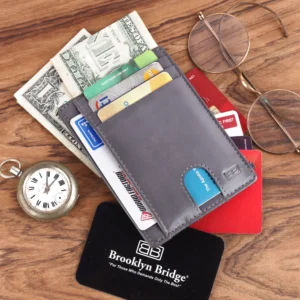
RFID Protected Genuine Leather Card Holder for Daily Use
Original price was: $27.30.$10.79Current price is: $10.79.
You save
-
Sale!
RFID Protected Pull Strap Wallet for Cards & Cash
Original price was: $41.90.$15.19Current price is: $15.19.
You save -
Sale!
RFID Protected Pull Strap Leather Card Holder Wallet
Original price was: $41.90.$15.19Current price is: $15.19.
You save -
Sale!
RFID Protected Pull Strap Card Holder Wallet for Men Slim
Original price was: $41.90.$15.19Current price is: $15.19.
You save -
Sale!
RFID Protected Leather Card Holder Wallet for Men & Women
Original price was: $18.10.$6.39Current price is: $6.39.
You save -
Sale!
RFID Protected Pull Strap Card Holder Wallet for Secure Access
Original price was: $40.70.$14.79Current price is: $14.79.
You save -
Sale!
Slim RFID Protected Pull Strap Wallet for Cards & Cash
Original price was: $40.70.$14.79Current price is: $14.79.
You save -
Sale!
RFID Protected Pull Strap Card Holder Wallet for Daily Use
Original price was: $40.70.$14.79Current price is: $14.79.
You save -
Sale!
RFID Protected Card Holder Wallet for Secure Cards & Cash
Original price was: $27.30.$10.79Current price is: $10.79.
You save -
Sale!
RFID Protected Leather Card Holder Wallet with Slim Design
Original price was: $27.30.$10.79Current price is: $10.79.
You save -
Sale!
Slim RFID Protected Leather Card Holder Wallet for Cards
Original price was: $27.30.$10.79Current price is: $10.79.
You save -
Sale!
RFID Protected Leather Card Holder Wallet for Secure Cards
Original price was: $27.30.$10.79Current price is: $10.79.
You save -
Sale!
RFID Protected Genuine Leather Card Holder for Daily Use
Original price was: $27.30.$10.79Current price is: $10.79.
You save
-
Sale!
RFID Protected Pull Strap Wallet for Cards & Cash
Original price was: $41.90.$15.19Current price is: $15.19.
You save -
Sale!
RFID Protected Pull Strap Leather Card Holder Wallet
Original price was: $41.90.$15.19Current price is: $15.19.
You save -
Sale!
RFID Protected Pull Strap Card Holder Wallet for Men Slim
Original price was: $41.90.$15.19Current price is: $15.19.
You save -
Sale!
RFID Protected Leather Card Holder Wallet for Men & Women
Original price was: $18.10.$6.39Current price is: $6.39.
You save -
Sale!
RFID Protected Pull Strap Card Holder Wallet for Secure Access
Original price was: $40.70.$14.79Current price is: $14.79.
You save -
Sale!
Slim RFID Protected Pull Strap Wallet for Cards & Cash
Original price was: $40.70.$14.79Current price is: $14.79.
You save -
Sale!
RFID Protected Pull Strap Card Holder Wallet for Daily Use
Original price was: $40.70.$14.79Current price is: $14.79.
You save -
Sale!
RFID Protected Card Holder Wallet for Secure Cards & Cash
Original price was: $27.30.$10.79Current price is: $10.79.
You save -
Sale!
RFID Protected Leather Card Holder Wallet with Slim Design
Original price was: $27.30.$10.79Current price is: $10.79.
You save -
Sale!
Slim RFID Protected Leather Card Holder Wallet for Cards
Original price was: $27.30.$10.79Current price is: $10.79.
You save -
Sale!
RFID Protected Leather Card Holder Wallet for Secure Cards
Original price was: $27.30.$10.79Current price is: $10.79.
You save -
Sale!
RFID Protected Genuine Leather Card Holder for Daily Use
Original price was: $27.30.$10.79Current price is: $10.79.
You save
Table of Contents
Leather Wallet Exporter from India to Belgium: Complete B2B Buyer Guide (2026)
Finding the right leather wallet exporter from India to Belgium involves more than comparing prices. Belgian importers need dependable manufacturing, consistent product quality, transparent quotations, reliable shipping, and documentation that supports EU market entry.
For wholesalers, retailers, distributors, corporate gifting companies, and private-label brands, the right Indian supplier can help balance product quality, purchasing costs, and long-term business growth. However, a low quotation means little without clear specifications, verified production capacity, and predictable delivery terms.
This guide explains how to evaluate Indian leather wallet manufacturers, compare materials, negotiate minimum order quantities, understand pricing, plan customisation, and prepare shipments for Belgium. It also explains how Exalter Global Co., a Kolkata-based manufacturer and export-focused business, can be considered for B2B leather wallet sourcing.
Quick Answer: How Can Belgian Buyers Source Leather Wallets from India?
Belgian buyers can source leather wallets from India by defining product specifications, shortlisting manufacturers, requesting samples and quotations, checking EU compliance requirements, approving a pre-production sample, and agreeing on shipping and payment terms before placing a bulk order.
- Define the wallet design, leather type, target price, and order quantity.
- Evaluate Indian leather wallet exporters for manufacturing capability and export experience.
- Request samples, technical specifications, and a detailed quotation.
- Confirm applicable EU chemical restrictions, product requirements, and customs classification.
- Approve samples, packaging, branding, and written quality standards.
- Confirm production, inspection, shipping terms, and required export documents.
- Arrange import clearance, delivery, and post-shipment quality review.
The most effective approach is to qualify the supplier before committing to a large order. A documented sourcing process reduces avoidable disputes and improves purchasing decisions.
1. Why Consider India for Leather Wallet Imports into Belgium?
India has an established leather goods manufacturing industry serving domestic and international markets. Buyers can explore traditional bifold wallets, minimalist cardholders, coin-pocket wallets, RFID-protected designs, and customised small leather goods through Indian manufacturers.
For Belgian businesses, sourcing from India may provide access to varied leather finishes, flexible product development, private-label manufacturing, and different production volumes. The actual advantages depend on the supplier, product specifications, order size, and logistics arrangement.
Commercial opportunities for Belgian buyers
- Retailers: Build collections around classic wallets, compact cardholders, and seasonal accessories.
- Wholesalers: Source repeatable designs across selected colours and product categories.
- Distributors: Develop regional product portfolios with consistent specifications.
- Private-label brands: Create branded wallets using approved materials, logos, packaging, and designs.
- Corporate gifting businesses: Explore customised wallets for employee gifts, events, and business promotions.
- E-commerce sellers: Test product-market fit before expanding inventory commitments.
Importers should evaluate landed cost rather than the factory quotation alone. Freight, insurance, customs duties, import VAT, inspection, packaging, and local distribution can materially affect profitability.
What should buyers verify before selecting a supplier?
Look for evidence of relevant manufacturing capability, representative samples, clear communication, realistic lead times, written quality specifications, and an understanding of the destination market. Ask for documentation supporting any certification, audit, or compliance claim that matters to your purchasing decision.
2. Meet Exalter Global Co.: An Indian Leather Wallet Manufacturing Partner
Exalter Global Co. is based in Kolkata, India, and serves customers through its leather goods business. Buyers exploring an Indian leather wallet exporter can review its product collections and contact the company to discuss wholesale sourcing, manufacturing requirements, and potential private-label projects.
For B2B buyers, the key question is whether a supplier can translate a product brief into a commercially viable order. This requires agreement on leather specifications, dimensions, construction, branding, quality checks, quantities, packaging, and delivery expectations.
Explore wallet collections before requesting a quotation
The company's leather wallet manufacturing and bulk export page provides a starting point for buyers researching wallet styles and manufacturing options. Its online product catalogue allows buyers to explore wallet categories, leather variations, colours, and available product designs.
These resources can help buyers prepare a more specific sourcing brief. Availability, customisation feasibility, minimum order quantities, production capacity, and export terms should still be confirmed directly with the company before ordering.
How the company's two leather brands fit different buying strategies
Exalter Vachette represents the company's premium leather goods positioning. Buyers can explore the Exalter Vachette leather collection when assessing premium-oriented product concepts and leather wallet options.
Brooklyn Bridge offers contemporary leather accessories, including practical wallet formats and cardholders. For example, buyers can review a Brooklyn Bridge leather bifold wallet with coin pocket and RFID protection to understand one existing product configuration.
These branded collections can inform product selection and merchandising decisions. They do not automatically establish that every listed item is available for wholesale export or private-label production. Confirm the commercial terms, current stock, and any requested modifications before proceeding.
Questions to discuss with Exalter Global Co.
- Which wallet designs are available for immediate dispatch or repeat production?
- Can the company develop a buyer-specific design or private-label collection?
- What minimum order quantity applies to each style, leather, and colour?
- Can samples and material specifications be provided before bulk approval?
- What testing, inspection, packaging, and export documentation can be supplied?
- Which shipping arrangements and Incoterms can be quoted for delivery to Belgium?
For initial enquiries, buyers can use the company's official website to identify contact options and share a concise product brief.

-
Sale!
RFID Protected Pull Strap Wallet for Cards & Cash
Original price was: $41.90.$15.19Current price is: $15.19.
You save -
Sale!
RFID Protected Pull Strap Leather Card Holder Wallet
Original price was: $41.90.$15.19Current price is: $15.19.
You save -
Sale!
RFID Protected Pull Strap Card Holder Wallet for Men Slim
Original price was: $41.90.$15.19Current price is: $15.19.
You save -
Sale!
RFID Protected Leather Card Holder Wallet for Men & Women
Original price was: $18.10.$6.39Current price is: $6.39.
You save -
Sale!
RFID Protected Pull Strap Card Holder Wallet for Secure Access
Original price was: $40.70.$14.79Current price is: $14.79.
You save -
Sale!
Slim RFID Protected Pull Strap Wallet for Cards & Cash
Original price was: $40.70.$14.79Current price is: $14.79.
You save -
Sale!
RFID Protected Pull Strap Card Holder Wallet for Daily Use
Original price was: $40.70.$14.79Current price is: $14.79.
You save -
Sale!
RFID Protected Card Holder Wallet for Secure Cards & Cash
Original price was: $27.30.$10.79Current price is: $10.79.
You save -
Sale!
RFID Protected Leather Card Holder Wallet with Slim Design
Original price was: $27.30.$10.79Current price is: $10.79.
You save -
Sale!
Slim RFID Protected Leather Card Holder Wallet for Cards
Original price was: $27.30.$10.79Current price is: $10.79.
You save -
Sale!
RFID Protected Leather Card Holder Wallet for Secure Cards
Original price was: $27.30.$10.79Current price is: $10.79.
You save -
Sale!
RFID Protected Genuine Leather Card Holder for Daily Use
Original price was: $27.30.$10.79Current price is: $10.79.
You save
-
Sale!
RFID Protected Pull Strap Wallet for Cards & Cash
Original price was: $41.90.$15.19Current price is: $15.19.
You save -
Sale!
RFID Protected Pull Strap Leather Card Holder Wallet
Original price was: $41.90.$15.19Current price is: $15.19.
You save -
Sale!
RFID Protected Pull Strap Card Holder Wallet for Men Slim
Original price was: $41.90.$15.19Current price is: $15.19.
You save -
Sale!
RFID Protected Leather Card Holder Wallet for Men & Women
Original price was: $18.10.$6.39Current price is: $6.39.
You save -
Sale!
RFID Protected Pull Strap Card Holder Wallet for Secure Access
Original price was: $40.70.$14.79Current price is: $14.79.
You save -
Sale!
Slim RFID Protected Pull Strap Wallet for Cards & Cash
Original price was: $40.70.$14.79Current price is: $14.79.
You save -
Sale!
RFID Protected Pull Strap Card Holder Wallet for Daily Use
Original price was: $40.70.$14.79Current price is: $14.79.
You save -
Sale!
RFID Protected Card Holder Wallet for Secure Cards & Cash
Original price was: $27.30.$10.79Current price is: $10.79.
You save -
Sale!
RFID Protected Leather Card Holder Wallet with Slim Design
Original price was: $27.30.$10.79Current price is: $10.79.
You save -
Sale!
Slim RFID Protected Leather Card Holder Wallet for Cards
Original price was: $27.30.$10.79Current price is: $10.79.
You save -
Sale!
RFID Protected Leather Card Holder Wallet for Secure Cards
Original price was: $27.30.$10.79Current price is: $10.79.
You save -
Sale!
RFID Protected Genuine Leather Card Holder for Daily Use
Original price was: $27.30.$10.79Current price is: $10.79.
You save
-
Sale!
RFID Protected Pull Strap Wallet for Cards & Cash
Original price was: $41.90.$15.19Current price is: $15.19.
You save -
Sale!
RFID Protected Pull Strap Leather Card Holder Wallet
Original price was: $41.90.$15.19Current price is: $15.19.
You save -
Sale!
RFID Protected Pull Strap Card Holder Wallet for Men Slim
Original price was: $41.90.$15.19Current price is: $15.19.
You save -
Sale!
RFID Protected Leather Card Holder Wallet for Men & Women
Original price was: $18.10.$6.39Current price is: $6.39.
You save -
Sale!
RFID Protected Pull Strap Card Holder Wallet for Secure Access
Original price was: $40.70.$14.79Current price is: $14.79.
You save -
Sale!
Slim RFID Protected Pull Strap Wallet for Cards & Cash
Original price was: $40.70.$14.79Current price is: $14.79.
You save -
Sale!
RFID Protected Pull Strap Card Holder Wallet for Daily Use
Original price was: $40.70.$14.79Current price is: $14.79.
You save -
Sale!
RFID Protected Card Holder Wallet for Secure Cards & Cash
Original price was: $27.30.$10.79Current price is: $10.79.
You save -
Sale!
RFID Protected Leather Card Holder Wallet with Slim Design
Original price was: $27.30.$10.79Current price is: $10.79.
You save -
Sale!
Slim RFID Protected Leather Card Holder Wallet for Cards
Original price was: $27.30.$10.79Current price is: $10.79.
You save -
Sale!
RFID Protected Leather Card Holder Wallet for Secure Cards
Original price was: $27.30.$10.79Current price is: $10.79.
You save -
Sale!
RFID Protected Genuine Leather Card Holder for Daily Use
Original price was: $27.30.$10.79Current price is: $10.79.
You save
-
Sale!
RFID Protected Pull Strap Wallet for Cards & Cash
Original price was: $41.90.$15.19Current price is: $15.19.
You save -
Sale!
RFID Protected Pull Strap Leather Card Holder Wallet
Original price was: $41.90.$15.19Current price is: $15.19.
You save -
Sale!
RFID Protected Pull Strap Card Holder Wallet for Men Slim
Original price was: $41.90.$15.19Current price is: $15.19.
You save -
Sale!
RFID Protected Leather Card Holder Wallet for Men & Women
Original price was: $18.10.$6.39Current price is: $6.39.
You save
-
Sale!
RFID Protected Pull Strap Wallet for Cards & Cash
Original price was: $41.90.$15.19Current price is: $15.19.
You save -
Sale!
RFID Protected Pull Strap Leather Card Holder Wallet
Original price was: $41.90.$15.19Current price is: $15.19.
You save -
Sale!
RFID Protected Pull Strap Card Holder Wallet for Men Slim
Original price was: $41.90.$15.19Current price is: $15.19.
You save -
Sale!
RFID Protected Leather Card Holder Wallet for Men & Women
Original price was: $18.10.$6.39Current price is: $6.39.
You save
-
Sale!
RFID Protected Pull Strap Wallet for Cards & Cash
Original price was: $41.90.$15.19Current price is: $15.19.
You save -
Sale!
RFID Protected Pull Strap Leather Card Holder Wallet
Original price was: $41.90.$15.19Current price is: $15.19.
You save -
Sale!
RFID Protected Pull Strap Card Holder Wallet for Men Slim
Original price was: $41.90.$15.19Current price is: $15.19.
You save -
Sale!
RFID Protected Leather Card Holder Wallet for Men & Women
Original price was: $18.10.$6.39Current price is: $6.39.
You save
-
Sale!
RFID Protected Pull Strap Wallet for Cards & Cash
Original price was: $41.90.$15.19Current price is: $15.19.
You save -
Sale!
RFID Protected Pull Strap Leather Card Holder Wallet
Original price was: $41.90.$15.19Current price is: $15.19.
You save -
Sale!
RFID Protected Pull Strap Card Holder Wallet for Men Slim
Original price was: $41.90.$15.19Current price is: $15.19.
You save -
Sale!
RFID Protected Leather Card Holder Wallet for Men & Women
Original price was: $18.10.$6.39Current price is: $6.39.
You save -
Sale!
RFID Protected Pull Strap Card Holder Wallet for Secure Access
Original price was: $40.70.$14.79Current price is: $14.79.
You save -
Sale!
Slim RFID Protected Pull Strap Wallet for Cards & Cash
Original price was: $40.70.$14.79Current price is: $14.79.
You save -
Sale!
RFID Protected Pull Strap Card Holder Wallet for Daily Use
Original price was: $40.70.$14.79Current price is: $14.79.
You save -
Sale!
RFID Protected Card Holder Wallet for Secure Cards & Cash
Original price was: $27.30.$10.79Current price is: $10.79.
You save -
Sale!
RFID Protected Leather Card Holder Wallet with Slim Design
Original price was: $27.30.$10.79Current price is: $10.79.
You save -
Sale!
Slim RFID Protected Leather Card Holder Wallet for Cards
Original price was: $27.30.$10.79Current price is: $10.79.
You save -
Sale!
RFID Protected Leather Card Holder Wallet for Secure Cards
Original price was: $27.30.$10.79Current price is: $10.79.
You save -
Sale!
RFID Protected Genuine Leather Card Holder for Daily Use
Original price was: $27.30.$10.79Current price is: $10.79.
You save
-
Sale!
RFID Protected Pull Strap Wallet for Cards & Cash
Original price was: $41.90.$15.19Current price is: $15.19.
You save -
Sale!
RFID Protected Pull Strap Leather Card Holder Wallet
Original price was: $41.90.$15.19Current price is: $15.19.
You save -
Sale!
RFID Protected Pull Strap Card Holder Wallet for Men Slim
Original price was: $41.90.$15.19Current price is: $15.19.
You save -
Sale!
RFID Protected Leather Card Holder Wallet for Men & Women
Original price was: $18.10.$6.39Current price is: $6.39.
You save -
Sale!
RFID Protected Pull Strap Card Holder Wallet for Secure Access
Original price was: $40.70.$14.79Current price is: $14.79.
You save -
Sale!
Slim RFID Protected Pull Strap Wallet for Cards & Cash
Original price was: $40.70.$14.79Current price is: $14.79.
You save -
Sale!
RFID Protected Pull Strap Card Holder Wallet for Daily Use
Original price was: $40.70.$14.79Current price is: $14.79.
You save -
Sale!
RFID Protected Card Holder Wallet for Secure Cards & Cash
Original price was: $27.30.$10.79Current price is: $10.79.
You save -
Sale!
RFID Protected Leather Card Holder Wallet with Slim Design
Original price was: $27.30.$10.79Current price is: $10.79.
You save -
Sale!
Slim RFID Protected Leather Card Holder Wallet for Cards
Original price was: $27.30.$10.79Current price is: $10.79.
You save -
Sale!
RFID Protected Leather Card Holder Wallet for Secure Cards
Original price was: $27.30.$10.79Current price is: $10.79.
You save -
Sale!
RFID Protected Genuine Leather Card Holder for Daily Use
Original price was: $27.30.$10.79Current price is: $10.79.
You save
-
Sale!
RFID Protected Pull Strap Wallet for Cards & Cash
Original price was: $41.90.$15.19Current price is: $15.19.
You save -
Sale!
RFID Protected Pull Strap Leather Card Holder Wallet
Original price was: $41.90.$15.19Current price is: $15.19.
You save -
Sale!
RFID Protected Pull Strap Card Holder Wallet for Men Slim
Original price was: $41.90.$15.19Current price is: $15.19.
You save -
Sale!
RFID Protected Leather Card Holder Wallet for Men & Women
Original price was: $18.10.$6.39Current price is: $6.39.
You save -
Sale!
RFID Protected Pull Strap Card Holder Wallet for Secure Access
Original price was: $40.70.$14.79Current price is: $14.79.
You save -
Sale!
Slim RFID Protected Pull Strap Wallet for Cards & Cash
Original price was: $40.70.$14.79Current price is: $14.79.
You save -
Sale!
RFID Protected Pull Strap Card Holder Wallet for Daily Use
Original price was: $40.70.$14.79Current price is: $14.79.
You save -
Sale!
RFID Protected Card Holder Wallet for Secure Cards & Cash
Original price was: $27.30.$10.79Current price is: $10.79.
You save -
Sale!
RFID Protected Leather Card Holder Wallet with Slim Design
Original price was: $27.30.$10.79Current price is: $10.79.
You save -
Sale!
Slim RFID Protected Leather Card Holder Wallet for Cards
Original price was: $27.30.$10.79Current price is: $10.79.
You save -
Sale!
RFID Protected Leather Card Holder Wallet for Secure Cards
Original price was: $27.30.$10.79Current price is: $10.79.
You save -
Sale!
RFID Protected Genuine Leather Card Holder for Daily Use
Original price was: $27.30.$10.79Current price is: $10.79.
You save

3. Leather Types and Wallet Designs: What Should Belgian Buyers Choose?
Material selection affects appearance, durability, price, finishing, and the customer's perception of value. Before comparing Indian leather wallet exporters, specify the material and performance expectations for your target market.
| Material or finish | Characteristics | Buyer considerations |
|---|---|---|
| Full-grain leather | Retains the natural grain surface. | Check natural marks, grading, consistency, and finish expectations. |
| Top-grain leather | The upper grain layer may be corrected or finished. | Confirm the exact grade and surface treatment. |
| Vegetable-tanned leather | Tanned using vegetable-based tanning agents. | Ask about colour variation, conditioning, and expected patina. |
| Nappa leather | Commonly associated with a soft, supple feel. | Verify the actual hide type, softness, thickness, and finish. |
| Pebbled leather | Features a textured surface. | Assess texture consistency and resistance to visible wear. |
These descriptions are general material guidance, not a guarantee of performance. Leather quality varies with the hide, tanning, finishing, thickness, construction, and maintenance.
Which wallet styles are suitable for wholesale?
- Bifold wallets: Familiar designs with card slots and cash compartments.
- Trifold wallets: Compact folded construction with additional storage sections.
- Cardholders: Minimalist products designed primarily for cards.
- Coin-pocket wallets: Practical options for customers who carry coins.
- Money-clip wallets: Slim formats combining card storage with a clip for cash.
- RFID-protected wallets: Products incorporating a design intended to reduce certain types of unauthorised contactless scanning.
Ask the manufacturer to demonstrate requested features. For RFID products, specify testing expectations rather than relying solely on a product description. Buyers should also check whether the selected design suits their retail positioning and target selling price.
4. Minimum Order Quantity: How Much Should You Buy?
Minimum order quantity, or MOQ, is the smallest quantity a supplier accepts for a defined order. It can vary by design, leather, colour, hardware, branding method, and packaging requirements.
There is no universal MOQ for leather wallets India to Belgium shipments. A stock product may have different purchasing conditions from a fully customised collection. Always request the supplier's current written terms.
| Order approach | Potential advantage | Main consideration |
|---|---|---|
| Stock selection | May simplify product evaluation and reduce development work. | Confirm available quantities, specifications, and dispatch timing. |
| Small pilot order | Helps test demand and product acceptance. | Unit costs may be higher and some customisations unavailable. |
| Bulk order | May improve production efficiency and unit pricing. | Requires more working capital and inventory planning. |
| Private-label production | Supports differentiated branding and product specifications. | Development, tooling, packaging, and material commitments may apply. |
How to negotiate a workable MOQ
- Ask whether the MOQ applies per style, colour, material, or total order.
- Request a quotation for multiple quantity levels.
- Check whether colours can be combined within one production order.
- Discuss existing designs before commissioning new patterns.
- Confirm sample charges, development fees, and any setup costs.
- Agree on acceptable substitutions and whether repeat orders use the same specifications.
For a new Belgian retail collection, a controlled pilot order can help assess customer response before a larger commitment. The correct quantity depends on the buyer's sales forecast, cash flow, and supplier terms.
5. Leather Wallet Pricing: What Determines the Export Cost?
The price quoted by an Indian leather wallet exporter depends on more than the size of the wallet. Material grade, leather consumption, lining, compartments, hardware, stitching, finishing, branding, and order quantity all influence the final quotation.
Key factors that affect wholesale pricing
- Leather specification: Hide grade, thickness, finish, and material yield.
- Construction: Number of panels, card slots, compartments, and reinforcement details.
- Hardware: Zippers, metal clips, buttons, and other fittings.
- Branding: Debossing, embossing, printing, labels, or custom metal emblems.
- Packaging: Individual boxes, dust bags, inserts, barcodes, and retail presentation.
- Order volume: Production setup and material purchasing efficiencies.
- Compliance and testing: Requested laboratory tests, reports, and inspection arrangements.
- Shipping terms: Freight, insurance, export handling, and the agreed delivery responsibility.
Request a quotation that separates the unit price, sample charges, tooling, packaging, inspection, freight, and other applicable costs. This makes competing offers easier to compare.
Calculate landed cost before setting your retail price
Landed cost per wallet is the total applicable cost of bringing the goods to the buyer's specified destination, divided by the number of saleable units. Depending on the agreed scope, it may include:
- Product purchase price and approved customisation.
- Packaging, inspection, and export handling.
- International freight and insurance.
- Applicable customs duties, clearance charges, and import VAT.
- Inland transport, warehousing, and other allocated costs.
Import VAT may be recoverable for eligible VAT-registered businesses under the applicable rules, so it should be treated separately when assessing economic cost and cash flow. Consult a Belgian customs broker or tax adviser for your circumstances.
Do not assume a fixed customs duty for every leather wallet. Classification, material composition, product construction, origin rules, and the applicable tariff measures determine the treatment. Check the relevant code and current conditions using the European Commission's Access2Markets tariff and import requirements tool before confirming the order.
-
Sale!
RFID Protected Pull Strap Wallet for Cards & Cash
Original price was: $41.90.$15.19Current price is: $15.19.
You save -
Sale!
RFID Protected Pull Strap Leather Card Holder Wallet
Original price was: $41.90.$15.19Current price is: $15.19.
You save -
Sale!
RFID Protected Pull Strap Card Holder Wallet for Men Slim
Original price was: $41.90.$15.19Current price is: $15.19.
You save -
Sale!
RFID Protected Leather Card Holder Wallet for Men & Women
Original price was: $18.10.$6.39Current price is: $6.39.
You save -
Sale!
RFID Protected Pull Strap Card Holder Wallet for Secure Access
Original price was: $40.70.$14.79Current price is: $14.79.
You save -
Sale!
Slim RFID Protected Pull Strap Wallet for Cards & Cash
Original price was: $40.70.$14.79Current price is: $14.79.
You save -
Sale!
RFID Protected Pull Strap Card Holder Wallet for Daily Use
Original price was: $40.70.$14.79Current price is: $14.79.
You save -
Sale!
RFID Protected Card Holder Wallet for Secure Cards & Cash
Original price was: $27.30.$10.79Current price is: $10.79.
You save -
Sale!
RFID Protected Leather Card Holder Wallet with Slim Design
Original price was: $27.30.$10.79Current price is: $10.79.
You save -
Sale!
Slim RFID Protected Leather Card Holder Wallet for Cards
Original price was: $27.30.$10.79Current price is: $10.79.
You save -
Sale!
RFID Protected Leather Card Holder Wallet for Secure Cards
Original price was: $27.30.$10.79Current price is: $10.79.
You save -
Sale!
RFID Protected Genuine Leather Card Holder for Daily Use
Original price was: $27.30.$10.79Current price is: $10.79.
You save
-
Sale!
RFID Protected Pull Strap Wallet for Cards & Cash
Original price was: $41.90.$15.19Current price is: $15.19.
You save -
Sale!
RFID Protected Pull Strap Leather Card Holder Wallet
Original price was: $41.90.$15.19Current price is: $15.19.
You save -
Sale!
RFID Protected Pull Strap Card Holder Wallet for Men Slim
Original price was: $41.90.$15.19Current price is: $15.19.
You save -
Sale!
RFID Protected Leather Card Holder Wallet for Men & Women
Original price was: $18.10.$6.39Current price is: $6.39.
You save -
Sale!
RFID Protected Pull Strap Card Holder Wallet for Secure Access
Original price was: $40.70.$14.79Current price is: $14.79.
You save -
Sale!
Slim RFID Protected Pull Strap Wallet for Cards & Cash
Original price was: $40.70.$14.79Current price is: $14.79.
You save -
Sale!
RFID Protected Pull Strap Card Holder Wallet for Daily Use
Original price was: $40.70.$14.79Current price is: $14.79.
You save -
Sale!
RFID Protected Card Holder Wallet for Secure Cards & Cash
Original price was: $27.30.$10.79Current price is: $10.79.
You save -
Sale!
RFID Protected Leather Card Holder Wallet with Slim Design
Original price was: $27.30.$10.79Current price is: $10.79.
You save -
Sale!
Slim RFID Protected Leather Card Holder Wallet for Cards
Original price was: $27.30.$10.79Current price is: $10.79.
You save -
Sale!
RFID Protected Leather Card Holder Wallet for Secure Cards
Original price was: $27.30.$10.79Current price is: $10.79.
You save -
Sale!
RFID Protected Genuine Leather Card Holder for Daily Use
Original price was: $27.30.$10.79Current price is: $10.79.
You save
-
Sale!
RFID Protected Pull Strap Wallet for Cards & Cash
Original price was: $41.90.$15.19Current price is: $15.19.
You save -
Sale!
RFID Protected Pull Strap Leather Card Holder Wallet
Original price was: $41.90.$15.19Current price is: $15.19.
You save -
Sale!
RFID Protected Pull Strap Card Holder Wallet for Men Slim
Original price was: $41.90.$15.19Current price is: $15.19.
You save -
Sale!
RFID Protected Leather Card Holder Wallet for Men & Women
Original price was: $18.10.$6.39Current price is: $6.39.
You save -
Sale!
RFID Protected Pull Strap Card Holder Wallet for Secure Access
Original price was: $40.70.$14.79Current price is: $14.79.
You save -
Sale!
Slim RFID Protected Pull Strap Wallet for Cards & Cash
Original price was: $40.70.$14.79Current price is: $14.79.
You save -
Sale!
RFID Protected Pull Strap Card Holder Wallet for Daily Use
Original price was: $40.70.$14.79Current price is: $14.79.
You save -
Sale!
RFID Protected Card Holder Wallet for Secure Cards & Cash
Original price was: $27.30.$10.79Current price is: $10.79.
You save -
Sale!
RFID Protected Leather Card Holder Wallet with Slim Design
Original price was: $27.30.$10.79Current price is: $10.79.
You save -
Sale!
Slim RFID Protected Leather Card Holder Wallet for Cards
Original price was: $27.30.$10.79Current price is: $10.79.
You save -
Sale!
RFID Protected Leather Card Holder Wallet for Secure Cards
Original price was: $27.30.$10.79Current price is: $10.79.
You save -
Sale!
RFID Protected Genuine Leather Card Holder for Daily Use
Original price was: $27.30.$10.79Current price is: $10.79.
You save
-
Sale!
RFID Protected Pull Strap Wallet for Cards & Cash
Original price was: $41.90.$15.19Current price is: $15.19.
You save -
Sale!
RFID Protected Pull Strap Leather Card Holder Wallet
Original price was: $41.90.$15.19Current price is: $15.19.
You save -
Sale!
RFID Protected Pull Strap Card Holder Wallet for Men Slim
Original price was: $41.90.$15.19Current price is: $15.19.
You save -
Sale!
RFID Protected Leather Card Holder Wallet for Men & Women
Original price was: $18.10.$6.39Current price is: $6.39.
You save
-
Sale!
RFID Protected Pull Strap Wallet for Cards & Cash
Original price was: $41.90.$15.19Current price is: $15.19.
You save -
Sale!
RFID Protected Pull Strap Leather Card Holder Wallet
Original price was: $41.90.$15.19Current price is: $15.19.
You save -
Sale!
RFID Protected Pull Strap Card Holder Wallet for Men Slim
Original price was: $41.90.$15.19Current price is: $15.19.
You save -
Sale!
RFID Protected Leather Card Holder Wallet for Men & Women
Original price was: $18.10.$6.39Current price is: $6.39.
You save
-
Sale!
RFID Protected Pull Strap Wallet for Cards & Cash
Original price was: $41.90.$15.19Current price is: $15.19.
You save -
Sale!
RFID Protected Pull Strap Leather Card Holder Wallet
Original price was: $41.90.$15.19Current price is: $15.19.
You save -
Sale!
RFID Protected Pull Strap Card Holder Wallet for Men Slim
Original price was: $41.90.$15.19Current price is: $15.19.
You save -
Sale!
RFID Protected Leather Card Holder Wallet for Men & Women
Original price was: $18.10.$6.39Current price is: $6.39.
You save
-
Sale!
RFID Protected Pull Strap Wallet for Cards & Cash
Original price was: $41.90.$15.19Current price is: $15.19.
You save -
Sale!
RFID Protected Pull Strap Leather Card Holder Wallet
Original price was: $41.90.$15.19Current price is: $15.19.
You save -
Sale!
RFID Protected Pull Strap Card Holder Wallet for Men Slim
Original price was: $41.90.$15.19Current price is: $15.19.
You save -
Sale!
RFID Protected Leather Card Holder Wallet for Men & Women
Original price was: $18.10.$6.39Current price is: $6.39.
You save -
Sale!
RFID Protected Pull Strap Card Holder Wallet for Secure Access
Original price was: $40.70.$14.79Current price is: $14.79.
You save -
Sale!
Slim RFID Protected Pull Strap Wallet for Cards & Cash
Original price was: $40.70.$14.79Current price is: $14.79.
You save -
Sale!
RFID Protected Pull Strap Card Holder Wallet for Daily Use
Original price was: $40.70.$14.79Current price is: $14.79.
You save -
Sale!
RFID Protected Card Holder Wallet for Secure Cards & Cash
Original price was: $27.30.$10.79Current price is: $10.79.
You save -
Sale!
RFID Protected Leather Card Holder Wallet with Slim Design
Original price was: $27.30.$10.79Current price is: $10.79.
You save -
Sale!
Slim RFID Protected Leather Card Holder Wallet for Cards
Original price was: $27.30.$10.79Current price is: $10.79.
You save -
Sale!
RFID Protected Leather Card Holder Wallet for Secure Cards
Original price was: $27.30.$10.79Current price is: $10.79.
You save -
Sale!
RFID Protected Genuine Leather Card Holder for Daily Use
Original price was: $27.30.$10.79Current price is: $10.79.
You save
-
Sale!
RFID Protected Pull Strap Wallet for Cards & Cash
Original price was: $41.90.$15.19Current price is: $15.19.
You save -
Sale!
RFID Protected Pull Strap Leather Card Holder Wallet
Original price was: $41.90.$15.19Current price is: $15.19.
You save -
Sale!
RFID Protected Pull Strap Card Holder Wallet for Men Slim
Original price was: $41.90.$15.19Current price is: $15.19.
You save -
Sale!
RFID Protected Leather Card Holder Wallet for Men & Women
Original price was: $18.10.$6.39Current price is: $6.39.
You save -
Sale!
RFID Protected Pull Strap Card Holder Wallet for Secure Access
Original price was: $40.70.$14.79Current price is: $14.79.
You save -
Sale!
Slim RFID Protected Pull Strap Wallet for Cards & Cash
Original price was: $40.70.$14.79Current price is: $14.79.
You save -
Sale!
RFID Protected Pull Strap Card Holder Wallet for Daily Use
Original price was: $40.70.$14.79Current price is: $14.79.
You save -
Sale!
RFID Protected Card Holder Wallet for Secure Cards & Cash
Original price was: $27.30.$10.79Current price is: $10.79.
You save -
Sale!
RFID Protected Leather Card Holder Wallet with Slim Design
Original price was: $27.30.$10.79Current price is: $10.79.
You save -
Sale!
Slim RFID Protected Leather Card Holder Wallet for Cards
Original price was: $27.30.$10.79Current price is: $10.79.
You save -
Sale!
RFID Protected Leather Card Holder Wallet for Secure Cards
Original price was: $27.30.$10.79Current price is: $10.79.
You save -
Sale!
RFID Protected Genuine Leather Card Holder for Daily Use
Original price was: $27.30.$10.79Current price is: $10.79.
You save
-
Sale!
RFID Protected Pull Strap Wallet for Cards & Cash
Original price was: $41.90.$15.19Current price is: $15.19.
You save -
Sale!
RFID Protected Pull Strap Leather Card Holder Wallet
Original price was: $41.90.$15.19Current price is: $15.19.
You save -
Sale!
RFID Protected Pull Strap Card Holder Wallet for Men Slim
Original price was: $41.90.$15.19Current price is: $15.19.
You save -
Sale!
RFID Protected Leather Card Holder Wallet for Men & Women
Original price was: $18.10.$6.39Current price is: $6.39.
You save -
Sale!
RFID Protected Pull Strap Card Holder Wallet for Secure Access
Original price was: $40.70.$14.79Current price is: $14.79.
You save -
Sale!
Slim RFID Protected Pull Strap Wallet for Cards & Cash
Original price was: $40.70.$14.79Current price is: $14.79.
You save -
Sale!
RFID Protected Pull Strap Card Holder Wallet for Daily Use
Original price was: $40.70.$14.79Current price is: $14.79.
You save -
Sale!
RFID Protected Card Holder Wallet for Secure Cards & Cash
Original price was: $27.30.$10.79Current price is: $10.79.
You save -
Sale!
RFID Protected Leather Card Holder Wallet with Slim Design
Original price was: $27.30.$10.79Current price is: $10.79.
You save -
Sale!
Slim RFID Protected Leather Card Holder Wallet for Cards
Original price was: $27.30.$10.79Current price is: $10.79.
You save -
Sale!
RFID Protected Leather Card Holder Wallet for Secure Cards
Original price was: $27.30.$10.79Current price is: $10.79.
You save -
Sale!
RFID Protected Genuine Leather Card Holder for Daily Use
Original price was: $27.30.$10.79Current price is: $10.79.
You save
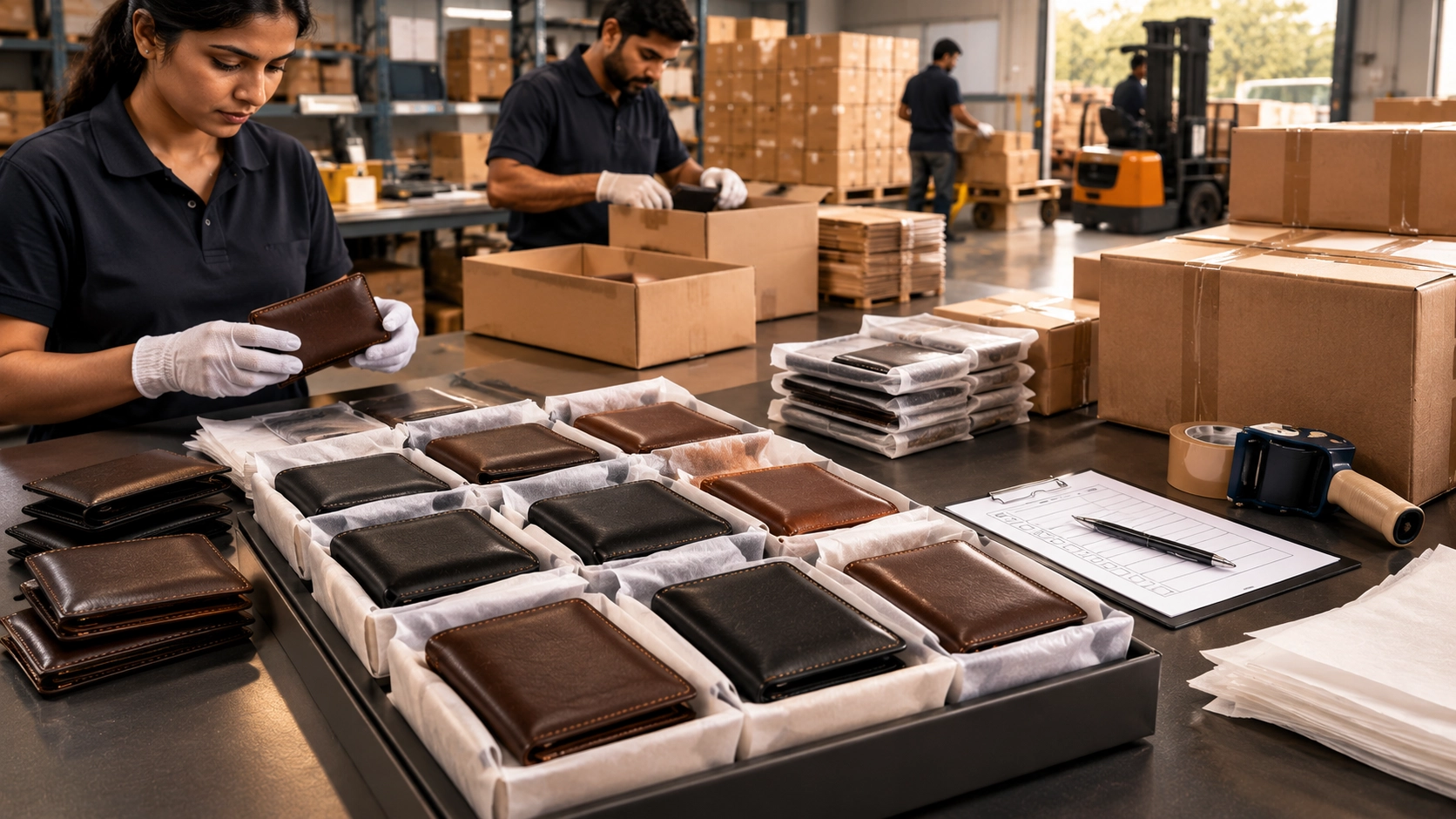
6. Customisation and Private-Label Wallet Manufacturing
Private-label production allows Belgian businesses to develop wallets that reflect their own brand identity. An Indian leather wallet manufacturer may be able to adapt an existing design or develop a new product, subject to technical feasibility and agreed order quantities.
What can buyers customise?
- Design: Bifold, trifold, cardholder, coin-pocket, or money-clip formats.
- Leather: Agreed material grade, thickness, texture, and surface finish.
- Colour: Black, brown, cognac, navy, tan, or other approved shades.
- Interior: Card slots, cash compartments, ID windows, and coin pockets.
- Brand identity: Logo placement, debossing, embossing, or approved metal hardware.
- Packaging: Retail boxes, protective sleeves, inserts, and barcode labels.
Provide artwork in an agreed production-ready format and specify logo dimensions, placement, colour, and finishing. Request a physical sample when appearance, texture, or construction is important.
Approve the sample before mass production
The approved sample should become the reference for production. Record the leather specification, colour tolerance, dimensions, stitching, edge finishing, hardware, branding, and packaging. Agree in writing on how deviations will be handled before manufacturing starts.
7. Quality Control and EU Compliance for Belgian Imports
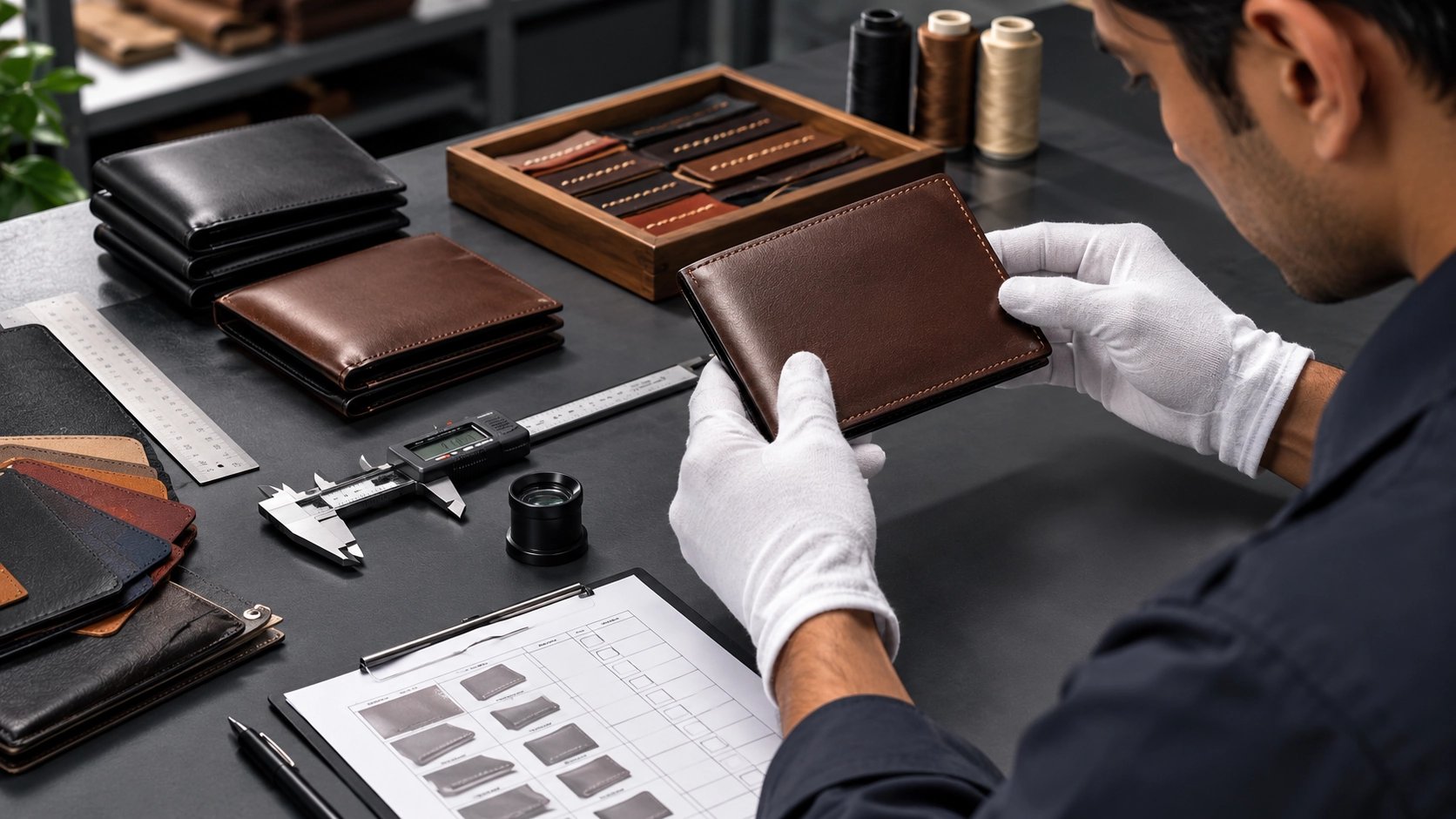
Quality control should begin with material selection and continue through cutting, stitching, assembly, finishing, packing, and final inspection. Buyers should define acceptance criteria before production rather than relying on a general promise of premium quality.
Essential wallet inspection checkpoints
- Leather: Check grain consistency, finish, colour, visible defects, and material identity.
- Dimensions: Measure the wallet against the approved technical drawing.
- Stitching: Examine alignment, tension, loose threads, and seam strength.
- Edges: Inspect edge paint, folding, burnishing, and finishing consistency.
- Functionality: Test card slots, coin pockets, zippers, clips, and closures.
- Branding: Confirm logo position, clarity, dimensions, and colour.
- Packaging: Check product protection, labelling, quantities, and carton condition.
Understand applicable European requirements
Leather wallets imported into Belgium must meet the requirements applicable to their materials, components, intended use, and marketing. EU REACH restrictions are particularly relevant to certain chemicals in consumer products.
For example, REACH Annex XVII restricts chromium VI in leather articles that come into contact with skin at concentrations equal to or greater than 3 mg/kg of the leather's total dry weight. Buyers should request appropriate evidence and risk-based testing for the actual product and materials. Review the EU regulation introducing the chromium VI restriction and check the current consolidated legal text before placing an order.
Depending on the construction, intended use, and marketing claims, other chemical restrictions and requirements may also apply. Check relevant substances in leather, dyes, coatings, adhesives, metal fittings, and packaging. Do not assume that one test report proves compliance with every requirement.
Ask the supplier for available material declarations, test reports, traceability information, and corrective-action procedures. Independent laboratory testing may be appropriate for higher-risk materials or contractual requirements.
8. Export Documentation, Customs, and Shipping to Belgium
Belgium is part of the European Union customs territory. Importers should coordinate with their Indian supplier, freight forwarder, and customs representative before dispatch. The precise documentation depends on the product, transport mode, origin, and applicable trade measures.
Common documents to prepare
- Commercial invoice: Seller, buyer, product description, quantity, value, currency, and agreed sale terms.
- Packing list: Carton count, contents, quantities, and package weights and dimensions.
- Transport document: Bill of lading for sea freight or air waybill for air freight, as applicable.
- Certificate or declaration of origin: Where required by the transaction or customs procedure.
- Customs declaration: Filed through the applicable import clearance process.
- Supporting compliance records: Relevant test reports, declarations, or other product-specific evidence.
Additional documents may be needed. Confirm the correct HS or CN classification and the current tariff treatment for the exact wallet construction. Do not assume preferential duty treatment without verifying the applicable rules and required proof of origin.
The European Commission's guide to importing goods into the EU explains the main import steps. Buyers should also check whether their importing business needs an EORI number and arrange customs representation where appropriate.
Choosing a shipping method
Air freight can suit samples, urgent replenishment, and smaller shipments when speed justifies the cost. Sea freight may suit larger consignments where the longer transit time is acceptable. Actual transit times and charges depend on routing, carrier capacity, customs clearance, and final delivery arrangements.
Agree on the Incoterm, named destination, insurance responsibility, and transfer of risk. Clarify who arranges export clearance, international freight, import clearance, duties, and delivery. Avoid comparing quotations with different delivery responsibilities as though they were equivalent.
9. Checklist for Choosing an Indian Leather Wallet Exporter
Use this checklist when comparing Exalter Global Co. with other potential suppliers. Mark an item complete only after receiving suitable evidence.
- Confirm the supplier's legal business identity and contact details.
- Review relevant wallet designs and request representative samples.
- Verify the exact leather type, finish, thickness, and construction.
- Obtain written MOQ, pricing tiers, sample fees, and lead times.
- Confirm private-label capability and ownership of approved artwork or designs.
- Request applicable test reports and compliance documentation.
- Agree on inspection standards and the process for defective goods.
- Compare complete quotations using the same Incoterm and shipment scope.
- Verify payment milestones, cancellation terms, and dispute procedures.
- Confirm packing specifications, export documents, and shipment tracking.
- Approve the pre-production sample before authorising bulk production.
- Document reordering terms and how future production consistency will be maintained.
A reliable sourcing decision depends on verifiable evidence, not simply a low unit price or polished product photography.
10. Frequently Asked Questions
How do I find a leather wallet exporter from India to Belgium?
Research manufacturers, compare relevant product ranges, request samples, verify business credentials, and assess compliance and shipping capabilities. Shortlist suppliers using written specifications and comparable quotations.
Can Exalter Global Co. supply leather wallets to Belgian buyers?
Exalter Global Co. is a Kolkata-based leather goods business serving customers in India and internationally. Belgian buyers should contact the company to confirm current export availability, order requirements, shipping arrangements, and product-specific compliance documentation.
What is the minimum order quantity for leather wallets?
MOQ depends on the product, materials, colour, branding, and packaging. Request separate terms for stock products, customised designs, and repeat production.
Which leather is best for imported wallets?
The right choice depends on the target price, appearance, expected use, and positioning. Compare verified leather specifications and physical samples instead of relying on material names alone.
Are Indian leather wallets subject to EU chemical requirements?
Applicable EU requirements depend on the product and its materials. Relevant restrictions can include chromium VI limits under REACH. Buyers should verify current legal requirements and obtain suitable supporting evidence before importation.
How can Belgian buyers calculate the landed cost?
Add the relevant product, packaging, inspection, freight, insurance, customs, clearance, and inland delivery costs. Assess import VAT separately according to the buyer's tax position and applicable rules.
Can buyers order private-label leather wallets?
Private-label production may be available depending on supplier capability and order requirements. Confirm MOQ, artwork, sample approval, branding methods, packaging, lead times, and ownership terms in writing.
Which shipping method should I choose?
Air freight may suit urgent or smaller shipments, while sea freight may be more economical for suitable larger consignments. Compare full costs, transit estimates, insurance, and delivery responsibilities before deciding.
Build a Better Leather Wallet Sourcing Partnership
Choosing the right Indian leather wallet exporter for Belgium requires a balance of product quality, commercial transparency, compliance planning, and dependable execution. Clear specifications and approved samples help buyers reduce uncertainty before committing to production.
Exalter Global Co. provides a starting point for businesses exploring leather wallet collections, wholesale opportunities, and potential custom manufacturing. Exalter Vachette and Brooklyn Bridge offer distinct product perspectives that buyers can evaluate against their retail or distribution requirements.
To begin, visit Exalter Global Co.'s official website, identify suitable wallet designs, and submit your requirements for a tailored discussion. Include your target quantity, material preference, branding needs, destination, and expected delivery window to support a more useful quotation.

-
Sale!
RFID Protected Pull Strap Wallet for Cards & Cash
Original price was: $41.90.$15.19Current price is: $15.19.
You save -
Sale!
RFID Protected Pull Strap Leather Card Holder Wallet
Original price was: $41.90.$15.19Current price is: $15.19.
You save -
Sale!
RFID Protected Pull Strap Card Holder Wallet for Men Slim
Original price was: $41.90.$15.19Current price is: $15.19.
You save -
Sale!
RFID Protected Leather Card Holder Wallet for Men & Women
Original price was: $18.10.$6.39Current price is: $6.39.
You save -
Sale!
RFID Protected Pull Strap Card Holder Wallet for Secure Access
Original price was: $40.70.$14.79Current price is: $14.79.
You save -
Sale!
Slim RFID Protected Pull Strap Wallet for Cards & Cash
Original price was: $40.70.$14.79Current price is: $14.79.
You save -
Sale!
RFID Protected Pull Strap Card Holder Wallet for Daily Use
Original price was: $40.70.$14.79Current price is: $14.79.
You save -
Sale!
RFID Protected Card Holder Wallet for Secure Cards & Cash
Original price was: $27.30.$10.79Current price is: $10.79.
You save -
Sale!
RFID Protected Leather Card Holder Wallet with Slim Design
Original price was: $27.30.$10.79Current price is: $10.79.
You save -
Sale!
Slim RFID Protected Leather Card Holder Wallet for Cards
Original price was: $27.30.$10.79Current price is: $10.79.
You save -
Sale!
RFID Protected Leather Card Holder Wallet for Secure Cards
Original price was: $27.30.$10.79Current price is: $10.79.
You save -
Sale!
RFID Protected Genuine Leather Card Holder for Daily Use
Original price was: $27.30.$10.79Current price is: $10.79.
You save
-
Sale!
RFID Protected Pull Strap Wallet for Cards & Cash
Original price was: $41.90.$15.19Current price is: $15.19.
You save -
Sale!
RFID Protected Pull Strap Leather Card Holder Wallet
Original price was: $41.90.$15.19Current price is: $15.19.
You save -
Sale!
RFID Protected Pull Strap Card Holder Wallet for Men Slim
Original price was: $41.90.$15.19Current price is: $15.19.
You save -
Sale!
RFID Protected Leather Card Holder Wallet for Men & Women
Original price was: $18.10.$6.39Current price is: $6.39.
You save -
Sale!
RFID Protected Pull Strap Card Holder Wallet for Secure Access
Original price was: $40.70.$14.79Current price is: $14.79.
You save -
Sale!
Slim RFID Protected Pull Strap Wallet for Cards & Cash
Original price was: $40.70.$14.79Current price is: $14.79.
You save -
Sale!
RFID Protected Pull Strap Card Holder Wallet for Daily Use
Original price was: $40.70.$14.79Current price is: $14.79.
You save -
Sale!
RFID Protected Card Holder Wallet for Secure Cards & Cash
Original price was: $27.30.$10.79Current price is: $10.79.
You save -
Sale!
RFID Protected Leather Card Holder Wallet with Slim Design
Original price was: $27.30.$10.79Current price is: $10.79.
You save -
Sale!
Slim RFID Protected Leather Card Holder Wallet for Cards
Original price was: $27.30.$10.79Current price is: $10.79.
You save -
Sale!
RFID Protected Leather Card Holder Wallet for Secure Cards
Original price was: $27.30.$10.79Current price is: $10.79.
You save -
Sale!
RFID Protected Genuine Leather Card Holder for Daily Use
Original price was: $27.30.$10.79Current price is: $10.79.
You save
-
Sale!
RFID Protected Pull Strap Wallet for Cards & Cash
Original price was: $41.90.$15.19Current price is: $15.19.
You save -
Sale!
RFID Protected Pull Strap Leather Card Holder Wallet
Original price was: $41.90.$15.19Current price is: $15.19.
You save -
Sale!
RFID Protected Pull Strap Card Holder Wallet for Men Slim
Original price was: $41.90.$15.19Current price is: $15.19.
You save -
Sale!
RFID Protected Leather Card Holder Wallet for Men & Women
Original price was: $18.10.$6.39Current price is: $6.39.
You save -
Sale!
RFID Protected Pull Strap Card Holder Wallet for Secure Access
Original price was: $40.70.$14.79Current price is: $14.79.
You save -
Sale!
Slim RFID Protected Pull Strap Wallet for Cards & Cash
Original price was: $40.70.$14.79Current price is: $14.79.
You save -
Sale!
RFID Protected Pull Strap Card Holder Wallet for Daily Use
Original price was: $40.70.$14.79Current price is: $14.79.
You save -
Sale!
RFID Protected Card Holder Wallet for Secure Cards & Cash
Original price was: $27.30.$10.79Current price is: $10.79.
You save -
Sale!
RFID Protected Leather Card Holder Wallet with Slim Design
Original price was: $27.30.$10.79Current price is: $10.79.
You save -
Sale!
Slim RFID Protected Leather Card Holder Wallet for Cards
Original price was: $27.30.$10.79Current price is: $10.79.
You save -
Sale!
RFID Protected Leather Card Holder Wallet for Secure Cards
Original price was: $27.30.$10.79Current price is: $10.79.
You save -
Sale!
RFID Protected Genuine Leather Card Holder for Daily Use
Original price was: $27.30.$10.79Current price is: $10.79.
You save

Leather Wallet Exporter from India to Saudi Arabia: Complete B2B Buyer Guide (2026)
Leather Wallet Exporter from India to Hong Kong: Complete B2B Buying Guide
Leather Wallet Exporter from India to France: Complete B2B Buyer Guide
Leather Wallet Exporter from India to Canada: Complete B2B Buying Guide
Leather Wallet Exporter from India to UAE: Complete B2B Buyer Guide
Leather Wallet Exporter from India to Italy: Complete B2B Guide
Leather Wallet Exporter from India to Netherlands: Complete B2B Buying Guide
Leather Wallet Exporter from India to Australia: Complete B2B Buying Guide
How to Choose the Best Leather Wallet Exporter from India to Spain

How to Export Leather Wallets from India to Germany: Complete B2B Guide

How to Choose the Best Leather Wallet Exporter from India to USA (2026 Guide)