
-
Sale!

RFID Protected Pull Strap Wallet for Cards & Cash
Original price was: $41.90.$15.19Current price is: $15.19.
You save -
Sale!
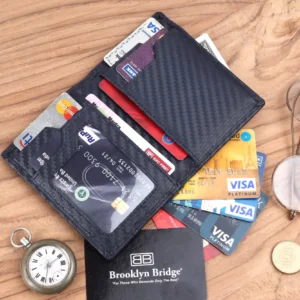
RFID Protected Pull Strap Leather Card Holder Wallet
Original price was: $41.90.$15.19Current price is: $15.19.
You save -
Sale!

RFID Protected Pull Strap Card Holder Wallet for Men Slim
Original price was: $41.90.$15.19Current price is: $15.19.
You save -
Sale!

RFID Protected Leather Card Holder Wallet for Men & Women
Original price was: $18.10.$6.39Current price is: $6.39.
You save -
Sale!
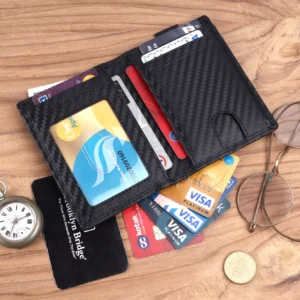
RFID Protected Pull Strap Card Holder Wallet for Secure Access
Original price was: $40.70.$14.79Current price is: $14.79.
You save -
Sale!
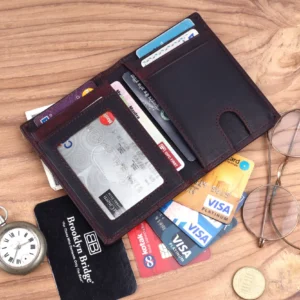
Slim RFID Protected Pull Strap Wallet for Cards & Cash
Original price was: $40.70.$14.79Current price is: $14.79.
You save -
Sale!

RFID Protected Pull Strap Card Holder Wallet for Daily Use
Original price was: $40.70.$14.79Current price is: $14.79.
You save -
Sale!

RFID Protected Card Holder Wallet for Secure Cards & Cash
Original price was: $27.30.$10.79Current price is: $10.79.
You save -
Sale!
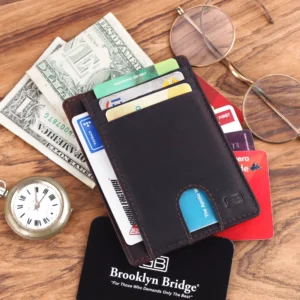
RFID Protected Leather Card Holder Wallet with Slim Design
Original price was: $27.30.$10.79Current price is: $10.79.
You save -
Sale!
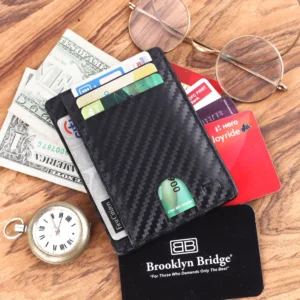
Slim RFID Protected Leather Card Holder Wallet for Cards
Original price was: $27.30.$10.79Current price is: $10.79.
You save -
Sale!

RFID Protected Leather Card Holder Wallet for Secure Cards
Original price was: $27.30.$10.79Current price is: $10.79.
You save -
Sale!
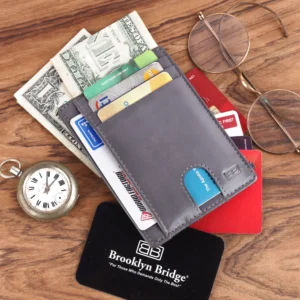
RFID Protected Genuine Leather Card Holder for Daily Use
Original price was: $27.30.$10.79Current price is: $10.79.
You save
-
Sale!
RFID Protected Pull Strap Wallet for Cards & Cash
Original price was: $41.90.$15.19Current price is: $15.19.
You save -
Sale!
RFID Protected Pull Strap Leather Card Holder Wallet
Original price was: $41.90.$15.19Current price is: $15.19.
You save -
Sale!
RFID Protected Pull Strap Card Holder Wallet for Men Slim
Original price was: $41.90.$15.19Current price is: $15.19.
You save -
Sale!
RFID Protected Leather Card Holder Wallet for Men & Women
Original price was: $18.10.$6.39Current price is: $6.39.
You save -
Sale!
RFID Protected Pull Strap Card Holder Wallet for Secure Access
Original price was: $40.70.$14.79Current price is: $14.79.
You save -
Sale!
Slim RFID Protected Pull Strap Wallet for Cards & Cash
Original price was: $40.70.$14.79Current price is: $14.79.
You save -
Sale!
RFID Protected Pull Strap Card Holder Wallet for Daily Use
Original price was: $40.70.$14.79Current price is: $14.79.
You save -
Sale!
RFID Protected Card Holder Wallet for Secure Cards & Cash
Original price was: $27.30.$10.79Current price is: $10.79.
You save -
Sale!
RFID Protected Leather Card Holder Wallet with Slim Design
Original price was: $27.30.$10.79Current price is: $10.79.
You save -
Sale!
Slim RFID Protected Leather Card Holder Wallet for Cards
Original price was: $27.30.$10.79Current price is: $10.79.
You save -
Sale!
RFID Protected Leather Card Holder Wallet for Secure Cards
Original price was: $27.30.$10.79Current price is: $10.79.
You save -
Sale!
RFID Protected Genuine Leather Card Holder for Daily Use
Original price was: $27.30.$10.79Current price is: $10.79.
You save
-
Sale!
RFID Protected Pull Strap Wallet for Cards & Cash
Original price was: $41.90.$15.19Current price is: $15.19.
You save -
Sale!
RFID Protected Pull Strap Leather Card Holder Wallet
Original price was: $41.90.$15.19Current price is: $15.19.
You save -
Sale!
RFID Protected Pull Strap Card Holder Wallet for Men Slim
Original price was: $41.90.$15.19Current price is: $15.19.
You save -
Sale!
RFID Protected Leather Card Holder Wallet for Men & Women
Original price was: $18.10.$6.39Current price is: $6.39.
You save -
Sale!
RFID Protected Pull Strap Card Holder Wallet for Secure Access
Original price was: $40.70.$14.79Current price is: $14.79.
You save -
Sale!
Slim RFID Protected Pull Strap Wallet for Cards & Cash
Original price was: $40.70.$14.79Current price is: $14.79.
You save -
Sale!
RFID Protected Pull Strap Card Holder Wallet for Daily Use
Original price was: $40.70.$14.79Current price is: $14.79.
You save -
Sale!
RFID Protected Card Holder Wallet for Secure Cards & Cash
Original price was: $27.30.$10.79Current price is: $10.79.
You save -
Sale!
RFID Protected Leather Card Holder Wallet with Slim Design
Original price was: $27.30.$10.79Current price is: $10.79.
You save -
Sale!
Slim RFID Protected Leather Card Holder Wallet for Cards
Original price was: $27.30.$10.79Current price is: $10.79.
You save -
Sale!
RFID Protected Leather Card Holder Wallet for Secure Cards
Original price was: $27.30.$10.79Current price is: $10.79.
You save -
Sale!
RFID Protected Genuine Leather Card Holder for Daily Use
Original price was: $27.30.$10.79Current price is: $10.79.
You save
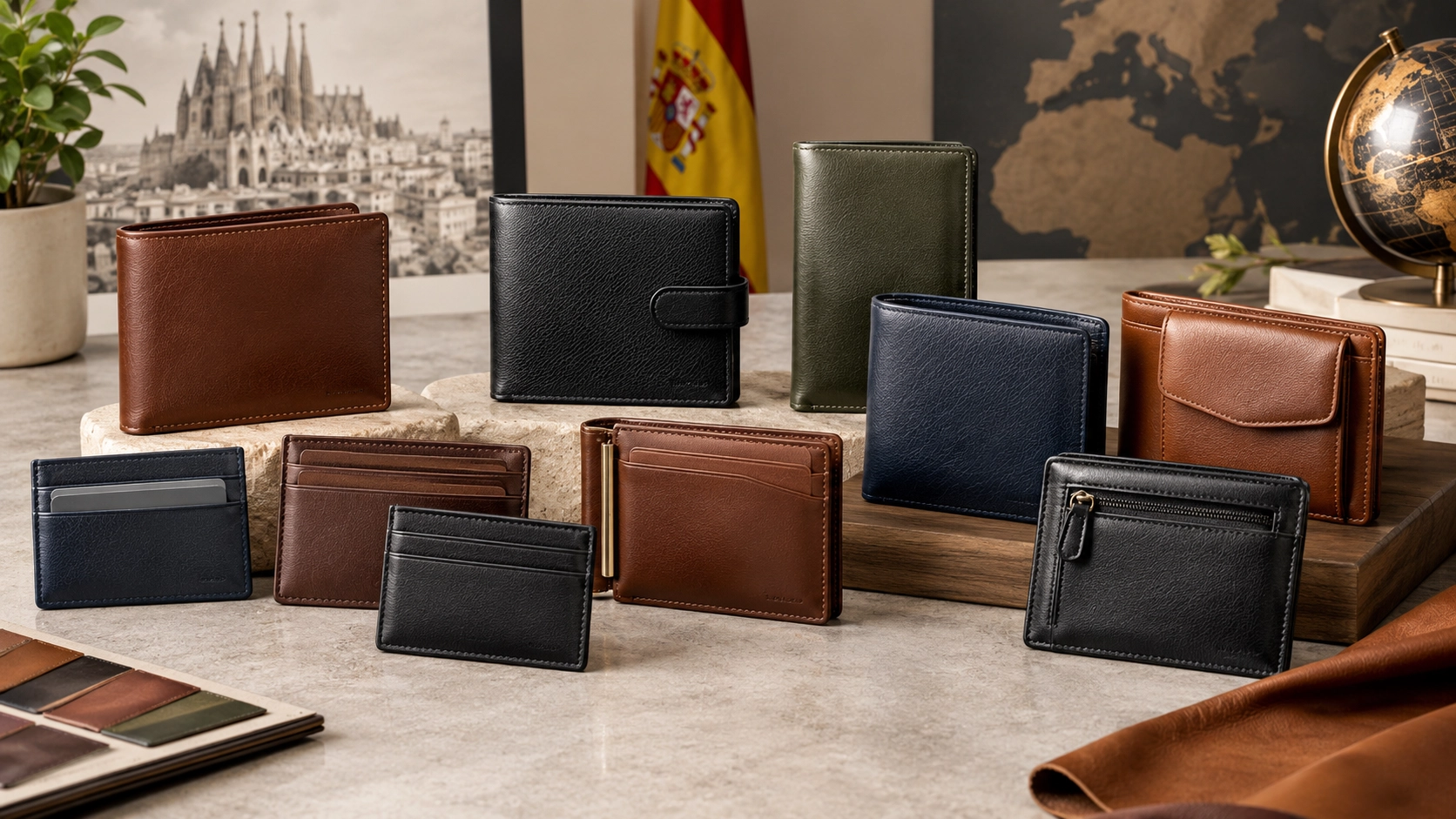
Table of Contents
How to Choose the Best Leather Wallet Exporter from India to Spain
Choosing a leather wallet exporter is not simply about finding the lowest quotation. Spanish buyers need a supplier that can deliver consistent leather quality, reliable production, accurate customization, export-ready documentation, and dependable logistics.
For importers, retailers, wholesalers, private-label brands, and distributors in Spain, the right Indian manufacturing partner should be evaluated as a long-term supply-chain partner rather than a one-time vendor.
Direct answer: To choose the best leather wallet exporter from India, verify six areas before placing an order: product quality, manufacturing capability, MOQ, customization, export documentation, and logistics. Then validate the supplier through samples, production evidence, certifications, references, and clear commercial terms.
Exalter Global Co. approaches leather goods manufacturing with a buyer-first model built around manufacturing experience, export capability, customization, and scalable production.
Why Spain Buyers Should Look Beyond Price
Spain has a strong fashion, leather goods, retail, gifting, and accessories market. Buyers therefore need products that meet commercial expectations for appearance, durability, functionality, and consistency.
A low unit price can become expensive when leather quality varies, stitching fails inspection, dimensions change between batches, or production schedules are missed.
The better approach is to evaluate the complete landed supply proposition. This includes product cost, sampling, branding, packaging, documentation, freight, lead time, quality control, and after-sales support.
1. Verify That the Supplier Is a Real Manufacturer
The first question should be simple: Does the company actually manufacture leather wallets?
A trading company can sometimes offer competitive prices. However, direct manufacturing can provide stronger control over materials, construction, quality inspection, sampling, customization, and production scheduling.
Exalter Global Co. has developed leather manufacturing capabilities in Kolkata and serves international buyers through its leather goods operations. Its manufacturing portfolio includes wallets, bags, belts, accessories, and custom leather products.
The company's leather wallet manufacturing and private-label production offering is particularly relevant for buyers seeking bulk, OEM, or branded wallet production from India.
What to Verify
- Factory capability: Ask what products are manufactured in-house.
- Production scale: Confirm whether capacity matches your expected order volume.
- Product range: Review bifold, slim, RFID, card holder, money clip, coin pocket, and travel designs.
- Sampling process: Understand how prototypes and pre-production samples are approved.
- Quality control: Ask when inspections happen during production.
- Branding capability: Confirm embossing, debossing, labels, packaging, and private-label options.
A serious manufacturer should be able to explain its production process clearly. Vague answers about materials, machinery, sampling, or inspection deserve further investigation.
2. Assess Leather Quality Before Comparing Prices
Leather quality is one of the most important factors when choosing a leather wallet manufacturer in India.
Do not evaluate leather only from photographs. Request physical samples whenever possible. Photographs can hide differences in thickness, finish, grain, temper, edge quality, and colour consistency.
For a Spanish retail market, specify the expected leather type before requesting a quotation. Depending on the product, this could include full-grain, top-grain, vegetable-tanned, nappa, or other specified leather finishes.
A buyer should also define the expected leather appearance. Some collections require a smooth premium surface. Others need visible natural grain or a vintage character.
Leather Quality Checklist
- Leather type and grade
- Thickness and temper
- Surface finish
- Colour consistency
- Natural grain appearance
- Edge finishing
- Odour and finish consistency
- Resistance to normal handling
- Stitching compatibility
- Batch-to-batch consistency
Exalter Global Co. states that its leather manufacturing operation works with premium genuine leather products and responsible sourcing practices. Buyers should still approve the exact material specification before bulk production.
3. Examine Wallet Construction, Not Just Leather
Excellent leather cannot compensate for poor construction. A professional wallet supplier should control every major construction detail.
Inspect stitch density, thread quality, seam alignment, folding accuracy, pocket dimensions, edge finishing, lining, hardware, closures, and overall symmetry.
For RFID wallets, the construction should also be evaluated for the integration and consistency of the protective layer.
For card holders and slim wallets, pocket dimensions are especially important. Cards should fit securely without excessive resistance or unwanted looseness.
For bifold wallets, inspect folding accuracy and whether the wallet remains balanced when loaded with cards and currency.
Exalter Global Co. showcases multiple wallet formats through its online leather wallet and leather goods collection, allowing buyers to evaluate different commercial product directions.
4. Evaluate Manufacturing Capacity and Scalability
A supplier may successfully produce 100 wallets but struggle with 10,000 units. Capacity must therefore be evaluated against your purchasing plan.
Ask the exporter about production capacity, lead times, peak-season planning, material availability, quality-control stages, and how additional production volumes are handled.
Exalter Global Co.'s leather wallet manufacturing operation states a scalable production capability and experience serving international markets. Buyers should match that stated capability against their own order requirements.
Scalability matters particularly for Spanish brands launching a private-label collection. A supplier should be capable of supporting sampling first, followed by controlled commercial quantities and larger repeat orders.
Questions to Ask a Manufacturer
- What is your standard MOQ for my wallet design?
- Can the MOQ change for custom branding?
- What is the sample development timeline?
- What is the normal production lead time?
- How do you manage repeat orders?
- Can the same leather specification be maintained across batches?
- How do you handle production defects?

-
Sale!
RFID Protected Pull Strap Wallet for Cards & Cash
Original price was: $41.90.$15.19Current price is: $15.19.
You save -
Sale!
RFID Protected Pull Strap Leather Card Holder Wallet
Original price was: $41.90.$15.19Current price is: $15.19.
You save -
Sale!
RFID Protected Pull Strap Card Holder Wallet for Men Slim
Original price was: $41.90.$15.19Current price is: $15.19.
You save -
Sale!
RFID Protected Leather Card Holder Wallet for Men & Women
Original price was: $18.10.$6.39Current price is: $6.39.
You save -
Sale!
RFID Protected Pull Strap Card Holder Wallet for Secure Access
Original price was: $40.70.$14.79Current price is: $14.79.
You save -
Sale!
Slim RFID Protected Pull Strap Wallet for Cards & Cash
Original price was: $40.70.$14.79Current price is: $14.79.
You save -
Sale!
RFID Protected Pull Strap Card Holder Wallet for Daily Use
Original price was: $40.70.$14.79Current price is: $14.79.
You save -
Sale!
RFID Protected Card Holder Wallet for Secure Cards & Cash
Original price was: $27.30.$10.79Current price is: $10.79.
You save -
Sale!
RFID Protected Leather Card Holder Wallet with Slim Design
Original price was: $27.30.$10.79Current price is: $10.79.
You save -
Sale!
Slim RFID Protected Leather Card Holder Wallet for Cards
Original price was: $27.30.$10.79Current price is: $10.79.
You save -
Sale!
RFID Protected Leather Card Holder Wallet for Secure Cards
Original price was: $27.30.$10.79Current price is: $10.79.
You save -
Sale!
RFID Protected Genuine Leather Card Holder for Daily Use
Original price was: $27.30.$10.79Current price is: $10.79.
You save
-
Sale!
RFID Protected Pull Strap Wallet for Cards & Cash
Original price was: $41.90.$15.19Current price is: $15.19.
You save -
Sale!
RFID Protected Pull Strap Leather Card Holder Wallet
Original price was: $41.90.$15.19Current price is: $15.19.
You save -
Sale!
RFID Protected Pull Strap Card Holder Wallet for Men Slim
Original price was: $41.90.$15.19Current price is: $15.19.
You save -
Sale!
RFID Protected Leather Card Holder Wallet for Men & Women
Original price was: $18.10.$6.39Current price is: $6.39.
You save -
Sale!
RFID Protected Pull Strap Card Holder Wallet for Secure Access
Original price was: $40.70.$14.79Current price is: $14.79.
You save -
Sale!
Slim RFID Protected Pull Strap Wallet for Cards & Cash
Original price was: $40.70.$14.79Current price is: $14.79.
You save -
Sale!
RFID Protected Pull Strap Card Holder Wallet for Daily Use
Original price was: $40.70.$14.79Current price is: $14.79.
You save -
Sale!
RFID Protected Card Holder Wallet for Secure Cards & Cash
Original price was: $27.30.$10.79Current price is: $10.79.
You save -
Sale!
RFID Protected Leather Card Holder Wallet with Slim Design
Original price was: $27.30.$10.79Current price is: $10.79.
You save -
Sale!
Slim RFID Protected Leather Card Holder Wallet for Cards
Original price was: $27.30.$10.79Current price is: $10.79.
You save -
Sale!
RFID Protected Leather Card Holder Wallet for Secure Cards
Original price was: $27.30.$10.79Current price is: $10.79.
You save -
Sale!
RFID Protected Genuine Leather Card Holder for Daily Use
Original price was: $27.30.$10.79Current price is: $10.79.
You save
-
Sale!
RFID Protected Pull Strap Wallet for Cards & Cash
Original price was: $41.90.$15.19Current price is: $15.19.
You save -
Sale!
RFID Protected Pull Strap Leather Card Holder Wallet
Original price was: $41.90.$15.19Current price is: $15.19.
You save -
Sale!
RFID Protected Pull Strap Card Holder Wallet for Men Slim
Original price was: $41.90.$15.19Current price is: $15.19.
You save -
Sale!
RFID Protected Leather Card Holder Wallet for Men & Women
Original price was: $18.10.$6.39Current price is: $6.39.
You save -
Sale!
RFID Protected Pull Strap Card Holder Wallet for Secure Access
Original price was: $40.70.$14.79Current price is: $14.79.
You save -
Sale!
Slim RFID Protected Pull Strap Wallet for Cards & Cash
Original price was: $40.70.$14.79Current price is: $14.79.
You save -
Sale!
RFID Protected Pull Strap Card Holder Wallet for Daily Use
Original price was: $40.70.$14.79Current price is: $14.79.
You save -
Sale!
RFID Protected Card Holder Wallet for Secure Cards & Cash
Original price was: $27.30.$10.79Current price is: $10.79.
You save -
Sale!
RFID Protected Leather Card Holder Wallet with Slim Design
Original price was: $27.30.$10.79Current price is: $10.79.
You save -
Sale!
Slim RFID Protected Leather Card Holder Wallet for Cards
Original price was: $27.30.$10.79Current price is: $10.79.
You save -
Sale!
RFID Protected Leather Card Holder Wallet for Secure Cards
Original price was: $27.30.$10.79Current price is: $10.79.
You save -
Sale!
RFID Protected Genuine Leather Card Holder for Daily Use
Original price was: $27.30.$10.79Current price is: $10.79.
You save
-
Sale!
RFID Protected Pull Strap Wallet for Cards & Cash
Original price was: $41.90.$15.19Current price is: $15.19.
You save -
Sale!
RFID Protected Pull Strap Leather Card Holder Wallet
Original price was: $41.90.$15.19Current price is: $15.19.
You save -
Sale!
RFID Protected Pull Strap Card Holder Wallet for Men Slim
Original price was: $41.90.$15.19Current price is: $15.19.
You save -
Sale!
RFID Protected Leather Card Holder Wallet for Men & Women
Original price was: $18.10.$6.39Current price is: $6.39.
You save
-
Sale!
RFID Protected Pull Strap Wallet for Cards & Cash
Original price was: $41.90.$15.19Current price is: $15.19.
You save -
Sale!
RFID Protected Pull Strap Leather Card Holder Wallet
Original price was: $41.90.$15.19Current price is: $15.19.
You save -
Sale!
RFID Protected Pull Strap Card Holder Wallet for Men Slim
Original price was: $41.90.$15.19Current price is: $15.19.
You save -
Sale!
RFID Protected Leather Card Holder Wallet for Men & Women
Original price was: $18.10.$6.39Current price is: $6.39.
You save
-
Sale!
RFID Protected Pull Strap Wallet for Cards & Cash
Original price was: $41.90.$15.19Current price is: $15.19.
You save -
Sale!
RFID Protected Pull Strap Leather Card Holder Wallet
Original price was: $41.90.$15.19Current price is: $15.19.
You save -
Sale!
RFID Protected Pull Strap Card Holder Wallet for Men Slim
Original price was: $41.90.$15.19Current price is: $15.19.
You save -
Sale!
RFID Protected Leather Card Holder Wallet for Men & Women
Original price was: $18.10.$6.39Current price is: $6.39.
You save
-
Sale!
RFID Protected Pull Strap Wallet for Cards & Cash
Original price was: $41.90.$15.19Current price is: $15.19.
You save -
Sale!
RFID Protected Pull Strap Leather Card Holder Wallet
Original price was: $41.90.$15.19Current price is: $15.19.
You save -
Sale!
RFID Protected Pull Strap Card Holder Wallet for Men Slim
Original price was: $41.90.$15.19Current price is: $15.19.
You save -
Sale!
RFID Protected Leather Card Holder Wallet for Men & Women
Original price was: $18.10.$6.39Current price is: $6.39.
You save -
Sale!
RFID Protected Pull Strap Card Holder Wallet for Secure Access
Original price was: $40.70.$14.79Current price is: $14.79.
You save -
Sale!
Slim RFID Protected Pull Strap Wallet for Cards & Cash
Original price was: $40.70.$14.79Current price is: $14.79.
You save -
Sale!
RFID Protected Pull Strap Card Holder Wallet for Daily Use
Original price was: $40.70.$14.79Current price is: $14.79.
You save -
Sale!
RFID Protected Card Holder Wallet for Secure Cards & Cash
Original price was: $27.30.$10.79Current price is: $10.79.
You save -
Sale!
RFID Protected Leather Card Holder Wallet with Slim Design
Original price was: $27.30.$10.79Current price is: $10.79.
You save -
Sale!
Slim RFID Protected Leather Card Holder Wallet for Cards
Original price was: $27.30.$10.79Current price is: $10.79.
You save -
Sale!
RFID Protected Leather Card Holder Wallet for Secure Cards
Original price was: $27.30.$10.79Current price is: $10.79.
You save -
Sale!
RFID Protected Genuine Leather Card Holder for Daily Use
Original price was: $27.30.$10.79Current price is: $10.79.
You save
-
Sale!
RFID Protected Pull Strap Wallet for Cards & Cash
Original price was: $41.90.$15.19Current price is: $15.19.
You save -
Sale!
RFID Protected Pull Strap Leather Card Holder Wallet
Original price was: $41.90.$15.19Current price is: $15.19.
You save -
Sale!
RFID Protected Pull Strap Card Holder Wallet for Men Slim
Original price was: $41.90.$15.19Current price is: $15.19.
You save -
Sale!
RFID Protected Leather Card Holder Wallet for Men & Women
Original price was: $18.10.$6.39Current price is: $6.39.
You save -
Sale!
RFID Protected Pull Strap Card Holder Wallet for Secure Access
Original price was: $40.70.$14.79Current price is: $14.79.
You save -
Sale!
Slim RFID Protected Pull Strap Wallet for Cards & Cash
Original price was: $40.70.$14.79Current price is: $14.79.
You save -
Sale!
RFID Protected Pull Strap Card Holder Wallet for Daily Use
Original price was: $40.70.$14.79Current price is: $14.79.
You save -
Sale!
RFID Protected Card Holder Wallet for Secure Cards & Cash
Original price was: $27.30.$10.79Current price is: $10.79.
You save -
Sale!
RFID Protected Leather Card Holder Wallet with Slim Design
Original price was: $27.30.$10.79Current price is: $10.79.
You save -
Sale!
Slim RFID Protected Leather Card Holder Wallet for Cards
Original price was: $27.30.$10.79Current price is: $10.79.
You save -
Sale!
RFID Protected Leather Card Holder Wallet for Secure Cards
Original price was: $27.30.$10.79Current price is: $10.79.
You save -
Sale!
RFID Protected Genuine Leather Card Holder for Daily Use
Original price was: $27.30.$10.79Current price is: $10.79.
You save
-
Sale!
RFID Protected Pull Strap Wallet for Cards & Cash
Original price was: $41.90.$15.19Current price is: $15.19.
You save -
Sale!
RFID Protected Pull Strap Leather Card Holder Wallet
Original price was: $41.90.$15.19Current price is: $15.19.
You save -
Sale!
RFID Protected Pull Strap Card Holder Wallet for Men Slim
Original price was: $41.90.$15.19Current price is: $15.19.
You save -
Sale!
RFID Protected Leather Card Holder Wallet for Men & Women
Original price was: $18.10.$6.39Current price is: $6.39.
You save -
Sale!
RFID Protected Pull Strap Card Holder Wallet for Secure Access
Original price was: $40.70.$14.79Current price is: $14.79.
You save -
Sale!
Slim RFID Protected Pull Strap Wallet for Cards & Cash
Original price was: $40.70.$14.79Current price is: $14.79.
You save -
Sale!
RFID Protected Pull Strap Card Holder Wallet for Daily Use
Original price was: $40.70.$14.79Current price is: $14.79.
You save -
Sale!
RFID Protected Card Holder Wallet for Secure Cards & Cash
Original price was: $27.30.$10.79Current price is: $10.79.
You save -
Sale!
RFID Protected Leather Card Holder Wallet with Slim Design
Original price was: $27.30.$10.79Current price is: $10.79.
You save -
Sale!
Slim RFID Protected Leather Card Holder Wallet for Cards
Original price was: $27.30.$10.79Current price is: $10.79.
You save -
Sale!
RFID Protected Leather Card Holder Wallet for Secure Cards
Original price was: $27.30.$10.79Current price is: $10.79.
You save -
Sale!
RFID Protected Genuine Leather Card Holder for Daily Use
Original price was: $27.30.$10.79Current price is: $10.79.
You save

5. Choose an MOQ That Matches Your Business Stage
Minimum order quantity can determine whether an exporter is practical for your business.
Large retailers may prefer higher production runs for better unit economics. Startups and emerging private-label brands may need smaller initial quantities for market testing.
Exalter Global Co. states that its leather wallet manufacturing model supports scalable MOQ options, including lower-volume opportunities for emerging brands. Exact MOQ should always be confirmed against the selected design, leather, branding, packaging, and production requirements.
A useful supplier should not simply quote one number. The exporter should explain how quantity affects unit price, sampling, tooling, branding, packaging, and production scheduling.
| Buyer Requirement | What to Evaluate | Why It Matters |
|---|---|---|
| Small launch | Low MOQ and sampling | Reduces initial inventory risk |
| Retail collection | Repeatable production | Protects collection consistency |
| Wholesale order | Capacity and price tiers | Improves commercial margins |
| Private label | Branding and packaging MOQ | Avoids unexpected development costs |
6. Confirm Customisation and Private-Label Capability
Spanish brands often need more than an existing wallet catalogue. They may require their own logo, colour, leather finish, dimensions, lining, packaging, or hardware.
Before choosing a wallet supplier in Spain's target supply chain, confirm whether the Indian exporter can support your complete product specification.
Common Customisation Options
- Branding: Embossed or debossed logos and brand marks.
- Leather: Custom leather type, finish, texture, and colour.
- Construction: Card slots, cash compartments, coin pockets, ID windows, and pull straps.
- Hardware: Clips, snaps, zippers, and other components.
- Packaging: Boxes, sleeves, inserts, labels, and retail presentation.
- Private label: Production under the buyer's own brand identity.
Exalter Global Co. offers private-label and custom manufacturing for global brands, retailers, wholesalers, and emerging businesses. Its Exalter Vachette leather manufacturing division showcases the company's wider leather goods capabilities.
7. Make Sampling a Formal Approval Stage
Never treat a sample as a simple preview. It should become the technical reference for bulk production.
Record the approved leather, colour, dimensions, logo position, stitching, hardware, lining, packaging, and functional details.
For repeat orders, the approved sample or documented specification should become the production benchmark.
Sample Approval Checklist
- Confirm product dimensions.
- Confirm leather type and finish.
- Approve leather colour.
- Check stitching and edge finishing.
- Test pockets and compartments.
- Verify RFID performance if applicable.
- Approve logo placement and size.
- Confirm hardware finish.
- Approve packaging.
- Record all final specifications.
8. Check Export Documentation Before Ordering
A professional leather wallet exporter should understand the documentation required for international shipments.
Depending on the transaction, buyers may require commercial invoices, packing lists, transport documents, certificates, origin-related documentation, product specifications, and other supporting paperwork.
The exact requirements depend on the product classification, destination, buyer status, shipping terms, and current regulations. The buyer and exporter should confirm requirements before shipment.
Exalter Global Co. publishes its sales and export trading conditions, covering commercial terms related to sampling, manufacturing, payment, shipping, and export.
9. Understand European Compliance Requirements
Spain is part of the European Union, so buyers should evaluate EU requirements relevant to the finished product and its materials.
Leather articles can be affected by chemical restrictions. For example, EU REACH restrictions address chromium VI in leather articles that come into contact with the skin.
Buyers should therefore communicate required compliance specifications before production. Testing requirements should be agreed according to the intended product and market.
EU requirements can change. Buyers should verify current obligations through official European sources and their customs or compliance advisers rather than relying only on supplier marketing material.
For current EU environmental rules, buyers should also monitor developments affecting leather and cattle-derived supply chains. The European Commission has published updates on the scope and implementation of the EU Deforestation Regulation.
10. Compare Logistics, Not Just Factory Prices
A competitive ex-factory price does not automatically produce the lowest landed cost in Spain.
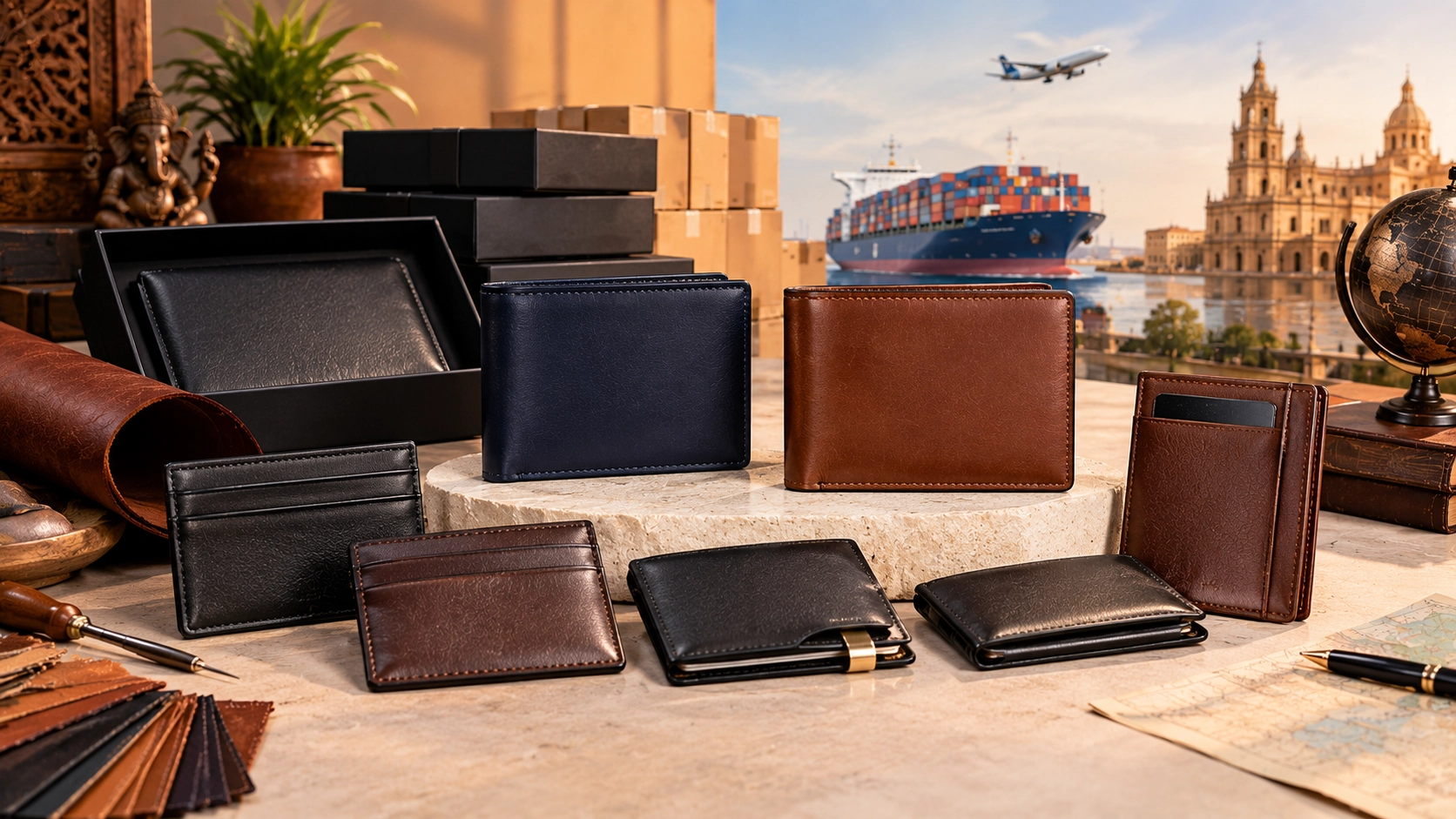
Compare packaging, carton dimensions, gross weight, shipping mode, insurance, customs requirements, freight charges, delivery terms, and expected transit time.
| Cost Area | Buyer Should Confirm |
|---|---|
| Product | Unit price and quantity tier |
| Branding | Tooling, logo, labels, and setup charges |
| Packaging | Individual and master-carton requirements |
| Freight | Air, sea, courier, or other shipping option |
| Import | Applicable customs, taxes, and clearance costs |

-
Sale!
RFID Protected Pull Strap Wallet for Cards & Cash
Original price was: $41.90.$15.19Current price is: $15.19.
You save -
Sale!
RFID Protected Pull Strap Leather Card Holder Wallet
Original price was: $41.90.$15.19Current price is: $15.19.
You save -
Sale!
RFID Protected Pull Strap Card Holder Wallet for Men Slim
Original price was: $41.90.$15.19Current price is: $15.19.
You save -
Sale!
RFID Protected Leather Card Holder Wallet for Men & Women
Original price was: $18.10.$6.39Current price is: $6.39.
You save -
Sale!
RFID Protected Pull Strap Card Holder Wallet for Secure Access
Original price was: $40.70.$14.79Current price is: $14.79.
You save -
Sale!
Slim RFID Protected Pull Strap Wallet for Cards & Cash
Original price was: $40.70.$14.79Current price is: $14.79.
You save -
Sale!
RFID Protected Pull Strap Card Holder Wallet for Daily Use
Original price was: $40.70.$14.79Current price is: $14.79.
You save -
Sale!
RFID Protected Card Holder Wallet for Secure Cards & Cash
Original price was: $27.30.$10.79Current price is: $10.79.
You save -
Sale!
RFID Protected Leather Card Holder Wallet with Slim Design
Original price was: $27.30.$10.79Current price is: $10.79.
You save -
Sale!
Slim RFID Protected Leather Card Holder Wallet for Cards
Original price was: $27.30.$10.79Current price is: $10.79.
You save -
Sale!
RFID Protected Leather Card Holder Wallet for Secure Cards
Original price was: $27.30.$10.79Current price is: $10.79.
You save -
Sale!
RFID Protected Genuine Leather Card Holder for Daily Use
Original price was: $27.30.$10.79Current price is: $10.79.
You save
-
Sale!
RFID Protected Pull Strap Wallet for Cards & Cash
Original price was: $41.90.$15.19Current price is: $15.19.
You save -
Sale!
RFID Protected Pull Strap Leather Card Holder Wallet
Original price was: $41.90.$15.19Current price is: $15.19.
You save -
Sale!
RFID Protected Pull Strap Card Holder Wallet for Men Slim
Original price was: $41.90.$15.19Current price is: $15.19.
You save -
Sale!
RFID Protected Leather Card Holder Wallet for Men & Women
Original price was: $18.10.$6.39Current price is: $6.39.
You save -
Sale!
RFID Protected Pull Strap Card Holder Wallet for Secure Access
Original price was: $40.70.$14.79Current price is: $14.79.
You save -
Sale!
Slim RFID Protected Pull Strap Wallet for Cards & Cash
Original price was: $40.70.$14.79Current price is: $14.79.
You save -
Sale!
RFID Protected Pull Strap Card Holder Wallet for Daily Use
Original price was: $40.70.$14.79Current price is: $14.79.
You save -
Sale!
RFID Protected Card Holder Wallet for Secure Cards & Cash
Original price was: $27.30.$10.79Current price is: $10.79.
You save -
Sale!
RFID Protected Leather Card Holder Wallet with Slim Design
Original price was: $27.30.$10.79Current price is: $10.79.
You save -
Sale!
Slim RFID Protected Leather Card Holder Wallet for Cards
Original price was: $27.30.$10.79Current price is: $10.79.
You save -
Sale!
RFID Protected Leather Card Holder Wallet for Secure Cards
Original price was: $27.30.$10.79Current price is: $10.79.
You save -
Sale!
RFID Protected Genuine Leather Card Holder for Daily Use
Original price was: $27.30.$10.79Current price is: $10.79.
You save
-
Sale!
RFID Protected Pull Strap Wallet for Cards & Cash
Original price was: $41.90.$15.19Current price is: $15.19.
You save -
Sale!
RFID Protected Pull Strap Leather Card Holder Wallet
Original price was: $41.90.$15.19Current price is: $15.19.
You save -
Sale!
RFID Protected Pull Strap Card Holder Wallet for Men Slim
Original price was: $41.90.$15.19Current price is: $15.19.
You save -
Sale!
RFID Protected Leather Card Holder Wallet for Men & Women
Original price was: $18.10.$6.39Current price is: $6.39.
You save -
Sale!
RFID Protected Pull Strap Card Holder Wallet for Secure Access
Original price was: $40.70.$14.79Current price is: $14.79.
You save -
Sale!
Slim RFID Protected Pull Strap Wallet for Cards & Cash
Original price was: $40.70.$14.79Current price is: $14.79.
You save -
Sale!
RFID Protected Pull Strap Card Holder Wallet for Daily Use
Original price was: $40.70.$14.79Current price is: $14.79.
You save -
Sale!
RFID Protected Card Holder Wallet for Secure Cards & Cash
Original price was: $27.30.$10.79Current price is: $10.79.
You save -
Sale!
RFID Protected Leather Card Holder Wallet with Slim Design
Original price was: $27.30.$10.79Current price is: $10.79.
You save -
Sale!
Slim RFID Protected Leather Card Holder Wallet for Cards
Original price was: $27.30.$10.79Current price is: $10.79.
You save -
Sale!
RFID Protected Leather Card Holder Wallet for Secure Cards
Original price was: $27.30.$10.79Current price is: $10.79.
You save -
Sale!
RFID Protected Genuine Leather Card Holder for Daily Use
Original price was: $27.30.$10.79Current price is: $10.79.
You save
-
Sale!
RFID Protected Pull Strap Wallet for Cards & Cash
Original price was: $41.90.$15.19Current price is: $15.19.
You save -
Sale!
RFID Protected Pull Strap Leather Card Holder Wallet
Original price was: $41.90.$15.19Current price is: $15.19.
You save -
Sale!
RFID Protected Pull Strap Card Holder Wallet for Men Slim
Original price was: $41.90.$15.19Current price is: $15.19.
You save -
Sale!
RFID Protected Leather Card Holder Wallet for Men & Women
Original price was: $18.10.$6.39Current price is: $6.39.
You save
-
Sale!
RFID Protected Pull Strap Wallet for Cards & Cash
Original price was: $41.90.$15.19Current price is: $15.19.
You save -
Sale!
RFID Protected Pull Strap Leather Card Holder Wallet
Original price was: $41.90.$15.19Current price is: $15.19.
You save -
Sale!
RFID Protected Pull Strap Card Holder Wallet for Men Slim
Original price was: $41.90.$15.19Current price is: $15.19.
You save -
Sale!
RFID Protected Leather Card Holder Wallet for Men & Women
Original price was: $18.10.$6.39Current price is: $6.39.
You save
-
Sale!
RFID Protected Pull Strap Wallet for Cards & Cash
Original price was: $41.90.$15.19Current price is: $15.19.
You save -
Sale!
RFID Protected Pull Strap Leather Card Holder Wallet
Original price was: $41.90.$15.19Current price is: $15.19.
You save -
Sale!
RFID Protected Pull Strap Card Holder Wallet for Men Slim
Original price was: $41.90.$15.19Current price is: $15.19.
You save -
Sale!
RFID Protected Leather Card Holder Wallet for Men & Women
Original price was: $18.10.$6.39Current price is: $6.39.
You save
-
Sale!
RFID Protected Pull Strap Wallet for Cards & Cash
Original price was: $41.90.$15.19Current price is: $15.19.
You save -
Sale!
RFID Protected Pull Strap Leather Card Holder Wallet
Original price was: $41.90.$15.19Current price is: $15.19.
You save -
Sale!
RFID Protected Pull Strap Card Holder Wallet for Men Slim
Original price was: $41.90.$15.19Current price is: $15.19.
You save -
Sale!
RFID Protected Leather Card Holder Wallet for Men & Women
Original price was: $18.10.$6.39Current price is: $6.39.
You save -
Sale!
RFID Protected Pull Strap Card Holder Wallet for Secure Access
Original price was: $40.70.$14.79Current price is: $14.79.
You save -
Sale!
Slim RFID Protected Pull Strap Wallet for Cards & Cash
Original price was: $40.70.$14.79Current price is: $14.79.
You save -
Sale!
RFID Protected Pull Strap Card Holder Wallet for Daily Use
Original price was: $40.70.$14.79Current price is: $14.79.
You save -
Sale!
RFID Protected Card Holder Wallet for Secure Cards & Cash
Original price was: $27.30.$10.79Current price is: $10.79.
You save -
Sale!
RFID Protected Leather Card Holder Wallet with Slim Design
Original price was: $27.30.$10.79Current price is: $10.79.
You save -
Sale!
Slim RFID Protected Leather Card Holder Wallet for Cards
Original price was: $27.30.$10.79Current price is: $10.79.
You save -
Sale!
RFID Protected Leather Card Holder Wallet for Secure Cards
Original price was: $27.30.$10.79Current price is: $10.79.
You save -
Sale!
RFID Protected Genuine Leather Card Holder for Daily Use
Original price was: $27.30.$10.79Current price is: $10.79.
You save
-
Sale!
RFID Protected Pull Strap Wallet for Cards & Cash
Original price was: $41.90.$15.19Current price is: $15.19.
You save -
Sale!
RFID Protected Pull Strap Leather Card Holder Wallet
Original price was: $41.90.$15.19Current price is: $15.19.
You save -
Sale!
RFID Protected Pull Strap Card Holder Wallet for Men Slim
Original price was: $41.90.$15.19Current price is: $15.19.
You save -
Sale!
RFID Protected Leather Card Holder Wallet for Men & Women
Original price was: $18.10.$6.39Current price is: $6.39.
You save -
Sale!
RFID Protected Pull Strap Card Holder Wallet for Secure Access
Original price was: $40.70.$14.79Current price is: $14.79.
You save -
Sale!
Slim RFID Protected Pull Strap Wallet for Cards & Cash
Original price was: $40.70.$14.79Current price is: $14.79.
You save -
Sale!
RFID Protected Pull Strap Card Holder Wallet for Daily Use
Original price was: $40.70.$14.79Current price is: $14.79.
You save -
Sale!
RFID Protected Card Holder Wallet for Secure Cards & Cash
Original price was: $27.30.$10.79Current price is: $10.79.
You save -
Sale!
RFID Protected Leather Card Holder Wallet with Slim Design
Original price was: $27.30.$10.79Current price is: $10.79.
You save -
Sale!
Slim RFID Protected Leather Card Holder Wallet for Cards
Original price was: $27.30.$10.79Current price is: $10.79.
You save -
Sale!
RFID Protected Leather Card Holder Wallet for Secure Cards
Original price was: $27.30.$10.79Current price is: $10.79.
You save -
Sale!
RFID Protected Genuine Leather Card Holder for Daily Use
Original price was: $27.30.$10.79Current price is: $10.79.
You save
-
Sale!
RFID Protected Pull Strap Wallet for Cards & Cash
Original price was: $41.90.$15.19Current price is: $15.19.
You save -
Sale!
RFID Protected Pull Strap Leather Card Holder Wallet
Original price was: $41.90.$15.19Current price is: $15.19.
You save -
Sale!
RFID Protected Pull Strap Card Holder Wallet for Men Slim
Original price was: $41.90.$15.19Current price is: $15.19.
You save -
Sale!
RFID Protected Leather Card Holder Wallet for Men & Women
Original price was: $18.10.$6.39Current price is: $6.39.
You save -
Sale!
RFID Protected Pull Strap Card Holder Wallet for Secure Access
Original price was: $40.70.$14.79Current price is: $14.79.
You save -
Sale!
Slim RFID Protected Pull Strap Wallet for Cards & Cash
Original price was: $40.70.$14.79Current price is: $14.79.
You save -
Sale!
RFID Protected Pull Strap Card Holder Wallet for Daily Use
Original price was: $40.70.$14.79Current price is: $14.79.
You save -
Sale!
RFID Protected Card Holder Wallet for Secure Cards & Cash
Original price was: $27.30.$10.79Current price is: $10.79.
You save -
Sale!
RFID Protected Leather Card Holder Wallet with Slim Design
Original price was: $27.30.$10.79Current price is: $10.79.
You save -
Sale!
Slim RFID Protected Leather Card Holder Wallet for Cards
Original price was: $27.30.$10.79Current price is: $10.79.
You save -
Sale!
RFID Protected Leather Card Holder Wallet for Secure Cards
Original price was: $27.30.$10.79Current price is: $10.79.
You save -
Sale!
RFID Protected Genuine Leather Card Holder for Daily Use
Original price was: $27.30.$10.79Current price is: $10.79.
You save

11. Verify the Exporter's Track Record
Supplier verification is one of the most important steps in international sourcing.
Look beyond a polished website. Evaluate the company's history, manufacturing information, product portfolio, certifications, export markets, business identity, and responsiveness.
Exalter Global Co. traces its leather manufacturing foundation to Kolkata and presents more than four decades of company history. Its export-focused leather operation also identifies international certifications and memberships relevant to global buyers.
For a buyer comparing several Indian suppliers, these details can help establish whether the exporter has a genuine long-term manufacturing operation.
Supplier Verification Checklist
- Verify the legal business name.
- Check the company's physical business presence.
- Review manufacturing capabilities.
- Request recent product samples.
- Review available certifications and audit information.
- Confirm export experience.
- Check whether commercial terms are clearly documented.
- Confirm communication and escalation procedures.
- Compare references where available.
12. Compare Suppliers Using a Buyer Scorecard
When several suppliers look similar, use a structured scorecard instead of choosing based on price.
| Evaluation Area | Suggested Priority | What Good Looks Like |
|---|---|---|
| Leather quality | Very High | Consistent approved specification |
| Manufacturing | Very High | Documented production capability |
| Quality control | Very High | Defined inspection process |
| MOQ | High | Matches business scale |
| Customization | High | Flexible private-label capability |
| Documentation | High | Clear export documentation |
| Logistics | High | Predictable shipment planning |
| Price | Medium | Competitive total landed value |
13. Why Exalter Global Co. Can Be Considered for Spain
For buyers seeking a leather wallet exporter from India to Spain, Exalter Global Co. combines manufacturing, private-label capability, product development, and international trade support.
The company focuses on leather goods manufacturing while supporting global brands, wholesalers, retailers, distributors, and emerging businesses.
Its wallet portfolio covers practical and commercial categories such as bifold wallets, slim wallets, card holders, RFID wallets, money clip wallets, coin pocket wallets, and other everyday leather designs.
For buyers wanting to evaluate finished designs, the Brooklyn Bridge genuine leather wallet collection provides an example of the product development range.
For RFID-focused sourcing, buyers can also review the Exalter Vachette RFID leather wallet range as a reference for commercial product development.
Exalter Global Co. and Its Brands
The company remains the primary manufacturing and export partner, while its brands provide additional product and market perspectives.
Exalter Global Co.: The core manufacturing and export company, focused on production, sourcing, customization, and international B2B supply.
Exalter Vachette: A leather goods brand and manufacturing-facing division representing premium leather products and custom production capabilities.
Brooklyn Bridge: A consumer-facing leather goods brand offering practical wallet designs that can also provide useful product references for wholesale and private-label discussions.
14. A Practical Buying Process for Spanish Importers
- Define your product: Specify leather, dimensions, construction, colour, branding, and packaging.
- Shortlist exporters: Compare manufacturers with proven leather wallet capabilities.
- Request quotations: Ask for price tiers, MOQ, tooling, packaging, and lead times.
- Order samples: Evaluate physical quality before committing to production.
- Approve specifications: Create a written production reference.
- Confirm compliance: Identify applicable EU and Spanish market requirements.
- Confirm logistics: Agree shipping terms and required documents.
- Place the order: Confirm commercial terms in writing.
- Inspect production: Use agreed quality standards before dispatch.
- Review delivery: Evaluate quality, documentation, communication, and delivery performance.
15. Red Flags to Avoid
- Prices that are dramatically below comparable suppliers.
- No physical samples before bulk production.
- Unclear leather specifications.
- Unwillingness to provide business documentation.
- Unclear MOQ or changing commercial terms.
- No defined quality-control process.
- Unclear production timelines.
- Inability to explain export documentation.
- Unwillingness to document approved specifications.
Frequently Asked Questions
How do I choose the best leather wallet exporter from India?
Compare leather quality, manufacturing capability, MOQ, customization, quality control, documentation, logistics, certifications, and export experience. Always validate the supplier with samples before bulk production.
What should Spain buyers ask an Indian leather wallet manufacturer?
Ask about leather specifications, MOQ, sample development, branding, production capacity, quality control, lead time, packaging, export documents, shipping terms, and applicable EU compliance requirements.
Can an Indian manufacturer produce private-label leather wallets for Spain?
Yes. Indian manufacturers can support private-label production when they have the required product development, branding, sampling, and manufacturing capabilities. Requirements should be confirmed before quotation.
What MOQ should a Spanish wallet importer expect?
MOQ varies by design, material, branding, packaging, and production requirements. Buyers should request a project-specific MOQ rather than relying on a general supplier figure.
Should I choose a manufacturer or trading company?
A direct manufacturer can provide stronger control over production, customization, quality, and repeatability. However, the right choice depends on the buyer's product and sourcing model.
What leather wallet categories can Spanish buyers source from India?
Common categories include bifold wallets, slim wallets, card holders, RFID wallets, money clip wallets, coin pocket wallets, ID wallets, travel wallets, and custom private-label designs.
Final Buyer Checklist
Before selecting your leather wallet supplier, confirm these points:
- Manufacturer identity verified
- Leather specification approved
- Sample physically inspected
- MOQ commercially suitable
- Private-label requirements confirmed
- Logo and packaging approved
- Quality-control process documented
- EU compliance requirements reviewed
- Export documentation confirmed
- Shipping terms agreed
- Production timeline confirmed
- Bulk order specification documented
Build a Reliable India-to-Spain Supply Partnership
The best leather wallet exporter is not necessarily the supplier with the lowest quotation. It is the supplier that can consistently deliver the right product, quality, documentation, customization, and service.
For Spanish buyers, the strongest sourcing strategy is to evaluate manufacturing capability first, approve the product through sampling, document every specification, and then compare total commercial value.
Exalter Global Co. brings together leather manufacturing experience, private-label production, scalable supply, and international export capability. Buyers can begin by reviewing the company's leather wallet manufacturing capabilities and then discussing their required design, quantity, branding, and delivery specifications.
For a custom leather wallet sourcing project from India to Spain, a clear technical brief is the best starting point. It allows both buyer and manufacturer to align product expectations before commercial production begins.
-
Sale!
RFID Protected Pull Strap Wallet for Cards & Cash
Original price was: $41.90.$15.19Current price is: $15.19.
You save -
Sale!
RFID Protected Pull Strap Leather Card Holder Wallet
Original price was: $41.90.$15.19Current price is: $15.19.
You save -
Sale!
RFID Protected Pull Strap Card Holder Wallet for Men Slim
Original price was: $41.90.$15.19Current price is: $15.19.
You save -
Sale!
RFID Protected Leather Card Holder Wallet for Men & Women
Original price was: $18.10.$6.39Current price is: $6.39.
You save -
Sale!
RFID Protected Pull Strap Card Holder Wallet for Secure Access
Original price was: $40.70.$14.79Current price is: $14.79.
You save -
Sale!
Slim RFID Protected Pull Strap Wallet for Cards & Cash
Original price was: $40.70.$14.79Current price is: $14.79.
You save -
Sale!
RFID Protected Pull Strap Card Holder Wallet for Daily Use
Original price was: $40.70.$14.79Current price is: $14.79.
You save -
Sale!
RFID Protected Card Holder Wallet for Secure Cards & Cash
Original price was: $27.30.$10.79Current price is: $10.79.
You save -
Sale!
RFID Protected Leather Card Holder Wallet with Slim Design
Original price was: $27.30.$10.79Current price is: $10.79.
You save -
Sale!
Slim RFID Protected Leather Card Holder Wallet for Cards
Original price was: $27.30.$10.79Current price is: $10.79.
You save -
Sale!
RFID Protected Leather Card Holder Wallet for Secure Cards
Original price was: $27.30.$10.79Current price is: $10.79.
You save -
Sale!
RFID Protected Genuine Leather Card Holder for Daily Use
Original price was: $27.30.$10.79Current price is: $10.79.
You save
-
Sale!
RFID Protected Pull Strap Wallet for Cards & Cash
Original price was: $41.90.$15.19Current price is: $15.19.
You save -
Sale!
RFID Protected Pull Strap Leather Card Holder Wallet
Original price was: $41.90.$15.19Current price is: $15.19.
You save -
Sale!
RFID Protected Pull Strap Card Holder Wallet for Men Slim
Original price was: $41.90.$15.19Current price is: $15.19.
You save -
Sale!
RFID Protected Leather Card Holder Wallet for Men & Women
Original price was: $18.10.$6.39Current price is: $6.39.
You save -
Sale!
RFID Protected Pull Strap Card Holder Wallet for Secure Access
Original price was: $40.70.$14.79Current price is: $14.79.
You save -
Sale!
Slim RFID Protected Pull Strap Wallet for Cards & Cash
Original price was: $40.70.$14.79Current price is: $14.79.
You save -
Sale!
RFID Protected Pull Strap Card Holder Wallet for Daily Use
Original price was: $40.70.$14.79Current price is: $14.79.
You save -
Sale!
RFID Protected Card Holder Wallet for Secure Cards & Cash
Original price was: $27.30.$10.79Current price is: $10.79.
You save -
Sale!
RFID Protected Leather Card Holder Wallet with Slim Design
Original price was: $27.30.$10.79Current price is: $10.79.
You save -
Sale!
Slim RFID Protected Leather Card Holder Wallet for Cards
Original price was: $27.30.$10.79Current price is: $10.79.
You save -
Sale!
RFID Protected Leather Card Holder Wallet for Secure Cards
Original price was: $27.30.$10.79Current price is: $10.79.
You save -
Sale!
RFID Protected Genuine Leather Card Holder for Daily Use
Original price was: $27.30.$10.79Current price is: $10.79.
You save
-
Sale!
RFID Protected Pull Strap Wallet for Cards & Cash
Original price was: $41.90.$15.19Current price is: $15.19.
You save -
Sale!
RFID Protected Pull Strap Leather Card Holder Wallet
Original price was: $41.90.$15.19Current price is: $15.19.
You save -
Sale!
RFID Protected Pull Strap Card Holder Wallet for Men Slim
Original price was: $41.90.$15.19Current price is: $15.19.
You save -
Sale!
RFID Protected Leather Card Holder Wallet for Men & Women
Original price was: $18.10.$6.39Current price is: $6.39.
You save -
Sale!
RFID Protected Pull Strap Card Holder Wallet for Secure Access
Original price was: $40.70.$14.79Current price is: $14.79.
You save -
Sale!
Slim RFID Protected Pull Strap Wallet for Cards & Cash
Original price was: $40.70.$14.79Current price is: $14.79.
You save -
Sale!
RFID Protected Pull Strap Card Holder Wallet for Daily Use
Original price was: $40.70.$14.79Current price is: $14.79.
You save -
Sale!
RFID Protected Card Holder Wallet for Secure Cards & Cash
Original price was: $27.30.$10.79Current price is: $10.79.
You save -
Sale!
RFID Protected Leather Card Holder Wallet with Slim Design
Original price was: $27.30.$10.79Current price is: $10.79.
You save -
Sale!
Slim RFID Protected Leather Card Holder Wallet for Cards
Original price was: $27.30.$10.79Current price is: $10.79.
You save -
Sale!
RFID Protected Leather Card Holder Wallet for Secure Cards
Original price was: $27.30.$10.79Current price is: $10.79.
You save -
Sale!
RFID Protected Genuine Leather Card Holder for Daily Use
Original price was: $27.30.$10.79Current price is: $10.79.
You save

Leather Wallet Exporter from India to Saudi Arabia: Complete B2B Buyer Guide (2026)
Leather Wallet Exporter from India to Belgium: Complete B2B Buyer Guide (2026)
Leather Wallet Exporter from India to Hong Kong: Complete B2B Buying Guide
Leather Wallet Exporter from India to France: Complete B2B Buyer Guide
Leather Wallet Exporter from India to Canada: Complete B2B Buying Guide
Leather Wallet Exporter from India to UAE: Complete B2B Buyer Guide
Leather Wallet Exporter from India to Italy: Complete B2B Guide
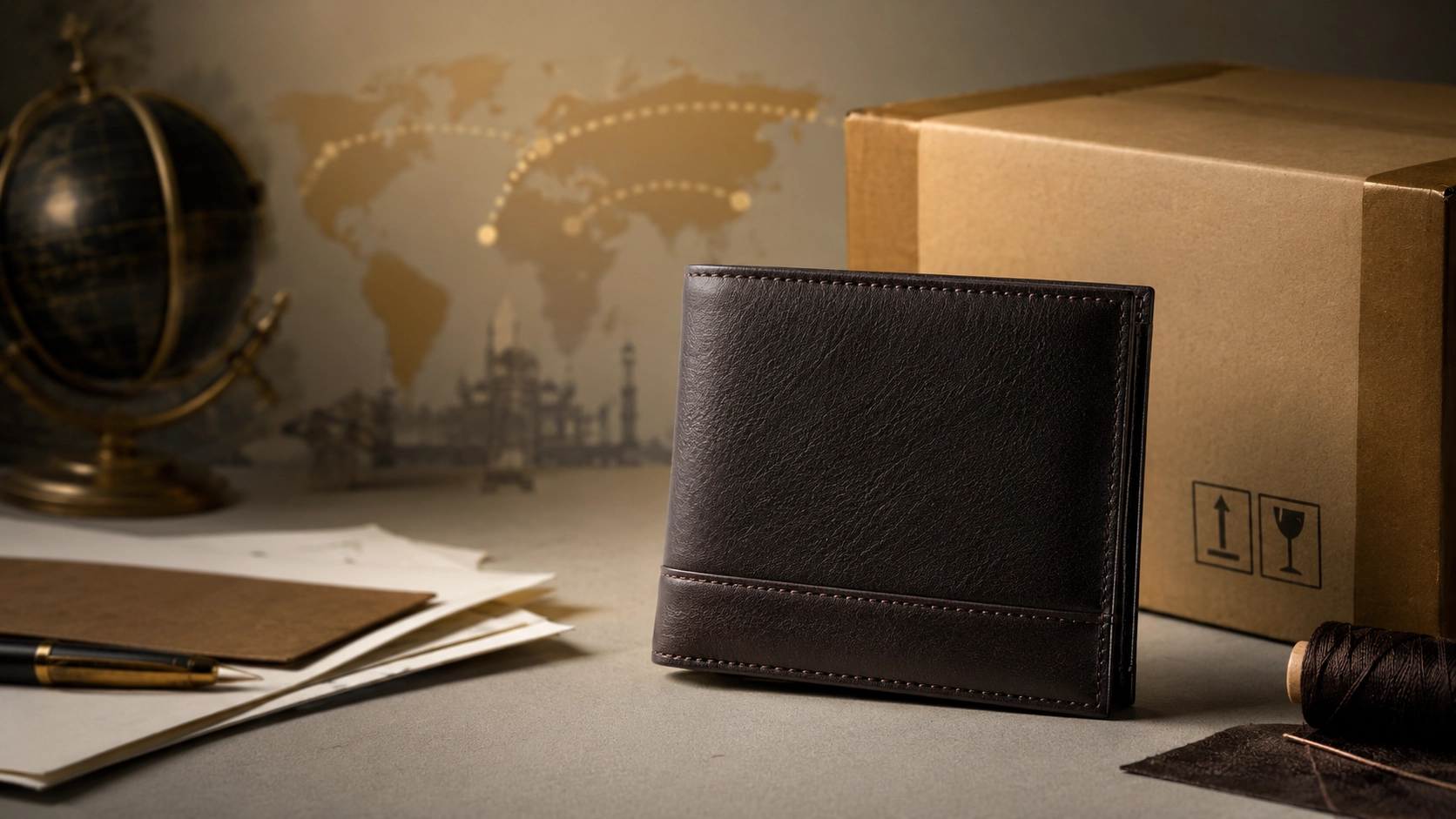
Leather Wallet Exporter from India to Netherlands: Complete B2B Buying Guide
Leather Wallet Exporter from India to Australia: Complete B2B Buying Guide

How to Export Leather Wallets from India to Germany: Complete B2B Guide

How to Choose the Best Leather Wallet Exporter from India to USA (2026 Guide)