-
Sale!
RFID Protected Pull Strap Wallet for Cards & Cash
Original price was: $41.90.$15.19Current price is: $15.19.
You save -
Sale!
RFID Protected Pull Strap Leather Card Holder Wallet
Original price was: $41.90.$15.19Current price is: $15.19.
You save -
Sale!
RFID Protected Pull Strap Card Holder Wallet for Men Slim
Original price was: $41.90.$15.19Current price is: $15.19.
You save -
Sale!
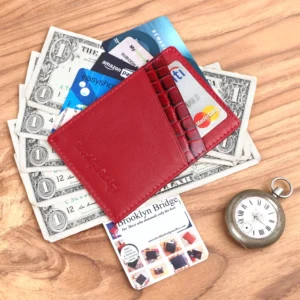
RFID Protected Leather Card Holder Wallet for Men & Women
Original price was: $18.10.$6.39Current price is: $6.39.
You save -
Sale!
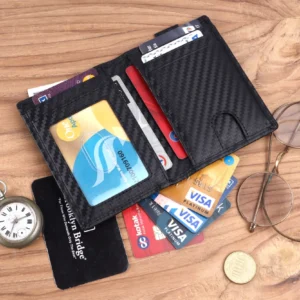
RFID Protected Pull Strap Card Holder Wallet for Secure Access
Original price was: $40.70.$14.79Current price is: $14.79.
You save -
Sale!
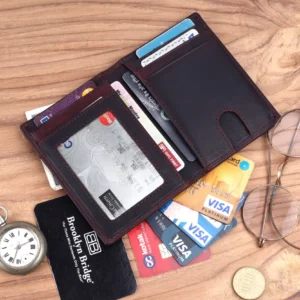
Slim RFID Protected Pull Strap Wallet for Cards & Cash
Original price was: $40.70.$14.79Current price is: $14.79.
You save -
Sale!
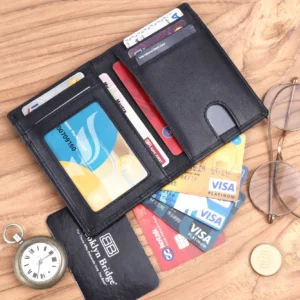
RFID Protected Pull Strap Card Holder Wallet for Daily Use
Original price was: $40.70.$14.79Current price is: $14.79.
You save -
Sale!
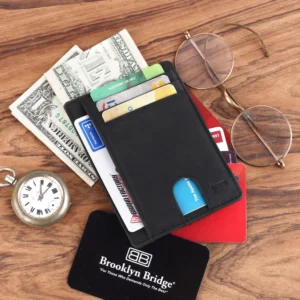
RFID Protected Card Holder Wallet for Secure Cards & Cash
Original price was: $27.30.$10.79Current price is: $10.79.
You save -
Sale!
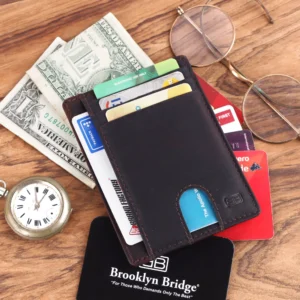
RFID Protected Leather Card Holder Wallet with Slim Design
Original price was: $27.30.$10.79Current price is: $10.79.
You save -
Sale!
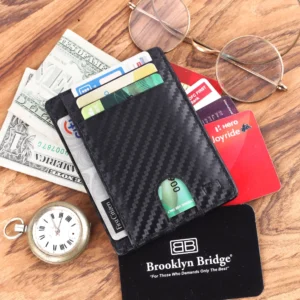
Slim RFID Protected Leather Card Holder Wallet for Cards
Original price was: $27.30.$10.79Current price is: $10.79.
You save -
Sale!
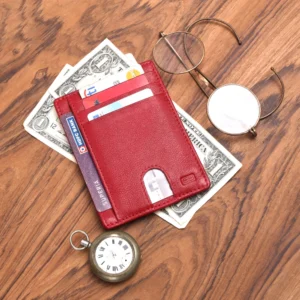
RFID Protected Leather Card Holder Wallet for Secure Cards
Original price was: $27.30.$10.79Current price is: $10.79.
You save -
Sale!
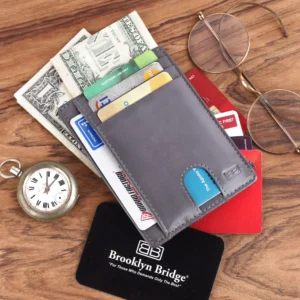
RFID Protected Genuine Leather Card Holder for Daily Use
Original price was: $27.30.$10.79Current price is: $10.79.
You save
-
Sale!
RFID Protected Pull Strap Wallet for Cards & Cash
Original price was: $41.90.$15.19Current price is: $15.19.
You save -
Sale!
RFID Protected Pull Strap Leather Card Holder Wallet
Original price was: $41.90.$15.19Current price is: $15.19.
You save -
Sale!
RFID Protected Pull Strap Card Holder Wallet for Men Slim
Original price was: $41.90.$15.19Current price is: $15.19.
You save -
Sale!
RFID Protected Leather Card Holder Wallet for Men & Women
Original price was: $18.10.$6.39Current price is: $6.39.
You save -
Sale!
RFID Protected Pull Strap Card Holder Wallet for Secure Access
Original price was: $40.70.$14.79Current price is: $14.79.
You save -
Sale!
Slim RFID Protected Pull Strap Wallet for Cards & Cash
Original price was: $40.70.$14.79Current price is: $14.79.
You save -
Sale!
RFID Protected Pull Strap Card Holder Wallet for Daily Use
Original price was: $40.70.$14.79Current price is: $14.79.
You save -
Sale!
RFID Protected Card Holder Wallet for Secure Cards & Cash
Original price was: $27.30.$10.79Current price is: $10.79.
You save -
Sale!
RFID Protected Leather Card Holder Wallet with Slim Design
Original price was: $27.30.$10.79Current price is: $10.79.
You save -
Sale!
Slim RFID Protected Leather Card Holder Wallet for Cards
Original price was: $27.30.$10.79Current price is: $10.79.
You save -
Sale!
RFID Protected Leather Card Holder Wallet for Secure Cards
Original price was: $27.30.$10.79Current price is: $10.79.
You save -
Sale!
RFID Protected Genuine Leather Card Holder for Daily Use
Original price was: $27.30.$10.79Current price is: $10.79.
You save
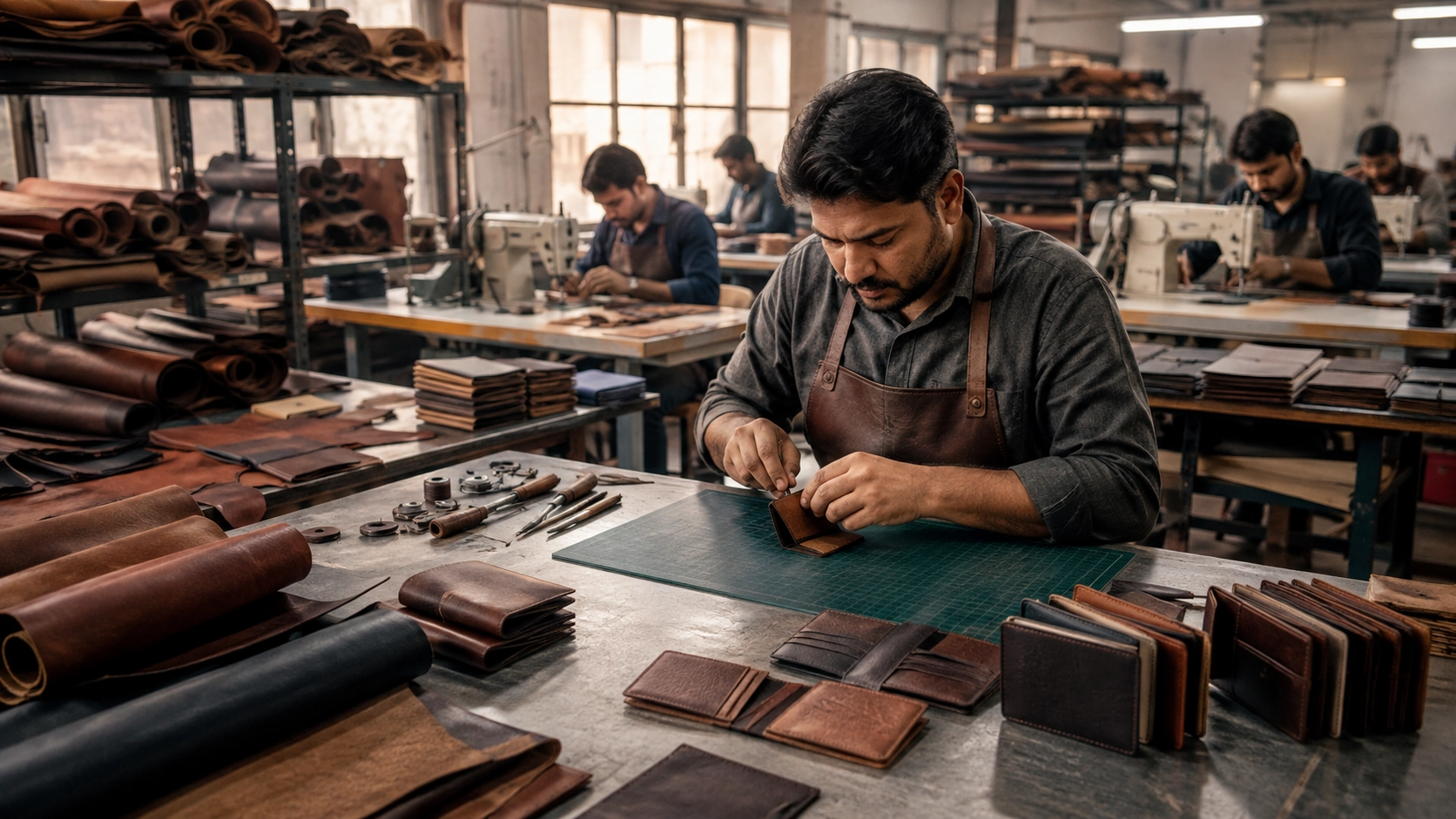
Table of Contents
How to Choose the Best Leather Wallet Exporter from India to Japan
Choosing a leather wallet exporter is not simply about comparing prices. For Japanese importers, wholesalers, retailers, and private-label brands, the right manufacturing partner must deliver consistent quality, reliable communication, accurate specifications, and dependable export coordination.
A wallet may look impressive in a catalogue but reveal uneven stitching, inconsistent colour, weak edge finishing, or poor dimensional accuracy after delivery. These issues can affect customer satisfaction, retailer relationships, and repeat orders.
Before selecting an Indian leather wallet exporter for Japan, buyers should verify manufacturing capabilities, request representative samples, define measurable quality standards, and assess the supplier's export documentation process.
Exalter Global Co., based in Kolkata, India, supports international buyers through leather wallet manufacturing, product development, private-label customization, and export-oriented supply. Its leather goods brands, Exalter Vachette and Brooklyn Bridge, offer additional reference points for buyers evaluating product styles and market positioning.
Quick Answer: How to Choose a Leather Wallet Exporter from India to Japan
Follow these eight steps to evaluate a potential supplier before placing a commercial order:
- Verify the company's identity, manufacturing capabilities, and business credentials.
- Review relevant product categories, leather options, and construction methods.
- Request physical samples and evaluate workmanship against a written checklist.
- Confirm material specifications, dimensions, colours, and customization options.
- Assess quality-control procedures and the supplier's ability to maintain consistency.
- Review quotations, minimum order quantities, payment terms, and total landed cost.
- Confirm export documentation, shipping arrangements, and Japanese import requirements.
- Approve a production sample, establish inspection criteria, and begin with a suitable order quantity.
The best leather wallet supplier for Japan is one whose documented capabilities, product quality, commercial terms, and communication meet your specific business requirements. A low quotation alone is not sufficient evidence of supplier suitability.
Why Choosing the Right Indian Leather Wallet Exporter Matters
Japan-bound sourcing requires a clear understanding of product expectations, purchasing requirements, and the responsibilities shared between exporter and importer. Japanese buyers may operate department-store supply chains, specialty boutiques, online retail businesses, promotional merchandise programmes, or private-label brands. Each channel has different priorities.
One buyer may prioritize premium leather and refined finishing. Another may require compact cardholders, consistent colours, competitive wholesale pricing, and packaging suitable for e-commerce fulfilment.
For both established businesses and emerging brands, a capable leather wallet supplier for Japan should be able to translate these requirements into repeatable product specifications and an agreed production process.
What Japanese buyers should evaluate
- Material consistency: Leather type, surface appearance, thickness, colour, and finish should match approved specifications.
- Construction quality: Stitching, pocket alignment, edge treatment, folding, and hardware attachment should be assessed.
- Functional performance: Card slots, cash compartments, closures, and other features should work as intended.
- Production reliability: The supplier should explain capacity, lead times, sampling, and quality checks.
- Commercial transparency: Quotations should clearly define product specifications, quantities, packaging, and shipping terms.
- Export readiness: Documentation, product descriptions, origin details, and shipment coordination should be handled accurately.
These criteria help buyers distinguish a dependable manufacturing partner from a supplier whose capabilities are difficult to verify.
Step 1: Verify the Exporter's Manufacturing Credentials
Begin with evidence rather than promotional claims. A professional website is useful, but it should be supported by clear information about manufacturing, product development, quality assurance, and export operations.
Ask whether the company manufactures wallets directly, manages production through partner facilities, or primarily trades finished products. Each model can be commercially valid, but the responsibilities and controls differ.
Documents and evidence to request
- Registered business details and verifiable company contact information.
- Applicable export registrations and documentation capabilities.
- Current, independently verifiable certifications or audit records where relevant.
- Product photographs, material specifications, and representative samples.
- Evidence of production processes and inspection checkpoints.
- References or case studies that the supplier is authorized to share.
Check the issuing organization, validity period, scope, and legal entity named on each certification. Do not treat a logo displayed on a website as conclusive proof of current certification.
Exalter Global Co. presents itself as a leather goods manufacturer and exporter serving international buyers. Its company background and manufacturing story provide an initial reference for understanding its business history and operating approach.
Buyers should independently verify any credentials material to their procurement policy before relying on them for supplier approval.
Step 2: Assess Product Range and Leather Expertise
A suitable exporter should understand how materials, construction, and design influence the finished wallet. This matters when sourcing several styles or developing a private-label collection for Japan.
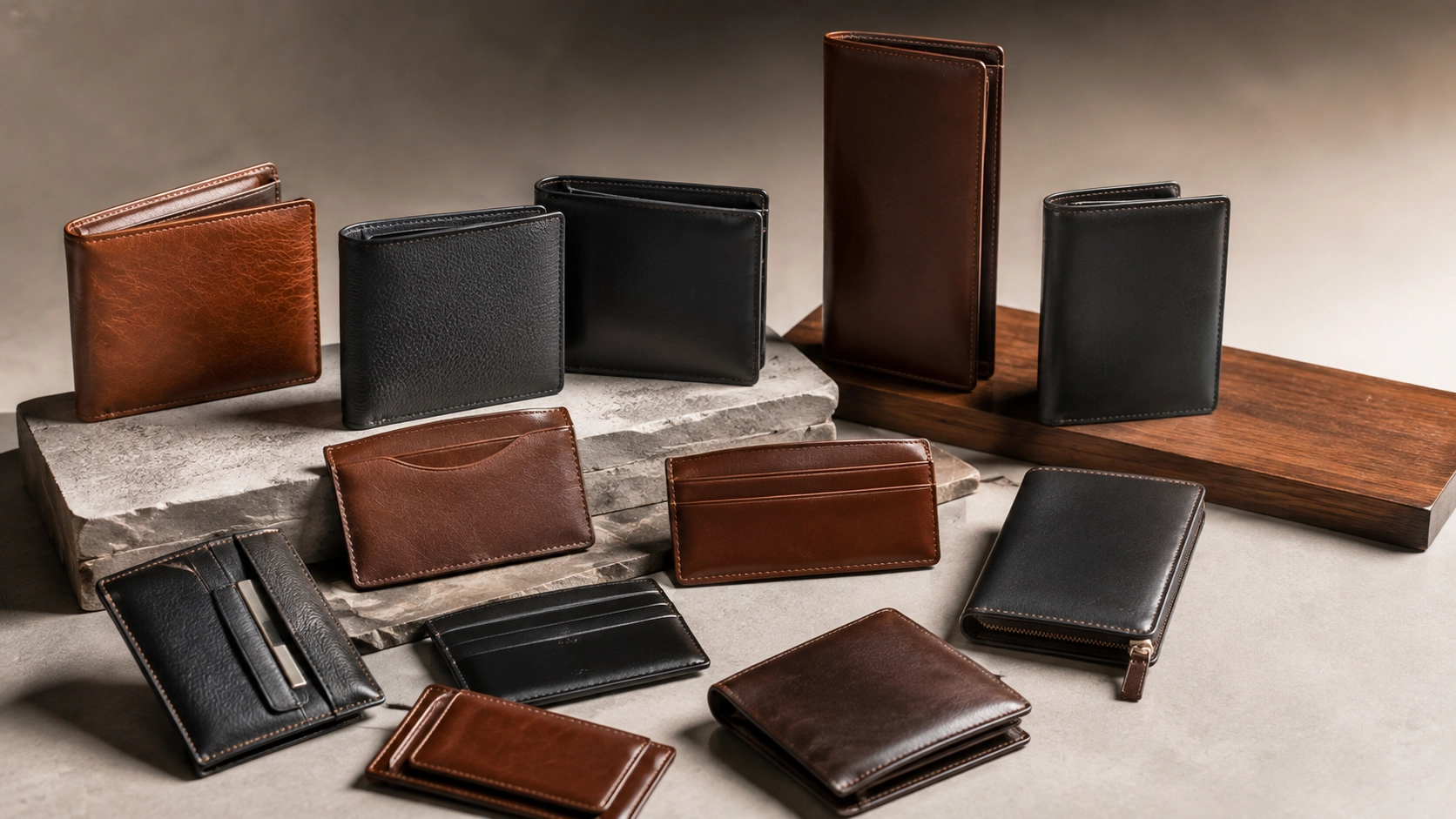
Start by matching the supplier's existing capabilities to your product brief. Review whether it can support bifold wallets, trifold wallets, slim wallets, cardholders, money-clip wallets, coin-pocket designs, and other required formats.
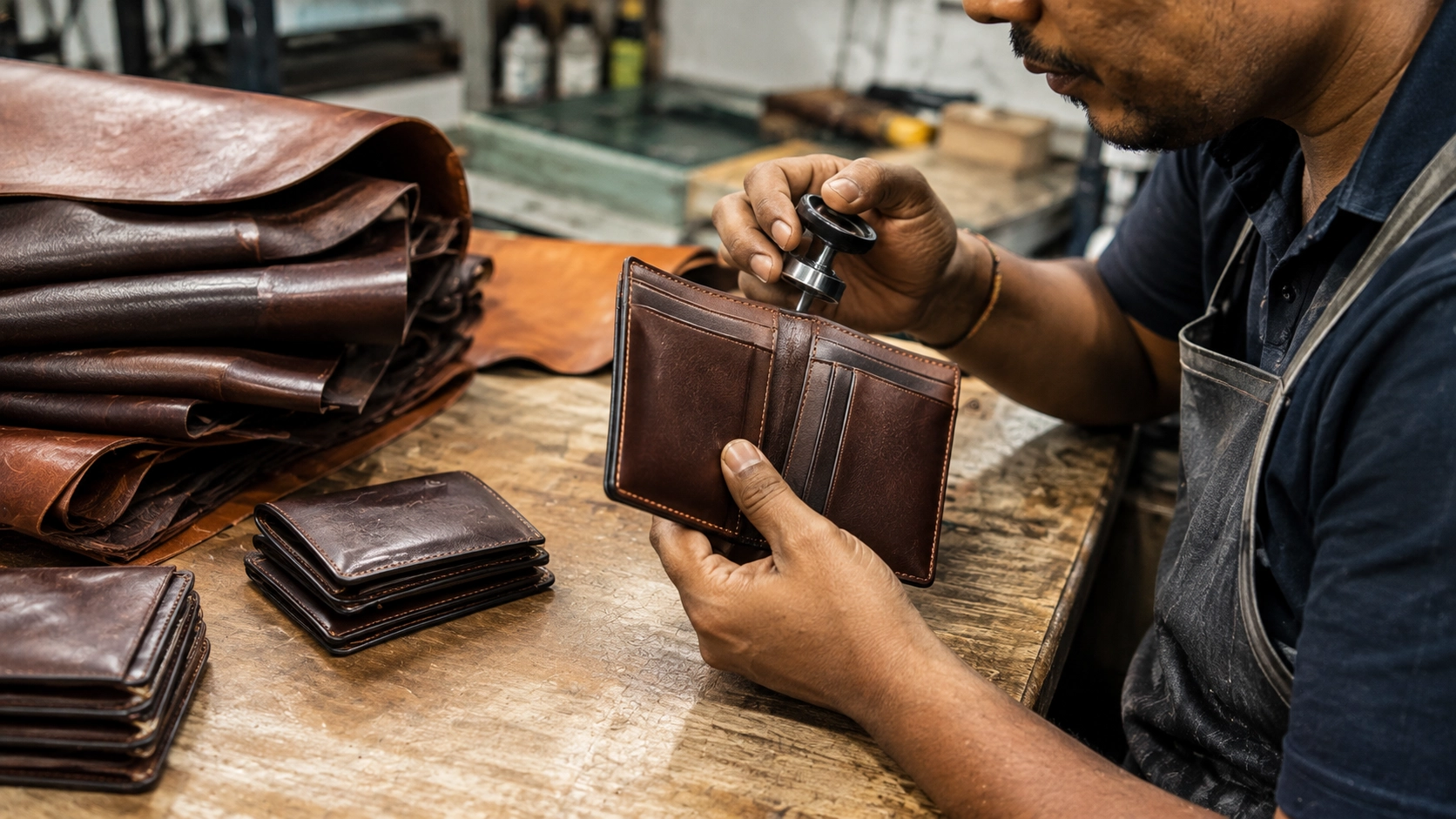
Exalter Global Co.'s leather wallet manufacturing and private-label capabilities are a useful starting point for buyers exploring product categories and customization options.
Understand the material before comparing quotations
The term leather can describe materials with significantly different characteristics. Request an explicit material specification instead of relying on general labels such as premium or genuine leather.
- Full-grain leather: Retains the natural grain surface and may show individual variations.
- Top-grain leather: The grain surface has been refined or corrected to varying degrees, depending on the product.
- Nappa leather: Generally associated with a soft hand feel, although actual properties depend on the hide and finishing process.
- Pebbled leather: Has a textured surface that may help create a distinctive appearance.
- Coated or synthetic alternatives: Can provide different cost, appearance, and maintenance characteristics, but should not be misrepresented as genuine leather.
Ask for the precise material composition, surface treatment, thickness range, colour reference, and any available test information relevant to your product.
For a closer look at the company's leather goods offering, visit Exalter Vachette's leather goods collection. Use actual samples and confirmed specifications to make the final sourcing decision.
-
Sale!
RFID Protected Pull Strap Wallet for Cards & Cash
Original price was: $41.90.$15.19Current price is: $15.19.
You save -
Sale!
RFID Protected Pull Strap Leather Card Holder Wallet
Original price was: $41.90.$15.19Current price is: $15.19.
You save -
Sale!
RFID Protected Pull Strap Card Holder Wallet for Men Slim
Original price was: $41.90.$15.19Current price is: $15.19.
You save -
Sale!
RFID Protected Leather Card Holder Wallet for Men & Women
Original price was: $18.10.$6.39Current price is: $6.39.
You save -
Sale!
RFID Protected Pull Strap Card Holder Wallet for Secure Access
Original price was: $40.70.$14.79Current price is: $14.79.
You save -
Sale!
Slim RFID Protected Pull Strap Wallet for Cards & Cash
Original price was: $40.70.$14.79Current price is: $14.79.
You save -
Sale!
RFID Protected Pull Strap Card Holder Wallet for Daily Use
Original price was: $40.70.$14.79Current price is: $14.79.
You save -
Sale!
RFID Protected Card Holder Wallet for Secure Cards & Cash
Original price was: $27.30.$10.79Current price is: $10.79.
You save -
Sale!
RFID Protected Leather Card Holder Wallet with Slim Design
Original price was: $27.30.$10.79Current price is: $10.79.
You save -
Sale!
Slim RFID Protected Leather Card Holder Wallet for Cards
Original price was: $27.30.$10.79Current price is: $10.79.
You save -
Sale!
RFID Protected Leather Card Holder Wallet for Secure Cards
Original price was: $27.30.$10.79Current price is: $10.79.
You save -
Sale!
RFID Protected Genuine Leather Card Holder for Daily Use
Original price was: $27.30.$10.79Current price is: $10.79.
You save
-
Sale!
RFID Protected Pull Strap Wallet for Cards & Cash
Original price was: $41.90.$15.19Current price is: $15.19.
You save -
Sale!
RFID Protected Pull Strap Leather Card Holder Wallet
Original price was: $41.90.$15.19Current price is: $15.19.
You save -
Sale!
RFID Protected Pull Strap Card Holder Wallet for Men Slim
Original price was: $41.90.$15.19Current price is: $15.19.
You save -
Sale!
RFID Protected Leather Card Holder Wallet for Men & Women
Original price was: $18.10.$6.39Current price is: $6.39.
You save -
Sale!
RFID Protected Pull Strap Card Holder Wallet for Secure Access
Original price was: $40.70.$14.79Current price is: $14.79.
You save -
Sale!
Slim RFID Protected Pull Strap Wallet for Cards & Cash
Original price was: $40.70.$14.79Current price is: $14.79.
You save -
Sale!
RFID Protected Pull Strap Card Holder Wallet for Daily Use
Original price was: $40.70.$14.79Current price is: $14.79.
You save -
Sale!
RFID Protected Card Holder Wallet for Secure Cards & Cash
Original price was: $27.30.$10.79Current price is: $10.79.
You save -
Sale!
RFID Protected Leather Card Holder Wallet with Slim Design
Original price was: $27.30.$10.79Current price is: $10.79.
You save -
Sale!
Slim RFID Protected Leather Card Holder Wallet for Cards
Original price was: $27.30.$10.79Current price is: $10.79.
You save -
Sale!
RFID Protected Leather Card Holder Wallet for Secure Cards
Original price was: $27.30.$10.79Current price is: $10.79.
You save -
Sale!
RFID Protected Genuine Leather Card Holder for Daily Use
Original price was: $27.30.$10.79Current price is: $10.79.
You save
-
Sale!
RFID Protected Pull Strap Wallet for Cards & Cash
Original price was: $41.90.$15.19Current price is: $15.19.
You save -
Sale!
RFID Protected Pull Strap Leather Card Holder Wallet
Original price was: $41.90.$15.19Current price is: $15.19.
You save -
Sale!
RFID Protected Pull Strap Card Holder Wallet for Men Slim
Original price was: $41.90.$15.19Current price is: $15.19.
You save -
Sale!
RFID Protected Leather Card Holder Wallet for Men & Women
Original price was: $18.10.$6.39Current price is: $6.39.
You save -
Sale!
RFID Protected Pull Strap Card Holder Wallet for Secure Access
Original price was: $40.70.$14.79Current price is: $14.79.
You save -
Sale!
Slim RFID Protected Pull Strap Wallet for Cards & Cash
Original price was: $40.70.$14.79Current price is: $14.79.
You save -
Sale!
RFID Protected Pull Strap Card Holder Wallet for Daily Use
Original price was: $40.70.$14.79Current price is: $14.79.
You save -
Sale!
RFID Protected Card Holder Wallet for Secure Cards & Cash
Original price was: $27.30.$10.79Current price is: $10.79.
You save -
Sale!
RFID Protected Leather Card Holder Wallet with Slim Design
Original price was: $27.30.$10.79Current price is: $10.79.
You save -
Sale!
Slim RFID Protected Leather Card Holder Wallet for Cards
Original price was: $27.30.$10.79Current price is: $10.79.
You save -
Sale!
RFID Protected Leather Card Holder Wallet for Secure Cards
Original price was: $27.30.$10.79Current price is: $10.79.
You save -
Sale!
RFID Protected Genuine Leather Card Holder for Daily Use
Original price was: $27.30.$10.79Current price is: $10.79.
You save
Step 3: Request Physical Samples Before Confirming an Order
Samples provide a practical way to assess whether a supplier can translate a product brief into a finished wallet. They also help establish a reference standard for subsequent production.
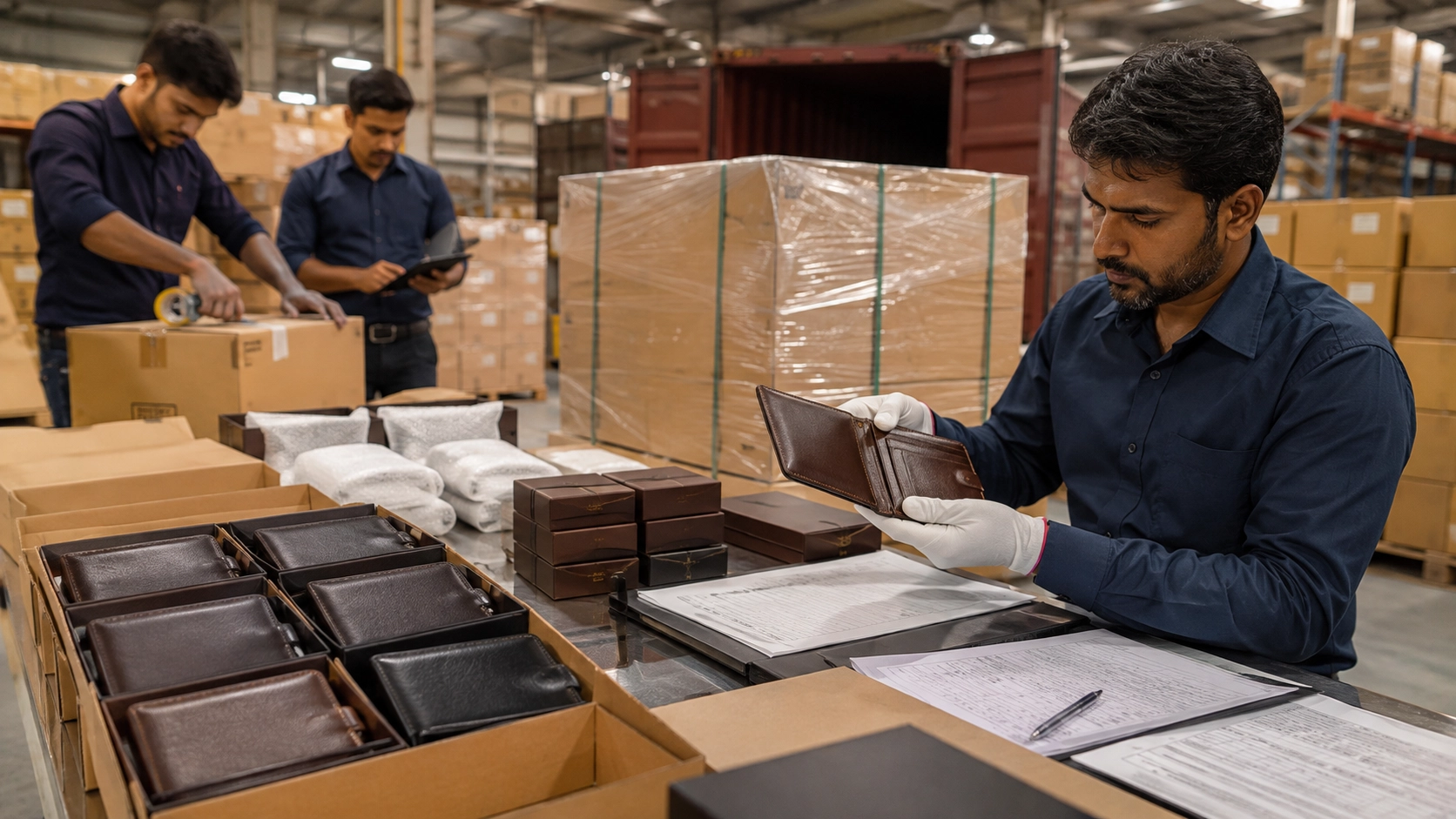
Do not approve a supplier solely from catalogue photographs or digital mockups. Images can communicate design intent, but they cannot reliably demonstrate the actual hand feel, flexibility, odour, pocket resistance, or construction quality of a wallet.
What to inspect in a leather wallet sample
- Leather surface: Check for unexpected blemishes, inconsistent finishing, excessive coating, and differences from the approved material.
- Colour consistency: Compare the sample against the agreed colour reference under consistent lighting.
- Stitching: Inspect stitch alignment, tension, spacing, loose threads, and reinforcement at stress points.
- Edges: Look for smooth finishing, consistent edge colour, secure coatings, and clean corners.
- Dimensions: Measure the closed wallet and verify thickness, pocket depth, and overall proportions.
- Functionality: Test card insertion, removal, cash compartments, closures, and any moving components.
- Internal construction: Check lining, pocket attachment, folded sections, and bonding where applicable.
- Packaging: Examine whether the proposed packaging protects the wallet during handling and transportation.
Record findings in a sample evaluation sheet. Photograph any defects and request written confirmation of the corrections required.
Approve a controlled reference sample
Once the sample meets your requirements, document its material, colour, dimensions, stitching, branding, hardware, and packaging. Retain an approved physical reference where practical.
Ask the exporter to confirm that bulk production will follow the approved specifications. Any subsequent change should be reviewed and authorized before implementation.
Step 4: Evaluate Customization and Private-Label Capabilities
Private-label buyers need more than a standard wallet with a different logo. They may require adjustments to dimensions, pocket layouts, leather finishes, hardware, lining, packaging, and branding placement.
Before choosing a leather wallet exporter from India to Japan, establish how the supplier handles design development, sample revisions, production specifications, and approval records.
Customization options to discuss
- Wallet format, dimensions, thickness, and internal compartment layout.
- Leather grade, colour, texture, surface finish, and lining material.
- Logo embossing, debossing, printed branding, or approved metal hardware.
- Stitch colour, thread specification, edge finishing, and construction details.
- Branded boxes, protective sleeves, labels, barcodes, and retail packaging.
- Product labels, country-of-origin information, and other agreed marking requirements.
Ask which features are available within existing tooling and which require new development. Tooling charges, sample costs, minimum order quantities, and lead times should be agreed before work begins.
Exalter Global Co. describes design consultation, prototyping, material selection, branding, and bulk production within its leather wallet manufacturing services. Buyers can use these capabilities as a discussion starting point and confirm the feasibility of their specific design.
Consider the roles of Exalter Vachette and Brooklyn Bridge
Exalter Global Co. is the principal manufacturing and export partner to evaluate. Its brands provide additional product references rather than replacing the need for supplier verification.
Exalter Vachette focuses on premium leather goods, making it a relevant reference when assessing classic styling, leather selection, and refined product presentation.
Brooklyn Bridge's slim leather money-clip wallet provides an example of a compact wallet format with card storage and a money clip.
Japanese importers should determine whether a ready-developed style, a customized existing design, or a new private-label product best fits their assortment and target price.
Step 5: Examine Quality Control and Production Consistency
A satisfactory sample is only the beginning. The exporter must also demonstrate how it will reproduce the approved design across the commercial order.
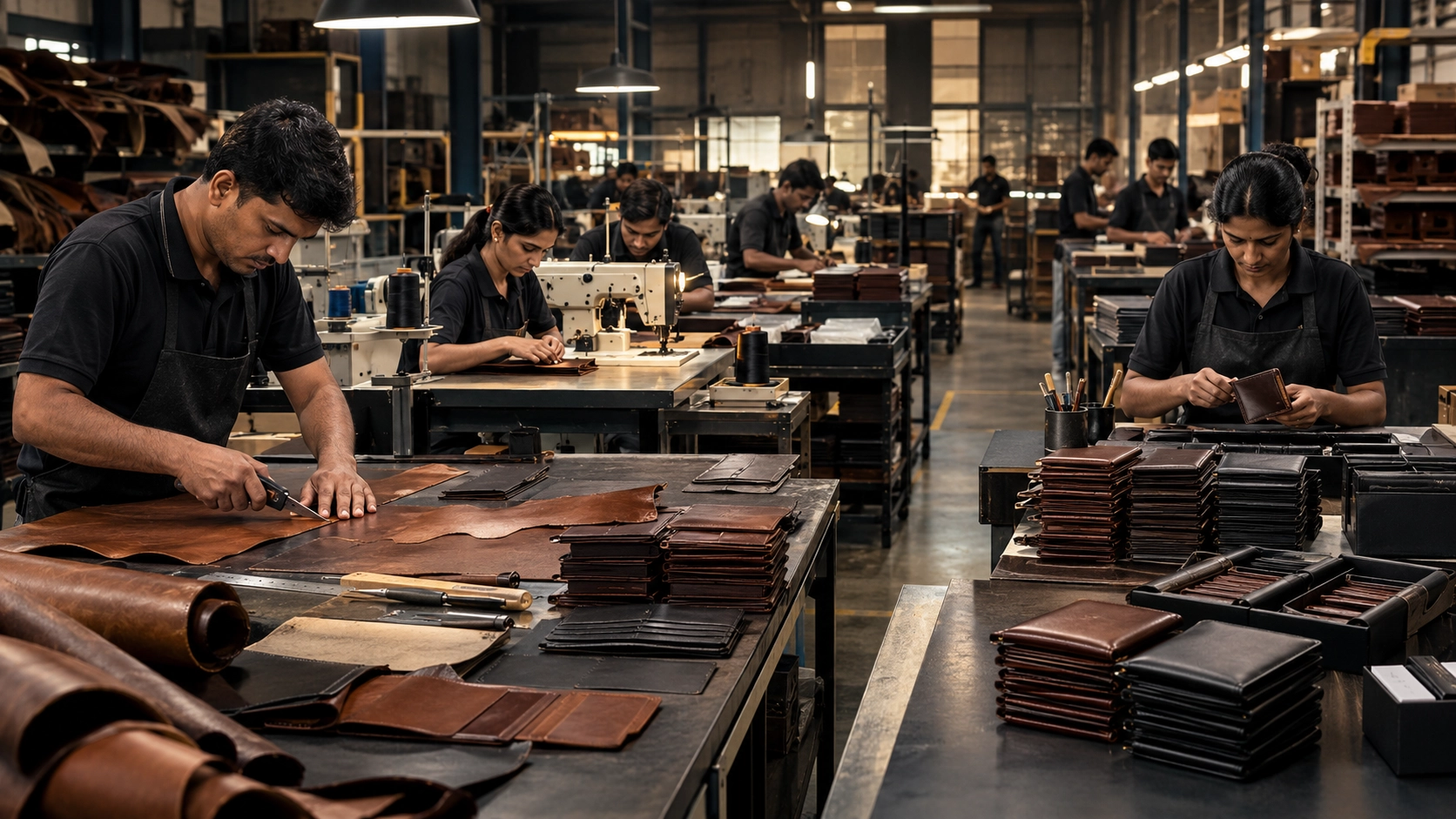
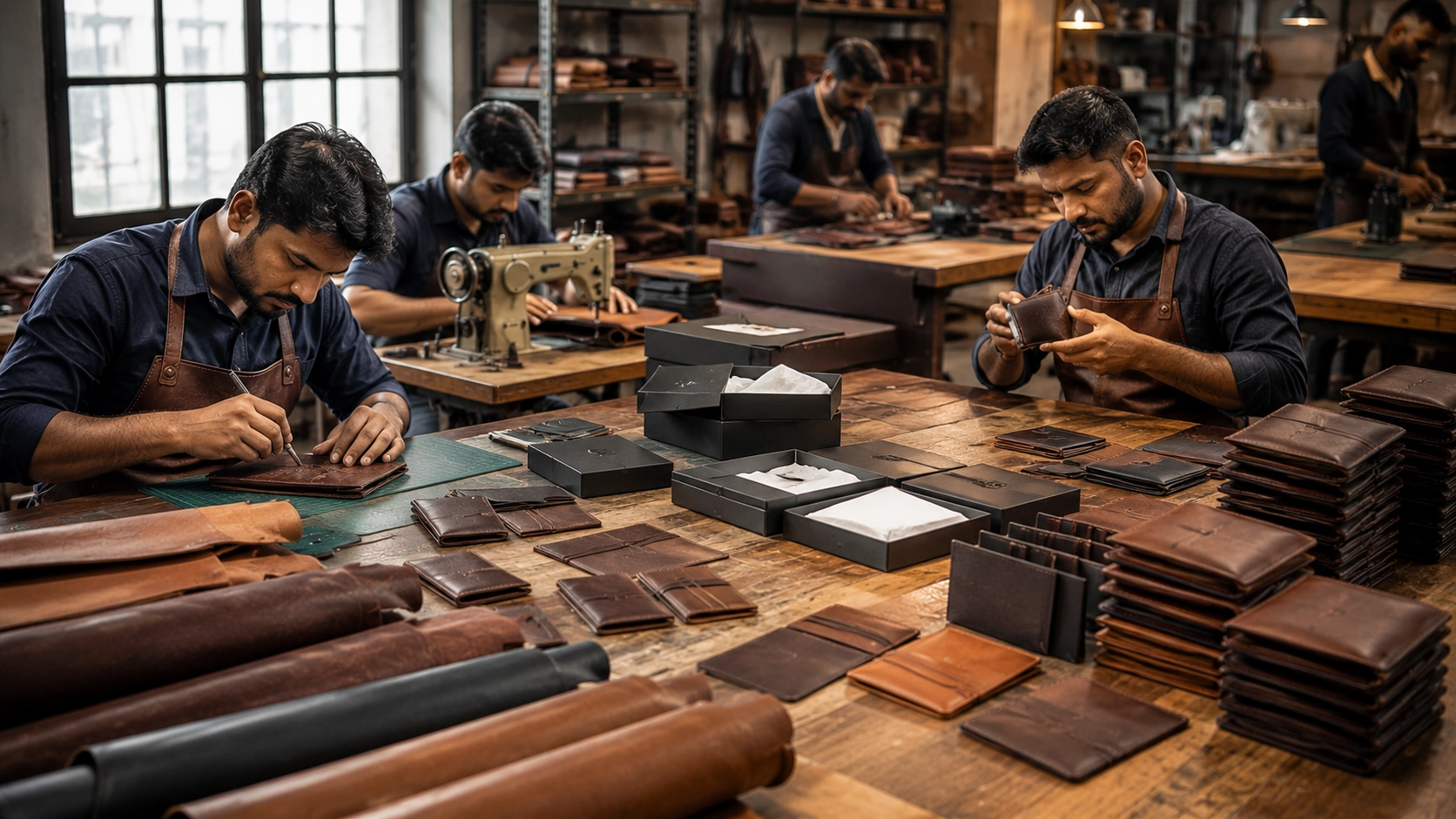
Ask for a clear explanation of quality checks performed during material receipt, cutting, stitching, assembly, finishing, and final packing. The precise process will depend on the manufacturer's production model.
Questions to ask about quality assurance
- How are incoming leather and other materials checked against specifications?
- How are colour and texture differences managed between material batches?
- Are wallet dimensions and pocket positions checked during production?
- How are stitching, edges, hardware, and functional features inspected?
- What happens when a defect is identified?
- Can the exporter provide inspection records or agreed pre-shipment photographs?
- Can an independent inspection be arranged when the order requires it?
Define acceptable quality criteria before production. For larger orders, buyers may consider a documented inspection plan with agreed sampling methods, defect classifications, and acceptance thresholds.
Do not assume that a supplier follows a particular inspection standard merely because it mentions quality control. Request evidence that the proposed checks are relevant to your order.
Build a written product specification
A practical specification should include the approved drawing or sample, material details, colour references, dimensions and tolerances, stitching requirements, branding placement, packaging instructions, and inspection criteria.
Version-control the document so the buyer and exporter work from the same revision. This reduces misunderstandings and makes later quality discussions more objective.
Step 6: Compare Quotations, MOQ, and Total Landed Cost
The lowest unit price is not always the most economical sourcing option. A cheaper wallet may use a different material, omit packaging, require more inspection, or create higher freight costs.
Request comparable quotations from shortlisted exporters. Each quotation should refer to the same product specification, order quantity, packaging requirements, and delivery basis.
Commercial points to confirm
- Unit price and currency.
- Minimum order quantity by style, colour, and material.
- Sampling, tooling, logo setup, and packaging charges.
- Payment milestones and conditions for order confirmation.
- Production lead time after sample and specification approval.
- Shipping method, freight responsibility, and agreed delivery term.
- Inspection costs, insurance, duties, taxes, and destination charges.
- Procedures for reporting defects and resolving discrepancies.
Calculate the estimated landed cost using the unit price, allocated freight and insurance, applicable customs duties, consumption tax, clearance charges, and domestic delivery. Confirm the precise tax and duty treatment with your customs broker.
Japan Customs explains that applicable duty rates depend on tariff classification and the relevant tariff provisions. Its official tariff and duty guidance is a useful starting point for import-cost planning.
Exalter Global Co.'s sales and export trading conditions provide another reference for reviewing the company's stated commercial framework. Confirm the terms that apply to your particular quotation and order.
-
Sale!
RFID Protected Pull Strap Wallet for Cards & Cash
Original price was: $41.90.$15.19Current price is: $15.19.
You save -
Sale!
RFID Protected Pull Strap Leather Card Holder Wallet
Original price was: $41.90.$15.19Current price is: $15.19.
You save -
Sale!
RFID Protected Pull Strap Card Holder Wallet for Men Slim
Original price was: $41.90.$15.19Current price is: $15.19.
You save -
Sale!
RFID Protected Leather Card Holder Wallet for Men & Women
Original price was: $18.10.$6.39Current price is: $6.39.
You save -
Sale!
RFID Protected Pull Strap Card Holder Wallet for Secure Access
Original price was: $40.70.$14.79Current price is: $14.79.
You save -
Sale!
Slim RFID Protected Pull Strap Wallet for Cards & Cash
Original price was: $40.70.$14.79Current price is: $14.79.
You save -
Sale!
RFID Protected Pull Strap Card Holder Wallet for Daily Use
Original price was: $40.70.$14.79Current price is: $14.79.
You save -
Sale!
RFID Protected Card Holder Wallet for Secure Cards & Cash
Original price was: $27.30.$10.79Current price is: $10.79.
You save -
Sale!
RFID Protected Leather Card Holder Wallet with Slim Design
Original price was: $27.30.$10.79Current price is: $10.79.
You save -
Sale!
Slim RFID Protected Leather Card Holder Wallet for Cards
Original price was: $27.30.$10.79Current price is: $10.79.
You save -
Sale!
RFID Protected Leather Card Holder Wallet for Secure Cards
Original price was: $27.30.$10.79Current price is: $10.79.
You save -
Sale!
RFID Protected Genuine Leather Card Holder for Daily Use
Original price was: $27.30.$10.79Current price is: $10.79.
You save
-
Sale!
RFID Protected Pull Strap Wallet for Cards & Cash
Original price was: $41.90.$15.19Current price is: $15.19.
You save -
Sale!
RFID Protected Pull Strap Leather Card Holder Wallet
Original price was: $41.90.$15.19Current price is: $15.19.
You save -
Sale!
RFID Protected Pull Strap Card Holder Wallet for Men Slim
Original price was: $41.90.$15.19Current price is: $15.19.
You save -
Sale!
RFID Protected Leather Card Holder Wallet for Men & Women
Original price was: $18.10.$6.39Current price is: $6.39.
You save -
Sale!
RFID Protected Pull Strap Card Holder Wallet for Secure Access
Original price was: $40.70.$14.79Current price is: $14.79.
You save -
Sale!
Slim RFID Protected Pull Strap Wallet for Cards & Cash
Original price was: $40.70.$14.79Current price is: $14.79.
You save -
Sale!
RFID Protected Pull Strap Card Holder Wallet for Daily Use
Original price was: $40.70.$14.79Current price is: $14.79.
You save -
Sale!
RFID Protected Card Holder Wallet for Secure Cards & Cash
Original price was: $27.30.$10.79Current price is: $10.79.
You save -
Sale!
RFID Protected Leather Card Holder Wallet with Slim Design
Original price was: $27.30.$10.79Current price is: $10.79.
You save -
Sale!
Slim RFID Protected Leather Card Holder Wallet for Cards
Original price was: $27.30.$10.79Current price is: $10.79.
You save -
Sale!
RFID Protected Leather Card Holder Wallet for Secure Cards
Original price was: $27.30.$10.79Current price is: $10.79.
You save -
Sale!
RFID Protected Genuine Leather Card Holder for Daily Use
Original price was: $27.30.$10.79Current price is: $10.79.
You save
-
Sale!
RFID Protected Pull Strap Wallet for Cards & Cash
Original price was: $41.90.$15.19Current price is: $15.19.
You save -
Sale!
RFID Protected Pull Strap Leather Card Holder Wallet
Original price was: $41.90.$15.19Current price is: $15.19.
You save -
Sale!
RFID Protected Pull Strap Card Holder Wallet for Men Slim
Original price was: $41.90.$15.19Current price is: $15.19.
You save -
Sale!
RFID Protected Leather Card Holder Wallet for Men & Women
Original price was: $18.10.$6.39Current price is: $6.39.
You save -
Sale!
RFID Protected Pull Strap Card Holder Wallet for Secure Access
Original price was: $40.70.$14.79Current price is: $14.79.
You save -
Sale!
Slim RFID Protected Pull Strap Wallet for Cards & Cash
Original price was: $40.70.$14.79Current price is: $14.79.
You save -
Sale!
RFID Protected Pull Strap Card Holder Wallet for Daily Use
Original price was: $40.70.$14.79Current price is: $14.79.
You save -
Sale!
RFID Protected Card Holder Wallet for Secure Cards & Cash
Original price was: $27.30.$10.79Current price is: $10.79.
You save -
Sale!
RFID Protected Leather Card Holder Wallet with Slim Design
Original price was: $27.30.$10.79Current price is: $10.79.
You save -
Sale!
Slim RFID Protected Leather Card Holder Wallet for Cards
Original price was: $27.30.$10.79Current price is: $10.79.
You save -
Sale!
RFID Protected Leather Card Holder Wallet for Secure Cards
Original price was: $27.30.$10.79Current price is: $10.79.
You save -
Sale!
RFID Protected Genuine Leather Card Holder for Daily Use
Original price was: $27.30.$10.79Current price is: $10.79.
You save
Step 7: Verify Export Documentation and Japan Import Requirements
Reliable export coordination helps prevent avoidable delays, documentation discrepancies, and unexpected charges. Before confirming an order, establish which documents the Indian exporter will prepare and which responsibilities belong to the Japanese importer or customs broker.
Documents to discuss with your exporter
- Commercial invoice: Should accurately describe the products, quantities, values, seller, and buyer.
- Packing list: Should show carton contents, quantities, package details, and weights as applicable.
- Transport document: A bill of lading or air waybill, depending on the shipping method.
- Certificate of origin: Where required or requested for the applicable customs treatment.
- Insurance documentation: Where applicable under the agreed shipping arrangement.
- Export declarations and supporting records: As required for the shipment from India.
- Additional product documents: Where applicable to the materials, destination requirements, or buyer's compliance programme.
Japan Customs outlines the documentation generally associated with import clearance in its official guide to import clearance documents.
The Japanese importer generally arranges import clearance, directly or through a customs broker. The exporter should coordinate shipment information and supply the documents assigned to it under the agreement.
Confirm the correct tariff classification
Leather wallets generally fall within the scope of Chapter 42 of the Harmonized System, but the correct classification depends on the product's construction and material characteristics.
Do not rely on a generic online code or assume every wallet attracts the same duty rate. Ask your customs broker to confirm the applicable Japanese tariff classification and current rate for the specific product.
Japan Customs provides an official Chapter 42 tariff schedule covering leather articles, travel goods, wallets, and related products. Check the current schedule before shipment, as tariff provisions may change.
Also confirm applicable consumption tax, country-of-origin declarations, labelling expectations, and any material-specific restrictions. Animal-derived materials, special finishes, and particular product claims may require additional review.
Step 8: Evaluate Communication, Lead Times, and Long-Term Reliability
A dependable leather wallet exporter should communicate clearly throughout sampling, production, inspection, and shipment. Slow responses or inconsistent answers during the quotation stage may indicate risks that deserve further investigation.
Assess the supplier's working process
- Does the supplier respond clearly to technical questions?
- Can it provide written quotations and specification documents?
- Are sample revisions recorded and confirmed?
- Are production milestones and estimated dispatch dates communicated?
- Does the supplier explain delays and proposed corrective actions?
- Is there a defined contact for quality and shipment issues?
Ask for a realistic production schedule covering material procurement, sampling, approval, manufacturing, inspection, packing, and dispatch. Shipping time should be estimated separately and confirmed with the logistics provider.
For repeat orders, assess whether the supplier can maintain specification control, manage approved changes, and support reasonable demand planning. A long-term manufacturing relationship depends on transparent expectations rather than verbal assurances alone.
How to Shortlist Leather Wallet Suppliers for Japan
Use the following comparison table to organize supplier evaluations. Score each criterion from 1 to 5, where 1 means insufficient evidence and 5 means strong, verified evidence.
| Evaluation criterion | Evidence to review | Score |
|---|---|---|
| Manufacturing capability | Production process, capacity evidence, and product range | 1-5 |
| Sample quality | Leather, stitching, dimensions, finishing, and functionality | 1-5 |
| Customization | Private-label options, prototypes, and specification control | 1-5 |
| Quality assurance | Inspection procedures, defect handling, and records | 1-5 |
| Commercial transparency | Quotation, MOQ, payment terms, and total landed cost | 1-5 |
| Export coordination | Documentation responsibilities and shipping process | 1-5 |
| Communication | Response quality, milestone updates, and issue resolution | 1-5 |
Use the scores to structure discussions, not as a substitute for due diligence. A supplier with an excellent overall score may still be unsuitable if a critical requirement remains unverified.
Why Consider Exalter Global Co. for Leather Wallet Sourcing?
Exalter Global Co. is a Kolkata-based manufacturer and export-oriented business serving buyers in India and international markets, including Japan. Its leather wallet offering covers established designs and opportunities for private-label development, subject to confirmation of individual requirements.
Buyers can begin by reviewing the company's leather wallet manufacturing capabilities, then discuss materials, product formats, customization, sampling, order quantities, and export arrangements directly.
Exalter Vachette and Brooklyn Bridge provide additional product references within the company's leather goods ecosystem. Buyers can compare the styles against their target customer, retail positioning, and functional requirements.
The right next step is to submit a detailed product brief, request a written quotation, and evaluate a physical sample against agreed criteria. Confirm current capacity, lead times, applicable certifications, and Japan-specific requirements before placing an order.
Explore the Exalter Global Co. website to start a sourcing discussion about leather wallets for the Japanese market.
Frequently Asked Questions
1. How do I choose the best leather wallet exporter from India to Japan?
Verify the supplier's business credentials, manufacturing capabilities, sample quality, customization options, quality-control procedures, commercial terms, and export documentation process. Approve a physical sample and written specification before committing to bulk production.
2. What should Japanese buyers check before importing leather wallets from India?
Buyers should confirm material descriptions, product quality, dimensions, packaging, origin information, tariff classification, applicable duties and taxes, and shipping responsibilities. A Japanese customs broker can help confirm the requirements for the specific shipment.
3. Can Indian manufacturers produce private-label leather wallets for Japanese brands?
Yes, suitable manufacturers may offer custom dimensions, leather options, colours, logos, hardware, internal layouts, and branded packaging. Confirm minimum quantities, sample costs, tooling charges, and production feasibility with the individual supplier.
4. How can I check the quality of a leather wallet supplier?
Request physical samples, inspect stitching and edge finishing, measure dimensions, test functionality, and compare materials against written specifications. Ask for details of production inspections and agree on quality acceptance criteria before bulk manufacturing.
5. What documents are generally needed to import leather wallets into Japan?
Common documents include a commercial invoice, packing list, bill of lading or air waybill, and supporting documents required for the shipment. Certificates of origin, insurance records, and additional approvals may be relevant depending on the applicable customs treatment and product details.
6. How do I compare quotations from Indian leather wallet exporters?
Compare prices using identical material specifications, dimensions, quantities, branding, packaging, and delivery terms. Include freight, insurance, customs duties, consumption tax, clearance charges, and local delivery when estimating total landed cost.
7. Are Exalter Vachette and Brooklyn Bridge relevant to wholesale buyers?
Both brands provide product references within Exalter Global Co.'s leather goods offering. Buyers should discuss the availability of specific designs, wholesale terms, customization options, and any private-label requirements directly with the company.
8. Should I place a bulk order immediately after approving a sample?
Not without confirming the commercial agreement, production specifications, inspection criteria, payment terms, and shipping responsibilities. Ensure that the approved sample is documented as the reference for production and that any changes require written approval.
Final Checklist Before Selecting Your Export Partner
- Verify company identity and relevant manufacturing evidence.
- Review product range and confirm leather specifications.
- Inspect physical samples and document required improvements.
- Approve customization, branding, and packaging details.
- Agree on measurable quality criteria and inspection procedures.
- Compare complete quotations and estimated landed costs.
- Confirm documentation responsibilities and Japanese import requirements.
- Finalize the production schedule, payment terms, and shipment plan.
Selecting a leather wallet exporter from India to Japan requires evidence, careful comparison, and clear communication. By evaluating product quality, manufacturing capability, export readiness, and commercial transparency, Japanese buyers can make more informed sourcing decisions.
For businesses exploring leather wallet manufacturing, private-label development, or wholesale supply, Exalter Global Co. offers a starting point for discussing product requirements and evaluating a potential long-term manufacturing relationship.

-
Sale!
RFID Protected Pull Strap Wallet for Cards & Cash
Original price was: $41.90.$15.19Current price is: $15.19.
You save -
Sale!
RFID Protected Pull Strap Leather Card Holder Wallet
Original price was: $41.90.$15.19Current price is: $15.19.
You save -
Sale!
RFID Protected Pull Strap Card Holder Wallet for Men Slim
Original price was: $41.90.$15.19Current price is: $15.19.
You save -
Sale!
RFID Protected Leather Card Holder Wallet for Men & Women
Original price was: $18.10.$6.39Current price is: $6.39.
You save -
Sale!
RFID Protected Pull Strap Card Holder Wallet for Secure Access
Original price was: $40.70.$14.79Current price is: $14.79.
You save -
Sale!
Slim RFID Protected Pull Strap Wallet for Cards & Cash
Original price was: $40.70.$14.79Current price is: $14.79.
You save -
Sale!
RFID Protected Pull Strap Card Holder Wallet for Daily Use
Original price was: $40.70.$14.79Current price is: $14.79.
You save -
Sale!
RFID Protected Card Holder Wallet for Secure Cards & Cash
Original price was: $27.30.$10.79Current price is: $10.79.
You save -
Sale!
RFID Protected Leather Card Holder Wallet with Slim Design
Original price was: $27.30.$10.79Current price is: $10.79.
You save -
Sale!
Slim RFID Protected Leather Card Holder Wallet for Cards
Original price was: $27.30.$10.79Current price is: $10.79.
You save -
Sale!
RFID Protected Leather Card Holder Wallet for Secure Cards
Original price was: $27.30.$10.79Current price is: $10.79.
You save -
Sale!
RFID Protected Genuine Leather Card Holder for Daily Use
Original price was: $27.30.$10.79Current price is: $10.79.
You save
How to Import Leather Wallets from India to Mexico: A Complete B2B Guide
How to Import Leather Wallets from India to Poland: A Complete B2B Guide
How to Import Leather Wallets from India to Denmark: A Complete B2B Guide
Leather Wallet Exporter from India to Sweden: Complete B2B Buyer Guide
Leather Wallet Exporter from India to Switzerland: Complete B2B Buyer Guide