-
Sale!
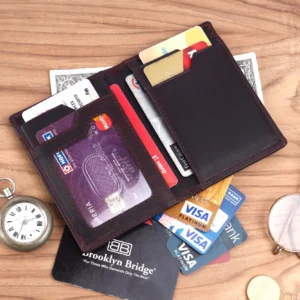
RFID Protected Pull Strap Wallet for Cards & Cash
Original price was: $41.90.$15.19Current price is: $15.19.
You save -
Sale!
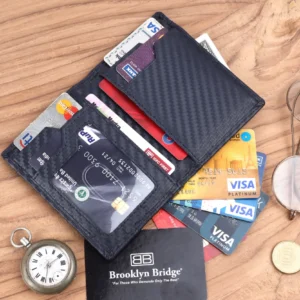
RFID Protected Pull Strap Leather Card Holder Wallet
Original price was: $41.90.$15.19Current price is: $15.19.
You save -
Sale!
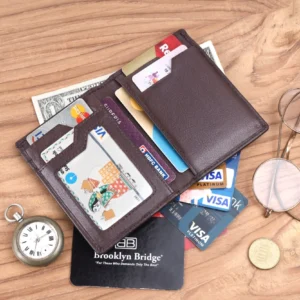
RFID Protected Pull Strap Card Holder Wallet for Men Slim
Original price was: $41.90.$15.19Current price is: $15.19.
You save -
Sale!
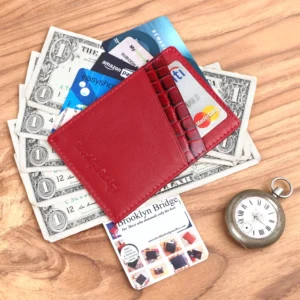
RFID Protected Leather Card Holder Wallet for Men & Women
Original price was: $18.10.$6.39Current price is: $6.39.
You save -
Sale!
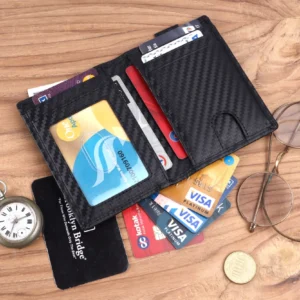
RFID Protected Pull Strap Card Holder Wallet for Secure Access
Original price was: $40.70.$14.79Current price is: $14.79.
You save -
Sale!
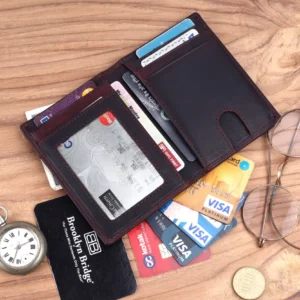
Slim RFID Protected Pull Strap Wallet for Cards & Cash
Original price was: $40.70.$14.79Current price is: $14.79.
You save -
Sale!
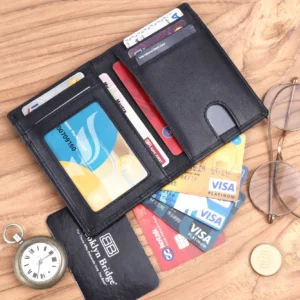
RFID Protected Pull Strap Card Holder Wallet for Daily Use
Original price was: $40.70.$14.79Current price is: $14.79.
You save -
Sale!
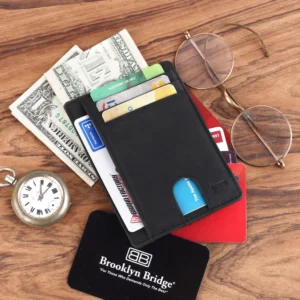
RFID Protected Card Holder Wallet for Secure Cards & Cash
Original price was: $27.30.$10.79Current price is: $10.79.
You save -
Sale!
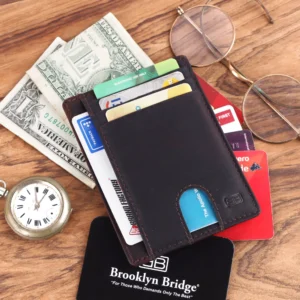
RFID Protected Leather Card Holder Wallet with Slim Design
Original price was: $27.30.$10.79Current price is: $10.79.
You save -
Sale!
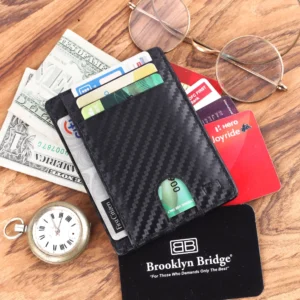
Slim RFID Protected Leather Card Holder Wallet for Cards
Original price was: $27.30.$10.79Current price is: $10.79.
You save -
Sale!
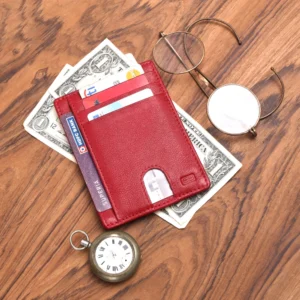
RFID Protected Leather Card Holder Wallet for Secure Cards
Original price was: $27.30.$10.79Current price is: $10.79.
You save -
Sale!
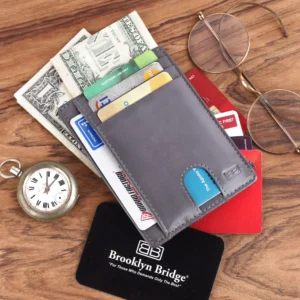
RFID Protected Genuine Leather Card Holder for Daily Use
Original price was: $27.30.$10.79Current price is: $10.79.
You save
-
Sale!
RFID Protected Pull Strap Wallet for Cards & Cash
Original price was: $41.90.$15.19Current price is: $15.19.
You save -
Sale!
RFID Protected Pull Strap Leather Card Holder Wallet
Original price was: $41.90.$15.19Current price is: $15.19.
You save -
Sale!
RFID Protected Pull Strap Card Holder Wallet for Men Slim
Original price was: $41.90.$15.19Current price is: $15.19.
You save -
Sale!
RFID Protected Leather Card Holder Wallet for Men & Women
Original price was: $18.10.$6.39Current price is: $6.39.
You save -
Sale!
RFID Protected Pull Strap Card Holder Wallet for Secure Access
Original price was: $40.70.$14.79Current price is: $14.79.
You save -
Sale!
Slim RFID Protected Pull Strap Wallet for Cards & Cash
Original price was: $40.70.$14.79Current price is: $14.79.
You save -
Sale!
RFID Protected Pull Strap Card Holder Wallet for Daily Use
Original price was: $40.70.$14.79Current price is: $14.79.
You save -
Sale!
RFID Protected Card Holder Wallet for Secure Cards & Cash
Original price was: $27.30.$10.79Current price is: $10.79.
You save -
Sale!
RFID Protected Leather Card Holder Wallet with Slim Design
Original price was: $27.30.$10.79Current price is: $10.79.
You save -
Sale!
Slim RFID Protected Leather Card Holder Wallet for Cards
Original price was: $27.30.$10.79Current price is: $10.79.
You save -
Sale!
RFID Protected Leather Card Holder Wallet for Secure Cards
Original price was: $27.30.$10.79Current price is: $10.79.
You save -
Sale!
RFID Protected Genuine Leather Card Holder for Daily Use
Original price was: $27.30.$10.79Current price is: $10.79.
You save
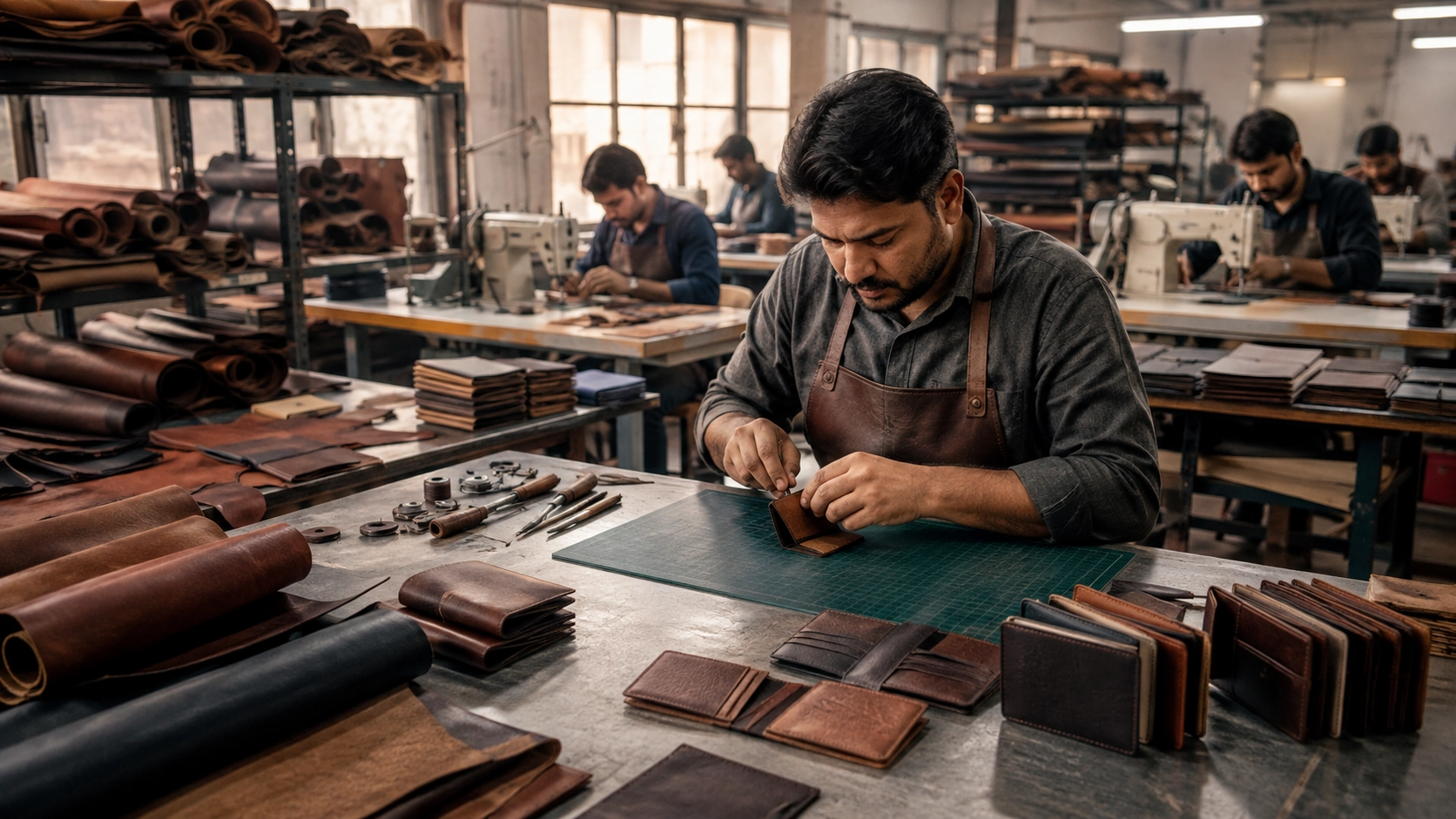
Table of Contents
Leather Wallet Exporter from India to Sweden: Complete B2B Buyer Guide
Swedish retailers, wholesalers, importers, and private-label brands need more than an attractive leather wallet. They need consistent quality, transparent costing, reliable production, and an export partner who understands international sourcing.
India offers opportunities for businesses seeking leather wallet manufacturers with customisation capabilities and international supply experience. However, selecting the right supplier requires careful evaluation of materials, workmanship, commercial terms, and European Union import requirements.
For Swedish businesses planning to import leather wallets from India, this guide explains how to assess manufacturers, develop products, calculate landed costs, prepare documentation, and establish a dependable sourcing relationship.
What Should Swedish Buyers Know Before Importing Leather Wallets from India?
Swedish buyers should verify a manufacturer's production capabilities, leather specifications, sample quality, export documentation, and ability to meet agreed delivery standards before placing a bulk order. They should also confirm the correct customs classification, applicable import duty, import VAT, and relevant EU product safety and chemical requirements.
A practical sourcing process follows these steps:
- Define the target customer, wallet designs, materials, and price range.
- Shortlist an experienced leather wallet manufacturer in India with suitable production capabilities.
- Request material specifications, product photographs, samples, and a detailed quotation.
- Approve the sample, branding, packaging, and written quality standards.
- Confirm the commodity code, customs charges, documentation, and shipping terms.
- Inspect production, approve dispatch arrangements, and review the delivered order.
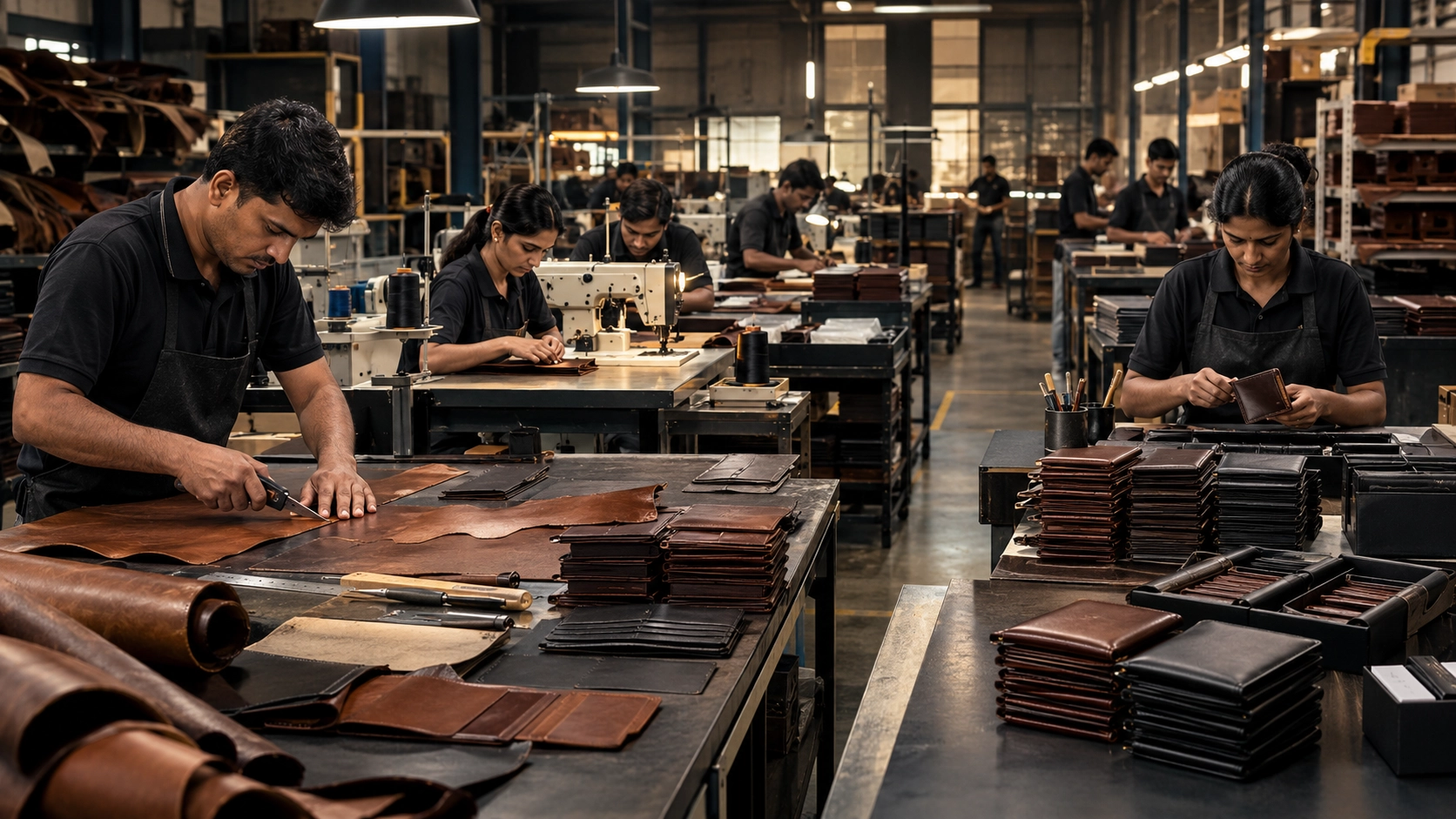
Exalter Global Co. is a Kolkata-based manufacturer and international business partner serving buyers in Sweden and other markets. Its leather goods operations support discussions around wallet manufacturing, custom designs, and private-label requirements. Buyers can explore the Exalter Global Co. website to understand its broader manufacturing and export offering.
Why Source Leather Wallets from India?
India is an established sourcing destination for leather goods, offering manufacturing skills, material options, product development capabilities, and access to export logistics. For Swedish importers, the opportunity lies in finding a supplier whose production strengths match the intended market position.
1. Flexible Product Development
Wallet collections can include traditional bifold wallets, compact cardholders, slim front-pocket designs, coin-pocket wallets, and contemporary minimalist formats. Depending on the manufacturer's capabilities, buyers can specify leather finish, colour, dimensions, stitching, lining, compartments, and branding.
2. Options for Different Price Segments
A Swedish retailer may need an affordable everyday wallet, a premium gift product, or a distinctive private-label collection. Leather selection, construction, hardware, packaging, order volume, and finishing requirements all influence the final price.
Instead of comparing quotations based only on the unit price, buyers should compare equivalent specifications. A lower quotation may reflect a different leather grade, simpler construction, or less elaborate packaging.
3. Private-Label and OEM/ODM Opportunities
OEM manufacturing generally follows a buyer's supplied design and specifications. ODM arrangements may involve adapting a manufacturer's existing design or developing a product around agreed requirements. Private-label programmes can add brand logos, custom packaging, labels, and coordinated product collections.
For Swedish businesses building their own brand, these options can help create a consistent identity across retail, gifting, and online sales channels.
4. A Partner for Long-Term Supply
Reliable sourcing depends on repeatability. A manufacturer should be able to document approved materials, patterns, colours, measurements, and finishing standards so future orders remain consistent.
Explore Exalter Vachette's leather goods manufacturing profile to review the company's stated product and manufacturing capabilities. Confirm the specific capacity, certifications, and services relevant to your order directly before contracting.
How to Choose a Leather Wallet Manufacturer in India
The best Indian leather wallet exporter for a Swedish business is not necessarily the supplier with the lowest quotation. It is the supplier that can demonstrate product suitability, consistent workmanship, realistic delivery commitments, and clear commercial communication.
Evaluate Manufacturing Capabilities
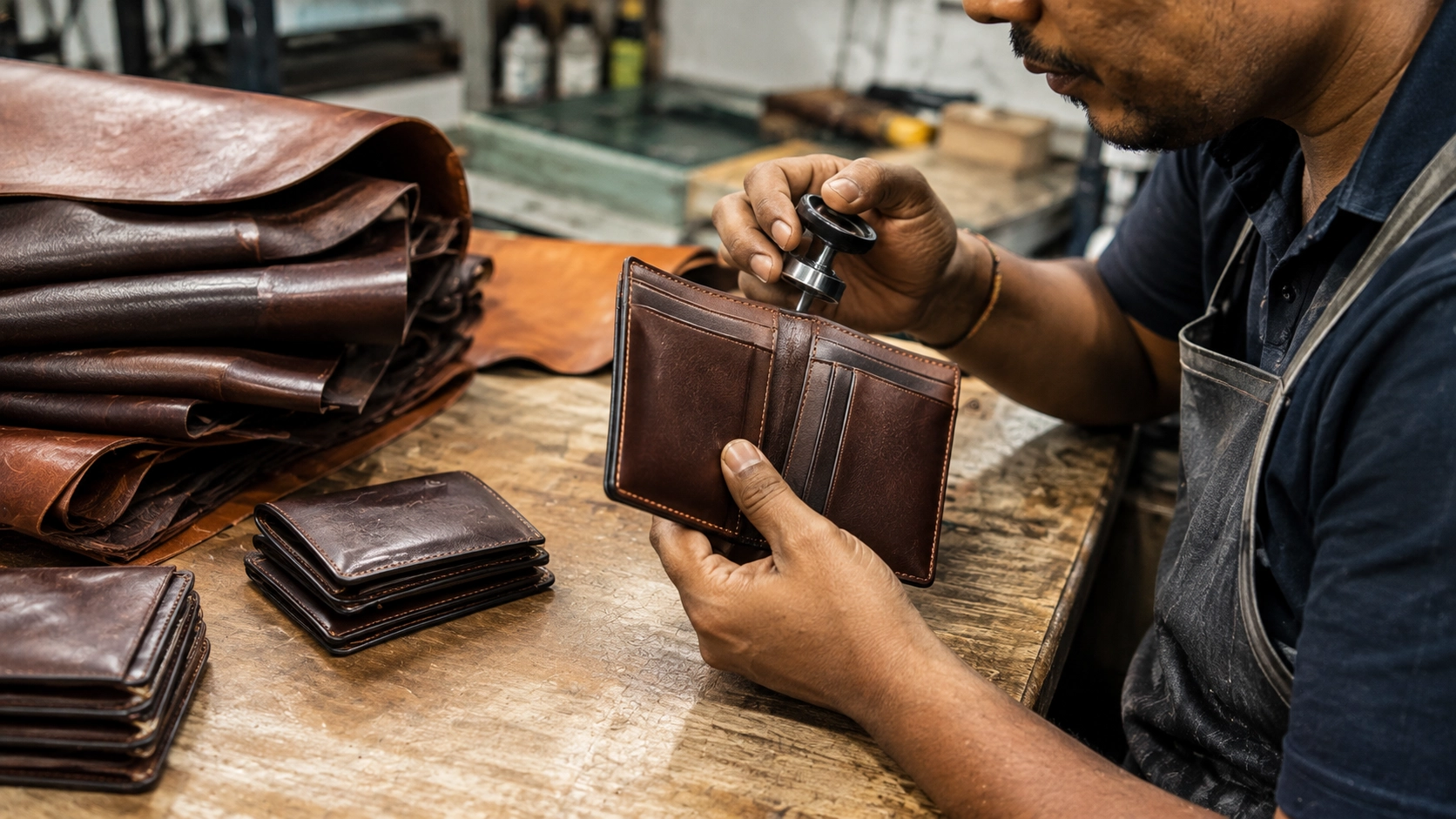
Ask whether the manufacturer produces the wallet styles you require and can manage your preferred leather, construction, and finishing details. Clarify which processes are handled internally and which are subcontracted.
Review the manufacturer's experience with similar products, production planning, quality checkpoints, packaging, and repeat orders. Request relevant evidence rather than relying solely on general claims.
Check Samples Before Approving Bulk Production
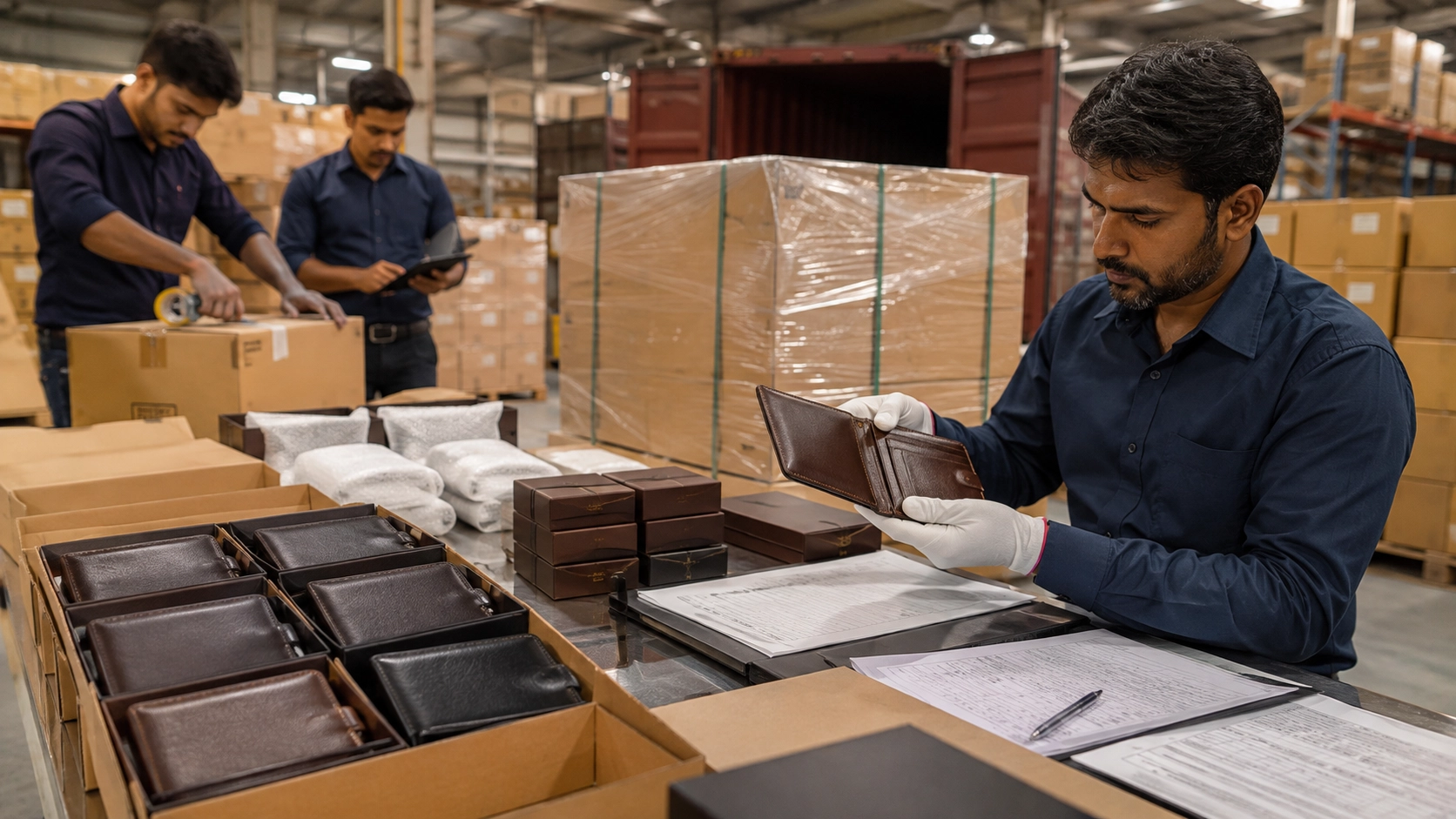
A sample reveals details that product photographs cannot fully communicate. Examine the leather surface, edge finishing, stitch consistency, slot dimensions, folding behaviour, lining, hardware, and overall construction.
Load the wallet with representative cards and cash. Check whether the wallet closes comfortably and whether its thickness remains appropriate for the intended design.
Review Communication and Documentation
Professional suppliers should explain quotations, lead times, payment milestones, sample charges, production tolerances, and shipping responsibilities. They should also be able to prepare accurate commercial documents and coordinate with the agreed freight or customs service provider.
Before paying a deposit, confirm the contracting entity, beneficiary bank details, business contact information, and written terms. Independent verification is especially important for first-time international transactions.
Use a Structured Supplier Scorecard
| Evaluation Area | What to Verify |
|---|---|
| Manufacturing | Relevant product experience, production planning, and capacity evidence. |
| Materials | Leather type, finish, thickness, colour consistency, and supporting specifications. |
| Quality | Sample approval, inspection criteria, tolerances, and defect handling. |
| Customisation | Logo methods, design adaptation, packaging, and colour matching. |
| Commercial Terms | MOQ, unit pricing, payment schedule, delivery terms, and quotation validity. |
| Export Readiness | Document accuracy, freight coordination, traceability, and compliance support. |
-
Sale!
RFID Protected Pull Strap Wallet for Cards & Cash
Original price was: $41.90.$15.19Current price is: $15.19.
You save -
Sale!
RFID Protected Pull Strap Leather Card Holder Wallet
Original price was: $41.90.$15.19Current price is: $15.19.
You save -
Sale!
RFID Protected Pull Strap Card Holder Wallet for Men Slim
Original price was: $41.90.$15.19Current price is: $15.19.
You save -
Sale!
RFID Protected Leather Card Holder Wallet for Men & Women
Original price was: $18.10.$6.39Current price is: $6.39.
You save -
Sale!
RFID Protected Pull Strap Card Holder Wallet for Secure Access
Original price was: $40.70.$14.79Current price is: $14.79.
You save -
Sale!
Slim RFID Protected Pull Strap Wallet for Cards & Cash
Original price was: $40.70.$14.79Current price is: $14.79.
You save -
Sale!
RFID Protected Pull Strap Card Holder Wallet for Daily Use
Original price was: $40.70.$14.79Current price is: $14.79.
You save -
Sale!
RFID Protected Card Holder Wallet for Secure Cards & Cash
Original price was: $27.30.$10.79Current price is: $10.79.
You save -
Sale!
RFID Protected Leather Card Holder Wallet with Slim Design
Original price was: $27.30.$10.79Current price is: $10.79.
You save -
Sale!
Slim RFID Protected Leather Card Holder Wallet for Cards
Original price was: $27.30.$10.79Current price is: $10.79.
You save -
Sale!
RFID Protected Leather Card Holder Wallet for Secure Cards
Original price was: $27.30.$10.79Current price is: $10.79.
You save -
Sale!
RFID Protected Genuine Leather Card Holder for Daily Use
Original price was: $27.30.$10.79Current price is: $10.79.
You save
-
Sale!
RFID Protected Pull Strap Wallet for Cards & Cash
Original price was: $41.90.$15.19Current price is: $15.19.
You save -
Sale!
RFID Protected Pull Strap Leather Card Holder Wallet
Original price was: $41.90.$15.19Current price is: $15.19.
You save -
Sale!
RFID Protected Pull Strap Card Holder Wallet for Men Slim
Original price was: $41.90.$15.19Current price is: $15.19.
You save -
Sale!
RFID Protected Leather Card Holder Wallet for Men & Women
Original price was: $18.10.$6.39Current price is: $6.39.
You save -
Sale!
RFID Protected Pull Strap Card Holder Wallet for Secure Access
Original price was: $40.70.$14.79Current price is: $14.79.
You save -
Sale!
Slim RFID Protected Pull Strap Wallet for Cards & Cash
Original price was: $40.70.$14.79Current price is: $14.79.
You save -
Sale!
RFID Protected Pull Strap Card Holder Wallet for Daily Use
Original price was: $40.70.$14.79Current price is: $14.79.
You save -
Sale!
RFID Protected Card Holder Wallet for Secure Cards & Cash
Original price was: $27.30.$10.79Current price is: $10.79.
You save -
Sale!
RFID Protected Leather Card Holder Wallet with Slim Design
Original price was: $27.30.$10.79Current price is: $10.79.
You save -
Sale!
Slim RFID Protected Leather Card Holder Wallet for Cards
Original price was: $27.30.$10.79Current price is: $10.79.
You save -
Sale!
RFID Protected Leather Card Holder Wallet for Secure Cards
Original price was: $27.30.$10.79Current price is: $10.79.
You save -
Sale!
RFID Protected Genuine Leather Card Holder for Daily Use
Original price was: $27.30.$10.79Current price is: $10.79.
You save
-
Sale!
RFID Protected Pull Strap Wallet for Cards & Cash
Original price was: $41.90.$15.19Current price is: $15.19.
You save -
Sale!
RFID Protected Pull Strap Leather Card Holder Wallet
Original price was: $41.90.$15.19Current price is: $15.19.
You save -
Sale!
RFID Protected Pull Strap Card Holder Wallet for Men Slim
Original price was: $41.90.$15.19Current price is: $15.19.
You save -
Sale!
RFID Protected Leather Card Holder Wallet for Men & Women
Original price was: $18.10.$6.39Current price is: $6.39.
You save -
Sale!
RFID Protected Pull Strap Card Holder Wallet for Secure Access
Original price was: $40.70.$14.79Current price is: $14.79.
You save -
Sale!
Slim RFID Protected Pull Strap Wallet for Cards & Cash
Original price was: $40.70.$14.79Current price is: $14.79.
You save -
Sale!
RFID Protected Pull Strap Card Holder Wallet for Daily Use
Original price was: $40.70.$14.79Current price is: $14.79.
You save -
Sale!
RFID Protected Card Holder Wallet for Secure Cards & Cash
Original price was: $27.30.$10.79Current price is: $10.79.
You save -
Sale!
RFID Protected Leather Card Holder Wallet with Slim Design
Original price was: $27.30.$10.79Current price is: $10.79.
You save -
Sale!
Slim RFID Protected Leather Card Holder Wallet for Cards
Original price was: $27.30.$10.79Current price is: $10.79.
You save -
Sale!
RFID Protected Leather Card Holder Wallet for Secure Cards
Original price was: $27.30.$10.79Current price is: $10.79.
You save -
Sale!
RFID Protected Genuine Leather Card Holder for Daily Use
Original price was: $27.30.$10.79Current price is: $10.79.
You save
Leather Wallet Types and Materials for the Swedish Market
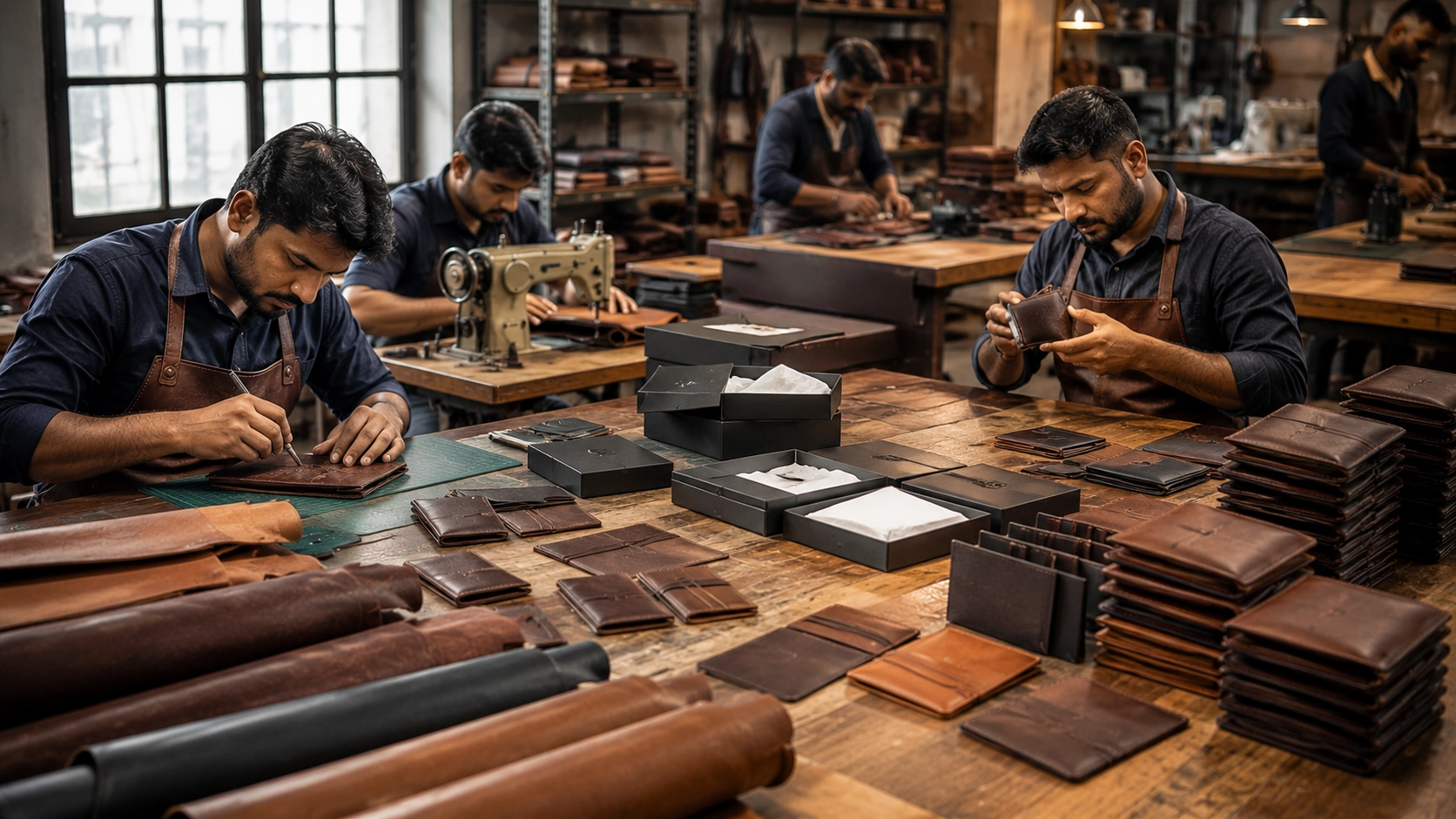
Product selection should reflect your customers' purchasing habits, preferred designs, retail positioning, and expected selling price. Swedish importers can evaluate classic formats alongside compact products suited to modern everyday use.
Popular Wallet Categories
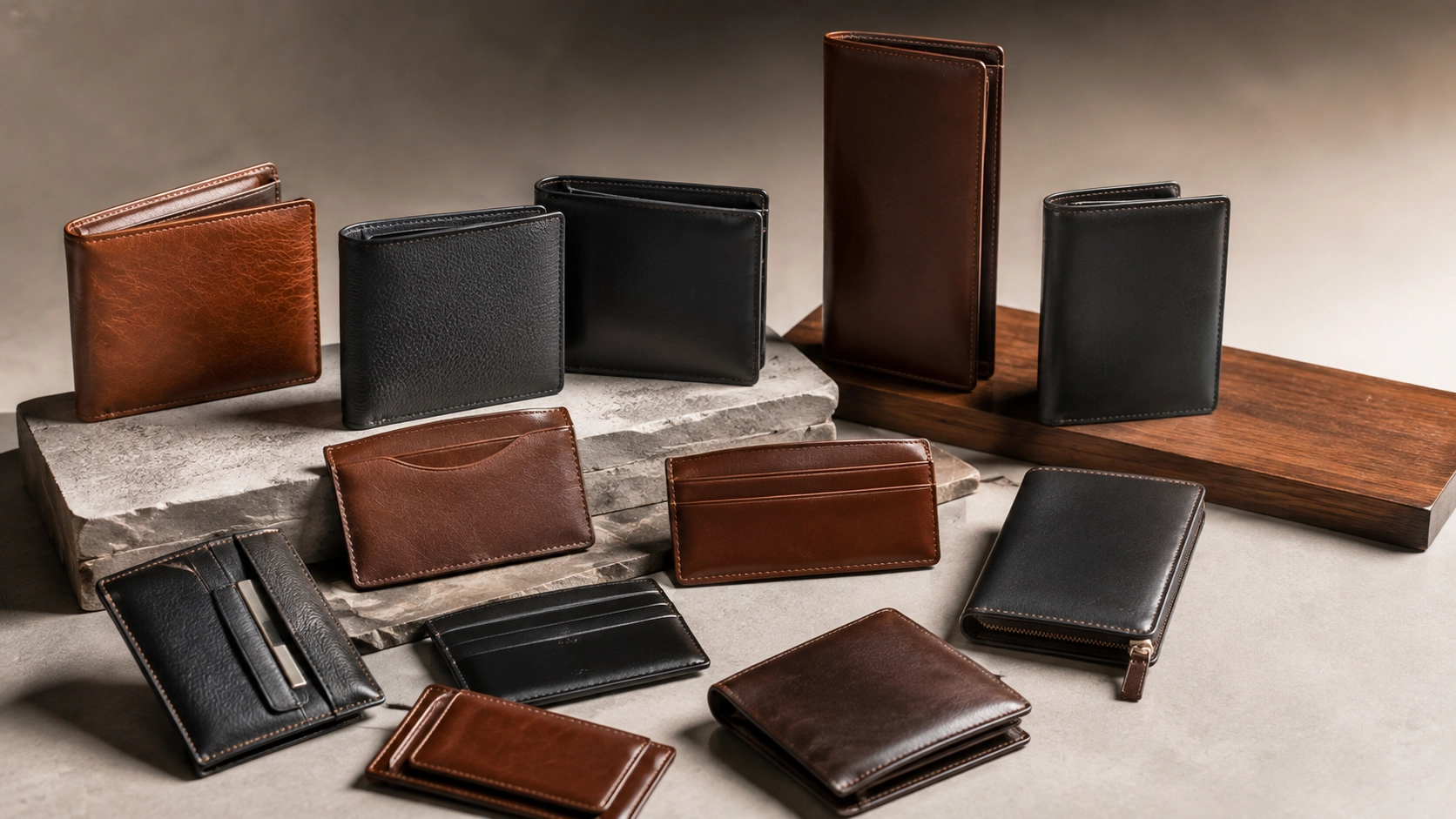
- Bifold wallets: Traditional folding designs with card slots and a banknote compartment.
- Cardholders: Compact products designed for customers who carry fewer cards and prefer a slim profile.
- Coin-pocket wallets: Practical formats combining card storage, banknote space, and a coin compartment.
- Trifold wallets: Folding designs offering multiple storage sections in a compact footprint.
- Minimalist wallets: Lightweight formats focused on essential storage and reduced bulk.
- RFID-blocking wallets: Products incorporating a tested protective construction intended to reduce certain forms of unauthorised radio-frequency scanning.
Explore the leather wallet and cardholder collection from Exalter Global Co. to review available product formats and material options. The current collection includes different wallet styles, finishes, and designs. For wholesale sourcing, confirm which products are available for export or custom manufacturing.
Understand Leather Specifications
Leather terminology should be defined clearly in the purchase specification. Terms such as full-grain, top-grain, smooth leather, pebbled leather, and Nappa describe different characteristics or commercial classifications. They should not be treated as interchangeable.
- Full-grain leather: Retains the natural grain surface and may display natural variations.
- Top-grain leather: Uses the upper grain layer, which may receive surface finishing or correction.
- Smooth leather: Describes a relatively even surface appearance, not a single leather grade.
- Pebbled leather: Features a textured surface that can create a distinctive appearance.
- Nappa leather: Commonly describes soft leather with a supple feel, although exact characteristics vary by material and supplier.
Ask for the precise material composition, leather grade, thickness range, surface treatment, colour reference, and applicable test reports. Where necessary, distinguish genuine leather from synthetic alternatives through written specifications and appropriate verification.
Prioritise Workmanship and Everyday Performance
Wallet quality depends on more than leather appearance. Stitch density, seam strength, edge paint, folded edges, pocket construction, lining attachment, and hardware performance influence durability and customer satisfaction.
For Swedish retail programmes, agree on practical acceptance criteria before production. These may include dimensional tolerances, acceptable natural grain variation, colour matching, stitching consistency, and restrictions on visible defects.
Custom Leather Wallet Manufacturing and Private Label
Customisation allows importers to differentiate their products from standard catalogue offerings. A well-defined specification also reduces ambiguity during sampling and bulk production.
What Can Buyers Customise?
- Dimensions: Overall length, width, thickness, folded size, and pocket depth.
- Construction: Bifold, trifold, cardholder, coin pocket, ID window, or money clip.
- Materials: Approved leather type, lining, reinforcement, and hardware.
- Colours: Black, brown, tan, navy, green, or buyer-specific colour references.
- Branding: Embossed, debossed, printed, or metal logo treatments where suitable.
- Packaging: Branded boxes, protective sleeves, inserts, barcode labels, and retail-ready packaging.
Build a Complete Product Specification
Prepare a technical specification sheet before requesting a production quotation. Include approved reference images, measurements, material details, construction diagrams where needed, branding artwork, packaging requirements, and expected quality standards.
Record the approved sample version and retain a signed or otherwise clearly documented approval. Changes to leather, colour, hardware, dimensions, or packaging should require written confirmation before implementation.
Understand Minimum Order Quantities
Minimum order quantity, or MOQ, depends on the product design, material availability, production setup, customisation, and packaging. A standard wallet may have different requirements from a completely new design.
Exalter Global Co. displays a 50-unit MOQ reference on its website. Treat this as an indicative website statement rather than a universal commitment for every custom project. Ask the company to confirm the MOQ for your chosen design, material, colour, and packaging.
Buyers launching a new collection should discuss sample development, production quantities, repeat-order conditions, and any setup charges together. This helps prevent an attractive sample quotation from becoming an unexpected bulk-order expense.
Leather Wallet Export Pricing and Total Landed Cost
The purchase price is only one component of the cost of importing leather wallets from India. Swedish buyers should calculate the expected landed cost before setting retail prices or negotiating wholesale margins.
What Determines the Manufacturer's Price?
- Leather grade, thickness, finish, and material consumption.
- Wallet dimensions, number of compartments, and construction complexity.
- Stitching, edge finishing, lining, hardware, and additional components.
- Logo application, packaging design, and retail presentation.
- Order quantity, sampling requirements, and production scheduling.
- Inspection requirements and any agreed testing or compliance costs.
Calculate the Landed Cost
A useful costing model includes the product invoice value, international freight, insurance where applicable, customs duty, customs clearance, handling, and other relevant delivery expenses. Import VAT must also be considered for cash-flow and accounting purposes.
For most goods, Swedish import VAT is 25%. VAT-registered businesses generally report import VAT to the Swedish Tax Agency, while other importers pay it to Swedish Customs under the applicable arrangements. The recoverability of VAT depends on the business's circumstances.
Swedish Customs explains that the customs value generally includes the goods' value and transport costs to the EU border. The exact customs valuation and VAT base should be confirmed for the transaction.
Consult the official Swedish Customs guidance on import duties and charges before finalising your budget.
Example Landed-Cost Worksheet
| Cost Component | How to Calculate |
|---|---|
| Goods value | Approved unit price multiplied by order quantity. |
| Freight and insurance | Obtain a shipment-specific forwarder quotation. |
| Customs duty | Apply the confirmed tariff rate to the relevant customs value. |
| Import VAT | Calculate using the applicable taxable base and VAT treatment. |
| Other charges | Include brokerage, handling, inspection, and final delivery where applicable. |
Divide the relevant total by the quantity of saleable units to estimate the landed cost per wallet. Keep recoverable VAT separate from permanent product costs when evaluating margins.
Request a Comparable Quotation
Ask shortlisted suppliers to quote against the same technical specification, quantity, packaging, inspection plan, and delivery terms. Confirm currency, quotation validity, sample charges, payment milestones, lead time, and responsibility for freight and insurance.
Use an agreed Incoterms rule and named place in the contract. Do not assume that a supplier's quoted price includes customs clearance, import duty, or delivery to your warehouse.
-
Sale!
RFID Protected Pull Strap Wallet for Cards & Cash
Original price was: $41.90.$15.19Current price is: $15.19.
You save -
Sale!
RFID Protected Pull Strap Leather Card Holder Wallet
Original price was: $41.90.$15.19Current price is: $15.19.
You save -
Sale!
RFID Protected Pull Strap Card Holder Wallet for Men Slim
Original price was: $41.90.$15.19Current price is: $15.19.
You save -
Sale!
RFID Protected Leather Card Holder Wallet for Men & Women
Original price was: $18.10.$6.39Current price is: $6.39.
You save -
Sale!
RFID Protected Pull Strap Card Holder Wallet for Secure Access
Original price was: $40.70.$14.79Current price is: $14.79.
You save -
Sale!
Slim RFID Protected Pull Strap Wallet for Cards & Cash
Original price was: $40.70.$14.79Current price is: $14.79.
You save -
Sale!
RFID Protected Pull Strap Card Holder Wallet for Daily Use
Original price was: $40.70.$14.79Current price is: $14.79.
You save -
Sale!
RFID Protected Card Holder Wallet for Secure Cards & Cash
Original price was: $27.30.$10.79Current price is: $10.79.
You save -
Sale!
RFID Protected Leather Card Holder Wallet with Slim Design
Original price was: $27.30.$10.79Current price is: $10.79.
You save -
Sale!
Slim RFID Protected Leather Card Holder Wallet for Cards
Original price was: $27.30.$10.79Current price is: $10.79.
You save -
Sale!
RFID Protected Leather Card Holder Wallet for Secure Cards
Original price was: $27.30.$10.79Current price is: $10.79.
You save -
Sale!
RFID Protected Genuine Leather Card Holder for Daily Use
Original price was: $27.30.$10.79Current price is: $10.79.
You save
-
Sale!
RFID Protected Pull Strap Wallet for Cards & Cash
Original price was: $41.90.$15.19Current price is: $15.19.
You save -
Sale!
RFID Protected Pull Strap Leather Card Holder Wallet
Original price was: $41.90.$15.19Current price is: $15.19.
You save -
Sale!
RFID Protected Pull Strap Card Holder Wallet for Men Slim
Original price was: $41.90.$15.19Current price is: $15.19.
You save -
Sale!
RFID Protected Leather Card Holder Wallet for Men & Women
Original price was: $18.10.$6.39Current price is: $6.39.
You save -
Sale!
RFID Protected Pull Strap Card Holder Wallet for Secure Access
Original price was: $40.70.$14.79Current price is: $14.79.
You save -
Sale!
Slim RFID Protected Pull Strap Wallet for Cards & Cash
Original price was: $40.70.$14.79Current price is: $14.79.
You save -
Sale!
RFID Protected Pull Strap Card Holder Wallet for Daily Use
Original price was: $40.70.$14.79Current price is: $14.79.
You save -
Sale!
RFID Protected Card Holder Wallet for Secure Cards & Cash
Original price was: $27.30.$10.79Current price is: $10.79.
You save -
Sale!
RFID Protected Leather Card Holder Wallet with Slim Design
Original price was: $27.30.$10.79Current price is: $10.79.
You save -
Sale!
Slim RFID Protected Leather Card Holder Wallet for Cards
Original price was: $27.30.$10.79Current price is: $10.79.
You save -
Sale!
RFID Protected Leather Card Holder Wallet for Secure Cards
Original price was: $27.30.$10.79Current price is: $10.79.
You save -
Sale!
RFID Protected Genuine Leather Card Holder for Daily Use
Original price was: $27.30.$10.79Current price is: $10.79.
You save
-
Sale!
RFID Protected Pull Strap Wallet for Cards & Cash
Original price was: $41.90.$15.19Current price is: $15.19.
You save -
Sale!
RFID Protected Pull Strap Leather Card Holder Wallet
Original price was: $41.90.$15.19Current price is: $15.19.
You save -
Sale!
RFID Protected Pull Strap Card Holder Wallet for Men Slim
Original price was: $41.90.$15.19Current price is: $15.19.
You save -
Sale!
RFID Protected Leather Card Holder Wallet for Men & Women
Original price was: $18.10.$6.39Current price is: $6.39.
You save -
Sale!
RFID Protected Pull Strap Card Holder Wallet for Secure Access
Original price was: $40.70.$14.79Current price is: $14.79.
You save -
Sale!
Slim RFID Protected Pull Strap Wallet for Cards & Cash
Original price was: $40.70.$14.79Current price is: $14.79.
You save -
Sale!
RFID Protected Pull Strap Card Holder Wallet for Daily Use
Original price was: $40.70.$14.79Current price is: $14.79.
You save -
Sale!
RFID Protected Card Holder Wallet for Secure Cards & Cash
Original price was: $27.30.$10.79Current price is: $10.79.
You save -
Sale!
RFID Protected Leather Card Holder Wallet with Slim Design
Original price was: $27.30.$10.79Current price is: $10.79.
You save -
Sale!
Slim RFID Protected Leather Card Holder Wallet for Cards
Original price was: $27.30.$10.79Current price is: $10.79.
You save -
Sale!
RFID Protected Leather Card Holder Wallet for Secure Cards
Original price was: $27.30.$10.79Current price is: $10.79.
You save -
Sale!
RFID Protected Genuine Leather Card Holder for Daily Use
Original price was: $27.30.$10.79Current price is: $10.79.
You save
Swedish Import Requirements for Leather Wallets from India
India is outside the European Union customs territory. Commercial shipments entering Sweden therefore require appropriate customs procedures and accurate supporting documentation. Product-specific requirements depend on the wallet's construction, materials, intended use, and tariff classification.
1. Confirm the Correct Customs Classification
Leather wallets are generally classified within the relevant headings for travel goods and similar containers, but the precise commodity code depends on the product's material and construction. Do not rely on a generic code without checking the finished wallet.
Use the European Commission's Access2Markets trade assistance service and the Swedish Customs guide to starting imports to investigate classification, tariffs, and applicable formalities.
Check the current tariff for the actual product code and Indian origin before confirming the final landed cost. Do not assume a preferential tariff applies without verifying the relevant trade arrangements and origin conditions.
2. Prepare Accurate Export and Import Documents
The final document set depends on the shipment, contract, transport method, and customs requirements. Buyers and suppliers should coordinate the following documents where applicable:
- Commercial invoice: Seller and buyer details, product description, quantities, unit prices, currency, total value, and agreed delivery terms.
- Packing list: Carton count, package contents, quantities, and gross and net weights where required.
- Transport document: The relevant airway bill, bill of lading, or other document issued for the chosen transport method.
- Customs declaration: Import declaration with the appropriate commodity code, customs value, origin, and other required particulars.
- Origin evidence: Supporting origin documentation where required for customs treatment or requested by the importer.
- Product and test records: Material specifications, applicable chemical test reports, and other compliance evidence relevant to the goods.
- Insurance documentation: Where insurance is required by the agreed shipping arrangement.
The Indian exporter should also confirm applicable Indian export formalities with its customs broker or freight forwarder. The Swedish importer remains responsible for ensuring that its import declaration and supporting records are accurate.
3. Review EU Product Safety Obligations
The EU General Product Safety Regulation, where applicable, establishes safety, traceability, and economic-operator obligations for consumer products. Swedish importers should determine their responsibilities before placing wallets on the market.
Review the European Commission's information on the General Product Safety Regulation. Depending on the circumstances, importers may need to verify product identification, manufacturer information, traceability details, and applicable safety information.
Ordinary leather wallets should not automatically be treated as products requiring CE marking. Check whether any specific product legislation applies rather than adding conformity marks without a legal basis.
4. Check Chemical Restrictions and Leather Safety
Leather articles can be subject to EU chemical restrictions. Chromium VI limits apply to leather articles that come into contact with the skin under the relevant REACH provisions. Other restricted substances may also be relevant depending on the materials, coatings, dyes, and components used.
Ask the manufacturer for material declarations and suitable laboratory reports when required by the buyer's compliance programme or applicable law. Testing should correspond to the actual material and risk, not simply rely on a general statement that a product is compliant.
Review the European Chemicals Agency's REACH restrictions guidance and confirm current requirements with a qualified compliance specialist.
5. Check Packaging and Environmental Obligations
Swedish businesses placing packaged goods on the market should assess applicable packaging producer-responsibility and reporting obligations. Requirements can depend on the importer, packaging type, business role, and current Swedish rules.
Discuss packaging composition, recyclability, labels, and material declarations early in product development. Avoid environmental claims such as recyclable, sustainable, or eco-friendly unless they can be substantiated for the specific product and packaging.
Shipping Leather Wallets from India to Sweden
Shipping arrangements affect delivery time, working capital, product protection, and the final landed cost. The appropriate option depends on shipment size, urgency, destination, and the agreed commercial terms.
Air Freight and Express Courier
Air freight and express courier services can suit samples, urgent replenishment, and smaller consignments. They generally offer faster transit than sea freight, although charges depend on chargeable weight, dimensions, service level, and destination.
Sea Freight
Sea freight may suit larger commercial orders when the buyer can accommodate a longer transport schedule. Compare full-container and less-than-container-load options where available. Allow for origin handling, consolidation, destination charges, customs clearance, and final delivery.
Agree on Responsibilities Before Dispatch
Use a written shipping plan that identifies the responsible parties, named delivery location, insurance arrangements, documentation deadlines, and contingency procedures. Confirm that the commercial invoice, packing list, carton labels, and actual goods match.
Protect wallets against moisture, surface abrasion, compression, and colour transfer during packing. For premium collections, approve the packaging method through a sample or documented packing specification.
How Exalter Global Co. Supports Leather Wallet Sourcing
Exalter Global Co. is a Kolkata-based manufacturer and international business partner serving buyers across markets, including Sweden. Its leather goods offering includes wallet manufacturing, product development, and private-label possibilities that buyers can discuss against their project requirements.
The company's leather wallet manufacturing page describes wallet categories and manufacturing services, including customisation and branding options. Swedish buyers should use a direct enquiry to confirm the specifications, production schedule, MOQ, and compliance evidence available for their intended order.
Explore the Brands: Exalter Vachette and Brooklyn Bridge
Exalter Vachette represents the company's premium leather goods offering. Buyers can explore the Exalter Vachette brand page for information about its leather manufacturing capabilities and product categories.
Brooklyn Bridge is another brand associated with the company's wallet collection. Its products provide a reference point for discussing wallet formats and retail positioning. Availability for wholesale, export, or private-label projects should be confirmed directly with Exalter Global Co.
For both brands, distinguish finished branded products from contract manufacturing services. A buyer seeking a private-label collection should agree separately on design ownership, logo permissions, packaging artwork, exclusivity, and any tooling or development charges.
A Practical Enquiry Checklist
To help the team assess a Swedish sourcing enquiry, prepare the following information:
- Business name, destination city, and intended sales channel.
- Required wallet types, reference images, and target specifications.
- Leather grade, surface finish, colour, lining, and hardware preferences.
- Estimated order quantity and expected repeat-order frequency.
- Branding method, packaging requirements, and barcode specifications.
- Target unit cost, delivery destination, and preferred shipping method.
- Required compliance documents, testing standards, and inspection criteria.
Submit your requirements through the Exalter Global Co. website and request a project-specific quotation. A complete brief helps both parties assess feasibility before committing to sample development or bulk production.
Frequently Asked Questions
How can Swedish businesses find a reliable leather wallet exporter from India?
Compare relevant manufacturing experience, samples, leather specifications, quality-control processes, references where available, export documentation, and commercial terms. Approve a representative sample and agree on written acceptance criteria before bulk production.
Can Indian manufacturers produce private-label leather wallets for Swedish brands?
Yes, manufacturers offering OEM, ODM, or private-label services may support custom designs, logo application, colour selection, and packaging. Confirm MOQ, sample costs, production capacity, design ownership, and branding permissions for the specific project.
What is the minimum order quantity for leather wallets?
MOQ varies by design, leather, colour, production setup, and packaging. Ask the supplier for a written MOQ covering the exact specification. Sample quantities and bulk production quantities may follow different terms.
What import taxes apply to leather wallets in Sweden?
Customs duty depends on the correct commodity code, customs value, origin, and applicable tariff measures. Swedish import VAT is generally 25% for most goods. Confirm the current duty and VAT treatment with Swedish Customs or a qualified customs representative.
Which documents are needed to import leather wallets from India?
Typical documents include a commercial invoice, packing list, transport document, and import declaration. Origin evidence, insurance records, and relevant product compliance documents may also be needed, depending on the shipment and applicable requirements.
Are leather wallets subject to EU chemical requirements?
Leather articles may be subject to REACH restrictions, including restrictions on chromium VI in relevant leather articles that contact the skin. Buyers should assess the actual materials and obtain suitable evidence for the product concerned.
How long does shipping from India to Sweden take?
Transit time depends on the transport mode, route, carrier schedule, customs processing, and final delivery location. Request a current freight quotation and a shipment-specific estimate. Also allow time for sampling, production, inspection, and export preparation.
Can Exalter Global Co. manufacture wallets to a Swedish buyer's specifications?
Exalter Global Co. presents customisation and private-label manufacturing capabilities on its website. Swedish buyers should submit their design, material, quantity, branding, packaging, and delivery requirements to confirm feasibility and commercial terms.
Build a Reliable Leather Wallet Supply Partnership
Successful leather wallet sourcing from India requires a balance of product quality, commercial clarity, compliance planning, and dependable communication. Swedish importers can reduce avoidable risks by defining specifications early, approving samples, checking customs requirements, and calculating the complete landed cost.
Exalter Global Co. provides a starting point for businesses evaluating Indian leather wallet manufacturing and private-label opportunities. Whether you are developing a new retail collection or expanding an existing product range, begin with a clear brief and verify every project-specific commitment before placing an order.
Ready to discuss your requirements? Visit Exalter Global Co. to enquire about leather wallet manufacturing, customisation, and export opportunities for the Swedish market.
Important note: Import rules, tariff rates, and product compliance requirements can change. This guide provides general business information, not legal or customs advice. Verify current requirements for your specific product and shipment before importing.

-
Sale!
RFID Protected Pull Strap Wallet for Cards & Cash
Original price was: $41.90.$15.19Current price is: $15.19.
You save -
Sale!
RFID Protected Pull Strap Leather Card Holder Wallet
Original price was: $41.90.$15.19Current price is: $15.19.
You save -
Sale!
RFID Protected Pull Strap Card Holder Wallet for Men Slim
Original price was: $41.90.$15.19Current price is: $15.19.
You save -
Sale!
RFID Protected Leather Card Holder Wallet for Men & Women
Original price was: $18.10.$6.39Current price is: $6.39.
You save -
Sale!
RFID Protected Pull Strap Card Holder Wallet for Secure Access
Original price was: $40.70.$14.79Current price is: $14.79.
You save -
Sale!
Slim RFID Protected Pull Strap Wallet for Cards & Cash
Original price was: $40.70.$14.79Current price is: $14.79.
You save -
Sale!
RFID Protected Pull Strap Card Holder Wallet for Daily Use
Original price was: $40.70.$14.79Current price is: $14.79.
You save -
Sale!
RFID Protected Card Holder Wallet for Secure Cards & Cash
Original price was: $27.30.$10.79Current price is: $10.79.
You save -
Sale!
RFID Protected Leather Card Holder Wallet with Slim Design
Original price was: $27.30.$10.79Current price is: $10.79.
You save -
Sale!
Slim RFID Protected Leather Card Holder Wallet for Cards
Original price was: $27.30.$10.79Current price is: $10.79.
You save -
Sale!
RFID Protected Leather Card Holder Wallet for Secure Cards
Original price was: $27.30.$10.79Current price is: $10.79.
You save -
Sale!
RFID Protected Genuine Leather Card Holder for Daily Use
Original price was: $27.30.$10.79Current price is: $10.79.
You save
How to Import Leather Wallets from India to Mexico: A Complete B2B Guide
How to Import Leather Wallets from India to Poland: A Complete B2B Guide
How to Import Leather Wallets from India to Denmark: A Complete B2B Guide
Leather Wallet Exporter from India to Switzerland: Complete B2B Buyer Guide
How to Choose the Best Leather Wallet Exporter from India to Japan