
-
Sale!
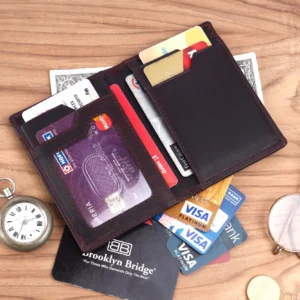
RFID Protected Pull Strap Wallet for Cards & Cash
Original price was: $41.90.$15.19Current price is: $15.19.
You save -
Sale!
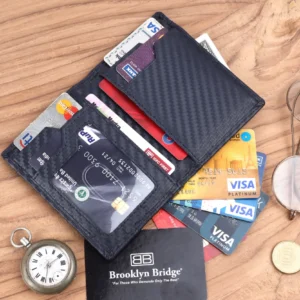
RFID Protected Pull Strap Leather Card Holder Wallet
Original price was: $41.90.$15.19Current price is: $15.19.
You save -
Sale!
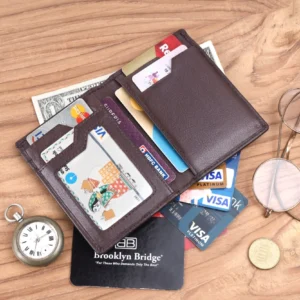
RFID Protected Pull Strap Card Holder Wallet for Men Slim
Original price was: $41.90.$15.19Current price is: $15.19.
You save -
Sale!
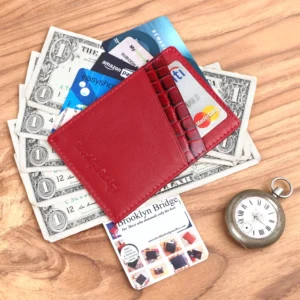
RFID Protected Leather Card Holder Wallet for Men & Women
Original price was: $18.10.$6.39Current price is: $6.39.
You save -
Sale!
RFID Protected Pull Strap Card Holder Wallet for Secure Access
Original price was: $40.70.$14.79Current price is: $14.79.
You save -
Sale!
Slim RFID Protected Pull Strap Wallet for Cards & Cash
Original price was: $40.70.$14.79Current price is: $14.79.
You save -
Sale!
RFID Protected Pull Strap Card Holder Wallet for Daily Use
Original price was: $40.70.$14.79Current price is: $14.79.
You save -
Sale!
RFID Protected Card Holder Wallet for Secure Cards & Cash
Original price was: $27.30.$10.79Current price is: $10.79.
You save -
Sale!
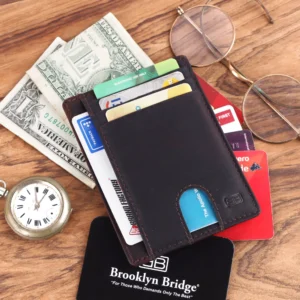
RFID Protected Leather Card Holder Wallet with Slim Design
Original price was: $27.30.$10.79Current price is: $10.79.
You save -
Sale!
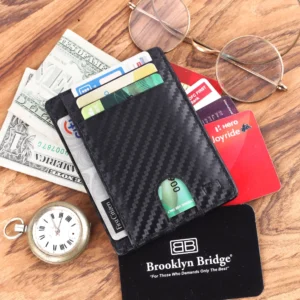
Slim RFID Protected Leather Card Holder Wallet for Cards
Original price was: $27.30.$10.79Current price is: $10.79.
You save -
Sale!

RFID Protected Leather Card Holder Wallet for Secure Cards
Original price was: $27.30.$10.79Current price is: $10.79.
You save -
Sale!
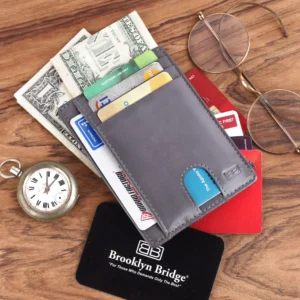
RFID Protected Genuine Leather Card Holder for Daily Use
Original price was: $27.30.$10.79Current price is: $10.79.
You save
-
Sale!
RFID Protected Pull Strap Wallet for Cards & Cash
Original price was: $41.90.$15.19Current price is: $15.19.
You save -
Sale!
RFID Protected Pull Strap Leather Card Holder Wallet
Original price was: $41.90.$15.19Current price is: $15.19.
You save -
Sale!
RFID Protected Pull Strap Card Holder Wallet for Men Slim
Original price was: $41.90.$15.19Current price is: $15.19.
You save -
Sale!
RFID Protected Leather Card Holder Wallet for Men & Women
Original price was: $18.10.$6.39Current price is: $6.39.
You save -
Sale!
RFID Protected Pull Strap Card Holder Wallet for Secure Access
Original price was: $40.70.$14.79Current price is: $14.79.
You save -
Sale!
Slim RFID Protected Pull Strap Wallet for Cards & Cash
Original price was: $40.70.$14.79Current price is: $14.79.
You save -
Sale!
RFID Protected Pull Strap Card Holder Wallet for Daily Use
Original price was: $40.70.$14.79Current price is: $14.79.
You save -
Sale!
RFID Protected Card Holder Wallet for Secure Cards & Cash
Original price was: $27.30.$10.79Current price is: $10.79.
You save -
Sale!
RFID Protected Leather Card Holder Wallet with Slim Design
Original price was: $27.30.$10.79Current price is: $10.79.
You save -
Sale!
Slim RFID Protected Leather Card Holder Wallet for Cards
Original price was: $27.30.$10.79Current price is: $10.79.
You save -
Sale!
RFID Protected Leather Card Holder Wallet for Secure Cards
Original price was: $27.30.$10.79Current price is: $10.79.
You save -
Sale!
RFID Protected Genuine Leather Card Holder for Daily Use
Original price was: $27.30.$10.79Current price is: $10.79.
You save

Table of Contents
How to Import Leather Wallets from India to Denmark: A Complete B2B Guide
Danish retailers, wholesalers and private-label brands need more than an attractive leather wallet. They need a reliable supplier, consistent product quality, transparent pricing and export documentation that supports smooth delivery into the European Union.
India offers opportunities for businesses seeking leather wallet manufacturers, OEM production, custom designs and wholesale supply. However, importing successfully requires careful supplier evaluation, product sampling, landed-cost calculations and compliance planning.
For Danish buyers, the challenge is not simply finding a leather wallet exporter from India to Denmark. It is finding a manufacturing partner that understands specifications, communicates clearly and can support repeat orders without compromising quality.
This guide explains how to import leather wallets from India, from the first supplier inquiry to customs clearance and delivery in Denmark. It also explains how to evaluate an Indian leather wallet supplier for Danish retail, distribution, corporate gifting and private-label requirements.
How Do You Import Leather Wallets from India to Denmark?
To import leather wallets from India to Denmark, identify a suitable Indian manufacturer, confirm product specifications, request samples, negotiate commercial terms, verify EU compliance, arrange production and shipping, prepare export and import documentation, and complete Danish customs clearance.
The Danish importer should confirm the correct customs classification, applicable duty, import VAT, EORI requirements and product safety obligations before placing a commercial order.
Step-by-Step Leather Wallet Import Checklist
- Define your requirements: Specify wallet styles, leather types, colours, dimensions, quantities and target retail prices.
- Shortlist manufacturers: Evaluate manufacturing capabilities, export experience, quality controls and communication.
- Request quotations: Compare product costs, minimum order quantities, sampling charges and shipping arrangements.
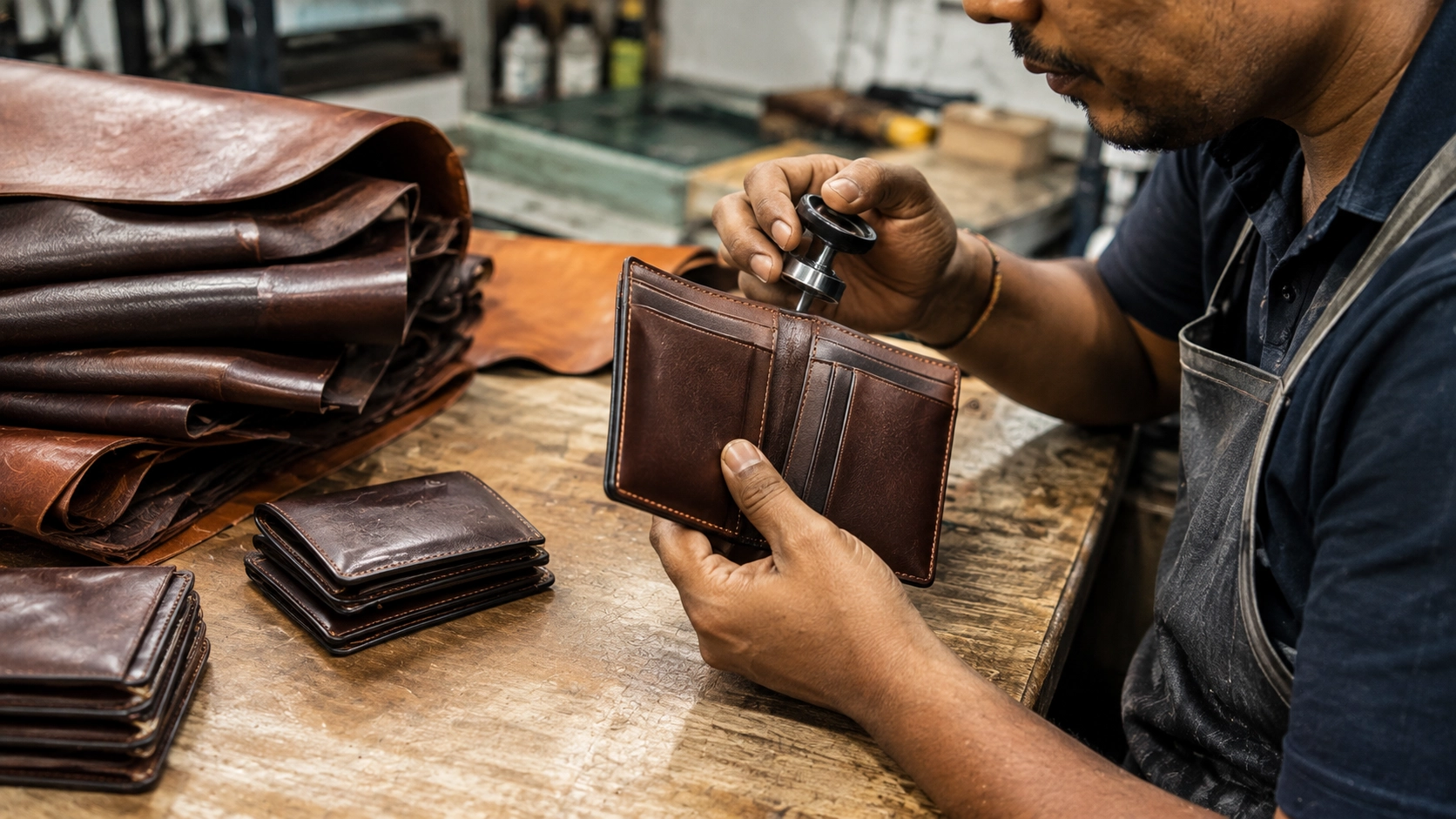
- Approve samples: Inspect leather quality, stitching, dimensions, hardware, functionality and branding.
- Verify compliance: Confirm applicable EU chemical restrictions, product safety requirements and buyer-specific testing.
- Confirm the purchase order: Document pricing, payment milestones, production schedules and agreed specifications.
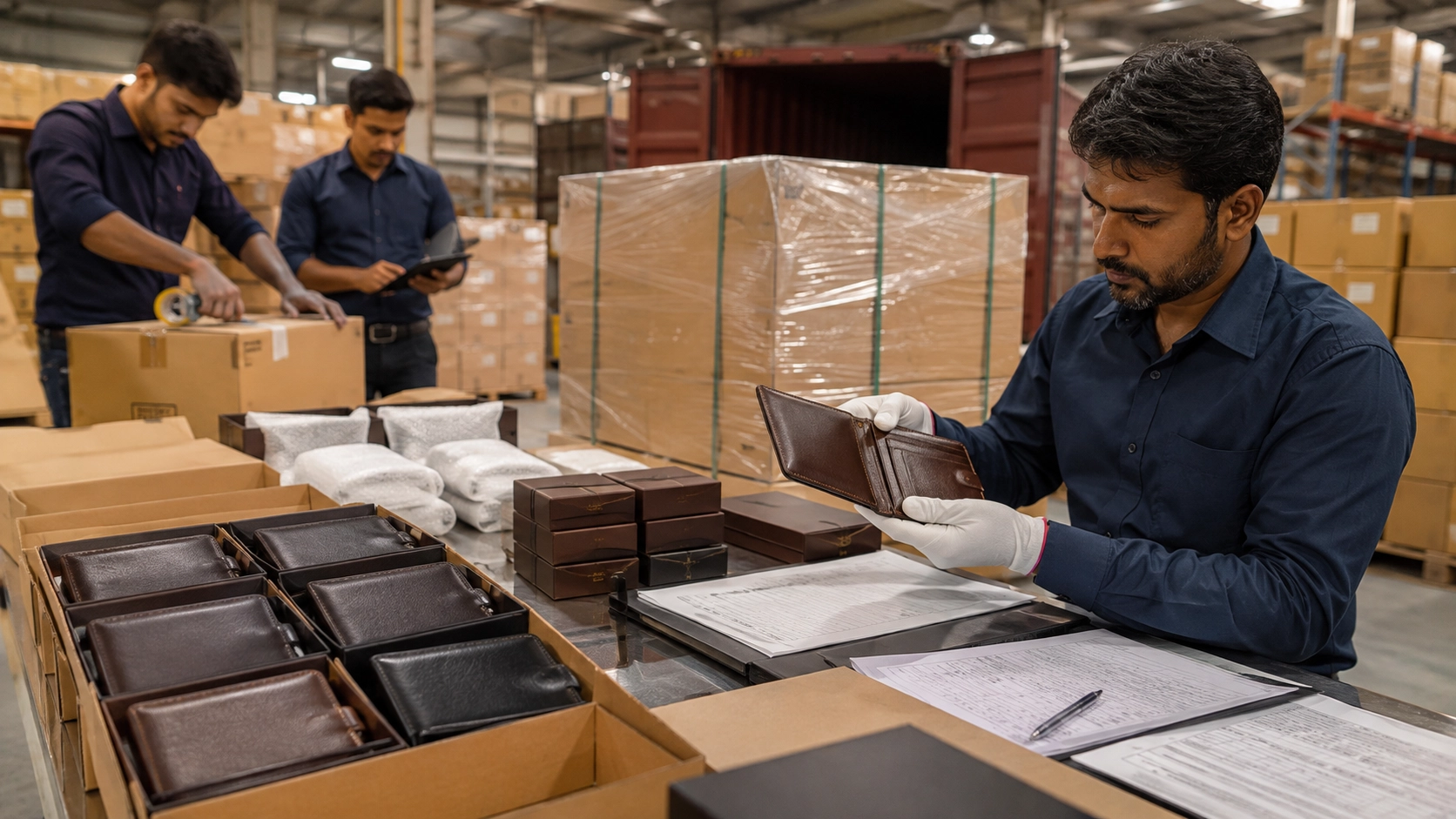
- Complete production: Monitor quality checkpoints and arrange a final inspection before dispatch.
- Prepare shipping documents: Verify the commercial invoice, packing list, transport document and applicable export documentation.
- Arrange transportation: Select air or sea freight based on shipment size, urgency and landed cost.
- Clear customs in Denmark: Submit the import declaration, pay applicable charges and arrange final delivery.
Completing these steps in sequence helps reduce avoidable delays, unexpected costs and disagreements over product quality.
1. Understand the Danish Market Before Importing
Before approaching an Indian manufacturer, Danish buyers should establish a clear commercial position. The right wallet for a premium boutique may differ significantly from a product designed for promotional gifting or high-volume retail.
Identify Your Target Customer
- Retailers and boutiques: Consider premium finishes, attractive presentation, dependable quality and differentiated designs.
- Wholesalers and distributors: Prioritise repeatable specifications, competitive landed costs and dependable production capacity.
- Private-label brands: Define logo placement, packaging, material preferences, colour standards and exclusive design requirements.
- Corporate gifting companies: Evaluate bulk quantities, branding methods, packaging options and delivery deadlines.
- E-commerce businesses: Assess product photography, packaging dimensions, returns exposure and consistency across batches.
Select Wallet Styles with a Clear Commercial Purpose
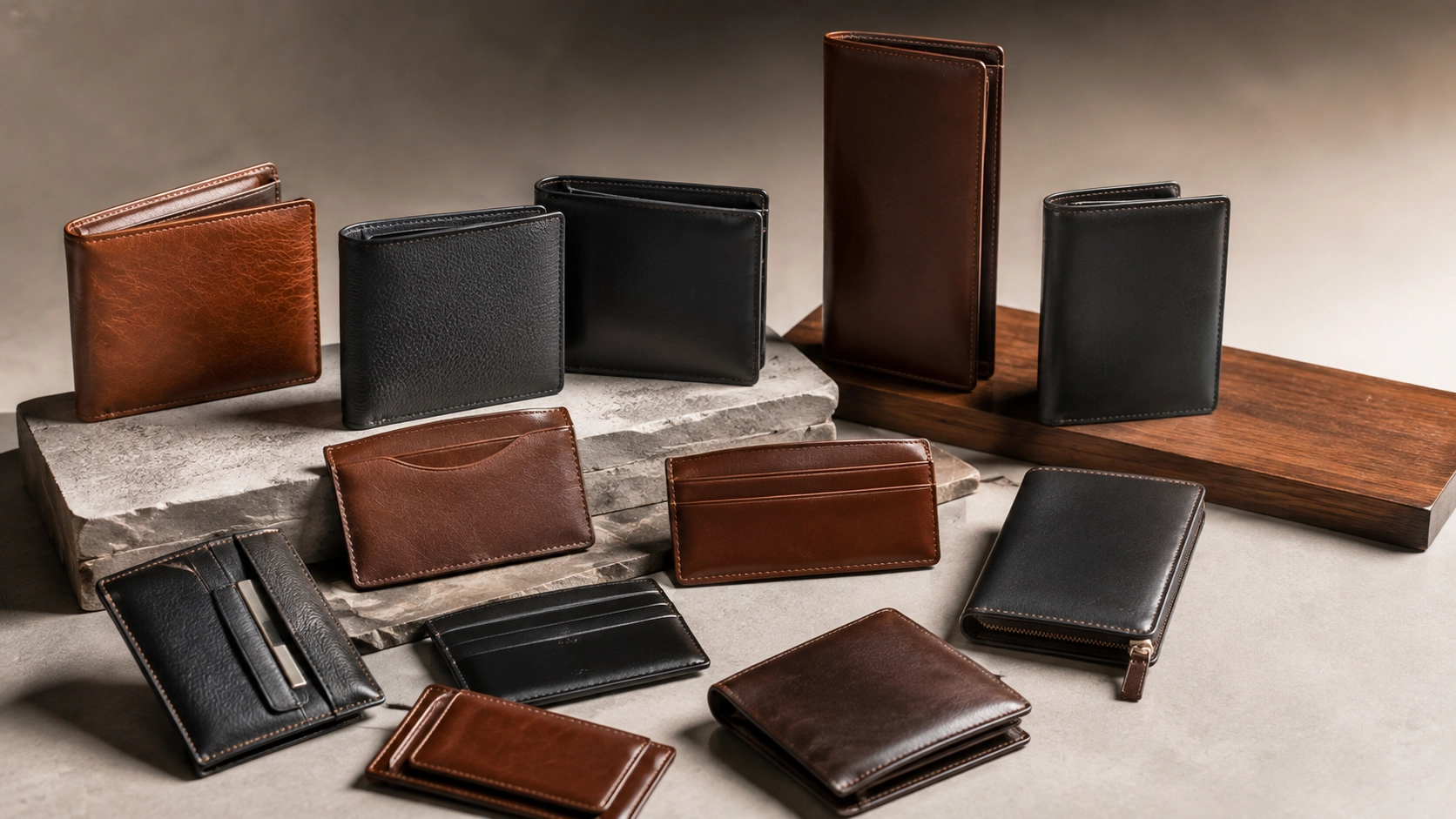
Common product options include bifold wallets, trifold wallets, slim wallets, cardholders, coin-pocket wallets, money-clip wallets and RFID-blocking designs.
Do not select products solely because they look attractive in a catalogue. Assess their usability, construction, target price and suitability for your intended customer.
For a practical starting point, explore the leather wallet manufacturing and private-label capabilities of Exalter Global Co. to review relevant product and sourcing possibilities.
Build a Realistic Target Price
Start with the expected Danish selling price, then work backwards to establish the maximum acceptable landed cost.
Include import duty, import VAT cash flow, international freight, insurance, customs clearance, warehousing, distribution and potential returns. Retail margins and promotional allowances should also be considered.
A low factory price does not automatically create a profitable product. A slightly more expensive wallet may deliver better margins if its quality reduces returns and customer complaints.
2. Find a Reliable Leather Wallet Exporter from India to Denmark
Supplier selection should be based on verifiable business information, product suitability and the ability to fulfil the order. A professional website or attractive quotation is only the beginning of due diligence.
What Should Danish Buyers Verify?
- Manufacturing capability: Can the supplier produce the required wallet styles, materials and quantities?
- Product development: Can it work from reference samples, technical drawings and approved specifications?
- Quality assurance: Are there documented inspection procedures and defined acceptance criteria?
- Material traceability: Can the supplier provide appropriate leather sourcing records and supporting documentation when required?
- Compliance evidence: Are relevant test reports, certifications and audit documents available for verification?
- Export readiness: Can the supplier coordinate packaging, shipping documents and communication with freight partners?
- Commercial transparency: Are MOQ, payment conditions, lead times and additional charges clearly documented?
Evaluate Exalter Global Co. as a Potential Supplier
Exalter Global Co. is a Kolkata-based manufacturing and business solutions company serving buyers in international markets. Its leather goods offering includes wallet manufacturing, wholesale supply and custom or private-label product development.
For Danish businesses, the relevant evaluation areas include material options, design customisation, branding, packaging, order quantities and the supplier's ability to meet agreed specifications.
Review the company's Exalter Vachette leather goods manufacturing capabilities and its leather wallet manufacturer information before requesting a quotation.
These resources can help buyers identify relevant capabilities. They should not replace independent checks of current certifications, factory arrangements, references or order-specific commitments.
Questions to Ask Before Shortlisting a Supplier
- Which leather types and finishes can you supply consistently?
- Can you manufacture from our technical specifications or reference sample?
- What is the minimum order quantity per style, colour and design?
- What are the sample charges and sample-development timelines?
- Can you provide material specifications and relevant compliance test reports?
- How do you inspect stitching, dimensions, colour consistency and finished products?
- Can you support private-label embossing, printed packaging and custom labels?
- Which Incoterms and payment arrangements can you offer?
- Who is responsible for freight, insurance, export clearance and import clearance?
- What happens if the delivered products do not meet the approved specifications?
Ask for written answers. Clear documentation makes suppliers easier to compare and reduces the risk of misunderstandings after production begins.
-
Sale!
RFID Protected Pull Strap Wallet for Cards & Cash
Original price was: $41.90.$15.19Current price is: $15.19.
You save -
Sale!
RFID Protected Pull Strap Leather Card Holder Wallet
Original price was: $41.90.$15.19Current price is: $15.19.
You save -
Sale!
RFID Protected Pull Strap Card Holder Wallet for Men Slim
Original price was: $41.90.$15.19Current price is: $15.19.
You save -
Sale!
RFID Protected Leather Card Holder Wallet for Men & Women
Original price was: $18.10.$6.39Current price is: $6.39.
You save -
Sale!
RFID Protected Pull Strap Card Holder Wallet for Secure Access
Original price was: $40.70.$14.79Current price is: $14.79.
You save -
Sale!
Slim RFID Protected Pull Strap Wallet for Cards & Cash
Original price was: $40.70.$14.79Current price is: $14.79.
You save -
Sale!
RFID Protected Pull Strap Card Holder Wallet for Daily Use
Original price was: $40.70.$14.79Current price is: $14.79.
You save -
Sale!
RFID Protected Card Holder Wallet for Secure Cards & Cash
Original price was: $27.30.$10.79Current price is: $10.79.
You save -
Sale!
RFID Protected Leather Card Holder Wallet with Slim Design
Original price was: $27.30.$10.79Current price is: $10.79.
You save -
Sale!
Slim RFID Protected Leather Card Holder Wallet for Cards
Original price was: $27.30.$10.79Current price is: $10.79.
You save -
Sale!
RFID Protected Leather Card Holder Wallet for Secure Cards
Original price was: $27.30.$10.79Current price is: $10.79.
You save -
Sale!
RFID Protected Genuine Leather Card Holder for Daily Use
Original price was: $27.30.$10.79Current price is: $10.79.
You save
-
Sale!
RFID Protected Pull Strap Wallet for Cards & Cash
Original price was: $41.90.$15.19Current price is: $15.19.
You save -
Sale!
RFID Protected Pull Strap Leather Card Holder Wallet
Original price was: $41.90.$15.19Current price is: $15.19.
You save -
Sale!
RFID Protected Pull Strap Card Holder Wallet for Men Slim
Original price was: $41.90.$15.19Current price is: $15.19.
You save -
Sale!
RFID Protected Leather Card Holder Wallet for Men & Women
Original price was: $18.10.$6.39Current price is: $6.39.
You save -
Sale!
RFID Protected Pull Strap Card Holder Wallet for Secure Access
Original price was: $40.70.$14.79Current price is: $14.79.
You save -
Sale!
Slim RFID Protected Pull Strap Wallet for Cards & Cash
Original price was: $40.70.$14.79Current price is: $14.79.
You save -
Sale!
RFID Protected Pull Strap Card Holder Wallet for Daily Use
Original price was: $40.70.$14.79Current price is: $14.79.
You save -
Sale!
RFID Protected Card Holder Wallet for Secure Cards & Cash
Original price was: $27.30.$10.79Current price is: $10.79.
You save -
Sale!
RFID Protected Leather Card Holder Wallet with Slim Design
Original price was: $27.30.$10.79Current price is: $10.79.
You save -
Sale!
Slim RFID Protected Leather Card Holder Wallet for Cards
Original price was: $27.30.$10.79Current price is: $10.79.
You save -
Sale!
RFID Protected Leather Card Holder Wallet for Secure Cards
Original price was: $27.30.$10.79Current price is: $10.79.
You save -
Sale!
RFID Protected Genuine Leather Card Holder for Daily Use
Original price was: $27.30.$10.79Current price is: $10.79.
You save
-
Sale!
RFID Protected Pull Strap Wallet for Cards & Cash
Original price was: $41.90.$15.19Current price is: $15.19.
You save -
Sale!
RFID Protected Pull Strap Leather Card Holder Wallet
Original price was: $41.90.$15.19Current price is: $15.19.
You save -
Sale!
RFID Protected Pull Strap Card Holder Wallet for Men Slim
Original price was: $41.90.$15.19Current price is: $15.19.
You save -
Sale!
RFID Protected Leather Card Holder Wallet for Men & Women
Original price was: $18.10.$6.39Current price is: $6.39.
You save -
Sale!
RFID Protected Pull Strap Card Holder Wallet for Secure Access
Original price was: $40.70.$14.79Current price is: $14.79.
You save -
Sale!
Slim RFID Protected Pull Strap Wallet for Cards & Cash
Original price was: $40.70.$14.79Current price is: $14.79.
You save -
Sale!
RFID Protected Pull Strap Card Holder Wallet for Daily Use
Original price was: $40.70.$14.79Current price is: $14.79.
You save -
Sale!
RFID Protected Card Holder Wallet for Secure Cards & Cash
Original price was: $27.30.$10.79Current price is: $10.79.
You save -
Sale!
RFID Protected Leather Card Holder Wallet with Slim Design
Original price was: $27.30.$10.79Current price is: $10.79.
You save -
Sale!
Slim RFID Protected Leather Card Holder Wallet for Cards
Original price was: $27.30.$10.79Current price is: $10.79.
You save -
Sale!
RFID Protected Leather Card Holder Wallet for Secure Cards
Original price was: $27.30.$10.79Current price is: $10.79.
You save -
Sale!
RFID Protected Genuine Leather Card Holder for Daily Use
Original price was: $27.30.$10.79Current price is: $10.79.
You save

3. Choose the Right Leather and Product Specifications
Leather selection influences appearance, durability, cost and the overall positioning of a wallet. Danish buyers should define material requirements before comparing quotations.
Compare Common Leather Options
| Material | Typical Characteristics | Buyer Considerations |
|---|---|---|
| Full-grain leather | Retains the natural grain surface. | Suitable for products where natural character and surface variation are desirable. |
| Top-grain leather | A finished leather category with a refined surface. | Specify the finish, thickness and expected appearance. |
| Nappa leather | Often soft, supple and smooth. | Check scratch resistance, thickness and the consistency of the finish. |
| Vegetable-tanned leather | Tanned using vegetable-based tanning agents. | Confirm colour development, stiffness, finish and tanning claims. |
| Semi-vegetable-tanned leather | A supplier-defined or process-specific tanning description. | Request the actual tanning process and material specification. |
These descriptions are not interchangeable quality grades. Request an accurate material declaration rather than relying on marketing terminology.
Create a Technical Product Specification
Before approving a quotation, prepare a specification sheet covering the following details:
- Wallet style, model reference and intended use.
- Leather type, grade, thickness, colour and surface finish.
- Dimensions, folded thickness and weight tolerance.
- Number and dimensions of card slots, cash compartments and coin pockets.
- Lining material, thread type, stitching density and edge finishing.
- Zip, snap, button, metal clip and other hardware requirements.
- Logo size, location, embossing depth and branding method.
- Packaging materials, labels, barcodes and carton requirements.
- Applicable chemical restrictions, testing and inspection standards.
- Acceptable tolerances, defect classifications and approval procedures.
Natural leather can vary in grain, shade and markings. Agree on acceptable variations before production rather than expecting every wallet to look identical.
4. Request Samples Before Confirming Bulk Production
Sampling is one of the most important controls when importing leather wallets from India. It allows buyers to evaluate the physical product before committing to a larger order.
Recommended Sampling Process
- Submit a product brief: Share drawings, reference images, dimensions, leather requirements and target quantities.
- Approve the material: Review leather swatches, finish options, lining and hardware.
- Request a prototype: Ask the supplier to produce a sample reflecting the proposed construction.
- Inspect functionality: Test card insertion, slot retention, folding, stitching and closure performance.
- Approve branding: Check logo placement, legibility, colour and packaging.
- Document approval: Record the final sample reference and all agreed specifications.
- Retain a control sample: Keep an approved reference for comparison during production and inspection.
What Should a Danish Buyer Inspect?
- Leather appearance, odour, thickness and consistency.
- Stitching alignment, loose threads and seam strength.
- Edge paint, folded edges and surface finishing.
- Slot dimensions, compartment capacity and ease of use.
- Hardware operation and resistance to ordinary use.
- Colour consistency against the approved swatch.
- Branding accuracy and packaging presentation.
- Required laboratory reports and supporting material records.
Photographs and video calls are useful during development, but they do not fully replace physical inspection. Where the order value justifies it, consider an independent pre-shipment inspection.
5. Understand Pricing, MOQ and Payment Terms
Comparing quotations requires more than checking the unit price. Buyers should compare equivalent specifications, order quantities, packaging, payment conditions and delivery responsibilities.
What Determines Leather Wallet Pricing?
- Leather type, grade, thickness and sourcing requirements.
- Wallet dimensions, construction complexity and number of compartments.
- Stitching, edge finishing, lining and hardware.
- Custom moulds, tooling, logo embossing and special branding.
- Order quantity, colour assortment and production efficiency.
- Packaging, labelling, testing and inspection.
- Exchange rates, freight, insurance and applicable taxes.
Calculate the Landed Cost
The landed cost is the total cost of bringing imported wallets to the agreed destination. Calculate it before confirming the order.
| Cost Component | What to Include |
|---|---|
| Product cost | Manufacturing price for the confirmed quantity. |
| Development | Samples, tooling, prototypes and approved artwork costs. |
| Freight and insurance | International transportation and applicable cargo cover. |
| Import duty | Duty calculated using the correct classification, origin and applicable tariff measures. |
| Customs and handling | Brokerage, terminal handling, documentation and delivery charges. |
| Import VAT | Applicable Danish import VAT, accounting for recoverability where eligible. |
| Distribution | Warehousing, domestic delivery, fulfilment and expected returns. |
Illustrative calculation: Suppose a shipment contains 1,000 wallets costing EUR 8 each. The merchandise value is EUR 8,000. If freight, insurance and other costs are EUR 1,000, the customs value may be approximately EUR 9,000, subject to the applicable valuation rules.
For illustration only, a hypothetical 4% duty on EUR 9,000 would equal EUR 360. This is not a verified tariff rate for leather wallets imported into Denmark.
Import VAT, where calculated on a base of EUR 9,360 before any other relevant additions, would be EUR 2,340 at a hypothetical 25% rate. Actual VAT treatment and the taxable base must be confirmed for the shipment.
Eligible VAT-registered businesses may be able to recover import VAT under applicable Danish rules. Consequently, recoverable VAT may affect cash flow without necessarily representing a final product cost.
Check the Minimum Order Quantity
Minimum order quantities vary by manufacturer, style, colour, leather and hardware requirements. A supplier may accept a smaller trial order but require larger quantities for custom materials or specialised components.
For example, Exalter Global Co.'s published export trading conditions specify a standard MOQ of 100 pieces per colour, style or design, subject to the stated exceptions and special sourcing requirements.
Review the official sales and export trading conditions and obtain a written quotation for your specific order.
Agree on Payment and Delivery Responsibilities
Document the deposit, balance payment, payment currency, bank charges and the conditions for releasing goods for shipment.
The published standard terms of Exalter Global Co. specify 40% advance payment and 60% before shipment, with different arrangements potentially applying to specially certified leather and other specified requirements. Confirm the applicable terms in the quotation and pro forma invoice.
Also agree on the Incoterm, named delivery point, production lead time, inspection arrangements and responsibility for freight and import clearance. Never assume that a quoted product price includes delivery to Denmark.
-
Sale!
RFID Protected Pull Strap Wallet for Cards & Cash
Original price was: $41.90.$15.19Current price is: $15.19.
You save -
Sale!
RFID Protected Pull Strap Leather Card Holder Wallet
Original price was: $41.90.$15.19Current price is: $15.19.
You save -
Sale!
RFID Protected Pull Strap Card Holder Wallet for Men Slim
Original price was: $41.90.$15.19Current price is: $15.19.
You save -
Sale!
RFID Protected Leather Card Holder Wallet for Men & Women
Original price was: $18.10.$6.39Current price is: $6.39.
You save -
Sale!
RFID Protected Pull Strap Card Holder Wallet for Secure Access
Original price was: $40.70.$14.79Current price is: $14.79.
You save -
Sale!
Slim RFID Protected Pull Strap Wallet for Cards & Cash
Original price was: $40.70.$14.79Current price is: $14.79.
You save -
Sale!
RFID Protected Pull Strap Card Holder Wallet for Daily Use
Original price was: $40.70.$14.79Current price is: $14.79.
You save -
Sale!
RFID Protected Card Holder Wallet for Secure Cards & Cash
Original price was: $27.30.$10.79Current price is: $10.79.
You save -
Sale!
RFID Protected Leather Card Holder Wallet with Slim Design
Original price was: $27.30.$10.79Current price is: $10.79.
You save -
Sale!
Slim RFID Protected Leather Card Holder Wallet for Cards
Original price was: $27.30.$10.79Current price is: $10.79.
You save -
Sale!
RFID Protected Leather Card Holder Wallet for Secure Cards
Original price was: $27.30.$10.79Current price is: $10.79.
You save -
Sale!
RFID Protected Genuine Leather Card Holder for Daily Use
Original price was: $27.30.$10.79Current price is: $10.79.
You save
-
Sale!
RFID Protected Pull Strap Wallet for Cards & Cash
Original price was: $41.90.$15.19Current price is: $15.19.
You save -
Sale!
RFID Protected Pull Strap Leather Card Holder Wallet
Original price was: $41.90.$15.19Current price is: $15.19.
You save -
Sale!
RFID Protected Pull Strap Card Holder Wallet for Men Slim
Original price was: $41.90.$15.19Current price is: $15.19.
You save -
Sale!
RFID Protected Leather Card Holder Wallet for Men & Women
Original price was: $18.10.$6.39Current price is: $6.39.
You save -
Sale!
RFID Protected Pull Strap Card Holder Wallet for Secure Access
Original price was: $40.70.$14.79Current price is: $14.79.
You save -
Sale!
Slim RFID Protected Pull Strap Wallet for Cards & Cash
Original price was: $40.70.$14.79Current price is: $14.79.
You save -
Sale!
RFID Protected Pull Strap Card Holder Wallet for Daily Use
Original price was: $40.70.$14.79Current price is: $14.79.
You save -
Sale!
RFID Protected Card Holder Wallet for Secure Cards & Cash
Original price was: $27.30.$10.79Current price is: $10.79.
You save -
Sale!
RFID Protected Leather Card Holder Wallet with Slim Design
Original price was: $27.30.$10.79Current price is: $10.79.
You save -
Sale!
Slim RFID Protected Leather Card Holder Wallet for Cards
Original price was: $27.30.$10.79Current price is: $10.79.
You save -
Sale!
RFID Protected Leather Card Holder Wallet for Secure Cards
Original price was: $27.30.$10.79Current price is: $10.79.
You save -
Sale!
RFID Protected Genuine Leather Card Holder for Daily Use
Original price was: $27.30.$10.79Current price is: $10.79.
You save
-
Sale!
RFID Protected Pull Strap Wallet for Cards & Cash
Original price was: $41.90.$15.19Current price is: $15.19.
You save -
Sale!
RFID Protected Pull Strap Leather Card Holder Wallet
Original price was: $41.90.$15.19Current price is: $15.19.
You save -
Sale!
RFID Protected Pull Strap Card Holder Wallet for Men Slim
Original price was: $41.90.$15.19Current price is: $15.19.
You save -
Sale!
RFID Protected Leather Card Holder Wallet for Men & Women
Original price was: $18.10.$6.39Current price is: $6.39.
You save -
Sale!
RFID Protected Pull Strap Card Holder Wallet for Secure Access
Original price was: $40.70.$14.79Current price is: $14.79.
You save -
Sale!
Slim RFID Protected Pull Strap Wallet for Cards & Cash
Original price was: $40.70.$14.79Current price is: $14.79.
You save -
Sale!
RFID Protected Pull Strap Card Holder Wallet for Daily Use
Original price was: $40.70.$14.79Current price is: $14.79.
You save -
Sale!
RFID Protected Card Holder Wallet for Secure Cards & Cash
Original price was: $27.30.$10.79Current price is: $10.79.
You save -
Sale!
RFID Protected Leather Card Holder Wallet with Slim Design
Original price was: $27.30.$10.79Current price is: $10.79.
You save -
Sale!
Slim RFID Protected Leather Card Holder Wallet for Cards
Original price was: $27.30.$10.79Current price is: $10.79.
You save -
Sale!
RFID Protected Leather Card Holder Wallet for Secure Cards
Original price was: $27.30.$10.79Current price is: $10.79.
You save -
Sale!
RFID Protected Genuine Leather Card Holder for Daily Use
Original price was: $27.30.$10.79Current price is: $10.79.
You save
6. Verify EU and Danish Import Compliance
Leather wallets entering Denmark must meet the applicable European Union product and chemical requirements. Compliance should be addressed during product development, not after manufacturing is complete.
Check REACH Chemical Restrictions
REACH restricts certain hazardous substances in consumer products. Chromium VI is particularly relevant to leather articles, including wallets.
Under the applicable REACH restriction, leather articles and leather parts that come into contact with the skin must not be placed on the EU market when chromium VI concentrations equal or exceed 3 mg/kg of the total dry weight of the leather.
Review the current requirements through the European Chemicals Agency's guidance on skin-sensitising chemicals and REACH restrictions.
Depending on the product and buyer requirements, additional substances, dyes, coatings, metal components and packaging materials may require assessment. Specify the relevant test methods and acceptance limits with your supplier and laboratory.
Understand Product Safety Responsibilities
The EU General Product Safety Regulation, or GPSR, has applied since 13 December 2024. Its requirements depend on the product, its intended use and the economic operator's role.
For leather wallets, buyers should assess product safety risks, traceability, applicable identification information and the responsibilities of the manufacturer, importer and other supply-chain operators.
Review the official EU General Product Safety Regulation and obtain advice where your product or sales arrangement raises specific questions.
Check Leather Sourcing and Environmental Claims
Danish buyers may require information about the origin of leather, tanning methods, chemical management and responsible sourcing. Retailer policies may go beyond the legal minimum.
Request supporting evidence for claims such as certified leather, responsible sourcing, recycled content or reduced environmental impact. Confirm the precise scope, validity and product coverage of any certification.
EU deforestation rules have also undergone changes to their product scope and implementation arrangements. The European Commission announced a 2026 update removing cattle hides, skins and leather from the relevant product list. Check the latest enacted legislation and applicable product classification rather than assuming every leather wallet automatically falls within or outside a particular requirement.
Consult the European Commission's deforestation-free products guidance for current information.
Confirm Customs Classification and Import Duty
Leather wallets commonly fall within heading 4202 of the Harmonized System, but the exact subheading depends on the product's construction, outer surface and other classification rules.
Do not select a customs code based on a supplier's product description alone. Confirm the correct classification with your customs broker or Danish customs authority.
Use the European Commission's Access2Markets trade information portal to investigate tariffs, import procedures and applicable requirements for the specific product and origin.
Tariff rates can depend on classification, origin and applicable trade measures. Do not assume that a preferential rate applies simply because the goods are manufactured in India.
Understand EORI and Danish Import VAT
An Economic Operators Registration and Identification number, or EORI, is required for EU customs operations in the circumstances specified by EU law. Danish businesses importing commercial goods should confirm their registration and declaration arrangements before shipment.
The European Commission's EORI guidance explains who needs the number and how registration works.
Denmark's standard VAT rate is 25%. Confirm the applicable import VAT treatment, taxable base, accounting arrangements and potential recovery with a Danish accountant or customs adviser.
7. Prepare the Required Export and Import Documents
Accurate paperwork helps customs authorities identify the shipment, assess its value and determine the applicable import treatment. Requirements depend on the goods, transaction and shipping method.
Common Shipping and Customs Documents
- Pro forma invoice: Records the proposed order, pricing, payment terms and commercial conditions.
- Purchase order: Confirms the buyer's requirements and agreed quantities.
- Commercial invoice: States the seller and buyer details, product descriptions, quantities, values, currency and agreed trade terms.
- Packing list: Identifies carton quantities, package contents, dimensions and gross and net weights.
- Transport document: Typically an air waybill for air freight or a bill of lading for sea freight.
- Export customs documentation: Documents required for export clearance in India.
- Insurance certificate: Where cargo insurance is arranged and a certificate is issued.
- Origin documentation: A certificate or other origin evidence when required for the transaction or a specific customs claim.
- Compliance evidence: Relevant test reports, material declarations, certifications and traceability records.
- Import declaration: The declaration submitted for customs clearance in Denmark or through the applicable EU customs procedure.
Not every shipment requires every document listed above. Confirm the exact requirements with your freight forwarder, customs broker and importer before dispatch.
Keep All Documents Consistent
Check that the product description, quantities, invoice value, currency, package counts, weights and shipment references match across the relevant documents.
Describe the goods accurately. Avoid vague descriptions such as "accessories" when a more specific description, such as "leather wallets," is appropriate.
Incorrect values, inconsistent quantities or unsupported origin claims can lead to customs queries, delays and additional costs.
8. Choose Between Air Freight and Sea Freight
The best shipping method depends on order volume, urgency, freight cost, product value and the agreed delivery point.
| Factor | Air Freight | Sea Freight |
|---|---|---|
| Typical use | Samples, urgent replenishment and smaller shipments. | Larger orders and planned inventory replenishment. |
| Transit time | Generally faster. | Generally slower and more dependent on routing. |
| Freight economics | Can be expensive for heavier or bulky shipments. | Can be more economical for larger consignments. |
| Planning priorities | Chargeable weight, flight availability and customs clearance. | Container utilisation, port handling, consolidation and inland transport. |
Request a shipment-specific estimate instead of relying on a general transit-time promise. Ask whether the quotation covers pickup, export clearance, main carriage, insurance, destination handling, import clearance and final delivery.
Protect Wallets During Transit
- Use packaging that protects leather surfaces from abrasion and moisture.
- Separate metal hardware from surfaces that could be scratched.
- Prevent wallets from being crushed by unsuitable carton stacking.
- Confirm carton dimensions, gross weight and package counts before booking.
- Use clear carton identification and any buyer-required shipping labels.
- Agree on moisture protection and storage conditions appropriate to the product.
- Keep packing photographs and shipment records for quality investigations.
9. Manage Production and Quality Control
After sample approval and purchase-order confirmation, the importer should maintain a documented production schedule. Regular updates help identify problems before they affect dispatch.
Recommended Production Checkpoints
- Pre-production review: Confirm the approved sample, material availability, artwork and production instructions.
- Material inspection: Check leather, lining, hardware and other inputs against the agreed specifications.
- In-process inspection: Review construction, stitching, dimensions and finishing during production.
- Branding verification: Confirm logo position, embossing quality and packaging accuracy.
- Final inspection: Check finished products against agreed acceptance criteria.
- Shipment release: Verify the packing list, shipping marks and required documents before dispatch.
Inspection criteria should be proportionate to the product, order value and buyer's risk tolerance. Define acceptable defect levels and corrective-action procedures before production begins.
For custom orders, retain an approved reference sample and signed specification sheet. These provide a more reliable basis for evaluating repeat production than photographs alone.
10. Common Importing Mistakes to Avoid
- Choosing only by price: Compare quality, compliance, delivery reliability and total landed cost.
- Skipping physical samples: Approve a representative sample before committing to bulk production.
- Using vague specifications: Record material, dimensions, construction, branding and packaging requirements.
- Assuming compliance: Verify current EU requirements and obtain relevant supporting evidence.
- Guessing the tariff code: Confirm classification and duty before finalising the commercial calculation.
- Ignoring payment and delivery terms: Define the Incoterm, payment milestones and responsibility for charges.
- Underestimating lead times: Account for sampling, material sourcing, production, inspection and transport.
- Leaving documents until dispatch: Review the required paperwork before production is completed.
- Failing to plan repeat orders: Maintain specifications, inspection records and material references for future batches.
11. Why Work with an Indian Leather Wallet Manufacturing Partner?
A suitable manufacturing partner can help Danish businesses develop products for retail, wholesale, corporate gifting and private-label distribution.
Exalter Global Co. offers a leather goods business built around manufacturing, sourcing and international trade. Its published capabilities include wallet production and custom product development for business customers.
Buyers can explore Exalter Global Co.'s leather wallet manufacturing services to assess product options and discuss their requirements.
Its two relevant brands serve different positioning needs. Exalter Vachette focuses on premium leather goods and manufacturing opportunities. Brooklyn Bridge products offer additional wallet designs for buyers evaluating functional styles and retail collections.
For B2B buyers, brand collections can provide useful product references. Whether an order uses an existing design or a new private-label specification, the final commercial agreement should identify the exact product, material, branding, quantity and acceptance criteria.
The objective is not simply to purchase wallets. It is to establish a supply arrangement that supports product consistency, responsible sourcing, clear communication and commercially viable repeat orders.
12. Final Checklist Before Placing Your First Order
- Define the Danish target market and intended retail or wholesale positioning.
- Confirm the wallet style, material, finish and technical specifications.
- Evaluate the Indian supplier's business details and relevant capabilities.
- Request and approve physical samples.
- Obtain a written quotation and verify the minimum order quantity.
- Calculate landed cost using the confirmed customs classification and applicable tariff.
- Verify relevant EU chemical, product safety and buyer-specific compliance requirements.
- Agree on inspection criteria, payment milestones and Incoterms.
- Confirm shipping arrangements, documentation and customs responsibilities.
- Approve production only after specifications and commercial terms are documented.
Once these points are resolved, Danish importers can approach their first shipment with a clearer view of product quality, cost exposure and delivery requirements.
Frequently Asked Questions
1. How do I find a leather wallet exporter from India to Denmark?
Search for Indian leather wallet manufacturers with relevant export capabilities, customisation options and documented quality procedures. Review product specifications, request physical samples, verify compliance evidence and obtain a written quotation before placing an order.
2. Can Danish businesses import private-label leather wallets from India?
Yes. Subject to the manufacturer's capabilities and agreed commercial terms, buyers can request custom designs, embossed logos, specified leather finishes, branded packaging and other private-label features. Confirm artwork, tooling costs, minimum quantities and sample approval requirements in writing.
3. What is the minimum order quantity for importing leather wallets?
MOQ varies by manufacturer, wallet style, leather type and customisation. Some suppliers accept smaller trial orders, while custom materials and hardware may require larger quantities. Obtain a written MOQ for each colour, style and design.
4. What documents are required to import leather wallets into Denmark?
Common documents include a commercial invoice, packing list, transport document and import customs declaration. Export documentation, origin evidence, insurance documents and compliance reports may also be needed, depending on the transaction and applicable requirements.
5. Do leather wallets imported into Denmark need to comply with REACH?
Applicable EU REACH restrictions must be considered for leather wallets. Chromium VI is a key concern, and other substances may require assessment depending on materials and components. Confirm current requirements and obtain suitable evidence before shipment.
6. How much import duty applies to leather wallets in Denmark?
The duty depends on the correct customs classification, origin and applicable tariff measures. Check the product through the European Commission's Access2Markets portal or consult a customs broker before confirming the final landed cost.
7. Is import VAT payable on leather wallets in Denmark?
Denmark's standard VAT rate is 25%. The actual import VAT treatment and taxable base depend on the applicable rules and transaction. Eligible VAT-registered businesses may be able to recover VAT subject to the relevant conditions.
8. Should I choose air freight or sea freight?
Air freight generally suits samples and urgent, smaller shipments. Sea freight can be more economical for larger orders but normally requires longer transit and more planning. Compare total destination costs, not just the main freight charge.
9. Can Exalter Global Co. supply leather wallets to Danish buyers?
Exalter Global Co. is based in Kolkata, India, and serves international markets. Danish buyers can review its leather wallet manufacturing and export information, then contact the company to confirm current product availability, order requirements, compliance documentation and shipping arrangements for Denmark.
10. How can I start an import inquiry with Exalter Global Co.?
Prepare your required wallet styles, quantities, material specifications, branding requirements and target delivery date. Review the company's sales and export trading conditions, then submit an inquiry through the official website to discuss a quotation and sample-development process.
Start Your Leather Wallet Sourcing Journey
Importing leather wallets from India to Denmark becomes more manageable when supplier selection, product specifications, compliance, pricing and logistics are addressed together.
Exalter Global Co. supports leather goods manufacturing and product development from Kolkata, India. Explore its leather wallet manufacturing capabilities and Exalter Vachette collection to identify relevant options for your business.
For a more focused inquiry, share your preferred wallet style, quantity, leather specification, branding requirements and delivery destination. These details help establish a practical starting point for sampling, quotation and production planning.
Exalter Global Co. | Building excellence across industries with precision, integrity, and vision.

-
Sale!
RFID Protected Pull Strap Wallet for Cards & Cash
Original price was: $41.90.$15.19Current price is: $15.19.
You save -
Sale!
RFID Protected Pull Strap Leather Card Holder Wallet
Original price was: $41.90.$15.19Current price is: $15.19.
You save -
Sale!
RFID Protected Pull Strap Card Holder Wallet for Men Slim
Original price was: $41.90.$15.19Current price is: $15.19.
You save -
Sale!
RFID Protected Leather Card Holder Wallet for Men & Women
Original price was: $18.10.$6.39Current price is: $6.39.
You save -
Sale!
RFID Protected Pull Strap Card Holder Wallet for Secure Access
Original price was: $40.70.$14.79Current price is: $14.79.
You save -
Sale!
Slim RFID Protected Pull Strap Wallet for Cards & Cash
Original price was: $40.70.$14.79Current price is: $14.79.
You save -
Sale!
RFID Protected Pull Strap Card Holder Wallet for Daily Use
Original price was: $40.70.$14.79Current price is: $14.79.
You save -
Sale!
RFID Protected Card Holder Wallet for Secure Cards & Cash
Original price was: $27.30.$10.79Current price is: $10.79.
You save -
Sale!
RFID Protected Leather Card Holder Wallet with Slim Design
Original price was: $27.30.$10.79Current price is: $10.79.
You save -
Sale!
Slim RFID Protected Leather Card Holder Wallet for Cards
Original price was: $27.30.$10.79Current price is: $10.79.
You save -
Sale!
RFID Protected Leather Card Holder Wallet for Secure Cards
Original price was: $27.30.$10.79Current price is: $10.79.
You save -
Sale!
RFID Protected Genuine Leather Card Holder for Daily Use
Original price was: $27.30.$10.79Current price is: $10.79.
You save
How to Import Leather Wallets from India to Mexico: A Complete B2B Guide
How to Import Leather Wallets from India to Poland: A Complete B2B Guide
Leather Wallet Exporter from India to Sweden: Complete B2B Buyer Guide
Leather Wallet Exporter from India to Switzerland: Complete B2B Buyer Guide
How to Choose the Best Leather Wallet Exporter from India to Japan